Is it a sin to be gay?
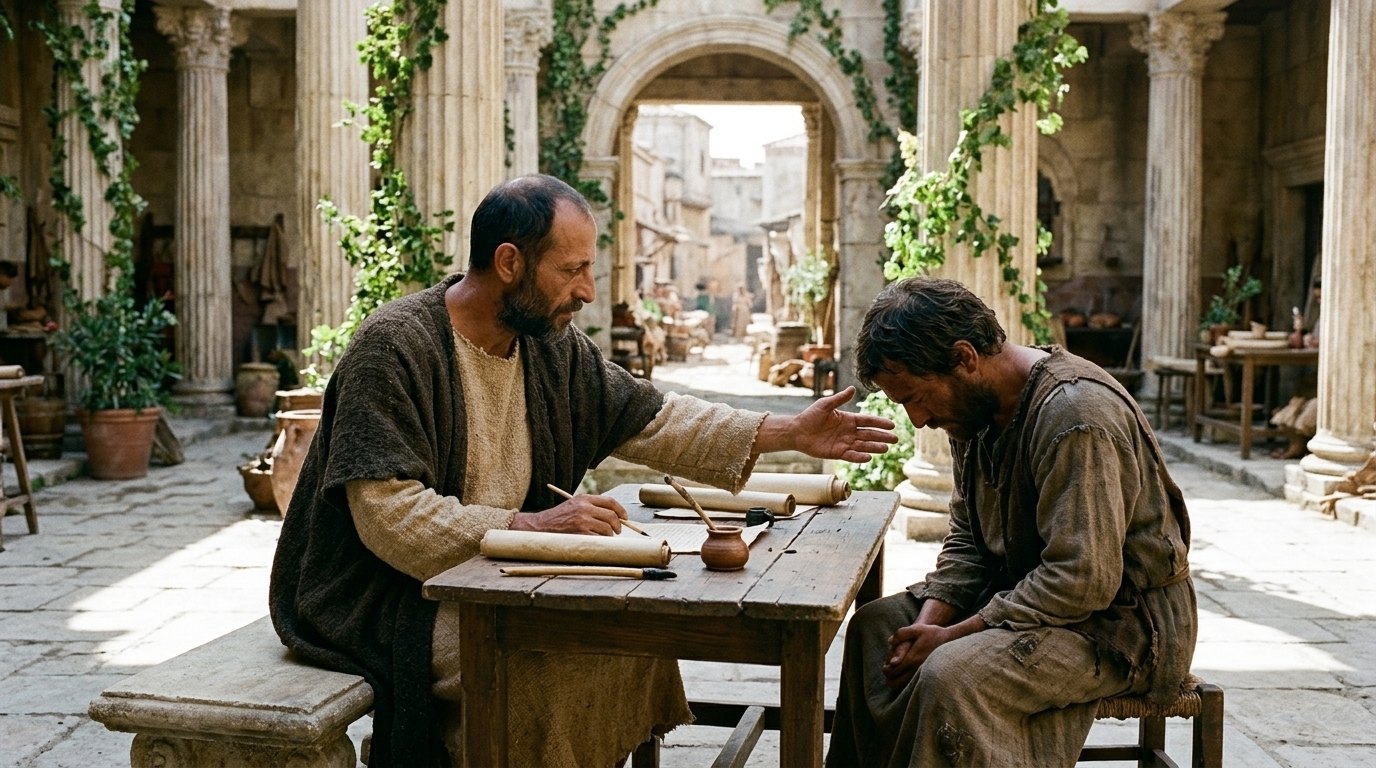
Romans 1:26-27
26 Because of this, God gave them over to shameful lusts. Even their women exchanged natural sexual relations for unnatural ones.
27 In the same way the men also abandoned natural relations with women and were inflamed with lust for one another. Men committed shameful acts with other men, and received in themselves the due penalty for their error.
New International Version (NIV)
The answer
If “being gay” means experiencing same-sex attraction while refusing to indulge or act on it, that is not sin; if it means same-sex sexual activity, lust deliberately indulged in the heart, or embracing “gay” as one’s defining identity, yes, that is sin. Scripture distinguishes temptation from sin, but it plainly condemns same-sex sexual practice.
What Scripture calls sin
God’s created design is male and female: Genesis 1:27 says, “male and female he created them.” Jesus likewise roots marriage in that design, with a man joined to his wife so that “the two shall become one flesh” (Matthew 19:4-6).
Romans 1:26-27 explicitly addresses same-sex relations. It says that “God gave them up to vile passions,” describes women changing the natural function into what is against nature, and men burning in lust toward one another, “men doing what is inappropriate with men.” It also speaks of them receiving the due penalty of their error. These are not descriptions of God approving such desires or acts.
The warning is equally plain in 1 Corinthians 6:9-11. Homosexuals are named alongside the sexually immoral, adulterers, idolaters, thieves, drunkards and others among “the unrighteous” who “will not inherit God’s Kingdom.” This is not a matter on which Scripture is silent.
Sin also includes more than outward conduct. In Matthew 5:28, Jesus teaches that lustful looking is already adultery in the heart. Avoiding a physical act while deliberately nourishing sexual lust is therefore not innocence.
Temptation itself is not sin
Hebrews 4:15 says Jesus was “tempted like we are, yet without sin.” James 1:14-15 distinguishes being tempted and enticed from lust conceiving and bearing sin. An unwanted same-sex desire that is resisted, rather than indulged in thought or action, is not sin. A person fighting that temptation should be helped and honoured, never condemned merely for being tempted.
That resistance also means not building one’s identity around the desire or calling it good. Galatians 2:20 describes the believer’s life in these terms: “Christ lives in me.” Christ, rather than sexuality or any other identity, must define the believer. Honestly acknowledging a temptation is different from embracing it as who one is.
The grace Christ gives
This verdict does not place people with same-sex temptations beyond grace, nor does it treat them as the only sinners. Romans 5:8 says that “while we were yet sinners, Christ died for us,” and 1 Peter 2:24 says, “He himself bore our sins in his body on the tree.” Christ died for sexual sinners, thieves, drunkards, liars and every other sinner who comes to Him.
Immediately after its warning, 1 Corinthians 6:11 declares: “Some of you were such, but you were washed. You were sanctified. You were justified in the name of the Lord Jesus, and in the Spirit of our God.” That includes people who had practised the sins just named. The call is therefore to repent, confess the sin and turn from it, not to remain in it. God’s promise in 1 John 1:9 is that when sins are confessed, “he is faithful and righteous to forgive us the sins and to cleanse us from all unrighteousness.” In Christ there is real forgiveness, cleansing and power for a new life of righteousness.
Answered from Scripture · reviewed November 11, 2026
Scripture makes a crucial distinction between being tempted and consenting to sin, but it speaks with absolute clarity regarding homosexual practice, lust, and identity. God designed human sexuality exclusively for the lifelong union of male and female, meaning that same-sex sexual acts and heart lust are sin, while unwanted desires that are resisted are not. This survey sets out every relevant passage across both Testaments to show God's holy standard, the reality of temptation, and the cleansing power of the gospel.
God's Design
God Created Male and Female for Lifelong Covenant

So God created mankind in his own image, in the image of God he created them; male and female he created them.
Genesis 1:27 (NIV)
Human sexuality and identity are anchored in God's initial creation of humanity as distinct male and female image-bearers.
In Genesis 1:27, the biblical account grounds human dignity and sexual reality in a single, decisive act: God created man in his own image; male and female he created them. Sex is not an arbitrary cultural assignment or an internal preference subject to revision, but a sovereign gift crafted by the Creator. The complimentary architecture of humanity is established from the beginning, providing the foundational definition of what human beings are and how their sexual faculties are ordered toward God's glory.
Building upon this created order, Genesis 2:24 establishes the exclusive divine template for sexual intimacy: a man shall leave his father and mother and hold fast to his wife, and they shall become one flesh. God designed covenant marriage between one man and one woman as the sole holy sanctuary for sexual expression. Any sexual union outside of this lifelong, heterosexual bond departs from the goodness of God's original creation and violates His design for human flourishing.
When Pharisees approached Jesus regarding marital ethics, He did not modernize or soften the standard. Citing Genesis 1:27 and Genesis 2:24 directly, Matthew 19:4-6 records Jesus answering that the Creator made them male and female from the start, declaring that what God has joined together, no human being may separate. Mark 10:6-9 records the identical verdict. Christ reinforces the Genesis mandate as perpetual and binding, confirming that biblical marriage and sexual union are permanently rooted in the male-female complementarity ordained by God.
| Passage | What it says |
|---|---|
| Genesis 1:27 | God creates humanity in His own image, explicitly fashioning them male and female from the beginning. |
| Genesis 2:24 | A man leaves father and mother to hold fast to his wife, establishing the one-flesh union as God's exclusive pattern. |
| Matthew 19:4-6 | Jesus reaffirms the Genesis pattern, declaring that God made male and female and joined them in marriage. |
| Mark 10:6-9 | Jesus grounds marital ethics in creation, forbidding man to separate what God joined together. |
The Law and History
Old Testament Statutes Forbid Same-Sex Carnal Intercourse

“ ‘Do not have sexual relations with a man as one does with a woman; that is detestable.
Leviticus 18:22 (NIV)
The Mosaic covenant directly classifies lying with a male as with a woman as an abomination before God.
Leviticus 18:22 speaks directly and unequivocally into Israel's moral code: you shall not lie with a male as with a woman; it is an abomination. This prohibition is neither cultural circumstance nor ceremonial cleanliness, but an enduring moral boundary anchored in the holiness of God. The Lord reiterates this in Leviticus 20:13, where identical carnal relations between men are condemned as an abomination under the civil statutes governing Israel's theocracy, demonstrating God's intense hatred of unnatural sexual rebellion.
Historical accounts throughout the Old Testament illustrate the catastrophic moral corruption that results when societies embrace such practices. In Genesis 19:4-8, the wicked men of Sodom surrounded Lot's residence demanding carnal access to male visitors, revealing a city consumed by brazen lust and violence. A tragic parallel occurs in Judges 19:22-25 in Gibeah, where depraved men similarly sought carnal relations with a male traveler, precipitating judgment across the tribe of Benjamin.
Scripture also repudiates the introduction of pagan cultic sexuality into worship. Deuteronomy 23:17-18 strictly bans cult prostitutes, classifying their ritual prostitution as detestable to the Lord. When Judah lapsed into apostasy, 1 Kings 14:24 notes that male temple prostitutes entered the land according to the abominations of pagan nations. True covenant renewal demanded their removal: King Asa acted righteously by expelling them in 1 Kings 15:12, and King Josiah dismantled their quarters within the temple complex in 2 Kings 23:7.
| Passage | What it says |
|---|---|
| Genesis 19:4-8 | The men of Sodom seek to sexually assault Lot's angelic male visitors, demonstrating extreme wickedness. |
| Leviticus 18:22 | The law explicitly commands that a man shall not lie with a male as with a woman. |
| Leviticus 20:13 | Men committing sexual acts with other men are declared to have committed an abomination under the civil code. |
| Deuteronomy 23:17-18 | Cultic prostitution, including male temple prostitutes, is strictly forbidden and called an abomination. |
| Judges 19:22-25 | Depraved men of Gibeah demand carnal access to a male guest, echoing Sodom's rebellion. |
| 1 Kings 14:24 | Rehoboam's Judah permits male temple prostitutes in the land, copying the abominations of expelled nations. |
| 1 Kings 15:12 | King Asa initiates righteous reform by putting away male cult prostitutes from Judah. |
| 2 Kings 23:7 | King Josiah tears down the houses of the male cult prostitutes located in the house of the Lord. |
Apostolic Verdicts
New Testament Epistles Condemn Same-Sex Sexual Practice

Because of this, God gave them over to shameful lusts. Even their women exchanged natural sexual relations for unnatural ones. In the same way the men also abandoned natural relations with women and were inflamed with lust for one another. Men committed shameful acts with other men, and received in themselves the due penalty for their error.
Romans 1:26-27 (NIV)
The apostle identifies both female and male same-sex passions as contrary to nature and subject to God's judgment.
Romans 1:26-27 establishes the New Testament apostolic verdict on homosexual behavior, showing that God gave them up to dishonourable passions, for their women exchanged natural relations for those that are contrary to nature; and the men likewise gave up natural relations with women and were consumed with passion for one another. Paul frames same-sex lust and acts not merely as individual missteps, but as visible evidence of fallen humanity exchanging the glory of God for idols. In Romans 1:24, God gives an unrepentant world over to the uncleanness already resident in rebellious hearts.
This apostolic clarity continues throughout the epistles. In 1 Corinthians 6:9-10, Paul warns that unrighteous people will not inherit God's kingdom, specifically listing both passive partners and practicing homosexuals alongside thieves, drunkards, and idolaters. In 1 Timothy 1:9-10, men who practice homosexuality are catalogued alongside murderers and enslavers as lawless actors who oppose sound doctrine and the glorious gospel of the blessed God.
The apostolic writers also cite ancient judgments to underscore the eternal stakes of sexual rebellion. Jude 1:7 warns that Sodom and Gomorrah serve as an ongoing example by undergoing the punishment of eternal fire, having indulged in gross sexual immorality and pursued strange flesh. In 2 Peter 2:6-7, Peter affirms that God reduced those cities to ashes, making them an enduring warning of coming judgment while delivering righteous Lot from the sensual conduct of the unprincipled.
| Passage | What it says |
|---|---|
| Romans 1:24 | God gives unrepentant mankind up to uncleanness in the lusts of their hearts to dishonour their bodies. |
| Romans 1:26 | Women exchange natural sexual relations for what is against nature as God gives them up to vile passions. |
| Romans 1:27 | Men burn with lust for one another, committing shameless acts with men and receiving the penalty due their error. |
| 1 Corinthians 6:9-10 | Neither the effeminate nor those who practise homosexuality will inherit the kingdom of God. |
| 1 Timothy 1:9-10 | The law is made for lawbreakers, specifically listing men who practise homosexuality as contrary to sound doctrine. |
| Jude 1:7 | Sodom and Gomorrah serve as an example of eternal fire for giving themselves over to sexual immorality and strange flesh. |
| 2 Peter 2:6-7 | God condemned the cities of Sodom and Gomorrah to ashes, rescuing righteous Lot from their sensual conduct. |
Heart and Temptation
Resisting Temptation Is Not Sin, but Inward Lust Is
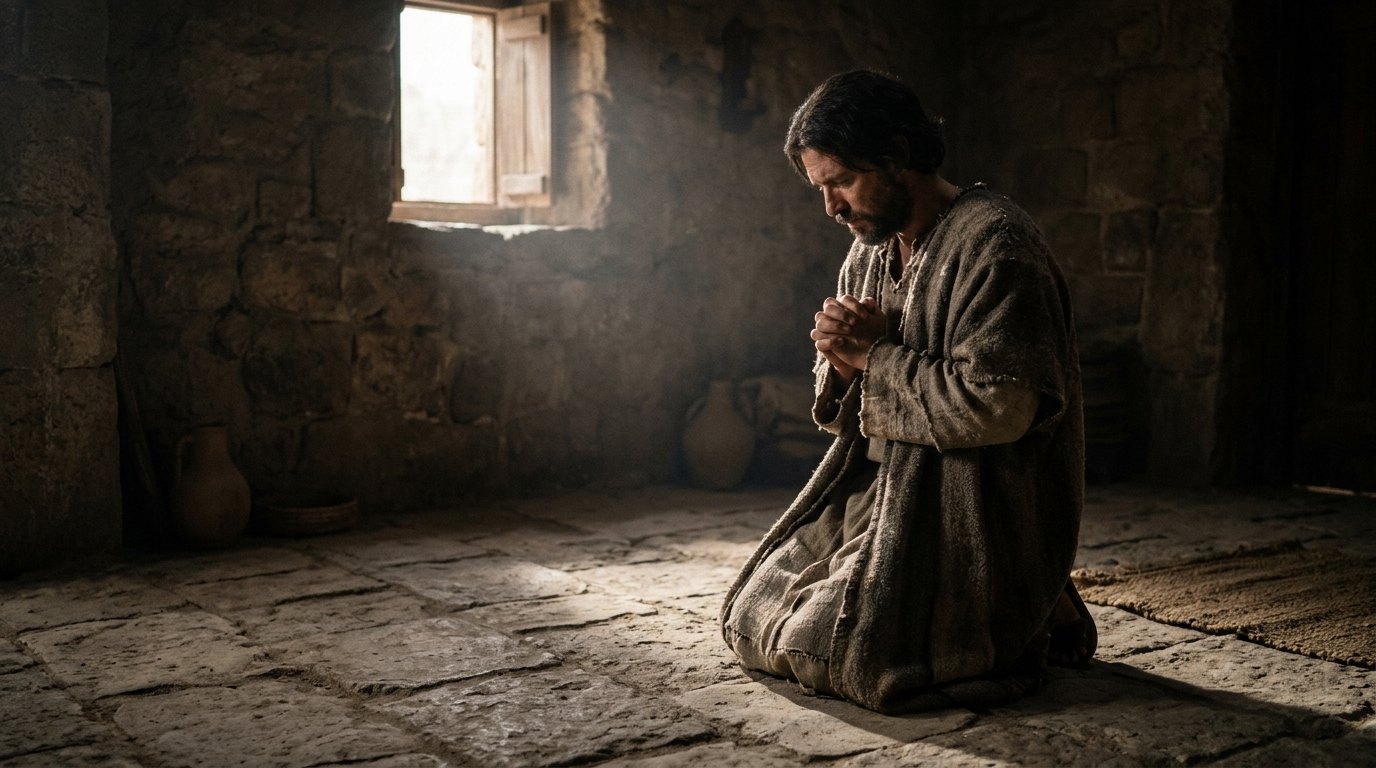
For we do not have a high priest who is unable to empathize with our weaknesses, but we have one who has been tempted in every way, just as we are—yet he did not sin.
Hebrews 4:15 (NIV)
Christ's sinless experience of every temptation proves that being tempted is not identical to committing sin.
Hebrews 4:15 provides the vital theological distinction between being tempted and consenting to sin, proclaiming that we do not have a high priest who is unable to sympathize with our weaknesses, but one who in every respect has been tempted as we are, yet without sin. Jesus Himself endured genuine, relentless temptation from Satan, yet He remained perfectly holy because temptation is external pressure upon the will, not guilt in itself. A believer who experiences an unwanted same-sex desire but flees it and refuses to indulge it has not committed sin; rather, that resistance is an act of obedience.
Sin occurs when desire is embraced and cultivated in the inner person. In Matthew 5:28, Jesus teaches that whoever looks at another person with lustful intent has already committed adultery in the heart. James 1:14-15 charts this fatal progression: a person is tempted when lured by personal desire, but sin is birthed only when desire has conceived through the consent of the will. While unchosen inclinations reflect the brokenness of the fall, cultivating romantic attraction or sexual longing toward the same sex is heart lust, which Scripture unequivocally calls sin.
Believers are called to rigorous, Spirit-empowered warfare against the flesh. In 1 Corinthians 10:13, God promises to provide a way of escape in every temptation so that His people can endure it. Paul instructs in 2 Timothy 2:22 to flee youthful passions and pursue righteousness alongside pure-hearted believers. Romans 13:14 commands us to put on the Lord Jesus Christ and make no provision for the flesh, resting in the blood of Christ that washes away every past transgression.
| Passage | What it says |
|---|---|
| Matthew 5:28 | Jesus warns that looking at someone with lustful intent constitutes committing adultery in the heart. |
| James 1:14-15 | Temptation occurs through personal desire, but sin is birthed only when desire is conceived and consented to. |
| Hebrews 4:15 | Jesus was tempted in every way as we are, yet He remained entirely without sin. |
| 1 Corinthians 10:13 | God provides a way of escape in every temptation so that believers are enabled to endure it. |
| 2 Timothy 2:22 | Paul commands believers to flee youthful passions and pursue righteousness, faith, love, and peace. |
| Romans 13:14 | Believers are commanded to put on the Lord Jesus Christ and make no provision for the flesh. |
Identity and Transformation
Christ Crucified Gives Cleansing and a New Identity
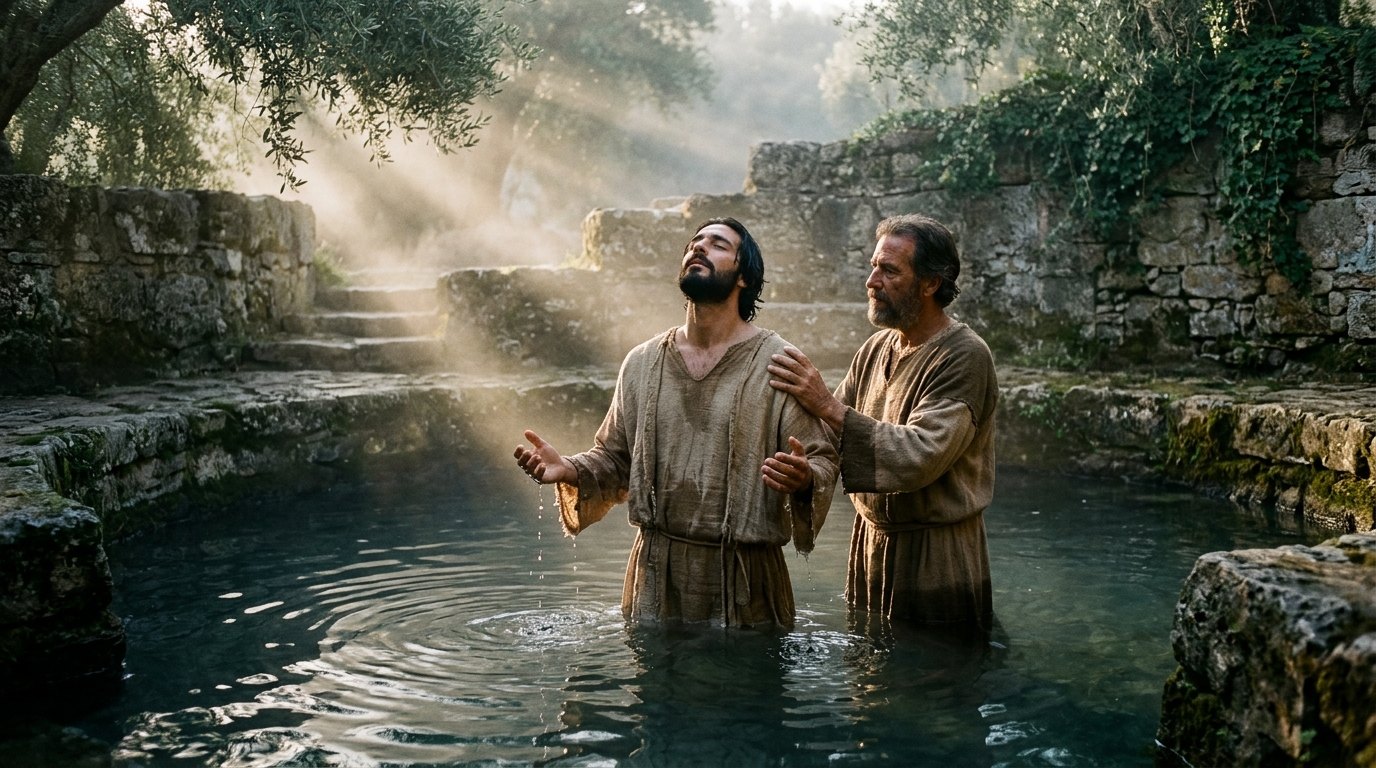
And that is what some of you were. But you were washed, you were sanctified, you were justified in the name of the Lord Jesus Christ and by the Spirit of our God.
1 Corinthians 6:11 (NIV)
Paul assures former practitioners of sexual sin that they have been washed, sanctified, and justified in Christ.
The gospel reaches into the deepest brokenness of human desire with the life-altering promise of 1 Corinthians 6:11: "And such were some of you. But you were washed, you were sanctified, you were justified in the name of the Lord Jesus Christ and by the Spirit of our God." Scripture does not define believers by their fallen attractions, former sins, or worldly categories; rather, it names them by what Christ has accomplished on their behalf. The apostle Paul reminds the Corinthian church that unrepentant practitioners of sexual sin will not inherit God's kingdom, yet through the cross, those very people had been completely cleansed from guilt and set apart for holiness.
Because the believer has been crucified with Christ, true life and personhood are grounded solely in Him (Galatians 2:20). A Christian's primary identity is found in Christ, never in sexual desires or temptations. Therefore, grace never gives permission to continue in sin; as Paul writes in Romans 6:1-2, those who have died to sin cannot keep living in it. Deliverance is not merely external behavior modification, but an inward transformation of allegiances: believers who were once enslaved to sin have become obedient from the heart, set free to become servants of righteousness (Romans 6:17-18).
This glorious redemption claims the whole person, including the physical body. Since the believer's body is a living temple of the indwelling Holy Spirit, purchased at the infinite price of Christ's blood, God commands His people to flee sexual immorality and glorify Him with their physical bodies (1 Corinthians 6:19-20). When temptations arise or when a believer stumbles in the fight for holiness, the fountain of grace remains open: if we confess our sins, He is faithful and just to forgive us our sins and to cleanse us from all unrighteousness (1 John 1:9). In Christ, the power of sin is broken, real forgiveness is granted, and the believer is daily renewed into God's holy design.
| Passage | What it says |
|---|---|
| 1 Corinthians 6:11 | Believers who once lived in sexual sin are declared washed, sanctified, and justified in the Lord Jesus. |
| Galatians 2:20 | The believer is crucified with Christ, so that Christ lives in them, defining their true life and purpose. |
| Romans 6:1-2 | Those who have died to sin in Christ cannot continue living in it under the banner of grace. |
| Romans 6:17-18 | Having once been slaves of sin, believers have become obedient from the heart and enslaved to righteousness. |
| 1 Corinthians 6:19-20 | The body is a temple of the Holy Spirit, bought with a price, to be used to glorify God. |
| 1 John 1:9 | God is faithful and just to forgive our sins and cleanse us from all unrighteousness when we confess. |
Where in the Bible
| Book | Passages |
|---|---|
| Genesis | 3 · Genesis 1:27, Genesis 2:24, Genesis 19:4-8 |
| Leviticus | 2 · Leviticus 18:22, Leviticus 20:13 |
| Deuteronomy | 1 · Deuteronomy 23:17-18 |
| Judges | 1 · Judges 19:22-25 |
| 1 Kings | 2 · 1 Kings 14:24, 1 Kings 15:12 |
| 2 Kings | 1 · 2 Kings 23:7 |
| Matthew | 2 · Matthew 19:4-6, Matthew 5:28 |
| Mark | 1 · Mark 10:6-9 |
| Romans | 6 · Romans 1:24, Romans 1:26, Romans 1:27, Romans 13:14, Romans 6:1-2, Romans 6:17-18 |
| 1 Corinthians | 4 · 1 Corinthians 6:9-10, 1 Corinthians 10:13, 1 Corinthians 6:11, 1 Corinthians 6:19-20 |
| Galatians | 1 · Galatians 2:20 |
| 1 Timothy | 1 · 1 Timothy 1:9-10 |
| 2 Timothy | 1 · 2 Timothy 2:22 |
| Hebrews | 1 · Hebrews 4:15 |
| James | 1 · James 1:14-15 |
| 2 Peter | 1 · 2 Peter 2:6-7 |
| 1 John | 1 · 1 John 1:9 |
| Jude | 1 · Jude 1:7 |
The story in order
- God creates male and female (c. 4000 BC) · Genesis 1:27 · Establishes the binary nature of humanity from creation.
- The one-flesh union established (c. 4000 BC) · Genesis 2:24 · Defines marriage as exclusive between male and female.
- Sodom's depravity (c. 2000 BC) · Genesis 19:4-8 · Depicts extreme sexual wickedness and perversion.
- Law forbids male-female intercourse (c. 1450 BC) · Leviticus 18:22 · Explicitly prohibits homosexual acts.
- Law condemns homosexual acts (c. 1450 BC) · Leviticus 20:13 · Declares homosexual acts an abomination.
- Gibeah's depravity (c. 1300 BC) · Judges 19:22-25 · Mirrors Sodom's rebellion with sexual violence.
- Asa removes male cult prostitutes (c. 930 BC) · 1 Kings 15:12 · Shows reform by removing abominations.
- Josiah cleanses the temple (c. 620 BC) · 2 Kings 23:7 · Removes male cult prostitutes from God's house.
- Jesus reaffirms creation design (AD 30) · Matthew 19:4-6 · Jesus grounds marriage in creation, male and female.
- Jesus on lust (AD 30) · Matthew 5:28 · Internal lust is equivalent to adultery.
- Paul on ungodliness (AD 57) · Romans 1:24-27 · God gives up those who practice unnatural lusts.
- Paul on the unrighteous (AD 55) · 1 Corinthians 6:9-10 · Lists homosexual practice as excluding from God's kingdom.
- Paul on law and sin (AD 62) · 1 Timothy 1:9-10 · Lists homosexual practice as contrary to sound doctrine.
- Peter on Sodom's example (AD 64) · 2 Peter 2:6-7 · Sodom condemned for sensual conduct.
Temptation and Sin
| Source of Temptation | Process to Sin | God's Provision | Passage |
|---|---|---|---|
| Jesus tempted in all ways. | Temptation occurs through personal desire. | Jesus remained without sin. | Hebrews 4:15 |
| Youthful passions. | Desire is conceived and consented to. | Flee youthful passions. | |
| Lustful intent. | Make no provision for the flesh. | God provides a way of escape. |
Key words
- homosexuality (arsenokoitēs (ἀρσενοκοίτης))
- Sexual attraction and/or practice between individuals of the same sex. · 1 Corinthians 6:9
- lust (epithymia (ἐπιθυμία))
- Intense desire, particularly sinful or illicit desire. · Matthew 5:28
- temptation (peirasmos (πειρασμός))
- An enticement to sin, often arising from one's own desires. · James 1:14
- sin (hamartia (ἁμαρτία))
- Rebellion against God's law; missing the mark of His standard. · Romans 1:24
- abomination (to'evah (תּוֹעֵבָה))
- Something detestable or abhorrent to God. · Leviticus 18:22
- one flesh (basar echad (בָּשָׂר אֶחָד))
- The profound union of husband and wife in marriage. · Genesis 2:24
No person is defined by their temptations or beyond the reach of God's redemptive mercy. While Scripture plainly identifies homosexual practice and heart lust as sin contrary to God's created order, it calls every sinner to repentance and faith in Jesus Christ. In Him, every believer finds complete forgiveness, the power of the Spirit to walk in purity, and a lasting identity as a child of God.
31 passages, each cited once.
Scripture cited
- Romans 1:26-27
- 1 Corinthians 6:9-11
- Matthew 5:27-28
- James 1:14-15
- Hebrews 4:15
- 1 John 1:9
- Romans 5:8
- 1 Peter 2:24
- Genesis 1:27
- Matthew 19:4-6
- Galatians 2:20