Is it a sin to cremate the dead?
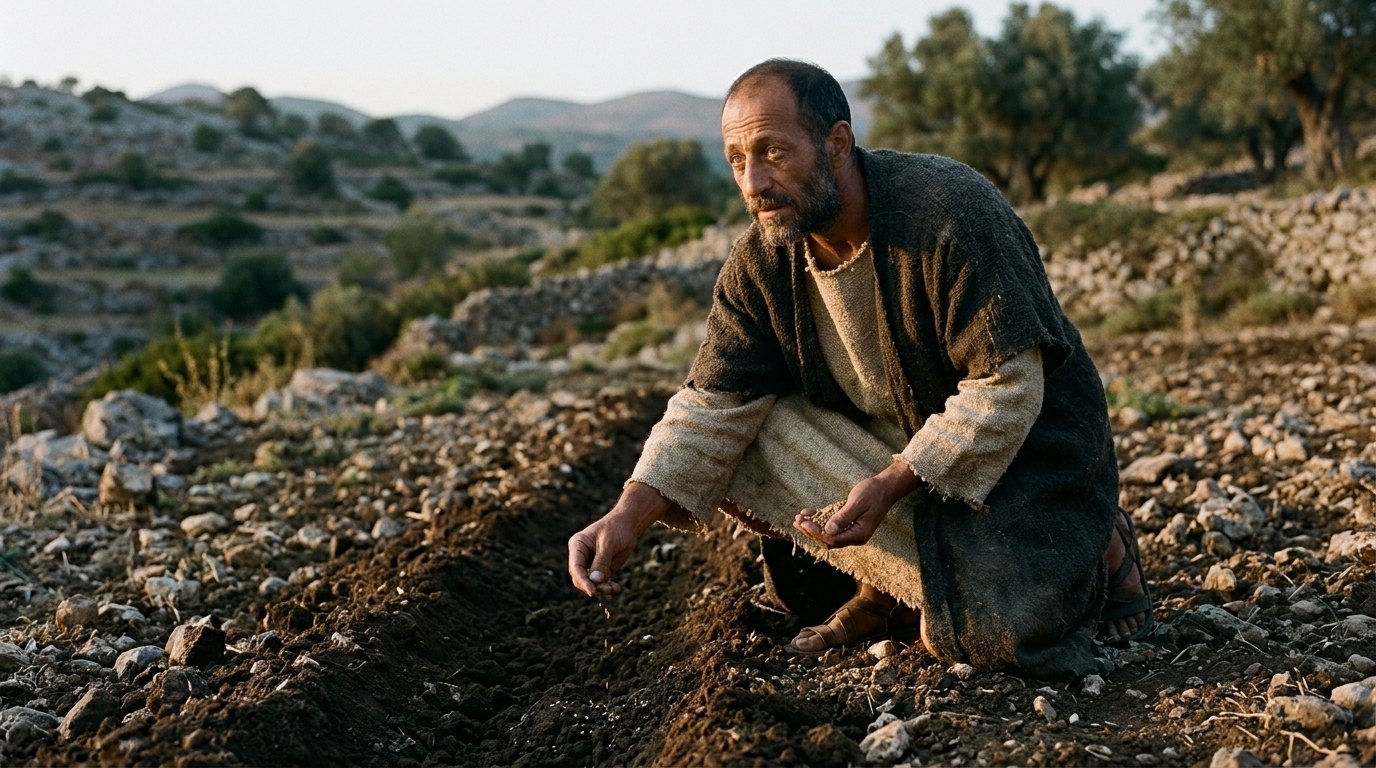
1 Corinthians 15:42-44
42 So will it be with the resurrection of the dead. The body that is sown is perishable, it is raised imperishable;
43 it is sown in dishonor, it is raised in glory; it is sown in weakness, it is raised in power;
44 it is sown a natural body, it is raised a spiritual body. If there is a natural body, there is also a spiritual body.
New International Version (NIV)
The answer
No. Cremation is not inherently sinful; Scripture does not forbid it, and no fire can frustrate God’s power to raise the dead.
The controlling truth is resurrection. In 1 Corinthians 15:42-44, Paul says the body is sown perishable and raised imperishable, sown in dishonor and raised in glory, sown in weakness and raised in power, and sown a natural body and raised a spiritual body. Christian hope therefore rests on God’s power to raise the dead, not on preserving earthly remains intact. Slow decay and cremation are very different human processes, but neither can put anyone beyond God’s reach.
Burial can fittingly express Paul’s picture of the body being sown, but that picture is not a command making every other reverent practice sinful. Requiring burial as a matter of sin would go beyond what these verses teach.
The moral issue is the worship, beliefs, and conduct surrounding death. Cremation joined to idolatry, deliberate contempt for the dead, or an expressed denial of the resurrection would be sinful for those reasons—not because fire itself has special power. Otherwise, burial and cremation may be chosen reverently before the Lord. Romans 8:21 looks forward to deliverance from the bondage of corruption, and 1 Peter 1:4 holds out an incorruptible, undefiled, unfading inheritance; neither promise depends on the condition of the corpse.
Answered from Scripture · reviewed November 11, 2026
Scripture nowhere condemns cremation as inherently sinful, nor does the reduction of earthly dust frustrate the sovereign power of the living God to raise the dead. While bodily burial stands throughout biblical history as a profound symbol of sleep and seed awaiting harvest, Christian hope rests entirely on God's omnipotent promise of resurrection, not on the physical preservation of human remains. Believers are called to honor the Lord in both life and death, discerning their choices through faith, reverence, and freedom of conscience rather than human traditions.
Resurrection Power
God's Promise Overcomes Natural Decay and Fire
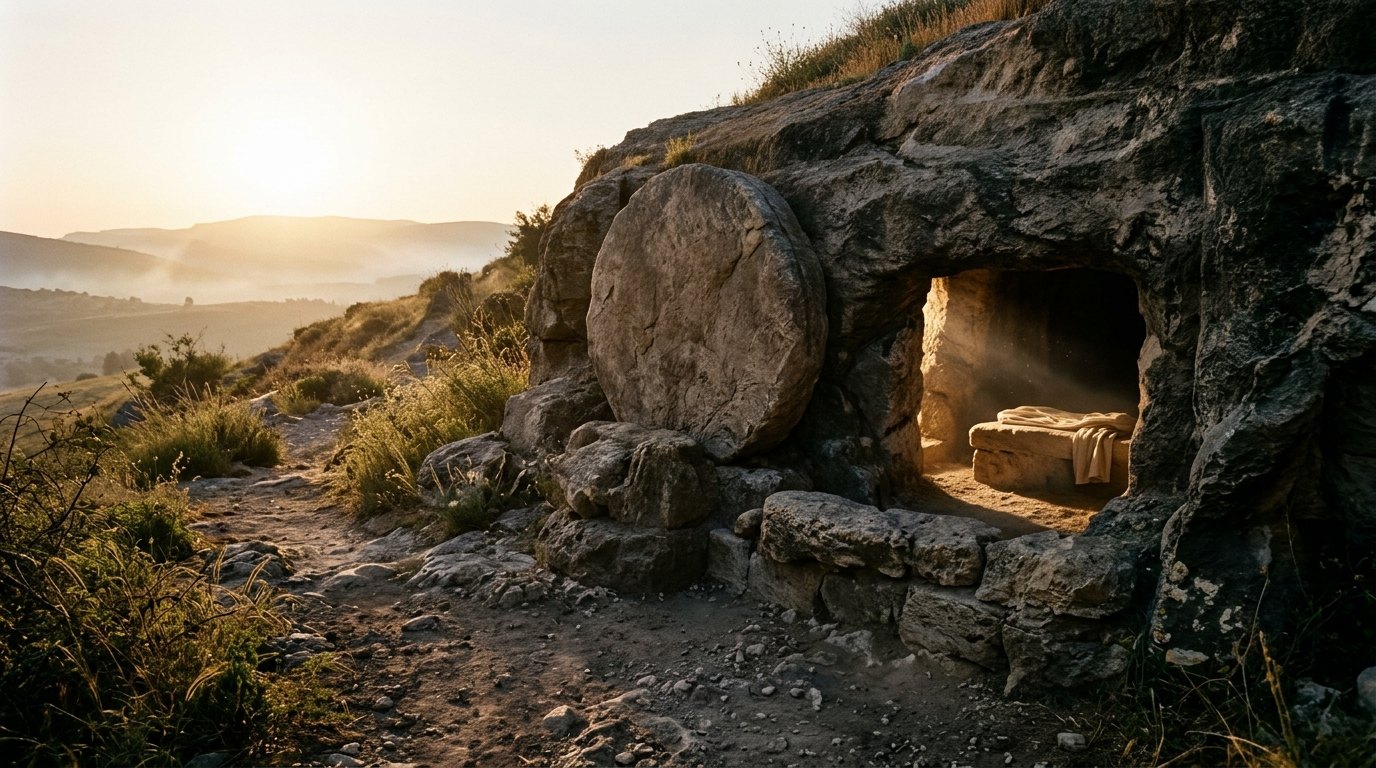
So will it be with the resurrection of the dead. The body that is sown is perishable, it is raised imperishable; it is sown in dishonor, it is raised in glory; it is sown in weakness, it is raised in power; it is sown a natural body, it is raised a spiritual body. If there is a natural body, there is also a spiritual body.
1 Corinthians 15:42-44 (NIV)
Paul shows that the transformation from earthly seed to glorious resurrected body depends on God's sovereign power, not on preserving the natural frame.
Paul anchors the Christian hope of the final resurrection in God's omnipotent power to raise an imperishable body from mortal decay (1 Corinthians 15:42-44). The apostle compares physical burial to sowing a bare grain: what is planted corruptible and weak does not restrict what God calls forth in glory and spiritual vitality. No manner of dissolution—whether centuries of slow rot in the earth or swift incineration—can limit the sovereign authority of Him who created all things out of nothing. As Paul affirms in Philippians 3:20-21, Christ will transform our lowly bodies into the likeness of His own glorious body through the very power that enables Him to subject all things to Himself.
Scripture makes this comprehensive restoration unmistakably clear across both testaments. John 5:28-29 records Jesus declaring that all who are in the tombs will hear His voice and come out, establishing that physical remains are wholly subject to His divine summons. Revelation 20:13 depicts the sea giving up its dead, along with death and Hades, demonstrating that those consumed by fire, lost at sea, or destroyed in wild catastrophes are gathered without loss. In Romans 8:21, creation itself is promised deliverance from the bondage of corruption into the glorious freedom of God's children, echoing the incorruptible, undefiled inheritance reserved in heaven described in 1 Peter 1:4. Paul comforts the Thessalonians with the reality that God will bring with Jesus those who have fallen asleep (1 Thessalonians 4:14-16), shouting them out of the dust at the voice of the archangel and the trump of God. The resurrection depends entirely on God's word, not on the survival of earthly tissue.
| Passage | What it says |
|---|---|
| 1 Corinthians 15:42-44 | The body is sown in corruption, dishonor, and weakness, but is raised imperishable, in glory, and in power as a spiritual body. |
| Philippians 3:20-21 | Christ will transform our lowly bodies to be like His glorious body by the power that enables Him to subject all things. |
| Revelation 20:13 | The sea, death, and Hades yield up the dead within them, proving no earthly destruction thwarts the resurrection. |
| Romans 8:21 | Creation itself will be delivered from the bondage of corruption into the glorious liberty of the children of God. |
| 1 Peter 1:4 | God reserves for His people an inheritance that is incorruptible, undefiled, and unfading in heaven. |
| 1 Thessalonians 4:14-16 | God brings with Jesus those fallen asleep, raising the dead when the Lord descends with a shout and trumpet. |
| John 5:28-29 | All who are in the tombs hear His voice and come out to resurrection, demonstrating Christ's sovereign power over bodily remains. |
Dust to Dust
Earthly Mortality and God's Sovereign Creation
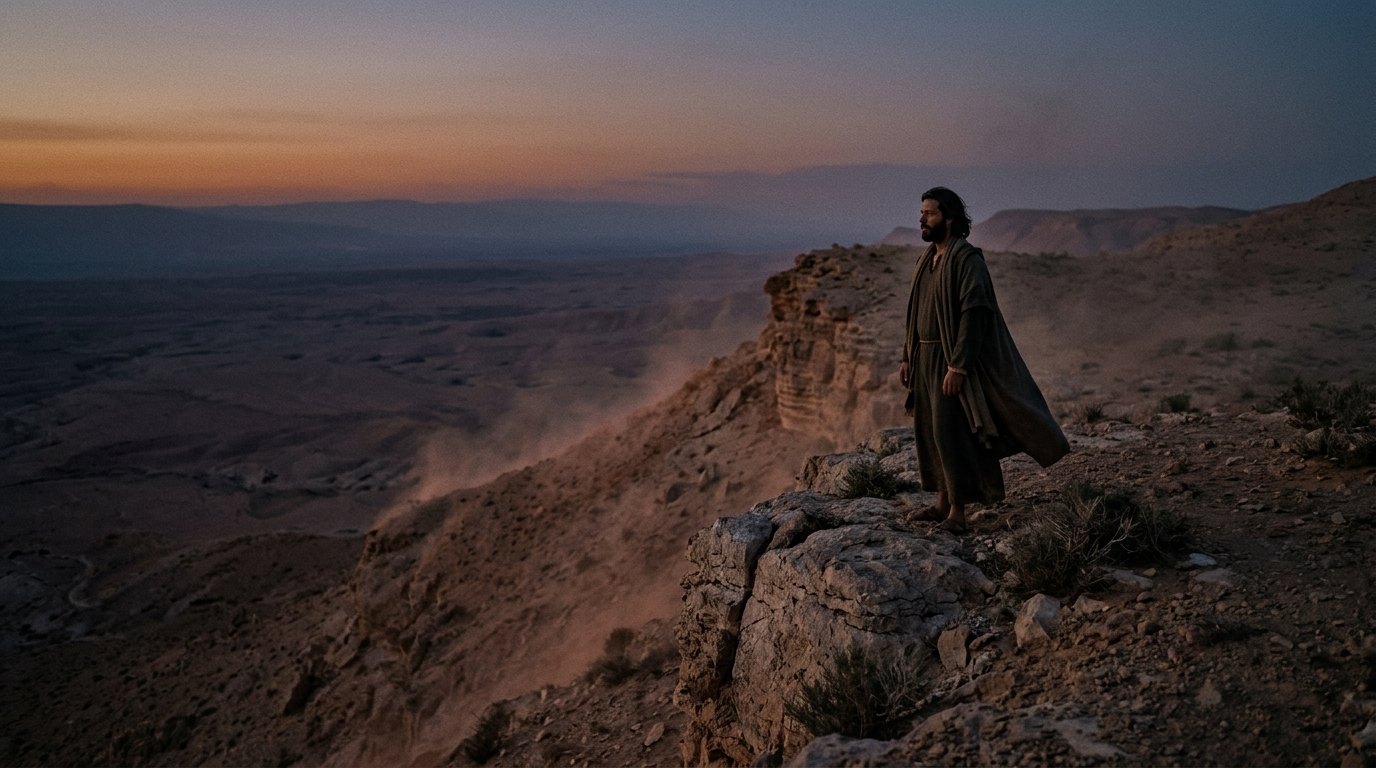
By the sweat of your brow you will eat your food until you return to the ground, since from it you were taken; for dust you are and to dust you will return.”
Genesis 3:19 (NIV)
God declares the natural end of the physical body after the Fall, returning dust to dust regardless of whether it decomposes slowly or rapidly.
In pronouncing the sentence of mortality upon fallen humanity, God declares the baseline physical reality of our frame: from dust you were taken, and to dust you shall return (Genesis 3:19). This divine decree was not given as a burial regulation, but as an inescapable statement of our creatureliness and mortality under the curse of sin. Whether a human body crumbles gradually over generations in subterranean darkness or is reduced rapidly to ash through intense heat, the ultimate physical destination remains identical: the material returns to the soil from which it was formed.
The wisdom literature consistently underscores this sovereign truth. Solomon writes in Ecclesiastes 12:7 that at death the dust returns to the earth as it was, while the spirit returns to God who gave it. The physical envelope decomposes, but the soul immediately enters the presence and keeping of its Maker. David acknowledges the tender compassion of the Lord upon this basis in Psalms 103:14, reminding believers that God knows our frame and remembers that we are mere dust. Elihu likewise confesses in Job 34:15 that if the Almighty were to gather His spirit and breath back to Himself, all flesh would perish together and man would turn back to dust. Scripture treats the physical reduction of human remains as the natural dissolution of an earthly tent, directing the believer's gaze away from the decaying vessel and toward the faithful Creator who formed it.
| Passage | What it says |
|---|---|
| Genesis 3:19 | God pronounces that man is dust, and unto dust he shall return. |
| Ecclesiastes 12:7 | The dust returns to the earth as it was, and the spirit returns to God who gave it. |
| Psalms 103:14 | The Lord knows our frame and remembers that we are dust. |
| Job 34:15 | All flesh would perish together and man would turn again unto dust if God withdrew His spirit. |
Biblical Precedent
Historical Burial Patterns and Unique Burning Incidents
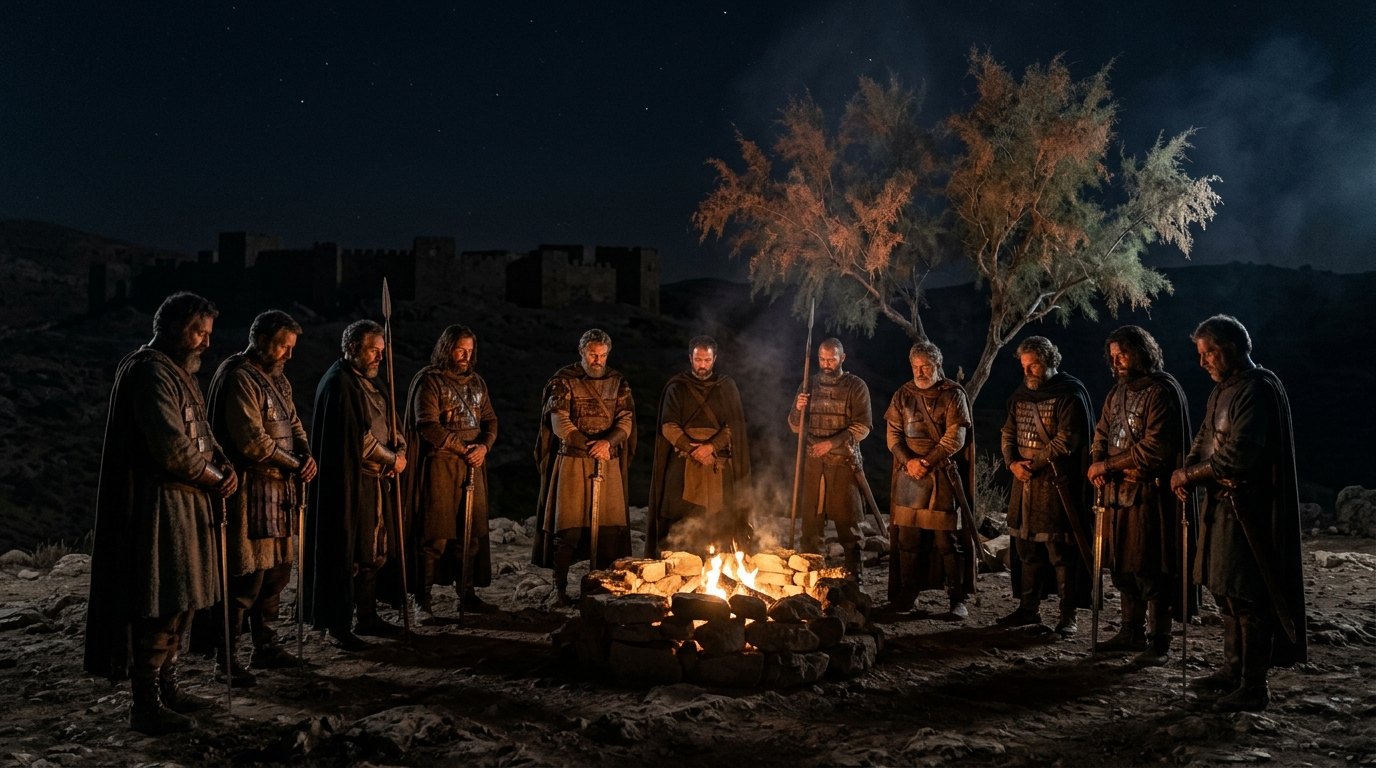
When the people of Jabesh Gilead heard what the Philistines had done to Saul, all their valiant men marched through the night to Beth Shan. They took down the bodies of Saul and his sons from the wall of Beth Shan and went to Jabesh, where they burned them. Then they took their bones and buried them under a tamarisk tree at Jabesh, and they fasted seven days.
1 Samuel 31:11-13 (NIV)
Valiant Israelites burned the desecrated corpses of Saul and Jonathan to honor them, followed by burial of their bones without biblical rebuke.
Throughout biblical history, standard practice favored bodily burial, yet Scripture records honorably burning remains without divine rebuke (1 Samuel 31:11-13). When the Philistines mutilated and hung the bodies of Saul and his sons upon the wall of Beth-shan, the valiant men of Jabesh-gilead marched through the night to recover them. They burned the desecrated corpses to spare them further indignity and buried the remaining bones under a tamarisk tree. Rather than condemning this fiery treatment, David explicitly blessed the men of Jabesh-gilead for showing covenant kindness to their master (2 Samuel 2:4-7).
Bodily burial was undeniably the historical norm and carried rich covenant significance. Abraham purchased Machpelah to bury Sarah (Genesis 23:19). Joseph arranged embalming for Jacob (Genesis 50:2-3) and made Israel swear to carry his own bones into Canaan (Genesis 50:24-25). Devout disciples prepared Christ's body with spices and linen in a new tomb (John 19:38-42), and godly men carried Stephen to his grave (Acts 8:2). Conversely, judicial burning was prescribed for heinous crimes (Joshua 7:25; Leviticus 20:14; Leviticus 21:9) and Moab was rebuked for maliciously incinerating an enemy king's bones into lime (Amos 2:1). Josiah burned bones solely to defile idolatrous altars while preserving the righteous prophet's sepulcher (2 Kings 23:16-18). Burning signified judgment or desecration when motivated by wrath or pagan spite, but the historical narrative never prohibits cremation as inherently sinful when conducted with reverent love.
| Passage | What it says |
|---|---|
| Genesis 23:19 | Abraham purchases a cave at Machpelah to bury Sarah, establishing standard ancestral burial among the patriarchs. |
| 1 Samuel 31:11-13 | The valiant men of Jabesh-gilead burn the bodies of Saul and Jonathan and bury their bones under a tamarisk tree. |
| 2 Samuel 2:4-7 | David blesses the men of Jabesh-gilead for their kindness in honoring the dead king Saul in their treatment of his body. |
| Joshua 7:25 | Achan and his household are stoned and burned as a specific judicial punishment under divine judgment. |
| Amos 2:1 | Moab is rebuked for burning the bones of the king of Edom into lime as an act of cruel vengeance. |
| Genesis 50:2-3 | Joseph commands physicians to embalm Jacob according to burial customs before carrying his bones to Canaan. |
| Genesis 50:24-25 | Joseph makes Israel swear to carry his bones up from Egypt in faith toward God's covenant promise. |
| John 19:38-42 | Joseph of Arimathea and Nicodemus wrap Jesus' body in linen cloths with spices and lay Him in a rock tomb. |
| Acts 8:2 | Devout men bury Stephen and make great lamentation over him following his martyrdom. |
| 2 Kings 23:16-18 | Josiah burns bones on pagan altars to defile them, but preserves the bones of the prophet of God. |
| Leviticus 20:14 | Prescribes burning with fire as severe judicial punishment for abhorrent sexual wickedness in Israel. |
| Leviticus 21:9 | Commands that a priest's daughter who profanes herself by whoredom be burned with fire. |
Christian Freedom
Reverence, Motives, and Christian Conscience
Do you not know that your bodies are temples of the Holy Spirit, who is in you, whom you have received from God? You are not your own; you were bought at a price. Therefore honor God with your bodies.
1 Corinthians 6:19-20 (NIV)
The Christian's body belongs to the Lord who purchased it, setting reverence and God's glory as the ultimate criteria for handling remains.
The governing principle for the believer regarding the human frame is that the body is the temple of the Holy Spirit, purchased by Christ to glorify God (1 Corinthians 6:19-20). Because the Lord redeemed our whole person, the Christian handles both living flesh and deceased remains with reverence, sober thanksgiving, and honor. Paul makes clear that physical actions cannot be evaluated apart from spiritual motives; even giving one's body to be burned gains nothing if undertaken without love (1 Corinthians 13:3). The biblical focus rests upon the posture of the heart and honoring the Lord who owns us.
Because Scripture nowhere commands bodily burial as a moral law nor forbids cremation, this choice falls squarely within Christian liberty governed by conscience. Paul explains in Romans 14:7-9 that none of us lives to himself and none dies to himself, for whether we live or die, we belong to the Lord. In every secondary matter, believers must be fully convinced in their own minds, remembering that whatever does not proceed from faith is sin (Romans 14:22-23). The guiding command in all bodily decisions is set forth in 1 Corinthians 10:31: whether we eat, drink, or whatever we do, we do all to the glory of God. Believers are cautioned in Colossians 2:16-17 not to let anyone judge them regarding external rituals or shadows, resting securely in Christ who holds the power of life, death, and resurrection.
| Passage | What it says |
|---|---|
| 1 Corinthians 6:19-20 | The body is a temple of the Holy Spirit bought with a price, commanding believers to glorify God in their body. |
| 1 Corinthians 13:3 | Giving one's body to be burned without love gains nothing, focusing on the heart's devotion rather than the physical manner of death. |
| Romans 14:7-9 | None of us lives to himself and none dies to himself, for whether we live or die we are the Lord's. |
| Romans 14:22-23 | Whatever is not from faith is sin, calling each believer to act with a clear conscience before God. |
| 1 Corinthians 10:31 | Believers are instructed that whether they eat, drink, or whatever they do, to do all to God's glory. |
| Colossians 2:16-17 | Cautions against judgment in shadows and rituals where Scripture leaves freedom outside the substance found in Christ. |
Where in the Bible
| Book | Passages |
|---|---|
| Genesis | 4 · Genesis 3:19, Genesis 23:19, Genesis 50:2-3, Genesis 50:24-25 |
| Leviticus | 2 · Leviticus 20:14, Leviticus 21:9 |
| Joshua | 1 · Joshua 7:25 |
| 1 Samuel | 1 · 1 Samuel 31:11-13 |
| 2 Samuel | 1 · 2 Samuel 2:4-7 |
| 2 Kings | 1 · 2 Kings 23:16-18 |
| Job | 1 · Job 34:15 |
| Psalms | 1 · Psalms 103:14 |
| Ecclesiastes | 1 · Ecclesiastes 12:7 |
| Amos | 1 · Amos 2:1 |
| John | 2 · John 5:28-29, John 19:38-42 |
| Acts | 1 · Acts 8:2 |
| Romans | 3 · Romans 8:21, Romans 14:7-9, Romans 14:22-23 |
| 1 Corinthians | 4 · 1 Corinthians 15:42-44, 1 Corinthians 6:19-20, 1 Corinthians 13:3, 1 Corinthians 10:31 |
| Philippians | 1 · Philippians 3:20-21 |
| Colossians | 1 · Colossians 2:16-17 |
| 1 Thessalonians | 1 · 1 Thessalonians 4:14-16 |
| 1 Peter | 1 · 1 Peter 1:4 |
| Revelation | 1 · Revelation 20:13 |
The story in order
- Creation of Man from Dust (c. 4000 BC) · Genesis 3:19 · Establishes the physical origin of humanity as dust.
- Abraham buries Sarah (c. 2000 BC) · Genesis 23:19 · Sets a precedent for patriarchal burial practices.
- Joseph embalms Jacob (c. 1800 BC) · Genesis 50:2-3 · Illustrates detailed burial customs for honored figures.
- Burning of Saul and Jonathan's bodies (c. 1050 BC) · 1 Samuel 31:11-13 · A unique instance of burning bodies for honorable burial.
- Josiah defiles pagan altars (c. 620 BC) · 2 Kings 23:16-18 · Burning bones as a means of judgment and defilement.
- Prophecy of resurrection (c. 1500 BC) · Job 34:15 · God's power to return all flesh to dust and restore.
- Jesus' burial (AD 30) · John 19:38-42 · Jesus' body is laid in a tomb, a common burial practice.
- Stephen's burial (c. AD 35) · Acts 8:2 · Devout burial of a martyr after his death.
- Resurrection of the dead (c. AD 30) · John 5:28-29 · Christ's power over death and the grave is demonstrated.
- Spiritual body raised (c. AD 55) · 1 Corinthians 15:42-44 · The resurrection body is transformed, not dependent on physical preservation.
- Inheritance incorruptible (c. AD 65) · 1 Peter 1:4 · Believers' hope is in an unfading heavenly inheritance.
- Resurrection and the Lord's return (c. AD 51) · 1 Thessalonians 4:14-16 · God raises the dead at Christ's descent.
Biblical Treatment of Bodies
| Action | Context | Outcome | Passage |
|---|---|---|---|
| Burial | Abraham and Sarah, Jacob, Joseph, Jesus, Stephen | Honored, preserved for covenant promise, respected | |
| Burning (specific judgment) | Achan for sin, priest's daughter for whoredom | Severe judicial punishment, abhorrent act | |
| Burning (honorable burial) | Saul and Jonathan's bodies by Jabesh-gilead | Act of kindness, followed by burial of bones | 1 Samuel 31:11-13 |
| Burning bones (defilement) | Pagan altars by Josiah | Defilement of idolatrous sites | 2 Kings 23:16-18 |
| Burning bones (vengeance) | King of Edom by Moab | Act of cruel vengeance | Amos 2:1 |
From Dust to Resurrection
| Origin | Mortality | Hope | Passage |
|---|---|---|---|
| Man made from dust | Returns to dust | Resurrection by God's power | |
| Our frame is dust | Subject to decay | Raised imperishable and glorious | |
| Creation subject to bondage | Corruption | Delivered into glorious liberty | Romans 8:21 |
| Bodies are sown | In corruption, weakness | Raised in power, spiritual body | 1 Corinthians 15:42-44 |
| Dead in tombs | Physically deceased | Hear His voice and come out | John 5:28-29 |
Key words
- Dust (ʾāp̄ār, אָפָר)
- The material from which God formed humanity, signifying mortality and return. · Genesis 3:19
- Resurrection (anastasis, ἀνάστασις)
- The act of God raising the dead to life, a core Christian hope. · 1 Corinthians 15:42-44
- Corruption (phthora, φθορά)
- Decay, perishability, and weakness inherent in the fallen human body. · 1 Corinthians 15:42
- Glory (doxa, δόξα)
- The radiance and honor of God's presence, characterizing the resurrected body. · 1 Corinthians 15:43
- Conscience (syneidēsis, συνείδησις)
- Inner moral sense guiding believers' decisions in matters of freedom. · Romans 14:22-23
- Temple (naos, ναός)
- The believer's body, indwelt by the Holy Spirit, to be honored for God. · 1 Corinthians 6:19
Believers need not fear that fire or decay can withhold a loved one from the trumpet call of Christ. Our confidence on that final morning rests entirely on the resurrection power of the Redeemer, who transforms our lowly bodies into the likeness of His glorious body. Whether committed to the quiet earth or returned to ashes, the dead who sleep in Jesus belong securely to Him forever.
29 passages, each cited once.
How the major Christian traditions read this
All Christians confess that Jesus Christ will bodily raise the dead at His return, and that no manner of bodily decomposition or destruction can ever limit God's power to grant eternal resurrection life (1 Corinthians 15:42-44; Philippians 3:20-21).
Catholic
We hold that traditional bodily burial best honors the body as a temple of the Holy Spirit (1 Corinthians 6:19-20) and mirrors the burial of Christ. The Church permits cremation, provided it is not chosen to deny the resurrection of the dead or out of anti-Christian motives (1 Corinthians 15:12-14). However, because the body retains sacred dignity, ashes must not be scattered, kept in a private residence, or divided among family members. Instead, they must be laid to rest reverently in a consecrated cemetery or columbarium, awaiting the final bodily resurrection when Christ returns in glory (Romans 8:11).
Scripture: 1 Corinthians 6:19-20, 1 Corinthians 15:12-14, Romans 8:11
Orthodox
We view bodily burial as an essential confession of faith in the physical resurrection, following the pattern of Christ's own sacred burial (Matthew 27:59-60). Because the human person is a unified whole of soul and body, and the body has been sanctified through the sacraments and the indwelling Spirit (1 Corinthians 6:19-20), intentional cremation is rejected as a violent destruction of the flesh that mimics pagan rites. Unless forced by secular law or extreme necessity, the Church requires bodily burial and generally denies a church funeral service for those who deliberately choose cremation.
Scripture: Matthew 27:59-60, 1 Corinthians 6:19-20, 1 Corinthians 15:42-44
Lutheran
We recognize that bodily burial is the historic, biblical preference that beautifully portrays the seed sown in the ground awaiting resurrection (1 Corinthians 15:42-44). Nevertheless, we do not declare cremation to be a sin in itself, because Scripture contains no explicit command forbidding it. Our ultimate hope does not rest upon intact earthly remains, but upon God's sovereign power to call forth our glorified bodies from the dust (Genesis 3:19; Philippians 3:20-21). Cremation is acceptable for Christians so long as it is done reverently and without contempt for bodily resurrection.
Scripture: 1 Corinthians 15:42-44, Genesis 3:19, Philippians 3:20-21
Reformed & Presbyterian
We see throughout Scripture that the people of God buried their dead with honor, expressing hope in the covenant promises and the final bodily resurrection (Genesis 23:19; Hebrews 11:22). Burial uniquely pictures Christ's rest in the tomb and the body sown in weakness to be raised in power (1 Corinthians 15:43-44). While we regard burial as the most fitting and edifying Christian witness, cremation is not inherently sinful, for Scripture binds no conscience with an absolute prohibition (Romans 14:4). God's redemption covers both soul and body, and He will unfailingly raise His saints regardless of how their earthly dust is dispersed.
Scripture: Genesis 23:19, Hebrews 11:22, 1 Corinthians 15:43-44, Romans 14:4
Anglican & Episcopal
We have long embraced burial as the standard expression of Christian burial rites, committing the body to the earth 'earth to earth, ashes to ashes, dust to dust' in sure and certain hope of the resurrection to eternal life (Genesis 3:19). Yet we do not view cremation as sinful or as any hindrance to God's power. Both burial and cremation are permitted within our liturgy and pastoral practice, provided the deceased's remains are treated with holy reverence and dignity as a vessel redeemed by Christ (1 Corinthians 6:20; 1 Thessalonians 4:13-14).
Scripture: Genesis 3:19, 1 Corinthians 6:20, 1 Thessalonians 4:13-14
Baptist
We look to the Scriptures as our sole authority in faith and practice, finding no divine commandment prohibiting cremation or requiring burial. While the biblical narrative consistently records burial as the customary practice of believers (Acts 8:2), and burial serves as a rich visual picture of being united with Christ in death and resurrection (Romans 6:4), God's power to raise the dead is absolute (Daniel 12:2). Cremation is therefore a matter of Christian liberty and personal conscience, provided it is approached with reverence and in full faith in the bodily resurrection.
Scripture: Acts 8:2, Romans 6:4, Daniel 12:2, 1 Corinthians 15:52
Methodist & Wesleyan
We affirm that both burial and cremation are acceptable means for Christians to commit their loved ones into God's care. Christ's redemptive work guarantees the bodily resurrection of the dead at the last day (John 5:28-29), a promise entirely independent of the physical state of human remains at death. What matters in Christian practice is that the body—having been consecrated to God in this life—is treated with solemn dignity and love (Romans 12:1). Cremation is embraced as a valid, compassionate, and reverent option for Christian families.
Scripture: John 5:28-29, Romans 12:1, 1 Corinthians 15:35-38
Pentecostal & Charismatic
We rejoice that the Holy Spirit dwells within our mortal bodies and that the same Spirit will raise us up on the last day (Romans 8:11). Because Scripture never forbids cremation, we do not count it as sin. Whether a believer is laid in a grave or cremated, Christ will transform our lowly bodies to be like His glorious body at the sound of the trumpet (Philippians 3:21; 1 Thessalonians 4:16-17). The method of disposal is a matter of personal choice, so long as it honors the Lord and proclaims confidence in His resurrection power.
Scripture: Romans 8:11, Philippians 3:21, 1 Thessalonians 4:16-17
Non-denominational & Evangelical
We teach that cremation is not sinful because the New Testament nowhere bans it or prescribes a single method of body disposal. While the Bible often describes burial as a cultural and symbolic practice (John 19:40-42), nothing can prevent God from reconstructing and glorifying the bodies of His saints at the resurrection (1 Corinthians 15:51-53). Believers have complete freedom in Christ to choose between burial and cremation, guided by conscience, stewardship, and a desire to honor God through a reverent memorial (Colossians 3:17).
Scripture: John 19:40-42, 1 Corinthians 15:51-53, Colossians 3:17
Where they differ
Ecclesiastical permission of cremation
- Catholic
- Permitted if not chosen from motives contrary to Christian doctrine.
- Orthodox
- Strictly forbidden as contrary to holy tradition, barring extreme civil mandates.
- Lutheran
- Fully permitted, though traditional burial remains the historic pastoral preference.
- Reformed & Presbyterian
- Permitted under Christian liberty, though burial is widely favored as symbolic.
- Anglican & Episcopal
- Fully permitted and provided for within the church's liturgical rites.
- Baptist
- Permitted as a matter of personal conscience under biblical liberty.
- Methodist & Wesleyan
- Fully permitted and accepted as a reverent, dignified practice.
- Pentecostal & Charismatic
- Fully permitted without spiritual reservation or biblical hindrance.
- Non-denominational & Evangelical
- Fully permitted as an issue of personal choice and stewardship.
Scripture: 1 Corinthians 15:42-44, Romans 14:4
Handling of cremated remains
- Catholic
- Ashes must be interred in consecrated ground; scattering is forbidden.
- Orthodox
- Cremation is rejected; only bodily burial in earth is sanctioned.
- Lutheran
- Ashes should be handled respectfully, commonly interred in a cemetery.
- Reformed & Presbyterian
- Ashes must receive dignified, solemn disposition reflecting the body's value.
- Anglican & Episcopal
- Ashes are reverently committed to the earth, columbarium, or churchyard.
- Baptist
- Left to family conscience, provided the disposition remains respectful.
- Methodist & Wesleyan
- Interment or reverent scattering is acceptable with liturgical committal.
- Pentecostal & Charismatic
- Left to family discretion without strict liturgical or legalistic rules.
- Non-denominational & Evangelical
- Determined by personal preference and stewardship, requiring no sacred ground.
Scripture: 1 Corinthians 6:19-20, Genesis 3:19
Your pastor can tell you where your church stands.
Scripture cited
- 1 Corinthians 15:42-44
- Romans 8:21
- 1 Peter 1:4