Is it a sin to date a non-Christian?
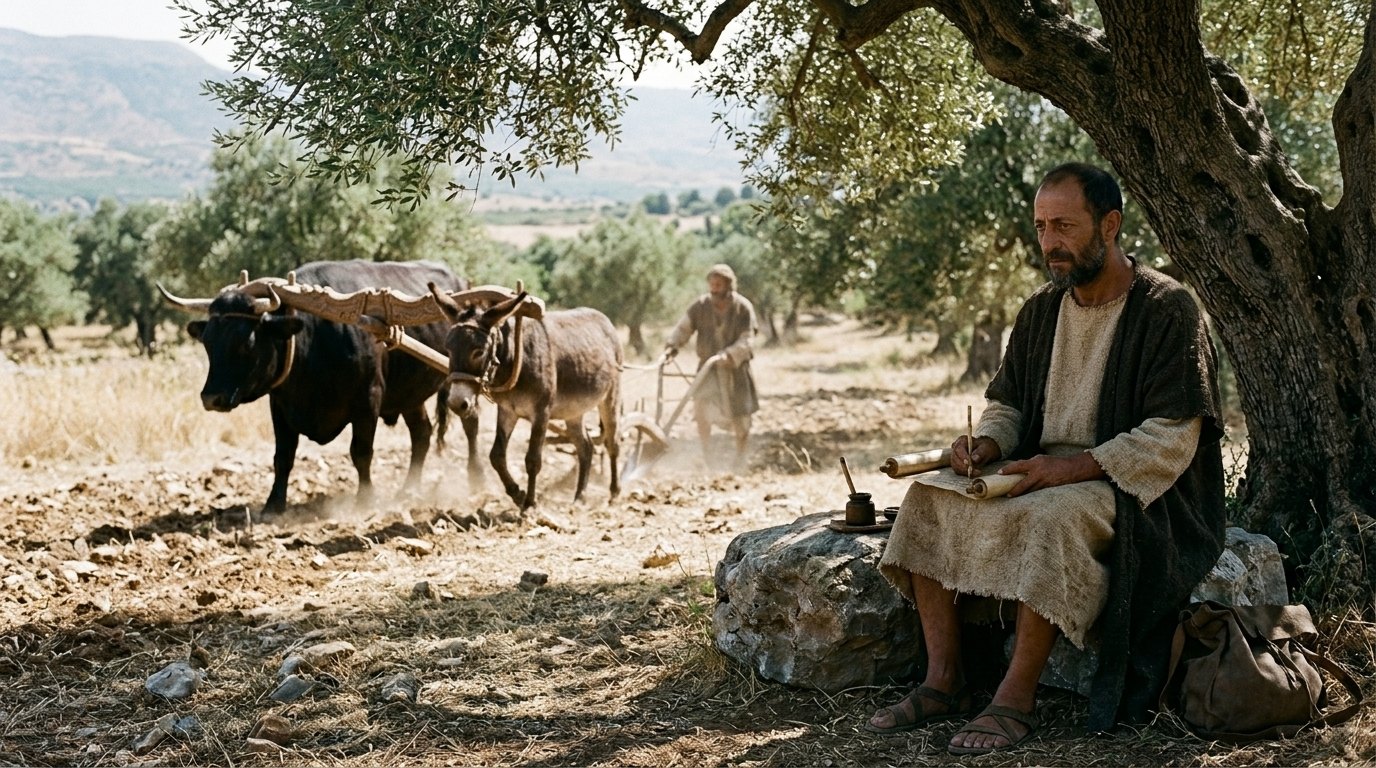
2 Corinthians 6:14
14 Do not be yoked together with unbelievers. For what do righteousness and wickedness have in common? Or what fellowship can light have with darkness?
New International Version (NIV)
The answer
Yes—Scripture does not permit a believer to enter an intimate relationship with a non-Christian. The clearest command is 2 Corinthians 6:14: “Don’t be unequally yoked with unbelievers, for what fellowship do righteousness and iniquity have?” The surrounding passage explains that this concerns entering a spiritual bond incompatible with loyalty to God (2 Corinthians 6:14-18).
Dating is not identical in every detail to marriage, but a dating relationship that draws a believer into sin, unbelief, or idolatry violates the same principle. The danger is becoming unequally yoked: “the friendship of the world is enmity with God” (James 4:4), and “evil communications corrupt good manners” (1 Corinthians 15:33).
What this means practically
- Do not enter a relationship that compromises worship and obedience to Christ. The issue is not whether non-Christians are worthless people—they are made in God’s image and are to be loved—but whether the relationship directs your heart away from God.
- Do not marry an unbeliever. Scripture explicitly limits Christian marriage to marrying “only in the Lord” (1 Corinthians 7:39).
- Do not maintain a relationship that leads you into sexual immorality or makes serving Christ optional. The Bible commands believers to flee sexual immorality (1 Corinthians 6:18), and warns against being drawn into idolatry (1 Corinthians 10:21).
If you are already dating someone who is not a Christian
Do not hide this or continue blindly. Confess the situation honestly to God, repent where you have compromised your obedience, and separate from the relationship. God does not expose this to lead you into despair; He disciplines His children so they can be restored and set on the right path (Hebrews 12:1-2). Seek counsel from a pastor or a mature Christian who will help you stand for Christ rather than pressure you either way.
Christians should love non-Christians and seek their salvation, but love does not require entering a relationship that draws them away from God. The right response is separation from the sinful bond while continuing to love the person and bear good witness to the gospel (Romans 12:15-16; Matthew 5:44-45).
Answered from Scripture · reviewed November 11, 2026
Scripture explicitly commands believers not to be unequally yoked with unbelievers, barring any intimate, binding union that compromises undivided allegiance to Jesus Christ. Because romantic courtship is the path toward marriage—which God commands must take place 'only in the Lord'—entering a romantic bond with a non-Christian defies God's revealed will. Walking in holiness means giving Christ total supremacy over our affections, desires, and relational covenants.
The Unequal Yoke
God Forbids Intimate Alliances with Unbelievers
Do not be yoked together with unbelievers. For what do righteousness and wickedness have in common? Or what fellowship can light have with darkness?
2 Corinthians 6:14 (NIV)
It establishes the absolute incompatibility between righteousness and iniquity, forbidding believers from binding themselves to unbelievers.
The apostolic command in 2 Corinthians 6:14 cuts straight through every romantic rationalization: 'Be ye not unequally yoked together with unbelievers: for what fellowship hath righteousness with unrighteousness? and what communion hath light with darkness?' Paul anchors this mandate in the agrarian ordinances of the Law. Moses commanded in Deuteronomy 22:10 that an ox and an ass must never be joined together under the same harness, just as Leviticus 19:19 forbade the interbreeding of diverse kinds of cattle. When two beasts of entirely different natures, strengths, and gaits are bound to one yoke, the plow cannot run straight; the pairing inflicts constant chafing, exhaustion, and mutual pain. The prophet asks the inescapable question in Amos 3:3: 'Can two walk together, except they be agreed?'
Paul presses this spiritual impossibility further in 2 Corinthians 6:15-16, demanding what concord Christ can have with Belial, or what agreement the living temple of God can maintain with dead idols. A romantic entanglement is fundamentally a yoking of two souls; it seeks intimate companionship, emotional oneness, and lifelong unity. Yet the believer and the unbeliever march toward opposite eternities and serve opposed masters. To enter a romantic bond with someone outside of Christ is to invite spiritual friction and compromise into the deepest recesses of the soul. For this reason, the Lord gives an uncompromising charge in 2 Corinthians 6:17: 'Wherefore come out from among them, and be ye separate, saith the Lord, and touch not the unclean thing.' God does not issue this restriction to starve our joy, but to preserve our holiness. In 2 Corinthians 6:18, He promises that those who refuse compromised alliances will know Him intimately as Father, walking in the full security of His household.
| Passage | What it says |
|---|---|
| 2 Corinthians 6:14 | Prohibits believers from being unequally yoked with unbelievers, contrasting righteousness with iniquity and light with darkness. |
| 2 Corinthians 6:15 | Affirms that Christ has no accord with Belial and that a believer shares no spiritual portion with an unbeliever. |
| 2 Corinthians 6:16 | Declares believers to be the temple of the living God, which cannot have agreement with idols. |
| 2 Corinthians 6:17 | Commands believers to come out from among them and be separate, touching no unclean thing. |
| Leviticus 19:19 | Forbids mixing diverse kinds of cattle, seeds, or garments, providing the ceremonial type for spiritual purity. |
| Deuteronomy 22:10 | Forbids plowing with an ox and a donkey yoked together, illustrating the friction of unequally joined natures. |
| Amos 3:3 | Asks how two can walk together unless they are agreed in direction and spirit. |
| 2 Corinthians 6:18 | God promises to be a Father to those who separate from ungodly partnerships. |
Marriage in the Lord
Courtship Must Lead to Marriage Only in Christ
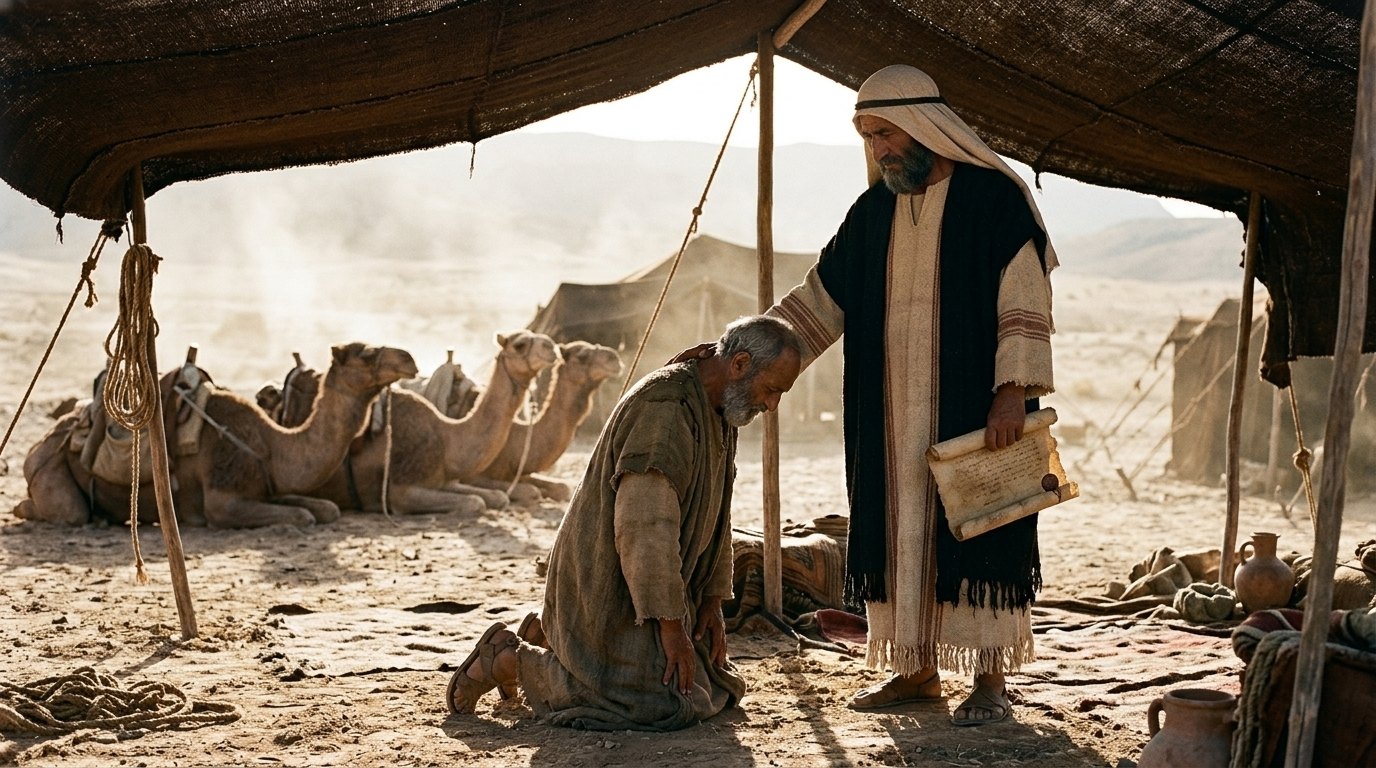
A woman is bound to her husband as long as he lives. But if her husband dies, she is free to marry anyone she wishes, but he must belong to the Lord.
1 Corinthians 7:39 (NIV)
It explicitly limits the Christian's liberty in marriage to marrying 'only in the Lord.'
The definitive boundary for Christian romance is established by the apostle Paul in 1 Corinthians 7:39, declaring that while a believer is free to marry, it must be 'only in the Lord.' Because romantic courtship is the deliberate path that leads directly toward marriage, courting an unbeliever is an intentional pursuit of a covenant union that Scripture explicitly forbids. God's standard across both Testaments has always demanded covenantal fidelity in marriage. In Genesis 24:3-4, the patriarch Abraham made his servant swear a solemn oath never to take a wife for Isaac from the pagan Canaanites, a sacred principle repeated in Genesis 28:1 when Isaac charged Jacob to seek a wife exclusively within the line of covenant faith. Conversely, Genesis 26:34-35 records that Esau broke this holy pattern by marrying Hittite women, which brought relentless 'grief of mind unto Isaac and to Rebekah.'
When God formed Israel into a holy nation, He barred mixed marriages by direct statute. In Deuteronomy 7:3-4 and Exodus 34:16, the Lord commanded His people never to intermarry with the surrounding pagan nations, warning that such unions would inevitably turn their children away from following Jehovah to serve foreign gods. Joshua 23:12-13 declared that intermarriage would transform those foreign partners into 'scourges in your sides, and thorns in your eyes' until the people perished from the good land. The prophet cries out in Malachi 2:11 that Judah had profaned the sanctuary of the Lord by marrying 'the daughter of a strange god.' Romantic union is never a purely private affection; it establishes a household covenant. Disregarding God's design brings profound grief, as when righteous Jehoshaphat allied his royal house with wicked Ahab in 2 Chronicles 18:1, planting seeds of apostasy that nearly destroyed the Davidic line.
| Passage | What it says |
|---|---|
| 1 Corinthians 7:39 | Stipulates that while a believer is free to marry, it must be 'only in the Lord.' |
| Genesis 24:3-4 | Abraham charges his servant not to take a wife for Isaac from the Canaanites. |
| Genesis 28:1 | Isaac blesses Jacob and commands him not to take a wife from the daughters of Canaan. |
| Deuteronomy 7:3-4 | Explicitly forbids intermarriage with pagan nations because it turns children away from following the Lord to serve idols. |
| Joshua 23:12-13 | Warns that intermarrying with surrounding nations will bring snares, traps, and destruction. |
| Malachi 2:11 | Judah profaned the Lord's sanctuary by marrying daughters of foreign gods. |
| Genesis 26:34-35 | Records that Esau's pagan marriages brought profound grief of mind to Isaac and Rebekah. |
| 2 Chronicles 18:1 | Warns of Jehoshaphat allying himself by marriage with wicked King Ahab. |
| Exodus 34:16 | God explicitly commands Israel not to take wives from idolaters, warning that their sons would follow false gods. |
The Hazard of Seduced Hearts
Unbelieving Partners Lead the Heart into Spiritual Ruin

As Solomon grew old, his wives turned his heart after other gods, and his heart was not fully devoted to the LORD his God, as the heart of David his father had been.
1 Kings 11:4 (NIV)
It shows that even the wisest man was led astray into idolatry by entering ungodly romantic alliances.
The catastrophic consequence of ungodly romance is documented in 1 Kings 11:4: 'For it came to pass, when Solomon was old, that his wives turned away his heart after other gods: and his heart was not perfect with the Lord his God.' Scripture spares no detail regarding the danger of romantic seduction. King Solomon was endowed with supernatural wisdom, yet 1 Kings 11:1-2 records that he 'loved many strange women' and 'clave unto these in love' despite the Lord's direct command. If the wisest earthly king was dragged into open idolatry by romantic affection, no modern believer can presume to be immune. Centuries later, the reformer Nehemiah wept over returning exiles who repeated this tragic error. In Nehemiah 13:25-27, he confronted the men of Judah, pointing directly to Solomon's ruin: 'Did not Solomon king of Israel sin by these things? yet among many nations was there no king like him... even him did outlandish women cause to sin.'
This tragic pattern repeats throughout the historical books of Scripture. In Numbers 25:1-3, Israel's men indulged their flesh with the women of Moab, who quickly invited them to sacrifice to their idols, binding Israel to Baal of Peor and kindling the destructive wrath of God. In Judges 14:3, Samson stubbornly spurned his parents' godly counsel to pursue a Philistine woman, beginning a path of compromise that culminated in Judges 16:16-17, where Delilah pressed him daily until his soul was vexed unto death and he surrendered his sacred Nazarite vow. In 1 Kings 16:31 and 1 Kings 21:25, Ahab's catastrophic marriage to Jezebel stirred him up to commit unprecedented abominations, leading the whole northern kingdom into state-sponsored Baalism. In 2 Chronicles 21:6, King Jehoram walked in the wicked way of the house of Ahab precisely because 'he had the daughter of Ahab to wife.' Intimate affection wields profound power over the human heart; to give romantic entrance to an unbeliever is to surrender one's defenses to spiritual ruin.
| Passage | What it says |
|---|---|
| 1 Kings 11:1-2 | Solomon clung in love to foreign women whom the Lord explicitly commanded Israel not to marry. |
| 1 Kings 11:4 | When Solomon was old, his wives turned away his heart after other gods, departing from fully following the Lord. |
| Nehemiah 13:25-27 | Nehemiah rebukes Jews who married foreign women, citing Solomon's fall through foreign wives as a warning. |
| Numbers 25:1-3 | Israelite men committed sexual immorality with the daughters of Moab and joined themselves to Baal of Peor. |
| Judges 14:3 | Samson insists on pursuing an uncircumcised Philistine woman contrary to the counsel of his parents. |
| Judges 16:16-17 | Delilah's relentless pressuring broke Samson's devotion to his vow before God. |
| 1 Kings 21:25 | Records that Ahab sold himself to do evil because Jezebel his wife stirred him up. |
| 2 Chronicles 21:6 | Shows Jehoram walked in evil because he had the daughter of Ahab as his wife. |
| 1 Kings 16:31 | Ahab provoked the Lord by marrying Jezebel, leading Israel into open Baal worship. |
Guarding the Soul
Friendship with the World Corrupts Devotion to God
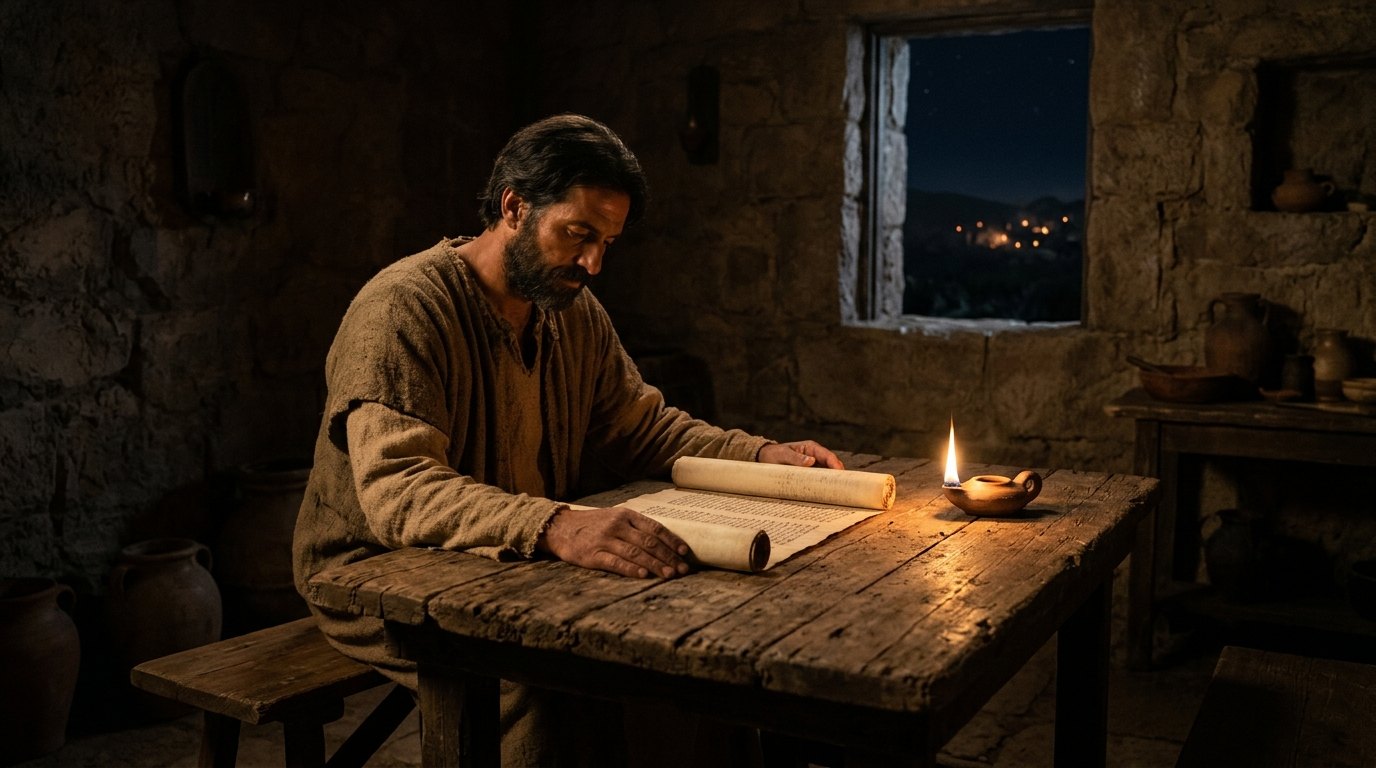
You adulterous people, don’t you know that friendship with the world means enmity against God? Therefore, anyone who chooses to be a friend of the world becomes an enemy of God.
James 4:4 (NIV)
It bluntly categorizes romantic or intimate alignment with worldly ungodliness as spiritual adultery against God.
Scripture exposes intimate alignment with the worldly system as unfaithfulness to God, sounding the alarm in James 4:4: 'Ye adulterers and adulteresses, know ye not that the friendship of the world is enmity with God? whosoever therefore will be a friend of the world is the enemy of God.' Romance involves cultivating vulnerability, mutual affection, and shared values. When a Christian gives their heart to someone whose life is anchored in this present world, they attempt an impossible compromise. The apostle warns in 1 Corinthians 10:21 that a believer cannot drink the cup of the Lord and the cup of devils. Scripture commands vigilance over company, reminding us in 1 Corinthians 15:33 that 'evil communications corrupt good manners.' Paul reiterates this boundary in Ephesians 5:7 and Ephesians 5:11, charging believers not to be partakers with the disobedient, but rather to have no fellowship with unfruitful works of darkness.
From the opening verses of the Psalter, God defines true spiritual flourishing by separation from the lifestyle and counsel of the ungodly. In Psalms 1:1, the blessed man refuses to walk in the counsel of the ungodly or stand in the way of sinners, while Psalms 26:4-5 records the righteous resolve to shun the company of deceitful men. The wisdom literature reinforces this daily reality: Proverbs 13:20 declares that 'he that walketh with wise men shall be wise: but a companion of fools shall be destroyed.' Because all decisions and devotions flow outward from the soul's affections, Proverbs 4:23 commands the believer to keep their heart with all diligence. When King Jehoshaphat extended his fellowship to wicked Ahab, the prophet Jehu rebuked him sharply in 2 Chronicles 19:2: 'Shouldest thou help the ungodly, and love them that hate the Lord?' As the apostle John summarizes in 1 John 2:15, love for the world and love for the Father cannot dwell together; our romantic affections must remain entirely devoted to Christ.
| Passage | What it says |
|---|---|
| James 4:4 | Warns that friendship with the world is hostility toward God, making whoever chooses it God's enemy. |
| 1 Corinthians 15:33 | Warns believers not to be deceived, because bad company corrupts good morals. |
| 1 Corinthians 10:21 | Declares that believers cannot partake of the Lord's table and the table of demons. |
| Ephesians 5:7 | Commands believers not to become partners with those walking in darkness and disobedience. |
| Ephesians 5:11 | Instructs believers to take no part in unfruitful works of darkness, but instead expose them. |
| Psalms 1:1 | Pronounces blessed the man who does not walk in the counsel of the ungodly nor stand in the path of sinners. |
| Psalms 26:4-5 | The psalmist refuses to sit with deceitful men or associate with hypocrites and evildoers. |
| Proverbs 13:20 | Warns that walking with the wise brings wisdom while a companion of fools suffers harm. |
| Proverbs 4:23 | Commands keeping the heart with all diligence for out of it spring the issues of life. |
| 2 Chronicles 19:2 | The prophet Jehu rebukes King Jehoshaphat for loving and helping those who hate the Lord. |
| 1 John 2:15 | Scripture warns that loving the world excludes the love of the Father from the heart. |
Purity and the Call to Repent
Fleeing Sexual Immorality and Turning Wholly to Christ

It is God’s will that you should be sanctified: that you should avoid sexual immorality; that each of you should learn to control your own body in a way that is holy and honorable, not in passionate lust like the pagans, who do not know God;
1 Thessalonians 4:3-5 (NIV)
It identifies personal holiness and abstaining from sexual immorality as God's clear will, contrasting it with pagan passion.
Paul leaves no ambiguity concerning God’s direct command for every believer: for this is the will of God, your sanctification: that you abstain from sexual immorality (1 Thessalonians 4:3-5). To pursue romance outside of Christ is to invite the uncontrolled passions of a world that does not know God, walking directly into compromise instead of holiness. Scripture commands us flatly to flee sexual immorality (1 Corinthians 6:18), warning that sexual sin strikes against one's own body in a uniquely destructive manner.
Believers must remember who owns them: your body is a temple of the Holy Spirit within you, whom you have from God; having been bought with the infinite price of Christ’s blood, we are bound to glorify God in our bodies (1 Corinthians 6:19-20). Rather than flirting with temptation, Scripture commands us to flee youthful passions and pursue righteousness, faith, love, and peace, along with those who call on the Lord from a pure heart (2 Timothy 2:22). Christ demands inward purity as well as outward restraint, declaring that anyone who looks upon another with lustful intent has already committed adultery with her in his heart (Matthew 5:28). Therefore, we are to put on the Lord Jesus Christ, and make no provision for the flesh, to gratify its desires (Romans 13:14), refusing to be conformed to worldly patterns of dating (Romans 12:2).
Where an unholy alliance has already been made, Scripture calls for immediate, decisive repentance. Just as Ezra summoned the assembly of God's people to make confession to the Lord, the God of your fathers, and do his will by separating from foreign, idolatrous entanglements (Ezra 10:11), the believer must cut off relationships that grieve the Spirit. God offers abundant cleansing to the contrite: if we confess our sins, he is faithful and just to forgive us our sins and to cleanse us from all unrighteousness (1 John 1:9). Purifying ourselves from every defilement of body and spirit, we press on to bring holiness to completion in the fear of God (2 Corinthians 7:1).
| Passage | What it says |
|---|---|
| 1 Thessalonians 4:3-5 | Identifies sanctification as abstaining from sexual immorality and controlling one's body in holiness rather than in passionate lust like Gentiles. |
| 1 Corinthians 6:18 | Commands believers to flee sexual immorality, as every other sin is outside the body but sexual sin is against one's own body. |
| 1 Corinthians 6:19-20 | Reminds believers that their body is a temple of the Holy Spirit, bought with a price to glorify God. |
| 2 Timothy 2:22 | Commands believers to flee youthful passions and pursue righteousness alongside those who call on the Lord from a pure heart. |
| Romans 13:14 | Exhorts believers to put on the Lord Jesus Christ and make no provision for the flesh to fulfill its desires. |
| Ezra 10:11 | Ezra calls on the returned exiles to confess their sin and separate themselves from foreign pagan wives. |
| 1 John 1:9 | Promises that if believers confess their sins, God is faithful and just to forgive them and cleanse them from all unrighteousness. |
| Matthew 5:28 | Pronounces looking at a woman with lustful intent to be committing adultery in the heart. |
| Romans 12:2 | Commands believers not to be conformed to this world but transformed by renewed minds. |
| 2 Corinthians 7:1 | Believers are instructed to cleanse themselves from every defilement of body and spirit, perfecting holiness. |
Where in the Bible
| Book | Passages |
|---|---|
| Genesis | 3 · Genesis 24:3-4, Genesis 28:1, Genesis 26:34-35 |
| Exodus | 1 · Exodus 34:16 |
| Leviticus | 1 · Leviticus 19:19 |
| Numbers | 1 · Numbers 25:1-3 |
| Deuteronomy | 2 · Deuteronomy 22:10, Deuteronomy 7:3-4 |
| Joshua | 1 · Joshua 23:12-13 |
| Judges | 2 · Judges 14:3, Judges 16:16-17 |
| 1 Kings | 4 · 1 Kings 11:1-2, 1 Kings 11:4, 1 Kings 21:25, 1 Kings 16:31 |
| 2 Chronicles | 3 · 2 Chronicles 18:1, 2 Chronicles 21:6, 2 Chronicles 19:2 |
| Ezra | 1 · Ezra 10:11 |
| Nehemiah | 1 · Nehemiah 13:25-27 |
| Psalms | 2 · Psalms 1:1, Psalms 26:4-5 |
| Proverbs | 2 · Proverbs 13:20, Proverbs 4:23 |
| Amos | 1 · Amos 3:3 |
| Malachi | 1 · Malachi 2:11 |
| Matthew | 1 · Matthew 5:28 |
| Romans | 2 · Romans 13:14, Romans 12:2 |
| 1 Corinthians | 5 · 1 Corinthians 7:39, 1 Corinthians 15:33, 1 Corinthians 10:21, 1 Corinthians 6:18, 1 Corinthians 6:19-20 |
| 2 Corinthians | 6 · 2 Corinthians 6:14, 2 Corinthians 6:15, 2 Corinthians 6:16, 2 Corinthians 6:17, 2 Corinthians 6:18, 2 Corinthians 7:1 |
| Ephesians | 2 · Ephesians 5:7, Ephesians 5:11 |
| 1 Thessalonians | 1 · 1 Thessalonians 4:3-5 |
| 2 Timothy | 1 · 2 Timothy 2:22 |
| James | 1 · James 4:4 |
| 1 John | 2 · 1 John 2:15, 1 John 1:9 |
The story in order
- God forbids mixing kinds (c. 1400 BC) · Leviticus 19:19 · Ceremonial law illustrates spiritual purity and separation.
- Don't plow with ox and donkey (c. 1400 BC) · Deuteronomy 22:10 · Illustrates the friction of unequally joined natures.
- Don't take wives from Canaanites (c. 2000 BC) · Genesis 24:3-4 · Patriarchal command against intermarriage with pagans.
- Israel warned against intermarriage (c. 1400 BC) · Deuteronomy 7:3-4 · Intermarriage turns children away from the Lord.
- Israel warned against foreign wives (c. 1440 BC) · Exodus 34:16 · Intermarriage leads to idolatry.
- Esau's marriages grieve parents (c. 1900 BC) · Genesis 26:34-35 · Pagan marriages brought profound grief.
- Samson pursues Philistine woman (c. 1100 BC) · Judges 14:3 · Disregard for counsel and God's people.
- Solomon turns from the Lord (c. 930 BC) · 1 Kings 11:4 · Foreign wives turned his heart to idols.
- Ahab marries Jezebel (c. 870 BC) · 1 Kings 16:31 · Provoked the Lord, led Israel to Baal worship.
- Judah profanes the sanctuary (c. 450 BC) · Malachi 2:11 · Married daughters of foreign gods.
- Paul warns against unequal yokes (AD 55) · 2 Corinthians 6:14 · Believers must not be yoked with unbelievers.
- Marry only in the Lord (AD 55) · 1 Corinthians 7:39 · Believers are free to marry, but only in Christ.
- Friendship with the world is enmity (AD 45) · James 4:4 · Loving the world makes one God's enemy.
- Flee sexual immorality (AD 55) · 1 Corinthians 6:18 · Sexual sin is against one's own body.
Unequal Yoke: Types and Antitypes
| Old Testament Type | Illustration | New Testament Antitype | Passage |
|---|---|---|---|
| Mixing diverse kinds (cattle, seed, garments) | Cannot plow with ox and donkey | Believer unequally yoked with unbeliever | |
| No agreement between light and darkness | No accord between Christ and Belial | No fellowship between believer and unbeliever | 2 Corinthians 6:15-16 |
| Coming out from idols | Separating from unclean things | Coming out from among them | 2 Corinthians 6:17 |
Marriage: God's Command and Human Failure
| Command/Warning | Consequence of Disobedience | Passage |
|---|---|---|
| Don't take a wife for Isaac from Canaanites | Esau's marriages brought grief | |
| Don't intermarry with pagan nations | Turns children away from the Lord | Deuteronomy 7:3-4 |
| Don't take wives from idolaters | Their sons would follow false gods | Exodus 34:16 |
| Don't marry foreign women | Solomon's heart turned away from the Lord | 1 Kings 11:2-4 |
| Don't marry foreign women | Nehemiah rebukes Jews, citing Solomon's fall | Nehemiah 13:25-27 |
| Marry 'only in the Lord' | Profaning the Lord's sanctuary |
The Danger of Bad Company
| Warning | Result | Passage |
|---|---|---|
| Blessed is the man who does not walk in the counsel of the ungodly | He is like a tree planted by streams of water | Psalms 1:1 |
| Bad company corrupts good morals | Do not be deceived | 1 Corinthians 15:33 |
| Walking with the wise brings wisdom | A companion of fools suffers harm | Proverbs 13:20 |
| Friendship with the world is hostility toward God | Whoever chooses it is God's enemy | James 4:4 |
| Cannot partake of the Lord's table and the table of demons | Separation from unfruitful works of darkness |
Key words
- Unequally yoked (heterozygoi (ἑτεροζυγοῦνται))
- Bound together in a partnership that compromises spiritual devotion and allegiance to God. · 2 Corinthians 6:14
- Only in the Lord (en kyriō (ἐν κυρίῳ))
- Marriage exclusively between two believers, united in Christ. · 1 Corinthians 7:39
- World (kosmos (κόσμος))
- The system of values, desires, and practices opposed to God and His will. · James 4:4
- Sexual immorality (porneia (πορνεία))
- Any sexual activity outside of biblical marriage between a man and a woman. · 1 Corinthians 6:18
- Holiness (hagiasmos (ἁγιασμός))
- Separation unto God, living a life set apart from sin and dedicated to Him. · 1 Thessalonians 4:3
Guarding your heart from an unequal yoke is not an act of self-righteous hatred toward unbelievers, but an act of total surrender and love toward Christ. If you find yourself in an intimate relationship with someone who does not bow to the Lord, confess it honestly, step out of the compromise, and turn fully to the Savior whose grace forgives and restores. True love never compromises the truth of God to gain the affection of man.
47 passages, each cited once.
Scripture cited
- 2 Corinthians 6:14
- 1 Corinthians 15:33
- 1 Corinthians 10:21
- James 4:4