Is the Bible the Word of God?

2 Peter 1:20-21
20 Above all, you must understand that no prophecy of Scripture came about by the prophet’s own interpretation of things.
21 For prophecy never had its origin in the human will, but prophets, though human, spoke from God as they were carried along by the Holy Spirit.
New International Version (NIV)
The answer
Yes. The Bible is the Word of God—God-breathed, completely true, and authoritative.
- God is its source: “Every Scripture is God-breathed” (2 Timothy 3:16). The Bible is therefore not merely a collection of human religious ideas; God Himself breathed out His Word.
- The Holy Spirit worked through human writers: “For no prophecy ever came by the will of man, but holy men of God spoke, being moved by the Holy Spirit” (2 Peter 1:21). Real men wrote Scripture, but the Spirit carried them along so that what they wrote was God's Word.
- Jesus affirmed its truth: Praying to the Father, He said, “Your word is truth” (John 17:17). God's Word can therefore be trusted completely.
God gave Scripture to teach, reprove, correct, and train His people in righteousness, so that they may be “complete, thoroughly equipped for every good work” (2 Timothy 3:16-17). The fitting response is to receive it with faith, submit to its authority, and obey what God says.
Answered from Scripture · reviewed November 11, 2026
Scripture does not merely contain the Word of God or point toward truth; it is itself the God-breathed, authoritative Word of the living God. From the foundational declarations of the Old Testament prophets to the explicit teaching of the apostles and the unqualified witness of Jesus Christ Himself, the Bible uniformly testifies to its divine origin, absolute reliability, and enduring power.
Divine Origin and Inspiration
God breathed out the Scriptures through carried men
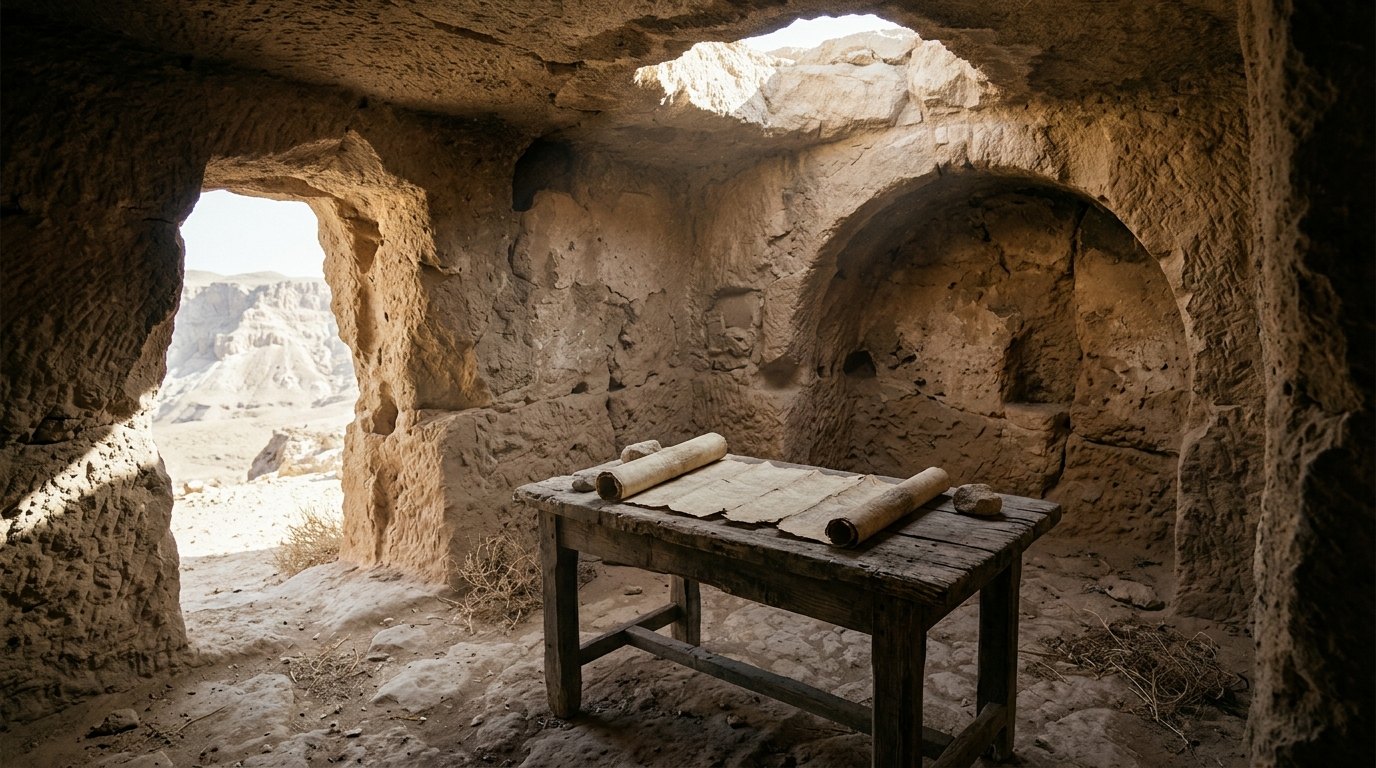
All Scripture is God-breathed and is useful for teaching, rebuking, correcting and training in righteousness,
2 Timothy 3:16 (NIV)
This verse explicitly defines the nature of Scripture as God-breathed ('theopneustos'), establishing its absolute divine origin and profitable authority.
The bedrock of Christian confidence begins with 2 Timothy 3:16, where the apostle Paul writes that all Scripture is breathed out by God (theopneustos), profitable for teaching, reproof, correction, and training in righteousness. Scripture does not become divine through human approval or church decree; it possesses inherent, ultimate authority because its origin is the mouth of God Himself. Consequently, as 2 Timothy 3:17 explains, this breathed-out word completely equips the man of God for every good work, leaving no lack in spiritual guidance.
This divine origin is reinforced by Peter, who insists in 2 Peter 1:20 that no prophecy of Scripture ever came from human origin or individual interpretation. Rather, according to 2 Peter 1:21, holy men of God spoke as they were carried along by the Holy Spirit, acting not as robotic pens but as willing human instruments borne aloft by God's sovereign power. This same truth governed the early church's reception of the apostolic witness: in 1 Thessalonians 2:13, Paul commends the believers because they received his preaching not as human words, but as what it really is, the Word of God at work within believers. In 1 Corinthians 2:13, Paul confirms that the apostles imparted divine truths in words taught not by human wisdom, but by the Holy Spirit.
The early church understood that the Old Testament Scriptures were directly authored by God's Spirit through human voices. In 2 Samuel 23:2, David explicitly declared on his deathbed that the Spirit of the Lord spoke through him, putting God's word on his tongue. In Acts 1:16, Peter quotes Psalm 69 and Psalm 109 by noting that the Holy Spirit spoke long ago through the mouth of David. Similarly, Paul declared in Acts 28:25 that the Holy Spirit spoke rightly to the fathers through Isaiah the prophet. When the author of Hebrews 3:7 quotes Psalm 95, he does not cite David; he simply introduces the psalm by writing, "as the Holy Spirit says," demonstrating that Scripture is God's voice.
| Passage | What it says |
|---|---|
| 2 Timothy 3:16 | Every Scripture is breathed out by God and profitable for teaching, reproof, correction, and training in righteousness. |
| 2 Timothy 3:17 | The God-breathed word fully equips the man of God for every good work. |
| 2 Peter 1:20 | No prophecy of Scripture comes from the prophet's own interpretation or origin. |
| 2 Peter 1:21 | Holy men of God spoke as they were carried along by the Holy Spirit, not by human will. |
| 1 Thessalonians 2:13 | The apostolic message received by the church is accepted not as human words, but as the Word of God. |
| 1 Corinthians 2:13 | Apostles speak words not taught by human wisdom but imparted by the Holy Spirit. |
| 2 Samuel 23:2 | David confesses that the Spirit of the Lord spoke through him, putting God's word directly on his tongue. |
| Acts 1:16 | Peter states that the Holy Spirit spoke in advance by the mouth of David concerning Judas. |
| Acts 28:25 | Paul testifies that the Holy Spirit spoke rightly through Isaiah the prophet to their fathers. |
| Hebrews 3:7 | The author introduces Psalm 95 with the direct attribution, 'as the Holy Spirit says.' |
The Lord's Direct Speech
The Old Testament speaks the direct words of God

And God spoke all these words:
Exodus 20:1 (NIV)
It shows God directly proclaiming His eternal moral law to His gathered covenant people.
When God inaugurated His covenant with Israel, Exodus 20:1 records that God Himself directly spoke all these words to the assembly gathered at the trembling base of Sinai. This direct communication was not an ambiguous whisper; it was an audible divine address that was subsequently set in stone. As Exodus 31:18 testifies, the Lord gave Moses two tablets of the testimony written by the very finger of God, sealing His law with undeniable divine authorship. God promised in Deuteronomy 18:18 that He would raise up a Prophet like Moses and put His exact words into that messenger's mouth.
Throughout the prophetic literature, this pattern of direct divine utterance remains unbroken. In Isaiah 1:2, the heavens and earth are summoned as cosmic witnesses because the Lord Himself has spoken. When Jeremiah was called, Jeremiah 1:9 describes how the Lord reached out, touched his mouth, and declared that He had placed His own words directly within him. Ezekiel was similarly charged in Ezekiel 2:7 to speak the Lord's words without compromise, whether the rebellious house would listen or refuse.
Because these words were God's own, Israel was commanded to treasure them with absolute devotion. Moses instructed in Deuteronomy 6:6 that these divine words must remain perpetually on their hearts, and in Deuteronomy 6:7 that they must be taught diligently to children in every place and season. Joshua was charged in Joshua 1:8 to ensure that this Book of the Law never departed from his mouth, demanding unceasing meditation and careful obedience. The Lord persistently warned Israel through His prophets according to this entire law (2 Kings 17:13), and commanded Jeremiah in Jeremiah 36:2 to transcribe onto a scroll every word He had spoken, ensuring His unvarnished speech was permanently preserved.
| Passage | What it says |
|---|---|
| Exodus 20:1 | God spoke all these words directly to Israel from Mount Sinai. |
| Exodus 31:18 | The two tablets of the testimony were inscribed directly by the finger of God. |
| Deuteronomy 18:18 | The Lord promises to put His exact words into the mouth of His prophet. |
| Isaiah 1:2 | The heavens and earth are summoned to hear because the Lord Himself has spoken. |
| Jeremiah 1:9 | The Lord touches the prophet's mouth and states He has placed His words there. |
| Ezekiel 2:7 | The prophet is commissioned to speak God's exact words whether the people hear or refuse. |
| Deuteronomy 6:6 | Moses commands Israel that the words God commands this day must remain upon their hearts. |
| Deuteronomy 6:7 | God's direct commands are to be taught diligently to children in every place and season. |
| Joshua 1:8 | The Book of the Law must not depart from Joshua's mouth, requiring constant meditation and obedience. |
| 2 Kings 17:13 | The Lord warned Israel and Judah through all His prophets and seers according to His whole law. |
| Jeremiah 36:2 | The Lord commands Jeremiah to write on a scroll all the words spoken to him against Israel. |
Christ's Complete Witness
Jesus affirmed the unbreakable truth of God's Word

For truly I tell you, until heaven and earth disappear, not the smallest letter, not the least stroke of a pen, will by any means disappear from the Law until everything is accomplished.
Matthew 5:18 (NIV)
Jesus affirms that not the smallest stroke or dot of God's law will pass away until all is fulfilled.
No witness to the absolute divine authority of Scripture is greater than that of the Lord Jesus Christ Himself. In Matthew 5:18, Jesus affirmed that not a single stroke or letter of God's law will pass away until heaven and earth pass away, establishing the inerrant permanence of the written text down to its smallest grammatical components. He framed His entire earthly ministry not as a repeal of ancient revelation, but as its culmination, declaring in Matthew 5:17 that He came not to abolish the Law or the Prophets, but to fulfill them entirely. In the wilderness of temptation, Jesus routed Satan by citing Deuteronomy, insisting in Matthew 4:4 that man shall not live by bread alone, but by every word that proceeds from the mouth of God.
Jesus consistently treated the Old Testament as final, infallible truth. In John 10:35, He laid down an immutable theological principle: the Scripture cannot be broken. While praying for His disciples in John 17:17, Jesus asked the Father to sanctify them in the truth, stating plainly, "Your word is truth." In Luke 24:44, He reminded His disciples that everything written about Him in the Law of Moses, the Prophets, and the Psalms had to be fulfilled without exception. He defended the sacred institution of marriage in Matthew 19:4 and Matthew 19:5 by quoting the historical narrative of Genesis as the authoritative word spoken by the Creator Himself.
When confronting theological skepticism, Christ rested His arguments on the grammatical exactness of Scripture. In Matthew 22:31 and Matthew 22:32, He proved the reality of the resurrection by noting God's present-tense declaration in Exodus: "I am the God of Abraham." He warned in Luke 16:17 that heaven and earth would sooner fail than one dot of the Law collapse, adding in Luke 16:31 that someone who rejects Moses and the Prophets will not be convinced even by someone rising from the dead. Furthermore, Jesus elevated His own teaching to divine authority in Matthew 24:35, promising that while heaven and earth will vanish, His words will never pass away. Finally, walking the road to Emmaus in Luke 24:27, He opened all the Scriptures, showing how Moses and all the Prophets pointed directly to Himself.
| Passage | What it says |
|---|---|
| Matthew 5:17 | Jesus came not to abolish the Law or the Prophets, but to fulfill them entirely. |
| Matthew 5:18 | Not a single jot or tittle will pass from the Law until heaven and earth pass away. |
| Matthew 4:4 | Man shall not live by bread alone, but by every word that proceeds from God's mouth. |
| John 10:35 | Jesus affirms that Scripture cannot be broken or invalidated. |
| John 17:17 | Jesus prays for the disciples to be sanctified in truth, declaring God's Word is truth. |
| Luke 24:44 | Everything written about Christ in the Law, Prophets, and Psalms must be fulfilled. |
| Matthew 19:4 | Jesus affirms the historical Genesis creation account as the foundational word of God concerning marriage. |
| Matthew 19:5 | Jesus quotes Genesis 2:24 as the authoritative decree spoken by the Creator. |
| Matthew 22:31 | Jesus rebukes the Sadducees by citing what was spoken to them by God in Exodus. |
| Matthew 22:32 | Jesus proves the resurrection from God's present-tense identification as the God of Abraham, Isaac, and Jacob. |
| Matthew 24:35 | Jesus declares that while heaven and earth will pass away, His words will never pass away. |
| Luke 16:17 | Jesus teaches that it is easier for heaven and earth to pass away than for one stroke of a letter in the Law to fail. |
| Luke 16:31 | Abraham affirms in Jesus' parable that those who reject Moses and the Prophets will not be convinced even by resurrection. |
| Luke 24:27 | Beginning with Moses and all the Prophets, Jesus interprets to the disciples the things concerning Himself in all the Scriptures. |
The Living and Written Word
Christ the incarnate Word validates the written revelation

In the beginning was the Word, and the Word was with God, and the Word was God.
John 1:1 (NIV)
John identifies Jesus Christ as the eternal Word who was with God and was God.
The written Word and the living Word exist in perfect, indivisible harmony. In John 1:1, the apostle reveals that in the beginning was the Word, the Word was with God, and the Word was God. This eternal Logos, who was with the Father before all creation, assumed true humanity according to John 1:14, tabernacling among us full of grace and truth. Far from replacing the written revelation, the incarnate Son pointed back to it as the supreme witness to His identity, declaring to His opponents in John 5:39 that the Scriptures testify of Him. He followed this in John 5:46 by warning that if they believed Moses, they would believe Him, for Moses wrote of Him.
God's self-disclosure reaches its ultimate culmination in Christ. As Hebrews 1:1 and Hebrews 1:2 explain, God spoke long ago to the fathers by the prophets in many portions and ways, but in these last days He has spoken decisively to us in His Son. To ensure that this climactic revelation was preserved accurately for all generations, Jesus promised His apostles in John 14:26 that the Holy Spirit would teach them all things and bring to their remembrance everything He had said. He reaffirmed this in John 16:13, promising that the Spirit of truth would guide them into all truth.
Because the apostles were guided by the Spirit of Christ, their writings carry full divine authority. Paul boldly declared in 1 Corinthians 14:37 that anyone who considers himself spiritual must recognize the apostolic commandments as the command of the Lord. This harmony extends back through the ages; as Peter observes in 1 Peter 1:10 and 1 Peter 1:11, the ancient prophets inquired diligently regarding this great salvation, because the very Spirit of Christ within them was testifying in advance to His sufferings and subsequent glories.
| Passage | What it says |
|---|---|
| John 1:1 | In the beginning was the Word, and the Word was with God, and the Word was God. |
| John 1:14 | The Word became flesh and dwelt among us, full of grace and truth. |
| John 5:39 | The written Scriptures testify directly and authoritatively concerning the Son of God. |
| John 5:46 | Moses wrote directly of Jesus Christ, so rejecting Moses' words means rejecting Christ. |
| Hebrews 1:1 | Long ago God spoke to the fathers by the prophets at many times and in various ways. |
| Hebrews 1:2 | In these last days God has spoken decisively to us by His Son. |
| John 14:26 | Jesus promises that the Holy Spirit will teach the apostles all things and bring His words to their remembrance. |
| John 16:13 | The Spirit of truth will guide the apostles into all truth, speaking only what He hears from heaven. |
| 1 Corinthians 14:37 | Paul insists that anyone claiming to be spiritual must acknowledge that what he writes is the Lord's command. |
| 1 Peter 1:10 | The prophets inquired diligently about the salvation and grace that was to come to believers. |
| 1 Peter 1:11 | The Spirit of Christ within the Old Testament prophets testified in advance to His sufferings and glories. |
Inerrancy, Purity, and Power
God's Word is proven flawless, enduring, and piercing

For the word of God is alive and active. Sharper than any double-edged sword, it penetrates even to dividing soul and spirit, joints and marrow; it judges the thoughts and attitudes of the heart.
Hebrews 4:12 (NIV)
The Word of God is living, active, and sharper than any double-edged sword, discerning thoughts and hearts.
The author of Hebrews cuts through any notion of Scripture as inert text by declaring in Hebrews 4:12 that the word of God is living and active, sharper than any two-edged sword, penetrating to the division of soul and spirit and judging the heart's hidden intentions. This piercing power flows directly from its absolute purity and divine origin. As David sings in Psalm 12:6, the words of Yahweh are refined like silver in a furnace on the earth, purified seven times—utterly devoid of dross or falsehood. Therefore, the testimony of the Psalter is unyielding: Psalm 18:30 and Proverbs 30:5 confirm that every word of God proves true, shielding all who trust in Him. Psalm 19:7 proclaims that this perfect law revives the soul and imparts wisdom to the simple, while Psalm 119:105 provides an indispensable lamp to our feet and a guide along our path.
Because God's speech originates in eternity, it transcends human mortality and transient empires. The psalmist marvels in Psalm 119:89 that God's word is firmly fixed in the heavens forever, and Psalm 119:160 summarizes that the entirety of His word is truth. Even higher, David exclaims in Psalm 138:2 that God has magnified His word along with His holy name. While mortal flesh withers like field grass and blossoms drop away, Isaiah 40:8 and 1 Peter 1:24 affirm that the word of our God endures forever. God Himself promises through Isaiah 55:11 that His word never returns void, but invariably accomplishes His sovereign design, operating as a blazing fire and a rock-shattering hammer (Jeremiah 23:29). This same enduring word served our instruction to bring hope (Romans 15:4) and serves as the imperishable seed through which we are born anew in the gospel (1 Peter 1:23, 25).
| Passage | What it says |
|---|---|
| Psalms 12:6 | The words of the Lord are pure, refined in a furnace seven times. |
| Psalms 19:7 | The law of the Lord is perfect, reviving the soul and making the simple wise. |
| Psalms 119:89 | Forever, O Lord, Your word is firmly fixed in the heavens. |
| Psalms 119:160 | The sum of God's word is truth, and every righteous rule endures forever. |
| Proverbs 30:5 | Every word of God proves true, acting as a shield to those taking refuge in Him. |
| Isaiah 40:8 | The grass withers and the flower fades, but the word of our God stands forever. |
| Hebrews 4:12 | The word of God is living, active, and able to judge the thoughts and intentions of the heart. |
| Psalms 18:30 | God's way is perfect and the word of the Lord proves true, shielding all who take refuge in Him. |
| Psalms 119:105 | God's word is declared to be a lamp to the believer's feet and a light to the path. |
| Psalms 138:2 | David praises the Lord for exalting His name and His word above all things. |
| Isaiah 55:11 | The word that goes out from God's mouth will not return void, but will accomplish His divine purpose. |
| Jeremiah 23:29 | The Lord declares His word to be like a consuming fire and a hammer that shatters rock. |
| Romans 15:4 | Whatever was written in former days was written for our instruction, that through endurance we might have hope. |
| 1 Peter 1:23 | Believers are born again through the living and enduring word of God, not of perishable seed. |
| 1 Peter 1:24 | All flesh is like grass that withers and falls, but the word of the Lord endures forever. |
| 1 Peter 1:25 | The enduring word of the Lord is identified as the good news that was preached to believers. |
The Canon and Faithful Reception
Believers examine and submit to the completed testimony
Now the Berean Jews were of more noble character than those in Thessalonica, for they received the message with great eagerness and examined the Scriptures every day to see if what Paul said was true.
Acts 17:11 (NIV)
The Bereans are commended for testing spoken teaching daily against the standard of the Scriptures.
When Paul and Silas preached the gospel in Macedonia, Acts 17:11 records that the noble Bereans examined the Scriptures daily to see if these things were so, establishing God's written word as the supreme touchstone against which all teaching must be tested. Because Scripture alone carries divine authority, God guarded its integrity from human tampering throughout redemptive history. In Deuteronomy 4:2 and Deuteronomy 12:32, the Lord delivered a solemn boundary: His people must neither add to the words He commanded nor take away from them, obeying His revelation without deviation. Agur echoes this inviolable standard in Proverbs 30:6, warning that anyone who dares to add to God's words will be rebuked and exposed as a liar.
This authoritative boundary spans both Testaments and concludes the completed canon of biblical revelation. In the apostolic age, the New Testament church immediately recognized apostolic writings as bearing identical authority to the Old Testament scriptures. In 1 Timothy 5:18, Paul quotes Deuteronomy 25:4 alongside Luke 10:7, introducing both with the formal formula, 'the Scripture says.' Similarly, Peter acknowledges the divine wisdom granted to Paul in 2 Peter 3:15, and in 2 Peter 3:16, he explicitly classifies Paul's letters alongside the rest of the Scriptures that the untaught twist to their own destruction. Finally, the canon closes with an unbending sanction in Revelation 22:18-19, warning that whoever adds to the prophetic words of the book will suffer God's plagues, and whoever subtracts from them will forfeit their share in the tree of life.
| Passage | What it says |
|---|---|
| Acts 17:11 | The Bereans examined the Scriptures daily to see whether the apostolic message was true. |
| 2 Peter 3:15 | Paul wrote letters with wisdom granted directly from God. |
| 2 Peter 3:16 | Peter classifies Paul's epistles alongside the rest of the inspired Scriptures. |
| Deuteronomy 4:2 | God commands that no one add to nor take away from His spoken statutes. |
| Revelation 22:18 | A warning is pronounced against anyone who adds to the prophetic words of this book. |
| Revelation 22:19 | God will remove the share in the tree of life from anyone who subtracts from this book. |
| Deuteronomy 12:32 | God commands that everything He commands must be observed with care, neither adding to it nor taking from it. |
| Proverbs 30:6 | A stern warning not to add to God's words, lest He rebuke the offender and prove him a liar. |
| 1 Timothy 5:18 | Paul quotes both Deuteronomy 25:4 and Luke 10:7 side by side as authoritative Scripture. |
Where in the Bible
| Book | Passages |
|---|---|
| Exodus | 2 · Exodus 20:1, Exodus 31:18 |
| Deuteronomy | 5 · Deuteronomy 18:18, Deuteronomy 6:6, Deuteronomy 6:7, Deuteronomy 4:2, Deuteronomy 12:32 |
| Joshua | 1 · Joshua 1:8 |
| 2 Samuel | 1 · 2 Samuel 23:2 |
| 2 Kings | 1 · 2 Kings 17:13 |
| Psalms | 7 · Psalms 12:6, Psalms 19:7, Psalms 119:89, Psalms 119:160, Psalms 18:30, Psalms 119:105, Psalms 138:2 |
| Proverbs | 2 · Proverbs 30:5, Proverbs 30:6 |
| Isaiah | 3 · Isaiah 1:2, Isaiah 40:8, Isaiah 55:11 |
| Jeremiah | 3 · Jeremiah 1:9, Jeremiah 36:2, Jeremiah 23:29 |
| Ezekiel | 1 · Ezekiel 2:7 |
| Matthew | 8 · Matthew 5:17, Matthew 5:18, Matthew 4:4, Matthew 19:4, Matthew 19:5, Matthew 22:31, Matthew 22:32, Matthew 24:35 |
| Luke | 4 · Luke 24:44, Luke 16:17, Luke 16:31, Luke 24:27 |
| John | 8 · John 10:35, John 17:17, John 1:1, John 1:14, John 5:39, John 5:46, John 14:26, John 16:13 |
| Acts | 3 · Acts 1:16, Acts 28:25, Acts 17:11 |
| Romans | 1 · Romans 15:4 |
| 1 Corinthians | 2 · 1 Corinthians 2:13, 1 Corinthians 14:37 |
| 1 Thessalonians | 1 · 1 Thessalonians 2:13 |
| 1 Timothy | 1 · 1 Timothy 5:18 |
| 2 Timothy | 2 · 2 Timothy 3:16, 2 Timothy 3:17 |
| Hebrews | 4 · Hebrews 3:7, Hebrews 1:1, Hebrews 1:2, Hebrews 4:12 |
| 1 Peter | 5 · 1 Peter 1:10, 1 Peter 1:11, 1 Peter 1:23, 1 Peter 1:24, 1 Peter 1:25 |
| 2 Peter | 4 · 2 Peter 1:20, 2 Peter 1:21, 2 Peter 3:15, 2 Peter 3:16 |
| Revelation | 2 · Revelation 22:18, Revelation 22:19 |
The story in order
- Creation and Fall (c. 4000 BC) · Genesis 1:1 · God's creative Word brings all things into being.
- The Law Given (c. 1450 BC) · Exodus 20:1 · God speaks His commands directly to Israel.
- David's Confession (c. 1000 BC) · 2 Samuel 23:2 · The Spirit of the Lord spoke through David.
- Prophetic Word (c. 600 BC) · Jeremiah 1:9 · God places His words in the prophet's mouth.
- Jesus Affirms the Law (c. AD 30) · Matthew 5:18 · Jesus declares the Law's enduring truth.
- Jesus Quotes Moses (c. AD 30) · Matthew 22:32 · Jesus proves resurrection from God's Word.
- Jesus' Words Endure (c. AD 30) · Matthew 24:35 · Jesus declares His words will never pass away.
- The Word Becomes Flesh (c. AD 30) · John 1:14 · The incarnate Word validates written revelation.
- Spirit Guides Apostles (c. AD 30) · John 16:13 · The Spirit will guide apostles into all truth.
- Paul's Epistles (c. AD 65) · 2 Peter 3:16 · Paul's writings are classified with Scripture.
- Apostolic Message (c. AD 50) · 1 Thessalonians 2:13 · The church accepts apostolic words as God's Word.
- Enduring Word (c. AD 60) · 1 Peter 1:25 · The preached gospel is the enduring Word of God.
Key words
- Breathed out by God (theopneustos (θεόπνευστος))
- The Scriptures originate directly from God's own being and authority. · 2 Timothy 3:16
- Carried along by the Holy Spirit (pheromenoi (φερόμενοι))
- Men wrote Scripture as guided and empowered by the Spirit, not by their own volition. · 2 Peter 1:21
- Word of God (Logos (Λόγος))
- Refers to both the incarnate Christ and the divinely inspired written revelation. · John 1:1
- Cannot be broken (lyō (λύω))
- The authority and truth of Scripture are absolute and cannot be invalidated. · John 10:35
- Truth (alētheia (ἀλήθεια))
- The absolute reality and faithfulness of God's Word. · John 17:17
- Endures forever (menō (μένω))
- The Word of God is eternal and will never pass away. · 1 Peter 1:25
Because the Bible is the very Word of God, coming to its pages is coming to hear the voice of our Creator and Redeemer. We approach Scripture not to judge it by human standards, but to submit to its transformative truth, finding in its words eternal life and the knowledge of Jesus Christ.
71 passages, each cited once.
Scripture cited
- 2 Timothy 3:16-17
- John 17:17
- 2 Peter 1:19-21