What are the four horsemen of the apocalypse?
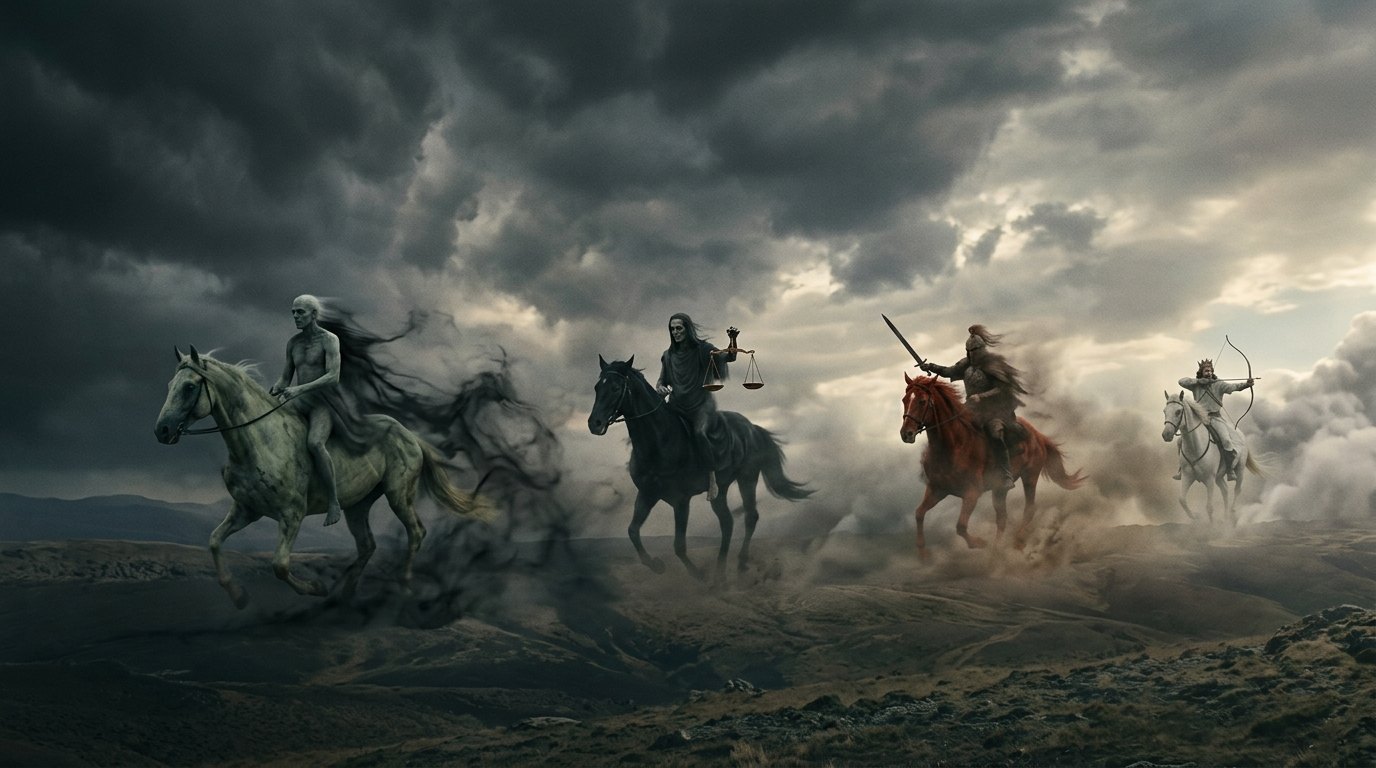
Revelation 6:1-8
1 I watched as the Lamb opened the first of the seven seals. Then I heard one of the four living creatures say in a voice like thunder, “Come!”
2 I looked, and there before me was a white horse! Its rider held a bow, and he was given a crown, and he rode out as a conqueror bent on conquest.
3 When the Lamb opened the second seal, I heard the second living creature say, “Come!”
4 Then another horse came out, a fiery red one. Its rider was given power to take peace from the earth and to make people kill each other. To him was given a large sword.
5 When the Lamb opened the third seal, I heard the third living creature say, “Come!” I looked, and there before me was a black horse! Its rider was holding a pair of scales in his hand.
6 Then I heard what sounded like a voice among the four living creatures, saying, “Two pounds of wheat for a day’s wages, and six pounds of barley for a day’s wages, and do not damage the oil and the wine!”
7 When the Lamb opened the fourth seal, I heard the voice of the fourth living creature say, “Come!”
8 I looked, and there before me was a pale horse! Its rider was named Death, and Hades was following close behind him. They were given power over a fourth of the earth to kill by sword, famine and plague, and by the wild beasts of the earth.
New International Version (NIV)
The answer
The four horsemen of the Apocalypse are four symbolic riders in Revelation 6:1-8, commonly summarized as conquest, war, famine, and death. They appear as Jesus Christ, the slain Lamb, opens the first four seals of God’s scroll; their activity therefore unfolds under His sovereign authority, not independently of God (Revelation 5:5-7).
- Horseman — What the vision describes — Meaning
- White horse — Its rider has a bow, receives a crown, and goes out conquering (Revelation 6:2). — Conquest or victorious military expansion.
- Red horse — Its rider takes peace from the earth so that people kill one another, and receives a great sword (Revelation 6:3-4). — War and bloodshed.
- Black horse — Its rider holds scales, while a voice announces prices for wheat and barley and commands that the oil and wine not be damaged (Revelation 6:5-6). — Famine, scarcity, and economic hardship, especially surrounding basic food.
- Pale horse — Its rider is explicitly named Death, with Hades following. They receive authority over a fourth of the earth to kill through sword, famine, death, and wild animals (Revelation 6:7-8). — Widespread death through several devastating means.
The identity of the white rider is disputed. Some readers identify him with Christ or the victorious advance of the gospel because Christ later appears on a white horse in Revelation 19:11-16. Others understand him as an earthly conqueror or a counterfeit Christ, fitting the sequence of destructive judgments that follows. Revelation 6:2 describes his conquest but does not name him; by contrast, Revelation 19 explicitly calls its rider “Faithful and True” and “The Word of God.”
The imagery resembles Zechariah 6:1-8, where differently colored horses go out from before the Lord and through the earth according to His purpose. In Revelation, the repeated language of authority and crowns being given emphasizes that the riders operate only within limits God permits.
These are genuinely sobering judgments. The following seals show martyrs crying out for God’s justice and then people of every status trying to hide from “the wrath of the Lamb” when the great day of His wrath arrives (Revelation 6:9-17). The horsemen thus belong to Revelation’s revelation of Christ’s rule and God’s righteous judgment, not merely to speculation about dates, nations, or current events.
Answered from Scripture · reviewed November 12, 2026
The four horsemen of the Apocalypse are vivid prophetic figures summoned as the Lamb opens the first four seals of God's heavenly scroll in Revelation 6. Representing conquest, warfare, famine, and widespread death, these horsemen reveal God's sovereign judgment and remind the church that all earthly upheaval remains firmly under Christ's authority.
The Heavenly Throne
The Lamb alone is worthy to unseal divine judgment
Then one of the elders said to me, “Do not weep! See, the Lion of the tribe of Judah, the Root of David, has triumphed. He is able to open the scroll and its seven seals.”
Revelation 5:5 (NIV)
It establishes that only the victorious Lion of Judah possesses the authority to break the seals and release the judgments.
Before any horse gallops across the earth, judgment originates in the heavenly courtroom. The foundation of the entire vision is established in Revelation 5:5, where an elder declares to the weeping apostle that the Lion of the tribe of Judah has triumphed to unseal the scroll. God holds the destiny of human history in His right hand as a scroll closely written on both sides and sealed with seven seals (Revelation 5:1). No angel, patriarch, or earthly king possesses the worthiness to approach the throne or break those seals, exposing the absolute inability of creation to redeem or judge itself.
John looks expecting a ferocious beast, but instead beholds a Lamb standing at the very center of the throne, bearing the marks of slaughter yet endowed with seven horns and seven eyes, signifying the fullness of divine omnipotence and the omnipresent Holy Spirit (Revelation 5:6). Only the Redeemer who conquered through His sacrificial death has the right to execute divine justice. He steps forward and takes the scroll out of the right hand of the Father seated upon the throne (Revelation 5:7). When the Lamb breaks the very first seal, one of the four cherubim speaks with a voice like thunder, commanding the riders to step into history (Revelation 6:1). Every calamity unleashed on earth begins under the sovereign command of the slain and risen Christ. The horsemen do not run wild by their own power; they are summoned by heavenly authority to accomplish God's righteous purposes.
| Passage | What it says |
|---|---|
| Revelation 5:1 | John sees in the right hand of God a scroll written within and sealed with seven seals. |
| Revelation 5:5 | An elder declares that the Lion of the tribe of Judah has triumphed to open the scroll and its seals. |
| Revelation 5:6 | A Lamb looking as if it had been slain stands in the center of the throne, possessing supreme power and knowledge. |
| Revelation 5:7 | The Lamb comes and takes the scroll out of the right hand of Him who sits on the throne. |
| Revelation 6:1 | The Lamb opens the first seal, and one of the four living creatures summons the first horse with thunder. |
The First Horseman
A mounted conqueror rides out bent on conquest
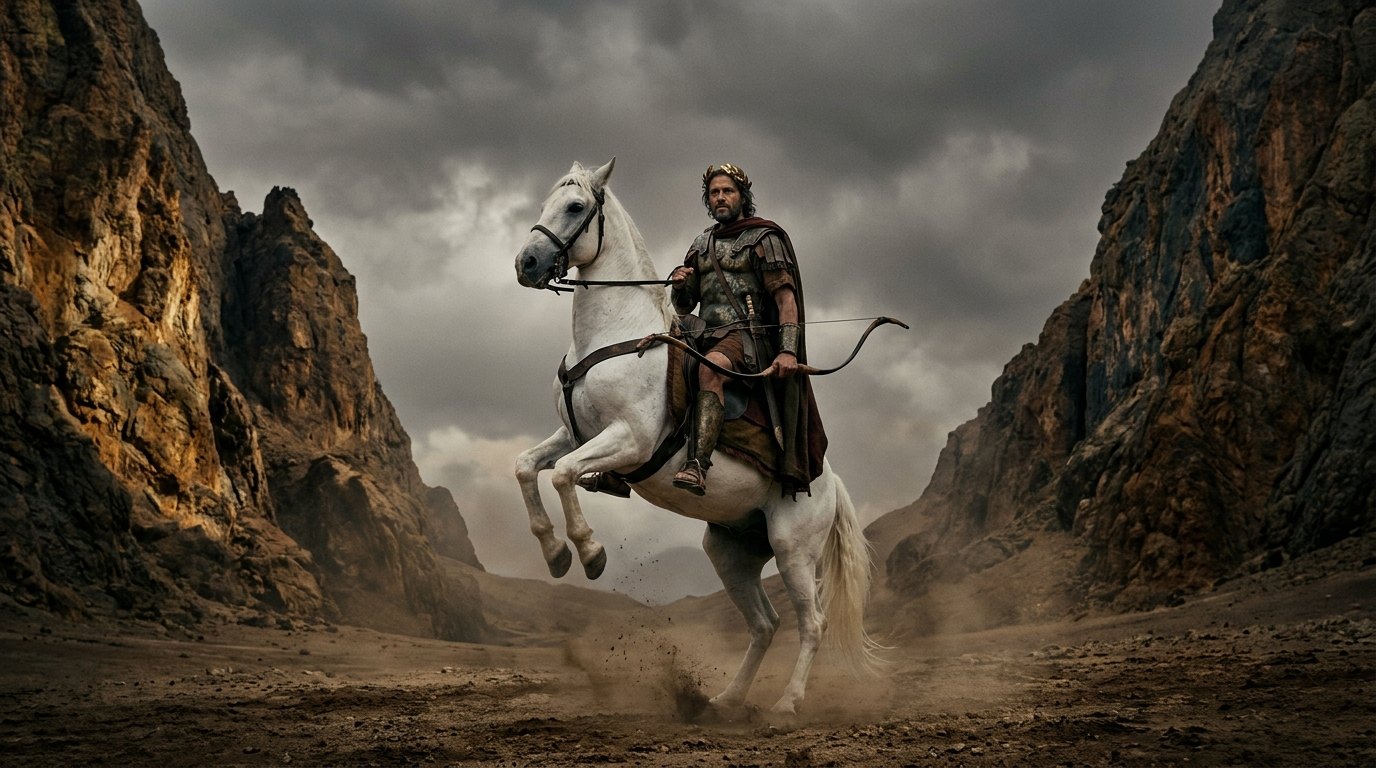
I looked, and there before me was a white horse! Its rider held a bow, and he was given a crown, and he rode out as a conqueror bent on conquest.
Revelation 6:2 (NIV)
It introduces the white horse and shows that earthly conquerors receive their temporary dominion only by divine permission.
When the first seal breaks, the world encounters the terrifying deception of human tyranny and militaristic dominion. In Revelation 6:2, John looks and beholds a white horse whose mounted rider carries a bow and is given a laurel crown, riding out as a conqueror bent on conquest. This figure mimics the true King of kings, yet his weapon and crown reflect earthly ambition. Scripture often depicts divine patrols using horses, as seen in the night visions of the Old Testament where multicolored horses walk through the earth under angelic oversight (Zechariah 1:8). Zechariah later sees four chariots emerging from between two mountains of bronze, with white and dappled teams sent forth across the nations (Zechariah 6:1; Zechariah 6:3).
While some readers have mistaken this initial rider for the Messiah because of his white steed, Scripture presents a deliberate contrast. This first horseman represents imperial aggression and aggressive conquest that paves the way for devastation and famine. In stark contrast, when heaven opens at the end of the age, Christ Himself rides a white horse not with a single given wreath, but crowned with many diadems, titled Faithful and True, waging war exclusively in divine righteousness (Revelation 19:11). Earthly empires conquer through deceit and violent force, but Christ alone triumphs by holy truth. The white horseman shows that human conquerors operate under a leash, permitted to ride only as far as divine providence allows.
| Passage | What it says |
|---|---|
| Revelation 6:2 | A rider on a white horse holding a bow is given a crown and rides out conquering and to conquer. |
| Zechariah 1:8 | Zechariah sees a man among myrtle trees with red, sorrel, and white horses patrolling the earth. |
| Zechariah 6:1 | Four chariots with red, black, white, and dappled horses come out from between two bronze mountains. |
| Zechariah 6:3 | The vision identifies white horses in the third chariot and dappled horses in the fourth. |
| Revelation 19:11 | Heaven opens to reveal Christ on a white horse, called Faithful and True, judging and warring in righteousness. |
The Second Horseman
A fiery steed takes global peace from mankind
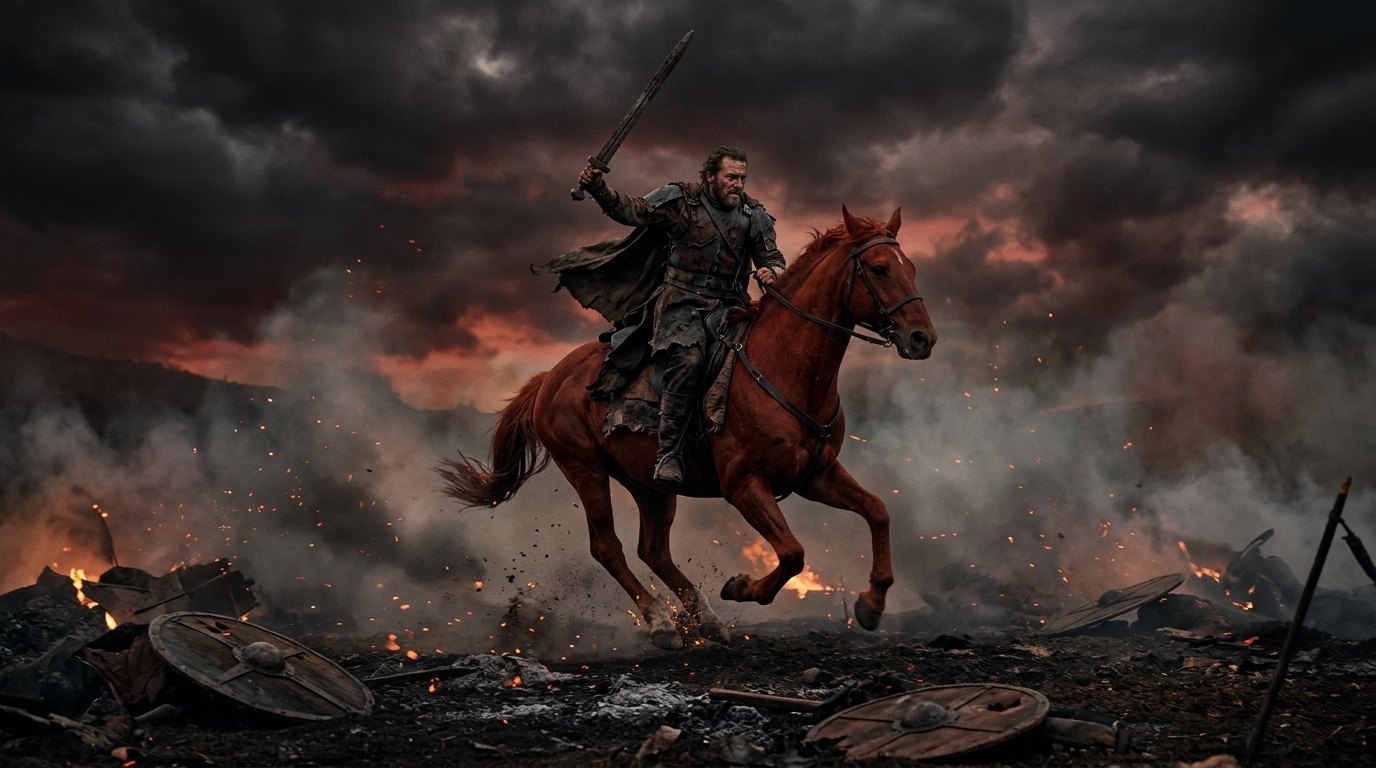
Then another horse came out, a fiery red one. Its rider was given power to take peace from the earth and to make people kill each other. To him was given a large sword.
Revelation 6:4 (NIV)
It shows that peace is granted or removed by divine sovereignty, resulting in unrestrained human bloodshed.
Conquest inevitably gives birth to widespread bloodshed, and the opening of the second seal makes that consequence horribly visible. When the Lamb breaks the seal, the second living creature issues the summons, and an ominous crimson mount steps forth into the arena (Revelation 6:3). In Revelation 6:4, a bright red horse emerges, and its rider is granted power to take peace from the earth so that men slaughter one another, accompanied by a great broadsword. The Greek term for slaughter describes an unsparing butchery, showing that when God withdraws the restraining gift of civic peace, human depravity erupts into violence.
This devastating ride fulfills the precise warnings Jesus gave His disciples on the Mount of Olives. The Lord instructed believers not to be alarmed when they hear of wars and rumors of wars, for such things must take place before the end arrives (Matthew 24:6). He detailed how nation will rise against nation and kingdom against kingdom in an escalating cycle of conflict (Matthew 24:7). Human society boasts of its peacekeeping diplomacy, yet genuine peace remains impossible apart from the Prince of Peace. The red horseman reveals that warfare is not an accident of geopolitical miscalculation, but a direct manifestation of divine judgment upon a world that has rejected God's righteous rule, stripping away mankind's hollow illusions of security.
| Passage | What it says |
|---|---|
| Revelation 6:3 | The Lamb breaks the second seal, and the second living creature summons the next horse. |
| Revelation 6:4 | A bright red horse comes out with a rider granted power to remove peace and a great sword. |
| Matthew 24:6 | Jesus warns that disciples will hear of wars and rumors of wars before the end comes. |
| Matthew 24:7 | Jesus prophesies that nation will rise against nation and kingdom against kingdom. |
The Third Horseman
Scarcity strikes basic grains while luxuries remain
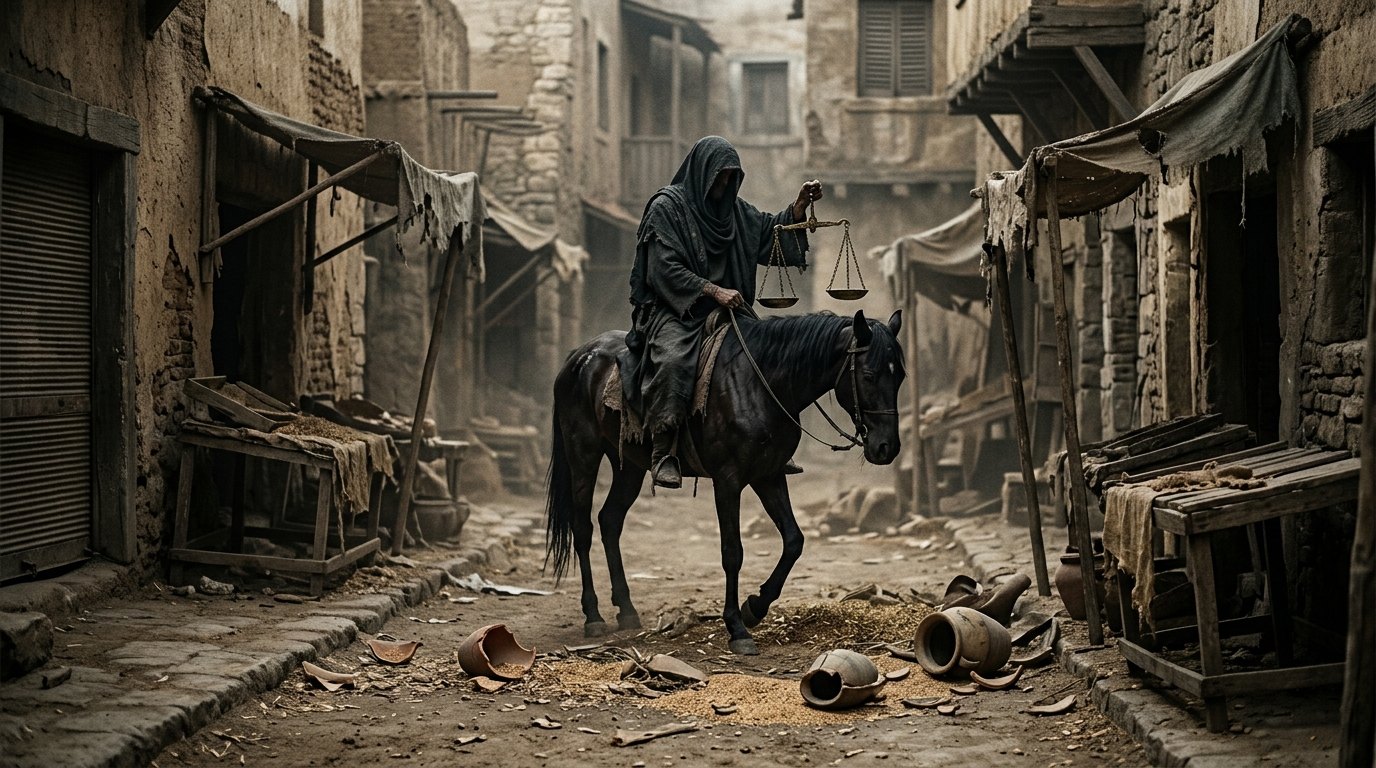
Then I heard what sounded like a voice among the four living creatures, saying, “Two pounds of wheat for a day’s wages, and six pounds of barley for a day’s wages, and do not damage the oil and the wine!”
Revelation 6:6 (NIV)
It defines hyperinflation where a day's wage buys merely one day's bread, yet preserves oil and wine.
War inevitably destroys agricultural infrastructure, leading straight into severe economic devastation and starvation. With the opening of the third seal, John beholds a black horse, whose rider grips a pair of balances in his hand (Revelation 6:5). The central reality of this judgment appears in Revelation 6:6, where a voice from the midst of the living creatures declares that a quart of wheat or three quarts of barley will cost an entire denarius, while commanding the rider not to harm the olive oil and wine. In the ancient world, a denarius represented a full day's wage for an ordinary laborer, which typically purchased enough food for an entire family. Under this rider, that entire wage buys only enough wheat to feed a single man for one day.
This precise rationing echoes the covenant curses laid down throughout the Old Testament. God warned Israel in the wilderness that in times of rebellion, ten women would bake bread in one oven and deliver bread by weight, leaving people to eat without ever being satisfied (Leviticus 26:26). Ezekiel similarly prophesied that the Lord would break the staff of bread in Jerusalem so that the inhabitants would eat bread by weight with fear and drink water by measure in utter despair (Ezekiel 4:16). God judges nations by exposing their extreme fragility through the bread they take for granted. While basic sustenance becomes unaffordable for the working poor, luxury items like oil and wine remain untouched, sharpening the agony of an unequal and starving world.
| Passage | What it says |
|---|---|
| Revelation 6:5 | The Lamb breaks the third seal, revealing a black horse whose rider holds a pair of scales. |
| Revelation 6:6 | A voice announces a quart of wheat or three quarts of barley for a denarius, sparing oil and wine. |
| Leviticus 26:26 | God warns that during severe judgment bread will be rationed and delivered by weight in scarcity. |
| Ezekiel 4:16 | The Lord breaks the supply of bread so people eat bread by weight with fear. |
The Fourth Horseman
Death and Hades claim a fourth of the earth
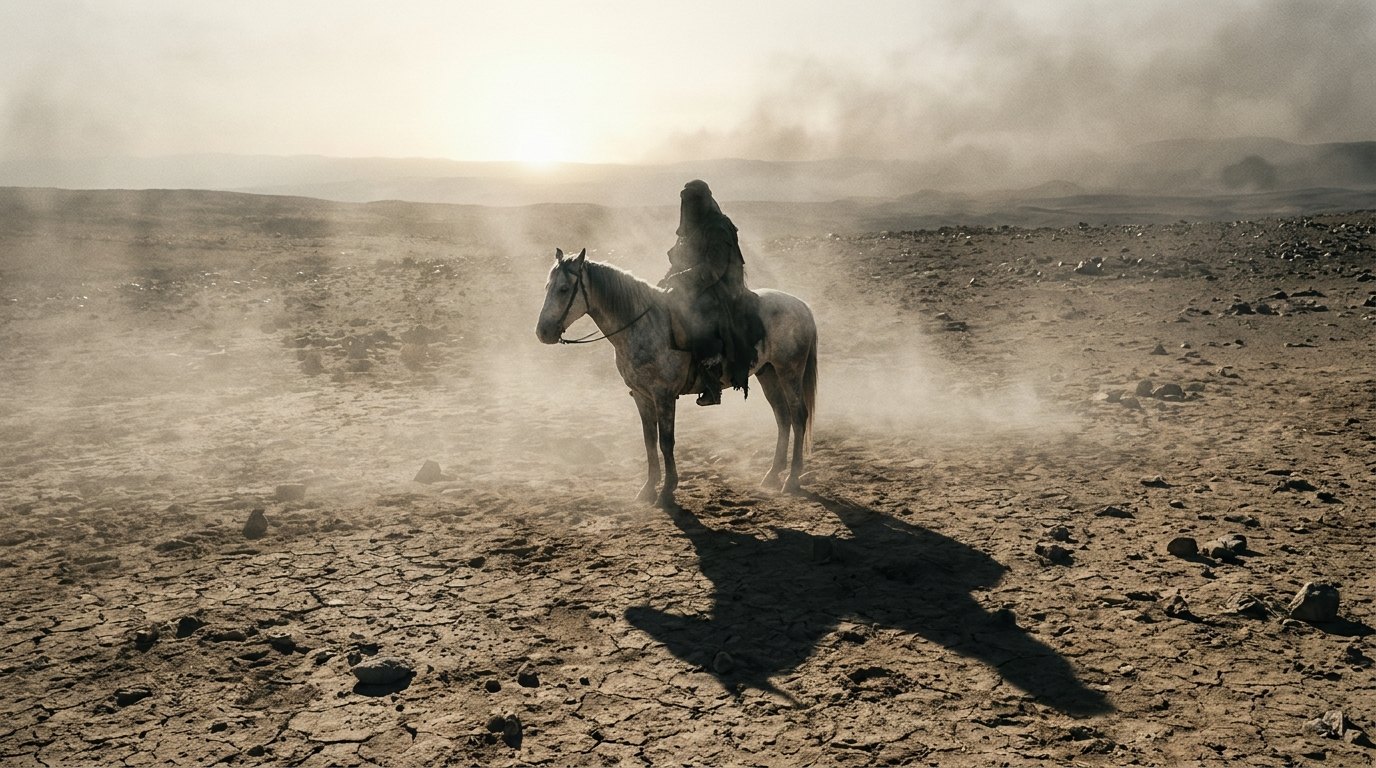
I looked, and there before me was a pale horse! Its rider was named Death, and Hades was following close behind him. They were given power over a fourth of the earth to kill by sword, famine and plague, and by the wild beasts of the earth.
Revelation 6:8 (NIV)
It explicitly names the rider Death and reveals God's measured limit on the destructiveness of pestilence and sword.
When the Lamb breaks the fourth seal, the rider named Death steps onto the earth with Hades close behind, bringing the climax of this fourfold preliminary judgment (Revelation 6:8). The Apostle John hears the voice of the fourth living creature summoning him to behold this terrifying sight (Revelation 6:7). The horse itself is described as pale—an ashen, sickly greenish-gray hue that evokes the decay of a corpse. Authority is granted to them over a fourth of the earth to kill by the sword, famine, pestilence, and the wild beasts of the earth (Revelation 6:8). This chilling fourfold scourge directly recalls Old Testament covenant judgments, such as the four disastrous acts of judgment the Lord warned He would send against Jerusalem: sword, famine, harmful beasts, and pestilence (Ezekiel 14:21). Yet even in this sweeping devastation, God's sovereign restraint remains evident. Death and Hades operate strictly under heaven's measured leash, permitted to touch only a fraction of humanity. Furthermore, the believer takes immense comfort knowing that these dread realities do not possess ultimate mastery. The resurrected and glorified Christ announced, "I have the keys of Death and Hades" (Revelation 1:18). Though they gather earthly casualties under God's righteous wrath for a appointed season, their reign is brief and doomed. At the consummation of all things, both Death and Hades will be cast into the lake of fire (Revelation 20:14), completely vanquished forever by the triumph of the King.
| Passage | What it says |
|---|---|
| Revelation 6:7 | The Lamb opens the fourth seal, and the fourth living creature calls John to look. |
| Revelation 6:8 | A pale horse appears whose rider is Death, followed by Hades, given authority over a quarter of the earth. |
| Ezekiel 14:21 | The Lord details His four dreadful judgments against Jerusalem: sword, famine, wild beasts, and plague. |
| Revelation 1:18 | The living Christ declares that He alone holds the keys of Death and Hades. |
| Revelation 20:14 | Death and Hades are ultimately thrown into the lake of fire at the final judgment. |
The Divine Purpose
The martyrs plead for justice amid unfolding wrath
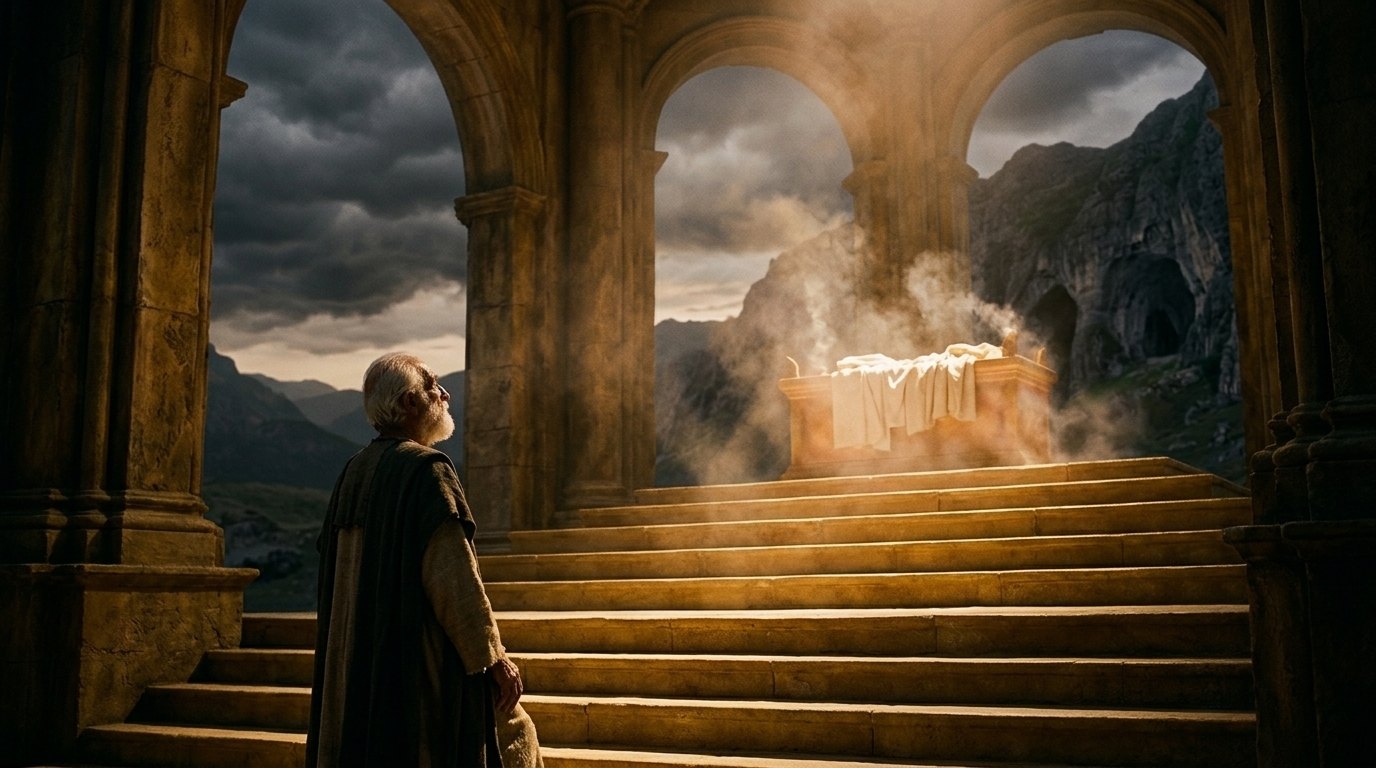
They called out in a loud voice, “How long, Sovereign Lord, holy and true, until you judge the inhabitants of the earth and avenge our blood?”
Revelation 6:10 (NIV)
It shows that the seal judgments answer the prayers of slaughtered saints awaiting God's holy vindication.
The unsealing of the scroll does not merely unveil catastrophic events; it directly addresses the cries of God's suffering people. Under the heavenly altar, the slain martyrs cry out for God's righteous justice, asking, "O Sovereign Lord, holy and true, how long before you will judge and avenge our blood on those who dwell on the earth?" (Revelation 6:10). When the fifth seal is broken, John sees the souls of those slaughtered for the word of God and for the witness they bore (Revelation 6:9). Their blood has not been shed in vain, nor are their prayers forgotten before the throne of God. Each is given a white robe of purity and told to rest a little longer, until the full number of their fellow servants and brothers should be completed (Revelation 6:11). The seal judgments, therefore, demonstrate that earthly history moves toward divine vindication, not chaotic happenstance. When the subsequent seals unfold and the full terror of divine wrath falls upon the earth, all levels of unrepentant society—from mighty kings to bondservants—hide themselves in caves and among the rocks of the mountains (Revelation 6:16). In desperate dread, they cry to the mountains to fall upon them to hide them from the face of Him who sits on the throne and from the wrath of the Lamb (Revelation 6:16). The solemn question that echoes through every generation is set forth plainly: "For the great day of their wrath has come, and who can stand?" (Revelation 6:17).
| Passage | What it says |
|---|---|
| Revelation 6:9 | The fifth seal reveals the souls of martyrs under the altar who were slain for God's word. |
| Revelation 6:10 | The martyrs cry with a loud voice asking how long until the Sovereign Lord judges the earth. |
| Revelation 6:11 | Each martyr is given a white robe and told to rest until the number of their fellows is complete. |
| Revelation 6:16 | Kings and princes beg the rocks to fall on them and hide them from the wrath of the Lamb. |
| Revelation 6:17 | All humanity acknowledges that the great day of divine wrath has arrived and asks who can stand. |
Where in the Bible
| Book | Passages |
|---|---|
| Leviticus | 1 · Leviticus 26:26 |
| Ezekiel | 2 · Ezekiel 4:16, Ezekiel 14:21 |
| Zechariah | 3 · Zechariah 1:8, Zechariah 6:1, Zechariah 6:3 |
| Matthew | 2 · Matthew 24:6, Matthew 24:7 |
| Revelation | 20 · Revelation 5:1, Revelation 5:5, Revelation 5:6, Revelation 5:7, Revelation 6:1, Revelation 6:2, Revelation 19:11, Revelation 6:3, Revelation 6:4, Revelation 6:5, Revelation 6:6, Revelation 6:7, Revelation 6:8, Revelation 1:18, Revelation 20:14, Revelation 6:9, Revelation 6:10, Revelation 6:11, Revelation 6:16, Revelation 6:17 |
The story in order
- God's judgment revealed (AD 95) · Revelation 6:1 · The Lamb opens the first seal, initiating the horsemen's appearance.
- Conquest rides out (AD 95) · Revelation 6:2 · The first horseman on a white horse is given a crown and rides to conquer.
- Warfare unleashed (AD 95) · Revelation 6:4 · The second horseman on a red horse takes peace and is given a great sword.
- Famine strikes (AD 95) · Revelation 6:5 · The third horseman on a black horse holds scales, signifying scarcity.
- Death and Hades follow (AD 95) · Revelation 6:8 · The fourth horseman on a pale horse is named Death, with Hades following.
- Martyrs cry for justice (AD 95) · Revelation 6:9 · Souls of martyrs under the altar await judgment and vengeance.
- Wrath of the Lamb (AD 95) · Revelation 6:16 · Humanity recognizes the great day of God's wrath has come.
- Christ's ultimate victory (AD 95) · Revelation 19:11 · Christ returns on a white horse, Faithful and True, to judge and make war.
- Death and Hades judged (AD 95) · Revelation 20:14 · Death and Hades are cast into the lake of fire.
Key words
- Horsemen of the Apocalypse
- Four figures representing conquest, war, famine, and death, unleashed as the first four seals are opened. · Revelation 6:1-8
- Seals
- Seven seals on a scroll in God's right hand, opened by the Lamb, revealing divine judgments. · Revelation 5:1
- Lamb
- Jesus Christ, depicted as slain but standing with supreme power, worthy to open the scroll and its seals. · Revelation 5:6
- Conquest
- The first horseman, riding a white horse with a bow and crown, sent out to conquer. · Revelation 6:2
- Warfare
- The second horseman, on a red horse, given power to take peace from the earth. · Revelation 6:4
- Famine
- The third horseman, on a black horse with scales, signifying scarcity and high food prices. · Revelation 6:5-6
- Death
- The fourth horseman, on a pale horse, followed by Hades, given authority over a fourth of the earth. · Revelation 6:8
These sobering visions warn humanity of the terrible wages of sin and the inevitability of divine judgment while anchoring the believer in Christ's unshakable rule. For those who belong to the Lamb, the ride of the four horsemen calls for endurance, holy living, and unwavering trust in the One who holds the keys of death and Hades.
28 passages, each cited once.
Scripture cited
- Revelation 6:1-8
- Revelation 5:5-7
- Revelation 6:9-17
- Zechariah 6:1-8
- Revelation 19:11-16