What are the 'I am' statements of Jesus?
John 8:58
58 “Very truly I tell you,” Jesus answered, “before Abraham was born, I am!”
New International Version (NIV)
The answer
John's Gospel records Jesus making seven figure-of-speech statements that begin with "I am," each pairing Him with a vital image, and one absolute "I AM" that claims the very name of God.
The seven "I am" sayings in John
- I am the bread of life — John 6:35: "Jesus said to them, 'I am the bread of life. Whoever comes to me will not be hungry, and whoever believes in me will never be thirsty.'" Sustainer of life, not mere provider.
- I am the light of the world — John 8:12: "Again, therefore, Jesus spoke to them, saying, 'I am the light of the world. He who follows me will not walk in the darkness, but will have the light of life.'"
- I am the door — John 10:9: "I am the door. If anyone enters in by me, he will be saved, and will go in and go out and will find pasture."
- I am the good shepherd — John 10:11: "I am the good shepherd. The good shepherd lays down his life for the sheep."
- I am the resurrection and the life — John 11:25: "Jesus said to her, 'I am the resurrection and the life. He who believes in me will still live, even if he dies.'"
- I am the way, the truth, and the life — John 14:6: "Jesus said to him, 'I am the way, the truth, and the life. No one comes to the Father, except through me.'"
- I am the true vine — John 15:1: "I am the true vine, and my Father is the farmer."
The absolute "I AM"
Then there is John 8:58, which stands apart. Jesus said, "Most certainly, I tell you, before Abraham came into existence, I AM." That unembellished "I AM" (Greek egō eimi) echoes the name God gives Moses at the burning bush: "I AM THAT I AM" in Exodus 3:14. It is not a figure of speech but a claim to share God's own name, which is why the authorities reached for stones immediately after (John 8:59). It lines up with Isaiah 44:6, where the LORD says, "I am the first, and I am the last; and beside me there is no God," and with John 1:1-2: "In the beginning was the Word, and the Word was with God, and the Word was God." Even His glory, He prays, is the glory He had with the Father "before the world was" (John 17:5, John 17:24), and Colossians 1:17 affirms that "he is before all things, and by him all things consist."
The related "I am he" sayings
John also has a smaller group where Jesus says "I am he" without a metaphor — John 8:24, John 8:28, and John 13:19. These clarify His identity and press the hearers to faith: "Unless you believe that I am he, you will die in your sins" (John 8:24).
Why it matters
Taken together, these sayings reveal two things at once: who Jesus is for us (the bread, the door, the shepherd, the vine — meeting every need of the soul), and who Jesus is in Himself (the eternal "I AM," one with the Father). The metaphors draw us in; the absolute name exposes that the one drawing us in is God Himself.
Answered from Scripture · reviewed November 8, 2026
In the Gospel of John, Jesus uses the sacred formula 'I am' to reveal His divine identity and His total sufficiency for human need. Seven metaphorical declarations unpack who He is for His people, while several absolute pronouncements echo God's covenant name unveiled at Sinai.
The Divine Name
Jesus Claims the Eternal Name of God
“Very truly I tell you,” Jesus answered, “before Abraham was born, I am!”
John 8:58 (NIV)
Jesus explicitly asserts eternal, uncreated preexistence using the covenant name of God, provoking immediate attempts to stone Him.
In John 8:58, Jesus delivers one of the most astonishing claims in all of Scripture: "Truly, truly, I say to you, before Abraham was, I am." His listeners immediately picked up stones to stone Him, recognizing precisely what He meant. He did not say 'I was,' which would denote merely ancient origin, but 'I am,' taking upon Himself the uncreated, self-existent identity of Yahweh. This deliberate invocation reaches back to the burning bush in Exodus 3:14, where God declared His covenant name as 'I AM WHO I AM.'
Throughout the prophets, this phrasing belongs exclusively to the one true Lord. In Isaiah 43:10, God appoints His people as witnesses to know and believe "that I am He," and in Isaiah 44:6, He proclaims, "I am the first and I am the last; besides me there is no god." John's Gospel opens with this very conviction in John 1:1-2, testifying that the Word was with God in the beginning and was God. When Christ prays in John 17:5 and John 17:24, He points to the eternal reality of the glory and love He shared with the Father before the foundation of the world. The Apostle Paul affirms this same truth in Colossians 1:17, declaring that Christ is before all things, holding creation together by His power.
| Passage | What it says |
|---|---|
| Exodus 3:14 | God identifies Himself to Moses as 'I AM WHO I AM,' establishing the self-existent covenant name. |
| Isaiah 44:6 | The LORD declares Himself the first and the last, asserting that beside Him there is no God. |
| John 1:1-2 | The Word was in the beginning with God, existing as God before all creation. |
| John 8:58 | Jesus declares that before Abraham was born, 'I AM,' claiming eternal divine existence. |
| John 17:5 | Jesus asks the Father to glorify Him with the pre-creation glory they shared together. |
| John 17:24 | Christ speaks of the Father loving Him before the foundation of the world. |
| Colossians 1:17 | Paul confirms that Christ is before all things, and in Him all things hold together. |
| Isaiah 43:10 | The Lord declares Israel His witnesses so that they may know and believe that 'I am He,' anticipating Christ's words. |
The Bread of Life
The Sustainer Who Satisfies the Soul
Then Jesus declared, “I am the bread of life. Whoever comes to me will never go hungry, and whoever believes in me will never be thirsty.
John 6:35 (NIV)
Jesus defines Himself as the true sustenance of eternity who completely quenches spiritual hunger and thirst.
Standing before a crowd that followed Him merely for physical food after the miraculous feeding of the five thousand, Christ shifts their gaze from the perishable to the eternal in John 6:35: "I am the bread of life; whoever comes to me shall not hunger, and whoever believes in me shall never thirst." Jesus identifies Himself as the true sustenance that alone can satisfy the desperate famine of the human soul. Physical bread preserves bodily life for a few hours, but Christ meets the ultimate spiritual hunger that every descendant of Adam endures.
He reinforces this reality in John 6:48 by repeating, "I am the bread of life." He reminds the crowd that their ancestors ate manna in the wilderness and still died; earthly provision, though given by God, could not overcome mortality. In John 6:51, Jesus deepens the revelation: "I am the living bread that came down from heaven. If anyone eats of this bread, he will live forever. And the bread that I will give for the life of the world is my flesh." Here He points directly toward His coming atoning sacrifice on the cross, where His body would be broken so that sinners, receiving Him by faith, might possess everlasting life.
| Passage | What it says |
|---|---|
| John 6:35 | Jesus declares Himself the bread of life, promising that whoever comes to Him will never hunger. |
| John 6:48 | Jesus repeats that He is the bread of life, contrasting Himself with perishable manna. |
| John 6:51 | Jesus calls Himself the living bread from heaven that gives eternal life through His offered flesh. |
The Light of the World
The Radiance That Dispels All Darkness

When Jesus spoke again to the people, he said, “I am the light of the world. Whoever follows me will never walk in darkness, but will have the light of life.”
John 8:12 (NIV)
Christ announces Himself as the sole light that guides humanity out of moral and spiritual darkness.
In the Temple precincts, likely against the backdrop of the massive golden candelabra lit during the Feast of Tabernacles, Christ announces in John 8:12: "I am the light of the world. Whoever follows me will not walk in darkness, but will have the light of life." Christ alone possesses the divine radiance that pierces and dispels the spiritual blindness of a fallen world. The darkness of human rebellion, ignorance, and condemnation cannot withstand His presence, nor can anyone find the path of righteousness apart from Him.
Jesus confirms this identity again in John 9:5 prior to healing a man born blind, declaring, "As long as I am in the world, I am the light of the world." The miracle that follows serves as a living parable of His statement. He does not merely illuminate abstract concepts; He opens blind eyes to behold divine truth. To reject Him is to remain trapped in judgment and shadows, but to receive Him by faith is to step into the unfading dawn of forgiveness, truth, and life eternal.
| Passage | What it says |
|---|---|
| John 8:12 | Jesus identifies as the light of the world, guaranteeing the light of life to His followers. |
| John 9:5 | Jesus reaffirms that while He is in the world, He is the light of the world. |
The Door and Shepherd
The Only Entrance and Faithful Protector

“I am the good shepherd. The good shepherd lays down his life for the sheep.
John 10:11 (NIV)
Christ distinguishes Himself as the sacrificial shepherd whose love leads Him to die for His flock.
Addressing the false spiritual leaders of Israel who exploited rather than cared for the people, Christ presents Himself in John 10:7 as the entrance to life: "Truly, truly, I say to you, I am the door of the sheep." He repeats this claim in John 10:9, promising that "if anyone enters by me, he will be saved and will go in and out and find pasture." Christ is the solitary, exclusive entryway through which sinners are rescued from danger and brought into God's safe fold. There is no other gate into divine fellowship.
Moving from the gate to the guardian, Jesus reveals His sacrificial heart in John 10:11: "I am the good shepherd. The good shepherd lays down his life for the sheep." Unlike a hireling who flees when wolves approach, Christ willingly bears the cost of His flock's salvation. In John 10:14, He adds, "I am the good shepherd. I know my own and my own know me." This intimate, sovereign bond ensures that every sheep He redeems is securely kept, known by name, and delivered through His sacrificial death and triumphant resurrection.
| Passage | What it says |
|---|---|
| John 10:7 | Jesus proclaims that He is the door through which the sheep enter. |
| John 10:9 | Jesus states that anyone entering through Him will be saved and find pasture. |
| John 10:11 | Jesus calls Himself the good shepherd who lays down His life for the sheep. |
| John 10:14 | Jesus declares that He knows His own sheep and His own know Him. |
Resurrection and Way
The Conqueror of Death and Sole Access
Jesus answered, “I am the way and the truth and the life. No one comes to the Father except through me.
John 14:6 (NIV)
Jesus defines Himself as the exclusive path of truth and life that leads to God the Father.
Standing before a weeping family outside a sealed tomb, the Lord Jesus cut through all despair by grounding hope not merely in a future event, but in His own person: 'I am the resurrection and the life' (John 11:25). Martha confessed faith in a general resurrection on the last day, yet Jesus revealed that death is vanquished because Life Himself was standing right before her. Whoever believes in Him shall live even if he dies physically, and whoever lives and believes in Him will never die spiritually. Christ demonstrated this authority moments later by summoning Lazarus from four days in the grave, prefiguring His own triumphant breaking of death's bonds.
On the eve of His crucifixion, amidst the sorrow and bewilderment of the Upper Room, the Lord extended this exclusive claim to eternity itself. In John 14:6, Jesus answered Thomas's perplexity by declaring, 'I am the way, and the truth, and the life; no one comes to the Father but through Me.' He is not merely one guide among many, a pioneer of ethical insight, or a teacher pointing toward the road; He is the road itself. As the Truth, He embodies the full, unvarnished revelation of the living God, dispelling all human deception. As the Life, He supplies the supernatural vitality required to dwell in God's presence. In a single, decisive sentence, Christ excluded every human pathway, religious system, and self-fashioned merit, establishing His cross and resurrection as the sole bridge between holy God and fallen humanity.
| Passage | What it says |
|---|---|
| John 11:25 | Jesus proclaims He is the resurrection and the life, overcoming physical death for believers. |
| John 14:6 | Jesus identifies as the way, truth, and life, making access to the Father exclusively through Him. |
The True Vine
The Source of Life and Fruitfulness
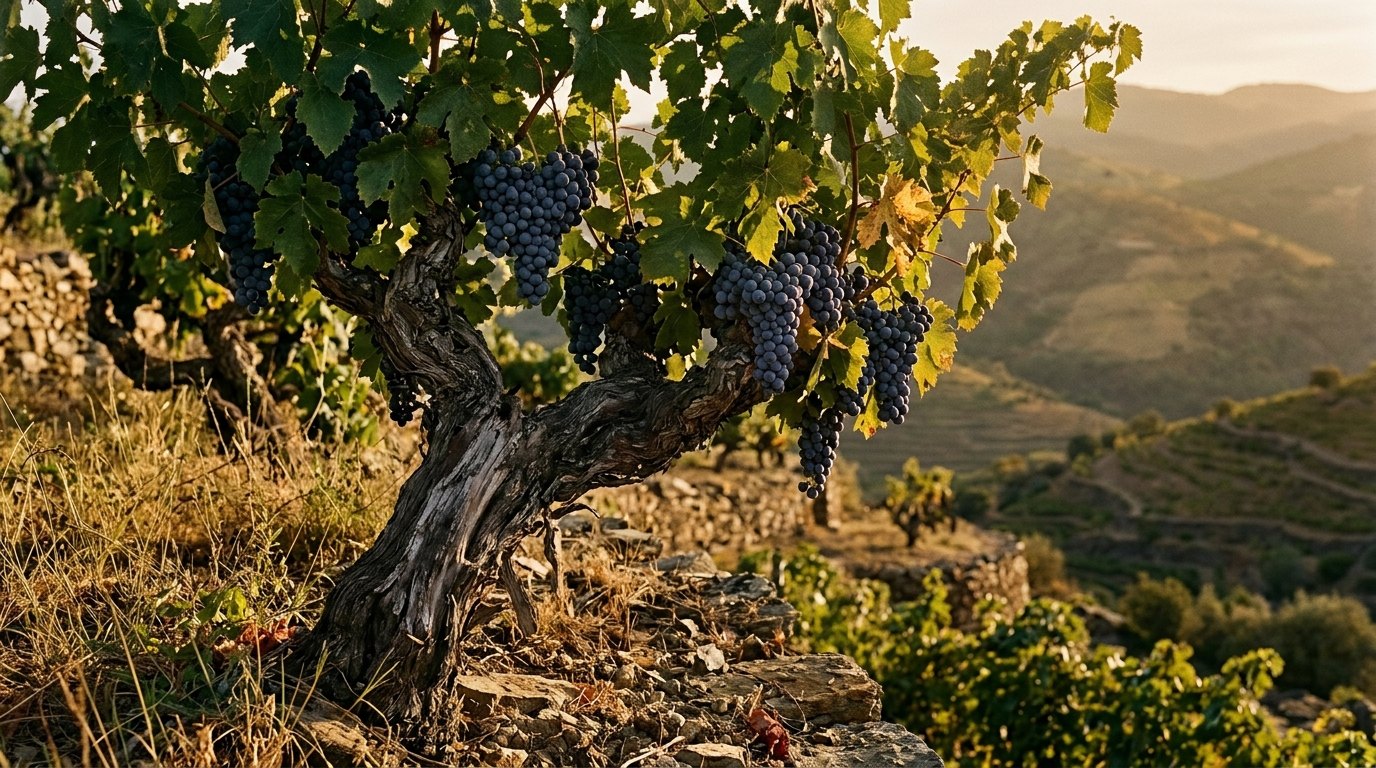
“I am the true vine, and my Father is the gardener.
John 15:1 (NIV)
Jesus sets Himself forth as the genuine root and stock through which believers must abide to bear fruit.
In the final metaphor of John's Gospel, Jesus took the ancient symbol of the nation of Israel and applied it completely to Himself: 'I am the true vine, and My Father is the vinedresser' (John 15:1). Throughout the Old Testament prophets, Israel was planted as God's choice vineyard, yet consistently produced bitter, wild grapes of rebellion and idolatry. Jesus stepped forward as the genuine, unfailing root that fulfills everything God intended. The Father Himself tends this living plant, actively pruning every branch that bears fruit so that it may produce an even richer harvest, while severing the lifeless twigs that have no genuine share in the sap of divine life.
Discipleship is therefore not an enterprise of human grit, but a continuous life of vital dependence upon Christ. As the Lord affirmed in John 15:5, 'I am the vine, you are the branches; he who abides in Me and I in him, he bears much fruit, for apart from Me you can do nothing.' A severed branch cannot manufacture sap, blossom, or fruit through sheer effort; left to itself, it shrivels and is fit only for the fire. All spiritual virtue, steadfast obedience, genuine love, and perseverance flow exclusively through union with the crucified and risen Christ. The believer's daily calling is simply to abide in Him through His Word and prayer, drawing all life from the true Vine.
| Passage | What it says |
|---|---|
| John 15:1 | Jesus states He is the true vine and His Father is the vinedresser. |
| John 15:5 | Jesus affirms that He is the vine and disciples are branches, bearing fruit only in Him. |
Absolute Proclamations
The Urgent Call to Acknowledge Him
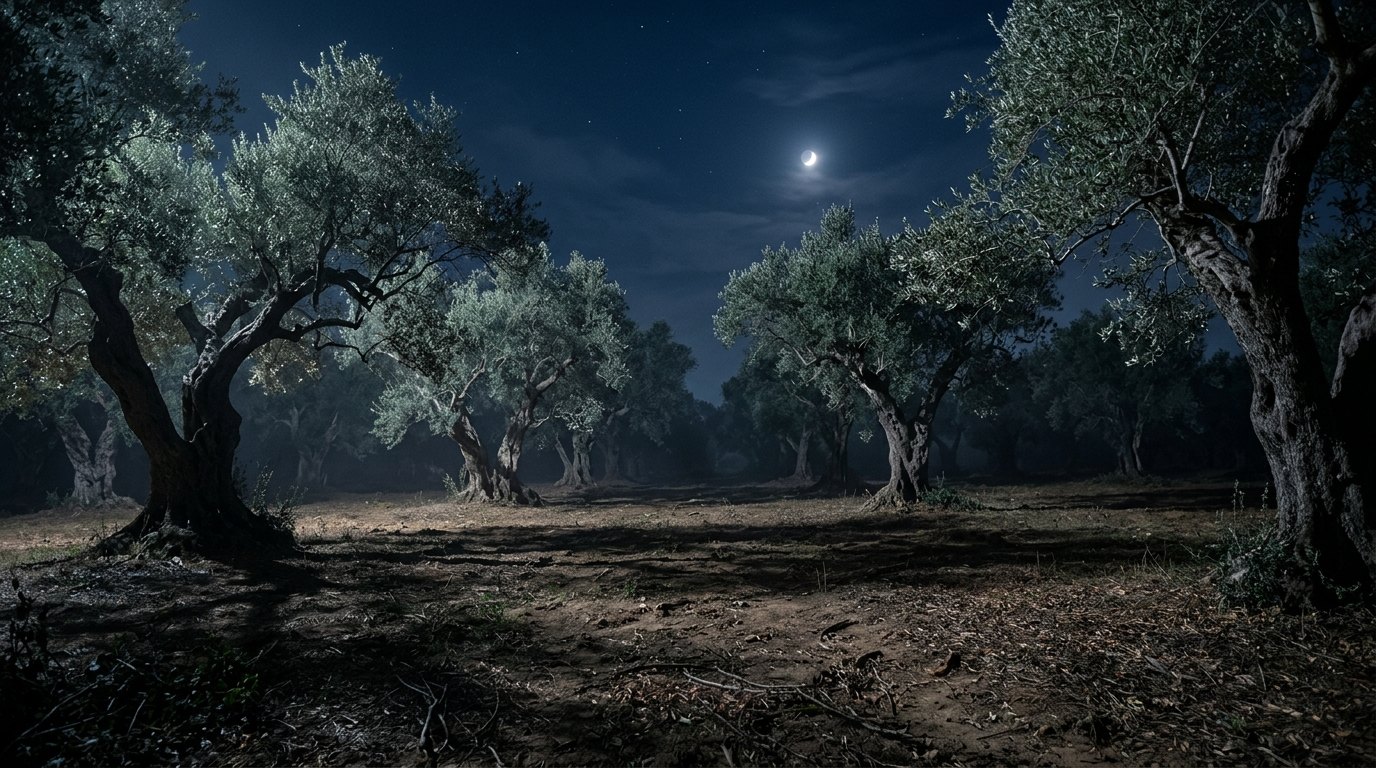
I told you that you would die in your sins; if you do not believe that I am he, you will indeed die in your sins.”
John 8:24 (NIV)
Jesus warns that eternal life hinges upon believing in His absolute divine identity.
Beyond the seven vivid metaphors of John's Gospel stand the absolute, unqualified declarations where Jesus spoke the divine name ego eimi without any predicate. The eternal stakes of this revelation could not be higher: 'Unless you believe that I am He, you will die in your sins' (John 8:24). Jesus was not offering general moral instruction; He was confronting Israel with the sovereign necessity of recognizing Him as Yahweh come in the flesh, the very one who spoke from the burning bush. To reject His supreme identity is to remain unforgiven, crushed beneath the weight of one's own guilt. He added in John 8:28 that when they lifted Him up on the cross, they would know with terrifying clarity that 'I am He.'
This same divine self-disclosure echoed throughout His earthly ministry, bringing both gentle comfort and awe-inspiring power. To the solitary Samaritan woman at the well, Jesus unreservedly unveiled Himself: 'I who speak to you am He' (John 4:26). In the pitch-black gale on the Sea of Galilee, He calmed His terrified disciples with the sovereign greeting, 'It is I; do not be afraid' (John 6:20), literally, 'I am; cease fearing.' In the Upper Room, He unveiled future betrayals so that when they occurred, the disciples would believe that 'I am He' (John 13:19). Most dramatically, when the Roman cohort confronted Him in Gethsemane, His simple answer, 'I am He' (John 18:5-6), unleashed such unmitigated divine majesty that hardened soldiers collapsed backward to the ground, before He repeated it in John 18:8 to ensure the complete protection of His followers.
| Passage | What it says |
|---|---|
| John 8:24 | Jesus warns that those who do not believe 'I am he' will die in their sins. |
| John 8:28 | Jesus says that when He is lifted up, they will know that 'I am he.' |
| John 13:19 | Jesus foretells events so that when they happen, disciples will believe that 'I am he.' |
| John 18:5-6 | When Jesus answers 'I am he' in the garden, the soldiers fall back to the ground. |
| John 4:26 | Jesus declares 'I am He' to the Samaritan woman who speaks of the coming Messiah. |
| John 6:20 | Jesus comforts His terrified disciples on the stormy sea by declaring 'It is I [I am]; do not be afraid.' |
| John 18:8 | Jesus answers the arresting cohort a second time with 'I told you that I am He,' protecting His disciples. |
The Synoptic Declarations
Jesus Affirms His Identity to Israel and His Disciples

“I am,” said Jesus. “And you will see the Son of Man sitting at the right hand of the Mighty One and coming on the clouds of heaven.”
Mark 14:62 (NIV)
Jesus openly declares His divine identity and messianic reign before the Sanhedrin under solemn oath.
While the absolute 'I am' is prominent in the fourth Gospel, the Synoptic accounts preserve the exact same divine authority under the most solemn tests of Christ's earthly life. When the disciples strained against the oars on a wind-tossed lake in the fourth watch of the night, Jesus walked out upon the churning surface and brought supernatural peace with the commanding words: 'Take courage; it is I, do not be afraid' (Mark 6:50). In walking on the sea and proclaiming ego eimi, Jesus enacted the very prerogatives of the Creator who alone treads upon the waves of the deep, silencing their terrors by His mere arrival.
The climax of this confession occurred inside the high priest's palace. When Caiaphas placed Him under solemn oath, demanding whether He was the Christ, the Son of the Blessed, Jesus said, 'I am' (Mark 14:62). He immediately fused this declaration with Daniel's vision of the Son of Man coming on the clouds and David's Psalm of royal enthronement, causing the high priest to tear his robes at what he judged to be blasphemy. In Luke 22:70, when the council pressed Him again, He reaffirmed, 'You correctly say that I am.' Following His resurrection, He used that same living self-attestation to dispel the lingering doubts of His followers: 'See My hands and My feet, that it is I Myself; touch Me and see' (Luke 24:39). From lake to trial to the empty tomb, the Synoptics bear identical witness to the sovereign, living Lord.
| Passage | What it says |
|---|---|
| Mark 6:50 | Jesus speaks to His disciples on the lake, saying 'Take heart; it is I [I am]. Do not be afraid.' |
| Mark 14:62 | Jesus answers the high priest's question about whether He is the Christ with the direct statement 'I am.' |
| Luke 22:70 | Jesus answers the council's demand regarding His divine Sonship by stating 'You say that I am.' |
| Luke 24:39 | The risen Christ tells His bewildered disciples to touch His hands and feet, verifying 'it is I myself.' |
The Apocalyptic Self-Disclosures
The Glorified Christ Proclaims His Eternal Sovereignty

When I saw him, I fell at his feet as though dead. Then he placed his right hand on me and said: “Do not be afraid. I am the First and the Last. I am the Living One; I was dead, and now look, I am alive for ever and ever! And I hold the keys of death and Hades.
Revelation 1:17-18 (NIV)
The risen Lord reveals His triumph over the grave and His eternal status as the First and the Last.
When the apostle John fell at the feet of the glorified Christ on Patmos, the Lord laid His right hand upon him and proclaimed, 'Fear not, I am the first and the last, and the living one. I died, and behold I am alive forevermore' (Revelation 1:17-18). Jesus takes the divine title of Yahweh and applies it to Himself in the triumph of His resurrection. In this climactic book of Scripture, the earthly 'I am' statements of the Gospels blossom into the majestic self-disclosures of the reigning King. Here, Christ reveals that the grave could not hold Him, and that He alone possesses the keys of Death and Hades.
This apocalyptic testimony begins with the absolute majesty of God in Revelation 1:8, where the Lord God declares, 'I am the Alpha and the Omega,' the Almighty who was, is, and is to come. When the glorified Son addresses the seven assemblies, He exercises the exclusive prerogative of Yahweh, declaring in Revelation 2:23 that 'I am he who searches mind and heart,' exercising absolute divine omniscience over every soul.
As redemptive history reaches its consummation, the sovereign voice cries out from the throne in Revelation 21:6, 'It is done! I am the Alpha and the Omega, the beginning and the end,' offering the water of life freely to the thirsty. Christ repeats this tripartite title in Revelation 22:13, asserting eternal sovereignty over creation and history as the First and the Last. Finally, in Revelation 22:16, Jesus concludes the canon with a glorious royal and messianic self-designation: 'I am the root and the descendant of David, the bright morning star.' He is the source and heir of David's throne, the dawn of the everlasting day.
| Passage | What it says |
|---|---|
| Revelation 1:8 | The Lord God proclaims 'I am the Alpha and the Omega, the beginning and the end.' |
| Revelation 1:17-18 | Jesus comforts John by declaring 'I am the First and the Last, and the living one who died and is alive forevermore.' |
| Revelation 2:23 | Jesus declares to the churches that 'I am He who searches minds and hearts.' |
| Revelation 21:6 | The enthroned Christ declares 'It is done! I am the Alpha and the Omega, the beginning and the end.' |
| Revelation 22:13 | Christ proclaims His eternal nature as 'the Alpha and the Omega, the first and the last, the beginning and the end.' |
| Revelation 22:16 | Jesus identifies Himself as 'the root and the descendant of David, the bright morning star.' |
Where in the Bible
| Book | Passages |
|---|---|
| Exodus | 1 · Exodus 3:14 |
| Isaiah | 2 · Isaiah 44:6, Isaiah 43:10 |
| Mark | 2 · Mark 6:50, Mark 14:62 |
| Luke | 2 · Luke 22:70, Luke 24:39 |
| John | 24 · John 1:1-2, John 8:58, John 17:5, John 17:24, John 6:35, John 6:48, John 6:51, John 8:12, John 9:5, John 10:7, John 10:9, John 10:11, John 10:14, John 11:25, John 14:6, John 15:1, John 15:5, John 8:24, John 8:28, John 13:19, John 18:5-6, John 4:26, John 6:20, John 18:8 |
| Colossians | 1 · Colossians 1:17 |
| Revelation | 6 · Revelation 1:8, Revelation 1:17-18, Revelation 2:23, Revelation 21:6, Revelation 22:13, Revelation 22:16 |
The story in order
- God reveals His name (c. 1450 BC) · Exodus 3:14 · God establishes His self-existent covenant name, 'I AM WHO I AM.'
- God is the First and Last (c. 700 BC) · Isaiah 43:10 · The Lord declares Himself unique, anticipating Christ's claims.
- The Word exists with God (c. AD 30) · John 1:1-2 · John establishes Jesus' pre-existence and divine nature.
- Jesus claims eternal existence (c. AD 30) · John 8:58 · Jesus declares 'I AM' before Abraham, asserting His divinity.
- Jesus shares pre-creation glory (c. AD 30) · John 17:24 · Jesus speaks of the Father's love for Him before the world's foundation.
- Jesus is the Bread of Life (c. AD 30) · John 6:35 · Jesus identifies Himself as the sustainer who satisfies the soul.
- Jesus is the Light of the World (c. AD 30) · John 8:12 · Jesus proclaims Himself the radiance that dispels all darkness.
- Jesus is the Door and Shepherd (c. AD 30) · John 10:7 · Jesus reveals Himself as the sole entrance and protector of the sheep.
- Jesus is Resurrection and Life (c. AD 30) · John 11:25 · Jesus claims to overcome death, offering eternal life.
- Jesus is the Way to the Father (c. AD 30) · John 14:6 · Jesus identifies as the exclusive access to God.
- Jesus is the True Vine (c. AD 30) · John 15:1 · Jesus states His vital connection to believers for fruitfulness.
- Jesus claims 'I am He' (c. AD 30) · John 18:5-6 · Jesus' declaration causes soldiers to fall back, showing His authority.
- Jesus answers the High Priest (c. AD 30) · Mark 14:62 · Jesus directly affirms His identity as the Christ.
- Christ proclaims eternal sovereignty (c. AD 95) · Revelation 1:8 · The glorified Christ declares Himself the Alpha and Omega.
Jesus' 'I AM' Statements in John
| Metaphorical Declaration | Meaning for Believers | Old Testament Echo | Passage |
|---|---|---|---|
| The Bread of Life | Satisfies the soul's deepest hunger | Manna in the wilderness (John 6:48) | John 6:35 |
| The Light of the World | Dispels spiritual darkness | God's light and presence (Isaiah 43:10) | John 8:12 |
| The Door | Provides salvation and access | Temple gate (Ezekiel 40-48) | John 10:7 |
| The Good Shepherd | Protects and knows His sheep | Davidic shepherd (Psalm 23) | John 10:11 |
| The Resurrection and the Life | Conquers death, gives eternal life | God's power over death (Isaiah 25:8) | John 11:25 |
| The Way, the Truth, the Life | Exclusive access to the Father | God's covenant path (Jeremiah 31:33) | John 14:6 |
| The True Vine | Source of spiritual life and fruitfulness | Israel as vine (Isaiah 5:1-7) | John 15:1 |
Jesus' Absolute Proclamations ('I AM He')
| Statement | Context | Significance | Passage |
|---|---|---|---|
| 'I am he' | Warning about disbelief | Consequence of rejecting Him | John 8:24 |
| 'I am he' | Jesus' foreknowledge of His crucifixion | Proves His divine knowledge | John 8:28 |
| 'I am he' | Jesus' foreknowledge of events | Establishes belief in His identity | John 13:19 |
| 'I am he' | Jesus' arrest in the garden | Demonstrates His authority and control | John 18:5-6 |
| 'I am He' | Jesus' conversation with the Samaritan woman | Reveals His Messianic identity | John 4:26 |
| 'It is I [I am]' | Jesus walking on water | Calms disciples' fear with His presence | John 6:20 |
| 'I am He' | Jesus' second answer during arrest | Protects disciples by drawing attention to Himself | John 18:8 |
Jesus' Claims to Divine Identity
| Claim | Biblical Basis | Implication | Passage |
|---|---|---|---|
| Eternal Divine Existence | John 8:58 ('I AM' before Abraham) | He is God, existing before time. | John 8:58 |
| Pre-creation Glory | John 17:24 (Father loved Him before foundation) | He shared divine glory with the Father. | John 17:24 |
| The First and the Last | Revelation 1:17-18 (First and Last, living one) | He is eternal and sovereign over life and death. | Revelation 1:17-18 |
| The Alpha and the Omega | Revelation 21:6 (Beginning and the End) | He is the totality of all things. | Revelation 21:6 |
| Searches Hearts | Revelation 2:23 (Searches minds and hearts) | He has divine knowledge and judgment. | Revelation 2:23 |
Key words
- I AM (Exodus 3:14 (Hebrew: 'ehyeh 'asher 'ehyeh))
- God's self-existent, eternal covenant name, signifying His absolute being. · Exodus 3:14
- Bread of Life (Greek: ho artos tēs zōēs (ὁ ἄρτος τῆς ζωῆς))
- Jesus is the divine sustainer who satisfies the soul's deepest spiritual needs. · John 6:35
- Light of the World (Greek: to phōs tou kosmou (τὸ φῶς τοῦ κόσμου))
- Jesus is the divine radiance that dispels all spiritual darkness and ignorance. · John 8:12
- Door (Greek: he thura (ἡ θύρα))
- Jesus is the exclusive entrance to salvation and the sheepfold. · John 10:7
- Good Shepherd (Greek: ho poimēn ho kalos (ὁ ποιμὴν ὁ καλός))
- Jesus is the faithful protector who knows, guides, and lays down His life for His sheep. · John 10:11
- Resurrection and the Life (Greek: hē anastasis kai hē zōē (ἡ ἀνάστασις καὶ ἡ ζωή))
- Jesus is the source of resurrection life and the conqueror of death. · John 11:25
- Way, Truth, Life (Greek: hē hodos kai hē alētheia kai hē zōē (ἡ ὁδὸς καὶ ἡ…)
- Jesus is the exclusive path to the Father, the ultimate reality, and eternal existence. · John 14:6
- True Vine (Greek: hē ampelos hē alēthinē (ἡ ἄμπελος ἡ ἀληθινή))
- Jesus is the essential source of spiritual life and fruitfulness for believers. · John 15:1
These statements confront every reader with the majesty and grace of Christ. He does not merely offer guidance or provision; He Himself is the eternal God who meets our every spiritual need and invites us to live in Him.
38 passages, each cited once.
Scripture cited
- John 8:58
- Exodus 3:14
- Colossians 1:17
- John 17:5
- John 1:1-2
- Isaiah 44:6
- John 17:24
- John 6:35
- John 8:12
- John 10:9
- John 10:11
- John 11:25