What are the parables of Jesus and why did he teach in them?

Matthew 13:10-17
10 The disciples came to him and asked, “Why do you speak to the people in parables?”
11 He replied, “Because the knowledge of the secrets of the kingdom of heaven has been given to you, but not to them.
12 Whoever has will be given more, and they will have an abundance. Whoever does not have, even what they have will be taken from them.
13 This is why I speak to them in parables: “Though seeing, they do not see; though hearing, they do not hear or understand.
14 In them is fulfilled the prophecy of Isaiah: “ ‘You will be ever hearing but never understanding; you will be ever seeing but never perceiving.
15 For this people’s heart has become calloused; they hardly hear with their ears, and they have closed their eyes. Otherwise they might see with their eyes, hear with their ears, understand with their hearts and turn, and I would heal them.’
16 But blessed are your eyes because they see, and your ears because they hear.
17 For truly I tell you, many prophets and righteous people longed to see what you see but did not see it, and to hear what you hear but did not hear it.
New International Version (NIV)
The answer
The parables of Jesus are short, earthly stories that open onto the Kingdom of God. He drew them from a farmer's field, a dinner table, a fishing boat, a wedding, a courtroom — everyday scenes His hearers already knew — to picture things they did not yet know: the heart of God, the shape of His Kingdom, and the human response to His Word (Matthew 13:3, Matthew 13:18-23).
What a parable is
A parable is a comparison drawn out into a story. Jesus used it the way the Old Testament prophets had (2 Samuel 12:1-6, Isaiah 5:1-7) — letting a hearer meet truth inside a picture before his defenses went up. The same form appears in everyday speech ("a parent is like…") stretched into a full scene whose point lands on the listener.
Why Jesus taught in them
Jesus answered this question Himself in Matthew 13:10-17, and His answer has two edges that work together:
- To reveal to those ready to receive. To you it is given to know the mysteries of the Kingdom of Heaven (Matthew 13:11). Parables reward the hungry. The disciples were hungry, so Jesus opened the meaning; Mark 4:34 says, privately to his own disciples he explained everything.
- To conceal from those whose hearts have grown callous. Therefore I speak to them in parables, because seeing they don't see, and hearing, they don't hear, neither do they understand (Matthew 13:13). He was fulfilling Isaiah's prophecy — By hearing you will hear, and will in no way understand (Matthew 13:14-15; Isaiah 6:9-10) — the same Word that heals the willing heart hardens the one that refuses it. The story is the test: a proud hearer walks away amused; a seeking hearer keeps asking.
So the same parable is a door to one person and a wall to another. Mark 4:11 puts both edges in one sentence: To you is given the mystery of God's Kingdom, but to those who are outside, all things are done in parables.
What parables did He tell
The Gospels record around thirty of them. The clearest cluster sits in Matthew 13, where Jesus stayed by the sea one day and told seven in a row:
- Parable — What it pictures
- The Sower (Matthew 13:3-9, 18-23) — Four responses to the preached Word
- The Wheat and the Tares (Matthew 13:24-30, 36-43) — The mixed Kingdom until the final judgment
- The Mustard Seed (Matthew 13:31-32) — The Kingdom's small beginning and surprising growth
- The Yeast (Matthew 13:33) — The Kingdom's quiet, permeating work
- The Hidden Treasure (Matthew 13:44) — The Kingdom's worth above everything else
- The Pearl of Great Price (Matthew 13:45-46) — The Kingdom's worth above everything else
- The Dragnet (Matthew 13:47-50) — The final separation of the wicked and the righteous
Outside that cluster He told the Lost Sheep, the Lost Coin, and the Prodigal Son (Luke 15); the Good Samaritan (Luke 10:25-37); the Workers in the Vineyard (Matthew 20:1-16); the Wedding Banquet (Matthew 22:1-14); the Ten Virgins and the Talents (Matthew 25) — each one holding up a familiar scene so an unseen spiritual reality presses on the conscience.
A verse to carry
Matthew 13:16-17 — But blessed are your eyes, for they see; and your ears, for they hear. For most certainly I tell you that many prophets and righteous men desired to see the things which you see, and didn't see them. The parables are a gift to anyone whose heart is unbroken enough to ask.
Answered from Scripture · reviewed November 7, 2026
The parables of Jesus are earthly narratives and comparisons steeped in first-century life that uncover the mysteries of the Kingdom of God. Rather than mere illustrations, Christ employed them purposefully both to reveal divine truth to hungry seekers and to conceal it from hardened critics. Examining their biblical roots and varied categories shows how every story summons hearers to faith, repentance, and obedience.
The Purpose of Parables
Revealing Divine Truth While Concealing It from Hardened Hearts

He replied, “Because the knowledge of the secrets of the kingdom of heaven has been given to you, but not to them.
Matthew 13:11 (NIV)
Jesus distinguishes between those granted the mysteries of the Kingdom of Heaven and those blinded by stubborn unbelief.
When His disciples asked why He spoke to the crowds in figurative stories, Jesus answered plainly in Matthew 13:11 that to you it has been given to know the secrets of the kingdom of heaven, but to them it has not been given. Far from serving as mere folksy illustrations designed to entertain the crowd, parables functioned as a divine dividing line. In Matthew 13:10-17 and Luke 8:9-10, Christ explained that parabolic teaching simultaneously unveils holy mysteries to humble disciples while bringing judicial hardening upon those who willfully reject the truth. Mark 4:10-12 records this sobering dynamic, underscoring that seeing eyes can refuse to perceive when hearts grow callous.
This deliberate concealment fulfilled long-standing prophetic design. In Isaiah 6:9-10, the prophet was sent to a defiant nation whose spiritual senses had grown dull, a tragic condition that Matthew 13:14-15 identifies as coming to full fruition during Christ's earthly ministry. Furthermore, Matthew 13:34-35 explicitly grounds the Savior’s method in Psalm 78:2, demonstrating that the Messiah would open His mouth in parables to utter foundational truths concealed since the foundation of the world. Mark 4:33-34 shows that while Jesus accommodated the crowds according to their capacity, He faithfully expounded every detail privately to His own. In Matthew 11:25-26, Jesus rejoiced in the Father’s sovereign wisdom in hiding these realities from the wise and self-righteous while revealing them to babes. As John 16:25 looks forward to, these earthly figures paved the way for the Spirit's clear disclosure of the Father.
| Passage | What it says | Fulfilled |
|---|---|---|
| Matthew 13:10-17 | Jesus explains that parables unveil Kingdom mysteries to disciples while fulfilling Isaiah's prophecy concerning judicial blindness upon callous hearts. | |
| Mark 4:10-12 | Christ states that outside hearers receive parables so that seeing they may see and not perceive. | |
| Mark 4:33-34 | Jesus spoke publicly only in parables according to people's capacity, yet privately expounded all things to His disciples. | |
| Luke 8:9-10 | The disciples ask the meaning of the parable, and Christ affirms Kingdom secrets are given to them. | |
| Isaiah 6:9-10 | God commissions Isaiah to proclaim judgment to a callous people who will hear without understanding. | Matthew 13:14-15 |
| Psalms 78:2 | The psalmist resolves to open his mouth in a parable and utter dark sayings of old. | Matthew 13:34-35 |
| Matthew 11:25-26 | Jesus praises the Father for hiding kingdom mysteries from the proud while graciously revealing them to spiritual infants. | |
| Matthew 13:34-35 | Christ's parabolic speech directly fulfills prophetic Scripture, proclaiming truths concealed from the foundation of the world. | |
| John 16:25 | Jesus explains that His earthly speech used figures, pointing forward to plain disclosure concerning the Father. |
Old Testament Precedents
Prophetic Comparisons That Prepared Israel for Christ's Teaching
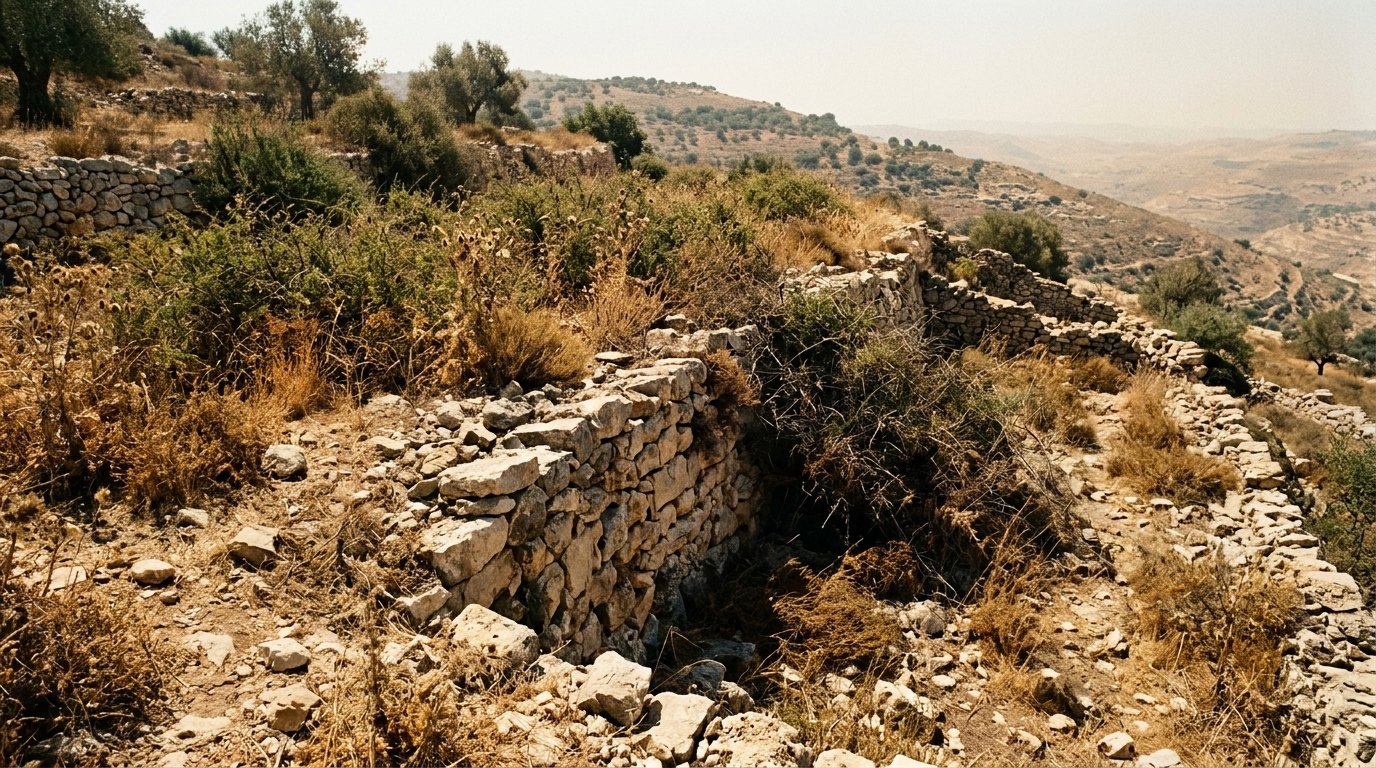
The LORD sent Nathan to David. When he came to him, he said, “There were two men in a certain town, one rich and the other poor. The rich man had a very large number of sheep and cattle, but the poor man had nothing except one little ewe lamb he had bought. He raised it, and it grew up with him and his children. It shared his food, drank from his cup and even slept in his arms. It was like a daughter to him. “Now a traveler came to the rich man, but the rich man refrained from taking one of his own sheep or cattle to prepare a meal for the traveler who had come to him. Instead, he took the ewe lamb that belonged to the poor man and prepared it for the one who had come to him.” David burned…
2 Samuel 12:1-7 (NIV)
Nathan uses a vivid story of a stolen ewe lamb to bring King David to personal conviction of sin.
Christ did not invent the parable; He brought to perfection a pedagogical and prophetic instrument woven deeply into Israel’s history. In 2 Samuel 12:1-7, the prophet Nathan confronted King David with a poignant tale of a poor man’s cherished ewe lamb, piercing the king's conscience before David even realized he was judging himself. The Old Testament frequently deployed parables, riddles, and allegorical enactments to unmask human rebellion and summon hearers to reckoning before God.
Long before Nathan, Jotham delivered the fable of the trees seeking a king in Judges 9:7-15, exposing the treachery of Shechem and the bramble-like rule of Abimelech. In 2 Samuel 14:1-11, the wise woman of Tekoa used a crafted narrative of two brothers to appeal to David’s royal mercy, while 1 Kings 20:38-42 recounts a disguised prophet delivering an enacted parable of an escaped prisoner to announce divine judgment against Ahab's compromise. In Isaiah 5:1-7, the prophet sang the devastating song of the vineyard, showing that God had lavished care on Israel only to harvest bitter, wild grapes of injustice. Ezekiel likewise proclaimed vivid allegories, such as the two eagles and the vine in Ezekiel 17:1-10 depicting Judah’s futile political alliances, and the boiling cauldron in Ezekiel 24:3-14 picturing Jerusalem’s purification through severe judgment. These Old Testament precedents trained the biblical imagination, paving the way for Jesus to confront human hypocrisy and reveal God's righteous rule through earthly narratives.
| Passage | What it says |
|---|---|
| 2 Samuel 12:1-7 | Nathan tells David the story of a poor man's ewe lamb to uncover the king's hidden transgression. |
| Isaiah 5:1-7 | Isaiah sings the song of the unfruitful vineyard to indict Judah for yielding wild grapes instead of justice. |
| Ezekiel 17:1-10 | The Lord commands Ezekiel to speak an allegory of two eagles and a vine to picture Judah's rebellion. |
| Judges 9:7-15 | Jotham delivers the fable of the trees choosing a king to rebuke Shechem's treacherous embrace of Abimelech. |
| 2 Samuel 14:1-11 | The wise woman of Tekoa delivers an allegorical story to David to elicit royal mercy and restoration. |
| 1 Kings 20:38-42 | A prophet confronts King Ahab using an enacted parable of an escaped prisoner entrusted to a guard. |
| Ezekiel 24:3-14 | The Lord commands Ezekiel to utter a parable of a boiling pot symbolizing Jerusalem's inescapable judgment. |
The Kingdom Sown
Stories of the Word and the Growth of God's Reign

Then he told them many things in parables, saying: “A farmer went out to sow his seed. As he was scattering the seed, some fell along the path, and the birds came and ate it up. Some fell on rocky places, where it did not have much soil. It sprang up quickly, because the soil was shallow. But when the sun came up, the plants were scorched, and they withered because they had no root. Other seed fell among thorns, which grew up and choked the plants. Still other seed fell on good soil, where it produced a crop—a hundred, sixty or thirty times what was sown. Whoever has ears, let them hear.”
Matthew 13:3-9 (NIV)
The Sower establishes that fruitfulness depends on the receptivity of the human heart to the preached Word.
In Matthew 13:3-9, Jesus opened His great kingdom discourse with the Parable of the Sower, establishing that the fruitfulness of the Word depends entirely upon the condition of the human heart. In His interpretation in Matthew 13:18-23, Christ unpacked the four soils: the hard path where Satan snatches away the seed, the shallow rocky ground that withers under persecution, the thorny soil choked by the cares of this world and the deceitfulness of riches, and the good ground that produces a rich harvest. Luke 8:16-18 reinforces this call, reminding hearers to take heed how they listen, for divine light is given to be set on a stand.
Other parables emphasize the sovereign vitality of God's reign apart from human contrivance. In Mark 4:26-29, the seed grows secretly day and night through the earth’s hidden potency until the harvest comes, demonstrating that God alone brings supernatural fruition. In Matthew 13:31-32, the kingdom starts as an insignificant mustard seed, the smallest among seeds, yet matures into a tree large enough to shelter birds of the air, portraying the expansive spread of Christ's reign. Similarly, Matthew 13:33 describes leaven kneaded into three measures of flour, invisibly transforming the entire batch from within. To secure this reception of truth, Jesus concluded His Sermon on the Mount in Matthew 7:24-27 with the contrast between two builders, warning that only those who hear His words and actively obey them build upon an immovable rock.
| Passage | What it says |
|---|---|
| Matthew 13:3-9 | A sower casts seed across four soils, producing radically varied results based on ground condition. |
| Matthew 13:18-23 | Jesus interprets the four soils as hearts ranging from hard path to fruitful good soil. |
| Mark 4:26-29 | The seed grows secretly and steadily by God's power until the harvest is ripe. |
| Matthew 13:31-32 | A tiny mustard seed grows into a magnificent tree sheltering the birds of the air. |
| Matthew 13:33 | Leaven hidden in three measures of flour silently permeates the whole lump. |
| Matthew 7:24-27 | Jesus illustrates obedience to His words through the wise and foolish builders on rock and sand. |
| Luke 8:16-18 | The parable of the lighted lamp exhorts disciples to take care how they hear divine truth. |
The Inestimable Pearl
Surpassing Worth That Demands Joyful, Total Surrender

“The kingdom of heaven is like treasure hidden in a field. When a man found it, he hid it again, and then in his joy went and sold all he had and bought that field.
Matthew 13:44 (NIV)
The discoverer of hidden treasure gladly sells all he owns because the Kingdom exceeds every earthly treasure.
The reign of God carries a splendor that eclipses every created treasure, demanding glad and undivided allegiance. In Matthew 13:44, Jesus declared that the kingdom of heaven is like treasure hidden in a field, which a man found and covered up; then in his joy he goes and sells all that he has and buys that field. The finder does not surrender his possessions with reluctant grief or bitter duty, but with overwhelming joy, knowing that the worth of what he has gained incomparably surpasses whatever he must leave behind.
In the twin parable of Matthew 13:45-46, Jesus presented a connoisseur of wealth—a merchant actively seeking fine pearls. Upon discovering a single pearl of surpassing beauty and supreme value, he immediately liquidated all his accumulated goods to secure it. Together, these two brief parables capture the total claim of the gospel upon the human soul. Whether stumbled upon unexpectedly like the hidden treasure or uncovered after a lifetime of earnest searching like the merchant's pearl, Christ and His kingdom are of infinite value. The call to discipleship is never a tragic loss; it is the ultimate gain, where the surrender of temporal things yields an eternal inheritance.
| Passage | What it says |
|---|---|
| Matthew 13:44 | A man discovers treasure hidden in a field and joyfully sells all he has to buy it. |
| Matthew 13:45-46 | A merchant seeking fine pearls sells everything he possesses to purchase one pearl of great price. |
Grace for the Lost
The Father's Relentless Pursuit of Repentant Sinners

Jesus continued: “There was a man who had two sons. The younger one said to his father, ‘Father, give me my share of the estate.’ So he divided his property between them. “Not long after that, the younger son got together all he had, set off for a distant country and there squandered his wealth in wild living. After he had spent everything, there was a severe famine in that whole country, and he began to be in need. So he went and hired himself out to a citizen of that country, who sent him to his fields to feed pigs. He longed to fill his stomach with the pods that the pigs were eating, but no one gave him anything. “When he came to his senses, he said, ‘How many of my father’s hired…
Luke 15:11-32 (NIV)
The prodigal son's return demonstrates the Father's overflowing mercy alongside a rebuke to self-righteous legalism.
Luke 15:11-32 anchors the trilogy of grace in Luke's Gospel, revealing the Father's overflowing mercy alongside a rebuke to self-righteous legalism. When the rebellious younger son returns broken and destitute, having squandered his inheritance in wild living, his father does not subject him to probationary servitude. Instead, he runs to embrace him, clothing him with the finest robe and hosting a joyful banquet. Yet the parable also exposes the elder brother, whose sullen resentment reveals that one can abide in the father's house while remaining utterly estranged from the father's heart.
This same pursuit of the helpless is captured in the earlier companion accounts. In Luke 15:3-7, a shepherd ventures into the rugged wilderness, leaving ninety-nine sheep in the fold to track down a solitary lost wanderer until he hoists it upon his shoulders with rejoicing. In Luke 15:8-10, a woman lights a lamp, sweeps her house meticulously, and searches tirelessly until her misplaced silver coin is recovered, declaring that heaven itself rejoices over one sinner who repents.
Grace, however, does not leave disciples idle; it summons them to faithful labor while waiting for Christ's return. In Luke 19:11-27, the parable of the minas portrays a nobleman who distributes resources to ten servants, charging them to conduct business until he returns with kingly authority. Those who put their master's trust to fruitful use receive generous praise and governance, while the fearful servant who concealed his mina loses even what he possessed, proving that genuine faith actively stewards the gifts of grace.
| Passage | What it says |
|---|---|
| Luke 15:3-7 | A shepherd leaves ninety-nine sheep to rescue one lost sheep and rejoices over its recovery. |
| Luke 15:8-10 | A woman lights a lamp and sweeps diligently until she finds her single lost coin. |
| Luke 15:11-32 | A loving father warmly welcomes his destitute younger son and appeals to his resentful elder brother. |
| Luke 19:11-27 | A nobleman entrusts minas to servants to invest during his absence before receiving his royal crown. |
Mercy and Neighborly Love
Active Compassion and Forgiveness Toward Others

On one occasion an expert in the law stood up to test Jesus. “Teacher,” he asked, “what must I do to inherit eternal life?” “What is written in the Law?” he replied. “How do you read it?” He answered, “ ‘Love the Lord your God with all your heart and with all your soul and with all your strength and with all your mind’; and, ‘Love your neighbor as yourself.’” “You have answered correctly,” Jesus replied. “Do this and you will live.” But he wanted to justify himself, so he asked Jesus, “And who is my neighbor?” In reply Jesus said: “A man was going down from Jerusalem to Jericho, when he was attacked by robbers. They stripped him of his clothes, beat him and went away, leaving him half dead.…
Luke 10:25-37 (NIV)
The Good Samaritan shatters religious pretense by demonstrating real neighborly love across ethnic and cultural divisions.
Luke 10:25-37 shatters religious pretense by demonstrating that real neighborly love transcends ethnic boundaries and ritual convenience. When an expert in the law attempts to restrict the scope of God's commandment by asking, "Who is my neighbor?", Jesus answers with the traveler left stripped and half-dead on the dangerous road to Jericho. While a priest and a Levite observe the dying man and cross to the opposite side to preserve their ceremonial status, a despised Samaritan stops, dresses the victim's wounds with oil and wine, sets him on his own animal, and pays for his ongoing shelter. Christ's charge to "go, and do likewise" exposes mere formal orthodoxy and demands active, sacrificial mercy.
Such mercy is never optional for those who have met the living God; it is the necessary reflex of receiving divine pardon. In Matthew 18:23-35, Jesus recounts a monarch who pardons an astronomical ten-thousand-talent debt for a begging servant, only for that same man to choke a peer over a meager hundred denarii. The unmerciful servant is delivered over to torment, establishing that an unforgiving heart proves one has never truly embraced God's cleansing mercy.
This principle of grateful devotion is beautifully illustrated in Luke 7:41-43, where a moneylender cancels the obligations of two men, one owing five hundred denarii and the other fifty. Simon the Pharisee rightly concedes that the debtor forgiven the greater sum will naturally love the creditor more, showing that acute awareness of one's deep sinfulness ignites extravagant, humble adoration.
| Passage | What it says |
|---|---|
| Luke 10:25-37 | A despised Samaritan provides merciful medical care to a beaten traveler ignored by religious leaders. |
| Matthew 18:23-35 | A servant forgiven an immense debt is condemned for refusing mercy to a fellow servant. |
| Luke 7:41-43 | Two debtors forgiven different amounts show that the one forgiven much loves much. |
Wealth and Stewardship
Earthly Riches Subordinated to Eternal Realities

And he told them this parable: “The ground of a certain rich man yielded an abundant harvest. He thought to himself, ‘What shall I do? I have no place to store my crops.’ “Then he said, ‘This is what I’ll do. I will tear down my barns and build bigger ones, and there I will store my surplus grain. And I’ll say to myself, “You have plenty of grain laid up for many years. Take life easy; eat, drink and be merry.” ’ “But God said to him, ‘You fool! This very night your life will be demanded from you. Then who will get what you have prepared for yourself?’ “This is how it will be with whoever stores up things for themselves but is not rich toward God.”
Luke 12:16-21 (NIV)
The Rich Fool illustrates the tragic folly of hoarding worldly goods while remaining poor toward God.
Luke 12:16-21 warns against the lethal illusion of material self-sufficiency, exposing the tragic folly of hoarding worldly goods while remaining poor toward God. A prosperous farmer marvels at his bumper harvest and concludes that building bigger storehouses will secure decades of ease, eating, and drinking. Yet God interrupts his self-congratulation with an unsparing verdict: "Fool! This night your soul is required of you." His sudden death proves that life does not consist in the abundance of earthly possessions, and earthly riches provide zero currency in the court of eternity.
Jesus presses the urgency of eternal investment in Luke 16:1-13, where an unrighteous steward, facing imminent termination, astutely uses his temporary authority to reduce his master's debtors' balances so they will receive him into their homes. Christ uses this narrative not to validate dishonesty, but to challenge believers to use transient worldly wealth deliberately for eternal purposes, serving God rather than money. The terrible finality of neglected stewardship appears in Luke 16:19-31, where the self-indulgent rich man ends in torment while the sores-covered beggar Lazarus rests in Abraham's bosom, with an unbridgeable gulf fixed forever between them.
Disciples must therefore live with watchful vigilance. In Luke 12:35-40, Jesus directs His followers to keep their lamps burning like servants awaiting their master's return from a wedding feast. Luke 17:7-10 grounds this duty in profound humility, reminding servants who plow and tend sheep that when they have obeyed every command, they remain unworthy servants who have merely fulfilled their solemn duty.
| Passage | What it says |
|---|---|
| Luke 12:16-21 | A wealthy farmer tears down barns to store goods, dying that night unprepared for eternity. |
| Luke 16:1-13 | A shrewd manager uses earthly resources wisely to prepare for his future accountability. |
| Luke 16:19-31 | A rich man and destitute Lazarus experience an eternal reversal beyond the grave. |
| Luke 12:35-40 | Christians are exhorted to be like servants awaiting their master's return from a wedding feast. |
| Luke 17:7-10 | The parable of the dutiful servant reminds disciples that obedience earns no claim on God's grace. |
Prayer and Humility
Persistent Faith and Brokenhearted Dependence Before God

To some who were confident of their own righteousness and looked down on everyone else, Jesus told this parable: “Two men went up to the temple to pray, one a Pharisee and the other a tax collector. The Pharisee stood by himself and prayed: ‘God, I thank you that I am not like other people—robbers, evildoers, adulterers—or even like this tax collector. I fast twice a week and give a tenth of all I get.’ “But the tax collector stood at a distance. He would not even look up to heaven, but beat his breast and said, ‘God, have mercy on me, a sinner.’ “I tell you that this man, rather than the other, went home justified before God. For all those who exalt themselves will be humbled, and those…
Luke 18:9-14 (NIV)
The Pharisee and Tax Collector shows that God justifies the humble penitent rather than the self-righteous moralist.
Luke 18:9-14 cuts directly to the heart of true righteousness, demonstrating that God justifies the humble penitent rather than the self-righteous moralist. Two men ascend the temple mount to pray: a Pharisee who stands apart boasting of his fasts and tithes, and a despised tax collector who will not even lift his eyes to heaven, beating his chest and pleading, "God, be merciful to me, a sinner!" Jesus pronounces that the tax collector went down to his house justified, while the self-satisfied moralist remained condemned, establishing that entry into the Kingdom belongs exclusively to the contrite.
Persistence in prayer stems from this deep realization of desperate need. In Luke 11:5-8, a homeowner knocks relentlessly on his neighbor's bolted door at midnight to obtain bread for an unexpected guest, receiving it because of his shameless impudence. Similarly, Luke 18:1-8 introduces an oppressed widow who continually petitions an unscrupulous, godless judge until her stubborn endurance secures justice, proving how much more eagerly the righteous Father will vindicate His chosen people who cry out to Him day and night.
Humility must also shape our conduct among our peers. In Luke 14:7-11, Jesus counsels banquet guests to claim the lowest seat rather than courting humiliation by presuming upon the place of honor, for everyone who exalts himself will be humbled. Discipleship requires sober clarity regarding the cost, as detailed in Luke 14:28-33 through the twin pictures of a man calculating his funds before building a tower and a king assessing his troops before going to war, demanding total surrender of all earthly attachments to follow Christ.
| Passage | What it says |
|---|---|
| Luke 11:5-8 | A friend's shameless persistence at midnight secures bread from his neighbor. |
| Luke 18:1-8 | A persistent widow wins vindication from an unjust judge through constant petition. |
| Luke 18:9-14 | A tax collector pleading for mercy is justified rather than a boastful, self-righteous Pharisee. |
| Luke 14:7-11 | Guests choosing the lowest seats teach that whoever humbles himself will be exalted. |
| Luke 14:28-33 | Parables of building a tower and going to war illustrate counting the cost of discipleship. |
Judgment and Watchfulness
Preparedness for the Final Separation and the King's Return

“At that time the kingdom of heaven will be like ten virgins who took their lamps and went out to meet the bridegroom. Five of them were foolish and five were wise. The foolish ones took their lamps but did not take any oil with them. The wise ones, however, took oil in jars along with their lamps. The bridegroom was a long time in coming, and they all became drowsy and fell asleep. “At midnight the cry rang out: ‘Here’s the bridegroom! Come out to meet him!’ “Then all the virgins woke up and trimmed their lamps. The foolish ones said to the wise, ‘Give us some of your oil; our lamps are going out.’ “ ‘No,’ they replied, ‘there may not be enough for both us and you. Instead, go to those who…
Matthew 25:1-13 (NIV)
The Ten Virgins warns disciples to remain spiritually watchful with oil in their lamps before Christ returns.
In Matthew 25:1-13, the midnight cry catches ten virgins awaiting the bridegroom, exposing five who brought lamps but neglected to bring oil. Christ uses this gripping scene to drive home a singular command: believers must remain spiritually vigilant and prepared, for no one knows the day or the hour of His return. This solemn call to readiness forms a central pillar of Jesus's parables of judgment, demonstrating that the present age will culminate in a decisive and irreversible separation.
Jesus repeatedly paints this sorting with agricultural and domestic imagery. In Matthew 13:24-30 and its divine exposition in Matthew 13:36-43, wheat and tares intermingle in the field until harvest, when the reapers bundle the weeds for burning while gathering the wheat into the barn. Similarly, Matthew 13:47-50 pictures a dragnet hauling fish of every variety ashore, where angels separate the good from the bad at the close of the age. Mercy lingers, as seen in Luke 13:6-9 where a vinedresser intercedes for a barren fig tree, yet judgment remains certain when the season closes.
Accountability to the King demands genuine repentance rather than empty professions. While Matthew 20:1-16 reveals God's sovereign grace to latecomers in the vineyard, Matthew 21:28-32 commends the son whose late obedience eclipsed the empty words of the first. In contrast, Matthew 21:33-46 exposes the murderous defiance of wicked tenants who execute the owner's son, and Matthew 22:1-14 warns that entering the King's wedding feast requires the garment of righteousness He provides. The arrival of the Kingdom also shatters mere human traditions, just as new wine bursts old wineskins in Matthew 9:16-17.
Finally, the Lord's return demands faithful stewardship. The watchful servant in Matthew 24:45-51 receives honor, while the abusive servant faces catastrophic judgment. In Matthew 25:14-30, the master entrusts talents to his servants, demanding their energetic multiplication in his absence. Just as budding fig leaves herald summer in Matthew 24:32-35, Christ's words assure us His return is at the door. Consequently, Mark 13:34-37 commands every doorkeeper to watch, anticipating the climactic vision of Matthew 25:31-46, where the King separates the sheep from the goats according to living, active faith.
| Passage | What it says |
|---|---|
| Matthew 13:24-30 | Wheat and tares grow together until harvest when reapers thoroughly separate them. |
| Matthew 13:36-43 | Jesus explains the tares as sons of the evil one destined for fire at the end of the age. |
| Matthew 13:47-50 | A dragnet gathers every kind of fish, and fishermen sort the good from the bad. |
| Matthew 20:1-16 | A vineyard landowner pays all laborers the same wage, defending his sovereign generosity. |
| Matthew 21:28-32 | The son who originally refused but later obeyed did his father's will. |
| Matthew 21:33-46 | Wicked tenants kill the landowner's servants and son, inviting swift destruction. |
| Matthew 22:1-14 | Invited guests reject the wedding feast, and an improperly dressed guest is cast out. |
| Matthew 24:45-51 | A faithful servant is rewarded, whereas a wicked master's servant is severely judged. |
| Matthew 25:1-13 | Five foolish virgins lack oil for their lamps and miss the bridegroom's midnight arrival. |
| Matthew 25:14-30 | Servants are held accountable for investing their master's talents during his extended absence. |
| Luke 13:6-9 | A vinedresser pleads for one more year to cultivate a barren fig tree before cutting it down. |
| Matthew 9:16-17 | Unshrunk cloth on old garments and new wine in old wineskins depict the covenant renewal Christ brings. |
| Matthew 24:32-35 | The parable of the blooming fig tree signals the certainty and nearness of Christ's coming judgment. |
| Matthew 25:31-46 | The Shepherd separates sheep from goats, rendering final judgment based on allegiance displayed toward Christ's brethren. |
| Mark 13:34-37 | The parable of the master leaving his house commands the doorkeeper and disciples to stay awake. |
Where in the Bible
| Book | Passages |
|---|---|
| Judges | 1 · Judges 9:7-15 |
| 2 Samuel | 2 · 2 Samuel 12:1-7, 2 Samuel 14:1-11 |
| 1 Kings | 1 · 1 Kings 20:38-42 |
| Psalms | 1 · Psalms 78:2 |
| Isaiah | 2 · Isaiah 6:9-10, Isaiah 5:1-7 |
| Ezekiel | 2 · Ezekiel 17:1-10, Ezekiel 24:3-14 |
| Matthew | 24 · Matthew 13:10-17, Matthew 11:25-26, Matthew 13:34-35, Matthew 13:3-9, Matthew 13:18-23, Matthew 13:31-32, Matthew 13:33, Matthew 7:24-27, Matthew 13:44, Matthew 13:45-46, Matthew 18:23-35, Matthew 13:24-30, Matthew 13:36-43, Matthew 13:47-50, Matthew 20:1-16, Matthew 21:28-32, Matthew 21:33-46, Matthew 22:1-14, Matthew 24:45-51, Matthew 25:1-13, Matthew 25:14-30, Matthew 9:16-17, Matthew 24:32-35, Matthew 25:31-46 |
| Mark | 4 · Mark 4:10-12, Mark 4:33-34, Mark 4:26-29, Mark 13:34-37 |
| Luke | 19 · Luke 8:9-10, Luke 8:16-18, Luke 15:3-7, Luke 15:8-10, Luke 15:11-32, Luke 19:11-27, Luke 10:25-37, Luke 7:41-43, Luke 12:16-21, Luke 16:1-13, Luke 16:19-31, Luke 12:35-40, Luke 17:7-10, Luke 11:5-8, Luke 18:1-8, Luke 18:9-14, Luke 14:7-11, Luke 14:28-33, Luke 13:6-9 |
| John | 1 · John 16:25 |
The story in order
- God commissions Isaiah (c. 700 BC) · Isaiah 6:9-10 · Prophetic precedent for concealing truth from hardened hearts.
- Nathan's parable to David (c. 1000 BC) · 2 Samuel 12:1-7 · An OT parable used to reveal hidden sin.
- Isaiah's vineyard song (c. 700 BC) · Isaiah 5:1-7 · An allegory indicting Israel's unfaithfulness.
- Jotham's fable of the trees (c. 1100 BC) · Judges 9:7-15 · A fable rebuking political treachery.
- Jesus begins teaching in parables (c. AD 30) · Matthew 13:3-9 · The sower parable introduces Kingdom mysteries.
- Jesus explains the sower (c. AD 30) · Matthew 13:18-23 · Reveals the meaning of soils as human hearts.
- Parable of the mustard seed (c. AD 30) · Matthew 13:31-32 · Illustrates the growth of God's Kingdom.
- Parable of the leaven (c. AD 30) · Matthew 13:33 · Shows the pervasive influence of the Kingdom.
- Parable of hidden treasure (c. AD 30) · Matthew 13:44 · Kingdom's value demands total surrender.
- Parable of the pearl of great price (c. AD 30) · Matthew 13:45-46 · Kingdom's worth requires joyful sacrifice.
- Parable of the lost sheep (c. AD 30) · Luke 15:3-7 · God's joy in rescuing the lost.
- Parable of the prodigal son (c. AD 30) · Luke 15:11-32 · Illustrates God's welcoming grace to repentant sinners.
- Parable of the good Samaritan (c. AD 30) · Luke 10:25-37 · Defines neighborly love through active compassion.
- Parable of the unforgiving servant (c. AD 30) · Matthew 18:23-35 · Emphasizes the necessity of forgiving others.
Key words
- Parable (parabolē (Gk.))
- An earthly story with a heavenly meaning, used to reveal or conceal divine truth. · Matthew 13:3
- Kingdom of God (basileia tou theou (Gk.))
- The reign and rule of God, both present in Christ's ministry and future in its consummation. · Mark 4:11
- Mystery (mysterion (Gk.))
- A truth previously hidden but now revealed, especially concerning the Kingdom of God. · Matthew 13:11
- Repentance (metanoia (Gk.))
- A change of mind and heart leading to a turning away from sin and toward God. · Matthew 13:15
- Disciples (mathētēs (Gk.))
- Followers of Jesus who were given deeper understanding of His teachings. · Matthew 13:10
- Allegory (allēgoria (Gk.))
- A story where characters and events represent abstract ideas or principles. · Ezekiel 17:1
Jesus's parables confront every reader with the state of their own heart before the Word of God. They refuse to leave anyone neutral, demanding whether we will walk away callous or press closer to Christ to know the truth. Those who seek Him find the mysteries of the Kingdom graciously opened and eternal life revealed.
57 passages, each cited once.
Scripture cited
- Matthew 13:10-17
- Mark 4:33-34
- Mark 4:10
- Matthew 13
- Mark 4:1-34