What does Galatians 5:22-23 mean?

Galatians 5:16-26
16 So I say, walk by the Spirit, and you will not gratify the desires of the flesh.
17 For the flesh desires what is contrary to the Spirit, and the Spirit what is contrary to the flesh. They are in conflict with each other, so that you are not to do whatever you want.
18 But if you are led by the Spirit, you are not under the law.
19 The acts of the flesh are obvious: sexual immorality, impurity and debauchery;
20 idolatry and witchcraft; hatred, discord, jealousy, fits of rage, selfish ambition, dissensions, factions
21 and envy; drunkenness, orgies, and the like. I warn you, as I did before, that those who live like this will not inherit the kingdom of God.
22 But the fruit of the Spirit is love, joy, peace, forbearance, kindness, goodness, faithfulness,
23 gentleness and self-control. Against such things there is no law.
24 Those who belong to Christ Jesus have crucified the flesh with its passions and desires.
25 Since we live by the Spirit, let us keep in step with the Spirit.
26 Let us not become conceited, provoking and envying each other.
New International Version (NIV)
The answer
Galatians 5:22-23 describes the character the Holy Spirit produces in people who belong to Christ. These qualities are called “fruit,” not wages or self-made achievements: as believers walk by the Spirit and remain in Christ, his work becomes visible in how they think, desire and treat others.
The contrast: the Spirit and the flesh
Paul places this fruit directly after “the deeds of the flesh,” including sexual immorality, idolatry, hatred, jealousy, drunkenness and similar sins. His warning is unmistakable: “those who practice such things will not inherit God’s Kingdom” (Galatians 5:19-21). The fruit of the Spirit is the opposite kind of life—not occasional good behaviour, but character formed by the Spirit.
This is not a list of ways to earn salvation. The starting point is stated afterward: “Those who belong to Christ have crucified the flesh with its passions and lusts” (Galatians 5:24). Because believers belong to Christ, they are now to follow the Spirit’s leading: “If we live by the Spirit, let’s also walk by the Spirit” (Galatians 5:25).
The nine qualities
“Fruit” is singular: Paul pictures one Spirit-produced life with many expressions, rather than nine unrelated accomplishments.
- Love: self-giving love that seeks another person’s good. This fits Paul’s statement that the law is fulfilled in loving one’s neighbour as oneself (Galatians 5:14).
- Joy: gladness rooted in God, deeper than changing circumstances.
- Peace: wholeness and reconciliation rather than hostility and turmoil.
- Patience: the Greek makrothumia means longsuffering—bearing with people and being slow to anger.
- Kindness: gracious, beneficial goodness toward others.
- Goodness: upright character expressed through doing what is right and good.
- Faith or faithfulness: pistis can carry both ideas; here it includes dependable loyalty flowing from trust in God.
- Gentleness: humble, considerate strength rather than harshness or self-assertion.
- Self-control: mastery over desires and actions instead of being ruled by them.
“Against such things there is no law”
This means that no law condemns or forbids this kind of character. It does not mean that Christians are free to sin. The preceding verses condemn the works of the flesh, while Spirit-produced love fulfils the law’s command to love one’s neighbour (Galatians 5:14, 19-23).
How the fruit grows
Jesus uses the same picture of fruitfulness in John 15. A branch bears fruit only by remaining connected to the vine, and Jesus says, “for apart from me you can do nothing” (John 15:4-5). Growth therefore comes through remaining in Christ and walking by the Spirit, not through willpower alone. The Father also prunes fruitful branches so that they bear more fruit (John 15:2), which means difficulty and correction can serve spiritual growth. The presence of this fruit is evidence of the Spirit’s work; its continuing development is the Christian’s calling.
Answered from Scripture · reviewed November 11, 2026
In Galatians 5:22-23, the Apostle Paul defines the singular harvest that the Holy Spirit produces in the life of a believer: love, joy, peace, patience, kindness, goodness, faithfulness, gentleness, and self-control. This cluster stands in absolute contrast to the fractured works of the fallen flesh, demonstrating what freedom in Christ looks like when lived by the Spirit. Understanding this passage unlocks how God transforms human character from the inside out and shows why no law can condemn a life transformed by grace.
The Great Contrast
Fruit of the Spirit Versus Works of Flesh
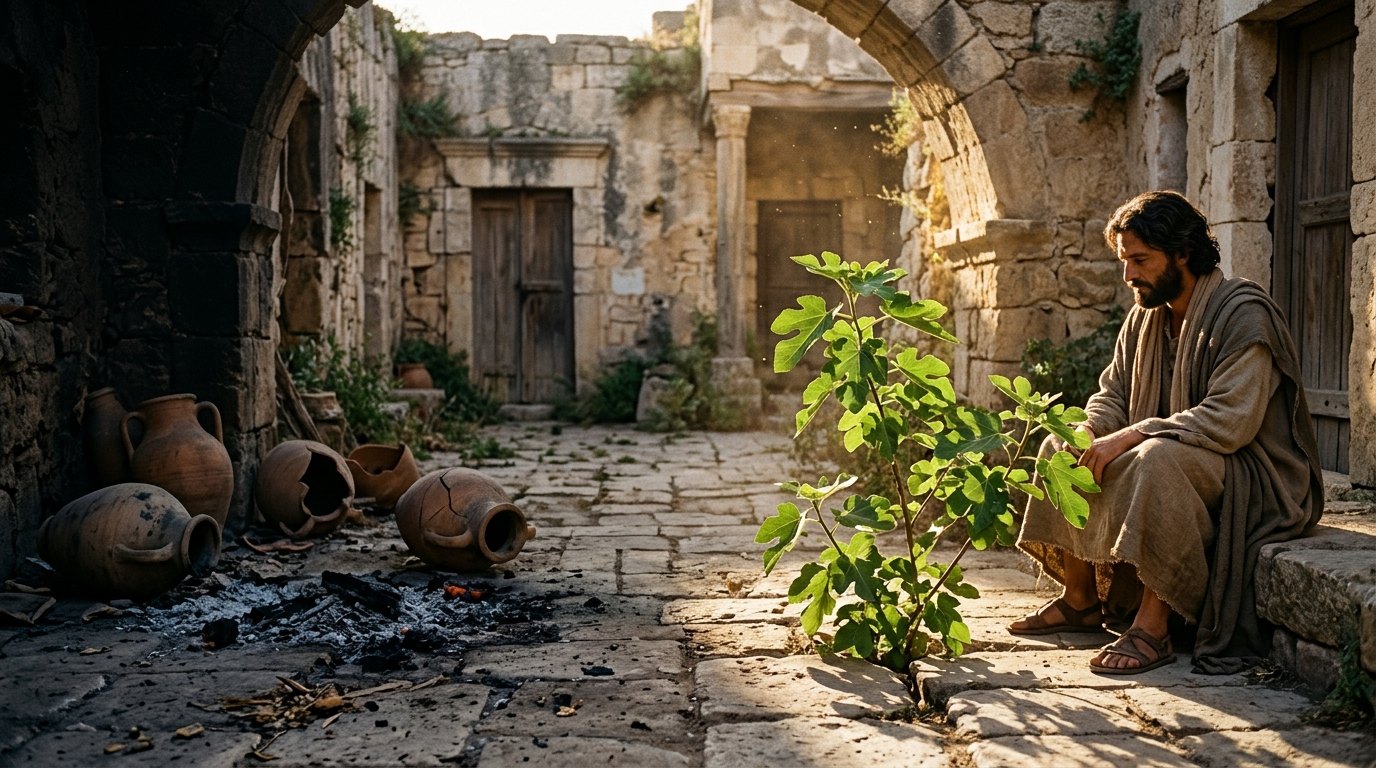
But the fruit of the Spirit is love, joy, peace, forbearance, kindness, goodness, faithfulness,
Galatians 5:22 (NIV)
Paul introduces the harvest of God's character as a unified 'fruit' born of the Spirit rather than fractured works wrought by human exertion.
When Paul introduces the harvest of God in Galatians 5:22, he makes a deliberate grammatical and theological pivot. He does not speak of the fragmented 'works' of humanity, but of a single, unified harvest: the fruit of the Spirit is love, joy, peace, patience, kindness, goodness, faithfulness. This singular character emerges not from moral resolve, but from the indwelling third person of the Trinity transforming the believer from the root upward.
This fruit stands in sharp contrast to the fallen nature. In Galatians 5:16, the apostle commands the church to walk by the Spirit so they will not gratify the cravings of the flesh. The reality of Christian experience involves real spiritual warfare; Galatians 5:17 describes how the desires of the flesh run directly contrary to the Spirit, preventing believers from passively doing whatever they please without divine aid. Left to its own devices, human effort produces disaster. In Galatians 5:19, Paul inventories the obvious works of fallen nature: sexual immorality, impurity, and debauchery. He expands this tragic catalog in Galatians 5:20, warning of idolatry, sorcery, enmities, strife, jealousy, fits of anger, rivalries, dissensions, and sectarian divisions. In Galatians 5:21, he finishes with envy, drunkenness, and wild parties, solemnly warning that those who make a practice of such unrepentant rebellion will not inherit the kingdom of God.
Yet the Christian is not trapped in this downward spiral. Galatians 5:18 assures believers that if they are led by the Spirit, they are no longer under the crushing condemnation of the Law. The apostle Paul draws the exact same boundary in Romans 8:5, showing that those who set their minds on the Spirit inhabit an entirely different realm than those consumed by the flesh. Romans 8:6 summarizes the eternal stakes: to set the mind on the flesh leads only to spiritual death, but the mind governed by the Holy Spirit reaps indestructible life and peace.
| Passage | What it says |
|---|---|
| Galatians 5:16 | Paul commands believers to walk by the Spirit so they will not gratify the desires of the fallen flesh. |
| Galatians 5:17 | The internal conflict between the Holy Spirit and the sinful flesh prevents believers from naturally doing whatever they wish. |
| Galatians 5:19 | Paul enumerates the evident works of the flesh, beginning with sexual immorality, impurity, and debauchery. |
| Galatians 5:20 | The flesh produces idolatry, sorcery, hatred, discord, jealousy, fits of rage, rivalries, dissensions, and sectarian divisions. |
| Galatians 5:21 | Envy, drunkenness, and wild parties mark the flesh, excluding habitual unrepentant practitioners from inheriting the kingdom of God. |
| Galatians 5:22 | In stark opposition to the flesh, the Spirit produces love, joy, peace, patience, kindness, goodness, and faithfulness. |
| Galatians 5:18 | States that those led by the Spirit are not under the condemnation and tyranny of the Law. |
| Romans 8:5 | Contrasts living according to the flesh with setting the mind on the things of the Spirit. |
| Romans 8:6 | Declares that the mind set on the flesh is death, but the mind set on the Spirit is life and peace. |
The Ninefold Cluster
The Living Virtues of the Spirit's Harvest

gentleness and self-control. Against such things there is no law.
Galatians 5:23 (NIV)
Gentleness and self-control complete the ninefold cluster, followed by the definitive legal verdict: against such virtues there is no law.
The harvest culminates in Galatians 5:23 with the virtues of gentleness and self-control, accompanied by a staggering legal verdict: against such things there is no law. The Mosaic law was given to restrain transgression and expose human guilt, but when the Spirit produces the very likeness of Christ in a believer's heart, the law has no charge left to bring. The believer fulfills the moral intention of God's statutes through supernatural life rather than legalistic terror.
This supernatural freedom is never a license for self-indulgence. As Paul explains in Galatians 5:13, believers have been called to true liberty, using their freedom not for selfish gratification, but to serve one another through humble love. Indeed, Galatians 5:14 declares that the entire moral law is summed up in a single command: to love your neighbor as yourself. That divine love anchors the whole cluster. In 1 Corinthians 13:4, love is described as patient, kind, and devoid of boastful jealousy, while 1 Corinthians 13:7 shows it bearing, believing, hoping, and enduring all things without collapse. Romans 5:5 grounds this reality in the work of God, who poured his love directly into our hearts through the Holy Spirit.
Every virtue in this cluster harmonizes together. Joy is an unshakeable posture commanded in Philippians 4:4, independent of circumstance, while Philippians 4:7 promises the transcendent peace of God that guards our hearts and minds in Christ Jesus. Ephesians 5:9 confirms that the fruit of the light consists in all goodness, righteousness, and truth, which Colossians 3:12 commands us to put on as God's chosen and beloved people, wrapping ourselves in heartfelt compassion, kindness, humility, meekness, and patience. James 3:17 portrays this heavenly wisdom as peaceable, gentle, and full of good fruits, while 2 Peter 1:5 and 2 Peter 1:6 exhort believers to diligently supplement their faith with steadfastness, godliness, and self-control.
| Passage | What it says |
|---|---|
| Galatians 5:13 | Christian freedom is not an excuse for indulgence, but an opportunity to serve one another humbly in love. |
| Galatians 5:14 | The entire moral law is summarized and fulfilled in the single command to love one's neighbor as oneself. |
| Galatians 5:23 | Gentleness and self-control round out the fruit, demonstrating inward restraint and meekness against which no law stands opposed. |
| 1 Corinthians 13:4 | Love, the root of all spiritual fruit, is long-suffering, kind, free from envy, and devoid of boastful pride. |
| 1 Corinthians 13:7 | Love consistently bears all things, believes all things, hopes all things, and endures all things without failing. |
| Ephesians 5:9 | The fruit of light and the Spirit consists in all moral goodness, righteousness, and truth before God. |
| Colossians 3:12 | God's chosen people are called to clothe themselves with heartfelt compassion, kindness, humility, gentleness, and patience. |
| James 3:17 | Heavenly wisdom is first pure, then peace-loving, gentle, compliant, full of mercy and good fruits, impartial, and sincere. |
| Romans 5:5 | Declares that God's love has been poured into believers' hearts through the Holy Spirit. |
| Philippians 4:4 | Commands believers to rejoice in the Lord always, showing joy as an enduring supernatural posture. |
| Philippians 4:7 | Promises the peace of God, which surpasses understanding, guarding hearts and minds in Christ. |
| 2 Peter 1:5 | Exhorts believers to supplement faith with virtue, steadfastness, and self-control. |
| 2 Peter 1:6 | Lists self-control, steadfastness, and godliness as essential growth in Christian character. |
The Source of Life
Abiding in Christ to Bear Lasting Fruit
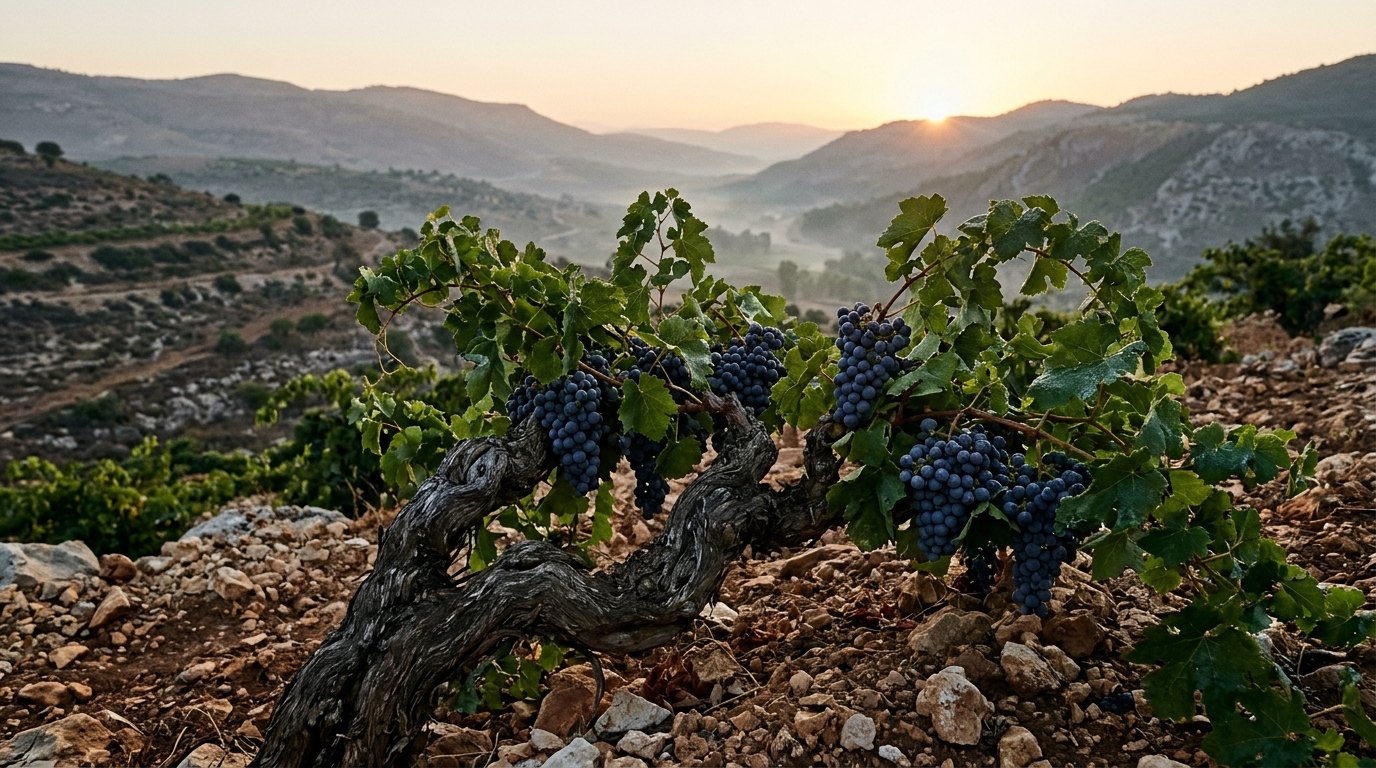
“I am the vine; you are the branches. If you remain in me and I in you, you will bear much fruit; apart from me you can do nothing.
John 15:5 (NIV)
Jesus declares that genuine spiritual fruit cannot be manufactured by human effort, but flows exclusively from abiding in the true Vine.
No branch can produce fruit by sheer willpower, a truth Jesus establishes definitively in John 15:5: I am the vine; you are the branches. Whoever abides in me and I in him, he it is that bears much fruit, for apart from me you can do nothing. The fruit of the Spirit is not a list of moral self-improvements to achieve; it is the organic, necessary overflow of the life of Jesus Christ flowing through the believer who abides in him through faith and prayer.
This growth requires divine care. In John 15:2, Jesus explains that the Father prunes every fruitful branch with loving precision so that it may bear even more fruit. John 15:4 emphasizes that just as a severed branch immediately withers and dies, disciples cannot produce a single righteous impulse apart from remaining bound to Christ. That connection is sealed by the cross. In Galatians 5:24, Paul declares that those who belong to Christ Jesus have crucified the flesh with its passions and desires; the old master has been legally and spiritually executed at Calvary. Because we now live by the Spirit, Galatians 5:25 commands us to keep in step with the Spirit, following his cadence in our daily decisions. This walk radically transforms community life, for Galatians 5:26 warns that walking in the Spirit puts an end to hollow conceit, mutual provocation, and corrosive envy.
This fruitful union fulfills God's eternal purpose for his redeemed people. Philippians 1:11 describes the saints filled with the fruit of righteousness that comes through Jesus Christ, solely to the glory and praise of God. Romans 7:4 explains that we have died to the Law through the body of Christ so that we might belong to him who was raised from the dead, bearing fruit for God. Finally, Romans 6:22 celebrates that being liberated from the bondage of sin yields the harvest of progressive sanctification, and its end, eternal life.
| Passage | What it says |
|---|---|
| John 15:2 | The Father prunes every fruitful branch so that it may be cleansed to bear even greater abundance. |
| John 15:4 | A branch cannot bear fruit by itself without remaining connected to the vine; disciples cannot produce fruit apart from Christ. |
| John 15:5 | Jesus is the true Vine and believers are branches; abiding in him yields much fruit, while apart from him nothing is possible. |
| Galatians 5:24 | Those who belong to Christ Jesus have definitively crucified the flesh with its sinful passions and desires. |
| Galatians 5:25 | Since believers have received new life by the Holy Spirit, they are called to walk in step with the Spirit daily. |
| Galatians 5:26 | Walking by the Spirit frees believers from conceited self-importance, mutual provocation, and destructive envy within the body of Christ. |
| Philippians 1:11 | Describes being filled with the fruit of righteousness that comes through Jesus Christ to God's glory. |
| Romans 7:4 | States believers belong to Christ who was raised from the dead in order to bear fruit for God. |
| Romans 6:22 | Affirms that being set free from sin produces fruit leading to sanctification and eternal life. |
Where in the Bible
| Book | Passages |
|---|---|
| John | 3 · John 15:2, John 15:4, John 15:5 |
| Romans | 5 · Romans 8:5, Romans 8:6, Romans 5:5, Romans 7:4, Romans 6:22 |
| 1 Corinthians | 2 · 1 Corinthians 13:4, 1 Corinthians 13:7 |
| Galatians | 13 · Galatians 5:16, Galatians 5:17, Galatians 5:19, Galatians 5:20, Galatians 5:21, Galatians 5:22, Galatians 5:18, Galatians 5:13, Galatians 5:14, Galatians 5:23, Galatians 5:24, Galatians 5:25, Galatians 5:26 |
| Ephesians | 1 · Ephesians 5:9 |
| Philippians | 3 · Philippians 4:4, Philippians 4:7, Philippians 1:11 |
| Colossians | 1 · Colossians 3:12 |
| James | 1 · James 3:17 |
| 2 Peter | 2 · 2 Peter 1:5, 2 Peter 1:6 |
The story in order
- Jesus' earthly ministry (c. AD 30) · John 15:5 · Jesus identifies himself as the vine and believers as branches, the source of all fruit.
- The Law summarized in love (c. AD 55) · Galatians 5:14 · Love for neighbor fulfills the entire moral law.
- The Spirit's fruit defined (c. AD 55) · Galatians 5:22-23 · Paul lists the virtues produced by the Spirit: love, joy, peace, patience, kindness, goodness, faithfulness, gentleness, self-control.
- The Spirit's fruit contrasted (c. AD 55) · Galatians 5:19-21 · Paul enumerates the works of the flesh, which stand in opposition to the Spirit's fruit.
- Freedom from the Law's tyranny (c. AD 55) · Galatians 5:18 · Those led by the Spirit are not under the Law's condemnation.
- The mind of the Spirit (c. AD 57) · Romans 8:6 · Setting the mind on the Spirit leads to life and peace.
- Love poured out by the Spirit (c. AD 57) · Romans 5:5 · God's love is given to believers through the Holy Spirit.
- The fruit of righteousness (c. AD 61) · Philippians 1:11 · Believers are filled with the fruit of righteousness through Christ.
- The fruit of light (c. AD 62) · Ephesians 5:9 · The fruit of the Spirit includes goodness, righteousness, and truth.
- Heavenly wisdom's virtues (c. AD 45) · James 3:17 · Wisdom from above is pure, peace-loving, gentle, and full of mercy.
- Clothed in virtues (c. AD 62) · Colossians 3:12 · Believers are called to put on compassion, kindness, humility, gentleness, and patience.
- Growth in Christian character (c. AD 67) · 2 Peter 1:5-6 · Supplementing faith with virtue, knowledge, self-control, steadfastness, and godliness.
The Fruit of the Spirit Versus the Works of the Flesh
| Spirit's Fruit | Flesh's Works | Passage |
|---|---|---|
| Love, joy, peace, patience, kindness, goodness, faithfulness, gentleness, self-control | Sexual immorality, impurity, debauchery, idolatry, sorcery, hatred, discord, jealousy, fits of rage, rivalries, dissensions, sectarian divisions, envy,… | Galatians 5:19-23 |
| Life and peace | Death | Romans 8:6 |
| Serving one another in love | Indulgence | Galatians 5:13 |
| Walking by the Spirit | Gratifying the desires of the flesh | Galatians 5:16 |
| Not under the Law | Under the Law's condemnation | Galatians 5:18 |
The Fruit of Righteousness
| Source | Result | Purpose | Passage |
|---|---|---|---|
| Abiding in Christ (the Vine) | Bearing much fruit | To God's glory | |
| The Holy Spirit | Love, joy, peace, patience, kindness, goodness, faithfulness, gentleness, self-control | Demonstrating freedom in Christ | Galatians 5:22-23 |
| Being set free from sin | Sanctification and eternal life | Bearing fruit for God | |
| The Father's pruning | Bearing greater abundance | Cleansing for fruitfulness | John 15:2 |
Key words
- Fruit of the Spirit (karpos tou pneumatos, καρπὸς τοῦ πνεύματος)
- The virtues produced in a believer's life by the Holy Spirit, contrasting with the works of the flesh. · Galatians 5:22
- Works of the Flesh (erga tēs sarkos, ἔργα τῆς σαρκός)
- Sinful actions and attitudes stemming from the fallen human nature, opposed to the Spirit's fruit. · Galatians 5:19
- Love (agape, ἀγάπη)
- The foundational virtue of the Spirit's fruit, characterized by patience, kindness, and selflessness.
- Peace (eirene, εἰρήνη)
- A deep sense of well-being and tranquility that comes from God, guarding the heart and mind.
- Self-control (enkrateia, ἐγκράτεια)
- The ability to exercise restraint over one's desires and impulses, empowered by the Spirit.
- Walk by the Spirit (stoicheō pneumati, στοιχέω πνεύματι)
- To live in continuous dependence on and obedience to the Holy Spirit's guidance.
The fruit of the Spirit is not an impossible moral checklist to accomplish by sheer willpower, but the natural, miraculous produce of Christ's life abiding within us. As believers walk by the Spirit, crucifying the passions of the flesh and resting in the true Vine, God quietly matures this ninefold harvest. Where the Spirit reigns in love, believers experience the true liberty of the gospel—a life against which no law stands.
31 passages, each cited once.
Scripture cited
- Galatians 5:22-23
- John 15:2
- Galatians 5:13-26
- John 15:1-8