What does 'I am the vine, you are the branches' mean?
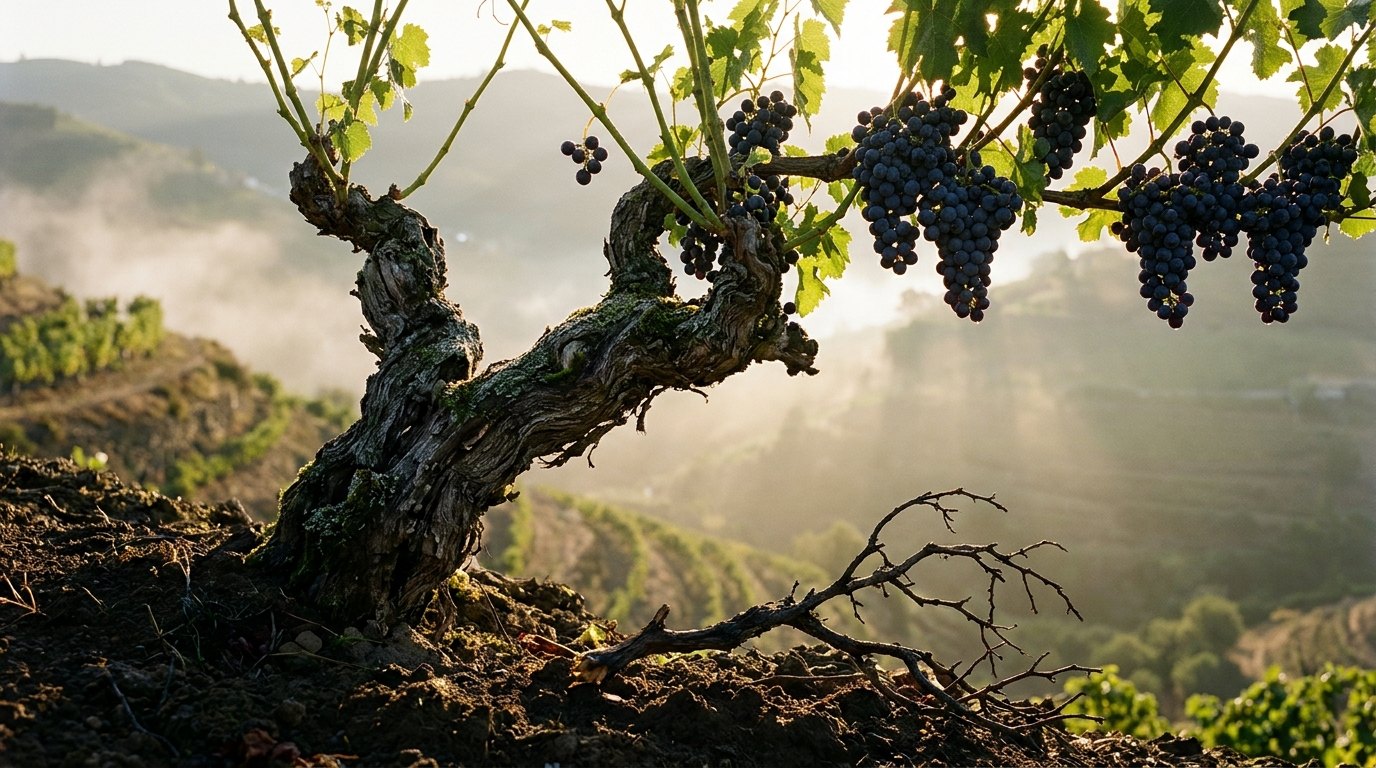
John 15:1-8
1 “I am the true vine, and my Father is the gardener.
2 He cuts off every branch in me that bears no fruit, while every branch that does bear fruit he prunes so that it will be even more fruitful.
3 You are already clean because of the word I have spoken to you.
4 Remain in me, as I also remain in you. No branch can bear fruit by itself; it must remain in the vine. Neither can you bear fruit unless you remain in me.
5 “I am the vine; you are the branches. If you remain in me and I in you, you will bear much fruit; apart from me you can do nothing.
6 If you do not remain in me, you are like a branch that is thrown away and withers; such branches are picked up, thrown into the fire and burned.
7 If you remain in me and my words remain in you, ask whatever you wish, and it will be done for you.
8 This is to my Father’s glory, that you bear much fruit, showing yourselves to be my disciples.
New International Version (NIV)
The answer
Jesus means that apart from Him you cannot live the life God created you for. He is the vine—the source of everything the branches need—and His followers are the branches, utterly dependent on staying connected to Him (John 15:5).
The picture He is using
A branch does nothing on its own. It draws sap, nourishment, and life from the vine; cut off, it withers and is burned (John 15:6). Vine-and-branches was not a new image in Israel: the Old Testament spoke of God's people as His vineyard, sometimes faithful, sometimes gone wild (Jeremiah 2:21; Psalm 80:8-19). Jesus steps into that picture as the true vine, the kind Israel failed to be.
What "remain" (Greek meno, abide, stay, dwell) means
Staying attached to Christ is what produces obedience, love, prayer that God answers, and visible fruit (John 15:7-8). The branch's job is not to try hard but to stay near. The word Jesus uses is the same word John uses for the disciples "remaining" in God's love (John 15:9-10): a deliberate, ongoing trust, not a one-time decision.
What the fruit is
The fruit in this passage is whatever makes the Father's name great: changed lives, answered prayer, witness to the world, the visible mark of being Jesus' disciple (John 15:8). Paul picks this up when he calls believers "God's husbandry," His cultivated field (1 Corinthians 3:9), and Isaiah pictures God's people as "the branch of my planting, the work of my hands" (Isaiah 60:21).
Why the Father prunes
The Father is the "farmer" who prunes every fruitful branch so it bears more (John 15:1-2). Pruning hurts, but its purpose is more fruit, not punishment. Jesus says His word is the knife that prunes us clean (John 15:3), and the Spirit often uses affliction to turn us back to God, teach us His will, and put His power on display (Psalm 119:71; 2 Corinthians 4:8-11; Isaiah 26:9).
How to live this out
- Stay in the Word: read it, hear it, do it. Jesus said His words are what prune you clean (John 15:3).
- Pray without ceasing: "my words remain in you" and "ask whatever you desire" are the same picture—prayer is the sap rising up (John 15:7).
- Expect pruning, and don't panic when it comes: the Father's knife in your life is aimed at fruit, not harm.
A warning worth taking seriously
A branch that does not remain is gathered and burned (John 15:6). Jesus is not hinting at hypothetical loss; He is warning that the only safe place is in Him. Trust is not the evidence of being saved—trust is the means by which we stay attached to the vine who saves us.
Answered from Scripture · reviewed November 7, 2026
When Jesus declares, 'I am the vine, you are the branches,' He unveils the fundamental reality of the Christian life: apart from Him, we can do nothing. He is the living root and stem who supplies all vital power, while His followers are branches made to draw sap and bear His fruit. Understanding this metaphor anchors our daily walk in total, fruitful dependence upon our Savior and the careful hand of the Father.
The True Vine
Jesus Fulfills the Vineyard Image of Israel
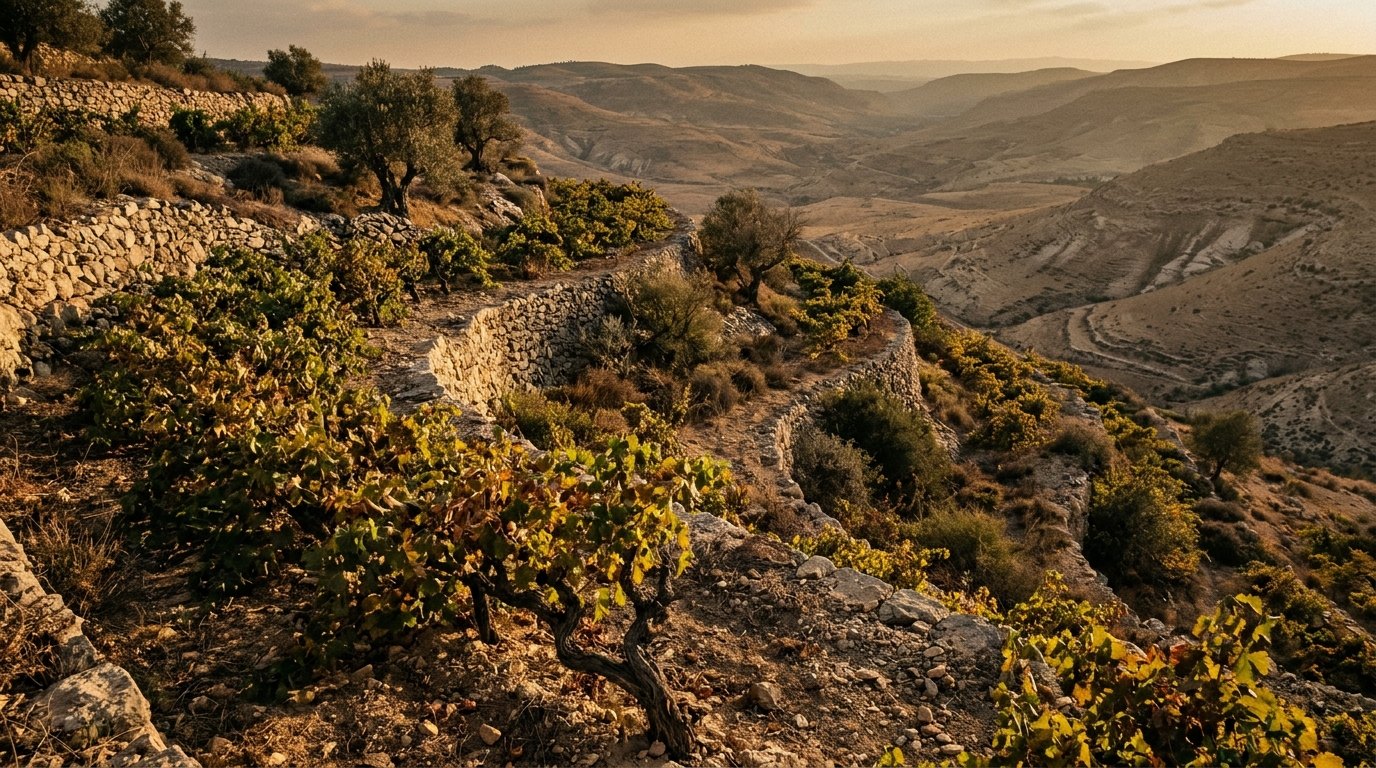
“I am the true vine, and my Father is the gardener.
John 15:1 (NIV)
Jesus explicitly reveals Himself as the true vine and His Father as the divine vinedresser, fulfilling Old Testament imagery.
In John 15:1, Jesus makes a breathtaking claim against the backdrop of the entire Old Testament: He is the true vine, and His Father is the vinedresser. For centuries, God's chosen people had recognized the vineyard as their own national portrait. In Psalm 80:8-19, Asaph sang of a vine brought out of Egypt, planted tenderly in the land, yet eventually broken down and pleading for the Son of Man to revive it. Prophetic laments repeatedly exposed the tragic collapse of that ancient planting. Jeremiah 2:21 recalls how God planted a noble, wholly pure seed, yet saw it turn into a degenerate, alien vine. Isaiah 5:1-7 recorded the song of the beloved's vineyard, which, despite every advantage of divine cultivation, yielded only wild, bitter grapes. Ezekiel 15:1-8 and Ezekiel 19:10-14 warned that a fruitless vine has no practical value as timber; its wood is fit only to be cast into the fire. Hosea 10:1 similarly condemned Israel as a luxuriant vine that yielded fruit merely for itself while drifting into idolatry.
Against this history of barrenness and apostasy stands the promise of renewal. Isaiah 4:2 pointed forward to a coming day when the Branch of the Lord would be beautiful and glorious, yielding fruit for a preserved remnant, while Isaiah 27:2-3 promised a delightful vineyard tended by God day and night so that no harm could befall it. By taking the title "the true vine" in John 15:1, Jesus announces that the true Israel, the authentic root of life and blessing, has arrived in His person. Where the ancient vine failed, Christ stands faithful, unbroken, and perfectly fruitful.
| Passage | What it says | Fulfilled |
|---|---|---|
| Psalms 80:8-19 | Asaph recounts how God brought a vine out of Egypt, planted it, and asks for the Son of Man to revive it. | John 15:1 |
| Jeremiah 2:21 | The Lord laments planting a noble vine that turned degenerate and wild contrary to His cultivation. | John 15:1 |
| Isaiah 4:2 | The prophet foretells the Branch of the Lord being beautiful and glorious, yielding fruit for the remnant. | John 15:1, John 15:5 |
| Isaiah 27:2-3 | The Lord promises to care for a delightful vineyard day and night so that no one harms it. | John 15:1 |
| John 15:1 | Jesus identifies Himself as the true vine, contrasting with Israel's past failures, with the Father as keeper. | |
| Isaiah 5:1-7 | Isaiah's song portrays Israel as the beloved vineyard that yielded wild grapes, setting up Christ as the true vine. | |
| Ezekiel 15:1-8 | Ezekiel shows the wood of a fruitless vine is useless except to be burned, anticipating the judgment of unfaithfulness. | |
| Ezekiel 19:10-14 | Israel is compared to a vine once fruitful by waters, torn up and consumed by fire due to rebellion. | |
| Hosea 10:1 | Israel is described as a luxuriant vine that yielded fruit only for itself, turning from God. |
The Vinedresser's Care
The Father Prunes Every Branch for Fruitfulness
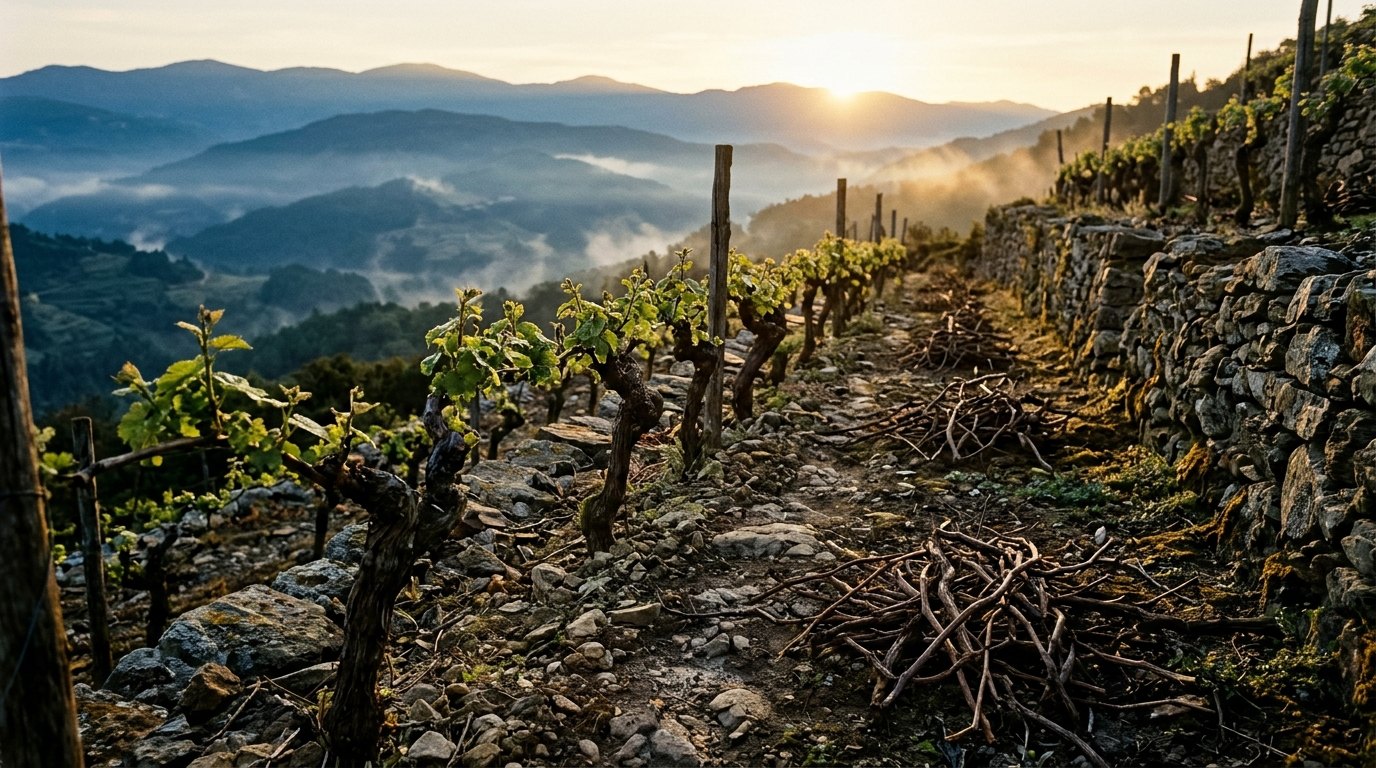
He cuts off every branch in me that bears no fruit, while every branch that does bear fruit he prunes so that it will be even more fruitful.
John 15:2 (NIV)
The vinedresser actively removes barren branches and shapes productive ones to yield a richer harvest.
The Father's intimate oversight of His people is revealed in John 15:2, where the divine vinedresser actively engages every part of the vine: every branch that bears no fruit He removes, and every branch that bears fruit He prunes, that it may bear more fruit. Fruitfulness is never accidental; it is the deliberate outcome of loving, skilled husbandry. Jesus reassures His disciples in John 15:3 that they are already clean through the word He has spoken to them, yet ongoing cultivation remains necessary. The sharp knife of the vinedresser cuts away dead wood, wandering suckers, and excessive foliage that would otherwise divert life-giving sap from producing rich clusters of grapes.
Believers have long recognized this pruning work through the discipline of suffering. In Psalm 119:71, the psalmist confesses, "It is good for me that I was afflicted, that I might learn your statutes." Paul bears witness to this dynamic in 2 Corinthians 4:8-11, showing that when we are hard-pressed and carrying about the dying of Jesus, His resurrection life is made visible in our mortal bodies. Isaiah 26:9 reminds us that when God's judgments touch the earth, the inhabitants learn righteousness. Hebrews 12:5-11 explains that divine chastening is proof of sonship, yielding the peaceful fruit of righteousness to those trained by it. Like the refiner's fire in Malachi 3:2-3 and the fiery trials of 1 Peter 1:6-7, the Father's pruning knife does not destroy; it purifies faith and strips away everything hindering Christ's life within us.
| Passage | What it says |
|---|---|
| John 15:2 | The Father takes away fruitless branches and prunes every fruit-bearing branch to make it even more productive. |
| John 15:3 | The disciples are already declared clean through the sanctifying and pruning work of the word Christ spoke. |
| Psalms 119:71 | The psalmist confesses that affliction was good because it taught him the Lord's righteous statutes. |
| 2 Corinthians 4:8-11 | Paul explains that enduring hardship and dying with Jesus allows His resurrected life to be manifested outwardly. |
| Isaiah 26:9 | When the Lord's judgments are in the earth, the inhabitants of the world learn His righteousness. |
| Hebrews 12:5-11 | The Father disciplines His children for their good, that they may share His holiness and yield peaceful fruit. |
| Malachi 3:2-3 | The Lord refines and purifies His people like gold and silver to make their offering righteous. |
| 1 Peter 1:6-7 | Trials test the genuineness of faith, purifying it like gold refined by fire to praise and glory. |
Abiding in Christ
Apart from Him You Can Do Nothing
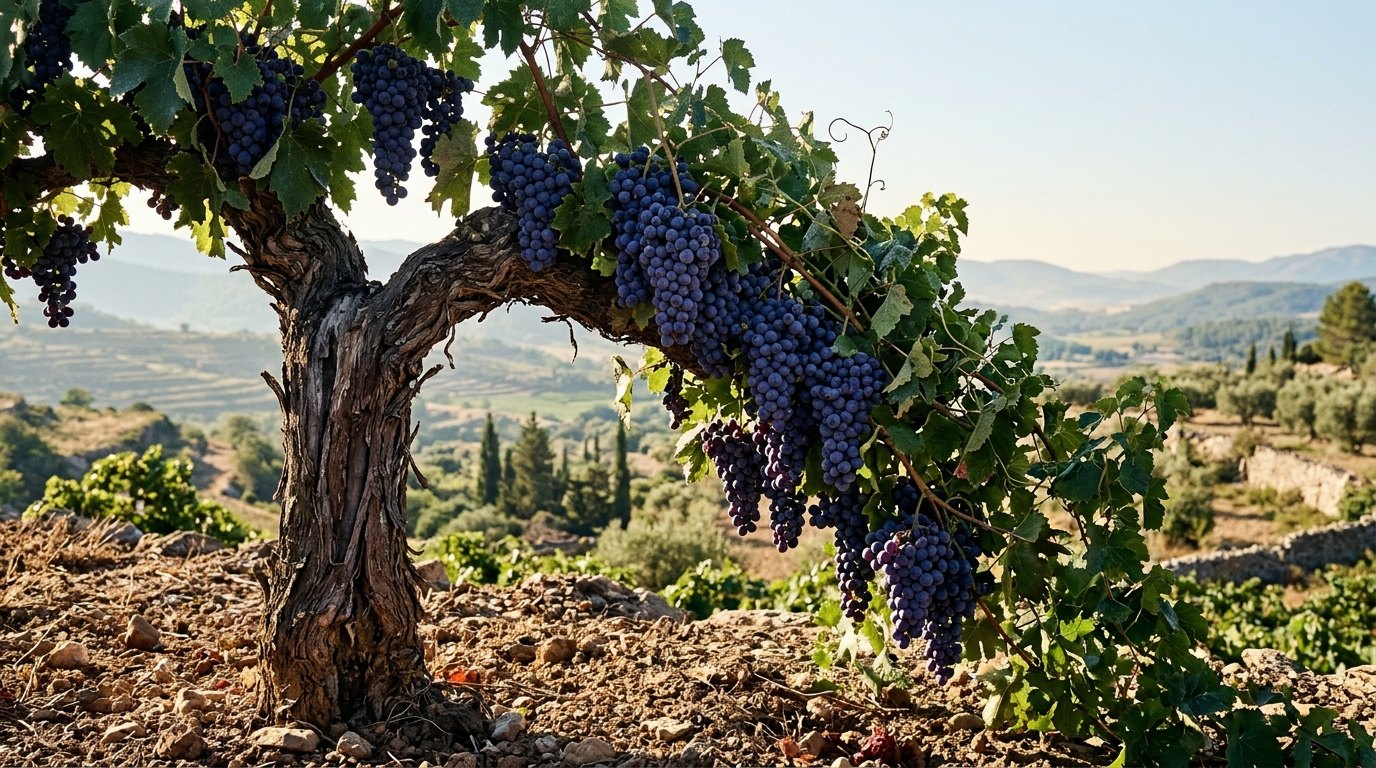
“I am the vine; you are the branches. If you remain in me and I in you, you will bear much fruit; apart from me you can do nothing.
John 15:5 (NIV)
This central declaration defines the vital connection between Jesus and believers, establishing absolute human insufficiency apart from Him.
At the very center of Christ's teaching stands John 15:5: "I am the vine, you are the branches. He who abides in Me, and I in him, bears much fruit; for without Me you can do nothing." The branch does not manufacture sap; it merely receives and transmits what the vine supplies. Jesus commands in John 15:4 to remain in Him, for severed branches immediately wither. In John 15:7, He links abiding directly to His words remaining within us, assuring us that prayers rooted in His revealed will bear powerful fruit. This communion is grounded in divine love: John 15:9 urges believers to abide in His love, while John 15:10 establishes that obedience to His commandments is the vital rhythm through which disciples continue in that love.
This intimacy fulfills what Jesus promised regarding the Holy Spirit in John 14:20 and John 14:23, where both the Father and the Son make their permanent home with the one who keeps Christ's word. The apostle John reinforces this fellowship throughout his first epistle: 1 John 2:24 shows that clinging to the gospel anchors us in the Father and the Son; 1 John 3:24 and 1 John 4:13 point to the indwelling Spirit as the seal of mutual abiding; and 1 John 4:16 declares that abiding in love means abiding in God. Romans 8:1 celebrates the absolute freedom from condemnation for those who are in Christ Jesus, while Romans 11:17-24 pictures believers as branches grafted into an olive root, sustained wholly by faith and grace.
| Passage | What it says |
|---|---|
| John 15:4 | Jesus commands believers to remain in Him as branches that cannot bear fruit by their own strength. |
| John 15:5 | Christ affirms that whoever remains in Him bears much fruit, because separated from Him we can do nothing. |
| John 15:7 | Abiding in Christ and having His words remain in us results in answered, fruitful prayer according to His will. |
| John 15:9 | Jesus commands His followers to remain in His love just as the Father has loved Him. |
| John 15:10 | Keeping Christ's commandments is the very way disciples abide in His steadfast love. |
| John 14:20 | Jesus promises mutual indwelling: disciples will know they are in Him and He is in them. |
| John 14:23 | Jesus explains that loving Him leads to keeping His word, and the Father and Son will dwell with him. |
| 1 John 2:24 | Abiding in what was heard from the beginning ensures abiding in both the Son and the Father. |
| 1 John 3:24 | Whoever keeps God's commandments abides in God, confirmed by the Spirit He has given. |
| 1 John 4:13 | Believers know they abide in Him and He in them because He has given of His Spirit. |
| 1 John 4:16 | God is love, and whoever abides in love abides in God, and God abides in him. |
| Romans 8:1 | There is no condemnation for those who are in Christ Jesus, united savingly to Him. |
| Romans 11:17-24 | Paul compares believers to branches grafted into an olive tree, standing entirely by faith. |
Bearing Real Fruit
Glorifying the Father as True Disciples
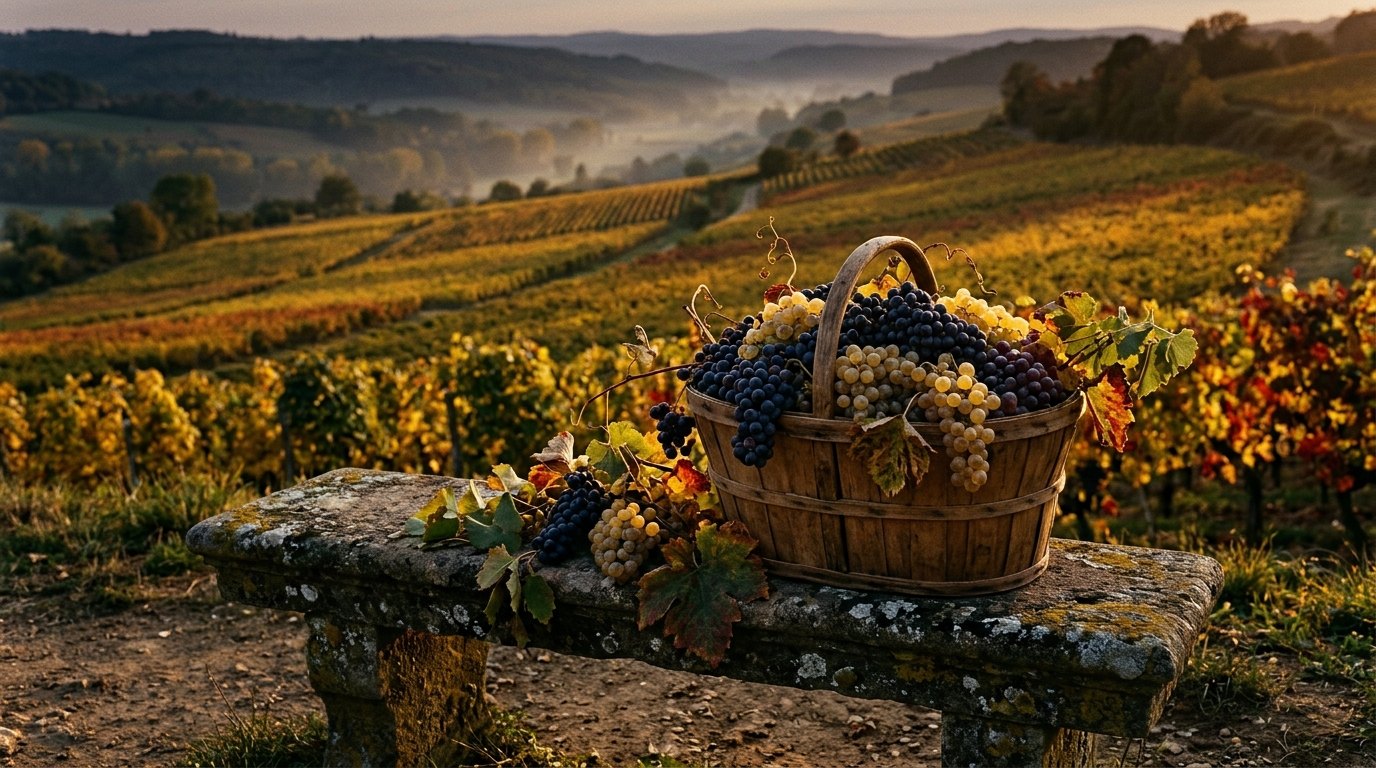
This is to my Father’s glory, that you bear much fruit, showing yourselves to be my disciples.
John 15:8 (NIV)
Fruitfulness is revealed as the ultimate purpose of discipleship and the Father's chief glory.
The goal of our union with Christ is plainly stated in John 15:8: "By this My Father is glorified, that you bear much fruit; so you will be My disciples." A branch does not exist for self-display; its sole purpose is to yield a harvest that honors the vinedresser. Paul echoes this agricultural reality in 1 Corinthians 3:9, reminding the local church that they are God's cultivated field. In Isaiah 60:21, the Lord foresaw a righteous remnant who would be "the branch of My planting, the work of My hands, that I may be glorified." Fruit is the tangible evidence of inward spiritual life, demonstrating the authentic character of our master.
Scripture leaves no ambiguity about what this fruit looks like. Galatians 5:22-23 outlines the ninefold fruit of the Spirit—love, joy, peace, longsuffering, kindness, goodness, faithfulness, gentleness, and self-control—all of which mirror the moral perfection of Christ Himself. In Philippians 1:11, Paul desires believers to be filled with the fruits of righteousness through Jesus Christ to the glory and praise of God, while Colossians 1:10 exhorts saints to bear fruit in every good work as they increase in the knowledge of God. Jesus reinforces this divine appointment in John 15:16, declaring that He chose and appointed us to go and bear enduring fruit. As Jesus warned in Matthew 7:16-20, every tree is recognized by its fruit; a life vitalized by Christ naturally and consistently produces holy works that magnify the Father.
| Passage | What it says |
|---|---|
| John 15:8 | The Father is glorified when disciples bear much fruit, thereby proving themselves to be genuine followers of Christ. |
| 1 Corinthians 3:9 | Paul describes the church community as God's cultivated field and fellow laborers working together in His service. |
| Isaiah 60:21 | God promises His people will be righteous branches of His planting, the work of His hands for His glory. |
| Galatians 5:22-23 | The fruit of the Spirit describes the character Christ produces in those who abide in Him. |
| Philippians 1:11 | Believers are filled with the fruit of righteousness through Jesus Christ, to God's glory. |
| Colossians 1:10 | Paul prays that saints walk worthy of the Lord, bearing fruit in every good work. |
| John 15:16 | Jesus chose and appointed His disciples to go and bear lasting fruit according to His will. |
| Matthew 7:16-20 | Jesus teaches that every sound tree bears good fruit, recognized by what it produces. |
The Cost of Separation
The Sobering Warning to Broken Branches
If you do not remain in me, you are like a branch that is thrown away and withers; such branches are picked up, thrown into the fire and burned.
John 15:6 (NIV)
A stark warning that departing from Christ results in spiritual withering, judgment, and destruction.
The starkest words of the Upper Room Discourse fall in John 15:6: 'If anyone does not abide in me he is thrown away like a branch and withers; and the branches are gathered, thrown into the fire, and burned.' Here Christ confronts us with the sobering reality that separation from the vine yields total ruin. A severed branch does not merely languish or drop its crop; it dries up, dies, and is cleared away for the flames. This solemn warning echoes the prophetic herald in Matthew 3:10, where John the Baptist warned that every tree failing to yield good fruit meets the axe and the furnace. Scripture consistently teaches that true life is found exclusively in God's covenant root. In Hebrews 6:7-8, the land that absorbs the rain yet produces only thorns and briers is declared worthless and destined for burning, just as Hebrews 10:26-31 warns that deliberate apostasy spurns the Son of God and faces a fearful prospect of consuming fire. Such broken branches unveil a tragic self-deception: as 1 John 2:19 clarifies, those who definitively sever themselves from Christ and His body depart because they were never genuinely united to Him. Vital union with Jesus Christ cannot be faked or maintained by mere proximity. Where His life-giving sap is absent, death and judgment inevitably follow.
| Passage | What it says |
|---|---|
| John 15:6 | The person who does not remain in Christ is cast out, withers, and is gathered for the fire. |
| Matthew 3:10 | John the Baptist warns that every tree not bearing good fruit is cut down and thrown into fire. |
| Hebrews 6:7-8 | Land bearing thorns and thistles is worthless, near to being cursed and burned in the end. |
| Hebrews 10:26-31 | Deliberate apostasy leaves no sacrifice for sins, only a fearful prospect of judgment. |
| 1 John 2:19 | Those who departed from the community went out to show they were never truly of it. |
The Overflow of the Vine
Abiding in Christ Yields Complete Joy and Sacrificial Love
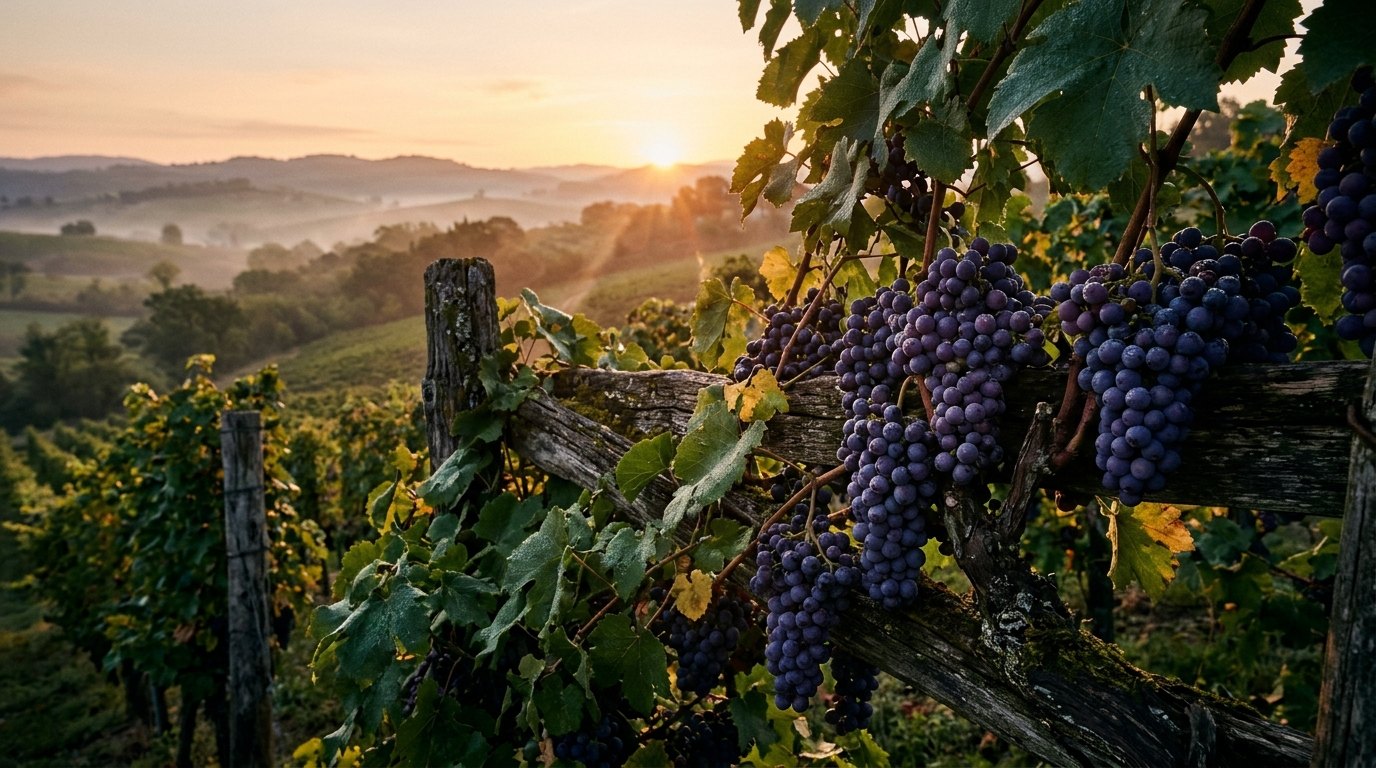
I have told you this so that my joy may be in you and that your joy may be complete.
John 15:11 (NIV)
It reveals Christ's ultimate pastoral purpose in the vine discourse: that His own joy might fill His people.
Christ's extended imagery of the vine and branches does not terminate in grim warnings, but in an invitation to boundless delight. In John 15:11, the Lord discloses the pastoral heart of His teaching: 'These things I have spoken to you, that my joy may be in you, and that your joy may be full.' Abiding in Christ culminates in a shared, supernatural joy that overflows in sacrificial love. The life pulsing through the stem is the very life of the Father and the Son, a reservoir of divine gladness that circumstances cannot diminish. This shared life immediately bears social and relational fruit: in John 15:12-14, Jesus commands His disciples to love one another just as He loved them, pointing directly to the cross where the ultimate Shepherd lays down His life for His friends. In John 15:15, He elevates these fruitful branches to an astonishing status, addressing them not as distant servants, but as cherished companions entrusted with the Father's deepest secrets. He reiterates this central charge in John 15:17, underscoring that mutual love is the unmistakable badge of the grafted soul. As Jesus later intercedes in John 17:13, His unwavering desire is that His followers possess His own joy fulfilled within themselves, demonstrating to the world the beauty and power of the living Vine.
| Passage | What it says |
|---|---|
| John 15:11 | Jesus speaks these vine teachings so that His joy may remain in believers and their joy be full. |
| John 15:12-14 | The command of the vine is mutual self-giving love, following Christ's example of laying down His life. |
| John 15:15 | Jesus calls the branches His friends, sharing everything He heard from His Father. |
| John 15:17 | Jesus commands believers to love one another as the defining outflow of abiding in Him. |
| John 17:13 | Jesus prays that His disciples may have His full joy fulfilled within themselves. |
Where in the Bible
| Book | Passages |
|---|---|
| Psalms | 2 · Psalms 80:8-19, Psalms 119:71 |
| Isaiah | 5 · Isaiah 4:2, Isaiah 27:2-3, Isaiah 5:1-7, Isaiah 26:9, Isaiah 60:21 |
| Jeremiah | 1 · Jeremiah 2:21 |
| Ezekiel | 2 · Ezekiel 15:1-8, Ezekiel 19:10-14 |
| Hosea | 1 · Hosea 10:1 |
| Malachi | 1 · Malachi 3:2-3 |
| Matthew | 2 · Matthew 7:16-20, Matthew 3:10 |
| John | 18 · John 15:1, John 15:2, John 15:3, John 15:4, John 15:5, John 15:7, John 15:9, John 15:10, John 14:20, John 14:23, John 15:8, John 15:16, John 15:6, John 15:11, John 15:12-14, John 15:15, John 15:17, John 17:13 |
| Romans | 2 · Romans 8:1, Romans 11:17-24 |
| 1 Corinthians | 1 · 1 Corinthians 3:9 |
| 2 Corinthians | 1 · 2 Corinthians 4:8-11 |
| Galatians | 1 · Galatians 5:22-23 |
| Philippians | 1 · Philippians 1:11 |
| Colossians | 1 · Colossians 1:10 |
| Hebrews | 3 · Hebrews 12:5-11, Hebrews 6:7-8, Hebrews 10:26-31 |
| 1 Peter | 1 · 1 Peter 1:6-7 |
| 1 John | 5 · 1 John 2:24, 1 John 3:24, 1 John 4:13, 1 John 4:16, 1 John 2:19 |
The story in order
- God's vineyard planted (c. 1000 BC) · Psalms 80:8-19 · Israel is God's chosen people, like a vine He cultivated.
- Vineyard yields wild grapes (c. 700 BC) · Isaiah 5:1-7 · Israel's disobedience produced sin instead of righteousness.
- Vinewood is useless for fire (c. 590 BC) · Ezekiel 15:1-8 · Unfaithful Israel is fit only for judgment.
- Vine yields fruit for self (c. 750 BC) · Hosea 10:1 · Israel's prosperity led to self-reliance and idolatry.
- Vine torn up and burned (c. 590 BC) · Ezekiel 19:10-14 · Rebellion against God leads to destruction.
- The Branch of the Lord (c. 700 BC) · Isaiah 4:2 · Prophecy of a glorious descendant who will bear fruit.
- Jesus is the True Vine (AD 30) · John 15:1 · Jesus identifies Himself as the true vine, fulfilling Israel's role.
- Father prunes the branches (AD 30) · John 15:2 · God actively cultivates believers for greater fruitfulness.
- Disciples are clean through the Word (AD 30) · John 15:3 · Christ's word sanctifies believers, making them fruitful.
- Remain in Christ to bear fruit (AD 30) · John 15:5 · Fruitfulness comes only from abiding in Jesus.
- Bearing fruit glorifies God (AD 30) · John 15:8 · Genuine disciples are recognized by their fruitfulness.
- Branches cast into fire (AD 30) · John 15:6 · Separation from Christ leads to spiritual death and judgment.
- Jesus' joy in His disciples (AD 30) · John 15:11 · Abiding in Christ results in fullness of joy.
Israel as God's Vineyard vs. Christ as the True Vine
| Israel's Failure | Christ's Success | Passage |
|---|---|---|
| Planted as a noble vine | Yielded wild grapes | Jeremiah 2:21 |
| Luxuriant vine yielding fruit for itself | Turned from God | Hosea 10:1 |
| Beloved vineyard that yielded wild grapes | Set up Christ as the true vine | Isaiah 5:1-7 |
| Fruitless vine, useless except for judgment | The true vine, fruitful and glorious |
Abiding in Christ and Bearing Fruit
| Abiding in Christ | Result: Fruitfulness | Passage |
|---|---|---|
| Remain in Him | Cannot bear fruit apart from Him | John 15:4 |
| Whoever remains in Him | Bears much fruit | John 15:5 |
| Abiding in Christ and His words | Fruitful prayer | John 15:7 |
| Remain in His love | Keep His commandments | John 15:9-10 |
| Abiding in love | Abiding in God | 1 John 4:16 |
The Vinedresser's Pruning
| Action of the Father | Purpose/Result | Passage |
|---|---|---|
| Takes away fruitless branches | No specific result mentioned for these | John 15:2 |
| Prunes every fruit-bearing branch | Make it even more productive | John 15:2 |
| Disciplines His children | Share His holiness and yield peaceful fruit | Hebrews 12:5-11 |
| Refines and purifies His people | Make their offering righteous | Malachi 3:2-3 |
| Tests the genuineness of faith | Purifying it like gold | 1 Peter 1:6-7 |
Key words
- Vine (Gk. ampelos (ἀμπελος))
- Represents God's people, Israel, and ultimately Christ Himself. · John 15:1
- Branches (Gk. kladon (κλάδον))
- Represents believers who are connected to Christ, the true vine. · John 15:5
- Vinedresser (Gk. georgos (γεωργος))
- Refers to God the Father, who cultivates and prunes His people. · John 15:1
- Abide (Gk. meno (μενω))
- To remain in, to dwell in, to stay connected to Christ. · John 15:4
- Fruit (Gk. karpos (καρπος))
- The righteous character and actions produced by believers through Christ. · John 15:5
- Prune (Gk. kathairo (καθαιρω))
- To cut back branches to promote healthier growth and greater fruitfulness. · John 15:2
Jesus offers no middle ground between abiding and withering, because a branch has no life of its own. When we remain in His love and let His Word dwell richly within us, the Father prunes away distraction and produces eternal fruit for His glory. Rest deeply today in the true vine, knowing that His life will unfailingly sustain yours.
48 passages, each cited once.
Scripture cited
- Jeremiah 2:21
- 1 Corinthians 3:9
- Isaiah 60:21
- Psalms 80:8-19