What does it mean to pray in Jesus' name?

John 16:23-24
23 In that day you will no longer ask me anything. Very truly I tell you, my Father will give you whatever you ask in my name.
24 Until now you have not asked for anything in my name. Ask and you will receive, and your joy will be complete.
New International Version (NIV)
The answer
To pray in Jesus’ name means coming to the Father through Jesus, relying on His authority and saving work rather than human merit, and asking in harmony with His character and will. It is not a spiritual formula that guarantees whatever is requested. Jesus joins prayer in His name with the Father’s glory: “Whatever you will ask in my name, I will do it, that the Father may be glorified in the Son” (John 14:13).
What praying in His name involves
- Coming to the Father through Christ: Jesus is the one mediator between God and humanity (1 Timothy 2:5). Believers have “boldness to enter into the holy place by the blood of Jesus” and are invited to draw near with sincere hearts and full faith (Hebrews 10:19-22). Prayer in His name therefore approaches God confidently, but never on the basis of personal worthiness.
- Remaining in Christ and receiving His words: Jesus said, “If you remain in me, and my words remain in you, you will ask whatever you desire, and it will be done for you” (John 15:7). The surrounding verses connect remaining in His love with keeping His commandments (John 15:10). His words shape the desires brought to the Father; prayer in His name cannot knowingly request what He forbids.
- Asking according to God’s will: “If we ask anything according to his will, he listens to us” (1 John 5:14-15). This condition belongs to the promise itself. Adding “in Jesus’ name” cannot compel God to grant something contrary to His wise and holy purpose.
- Seeking the Father’s glory, not merely personal preference: The purpose Jesus names in John 14:13 is that the Father may be glorified in the Son. Legitimate personal needs and desires may be brought honestly, but they are placed under this greater aim.
This is also prayer with real confidence, not uncertainty about whether the Father welcomes believers. Jesus said, “The Father himself loves you, because you have loved me, and have believed that I came from God” (John 16:27). He therefore urged His disciples to ask and receive, “that your joy may be made full” (John 16:24). Approaching the Father through Jesus is not a way of overcoming reluctance in the Father; it is the way Christ Himself graciously opens to Him.
The same principle reaches beyond the closing words of a prayer: “Whatever you do, in word or in deed, do all in the name of the Lord Jesus, giving thanks to God the Father through him” (Colossians 3:17). A believer may rightly say “in Jesus’ name” aloud, but the whole prayer should express trust in Christ, submission to His words, gratitude, and a desire for the Father’s glory.
Answered from Scripture · reviewed November 11, 2026
To pray in Jesus' name is to approach the Father resting solely upon the person, merit, and mediation of Christ, asking according to His revealed will. It is never a mechanical formula or closing ritual, but a radical posture of faith that claims His standing and seeks the Father's glory. Understanding this privilege transforms our prayer life from uncertain wishing into joyful, confident communion with God.
The Mediator's Authority
Approaching the Father on Christ's Merits Alone
In that day you will no longer ask me anything. Very truly I tell you, my Father will give you whatever you ask in my name.
John 16:23 (NIV)
Jesus establishes the new covenant pattern of prayer, directing believers to ask the Father directly in His name.
In John 16:23, the Lord Jesus unveils the breathtaking privilege of the new covenant: whatever believers ask the Father in Christ's name, He will give. Praying in the name of Jesus is not an incidental sign-off, but our legal and spiritual authorization to draw near to God. Jesus immediately reinforces this gift in John 16:24, bidding His disciples to ask so that their joy may overflow. We do not approach heaven on our own record, morality, or heritage, because Scripture reminds us in 1 Timothy 2:5 that there is only one Mediator between God and men, the man Christ Jesus. Because Christ stands between us and holy justice, Hebrews 4:16 bids us come boldly before the throne of grace to find mercy and timely help. This entrance was purchased at infinite cost; as Hebrews 10:19–22 announces, we possess full confidence to enter the Holy of Holies by the shed blood of Jesus, traveling through the torn veil of His flesh. Our requests do not fall upon a distant sovereign, for Hebrews 7:25 declares that Christ continually lives to make intercession for all who come to God through Him. Through His reconciling cross, Ephesians 2:18 shows that every believer has direct access to the Father in one Spirit, and Ephesians 3:12 confirms that in Christ we enjoy freedom and confident access through our faith in Him. Romans 8:34 crowns this assurance with the fact that Christ Jesus died, rose triumphant, and sits at the Father's right hand actively pleading our cause.
| Passage | What it says |
|---|---|
| John 16:23 | Jesus promises that whatever believers ask the Father in His name will be given to them. |
| John 16:24 | Christ commands His disciples to ask in His name so their joy may be full. |
| 1 Timothy 2:5 | Scripture declares there is one Mediator between God and men, the man Christ Jesus. |
| Hebrews 4:16 | Believers are urged to come boldly to the throne of grace through their Great High Priest. |
| Hebrews 10:19-22 | Access into the Holy of Holies is granted by the blood of Jesus through His flesh. |
| Hebrews 7:25 | Jesus lives forever to intercede for those who approach God through Him. |
| Ephesians 2:18 | Through Christ both Jew and Gentile have access to the Father in one Spirit. |
| Ephesians 3:12 | In Christ we have boldness and confident access through our faith in Him. |
| Romans 8:34 | Christ Jesus died, was raised, and is at the right hand of God interceding for believers. |
Alignment and Purpose
Asking According to His Will for God's Glory

And I will do whatever you ask in my name, so that the Father may be glorified in the Son.
John 14:13 (NIV)
Jesus links asking in His name directly to the ultimate purpose of glorifying the Father through the Son.
Jesus explains the profound motive of all true prayer in John 14:13: every request answered in His name exists to glorify the Father through the Son. Praying in Christ's name is not a blank check for selfish ambitions, but an alignment of our desires with His person, character, and mission. In John 14:14, the Lord repeats this promise to seal its certainty, yet Scripture guards us from perverting it into an entitlement. As 1 John 5:14–15 makes plain, our supreme confidence in prayer rests upon asking according to God's revealed will; when we seek what He has promised, we know that He hears and answers us. By contrast, James 4:3 warns that prayers remain barren when driven by corrupt motives and personal pleasures. Jesus taught us this essential priority in Matthew 6:9–10, establishing that genuine petition begins with hallowing the Father's name and longing for His kingdom and will to reign on earth. Thus, Colossians 3:17 commands believers to do and say everything in the name of the Lord Jesus, offering continuous thanksgiving through Him. This alignment brings great comfort, for John 16:26–27 reminds us that the Father Himself loves us because we have loved His Son. All true prayer honors Philippians 2:9–11, where God has exalted Christ and bestowed upon Him the name above all names, that every tongue should confess Him to the Father's glory.
| Passage | What it says |
|---|---|
| John 14:13-14 | Christ promises to do whatever is asked in His name that the Father may be glorified. |
| 1 John 5:14-15 | Confidence in prayer rests upon asking anything according to God's revealed will. |
| James 4:3 | Requests go unanswered when motivated by selfish lusts rather than Christ's purposes. |
| Matthew 6:9-10 | The pattern of prayer begins with hallowing God's name and seeking His kingdom and will. |
| Colossians 3:17 | Everything said or done must be done in the name of the Lord Jesus, giving thanks to God. |
| John 16:26-27 | Believers ask directly in Jesus' name because the Father Himself loves them for loving Christ. |
| Philippians 2:9-11 | God exalted Jesus and bestowed the name above every name, to the glory of the Father. |
Abiding and Faith
Dwelling in the Word with Steadfast Expectation

If you remain in me and my words remain in you, ask whatever you wish, and it will be done for you.
John 15:7 (NIV)
This verse makes answered prayer the natural fruit of abiding in Christ and letting His words dwell within.
In John 15:7, Jesus reveals the vital soil out of which fruitful prayer grows: abiding intimately in Christ and letting His words dwell richly within our hearts. Prayer offered in Jesus' name cannot be separated from living fellowship with Him. When His truth shapes our affections, we desire what He desires. John 15:16 shows that Jesus chose and appointed His disciples to go and bear enduring fruit, assuring that whatever they ask the Father in His name will be granted. Faith and petition are inseparable in the teaching of Jesus; Matthew 21:22 declares that whatever we ask in prayer, believing, we shall receive. In Matthew 7:7–8, Christ urges His followers into sustained, expectant pursuit—asking, seeking, and knocking—confident that a loving Father gives good gifts to His children. This matches the ancient tender promise of Isaiah 65:24, where God declares that before His people call, He will answer, and while they are yet speaking, He will hear. Mark 11:24 echoes this deep certainty, instructing believers to pray with resolute trust in God's faithfulness. Conversely, James 1:6–8 warns that asking must be free from double-minded doubt, which wavers like sea foam tossed by the wind. Finally, 1 John 3:22–23 assures us that we receive what we ask when we keep His commandments, believe on the name of His Son Jesus Christ, and walk in sincere love.
| Passage | What it says |
|---|---|
| John 15:7 | Asking and receiving flows from abiding in Christ and His words abiding in the believer. |
| John 15:16 | Disciples are chosen to bear lasting fruit so that the Father gives what is asked in Christ's name. |
| Matthew 21:22 | Jesus affirms that whatever is asked in prayer with faith will be received. |
| Matthew 7:7-8 | Those who continually ask, seek, and knock receive good gifts from the Father. |
| Isaiah 65:24 | The Lord pledges to hear and answer even before His servants finish calling out. |
| Mark 11:24 | Whatever believers ask in prayer, they should believe they have received it and it will be theirs. |
| James 1:6-8 | One must ask in faith without doubting, for the double-minded receives nothing from the Lord. |
| 1 John 3:22-23 | We receive what we ask because we obey His commands and believe in the name of Jesus Christ. |
Delegated Apostolic Authority
Acting and Calling in Christ's Delegated Authority
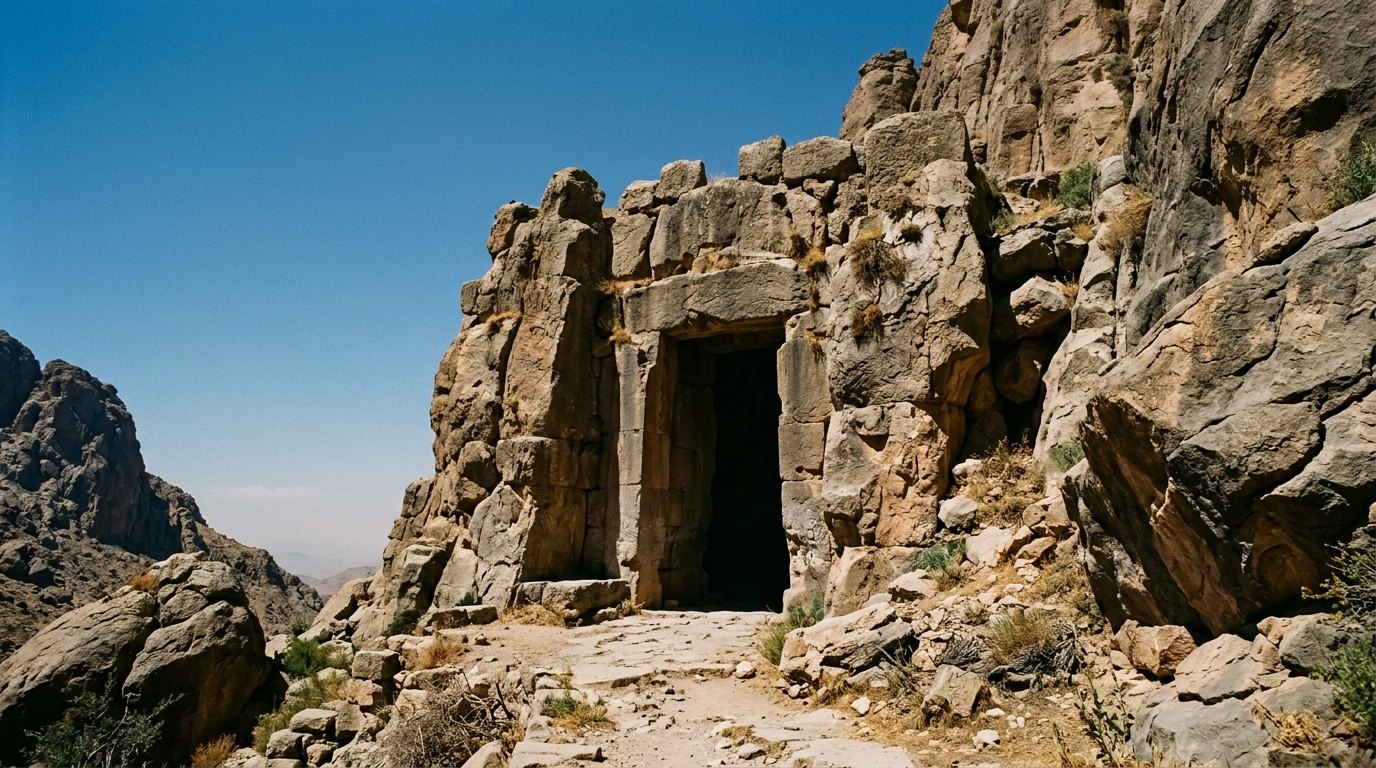
Salvation is found in no one else, for there is no other name under heaven given to mankind by which we must be saved.”
Acts 4:12 (NIV)
It establishes that divine authority and salvation are granted under no other name given among men.
When the apostles faced the ruling council in Jerusalem, Acts 4:12 rang out with unyielding clarity: there is salvation in no one else, for there is no other name under heaven given among men by which we must be saved. To invoke the name of Jesus is to operate under His sovereign, delegated authority as His appointed ambassadors. We see this manifested in Acts 3:6, where Peter possessed neither silver nor gold, but commanded a lame man to walk in the authoritative name of Jesus Christ of Nazareth. In Acts 4:10–12, Peter boldly affirmed before the rulers that the miraculous restoration occurred through that same exalted name which they had rejected. When threatened with persecution, the early church did not cower; instead, Acts 4:29–30 records their prayer for bold utterance while God stretched out His hand to heal through the holy servant Jesus. Paul exercised this same delegated authority in Acts 16:18, commanding a spirit of divination to leave an oppressed woman in the name of Jesus Christ. Yet Scripture offers a sober warning against treating this sacred name as a formula. In Acts 19:13–16, the seven sons of Sceva attempted to invoke Jesus' name as a superstitious incantation without true faith or union with Christ, and they were violently exposed and humiliated by the demonic realm.
| Passage | What it says |
|---|---|
| Acts 3:6 | Peter commands a lame man to walk by the name and authority of Jesus Christ. |
| Acts 4:10-12 | Salvation and healing reside exclusively in the name of Jesus Christ of Nazareth. |
| Acts 4:29-30 | The church prays for bold preaching and signs done through the holy servant Jesus. |
| Acts 16:18 | Paul commands an unclean spirit out in the sovereign name of Jesus Christ. |
| Acts 19:13-16 | Sons of Sceva attempt to invoke Jesus' name without faith or relationship and are overpowered. |
Trinitarian Intercession
Praying in the Spirit Through the Son

In the same way, the Spirit helps us in our weakness. We do not know what we ought to pray for, but the Spirit himself intercedes for us through wordless groans.
Romans 8:26 (NIV)
It shows that praying rightly in Christ depends on the indwelling Spirit translating our petitions.
When believers approach God in Christ, they never do so unaided. In Romans 8:26, the apostle Paul reveals that the Spirit helps us in our weakness, interceding for us with groanings too deep for words when we do not know what to pray as we ought. True prayer in Jesus' name is inherently Trinitarian: we come to the Father, through the mediation of the Son, carried along by the power and direction of the Holy Spirit.
This divine partnership continues in Romans 8:27, which assures us that the Searcher of hearts knows the mind of the Spirit, because the Spirit intercedes for the saints according to the will of God. Praying in Jesus' name means aligning with the Father's purposes, and it is the indwelling Spirit who shapes our disordered desires into harmony with that eternal will.
Because of this perpetual divine aid, Paul commands in Ephesians 6:18 that believers should be praying at all times in the Spirit, with all prayer and supplication. To pray in the Spirit is not an emotional frenzy, but praying in conscious dependence upon His guidance, anchored in the truth of Christ. Finally, Jude 1:20-21 urges the church to build themselves up in their most holy faith and pray in the Holy Spirit, keeping themselves secure in the love of God while waiting for the mercy of our Lord Jesus Christ. Praying in the name of Jesus is thus the lived rhythm of the Christian life, drawing on the entire Godhead to bring weak human petitions into the very throne room of heaven.
| Passage | What it says |
|---|---|
| Romans 8:26-27 | The Spirit helps our weakness and intercedes according to the will of God. |
| Ephesians 6:18 | Believers are instructed to pray in the Spirit on all occasions with all kinds of prayers. |
| Jude 1:20-21 | Believers build themselves up in their most holy faith and pray in the Holy Spirit. |
Where in the Bible
| Book | Passages |
|---|---|
| Isaiah | 1 · Isaiah 65:24 |
| Matthew | 3 · Matthew 6:9-10, Matthew 21:22, Matthew 7:7-8 |
| Mark | 1 · Mark 11:24 |
| John | 6 · John 16:23, John 16:24, John 14:13-14, John 16:26-27, John 15:7, John 15:16 |
| Acts | 5 · Acts 3:6, Acts 4:10-12, Acts 4:29-30, Acts 16:18, Acts 19:13-16 |
| Romans | 2 · Romans 8:34, Romans 8:26-27 |
| Ephesians | 3 · Ephesians 2:18, Ephesians 3:12, Ephesians 6:18 |
| Philippians | 1 · Philippians 2:9-11 |
| Colossians | 1 · Colossians 3:17 |
| 1 Timothy | 1 · 1 Timothy 2:5 |
| Hebrews | 3 · Hebrews 4:16, Hebrews 10:19-22, Hebrews 7:25 |
| James | 2 · James 4:3, James 1:6-8 |
| 1 John | 2 · 1 John 5:14-15, 1 John 3:22-23 |
| Jude | 1 · Jude 1:20-21 |
The story in order
- God's promise of a Savior (c. 4000 BC) · Genesis 3:15 · The first hint of God's plan to save through a descendant.
- Abraham's covenant blessings (c. 2000 BC) · Genesis 12:3 · God's promise to bless all nations through Abraham's seed.
- The Law given at Sinai (c. 1450 BC) · Exodus 20:1-17 · Reveals God's holiness and humanity's sin, pointing to need for a mediator.
- Davidic Kingdom established (c. 1000 BC) · 2 Samuel 7:12-16 · Promise of an eternal king from David's line.
- Prophets speak of Messiah (c. 700 BC) · Isaiah 53:1-12 · Foretells suffering servant who would bear sin.
- Jesus begins His ministry (AD 27) · Matthew 3:13-17 · Jesus' baptism and affirmation as God's Son.
- Jesus teaches on prayer (AD 28) · Matthew 6:9-10 · Gives a model for prayer, prioritizing God's glory.
- Jesus' high priestly prayer (AD 30) · John 17:1-26 · Jesus prays for His disciples' unity and sanctification.
- Jesus' atoning sacrifice (AD 30) · Hebrews 10:19-22 · His death opens the way to God's presence.
- Ascension and intercession (AD 30) · Romans 8:34 · Jesus ascends to the right hand of God to intercede.
- Pentecost and the Spirit (AD 30) · Acts 2:1-4 · The Holy Spirit empowers believers to pray and witness.
- Apostles preach and heal (AD 30-33) · Acts 4:10-12 · Healing and salvation are exclusively through Jesus' name.
- Paul's letters on prayer (c. AD 60) · Ephesians 6:18 · Instruction to pray in the Spirit.
Key words
- In Jesus' Name (en tō onomati Iēsou, ἐν τῷ ὀνόματι Ἰησοῦ)
- Approaching God based on Christ's person, merit, and authority. · John 16:23
- Mediator (mesitēs, μεσίτης)
- One who stands between God and humanity, reconciling them. · 1 Timothy 2:5
- Throne of Grace (thronos tēs charitos, θρόνος τῆς χάριτος)
- God's throne, now accessible for mercy and grace through Christ. · Hebrews 4:16
- Faith (pistis, πίστις)
- Confident belief and trust in God and His promises. · Matthew 21:22
- Will of God (thelēma tou Theou, θέλημα τοῦ Θεοῦ)
- God's revealed desires and purposes, to be sought in prayer. · 1 John 5:14
- Glorify (doxazō, δοξάζω)
- To give honor, praise, and recognition to God's character. · John 14:13
- Pray in the Spirit (proseuchomai en Pneumati, προσεύχομαι ἐν Πνεύματι)
- Praying empowered and guided by the Holy Spirit. · Ephesians 6:18
Approaching God in Jesus' name means we never stand on our own flawed record, but on the finished work of our risen Savior. When our requests are shaped by His Word and submitted to His character, we have bold access to the throne of grace. Ask with humble confidence, knowing the Father delights to answer those who come through His Son.
32 passages, each cited once.
Scripture cited
- John 15:7
- John 14:12-14
- John 15:7-11
- John 16:23-28
- 1 John 5:14-15
- Colossians 3:17
- Hebrews 10:19-22
- 1 Timothy 2:5