What does it mean to quench the Spirit?

1 Thessalonians 5:19-22
19 Do not quench the Spirit.
20 Do not treat prophecies with contempt
21 but test them all; hold on to what is good,
22 reject every kind of evil.
New International Version (NIV)
The answer
To quench the Spirit is to suppress, resist, or neglect the Holy Spirit’s work instead of welcoming, testing, and obeying it. In 1 Thessalonians 5:19, the Greek word translated “quench” means to extinguish, like putting out a fire. This does not mean the Holy Spirit can be destroyed or diminished in His divine nature; it means people can stifle His activity among them.
The immediate context shows one specific way this happens:
- Despising prophecies: The very next command is, “Don’t despise prophecies” (1 Thessalonians 5:20). Treating Spirit-given speech with contempt, or suppressing it altogether, quenches His work.
- Refusing discernment: Paul also says, “Test all things, and hold firmly that which is good” (1 Thessalonians 5:21). Testing a message is not quenching the Spirit; it is part of obeying Him. Neither cynical rejection nor gullible acceptance is commanded.
- Failing to reject evil: What testing exposes as evil must be rejected: “Abstain from every form of evil” (1 Thessalonians 5:22).
The wider principle includes neglecting a God-given gift (1 Timothy 4:14) rather than stirring it up (2 Timothy 1:6), resisting the Spirit’s conviction (Acts 7:51), and living in ways that grieve Him (Ephesians 4:30).
Quenching the Spirit is therefore not simply experiencing fewer intense religious feelings. It is a settled refusal to respond—silencing His gifts, ignoring His correction, or continuing in sin. The opposite is responsive obedience: use what He gives, examine every claim carefully, retain what is good, and turn away from evil.
Answered from Scripture · reviewed November 11, 2026
To quench the Holy Spirit is to stifle, suppress, or extinguish His fire and working within the believer and the corporate life of the church. Scripture uses the language of flame to picture the Spirit's gifts, convictions, and promptings, warning us never to drown out His voice through cold neglect or active rebellion. Understanding this solemn command protects the heart from callousness and preserves the spiritual vitality of God's people.
The Direct Command
Extinguishing the Heavenly Flame

Do not quench the Spirit.
1 Thessalonians 5:19 (NIV)
This verse uses the vivid metaphor of extinguishing a flame to forbid believers from smothering the Holy Spirit's promptings and gifts.
The direct command of Scripture in 1 Thessalonians 5:19 could not be sharper: "Do not quench the Spirit." The Apostle Paul employs the Greek verb sbennymi, the precise technical term used across the ancient world for extinguishing a roaring fire, dousing an oil lamp, or smothering a live coal with ashes or water. By immediately adding, "Do not despise prophecies" (1 Thessalonians 5:20), Paul ties this solemn warning to the gathered congregation's posture toward divine utterance and the Spirit's active manifestations. When believers treat God's spoken word with cold indifference, cynical superiority, or institutional suppression, they throw water upon the supernatural furnace of God.
This imagery runs directly to the heart of how God reveals His Holy Spirit. John the Baptist heralded Christ’s arriving reign by proclaiming that the Messiah would "baptize you with the Holy Spirit and fire" (Matthew 3:11). Jesus Christ Himself announced the holy purpose of His incarnation in Luke 12:49, declaring, "I came to cast fire on the earth, and would that it were already kindled!" When that divine promise burst into historic fulfillment at Pentecost, the Spirit descended visibly as "divided tongues as of fire" resting upon each disciple (Acts 2:3). This divine fire is not a self-generating human emotion, but God's sovereign presence igniting holy zeal, clear conviction, and supernatural power. Therefore, believers are summoned in Romans 12:11 to "be fervent in spirit, serve the Lord," refusing to let sluggish self-satisfaction choke out the heavenly flame.
| Passage | What it says |
|---|---|
| 1 Thessalonians 5:19 | Paul gives the direct imperative forbidding believers from putting out or extinguishing the Holy Spirit. |
| 1 Thessalonians 5:20 | Commands believers not to treat declarations of God's word with contempt or disdain. |
| Romans 12:11 | Urges believers to remain fervent in spirit, serving the Lord with zeal rather than lagging in devotion. |
| Acts 2:3 | Describes the initial outpouring of the Holy Spirit descending as tongues of fire upon the disciples. |
| Matthew 3:11 | John the Baptist announces that the Messiah will baptize His people with the Holy Spirit and fire. |
| Luke 12:49 | Jesus declares He came to cast fire on the earth and wishes it were already kindled. |
Scriptural Precedents
The Tragic Heritage of Resisting God

“You stiff-necked people! Your hearts and ears are still uncircumcised. You are just like your ancestors: You always resist the Holy Spirit!
Acts 7:51 (NIV)
Stephen exposes how stubborn rebellion against divine messengers constitutes a direct and deliberate resistance to the Holy Spirit.
Smothering the Spirit's voice is not a novel hazard invented in the New Testament; it is the ancient, tragic impulse of fallen humanity. As Stephen stood before the hostile Sanhedrin in Acts 7:51, his searing indictment unmasked the generational root of their unbelief: "You stiff-necked people, uncircumcised in heart and ears, you always resist the Holy Spirit. As your fathers did, so do you." Stephen established that to reject the prophetic messengers of God is to wage direct war against the third Person of the Trinity.
The historical record of the Old Testament confirms this perpetual danger. In Genesis 6:3, the Lord warned prior to the great Flood that His Spirit would not abide or strive with corrupt mankind indefinitely. Ancient Israel repeatedly provoked God's Spirit in the wilderness through stubborn rebellion (Psalms 106:33). Later reflecting on this apostasy, Isaiah 63:10 laments that "they rebelled and grieved his Holy Spirit; therefore he turned to be their enemy, and himself fought against them." Nehemiah 9:30 recalls that God bore patiently with them for many years, warning them by His Spirit through the prophets, yet they plugged their ears. Zechariah 7:12 describes this hard-heartedness with chilling precision: they made their hearts "diamond-hard lest they should hear the law and the words that the Lord of hosts had sent by his Spirit." Saul's life became a permanent beacon of this tragedy when his willful disobedience caused the Spirit of the Lord to depart from him (1 Samuel 16:14). Realizing the terror of such judgment, David pleaded in broken repentance after his sin, "Cast me not away from your presence, and take not your Holy Spirit from me" (Psalms 51:11).
| Passage | What it says |
|---|---|
| Acts 7:51 | Stephen rebukes the religious leaders for perpetually stiffening their necks and resisting the Holy Spirit. |
| Isaiah 63:10 | Recalls how ancient Israel rebelled and grieved God's Holy Spirit, causing Him to oppose them. |
| Nehemiah 9:30 | Records how God warned His people by His Spirit through the prophets, yet they refused to listen. |
| Psalms 106:33 | Notes how the congregation provoked God's Spirit to anger in the wilderness through rebellion. |
| Genesis 6:3 | The Lord warns that His Spirit will not abide or strive in man forever when sin persists. |
| 1 Samuel 16:14 | The Spirit of the Lord departs from Saul following his persistent willful rebellion and disobedience. |
| Psalms 51:11 | David pleads that the Lord not cast him away from His presence or remove His Holy Spirit. |
| Zechariah 7:12 | The people made their hearts flint against the words sent by the Spirit through the former prophets. |
Grief and Neglect
Smothering the Spirit Through Inattention and Sin
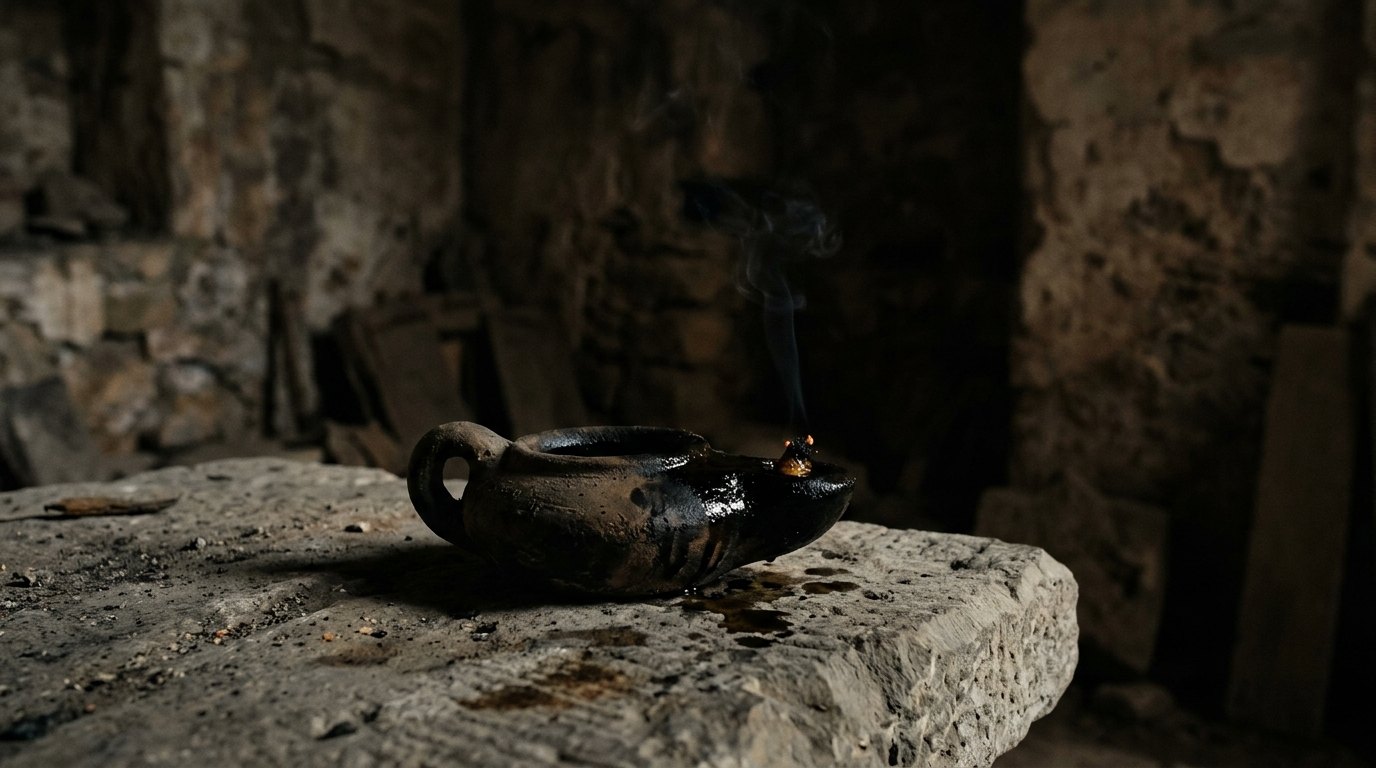
And do not grieve the Holy Spirit of God, with whom you were sealed for the day of redemption.
Ephesians 4:30 (NIV)
Paul shows that unholy speech and unmortified bitterness inflict personal sorrow upon the Holy Spirit who seals believers.
While quenching pictures extinguishing the Spirit's fire and external ministry, grieving focuses on wounding His personal affection through moral corruption. In Ephesians 4:30, Paul commands, "And do not grieve the Holy Spirit of God, by whom you were sealed for the day of redemption." The Holy Spirit is not an impersonal electrical current or an abstract moral influence; He is God Himself, possessing perfect holiness and boundless love for His people. When a believer harbors unmortified bitterness, wrath, malicious gossip, or impurity, the Holy Spirit experiences personal grief over that compromise.
Believers also smother the Spirit's warmth through passive negligence and carnal surrender. Paul instructed his young delegate in 1 Timothy 4:14, "Do not neglect the gift you have," reminding us that divine endowments can languish through timidity and inactivity. Living the Christian life requires deliberate moral alignment: "Walk by the Spirit, and you will not gratify the desires of the flesh" (Galatians 5:16). The conflict between internal drives is relentless and total, for "the desires of the flesh are against the Spirit, and the desires of the Spirit are against the flesh" (Galatians 5:17). Yielding to the flesh inevitably starves the Spirit's fruit in our daily conduct. Hence, Galatians 5:25 insists, "If we live by the Spirit, let us also keep in step with the Spirit." To resist that pace and trample upon conviction culminates in the terrifying end described in Hebrews 10:29, which warns of the catastrophic judgment awaiting those who commit apostasy and "outrage the Spirit of grace."
| Passage | What it says |
|---|---|
| Ephesians 4:30 | Charges believers not to grieve the Holy Spirit of God by indulging in ungodly conduct and speech. |
| 1 Timothy 4:14 | Warns Timothy not to neglect the spiritual gift imparted to him through prophetic utterance and presbyterial laying on of hands. |
| Hebrews 10:29 | Warns against the severe judgment of insulting or outraging the Spirit of grace through deliberate apostasy. |
| Galatians 5:16 | Paul commands walking by the Spirit so that the believer will not gratify fleshly desires. |
| Galatians 5:17 | The desires of the flesh stand opposed to the desires of the Holy Spirit. |
| Galatians 5:25 | Living by the Spirit demands keeping in step with the Spirit in daily practice. |
Discerning Order
Testing Without Quenching in the Church

but test them all; hold on to what is good,
1 Thessalonians 5:21 (NIV)
This verse establishes that rigorous biblical testing is not quenching the Spirit, but the proper means of preserving what is good.
A vital biblical balance must be preserved: preventing the fire from being quenched never means surrendering the church to unguided emotionalism or false doctrine. Immediately after commanding believers not to quench the Spirit or despise prophetic utterances, Paul gives the safeguarding directive in 1 Thessalonians 5:21: "but test everything; hold fast what is good." The antidote to quenching the Spirit is not naive gullibility, but disciplined biblical discernment. Genuine spiritual heat never demands the suspension of biblical truth.
Scripture instructs believers to abstain from every form of evil (1 Thessalonians 5:22) and commands, "do not believe every spirit, but test the spirits to see whether they are from God" (1 John 4:1). In the gathered assembly, this testing takes practical form: "Let two or three prophets speak, and let the others weigh what is said" (1 Corinthians 14:29). Genuine spiritual gifts never produce chaotic frenzy or unbridled frenzy; rather, "the spirits of prophets are subject to prophets" (1 Corinthians 14:32). God distributes diverse spiritual gifts throughout the body (1 Corinthians 12:4), and every manifestation is given specifically "for the common good" (1 Corinthians 12:7). Therefore, a healthy church does not stifle the supernatural operations of God in fear of excess: "earnestly desire to prophesy, and do not forbid speaking in tongues" (1 Corinthians 14:39). Instead, the biblical path embraces the Spirit's gifts while anchoring them in godly wisdom, ensuring that "all things should be done decently and in order" (1 Corinthians 14:40). Testing guards the purity of the flame; it does not put it out.
| Passage | What it says |
|---|---|
| 1 Thessalonians 5:21 | Commands believers to examine and test all claims carefully, retaining firmly whatever proves good. |
| 1 Thessalonians 5:22 | Instructs Christians to hold back and abstain from every form and manifestation of evil. |
| 1 John 4:1 | Exhorts believers not to believe every spirit, but to test spirits against apostolic truth. |
| 1 Corinthians 14:29 | Directs that when prophets speak in the assembly, others must evaluate and judge what is spoken. |
| 1 Corinthians 14:32 | Clarifies that the spirits of prophets are subject to the control of the prophets themselves. |
| 1 Corinthians 12:4 | Paul explains there are varieties of spiritual gifts, but the same Spirit imparts them. |
| 1 Corinthians 12:7 | The manifestation of the Spirit is given to each believer for the common good. |
| 1 Corinthians 14:39 | The church is instructed to earnestly desire prophesying and not forbid speaking in tongues. |
| 1 Corinthians 14:40 | All manifestations and administration of gifts must take place decently and in order. |
Fanning the Flame
Stirring Up the Fire of Grace
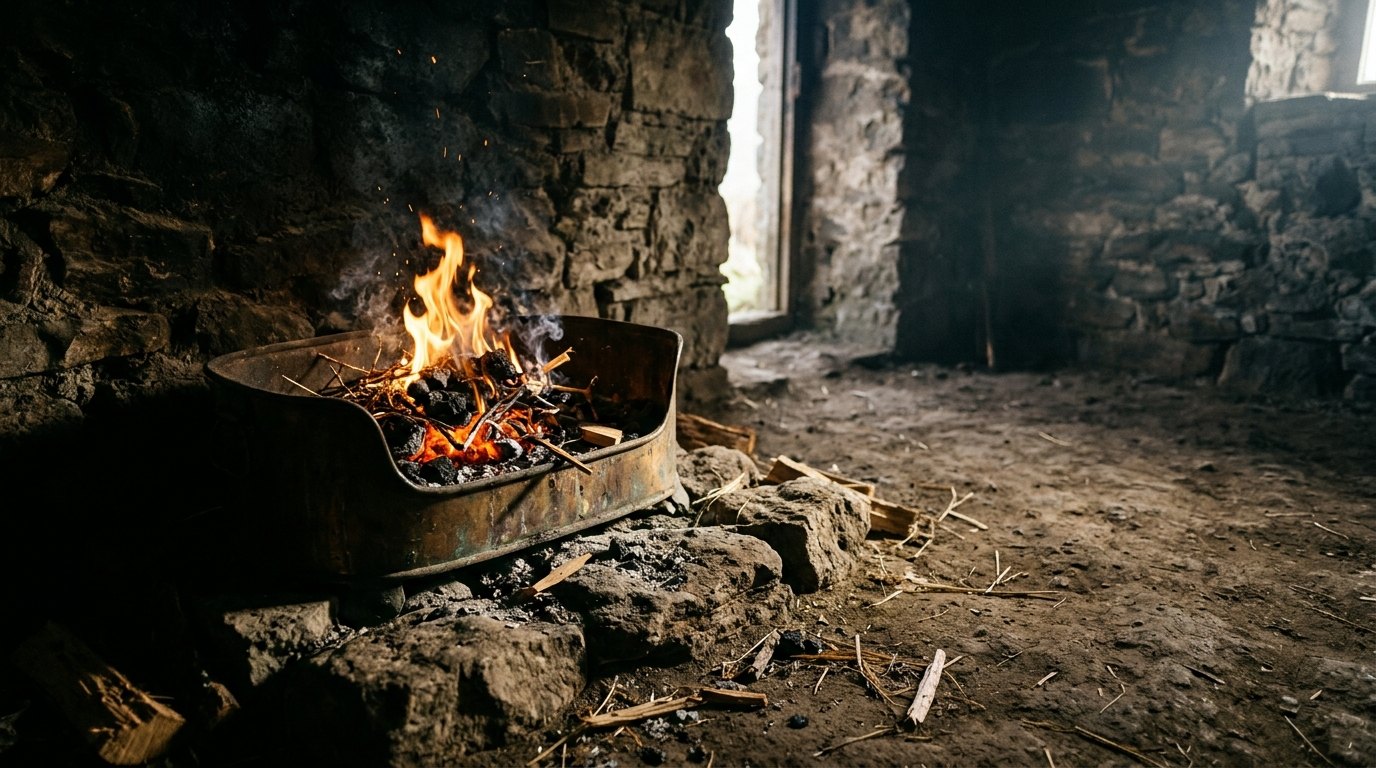
For this reason I remind you to fan into flame the gift of God, which is in you through the laying on of my hands.
2 Timothy 1:6 (NIV)
Paul commands Timothy to kindle afresh the divine gift within him, presenting active rekindling as the antidote to spiritual quenching.
The direct biblical antidote to quenching the Spirit is deliberate, humble exertion to stir up His work. In 2 Timothy 1:6, the apostle Paul urges his spiritual son, "I remind you to fan into flame the gift of God, which is in you through the laying on of my hands." Fire left untended inevitably dies into cold ash; spiritual vitality requires conscious, diligent cooperation with divine grace. Rather than despising prophetic instruction or ignoring inward convictions, the believer is summoned to provide fresh fuel for the sacred flame through regular spiritual disciplines and willing obedience.
This responsive posture begins with how God's truth is received and processed. In Acts 17:11, the noble Bereans provide the model for spiritual receptivity without credulity: they welcomed the proclaimed message with open readiness while searching the Scriptures daily to verify everything heard. In Ephesians 5:18, Paul sets forth the standing mandate, "Do not get drunk with wine... but be filled with the Spirit." This ongoing, present-tense filling is inextricably tied to the immersion of the soul in divine truth, matching the parallel charge of Colossians 3:16 to let the word of Christ dwell in us richly with all wisdom, psalms, hymns, and spiritual songs.
Fanning the flame also involves continuous moral warfare against sin. In Romans 8:13, the apostle declares that if by the Spirit you put to death the deeds of the body, you will live, demonstrating that Spirit-led mortification of the flesh keeps the channel of communion unchoked. Those who are truly led by the Spirit of God manifest their sonship through willing submission to His guidance (Romans 8:14). Finally, Jude 1:20 instructs the flock to build themselves up on their most holy faith by praying in the Holy Spirit, leaning entirely upon His promptings, intercession, and power to sustain a vibrant, unquenched flame of devotion.
| Passage | What it says |
|---|---|
| 2 Timothy 1:6 | Reminds Timothy to rekindle and fan into flame the divine gift bestowed through the laying on of hands. |
| Acts 17:11 | Commends the Bereans for receiving the preached word eagerly while examining the Scriptures daily to confirm its truth. |
| Ephesians 5:18 | Commands believers to continually be filled with the Spirit rather than being intoxicated with wine. |
| Colossians 3:16 | Exhorts believers to let the word of Christ dwell in them richly through teaching, admonishing, and spiritual songs. |
| Romans 8:13 | Believers put to death the misdeeds of the body by the empowerment of the Spirit. |
| Romans 8:14 | All who are led by the Spirit of God are the sons of God. |
| Jude 1:20 | Believers build themselves up in their most holy faith by praying in the Holy Spirit. |
Where in the Bible
| Book | Passages |
|---|---|
| Genesis | 1 · Genesis 6:3 |
| 1 Samuel | 1 · 1 Samuel 16:14 |
| Nehemiah | 1 · Nehemiah 9:30 |
| Psalms | 2 · Psalms 106:33, Psalms 51:11 |
| Isaiah | 1 · Isaiah 63:10 |
| Zechariah | 1 · Zechariah 7:12 |
| Matthew | 1 · Matthew 3:11 |
| Luke | 1 · Luke 12:49 |
| Acts | 3 · Acts 2:3, Acts 7:51, Acts 17:11 |
| Romans | 3 · Romans 12:11, Romans 8:13, Romans 8:14 |
| 1 Corinthians | 6 · 1 Corinthians 14:29, 1 Corinthians 14:32, 1 Corinthians 12:4, 1 Corinthians 12:7, 1 Corinthians 14:39, 1 Corinthians 14:40 |
| Galatians | 3 · Galatians 5:16, Galatians 5:17, Galatians 5:25 |
| Ephesians | 2 · Ephesians 4:30, Ephesians 5:18 |
| Colossians | 1 · Colossians 3:16 |
| 1 Thessalonians | 4 · 1 Thessalonians 5:19, 1 Thessalonians 5:20, 1 Thessalonians 5:21, 1 Thessalonians 5:22 |
| 1 Timothy | 1 · 1 Timothy 4:14 |
| 2 Timothy | 1 · 2 Timothy 1:6 |
| Hebrews | 1 · Hebrews 10:29 |
| 1 John | 1 · 1 John 4:1 |
| Jude | 1 · Jude 1:20 |
The story in order
- Creation and Fall (c. 4000 BC) · Genesis 6:3 · God's Spirit strives with humanity before the flood.
- Israel's Wilderness Journey (c. 1400 BC) · Psalms 106:33 · Israel provoked God's Spirit to anger through rebellion.
- Reign of Saul (c. 1050 BC) · 1 Samuel 16:14 · The Spirit of the Lord departed from Saul.
- Prophetic Warnings (c. 445 BC) · Nehemiah 9:30 · God warned Israel by His Spirit through prophets.
- Post-Exilic Resistance (c. 518 BC) · Zechariah 7:12 · Hearts were made flint against the Spirit's words.
- Jesus' Ministry Begins (AD 27) · Matthew 3:11 · Jesus baptizes with the Holy Spirit and fire.
- Jesus' Earthly Ministry (AD 28-30) · Luke 12:49 · Jesus desires the fire of His mission to be kindled.
- Stephen's Accusation (AD 34) · Acts 7:51 · Religious leaders resisted the Holy Spirit.
- Pentecost (AD 30) · Acts 2:3 · The Spirit descended as tongues of fire.
- Apostolic Teaching (AD 50-52) · 1 Thessalonians 5:19 · Direct command not to quench the Spirit.
- Paul's Letters (AD 60-62) · Ephesians 4:30 · Believers are warned not to grieve the Spirit.
- Hebrew Believers Admonished (AD 67) · Hebrews 10:29 · Warning against insulting the Spirit of grace.
- Timothy's Ministry (AD 67) · 2 Timothy 1:6 · Timothy is urged to fan into flame the gift of God.
Resisting the Spirit
| Action | Consequence | Biblical Example | Passage |
|---|---|---|---|
| Rebellion and Stiff-neckedness | Spirit grieved and opposed | Isaiah 63:10; Psalms 106:33 | Isaiah 63:10 |
| Persistent Sin | Spirit ceases to strive | Genesis 6:3 | Genesis 6:3 |
| Willful Disobedience | Spirit departs | 1 Samuel 16:14 | 1 Samuel 16:14 |
| Resisting the Spirit | Spiritual leaders rebuked | Acts 7:51 | Acts 7:51 |
| Hearts made flint | Refusal to listen | Zechariah 7:12 | Zechariah 7:12 |
The Spirit's Fire and Our Response
| Spirit's Action | Human Response | Biblical Command/Observation | Passage |
|---|---|---|---|
| Baptizes with Spirit and fire | Do not quench | Matthew 3:11; 1 Thessalonians 5:19 | 1 Thessalonians 5:19 |
| Manifests gifts for common good | Do not neglect gifts | 1 Corinthians 12:7; 1 Timothy 4:14 | 1 Timothy 4:14 |
| Empowers righteous living | Walk by the Spirit | Romans 8:13; Galatians 5:16 | Galatians 5:16 |
| Inspires prophecy and teaching | Test all things, hold fast to good | 1 Corinthians 14:29; 1 Thessalonians 5:21 | 1 Thessalonians 5:21 |
| Fills believers | Be continually filled | Ephesians 5:18 | Ephesians 5:18 |
| Kindles divine gifts | Rekindle the flame | 2 Timothy 1:6 | 2 Timothy 1:6 |
Key words
- Quench (sbennumi (σβέννυμι))
- To extinguish, stifle, or suppress the working of the Holy Spirit. · 1 Thessalonians 5:19
- Grieve (lypeo (λυπέω))
- To cause sorrow or pain to the Holy Spirit through sin and ungodly conduct. · Ephesians 4:30
- Neglect (ameleō (ἀμελέω))
- To fail to care for or use properly a spiritual gift. · 1 Timothy 4:14
- Fervent (zeō (ζέω))
- To be zealous, ardent, and not lagging in spirit. · Romans 12:11
- Fire (pyr (πῦρ))
- Symbolic of the Spirit's presence, power, purification, and judgment. · Acts 2:3
- Resist (antipiptō (ἀντιπίπτω))
- To oppose, withstand, or be stubborn against the Holy Spirit. · Acts 7:51
Believers are called not to throw cold water on the Spirit's operations, but to actively fan into flame the spiritual gifts and graces God has deposited within them. By testing all things faithfully against Scripture while welcoming genuine divine promptings with obedience, the church remains a place of radiant spiritual fire.
36 passages, each cited once.
Scripture cited
- 1 Thessalonians 5:19-22
- Ephesians 4:30
- Acts 7:51
- 2 Timothy 1:6
- 1 Timothy 4:14
- 1 Thessalonians 5:12-24