What does Psalm 27 mean?
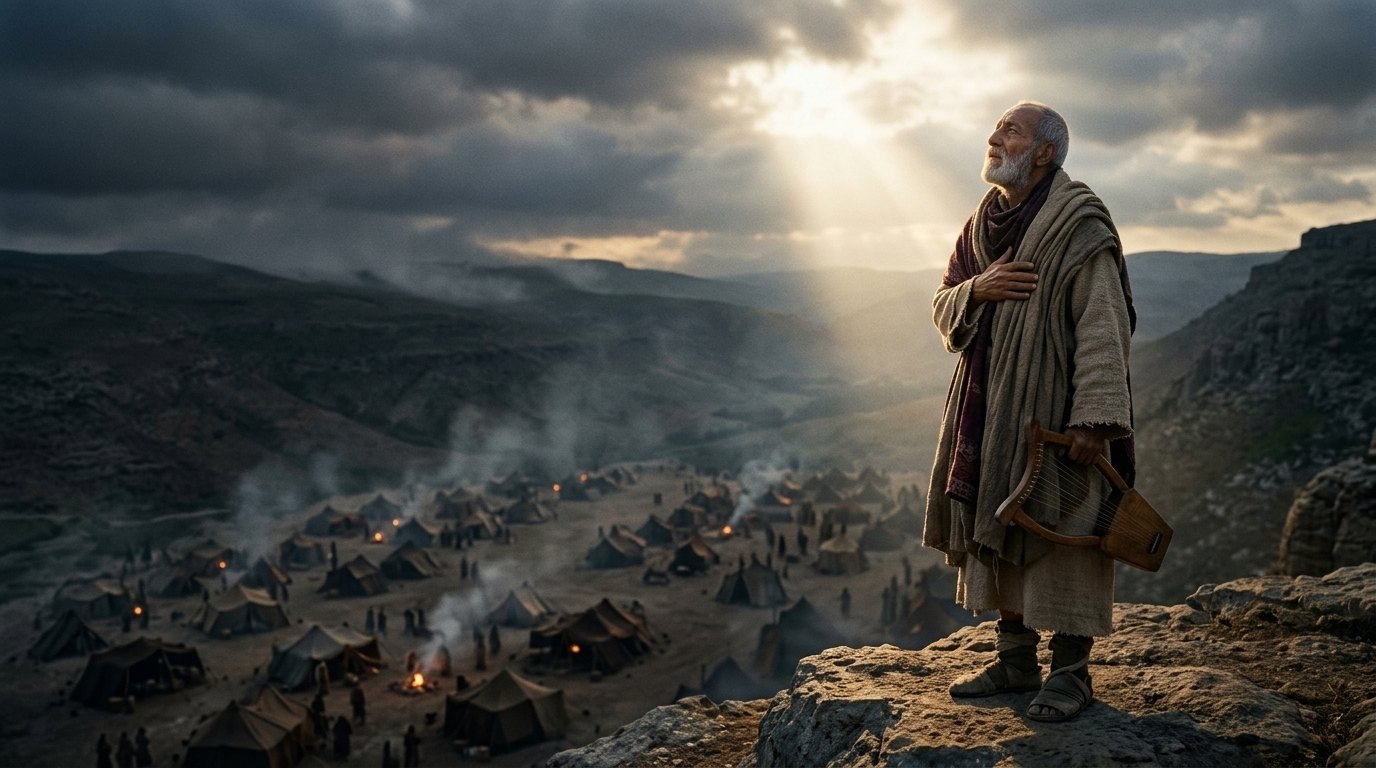
Psalms 27:1-14
1 The LORD is my light and my salvation— whom shall I fear? The LORD is the stronghold of my life— of whom shall I be afraid?
2 When the wicked advance against me to devour me, it is my enemies and my foes who will stumble and fall.
3 Though an army besiege me, my heart will not fear; though war break out against me, even then I will be confident.
4 One thing I ask from the LORD, this only do I seek: that I may dwell in the house of the LORD all the days of my life, to gaze on the beauty of the LORD and to seek him in his temple.
5 For in the day of trouble he will keep me safe in his dwelling; he will hide me in the shelter of his sacred tent and set me high upon a rock.
6 Then my head will be exalted above the enemies who surround me; at his sacred tent I will sacrifice with shouts of joy; I will sing and make music to the LORD.
7 Hear my voice when I call, LORD; be merciful to me and answer me.
8 My heart says of you, “Seek his face!” Your face, LORD, I will seek.
9 Do not hide your face from me, do not turn your servant away in anger; you have been my helper. Do not reject me or forsake me, God my Savior.
10 Though my father and mother forsake me, the LORD will receive me.
11 Teach me your way, LORD; lead me in a straight path because of my oppressors.
12 Do not turn me over to the desire of my foes, for false witnesses rise up against me, spouting malicious accusations.
13 I remain confident of this: I will see the goodness of the LORD in the land of the living.
14 Wait for the LORD; be strong and take heart and wait for the LORD.
New International Version (NIV)
The answer
Psalm 27 teaches that courage comes from belonging to the Lord, seeking His presence above everything else, and waiting for Him while danger is still real. David moves from bold trust (Psalm 27:1-6), to urgent prayer (Psalm 27:7-12), to resilient hope (Psalm 27:13-14). The psalm does not pretend that enemies and troubles are imaginary; it declares that they do not have the final word.
Confidence rests in who God is
David begins, “Yahweh is my light and my salvation. Whom shall I fear?” (Psalm 27:1). Light, salvation and strength describe God Himself, not merely favourable circumstances. Light scatters darkness, salvation brings deliverance, and strength provides security.
The surrounding army in Psalm 27:3 shows that the danger is genuine. David’s confidence is therefore not optimism or denial: the Lord is greater than the danger, and His presence changes what fear can do to the heart.
God’s presence is the highest desire
The “one thing” David seeks is to dwell in God’s house, behold His beauty and inquire in His temple (Psalm 27:4). His deepest longing is not simply escape, revenge or comfort, but communion with God.
The pavilion, tabernacle and rock in Psalm 27:5 picture God’s protection and security. Joyful sacrifices and singing in Psalm 27:6 then show worship as the response to His deliverance.
Faith still cries out honestly
Confidence does not eliminate prayer. David pleads, “Hear, Yahweh, when I cry with my voice. Have mercy also on me, and answer me” (Psalm 27:7). Seeking God’s face in Psalm 27:8 means responding to His invitation by desiring His presence and favour, not merely His gifts.
David asks not to be abandoned, requests guidance and names the false witnesses and cruelty against him (Psalm 27:9-12). Even the extremity of parental abandonment would not mean abandonment by God: “then Yahweh will take me up” (Psalm 27:10). Faith can speak plainly about fear, loneliness and injustice without surrendering to them.
Waiting means courageous hope
David expects to see God’s goodness “in the land of the living” (Psalm 27:13). His hope concerns God’s faithfulness in this life, not only beyond death. Yet the psalm ends with waiting because faith does not control God’s timing.
To wait in Psalm 27:14 is to keep seeking, praying and obeying rather than letting fear dictate the next step. For Christian readers, John 8:12 identifies Jesus as the light of the world who gives the light of life to those who follow Him. Hebrews 13:6 likewise answers fear of people with confidence in the Lord’s help. The courage commanded here is received from the Lord, not manufactured by the believer.
Answered from Scripture · reviewed November 11, 2026
Psalm 27 is David’s triumphant anthem of unshakable confidence, fervent prayer, and steadfast hope anchored in the presence of the Lord. It confronts the terrifying realities of warfare, false accusation, and isolation not by minimizing danger, but by magnifying God as light, salvation, and strength. Walking through its verses equips believers to move from defiant faith through raw supplication into patient, courageous waiting on God.
Unshakable Confidence
Light and Salvation Banish Every Human Fear
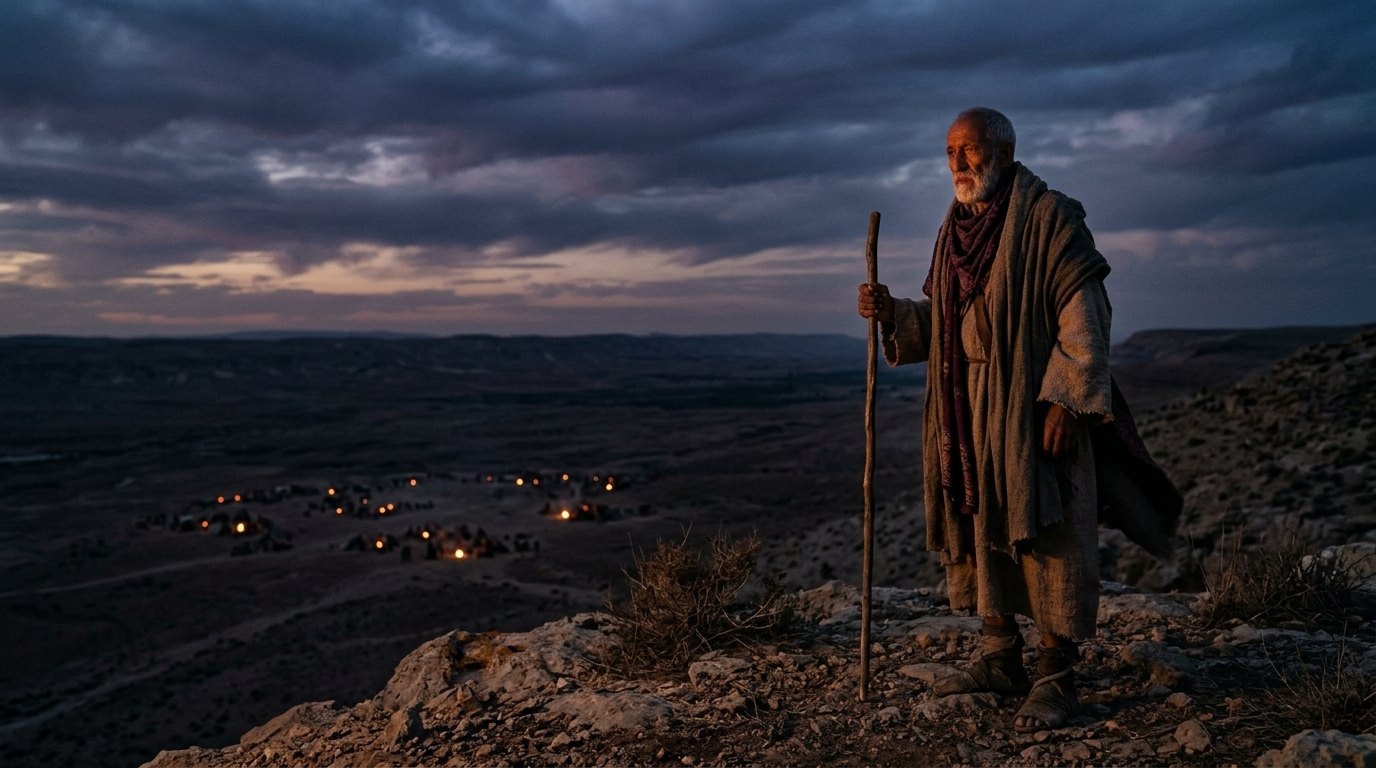
The LORD is my light and my salvation— whom shall I fear? The LORD is the stronghold of my life— of whom shall I be afraid?
Psalms 27:1 (NIV)
David grounds his fearlessness in who God is to him personally—his light, his salvation, and the fortress of his life.
David begins with an unyielding confession of personal faith in Psalm 27:1: 'The Lord is my light and my salvation; whom shall I fear? The Lord is the stronghold of my life; of whom shall I be afraid?' He does not merely state abstract theology; he binds himself to God with personal possessives. When terror looms, light dispels darkness, salvation delivers from calamity, and divine strength fortifies fragile human frailty. Because God is an impregnable bastion, dread loses its warrant.
This confidence is anchored in real history, not wishful thinking. In Psalm 27:2, David recalls how evildoers advanced against him like ravenous beasts to devour his flesh, yet they stumbled and collapsed because the Almighty stood between him and their fury. Such past deliverances fuel future resolve; as Psalm 27:3 declares, even if an entire army besieges him and war breaks out, his heart remains steady and resolute.
This bold assurance echoes through the whole canon of Scripture. When Israel stood victorious beside the parted waters of the Red Sea, Moses proclaimed in Exodus 15:2 that the Lord had become his personal strength, song, and salvation. In identical fashion, Psalm 118:6 rings out with fearless certainty: 'The Lord is on my side; I will not fear. What can man do to me?' The author of Hebrews applies this very truth to New Testament disciples in Hebrews 13:6, reminding believers that because the Lord is their ever-present helper, they need never tremble before mortal man.
| Passage | What it says |
|---|---|
| Psalms 27:1 | David confesses the Lord as his light, salvation, and life's strength, asking whom he could possibly fear. |
| Psalms 27:2 | When violent adversaries advanced to consume him, they stumbled and fell because God stood between them. |
| Psalms 27:3 | Though an entire army encamps against him and battle erupts, David's heart remains fearless and confident in God. |
| Psalms 118:6 | The psalmist proclaims the Lord is on his side, proving human hostility cannot ultimately triumph. |
| Exodus 15:2 | Moses praises the Lord as his strength, song, and salvation following deliverance at the Red Sea. |
| Hebrews 13:6 | Believers boldly confess the Lord as their helper, declaring freedom from the fear of man. |
The One Thing
Dwelling in the Beauty of God's Sanctuary
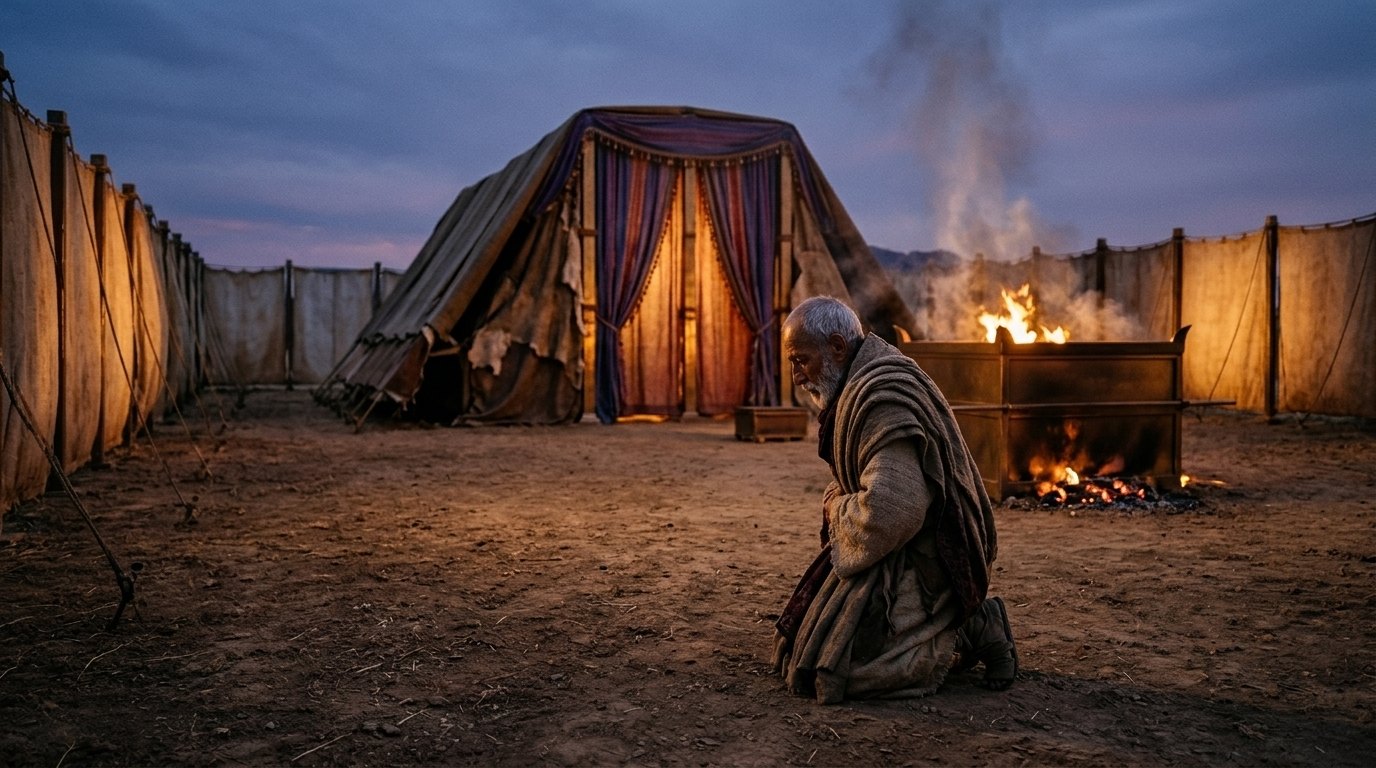
One thing I ask from the LORD, this only do I seek: that I may dwell in the house of the LORD all the days of my life, to gaze on the beauty of the LORD and to seek him in his temple.
Psalms 27:4 (NIV)
David clarifies the supreme ambition of his life: unbroken communion with God to gaze upon His delightful beauty.
Beneath David’s martial boldness beats a singular, focused longing unveiled in Psalm 27:4: 'One thing have I asked of the Lord, that will I seek after: that I may dwell in the house of the Lord all the days of my life, to gaze upon the beauty of the Lord and to inquire in his temple.' In the ancient Near East, kings sought territorial conquest, vast harems, and eternal earthly fame. David narrows his entire existence to a single, consumed priority: perpetual, unhindered communion with his Maker, marveling at His pleasant graciousness and seeking divine counsel.
This intimacy is not an escapist fantasy; it is the ultimate stronghold in times of crisis. According to Psalm 27:5, when disaster descends, the Lord conceals His servant within His secret pavilion, sheltering him under the shadow of His sacred tent and planting his feet high upon an inaccessible rock. Secure in this divine sanctuary, David declares in Psalm 27:6 that his head is lifted high above surrounding foes, prompting joyful sacrifices, ringing trumpets, and songs of grateful praise.
The beauty David beheld in shadow shines in fullness across the rest of revelation. Psalm 84:11 celebrates that the Lord God is a sun and a shield, lavishing grace and glory while withholding no good thing from the upright. Ultimately, this divine light took on human flesh when Jesus announced in John 8:12, 'I am the light of the world. Whoever follows me will not walk in darkness, but will have the light of life.' To behold God's beauty is to gaze upon Christ, whose presence is the eternal dwelling place of His redeemed people.
| Passage | What it says |
|---|---|
| Psalms 27:4 | David asks for one supreme priority: dwelling in the Lord's house forever to gaze on His beauty. |
| Psalms 27:5 | In days of distress, the Lord shelters him secretly within His pavilion and sets him high upon a rock. |
| Psalms 27:6 | Exalted above surrounding enemies, David joyfully offers sacrifices in God's tent with singing and praise. |
| Psalms 84:11 | The Lord God is a sun and shield who gives grace and glory, withholding no good thing. |
| John 8:12 | Jesus declares Himself the light of the world, promising that His followers possess the light of life. |
Urgent Supplication
Seeking God's Face Amid Threats and Rejection
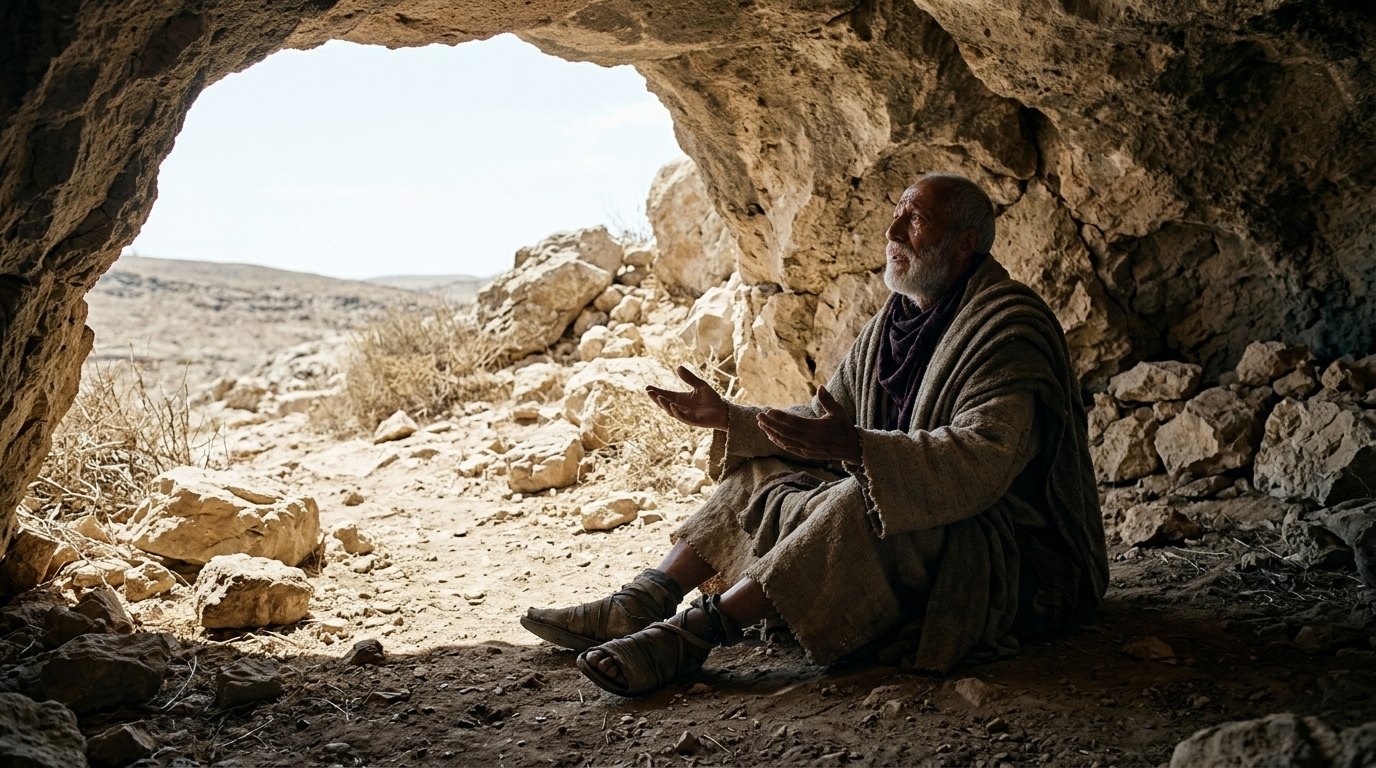
My heart says of you, “Seek his face!” Your face, LORD, I will seek.
Psalms 27:8 (NIV)
David’s immediate, obedient heart-response to God's command shows that true prayer is answering the Lord’s personal invitation.
The triumphant song suddenly turns into fervent supplication in Psalm 27:8, revealing the heartbeat of genuine prayer: 'You have said, "Seek my face." My heart says to you, "Your face, Lord, do I seek."' David does not invent an audience with God; he responds with swift, instinctive obedience to God's own gracious initiative. Prayer is never an attempt to coerce a reluctant deity, but a humble answer to a Father who calls His child to draw near.
Yet David writes from the crucible of severe distress. In Psalm 27:7, he cries aloud with his voice, pleading for divine mercy. He begs in Psalm 27:9 that the Lord not conceal His countenance, turn His servant away in anger, or abandon him in helplessness. Even if the closest human bonds dissolve—as Psalm 27:10 observes, 'For my father and my mother have forsaken me, but the Lord will take me in'—God's covenant love remains unconditional, gathering up the rejected into His fatherly care.
Because the snares around him are real, David petitions God in Psalm 27:11 to teach him His way and guide him along a level path because of watchful adversaries. He pleads in Psalm 27:12 not to be surrendered to the malicious will of foes who breathe out violent falsehoods against his name. In our acute weakness and vulnerability, the Lord provides sufficient strength; as Christ promised the apostle Paul in 2 Corinthians 12:9, 'My grace is sufficient for you, for my power is made perfect in weakness.' Divine presence sustains the beleaguered believer when earthly help vanishes.
| Passage | What it says |
|---|---|
| Psalms 27:7 | David cries aloud with his voice, pleading for the Lord to show mercy and answer him. |
| Psalms 27:8 | When the Lord said to seek His face, David's heart instantly answered that he would seek Him. |
| Psalms 27:9 | David pleads that God not hide His face, depart in anger, or forsake him in distress. |
| Psalms 27:10 | Even if earthly parents abandon him, the Lord will gather him up and take him in. |
| Psalms 27:11 | David asks the Lord to teach him His way and lead him on a straight, plain path. |
| Psalms 27:12 | David begs not to be surrendered to false witnesses and ruthless enemies breathing out violence. |
| 2 Corinthians 12:9 | Christ reassures Paul that divine grace is sufficient, for power is perfected in human weakness. |
Patient Expectation
Waiting in Courage to See God's Goodness
Wait for the LORD; be strong and take heart and wait for the LORD.
Psalms 27:14 (NIV)
The psalm's climactic charge commands the reader to wait for the Lord with an emboldened, courageous heart.
The psalm concludes not in panicked desperation, but in settled, expectant stillness. David issues a climactic exhortation to his own soul and to every reader in Psalm 27:14: 'Wait for the Lord; be strong, and let your heart take courage; wait for the Lord!' The repetition of 'wait' frames the biblical discipline of active, confident hope. Waiting on the Lord is neither passive resignation nor timid paralysis; it is the courageous, resolute anchoring of the soul upon God's character while His providence unfolds.
This endurance is sustained by absolute certainty of God’s covenant faithfulness. In Psalm 27:13, David looks back from the brink of despair to confess, 'I believe that I shall look upon the goodness of the Lord in the land of the living!' He possesses an unwavering confidence that God will vindicate His promises not merely in eternity, but within the historical reality of his earthly life. Despair cannot take root where the goodness of God is anticipated with such fierce faith.
For every believer walking through dark valleys, prolonged delays, and hostile opposition, this psalm offers an enduring anchor. Waiting on God renews spiritual strength, silences earthly fear, and fixes the gaze on the Lord's unchanging goodness. True courage is born when the heart ceases striving and rests entirely in the hands of the living God.
| Passage | What it says |
|---|---|
| Psalms 27:13 | David affirms his unyielding certainty that he will behold the goodness of the Lord in this life. |
| Psalms 27:14 | David commands his soul to wait for the Lord, be strong, take courage, and wait steadfastly. |
Where in the Bible
| Book | Passages |
|---|---|
| Exodus | 1 · Exodus 15:2 |
| Psalms | 16 · Psalms 27:1, Psalms 27:2, Psalms 27:3, Psalms 118:6, Psalms 27:4, Psalms 27:5, Psalms 27:6, Psalms 84:11, Psalms 27:7, Psalms 27:8, Psalms 27:9, Psalms 27:10, Psalms 27:11, Psalms 27:12, Psalms 27:13, Psalms 27:14 |
| John | 1 · John 8:12 |
| 2 Corinthians | 1 · 2 Corinthians 12:9 |
| Hebrews | 1 · Hebrews 13:6 |
The story in order
- God's strength and salvation (c. 1450 BC) · Exodus 15:2 · Moses praises God's power after the Red Sea deliverance.
- The Lord is on my side (c. 1000 BC) · Psalms 118:6 · The psalmist declares God's presence against human hostility.
- Dwelling in God's house (c. 1000 BC) · Psalms 27:4 · David's supreme desire is to be in God's presence.
- God shelters and exalts (c. 1000 BC) · Psalms 27:5 · God protects David in times of distress.
- Seeking God's face (c. 1000 BC) · Psalms 27:8 · David responds to God's call to seek Him.
- God will not forsake (c. 1000 BC) · Psalms 27:10 · Even parents may fail, but God will not.
- Teach me Your way (c. 1000 BC) · Psalms 27:11 · David asks for guidance on a straight path.
- Wait for the Lord (c. 1000 BC) · Psalms 27:14 · David exhorts his soul to be strong and wait.
- Jesus, light of the world (c. AD 30) · John 8:12 · Jesus identifies Himself as the source of life's light.
- Power in weakness (c. AD 55) · 2 Corinthians 12:9 · God's grace is sufficient, His power shown in weakness.
- Freedom from fear of man (c. AD 65) · Hebrews 13:6 · Believers boldly confess God as helper, fearing no man.
Key words
- Light (ʾôr, אוֹר)
- God illuminates truth, provides guidance, and banishes spiritual darkness. · Psalms 27:1
- Salvation (yəšûʿâ, יְשׁוּעָה)
- Deliverance from danger, sin, and enemies; God's saving power. · Psalms 27:1
- Strength (ʿōṣem, עֹצֶם)
- God's power and might, enabling His people to overcome. · Psalms 27:1
- Seek His face (darēš pānîm, דְּרַשׁ פָּנִים)
- To earnestly desire and pursue intimacy and relationship with God. · Psalms 27:8
- Wait (qāwâ, קָוָה)
- To patiently and steadfastly hope in the Lord for His deliverance and goodness. · Psalms 27:14
Psalm 27 teaches that biblical faith is neither blind optimism nor paralyzing fear, but an active, praying dependence upon the living God. When darkness gathers and adversaries press close, you can turn your heart to seek His face, confident that you will see His goodness in the land of the living. Take courage, stand fast in His shelter, and wait patiently for the Lord.
20 passages, each cited once.
Scripture cited
- Psalms 27
- Hebrews 13:6
- John 8:12