What does the Bible say about a spouse who cheats?
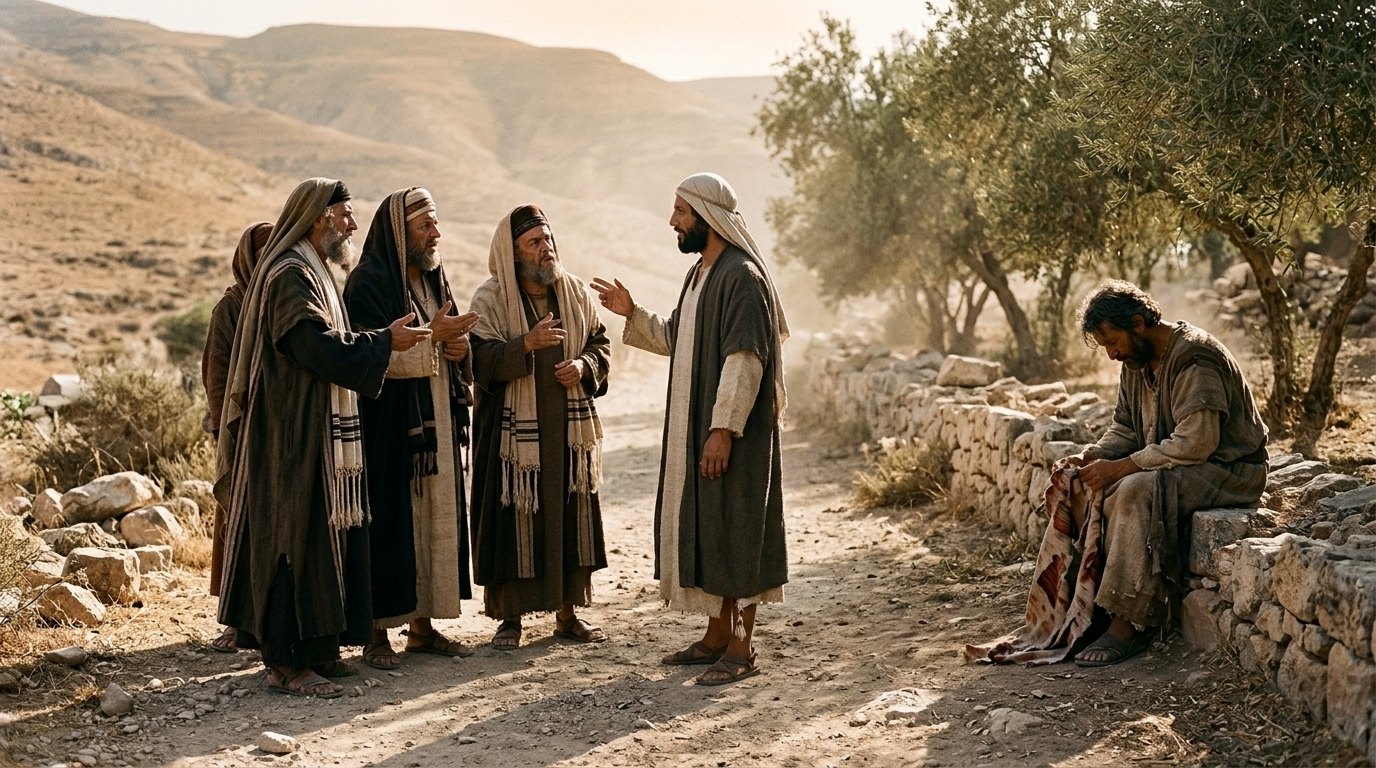
Matthew 19:9
9 I tell you that anyone who divorces his wife, except for sexual immorality, and marries another woman commits adultery.”
New International Version (NIV)
The answer
The Bible calls a spouse’s cheating adultery: sin against God and treachery against the marriage covenant. It is never justified, and unrepentant adultery brings God’s judgment. Jesus names sexual immorality as an exception in His teaching on divorce, so the betrayed spouse is permitted—but not commanded—to divorce. Where there is genuine repentance, forgiveness and reconciliation are possible. Adultery is serious, but it is not beyond Christ’s forgiveness and cleansing.
What cheating does
- It breaks God’s command. Exodus 20:14 says, “You shall not commit adultery.” Hebrews 13:4 requires marriage to be honoured and the marriage bed kept undefiled, warning that “God will judge the sexually immoral and adulterers.”
- It betrays a covenant, not merely a feeling. Malachi 2:14-16 describes unfaithfulness to one’s spouse as dealing treacherously with a companion and covenant partner. Marriage is a one-flesh union established by God, not an arrangement to be discarded at will (Matthew 19:4-6).
- It brings deep damage. Proverbs 6:32-33 says the adulterer destroys his own soul and brings wounds, dishonour and reproach upon himself. The pain caused by betrayal is real; Scripture does not treat it as a small offence.
- Sin also reaches the heart. Jesus teaches that deliberately looking at another person with lust is adultery in the heart (Matthew 5:28). Outward adultery and inward lust are not identical acts, but both require repentance.
Does cheating permit divorce?
Yes—Jesus gives sexual immorality as an exception, but He does not require divorce. In Matthew 19:9 He says, “whoever divorces his wife, except for sexual immorality, and marries another, commits adultery.” Matthew 5:32 contains the same exception. Adultery therefore gives the innocent spouse a biblical permission to divorce; it does not automatically dissolve the marriage or make divorce the only faithful response.
The ordinary pattern remains faithfulness and, where possible, reconciliation. Paul gives the general command that spouses are not to leave one another; if separation occurs, he names remaining unmarried or being reconciled (1 Corinthians 7:10-11).
On remarriage after divorce for adultery, Christians have understood the details differently. Some understand the exception in Matthew 19:9 to cover both divorcing and marrying another, permitting the innocent spouse to remarry. Others permit divorce but hold that remarriage is barred while the former spouse lives, pointing to Romans 7:2-3 and 1 Corinthians 7:39. What Jesus plainly condemns is divorce without His exception followed by marriage to another person.
What repentance and restoration require
Repentance is more than being sorry that the affair was discovered. Proverbs 28:13 promises mercy to the one who confesses and renounces sin, not to the one who conceals it. Second Corinthians 7:10-11 distinguishes godly sorrow that produces repentance from worldly sorrow. For the cheating spouse, that means ending the immorality, telling the truth, turning away from it and accepting responsibility rather than blaming the betrayed spouse.
Jesus also provides a path for addressing sin: private confrontation first, then one or two witnesses if the person refuses to listen, and finally the church if the refusal continues (Matthew 18:15-17). Persistent, unrepentant adultery must not simply be ignored or treated as acceptable.
When the offending spouse repents, Jesus commands forgiveness (Luke 17:3-4). Forgiveness does not mean calling the adultery harmless, denying its consequences or pretending that trust has instantly returned. Reconciliation involves genuine repentance and fruit; divorce remains permitted where the marriage is not restored.
Judgment and hope
First Corinthians 6:9-10 warns plainly that adulterers who continue in unrighteousness will not inherit God’s kingdom. But the next verse addresses people who had formerly lived in such sins: “you were washed. You were sanctified. You were justified in the name of the Lord Jesus, and in the Spirit of our God” (1 Corinthians 6:11).
That is the hope for the cheating spouse who repents: not permission to continue, but real forgiveness, cleansing and a new life in Christ. First John 1:9 promises, “If we confess our sins, he is faithful and righteous to forgive us the sins and to cleanse us from all unrighteousness.”
Answered from Scripture · reviewed November 11, 2026
Scripture treats marital unfaithfulness with absolute seriousness, defining adultery as a direct violation of a sacred covenant witnessed by God. While God demands genuine repentance from the unfaithful spouse and exposes the severe destruction betrayal brings, he also protects the betrayed spouse and offers mercy where hearts are truly broken before him.
The Broken Covenant
God holds marriage as an inviolable sacred covenant

You ask, “Why?” It is because the LORD is the witness between you and the wife of your youth. You have been unfaithful to her, though she is your partner, the wife of your marriage covenant.
Malachi 2:14 (NIV)
It establishes that the Lord stands as an active witness to the marriage vows made between a husband and wife.
In Malachi 2:14, the prophet confronts a community where men dealt treacherously with their wives, declaring that the Lord was witness between you and the wife of your youth. Marriage is not merely a social arrangement or civil contract; it is an enduring covenant established under the eyes of God. To break faith with one's companion is to violate a solemn pledge made before heaven itself. From the early days of Israel's gathering at Mount Sinai, the moral law gave absolute clarity on this issue. Exodus 20:14 carved the Seventh Commandment into stone: "You shall not commit adultery," a command reiterated verbatim in Deuteronomy 5:18 as a cornerstone of divine righteousness.
Under the Mosaic legal order, the gravity of infidelity carried the sternest penalties. Both Leviticus 20:10 and Deuteronomy 22:22 established that adultery between a married person and another partner incurred the sentence of death for both guilty parties. This severe judicial standard illustrated the intense spiritual pollution and social ruin that betrayal introduces into a community. In Proverbs 2:16-17, wisdom warns against the treacherous adulterer who "forsakes the companion of her youth and forgets the covenant of her God." Infidelity is always a dual betrayal: it breaks faith with an earthly spouse while simultaneously scorning the divine witness who sanctified the bond. Moving into the New Covenant, Hebrews 13:4 leaves no doubt regarding God's unwavering posture toward the marriage bed. It commands that marriage be held in honor among all and that the marriage bed be kept undefiled, giving the sober warning that God will judge the sexually immoral and adulterers.
| Passage | What it says |
|---|---|
| Exodus 20:14 | Sets forth the Seventh Commandment explicitly prohibiting the act of adultery. |
| Leviticus 20:10 | Demonstrates the severe moral weight God placed upon adultery under the Sinai covenant. |
| Malachi 2:14 | Names the wife of one's youth as a companion and covenant partner witnessed by God. |
| Hebrews 13:4 | Commands that the marriage bed be kept undefiled, warning of divine judgment on adulterers. |
| Deuteronomy 5:18 | Reiterates the seventh commandment forbidding adultery as a foundational moral law. |
| Deuteronomy 22:22 | Prescribes severe judgment under Mosaic civil law for both parties involved in marital infidelity. |
| Proverbs 2:16-17 | Describes the unfaithful spouse who leaves the companion of youth and forgets God's covenant. |
The Path of Ruin
Sinful betrayal brings inevitable destruction and loss
But a man who commits adultery has no sense; whoever does so destroys himself.
Proverbs 6:32 (NIV)
It pinpoints the absolute self-destructive folly of committing adultery against a spouse.
Proverbs 6:32 lays bare the utter irrationality of infidelity: he who commits adultery lacks sense; he who does it destroys himself. While lust promises fleeting pleasure, betrayal extracts a devastating toll upon the body, conscience, and life of the one who strays. Proverbs 5:3-14 warns of this precise trap, noting that while the lips of the forbidden woman drip honey, her end is as bitter as wormwood and as sharp as a two-edged sword, ultimately leaving the transgressor to mourn in physical ruin and agonizing regret. In Proverbs 6:26-29, the sage asks whether a man can carry fire next to his chest without burning his clothes, or walk on hot coals without searing his feet; so is whoever goes in to his neighbor's wife.
Betrayal also unleashes irreversible earthly relational devastation. Proverbs 6:32-35 warns that wounds and dishonor are the transgressor's wage, inciting furious marital jealousy that will accept no compensation. Job acknowledged this moral reality in Job 31:9-12, calling marital unfaithfulness an iniquity deserving judgment, a fire that consumes to the depths of destruction. Yet sin frequently deceives its practitioner into callous indifference, just as Proverbs 30:20 captures the chilling portrait of an unrepentant adulterer who "eats and wipes her mouth and says, 'I have done no wrong.'" Proverbs 7:21-27 traces how this careless descent leads directly to the chambers of death. For this reason, the New Testament offers direct commands regarding self-control. 1 Corinthians 6:18 urges believers to "flee from sexual immorality," explaining that every other sin is outside the body, but the sexually immoral person sins against his own body. In 1 Thessalonians 4:3-6, Paul stresses that God's will is sanctification, warning that no one should wrong or defraud his brother in this matter, because the Lord is an avenger in all these things.
| Passage | What it says |
|---|---|
| Proverbs 5:3-14 | Warns of the bitter consequences, lost strength, and regret that follow yielding to infidelity. |
| Proverbs 6:26-29 | Illustrates that taking adultery into one's life is like carrying fire against one's chest. |
| Proverbs 6:32-35 | Declares that the adulterer lacks understanding, destroys his own soul, and incites furious jealousy. |
| 1 Corinthians 6:18 | Exhorts believers to flee sexual immorality because it is a sin against one's own body. |
| Job 31:9-12 | Job calls marital betrayal an iniquity deserving judgment that consumes unto total destruction. |
| Proverbs 7:21-27 | Traces the deadly descent of yielding to adulterous temptation into the chambers of death. |
| Proverbs 30:20 | Depicts the hardened, unrepentant mind of an adulterer who wipes her mouth and claims innocence. |
| 1 Thessalonians 4:3-6 | Commands sanctification and sexual purity, warning that the Lord avenges those who defraud their brothers. |
Protection for the Betrayed
Christ addresses unfaithfulness and protects the wounded spouse

I tell you that anyone who divorces his wife, except for sexual immorality, and marries another woman commits adultery.”
Matthew 19:9 (NIV)
Jesus explicitly names sexual immorality as the exception that does not impute guilt to the faithful party.
When dealing with marital abandonment and adultery, Jesus consistently protected the innocent party from being held culpable for a covenant severed by unfaithfulness. In Matthew 19:9, Christ gives clear instruction: whoever divorces his wife, except for sexual immorality, and marries another, commits adultery. In this statement, often called the exception clause, Jesus does not command divorce, but he recognizes that marital unfaithfulness shatters the one-flesh union at its core. Matthew 5:31-32 underscores this principle during the Sermon on the Mount, showing that flippant, casual dismissals of marriage cause immense wreckage, but adultery itself introduces a destructive breach that God does not force an innocent victim to bear as their own moral failure.
The New Testament upholds absolute equality of moral accountability between husband and wife. In Mark 10:11-12, Jesus addresses both spouses equally, establishing that either a husband or a wife who divorces and remarries commits adultery against their partner, sweeping away ancient cultural double standards that tolerated male infidelity while severely judging women. In Luke 16:18, Christ reiterates the sanctity of the marital bond, guarding it against the rampant, trivial divorces of his day. In Romans 7:2-3, Paul expounds on the legal and moral binding of marriage under the law, demonstrating that the covenant remains active until death dissolves the relationship. Yet Scripture is compassionate toward the realities of abandonment; in 1 Corinthians 7:10-15, Paul instructs that while reconciliation remains the ideal goal, if an unbelieving spouse departs, the faithful believer "is not enslaved" in such cases, for God has called his people to peace.
| Passage | What it says |
|---|---|
| Matthew 5:31-32 | Jesus explains that unfaithfulness fractures the marriage bond and causes profound marital harm. |
| Matthew 19:8-9 | Affirms that divorce because of sexual immorality protects the faithful spouse from committing adultery. |
| Mark 10:11-12 | Shows that husbands and wives are held to the same standard of fidelity before God. |
| 1 Corinthians 7:10-15 | Outlines God's design for marital preservation while recognizing situations where peace allows release. |
| Luke 16:18 | Affirms the sanctity of the marital bond against casual divorce and remarriage. |
| Romans 7:2-3 | Explains that a married person is bound by law to their spouse as long as they live. |
Repentance and Cleansing
Betrayal can be forgiven through genuine repentance

Create in me a pure heart, O God, and renew a steadfast spirit within me.
Psalms 51:10 (NIV)
David cries out for an entirely renewed heart and steadfast spirit after being exposed in his adultery.
Even in the wake of catastrophic betrayal, the gospel offers genuine hope for deep spiritual transformation and pardon. In Psalm 51:10, King David cries out in agony after his adultery with Bathsheba: create in me a clean heart, O God, and renew a right spirit within me. David did not attempt to minimize or excuse his betrayal. When confronted by the prophet in 2 Samuel 12:13, David confessed plainly, "I have sinned against the Lord," and Nathan immediately delivered God's word of mercy: "The Lord also has put away your sin; you shall not die." While earthly consequences followed David's household, divine condemnation was lifted through true godly sorrow. Psalm 51:1-4 captures David's broken posture as he pleads for mercy according to God's steadfast love, recognizing that all sin is ultimately a cosmic offense against a holy God. Psalm 51:10-17 reveals that the sacrifices God desires are a broken and contrite heart, which he will never despise.
The New Testament confirms that unfaithfulness is not beyond the reach of Christ's cleansing blood. In 1 Corinthians 6:9-11, Paul catalogs various sins, explicitly naming adulterers, but immediately follows with triumphant grace: "And such were some of you. But you were washed, you were sanctified, you were justified in the name of the Lord Jesus Christ and by the Spirit of our God." Jesus demonstrated this balance of pure mercy and uncompromising holiness in John 8:10-11, where he refused to stone a woman caught in the act of adultery, telling her, "Neither do I condemn you; go, and from now on sin no more." This complete restoration remains open to every soul who comes clean before God, anchored in the promise of 1 John 1:9: if we confess our sins, he is faithful and just to forgive us and cleanse us from all unrighteousness.
| Passage | What it says |
|---|---|
| 2 Samuel 12:13 | Records David's confession of sin after Nathan's confrontation and the Lord's removal of his guilt. |
| Psalms 51:1-4 | Demonstrates the posture of true godly sorrow that acknowledges sin against God alone. |
| Psalms 51:10-17 | Affirms that God will not despise a broken and contrite heart seeking cleansing and restoration. |
| 1 Corinthians 6:9-11 | Lists adulterers among those who were washed, sanctified, and justified in the name of Jesus. |
| John 8:10-11 | Jesus extends mercy to a woman caught in adultery while commanding her to sin no more. |
| 1 John 1:9 | Promises that faithful confession brings divine forgiveness and cleansing from all unrighteousness. |
Faithfulness and Justice
God directs the response of the wounded believer

Do not take revenge, my dear friends, but leave room for God’s wrath, for it is written: “It is mine to avenge; I will repay,” says the Lord.
Romans 12:19 (NIV)
It forbids personal retaliation, anchoring justice firmly in the sovereign hands of God.
The instinct of a shattered heart is retaliation, yet the highlighted word of Romans 12:19 strips vengeance from our hands: "Vengeance is Mine, I will repay," says the Lord. By commanding the wounded believer to step back from personal retribution, God does not minimize the agony of betrayal; rather, He asserts His absolute jurisdiction as the righteous Judge who sees every hidden act. Paul presses this discipline even further across Romans 12:19-21, calling the faithful to leave room for divine wrath and actively overcome evil with good rather than succumbing to bitterness.
Where the unfaithful partner turns toward truth, James 5:16 demands unvarnished honesty, commanding believers to confess their sins to one another and pray for one another so that healing may come. True recovery cannot begin with minimized excuses or secrecy. When restoration is possible, Galatians 6:1-2 charges mature believers to restore a fallen brother or sister with a spirit of gentleness, keeping watchful guard over their own hearts while bearing one another's heavy burdens. Finally, Ephesians 4:31-32 lays down the ultimate standard for personal conduct: all bitterness, wrath, anger, clamor, and slander must be put away, replaced by tenderhearted kindness and the willingness to extend forgiveness just as God in Christ forgave us.
| Passage | What it says |
|---|---|
| Romans 12:19-21 | Commands believers not to avenge themselves but to overcome evil with good. |
| James 5:16 | Instructs confessing sins to one another and praying for healing rather than hiding guilt. |
| Galatians 6:1-2 | Directs spiritual believers to restore those caught in sin with gentleness while watching themselves. |
| Ephesians 4:31-32 | Urges putting away bitterness and wrath, walking in forgiveness as Christ forgave. |
Grace and Reconciliation
Redeeming love mirrors God's relentless mercy to wayward people
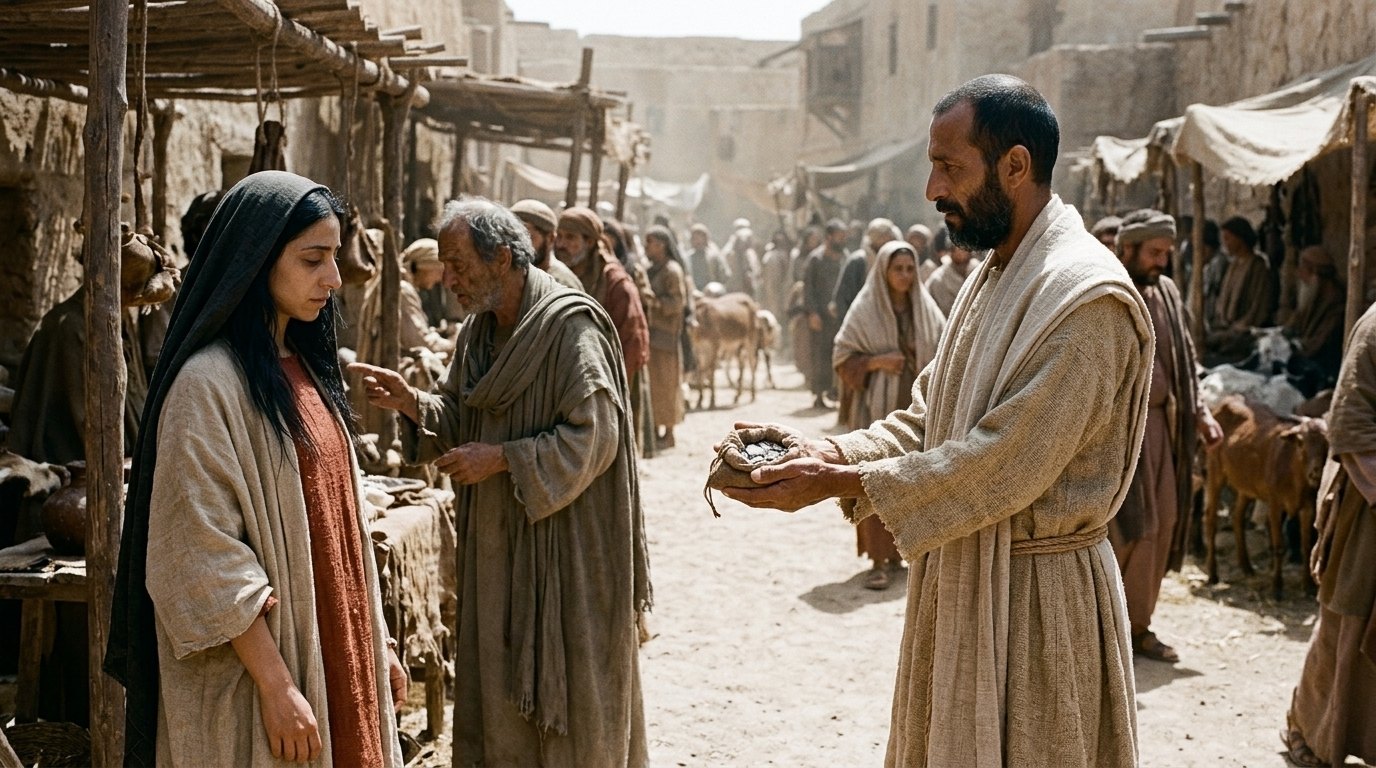
The LORD said to me, “Go, show your love to your wife again, though she is loved by another man and is an adulteress. Love her as the LORD loves the Israelites, though they turn to other gods and love the sacred raisin cakes.”
Hosea 3:1 (NIV)
It shows that God calls for steadfast, sacrificial love toward an unfaithful spouse as a reflection of His own grace.
The staggering depth of God's redeeming mercy is embodied in Hosea 3:1, where the prophet receives an astonishing divine mandate: "Go again, love a woman who is loved by a lover and is committing adultery, just like the love of the Lord for the children of Israel." In Hosea 3:1-3, Hosea obeys by purchasing Gomer back from her degradation, paying fifteen shekels of silver and a measure of barley to bring her home into holy fidelity. This living parable displays how covenantal love actively pursues the unworthy, mirroring God's relentless posture toward His own unfaithful people.
The same divine heart speaks in Jeremiah 3:1, where the Lord confronts Israel's pervasive spiritual whoredom yet still opens an astonishing door of grace, crying out: "Yet return to Me." Such radical mercy is mirrored in Christ's teaching on human relationships in Luke 17:3-4, where He commands His disciples to rebuke sin plainly, but to extend full forgiveness every time genuine repentance is voiced. For the Christian marriage, Colossians 3:12-13 seals this charge, instructing believers as God's chosen and beloved people to put on compassion, bearing with one another and forgiving freely, precisely as the Lord has forgiven them.
| Passage | What it says |
|---|---|
| Hosea 3:1-3 | God commands Hosea to buy back his unfaithful wife, modeling redemptive, covenantal love. |
| Jeremiah 3:1 | Highlights God's gracious invitation to an unfaithful people to return to Him. |
| Luke 17:3-4 | Instructs believers to forgive a brother repeatedly whenever genuine repentance is shown. |
| Colossians 3:12-13 | Commands believers to bear with one another and forgive as Christ forgave them. |
Where in the Bible
| Book | Passages |
|---|---|
| Exodus | 1 · Exodus 20:14 |
| Leviticus | 1 · Leviticus 20:10 |
| Deuteronomy | 2 · Deuteronomy 5:18, Deuteronomy 22:22 |
| 2 Samuel | 1 · 2 Samuel 12:13 |
| Job | 1 · Job 31:9-12 |
| Psalms | 2 · Psalms 51:1-4, Psalms 51:10-17 |
| Proverbs | 6 · Proverbs 2:16-17, Proverbs 5:3-14, Proverbs 6:26-29, Proverbs 6:32-35, Proverbs 7:21-27, Proverbs 30:20 |
| Jeremiah | 1 · Jeremiah 3:1 |
| Hosea | 1 · Hosea 3:1-3 |
| Malachi | 1 · Malachi 2:14 |
| Matthew | 2 · Matthew 5:31-32, Matthew 19:8-9 |
| Mark | 1 · Mark 10:11-12 |
| Luke | 2 · Luke 16:18, Luke 17:3-4 |
| John | 1 · John 8:10-11 |
| Romans | 2 · Romans 7:2-3, Romans 12:19-21 |
| 1 Corinthians | 3 · 1 Corinthians 6:18, 1 Corinthians 7:10-15, 1 Corinthians 6:9-11 |
| Galatians | 1 · Galatians 6:1-2 |
| Ephesians | 1 · Ephesians 4:31-32 |
| Colossians | 1 · Colossians 3:12-13 |
| 1 Thessalonians | 1 · 1 Thessalonians 4:3-6 |
| Hebrews | 1 · Hebrews 13:4 |
| James | 1 · James 5:16 |
| 1 John | 1 · 1 John 1:9 |
The story in order
- The Law given at Sinai (c. 1450 BC) · Exodus 20:14 · Establishes adultery as a violation of God's moral law.
- Wisdom literature warns against adultery (c. 900 BC) · Proverbs 5:3-14 · Highlights the destructive consequences and regret of infidelity.
- Job defends his integrity (c. 1100 BC) · Job 31:9-12 · Considers marital betrayal a grave iniquity deserving judgment.
- Hosea models God's covenant love (c. 750 BC) · Hosea 3:1-3 · God commands Hosea to redeem his unfaithful wife, showing His love.
- Jeremiah calls Israel to return (c. 600 BC) · Jeremiah 3:1 · God graciously invites an unfaithful people to return to Him.
- Jesus addresses adultery and divorce (c. AD 30) · Matthew 5:31-32 · Explains how unfaithfulness fractures the marriage bond.
- Jesus shows mercy to an adulteress (c. AD 30) · John 8:10-11 · Offers mercy and a command to sin no more.
- Paul on sexual immorality and the body (c. AD 55) · 1 Corinthians 6:18 · Exhorts believers to flee sexual immorality as sin against one's body.
- Paul on marriage and divorce (c. AD 55) · 1 Corinthians 7:10-15 · Outlines God's design for marital preservation and release.
- Hebrews on undefiled marriage (c. AD 65) · Hebrews 13:4 · Commands marriage be kept pure and warns of judgment.
Key words
- Adultery (na'aph, נָאַף)
- Sexual unfaithfulness within marriage; a violation of God's covenant. · Exodus 20:14
- Covenant (berit, בְּרִית)
- A solemn agreement or promise, especially one made between God and his people or between a husband and wife. · Malachi 2:14
- Repentance (metanoia, μετάνοια)
- A sincere turning away from sin, with a desire for change and restoration. · 2 Samuel 12:13
- Forgiveness (aphiemi, ἀφίημι)
- The act of pardoning an offense, releasing the offender from punishment or blame. · Luke 17:3-4
- Sanctification (hagiasmos, ἁγιασμός)
- The process of being made holy or set apart for God's purposes. · 1 Corinthians 6:11
Marital unfaithfulness inflicts profound devastation, yet Scripture leaves neither spouse without clear counsel, moral clarity, and hope. Whether God grants the gift of reconciliation through genuine repentance or the wounded spouse must walk through a permitted release, Christ remains faithful to heal and uphold the brokenhearted.
35 passages, each cited once.
How the major Christian traditions read this
All Christian traditions confess that adultery is a grave sin against God and a devastating violation of the marriage covenant (Exodus 20:14; Hebrews 13:4).
Catholic
We hold that a valid, consummated sacramental marriage between baptized persons can never be dissolved by any human power, even adultery (Mark 10:9; Matthew 19:6). Adultery is a terrible sin that wounds the covenant, and when unrepentant or unsafe, it may justify physical separation of the spouses (1 Corinthians 7:10–11). However, the marriage bond itself endures until death (Romans 7:2–3). Therefore, neither spouse is free to enter a second marriage while the other lives; doing so constitutes adultery (Luke 16:18). Christ’s exception clause in Matthew 19:9 refers either to separation without the right to remarry, or to unlawful unions (porneia) that were never valid marriages to begin with.
Scripture: Matthew 19:6, Mark 10:9, Luke 16:18, Romans 7:2-3, 1 Corinthians 7:10-11
Orthodox
We view marriage as an eternal sacrament reflecting Christ and the Church (Ephesians 5:31–32). Yet, the Church recognizes that marital infidelity (porneia) inflicts a spiritual and physical death upon the one-flesh union, as Christ Himself indicates in Matthew 19:9. While reconciliation and repentance are always the highest goal, the Church pastoral economy (oikonomia) recognises the tragedy of a broken bond when adultery has shattered the union. In such grief, the Church may grant an ecclesiastical divorce to free the innocent party, and out of mercy and condescension to human weakness, permit a penitential second marriage (1 Corinthians 7:9).
Scripture: Matthew 5:32, Matthew 19:9, 1 Corinthians 7:9, Ephesians 5:31-32
Lutheran
We teach that adultery is a flagrant violation of God’s holy commandment to lead a chaste and honorable life and love one's spouse (Exodus 20:14). Jesus explicitly provides an exception for sexual immorality in Matthew 19:9 and Matthew 5:32. When a spouse cheats and refuses repentance, that unfaithfulness breaks the marital bond. While forgiveness and reconciliation should always be pursued where there is true repentance, the innocent party is permitted by Christ’s word to seek a divorce. Furthermore, because the bond has been broken by the adulterous act, the innocent spouse is released and free to remarry in the Lord (1 Corinthians 7:15, 39).
Scripture: Exodus 20:14, Matthew 5:32, Matthew 19:9, 1 Corinthians 7:39, 1 Corinthians 7:15
Reformed & Presbyterian
We confess that adultery breaks the marriage covenant established before God (Malachi 2:14). According to the clear teaching of Christ, sexual immorality is a biblical ground that dissolves the covenant obligation, freeing the innocent party to pursue divorce (Matthew 19:9). While the betrayed spouse should extend grace and seek reconciliation if genuine repentance occurs, they are under no scriptural compulsion to remain bound. When a divorce occurs on biblical grounds of adultery, the innocent party is fully loosed from the marriage covenant and is entirely free to remarry, just as if the offending spouse had died (Matthew 5:32; 1 Corinthians 7:39).
Scripture: Malachi 2:14, Matthew 5:32, Matthew 19:9, 1 Corinthians 7:39
Anglican & Episcopal
We hold marriage as a holy union instituted by God, signifying the mystical union between Christ and His Church (Mark 10:6–9). Adultery violates this sacred estate (Hebrews 13:4). In our historic formularies and pastoral practice, opinions have ranged from seeing marriage as indissoluble—allowing only legal separation without remarriage (1 Corinthians 7:10–11)—to reading our Lord's exception in Matthew 19:9 as permitting the innocent spouse to divorce and remarry. Today, Anglican practice widely allows pastoral care for the betrayed spouse, recognising divorce for adultery and permitting remarriage where repentance, healing, and careful pastoral discernment have occurred.
Scripture: Matthew 19:9, Mark 10:6-9, 1 Corinthians 7:10-11, Hebrews 13:4
Baptist
We look directly to the authority of Scripture: adultery is severe treachery against God and one's spouse (Proverbs 6:32; Hebrews 13:4). Jesus gives an explicit exception for sexual unfaithfulness in Matthew 5:32 and Matthew 19:9. While a believer is called to forgive a repentant spouse, cheating shatters the one-flesh covenant. Therefore, the Bible permits the innocent spouse to initiate a divorce. Because the exception in Matthew 19:9 applies to both divorce and remarriage, the innocent spouse is not held in sin if they later remarry another believer in the Lord (1 Corinthians 7:39).
Scripture: Proverbs 6:32, Matthew 5:32, Matthew 19:9, 1 Corinthians 7:39, Hebrews 13:4
Methodist & Wesleyan
We affirm the sanctity of marriage as a covenant reflecting God's love, but we recognize that sin, especially the betrayal of adultery, causes severe brokenness (Hebrews 13:4). Jesus’ exception clause in Matthew 19:9 demonstrates grace and realistic mercy toward the victim of marital unfaithfulness. While we strongly advocate for redemption, mutual counsel, and forgiveness where repentance is present, we do not require the betrayed spouse to remain in a shattered covenant. Divorce is permitted on grounds of adultery, and God’s restoring grace allows the possibility of remarriage and a new beginning.
Scripture: Matthew 5:32, Matthew 19:9, Romans 7:2-3, Hebrews 13:4
Pentecostal & Charismatic
We believe that marriage is a holy covenant designed by God to remain pure (Hebrews 13:4). Adultery is a grievous sin of the flesh that strikes at the spiritual and physical union of husband and wife (1 Corinthians 6:18). Through the power of the Holy Spirit, even marriages devastated by cheating can experience miraculous repentance and restoration. However, Christ clearly gave an exception for marital unfaithfulness in Matthew 19:9. If the innocent spouse chooses not to reconcile, Scripture permits divorce, and the innocent party is released from the bond and free to remarry.
Scripture: Matthew 19:9, 1 Corinthians 6:18, 1 Corinthians 7:15, Hebrews 13:4
Non-denominational & Evangelical
We hold Scripture as our supreme authority. Cheating is explicitly condemned as adultery, violating God’s covenant design (Exodus 20:14; Malachi 2:14). Jesus provides an exception in Matthew 19:9, meaning sexual immorality gives biblical warrant for an innocent spouse to divorce. Reconciliation through repentance and the gospel is always the first hope, but Scripture does not force an innocent believer to remain in the covenant when infidelity has broken it. The innocent party is released from the marriage bond and is biblically permitted to remarry in the Lord (1 Corinthians 7:15, 39).
Scripture: Exodus 20:14, Malachi 2:14, Matthew 19:9, 1 Corinthians 7:39, 1 Corinthians 7:15
Where they differ
Whether adultery dissolves the marriage bond
- Catholic
- The bond remains completely indissoluble until physical death.
- Orthodox
- It spiritually shatters the union, allowing pastoral dissolution.
- Lutheran
- It breaks the covenant and permits full dissolution.
- Reformed & Presbyterian
- It violates the covenant, giving grounds to dissolve it.
- Anglican & Episcopal
- Historically indissoluble, but modernly recognized as broken by adultery.
- Baptist
- It breaks the one-flesh union and dissolves the bond.
- Methodist & Wesleyan
- It ruins the covenant, permitting its legal and spiritual end.
- Pentecostal & Charismatic
- It shatters the marital bond, releasing the innocent spouse.
- Non-denominational & Evangelical
- It severs the marriage covenant, permitting total dissolution.
Scripture: Matthew 19:6-9, Romans 7:2-3
Remarriage for the innocent spouse
- Catholic
- Forbidden while the spouse lives; considered committing adultery.
- Orthodox
- Permitted under church pastoral economy and penance.
- Lutheran
- Permitted freely by Christ's exception for the innocent party.
- Reformed & Presbyterian
- Permitted fully as though the spouse had died.
- Anglican & Episcopal
- Historically barred, but widely allowed under modern pastoral care.
- Baptist
- Biblically permitted because the exception covers remarriage.
- Methodist & Wesleyan
- Permitted under God's grace and redemptive second chances.
- Pentecostal & Charismatic
- Permitted for the innocent believer who was betrayed.
- Non-denominational & Evangelical
- Permitted in the Lord since the bond is loosed.
Scripture: Matthew 19:9, Luke 16:18, 1 Corinthians 7:39
Your pastor can tell you where your church stands.
Scripture cited
- Matthew 19:9
- Matthew 5:32
- 1 Corinthians 7:39
- Romans 7:2-3
- Matthew 19:3-9
- Matthew 5:27-32
- 1 Corinthians 6:9-11
- Hebrews 13:4
- 1 Corinthians 7:10-15
- Luke 17:3-4
- Exodus 20:14
- Proverbs 6:32-35