What does the Bible say about aging and growing old?
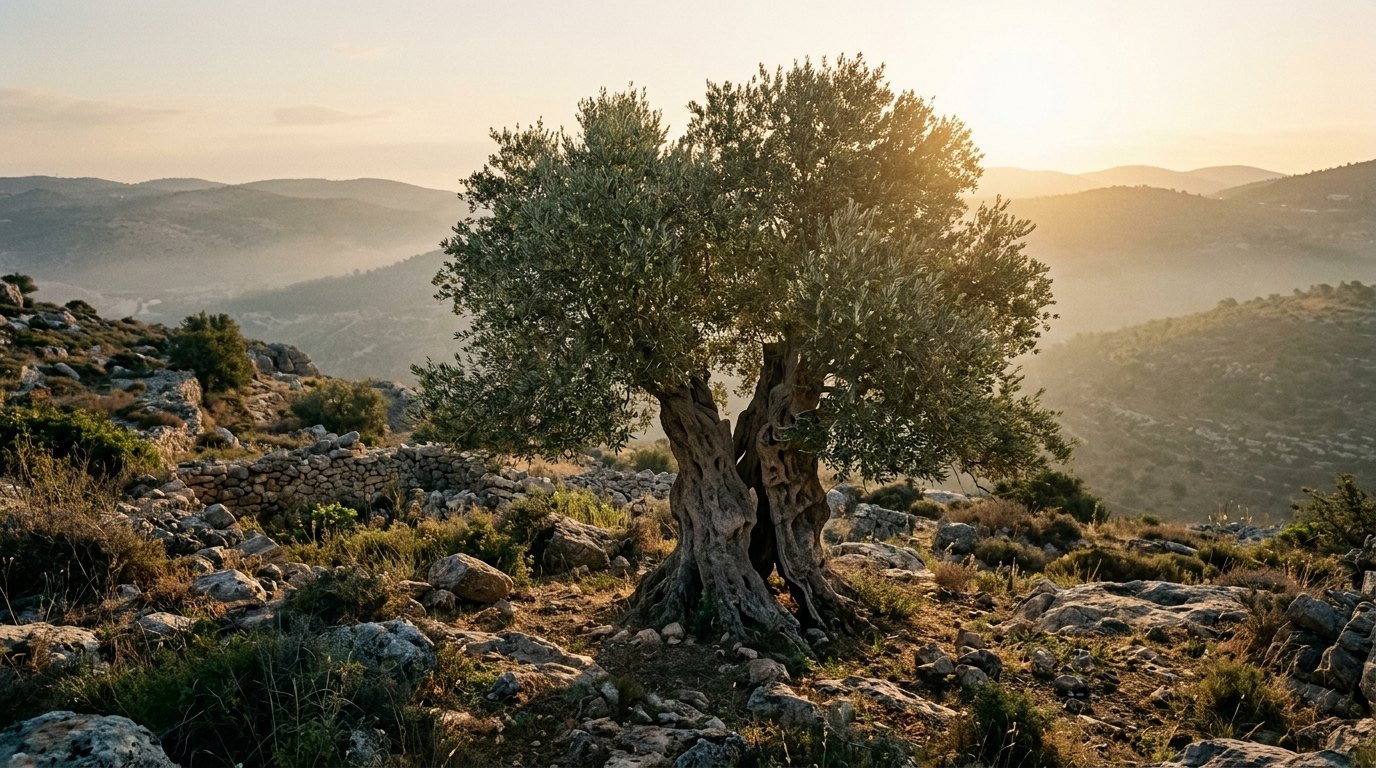
Isaiah 46:4
4 Even to your old age and gray hairs I am he, I am he who will sustain you. I have made you and I will carry you; I will sustain you and I will rescue you.
New International Version (NIV)
The answer
The Bible treats old age as something God is present in, purposes through, and calls His people to honor. Three threads run through the whole teaching on growing older.
God remains faithful through every stage of life
Isaiah 46:4 is the centerpiece: "Even to old age I am he, and even to gray hairs I will carry you. I have made, and I will bear. Yes, I will carry, and will deliver." The same God who formed you in the womb carries you into your last years. Hebrews 13:8 puts it plainly — "Jesus Christ the same yesterday, and to day, and for ever" — and James 1:17 adds that with the Father of lights "is no variableness, neither shadow of turning." So the Bible's first word on aging is that the One who walks with you in youth is the same One who will carry you in old age.
Old age is a season to bear fruit, not only to decline
Psalm 92:14 says of the righteous, "They shall still bring forth fruit in old age; they shall be fat and flourishing." Psalm 71:18 prays for exactly that: "Even when I am old and grayheaded, O God, forsake me not; until I have shewed thy strength unto this generation, and thy power to every one that is to come." Vintage believers have a particular calling — to pass the faith to the next generation. Psalm 48:14 anchors the hope: "This God is our God for ever and ever: he will be our guide even unto death."
Aging brings real frailty, and Scripture speaks honestly about it
Ecclesiastes 12 paints old age as trembling hands, dim eyes, a door that shuts in the street, and the silver cord finally severed (Ecclesiastes 12:3-6). It does not romanticize it. But the Preacher's conclusion is not despair: "Fear God and keep his commandments; for this is the whole duty of man" (Ecclesiastes 12:13). And before the evil days come, the counsel is to "remember also your Creator in the days of your youth" (Ecclesiastes 12:1) — a warning, but also a mercy, because a life that knows God before the onset of age has Someone to hold onto when the years press in. Psalm 102:26-27 sets it in cosmic frame: created things "shall wax old like a garment," but "thou shalt endure."
A community duty: honor the aged
Leviticus 19:32 commands, "You shall rise up before the gray head and honor the face of the elderly; and you shall fear your God. I am Yahweh." Gray hair carries dignity in God's economy, and the people of God are to reflect that honor.
What this looks like in practice
- Pray the Psalm 71 prayer: when strength fails, ask God not to forsake you, but to use you to declare His strength to the next generation (Psalm 71:9, 71:18).
- Keep growing: the picture in Psalm 92:14 is fruit, not retirement from faithfulness.
- Plan your later years around people, not just comfort: the older believer's work is generational — teaching, testifying, modeling steady faith.
- Hold loosely to the body: Ecclesiastes 12:7 — the dust returns to the earth, the spirit returns to God who gave it. Aging is not the last word; the resurrection is.
- Honor the elderly around you: Leviticus 19:32 is not advice; it is a command tied to fearing God.
Answered from Scripture · reviewed November 7, 2026
Scripture never treats growing old as an afterthought or a tragedy to be avoided, but as an ordained season filled with divine purpose, sustained grace, and vital spiritual work. While acknowledging bodily frailty without sentimental gloss, God promises that the same hands that formed us in youth will bear and deliver us to our gray hairs. For the believer, aging is a steady summons to bear fruit in later years, pass living faith to the rising generation, and anticipate the eternal renewal of the inner man.
Unchanging Sustenance
God Carries His People Into Their Old Age

Even to your old age and gray hairs I am he, I am he who will sustain you. I have made you and I will carry you; I will sustain you and I will rescue you.
Isaiah 46:4 (NIV)
God explicitly contrasts lifeless idols that must be carried with Himself, the Creator who promises personally to bear and deliver His people into their gray years.
In Isaiah 46:4, God distinguishes Himself from the exhausted, lifeless idols of Babylon by making an extraordinary covenant promise: even to your old age I am he, and to gray hairs I will carry you. While false gods must be hauled upon the backs of weary beasts, the Living God carries His people from the very moment of their conception. As Isaiah 46:3 emphasizes, Israel was borne from birth, and the Lord pledges that His sustaining care will never lapse, wither, or tire. Because the Lord does not change over the centuries or across our personal lifetimes, the believer enters advanced age resting on an immovable foundation.
This unending faithfulness flows directly from God’s immutable nature. As Hebrews 13:8 declares, Jesus Christ remains the same yesterday, today, and forever, assuring the aging saint that the Savior who redeemed them in their youth will not abandon them in their twilight. James 1:17 reinforces that the Father of lights never shifts or casts a turning shadow; His character and benevolence remain absolute through every stage of human life. Therefore, the aging believer can sing with confidence from Psalm 48:14, knowing that this God is our God forever and will serve as our steady guide even unto death. Although the physical frame eventually falters, Psalm 73:26 provides the anchor: flesh and heart may fail, but God is the eternal strength of the heart and an everlasting portion. Under His providential reign, Moses’ ancient blessing in Deuteronomy 33:25 proves true for all His saints, guaranteeing that as our days are, so our strength shall be.
| Passage | What it says |
|---|---|
| Isaiah 46:3 | God addresses the house of Jacob as those who have been carried by Him from the womb and borne from birth. |
| Isaiah 46:4 | God declares that even to gray hairs He remains the same, pledging to carry, bear, and deliver His own. |
| Hebrews 13:8 | Jesus Christ is proclaimed as unchanged throughout all time, the same yesterday, today, and forever. |
| James 1:17 | The Father of lights is described as unchanging, possessing no shadow of turning. |
| Psalms 48:14 | The psalmist confesses that our God will be our faithful guide even unto death. |
| Psalms 73:26 | Though flesh and heart fail, God remains the eternal strength and portion of His people. |
| Deuteronomy 33:25 | God promises that as a believer's days are, so their strength shall be throughout life. |
Generational Witness
Bearing Fruit and Passing Down the Faith

They will still bear fruit in old age, they will stay fresh and green,
Psalms 92:14 (NIV)
It defines old age for the righteous not as stagnation or spiritual retirement, but as a thriving season of fruitfulness and vitality.
Psalm 92:14 shatters the modern notion that later life is a season of spiritual retirement, boldly declaring of the righteous that they still bear fruit in old age; they are ever full of sap and green. Planted in the house of the Lord, as Psalm 92:12-15 describes, the aging believer thrives like the sturdy palm tree and the enduring cedar of Lebanon, testifying by their very persistence that the Lord is upright and devoid of unrighteousness. Even when physical stamina wanes, spiritual vitality deepens, enabling the elderly to impart eternal wisdom to those walking behind them.
This fruitful calling is rooted in honest reliance upon God. In Psalm 71:9, the psalmist pleads not to be cast off in old age or forsaken when strength is spent, leading directly into the resolution of Psalm 71:17-18: having been taught by God from early youth, the believer begs for life and voice until they declare God’s mighty power to the next generation. Scripture provides rich examples of this generational stewardship. In Titus 2:1-5, Paul directs older men and older women to model sobriety, reverence, and sound doctrine, actively training younger believers to live holy lives. In Luke 2:36-38, the prophetess Anna, well advanced in years, serves God night and day with prayers and fastings, welcoming the infant Messiah with praise. Moses in Deuteronomy 32:7 commands the young to ask their elders for the history of God's deeds, while Proverbs 17:6 crowns grandchildren as the joy of the aged. Like Caleb in Joshua 14:10-11, whose vigor remained steadfast for God’s kingdom at eighty-five, and Paul in Philemon 1:9, who ministered faithfully as an ambassador in his advanced years, the righteous find that age expands rather than closes their spiritual mission.
| Passage | What it says |
|---|---|
| Psalms 92:12-15 | The righteous flourish like palm trees and cedars, still bearing fruit in old age to declare that the Lord is upright. |
| Psalms 71:9 | The psalmist prays not to be cast off in old age nor forsaken when physical strength fails. |
| Psalms 71:17-18 | Having been taught by God from youth, the psalmist pleads to declare God's strength and power to the next generation. |
| Titus 2:1-5 | Paul instructs older men and women to be sober, reverent, and sound in faith, teaching and discipling the younger. |
| Luke 2:36-38 | The aged prophetess Anna serves God day and night in the temple with fasting and prayer into advanced years. |
| Deuteronomy 32:7 | Moses instructs younger generations to ask their elders to recount God's past works. |
| Proverbs 17:6 | Grandchildren are crowned as the pride of grandparents, blessing generational lineage. |
| Joshua 14:10-11 | Caleb testifies to God sustaining his physical vigor for service at age eighty-five. |
| Philemon 1:9 | Paul speaks as an aged ambassador for Christ, continuing his pastoral mission in later years. |
Physical Frailty
Facing the Realities of Bodily Decay

Remember your Creator in the days of your youth, before the days of trouble come and the years approach when you will say, “I find no pleasure in them”—
Ecclesiastes 12:1 (NIV)
It urges the reader to remember the Creator before the inevitable days of bodily decline and diminishing earthly pleasures arrive.
Ecclesiastes 12:1 confronts mortality with unflinching candor, commanding the young: remember also your Creator in the days of your youth, before the evil days come. Rather than sanitizing or denying the pain of bodily breakdown, Ecclesiastes 12:1-7 paints a masterwork of poetic imagery to describe the physical decline of the human frame: trembling keepers of the house, dimming windows, weakened hearing, rising fears, and the silver cord finally snapping as the dust returns to the earth and the breath to God. Facing this temporal reality does not lead to despair; instead, Ecclesiastes 12:13-14 reveals the ultimate anchor of existence: to fear God and keep His commandments in light of His final judgment.
Throughout the biblical narrative, Scripture records the reality of physical frailty without treating it as moral failure. Genesis 27:1 records that Isaac’s eyes grew dim so that he could not see, while 1 Kings 1:1 notes that King David’s aging body could no longer retain warmth despite being wrapped in heavy coverings. In John 21:18, Jesus points to the inherent vulnerability of old age, where one stretches out their hands and another dresses and leads them. Yet in the midst of inevitable bodily decay, the Christian finds unmatched hope. As Psalm 102:25-27 proclaims, the heavens and earth will wear out like a garment, but the Lord remains eternal. For those in Christ, 2 Corinthians 4:16-18 provides the ultimate perspective: though our outer self is wasting away, our inner self is being renewed day by day, preparing an eternal weight of glory far beyond comparison.
| Passage | What it says |
|---|---|
| Ecclesiastes 12:1-7 | The Preacher uses poetic imagery to detail the physical decline of aging until the dust returns to earth and the spirit to God. |
| Ecclesiastes 12:13-14 | The whole duty of man amidst temporal decay is concluded as fearing God and keeping His commandments. |
| Psalms 102:25-27 | The heavens and earth will wear out like an old garment, yet God endures forever without end. |
| 2 Corinthians 4:16-18 | Though the outer self wastes away with age, the inner self is being renewed day by day for an eternal weight of glory. |
| Genesis 27:1 | Scripture honestly notes Isaac's physical decline, including failing eyesight in his advanced years. |
| 1 Kings 1:1 | King David experiences advanced age and bodily frailty, unable to maintain warmth. |
| John 21:18 | Jesus notes the natural helplessness of old age alongside Peter's specific prophetic martyrdom. |
Community Duty
Honoring and Valuing the Elderly

“ ‘Stand up in the presence of the aged, show respect for the elderly and revere your God. I am the LORD.
Leviticus 19:32 (NIV)
Honoring the elderly is tied directly to the fear of God Himself, showing that reverence for age reflects reverence for the Creator.
In Leviticus 19:32, the Lord binds the treatment of the aged directly to holy worship: you shall stand up before the gray head and honor the face of an old man, and you shall fear your God: I am the Lord. Reverence toward older generations is not treated in Scripture as mere cultural etiquette, but as a tangible expression of one's reverence for the Creator Himself. A society or family that casts aside the elderly reveals a severe spiritual defect, whereas a godly community treasures their presence, protects their vulnerability, and heeds their hard-won wisdom.
The wisdom literature consistently celebrates the dignity of advanced years. Proverbs 16:31 calls gray hair a glorious crown when gained in the way of righteousness, and Proverbs 20:29 reminds the reader that while the glory of young men is their physical strength, the splendor of old men is their gray hair. The fifth commandment in Exodus 20:12 explicitly commands honor toward parents, a duty that intensifies rather than expires as parents age. Proverbs 23:22 warns forcefully against despising an aging mother or ignoring a father’s counsel. This honoring spirit permeates the New Testament church as well: in 1 Timothy 5:1-2, Paul charges Timothy to address an older man not with harsh rebukes, but with the tenderness due a father, and older women as mothers. Furthermore, 1 Timothy 5:3-4 mandates that families and congregations assume active responsibility for older widows in genuine need, mirroring the ancient blessing in Ruth 4:15, where the birth of a child was celebrated because he would nourish and sustain Naomi in her old age.
| Passage | What it says |
|---|---|
| Leviticus 19:32 | Israel is commanded to rise before the gray head, honor the elderly, and fear their God. |
| Proverbs 16:31 | Gray hair is described as a crown of glory when attained along the path of righteousness. |
| Proverbs 20:29 | While young men glory in their strength, the beauty and splendor of old men is their gray hair. |
| 1 Timothy 5:1-2 | Paul charges Timothy not to sharply rebuke an older man, but to appeal to him as a father, and older women as mothers. |
| Exodus 20:12 | The fifth commandment mandates honoring parents throughout life, carrying a promise of long life. |
| 1 Timothy 5:3-4 | Paul directs families and the church to provide practical, honor-filled care for older widows. |
| Proverbs 23:22 | Wisdom commands listening to one's father and refusing to despise an aging mother. |
| Ruth 4:15 | Boaz and Ruth's child is blessed as a restorer of life and sustainer of Naomi's old age. |
Full of Years
Scripture portrays a life finished in faith as complete and deeply blessed.

Then Abraham breathed his last and died at a good old age, an old man and full of years; and he was gathered to his people.
Genesis 25:8 (NIV)
It shows that entering eternity after an earthly walk of faith is framed as a peaceful, satisfied completion.
When Scripture records the end of Abraham's earthly journey in Genesis 25:8, it uses a phrase that reframes the entire reality of death for the righteous: he died in a good old age, an old man and full of years. The inspired text does not present aging as an agonizing erosion of human worth, but as the quiet and dignified completion of an appointed assignment. Decades earlier, the Lord Himself had established this destiny by covenant promise in Genesis 15:15, assuring Abram that he would go to his fathers in peace and be buried at a good old age. Far from a hollow platitude, this was the steadfast pledge of Almighty God that the patriarch would finish his course satisfied, having witnessed the initial fruits of divine fidelity throughout a prolonged pilgrimage.
This same profound fulfillment anchors the close of Job's story in Job 42:17. After enduring unimaginable grief, bodily agony, and the dismantling of every earthly comfort, Job was not merely preserved; he died an old man and full of days, his later end blessed abundantly by the sovereign hand that carried him through the storm. Scripture never minimizes the fleeting brevity or physical limitations that accompany our mortal duration. In Psalm 90:10-12, Moses reminds us that the days of our years may reach seventy or eighty, yet their pride brings toil and sorrow as they quickly pass away. Because earthly life is so fragile, Moses petitions God to teach us to number our days, that we may apply our hearts unto true wisdom. To grow old under the fear of the Lord is not to mourn what slips away, but to rest in the unshakable truth that a life completed in faith is whole, honored, and deeply blessed.
| Passage | What it says |
|---|---|
| Genesis 15:15 | God promises Abram that he will go to his fathers in peace at a good old age. |
| Genesis 25:8 | Abraham dies satisfied and full of years, having lived out God's faithful promises. |
| Job 42:17 | Job dies an old man, restored by God and full of days after trials. |
| Psalms 90:10-12 | Moses numbers the brief span of earthly years, asking for wisdom to walk faithfully. |
Where in the Bible
| Book | Passages |
|---|---|
| Genesis | 3 · Genesis 27:1, Genesis 15:15, Genesis 25:8 |
| Exodus | 1 · Exodus 20:12 |
| Leviticus | 1 · Leviticus 19:32 |
| Deuteronomy | 2 · Deuteronomy 33:25, Deuteronomy 32:7 |
| Joshua | 1 · Joshua 14:10-11 |
| Ruth | 1 · Ruth 4:15 |
| 1 Kings | 1 · 1 Kings 1:1 |
| Job | 1 · Job 42:17 |
| Psalms | 7 · Psalms 48:14, Psalms 73:26, Psalms 92:12-15, Psalms 71:9, Psalms 71:17-18, Psalms 102:25-27, Psalms 90:10-12 |
| Proverbs | 4 · Proverbs 17:6, Proverbs 16:31, Proverbs 20:29, Proverbs 23:22 |
| Ecclesiastes | 2 · Ecclesiastes 12:1-7, Ecclesiastes 12:13-14 |
| Isaiah | 2 · Isaiah 46:3, Isaiah 46:4 |
| Luke | 1 · Luke 2:36-38 |
| John | 1 · John 21:18 |
| 2 Corinthians | 1 · 2 Corinthians 4:16-18 |
| 1 Timothy | 2 · 1 Timothy 5:1-2, 1 Timothy 5:3-4 |
| Titus | 1 · Titus 2:1-5 |
| Philemon | 1 · Philemon 1:9 |
| Hebrews | 1 · Hebrews 13:8 |
| James | 1 · James 1:17 |
The story in order
- God forms and carries His people (c. 700 BC) · Isaiah 46:3 · God's care extends from birth through life.
- God's promise to carry to old age (c. 700 BC) · Isaiah 46:4 · God's faithfulness endures into gray hairs.
- Moses instructs the people (c. 1400 BC) · Deuteronomy 32:7 · Remember and recount God's deeds to the next generation.
- Caleb's strength at 85 (c. 1400 BC) · Joshua 14:10-11 · God sustains vigor for service in old age.
- Isaac's failing sight (c. 1800 BC) · Genesis 27:1 · Scripture honestly portrays physical decline.
- David's old age and frailty (c. 970 BC) · 1 Kings 1:1 · Physical weakness accompanies advanced years.
- Anna serves God in old age (c. 4 BC) · Luke 2:36-38 · Devotion continues into advanced years.
- Jesus speaks to Peter (AD 30) · John 21:18 · Jesus acknowledges the helplessness of old age.
- Paul's instruction to Titus (c. AD 65) · Titus 2:1-5 · Older believers disciple the younger generation.
- The inner self renewed (c. AD 55) · 2 Corinthians 4:16-18 · Aging renews the inner person for eternal glory.
- The righteous flourish in old age (c. 500 BC) · Psalms 92:12-15 · Believers bear fruit and declare God's uprightness.
- Abraham dies full of years (c. 1800 BC) · Genesis 25:8 · A life finished in faith is blessed.
Key words
- Gray hairs (Hebrew: שֵׂיבָה (seivah))
- Symbol of advanced age, signifying a life lived and a crown of glory when attained in righteousness. · Proverbs 16:31
- Full of years (Hebrew: שָׂבֵעַ יָמִים (sāvēaʿ yāmîm))
- A life completed in faith, satisfied with God's promises and His presence. · Genesis 25:8
- Inner self (Greek: ὁ ἔσω ἄνθρωπος (ho esō anthrōpos))
- The spiritual and eternal part of a person, renewed daily by God's grace. · 2 Corinthians 4:16
- Bearing fruit (Hebrew: פָּרָה (parah))
- Continuing to produce spiritual results and testimony for God, even in old age. · Psalms 92:12
- Honor (Hebrew: כָּבֵד (kāḇēḏ))
- To show deep respect and provide for the elderly, recognizing their value and God's command. · Leviticus 19:32
Growing old in the hands of God is neither a descent into uselessness nor a journey walked alone. The outward man inevitably weakens, but the Lord remains an unshakeable guide all the way to death and into everlasting life. In every gray hair and slowing step, believers are called to lean upon the everlasting arms, testifying to the next generation that God is faithful to the very end.
35 passages, each cited once.
Scripture cited
- Isaiah 46:4
- Psalms 71:18
- Psalms 48:14
- Psalms 92:14
- Hebrews 13:8
- James 1:17
- Psalms 102:26-27
- Psalms 71
- Ecclesiastes 12
- Leviticus 19:32