What does the Bible say about blended families and stepchildren?
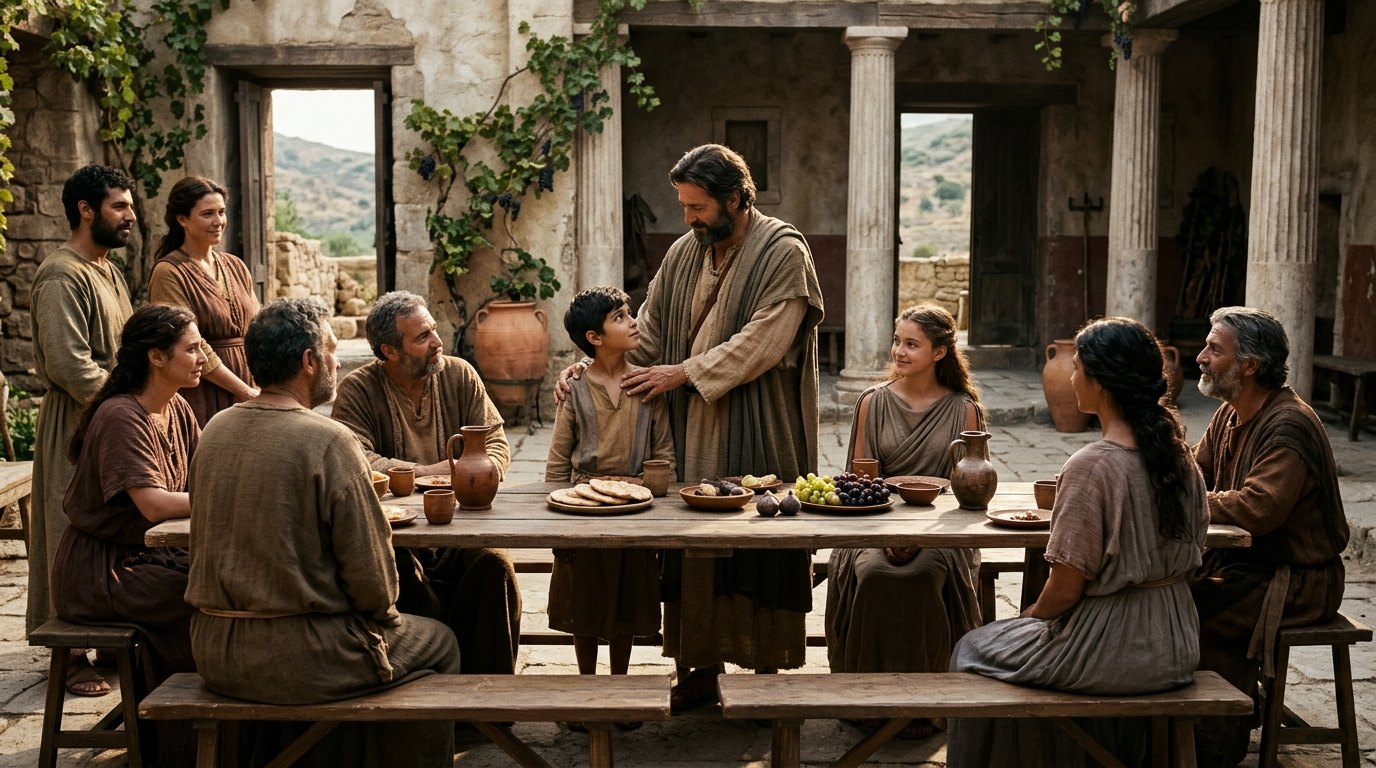
Ephesians 1:5
5 he predestined us for adoption to sonship through Jesus Christ, in accordance with his pleasure and will—
New International Version (NIV)
The answer
Scripture gives no basis for treating stepchildren as second-class or a blended household as unable to live faithfully before God. God’s design remains a lifelong, one-flesh marriage, and every household is called to faithful love, provision, patient nurture, instruction in the Lord, and freedom from favouritism. Children are a heritage from the Lord, not an inconvenience or merely an extension of adult conflicts (Psalm 127:3; Matthew 19:4-6).
Family care is not limited by blood
Scripture records several forms of non-biological parental care:
- Pharaoh’s daughter had compassion on Moses, and he became her son (Exodus 2:5-10).
- Jacob received Joseph’s sons, declaring that Ephraim and Manasseh would be his, as Reuben and Simeon were (Genesis 48:5).
- Joseph obeyed God, took Mary as his wife, named Jesus, and shared in raising him. Jesus was conceived by the Holy Spirit, so Joseph’s situation was unique, but his faithful care is unmistakable. Mary could speak of Joseph as Jesus’ father, and Jesus lived in subjection to Joseph and Mary (Matthew 1:18-25; Luke 2:41-51).
These situations are not identical to every modern stepfamily, but they establish that genuine parental love and responsibility are not measured by biology alone.
For believers, God’s own grace gives the deepest picture of adoption. He predestined believers for adoption as his children through Jesus Christ (Ephesians 1:5). Those led by the Spirit receive the Spirit of adoption, cry to God as Father, and are his children and heirs (Romans 8:14-17). This does not erase the particular history of an earthly family, but it leaves no room for regarding a stepchild as inherently less worthy of love or belonging.
Responsibilities within a blended household
- Keep the marriage faithful and loving. Husband and wife remain joined as one flesh. Husbands are to love their wives sacrificially, and wives are to respect their husbands (Ephesians 5:25-33). Loyalty conflicts involving children or former spouses must not become an excuse for bitterness, deceit, or neglect.
- Provide for every child in the household. The duty to provide expressly covers one’s household; Scripture gives no biological-child exception (1 Timothy 5:8). Food, shelter, protection, stability, and appropriate care must not be distributed according to favouritism.
- Nurture rather than provoke. Parents, including stepparents as they take up parental care, are to bring children up in the discipline and instruction of the Lord, not provoke them to anger or discouragement (Ephesians 6:4; Colossians 3:21). Discipline must serve the child’s good, never humiliate the child or punish divided loyalties.
- Teach God’s word in ordinary life. God’s commands are to be discussed diligently at home and throughout daily activities (Deuteronomy 6:6-7). A blended family especially benefits when truth, worship, repentance, and forgiveness are practised consistently rather than used as weapons.
- Reject favouritism. Jacob’s greater love for Joseph was visible to his other sons and fed hatred within the family (Genesis 37:3-4). Children of different ages and histories may need different care, but that is different from assigning them different worth.
- Pursue patient peace. Compassion, humility, forbearance, forgiveness, and love are required, alongside listening carefully and being slow to anger (Colossians 3:12-14; James 1:19-20). Peace should be pursued with former spouses and extended family as far as it depends on the believer, without calling evil good or pretending that wrongdoing never happened (Romans 12:9, 18).
Children are commanded to obey their parents in the Lord and to honour father and mother (Ephesians 6:1-3). They should not be manipulated into choosing sides, and no parental authority may rightly require sin. Affection and trust within a new steprelationship cannot be forced instantly; obedience to God and patient love remain necessary while those relationships grow.
A family’s history must be faced truthfully
Blended families arise through different circumstances. A widow or widower is free to marry again, only in the Lord (1 Corinthians 7:39). Divorce and remarriage, however, must never be treated casually: Jesus upheld marriage’s permanence, identified sexual immorality as his stated exception, and warned against adulterous divorce and remarriage (Matthew 19:4-9). Paul likewise commands spouses not to abandon marriage, requires reconciliation or remaining unmarried where separation occurs, and separately addresses an unbelieving spouse who departs (1 Corinthians 7:10-15).
Those teachings mean that past sin should not be brushed aside, but they give no warrant for shaming children or withholding faithful care now. Where sin has occurred, the answer is confession, repentance, and new obedience—not despair, concealment, or continued sin. God promises faithful forgiveness and cleansing to those who confess their sins (1 John 1:9), and Christ’s self-giving love is both the ground of grace and the pattern for household love (Ephesians 5:25).
Answered from Scripture · reviewed November 11, 2026
While Scripture does not contain a specific legal code for modern blended families or stepchildren, it lays down clear, unchanging principles for how believers must love, protect, and nurture the vulnerable and the household. Blended families find their enduring pattern in God's own heart, who adopts outsiders into His eternal family and calls Christian homes to embody His patient, impartial love.
God's Adoptive Heart
God Brings Outsiders into His Household as Heirs
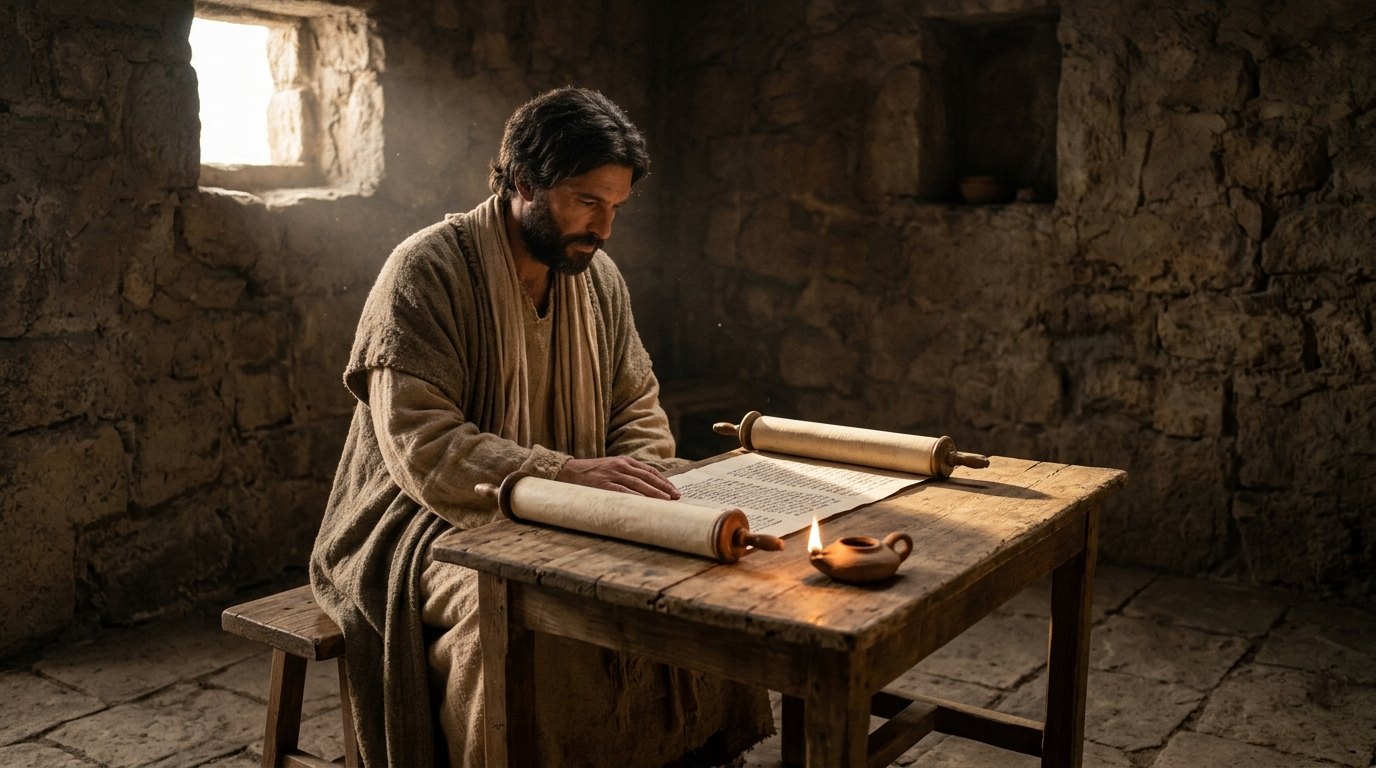
he predestined us for adoption to sonship through Jesus Christ, in accordance with his pleasure and will—
Ephesians 1:5 (NIV)
It shows that God's own family is formed not by physical bloodlines alone, but by a sovereign choice of love and adoption through Christ.
The entire gospel rests on the wonder that God forms His eternal family through deliberate adoption rather than mere physical bloodlines, as Ephesians 1:5 declares. In that cornerstone verse, Paul reveals that the Father predestined believers for adoption as sons through Jesus Christ, entirely according to the kind intention of His sovereign will. We were outsiders by nature, alienated and without claim, yet the Lord brought us into His inner court. This profound spiritual reality provides the ultimate theological pattern for every blended family: familial love is established not by biology alone, but by covenant commitment and sacrificial grace.
Because of this work of grace, Romans 8:14-17 explains that those led by the Spirit receive no spirit of slavery, but the Spirit of adoption, by whom we cry out, "Abba, Father!" We are made full legal heirs alongside Christ, possessing an unbreakable status that no biological accident could ever grant or sever. In Galatians 4:5-6, Paul underscores that Christ was sent under the law precisely to redeem those bound beneath it, securing our adoption and sending the Spirit into our hearts. This is the miracle described in John 1:12-13, where everyone who receives Christ is granted the solemn right to become a child of God—born not of human blood, nor of the will of the flesh, but directly of God. Gazing upon this truth, 1 John 3:1 calls every believer to marvel at the lavish quality of the Father’s love, which bestows upon sinners the enduring name and dignity of His beloved children. For any stepparent or stepchild, these passages demonstrate that God Himself honors and elevates a family formed through intentional devotion and binding promises.
| Passage | What it says |
|---|---|
| Romans 8:14-17 | Believers receive the Spirit of adoption, becoming full heirs of God alongside Christ, crying Abba Father. |
| Galatians 4:5-6 | Christ redeemed those under the law so that believers might receive adoption and the Spirit in their hearts. |
| John 1:12-13 | All who receive Christ are granted the right to become children of God, born of God rather than blood. |
| 1 John 3:1 | The Father's lavish love is displayed in calling believers the children of God. |
Biblical Precedents
Scripture Records God Faithful in Complex Family Lines
This is how the birth of Jesus the Messiah came about: His mother Mary was pledged to be married to Joseph, but before they came together, she was found to be pregnant through the Holy Spirit. Because Joseph her husband was faithful to the law, and yet did not want to expose her to public disgrace, he had in mind to divorce her quietly. But after he had considered this, an angel of the Lord appeared to him in a dream and said, “Joseph son of David, do not be afraid to take Mary home as your wife, because what is conceived in her is from the Holy Spirit. She will give birth to a son, and you are to give him the name Jesus, because he will save his people from their sins.” All this took place…
Matthew 1:18-25 (NIV)
Joseph willingly took Mary as his wife and raised Jesus as his legal son, providing protection, lineage, and fatherly care.
Scripture repeatedly highlights how God works through non-traditional households to accomplish His redemptive purposes, demonstrating His faithfulness across complicated domestic lineages. The premier biblical pattern of a righteous stepparent is Joseph, who in Matthew 1:18-25 receives the angel's instruction, takes the pregnant Mary as his wife, and willingly assumes legal fatherhood over Jesus. He names the child, protects Him from Herod’s murderous wrath, provides for Him by the trade of carpentry, and raises Him in Nazareth. In Luke 2:48-51, Jesus willingly lives in submission to both Mary and Joseph, honoring the earthly father who stepped into that guardian role by God's appointment.
This pattern runs throughout redemptive history. In Esther 2:7, Mordecai takes in his orphaned younger cousin Esther when her parents died, bringing her into his home and raising her as his own daughter with profound pastoral wisdom. Centuries earlier, in Genesis 48:5 and Genesis 48:8-16, the dying patriarch Jacob intentionally adopts Joseph's Egyptian-born sons, Ephraim and Manasseh, declaring that they shall be counted as his direct heirs alongside Reuben and Simeon, crossing his hands to bless them equally with his own children. Even Moses, in Exodus 2:10, was drawn from the Nile and raised under the care of Pharaoh’s daughter in the royal palace. In Ruth 4:13-17, Boaz takes Ruth into his care and fatherhood, redeeming the lineage of deceased Mahlon and Naomi to raise up Obed, whose lineage brought forth King David and ultimately Christ. These varied accounts reveal that God regularly chooses adoptive and blended relationships to shepherd His people and protect His promises.
| Passage | What it says |
|---|---|
| Esther 2:7 | Mordecai took in his orphaned cousin Esther and raised her as his own daughter. |
| Genesis 48:5 | Jacob claimed Joseph's two sons born in Egypt, Ephraim and Manasseh, as his own direct heirs alongside Reuben and Simeon. |
| Exodus 2:10 | Pharaoh's daughter took Moses and raised him in her royal household as her son. |
| Luke 2:48-51 | Jesus submitted to both Mary and Joseph as his earthly parents in Nazareth. |
| Ruth 4:13-17 | Boaz takes Ruth into marriage, raising Obed to carry the lineage of Mahlon and Elimelech, ultimately leading to King David and Christ. |
| Matthew 1:18-25 | Joseph legally and fatherly receives Jesus as his son under God's command, naming, protecting, and raising Him in Nazareth. |
| Genesis 48:8-16 | Jacob extends patriarchial blessing and adoption directly to Joseph's Egyptian-born sons Ephraim and Manasseh as his own. |
Household Responsibility
Parents Are Called to Faithfully Provide and Instruct
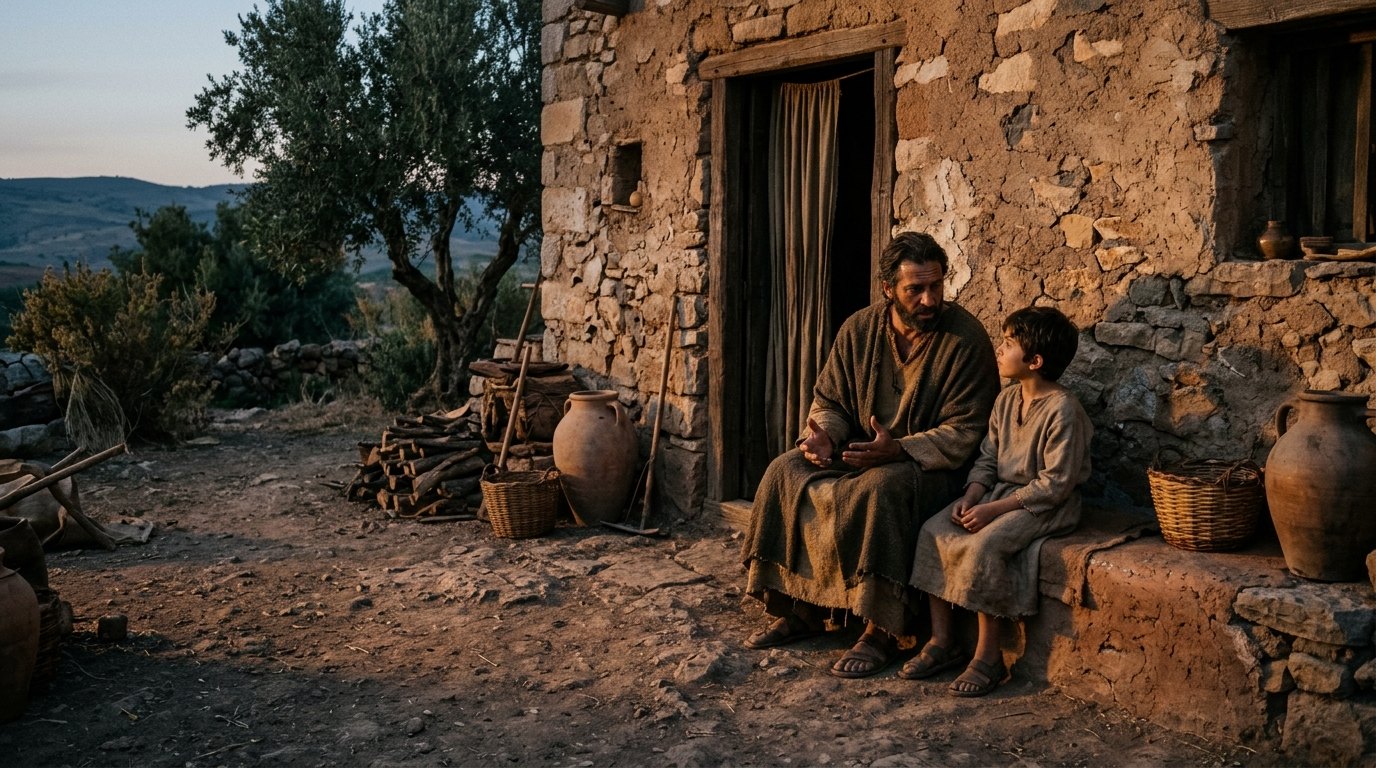
Anyone who does not provide for their relatives, and especially for their own household, has denied the faith and is worse than an unbeliever.
1 Timothy 5:8 (NIV)
It establishes that providing for one's own relatives and members of the household is an essential mark of authentic faith.
God places solemn obligations on those who head a home, requiring that believers must provide faithfully and tenderly for every member of their domestic circle. In 1 Timothy 5:8, the apostle Paul sets down a severe standard: if anyone fails to provide for his relatives, and especially for members of his own household, he has denied the faith and is worse than an unbeliever. The word Paul chooses encompasses the physical, emotional, and spiritual needs of all who dwell under one’s roof, regardless of biological descent. Bringing children into a shared dwelling binds an adult to their diligent care and nurture before the Lord.
This domestic calling requires wisdom and restraint. In Ephesians 6:4, fathers are warned not to provoke their children to wrath, an admonition reiterated in Colossians 3:21 with the plea not to embitter them, lest they become discouraged and hardened in spirit. Blended households often navigate wounds of past grief or divorce, making gentle patience indispensable. Deuteronomy 6:6-7 commands parents to weave the words of God diligently into everyday life—talking of them when sitting at home, walking along the road, lying down, and rising up. Proverbs 22:6 urges training a child according to his individual way, steering him toward godliness that endures into old age. Building such an environment requires deliberate labor, as Proverbs 24:3-4 teaches: through wisdom a house is built, by understanding it is established, and by knowledge its rooms are filled with precious and pleasant riches. In God’s design, stepparenting is a stewardship of steady instruction, consistent provision, and unfailing spiritual leadership.
| Passage | What it says |
|---|---|
| Ephesians 6:4 | Fathers must not provoke their children to anger, but bring them up in the discipline and instruction of the Lord. |
| Colossians 3:21 | Fathers are instructed not to embitter their children, lest they become discouraged. |
| Deuteronomy 6:6-7 | God's commandments are to be taught diligently to the children within the home throughout daily life. |
| Proverbs 22:6 | Parents are urged to train up a child in the way he should go. |
| 1 Timothy 5:8 | Paul warns that failing to provide materially and spiritually for members of one's own household is a denial of the faith. |
| Proverbs 24:3-4 | Wisdom, understanding, and knowledge build and furnish a home with enduring peace and precious riches. |
Impartial Love
God Condemns Favoritism and Calls for Pure Charity
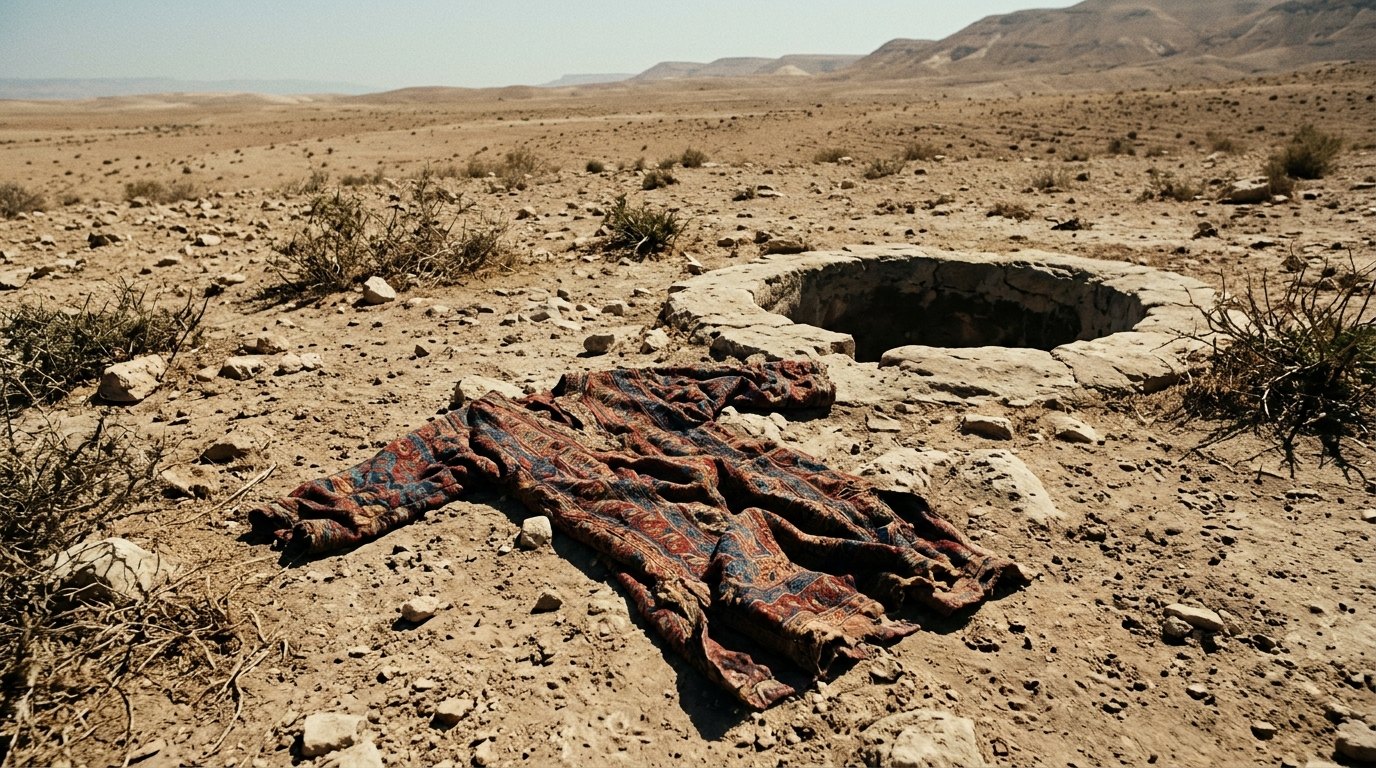
My brothers and sisters, believers in our glorious Lord Jesus Christ must not show favoritism.
James 2:1 (NIV)
The command to show no partiality applies directly to how children and members of a shared home are received.
Because domestic strife so easily takes root in fractured family dynamics, Scripture consistently condemns favoritism and calls believers to impartial, selfless charity. James 2:1 establishes the governing rule: my brothers, show no partiality as you hold the faith in our Lord Jesus Christ, a mandate amplified in James 2:1-4 to rebuke anyone who creates preferential distinctions. In a blended household, favoring biological offspring over stepchildren breeds immediate disaster, a reality painfully chronicled in Genesis 37:3-4, where Jacob's open favoritism toward Joseph provoked bitter jealousy and hatred among his brothers, nearly destroying their family line. Recognizing this human failure, the ancient law in Deuteronomy 21:15-17 explicitly barred a father from denying rightful inheritance to a son simply because he loved one mother more than another.
God calls His people to an entirely different way of walking together. In 1 Peter 4:8-10, believers are urged above all to keep loving one another earnestly, since love covers a multitude of sins, while practicing hospitality without grumbling and employing every gift to serve the household. First Corinthians 13:4-7 paints the portrait of this necessary love: it is patient and kind, does not envy, does not boast, is not self-seeking, is not easily angered, and endures all things. Romans 12:9-13 echoes this, demanding that love be genuine, outdoing others in showing honor, and persevering in generous hospitality. Finally, James 3:17 describes the heavenly wisdom that must guide every blended family: it is pure, peaceable, gentle, open to reason, full of mercy, and thoroughly free from partiality or hypocrisy. When parents commit to this standard, the home becomes a sanctuary of peace.
| Passage | What it says |
|---|---|
| Genesis 37:3-4 | Jacob's overt favoritism toward Joseph stirred bitter jealousy and hatred among his half-brothers. |
| 1 Peter 4:8-10 | Believers must love earnestly, show ungrudging hospitality, and use their gifts to serve one another. |
| 1 Corinthians 13:4-7 | Love is patient, kind, does not envy, is not self-seeking, and bears all things. |
| Romans 12:9-13 | Love must be genuine, showing brotherly affection, outdoing one another in honor, and practicing hospitality. |
| James 3:17 | Heavenly wisdom is pure, peaceable, gentle, open to reason, full of mercy, and impartially free from favoritism or hypocrisy. |
| James 2:1-4 | Believers are strictly cautioned against showing partiality or preferential distinctions among individuals in God's household. |
| Deuteronomy 21:15-17 | The law prohibits a father from showing financial or inheritance partiality against children based on his affections for their mothers. |
Grace and Patience
Pursuing Peace, Patience, and Grace in the Home
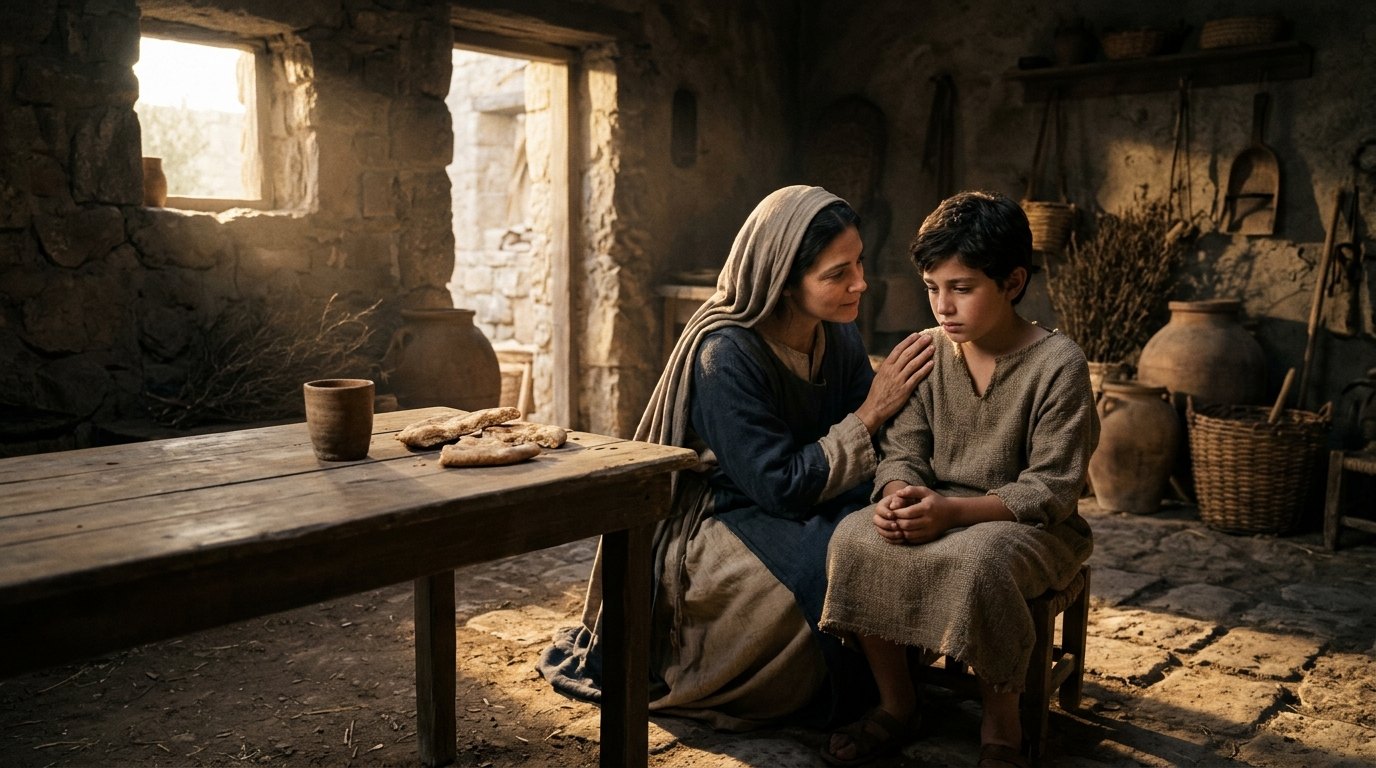
Therefore, as God’s chosen people, holy and dearly loved, clothe yourselves with compassion, kindness, humility, gentleness and patience. Bear with each other and forgive one another if any of you has a grievance against someone. Forgive as the Lord forgave you. And over all these virtues put on love, which binds them all together in perfect unity.
Colossians 3:12-14 (NIV)
Blended families require deliberate, daily clothed virtues of patience, forgiveness, and overarching love to bind together in harmony.
Colossians 3:12-14 sets the posture every blended home must deliberately choose each morning: clothe yourselves with compassion, kindness, humility, gentleness, and patience, bearing with each other and forgiving whatever grievances you may have against one another. Stepparenting and merging households inevitably surface friction, differing habits, and unspoken grief over past losses. Unity across different family branches does not arrive automatically with a wedding ceremony; it is woven through intentional spiritual discipline, putting on love as the perfect bond of unity that holds diverse individuals together in Christ.
Because blending lives requires weathering relational friction, Romans 12:18 places a vital responsibility on each person: if it is possible, as far as it depends on you, live at peace with everyone. Parents and stepchildren cannot force another person's affection or dictate how an ex-spouse responds, but God calls believers to govern their own tempers, words, and boundaries with steady integrity.
This deliberate pursuit of peace is reinforced in Ephesians 4:1-3, where Paul urges believers to walk in a manner worthy of their calling, bearing with one another in love and making every effort to keep the unity of the Spirit through the bond of peace. Cultivating peace within a blended household requires persistent gentleness and refusal to take offense at the awkward growing pains of a new routine. As Proverbs 17:1 wisely reminds us, better a dry crust with peace and quiet than a house full of feasting, with strife. A quiet, gentle atmosphere saturated with forbearance offers stepchildren and spouses a secure sanctuary where mutual trust can slowly and steadily take root.
| Passage | What it says |
|---|---|
| Colossians 3:12-14 | Believers are instructed to put on compassionate hearts, kindness, humility, meekness, and patience, bearing with one another and forgiving. |
| Romans 12:18 | Believers are commanded to live peaceably with all people as far as it depends upon them. |
| Ephesians 4:1-3 | Paul urges walking worthy of the calling with humility, gentleness, patience, and eager effort to maintain unity in the bond of peace. |
| Proverbs 17:1 | Scripture notes that quietness and peace in a home are far better than a house full of feasting torn by strife. |
Where in the Bible
| Book | Passages |
|---|---|
| Genesis | 3 · Genesis 48:5, Genesis 48:8-16, Genesis 37:3-4 |
| Exodus | 1 · Exodus 2:10 |
| Deuteronomy | 2 · Deuteronomy 6:6-7, Deuteronomy 21:15-17 |
| Ruth | 1 · Ruth 4:13-17 |
| Esther | 1 · Esther 2:7 |
| Proverbs | 3 · Proverbs 22:6, Proverbs 24:3-4, Proverbs 17:1 |
| Matthew | 1 · Matthew 1:18-25 |
| Luke | 1 · Luke 2:48-51 |
| John | 1 · John 1:12-13 |
| Romans | 3 · Romans 8:14-17, Romans 12:9-13, Romans 12:18 |
| 1 Corinthians | 1 · 1 Corinthians 13:4-7 |
| Galatians | 1 · Galatians 4:5-6 |
| Ephesians | 2 · Ephesians 6:4, Ephesians 4:1-3 |
| Colossians | 2 · Colossians 3:21, Colossians 3:12-14 |
| 1 Timothy | 1 · 1 Timothy 5:8 |
| James | 2 · James 3:17, James 2:1-4 |
| 1 Peter | 1 · 1 Peter 4:8-10 |
| 1 John | 1 · 1 John 3:1 |
The story in order
- Creation and Fall (c. 4000 BC) · Genesis 1:27-28 · God creates humanity, establishing the foundational family unit.
- Jacob's Family (c. 1800 BC) · Genesis 37:3-4 · Jacob's favoritism shows the dangers of partiality in complex families.
- Adoption of Moses (c. 1526 BC) · Exodus 2:10 · Pharaoh's daughter adopts Moses, showing care for a vulnerable child.
- Jacob Adopts Grandchildren (c. 1738 BC) · Genesis 48:5 · Jacob adopts Ephraim and Manasseh, integrating them into the lineage.
- Esther Raised by Mordecai (c. 478 BC) · Esther 2:7 · Mordecai cares for his orphaned cousin Esther as his own daughter.
- Ruth and Boaz (c. 1100 BC) · Ruth 4:13-17 · Boaz marries Ruth, raising Obed to continue the family line.
- Joseph and Jesus (c. 6 BC - AD 30) · Matthew 1:18-25 · Joseph fatherly receives and raises Jesus, protecting the family.
- Jesus' Submission (c. AD 12) · Luke 2:48-51 · Jesus submits to Mary and Joseph, honoring His earthly parents.
- Paul's Instruction (c. AD 60) · Ephesians 6:4 · Fathers are called to nurture children in the Lord.
- New Covenant Adoption (c. AD 55) · Galatians 4:5-6 · Believers receive adoption through Christ, becoming God's children.
- Spirit of Adoption (c. AD 57) · Romans 8:14-17 · Through the Spirit, believers cry 'Abba, Father'.
- Becoming Children of God (c. AD 90) · John 1:12-13 · Receiving Christ grants the right to become children of God.
God's Adoption of Outsiders
| God's Action | Human Recipient | Result | Passage |
|---|---|---|---|
| Adopts believers into His family | Those who receive Christ | Become children of God, heirs with Christ | |
| Takes in orphaned cousin | Esther | Raised as his own daughter | Esther 2:7 |
| Claims Egyptian-born grandsons | Ephraim and Manasseh | Become his direct heirs | |
| Adopts Moses | Moses | Raised in the royal household | Exodus 2:10 |
| Marries Ruth, raises son | Obed | Continues lineage of Mahlon and Elimelech | Ruth 4:13-17 |
| Legally and fatherly receives Jesus | Jesus | Raised as his son | Matthew 1:18-25 |
Household Responsibility and Instruction
| Parental Duty | Child's Need | Biblical Basis | Passage |
|---|---|---|---|
| Provide materially and spiritually | Members of the household | Denies the faith if neglected | 1 Timothy 5:8 |
| Bring up in discipline and instruction | Children | Avoid provoking anger | Ephesians 6:4 |
| Do not embitter children | Children | Lest they become discouraged | Colossians 3:21 |
| Teach commandments diligently | Children | Throughout daily life | Deuteronomy 6:6-7 |
| Train up a child in the way he should go | A child | For future guidance | Proverbs 22:6 |
| Build home with wisdom and knowledge | The home | For peace and riches | Proverbs 24:3-4 |
Key words
- Adoption (huiothesia (υἱοθεσία))
- The act of taking another's child and making it one's own, with all the rights and responsibilities of a child. · Romans 8:15
- Household (oikos (οἶκος))
- The family and all who live within its domestic sphere, including servants. · 1 Timothy 5:8
- Favoritism (prosopolepsia (προσweoληψία))
- Showing undue preference or partiality towards one person or group over others. · James 2:1
- Patience (makrothymia (μακροθυμία))
- Long-suffering, forbearance, and the ability to endure hardship without complaint. · Colossians 3:12
- Love (agape (ἀγάπη))
- Self-sacrificial, active benevolence, patient, kind, and enduring. · 1 Corinthians 13:4-7
Stepparenting calls for extraordinary patience, humble service, and wisdom, but Scripture assures believers that God supplies grace for every household structure. By receiving children with the selfless love of Christ, stepparents reflect the gospel pattern of adoption, transforming earthly complexities into living testimonies of God's redemptive grace.
28 passages, each cited once.
Scripture cited
- Ephesians 1:5
- Romans 8:14-17
- Exodus 2:1-10
- Genesis 48:1-6
- Matthew 1:18-25
- Ephesians 5:25-33
- Ephesians 6:1-4
- 1 Timothy 5:8
- Genesis 37:3-4
- 1 Corinthians 7:39
- Matthew 19:4-9
- Romans 12:9-18