What does the Bible say about breakups?
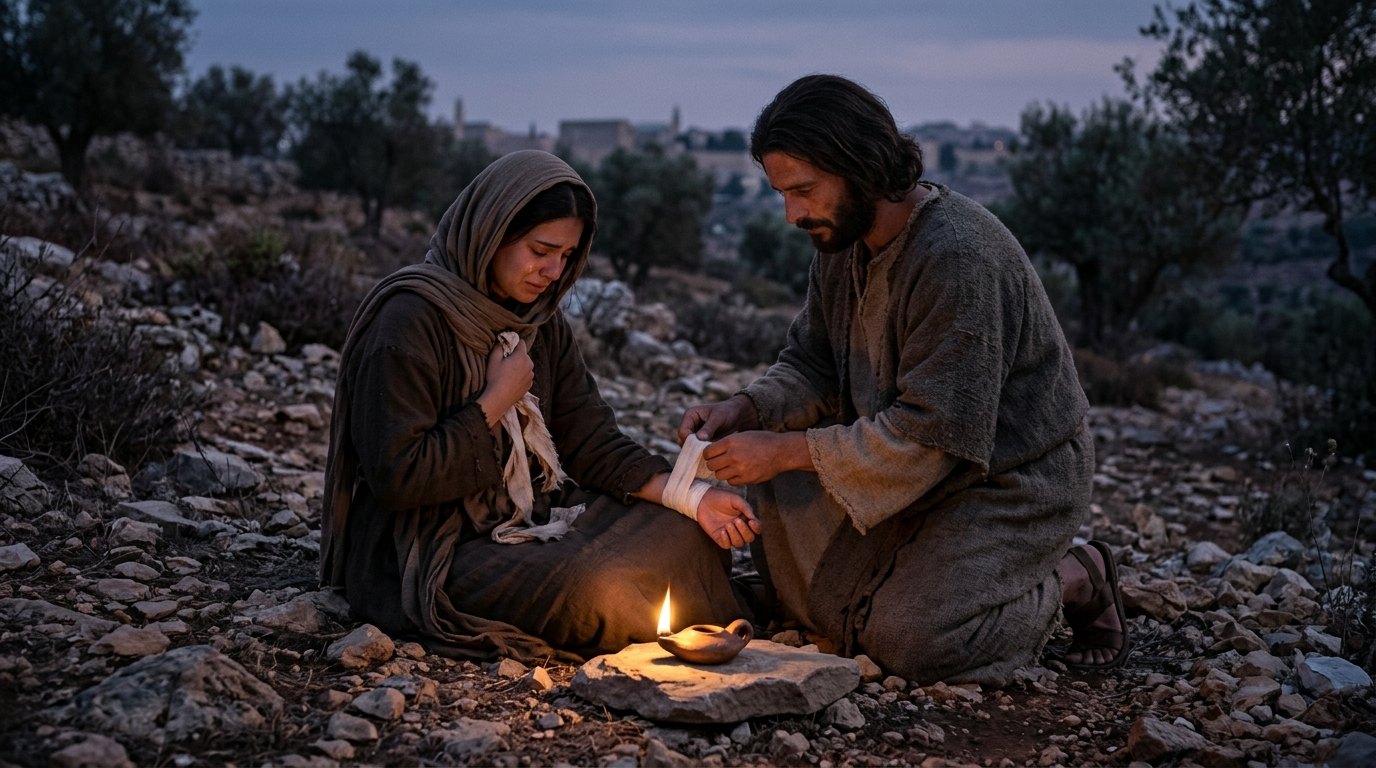
Psalms 147:3
3 He heals the brokenhearted and binds up their wounds.
New International Version (NIV)
The answer
Taking “breakup” to mean the end of a romantic relationship, ending an unmarried dating relationship is not automatically sinful. Scripture does not make dating a lifelong covenant, but it does govern the reasons and manner of a breakup: God requires sexual purity, honesty, unselfish love, and freedom from ungodly entanglements. Marriage is different: Jesus teaches that husband and wife become “one flesh” and warns, “What therefore God has joined together, don’t let man tear apart” (Matthew 19:4-6). Marriage must not be treated as casually as dating.
When ending a relationship may be right
- To turn away from sin: God’s will is that Christians “abstain from sexual immorality” and control their bodies “in sanctification and honor,” not in lust (1 Thessalonians 4:3-5). If a relationship is built on sexual sin or continually pressures someone into it, repentance requires real change; ending the relationship may be necessary.
- To avoid an ungodly binding partnership: “Don’t be unequally yoked with unbelievers” (2 Corinthians 6:14). That command is broader than dating, but it warns against entering a binding partnership that compromises faithfulness to Christ.
- To stop using or misleading someone: Love is patient and kind, does not behave inappropriately, and “doesn’t seek its own way” (1 Corinthians 13:4-5). Attraction alone does not create an obligation to marry, and uncertainty about marriage is not permission to string someone along with false promises.
A painful breakup is not necessarily evidence that either person sinned. Two people can part because marriage would not be wise, while still treating each other honorably.
How Christians should handle a breakup
- Tell the truth without being cruel: Ephesians 4:25-32 joins honest speech with kindness and tenderheartedness, while rejecting corrupt speech, bitterness, slander, and malice. Do not manipulate, humiliate, or deliberately wound the other person.
- Refuse revenge: Romans 12:17-21 forbids repaying evil for evil and calls believers to overcome evil with good. Shared secrets, social media, and mutual friends must not become weapons.
- Remain sexually pure afterward: The command in 1 Thessalonians 4:3-5 still applies after the relationship ends. Sex must not be used to preserve a relationship, win someone back, or numb grief.
- Forgive without forcing reconciliation: Ephesians 4:32 calls for forgiveness “just as God also in Christ forgave you.” Yet Romans 12:18 says, “If it is possible, as much as it is up to you, be at peace with all men.” Forgiveness does not necessarily mean immediate friendship, restored trust, renewed access, or getting back together.
- Repent where wrong was done: Sexual sin, deceit, manipulation, and cruelty should be confessed and forsaken, not excused because the relationship has ended. “If we confess our sins, he is faithful and righteous to forgive us the sins and to cleanse us from all unrighteousness” (1 John 1:9).
When the breakup hurts
Heartbreak can be brought honestly to God. Psalm 147:3 promises, “He heals the broken in heart, and binds up their wounds.” Psalm 34:18 likewise says that the Lord is near to the brokenhearted and saves those with a contrite spirit. His nearness is not measured by how quickly the pain disappears.
A breakup is also not proof that someone’s life has failed. Paul says of the unmarried, “it is good for them if they remain even as I am” (1 Corinthians 7:8). Singleness can be received as a good season of devotion and service, not as rejection by God.
Answered from Scripture · reviewed November 11, 2026
Scripture understands the sharp, disorienting grief of relational collapse and never asks believers to endure heartbreak alone. While modern dating differs structurally from ancient courtship, the Word of God speaks directly to the pain of romantic loss, assuring us that the Lord draws nearest when hearts are crushed. In every broken bond, God offers Himself as the compassionate healer, wise guide, and sovereign protector of our future.
Divine Nearness
God Draws Near to the Brokenhearted

The LORD is close to the brokenhearted and saves those who are crushed in spirit.
Psalms 34:18 (NIV)
David anchors the comforting truth that God responds to human despair with intimate, rescuing presence rather than distant silence.
When a romantic bond dissolves, the sensation of abandonment can be staggering, yet the Lord is close to the brokenhearted and saves those who are crushed in spirit (Psalms 34:18). God does not keep his distance from raw human anguish or dismiss grief as inconsequential; rather, He draws near to the shattered soul with tender, reviving care. As the psalmist testifies, He heals the brokenhearted and binds up their wounds (Psalms 147:3), operating like a faithful physician who carefully dresses and restores fractured emotions. Even when grief cuts deep, Job 5:18 affirms that while wounds come in a fallen world, God's own hands bind up and make whole.
Scripture gives believers full permission to articulate grief without shame. David laments honestly in Psalms 31:9, confessing that his eye, soul, and body are consumed with sorrow over profound loss. Yet in the depths of exhaustion, when flesh and heart fail, Psalms 73:26 anchors the believer in the reality that God is the strength of my heart and my portion forever. The soul learns to preach to itself amidst tearful questions, declaring with Psalms 42:11, "Why are you downcast, O my soul? Hope in God, for I shall again praise Him."
This divine presence is made concrete through the comfort poured out in the New Testament. In 2 Corinthians 1:3, our Lord is revealed as the Father of mercies and the God of all comfort, who surrounds his children in sorrow so that they, in turn, can comfort others walking through similar pain (2 Corinthians 1:4). Peter bids every aching heart to cast all anxieties upon the Lord, because He cares with steadfast compassion (1 Peter 5:7). No tear falls unnoticed by the sovereign God who stays near.
| Passage | What it says |
|---|---|
| Psalms 34:18 | Affirms that the Lord stays close to those crushed in spirit, actively saving the brokenhearted. |
| Psalms 147:3 | Describes God's gentle, personal ministry of bandaging emotional fractures and healing the deeply wounded. |
| Job 5:18 | Acknowledges that while grief and affliction wound deeply, God's own hands bind up and make whole. |
| Psalms 73:26 | Celebrates God as the permanent strength and portion of the soul when emotional and physical strength fail. |
| Psalms 31:9 | David laments his intense grief, noting his eyes, soul, and body are consumed with sorrow. |
| Psalms 42:11 | The psalmist questions his downcast soul and commands himself to put his hope in God. |
| 2 Corinthians 1:3 | God is praised as the Father of mercies and the God of all comfort. |
| 2 Corinthians 1:4 | God comforts believers in all their affliction so they can comfort others. |
| 1 Peter 5:7 | Believers are instructed to cast all their anxieties upon God because he cares for them. |
Christ's Mission
Jesus Binds Up Every Shattered Soul

The Spirit of the Sovereign LORD is on me, because the LORD has anointed me to proclaim good news to the poor. He has sent me to bind up the brokenhearted, to proclaim freedom for the captives and release from darkness for the prisoners,
Isaiah 61:1 (NIV)
This prophetic mandate reveals that the Messiah's central purpose includes repairing shattered human hearts and comforting mourners.
The deepest solace for a broken heart is rooted in the messianic mission of Jesus Christ Himself. Centering His earthly calling, the prophet foretold that the Messiah would come to bind up the brokenhearted, to proclaim liberty to the captives, and freedom to prisoners (Isaiah 61:1). Seven centuries later, the Lord Jesus unrolled the scroll in the Nazareth synagogue and declared that this promise was fulfilled in their very hearing (Luke 4:18). Christ came into our fractured world not merely as a moral teacher, but as the divine Deliverer sent to tenderly heal those bruised by relational ruin and earthly heartbreak.
Because Jesus walked the path of rejection, betrayal, and sorrow, He invites sufferers to bring their exhaustion directly to Him. "Come to Me, all who labor and are heavy laden, and I will give you rest," He promises in Matthew 11:28, offering gentle relief that earthly affection could never supply. He does not treat relational grief with clinical detachment or cold correction; instead, we do not have a high priest who is unable to sympathize with our weaknesses (Hebrews 4:15). Having known the abandonment of His closest companions and the crushing weight of sorrow, Jesus meets the heartbroken with profound, firsthand empathy. In His hands, the deepest fractures of the human spirit find real, enduring restoration.
| Passage | What it says | Fulfilled |
|---|---|---|
| Isaiah 61:1 | Prophesies that the anointed Servant is specifically sent to bandage the brokenhearted and release captives. | Luke 4:18 |
| Luke 4:18 | Jesus reads Isaiah's scroll, inaugurating His ministry to heal the brokenhearted and relieve bruised souls. | |
| Matthew 11:28 | Jesus invites all who are exhausted and burdened to come directly to Him for soul rest. | |
| Hebrews 4:15 | Reminds believers that Christ sympathizes fully with our human weaknesses and profound emotional trials. |
Wounded Hearts
Guarding Affections and Facing Betrayal

Above all else, guard your heart, for everything you do flows from it.
Proverbs 4:23 (NIV)
Solomon instructs believers to guard the inner heart above all else, since every direction in life flows from it.
Scripture speaks with sobering clarity regarding the acute sting of relational dissolution and betrayal. Solomon instructs believers with urgency: "Keep your heart with all vigilance, for from it flow the springs of life" (Proverbs 4:23). Guarding the heart is not building a wall of bitter cynicism, but exercising holy discernment over where affections, trusts, and hopes are invested. When romantic expectations collapse, the soul experiences the precise ache described in Proverbs 13:12, where hope deferred makes the heart sick, draining spiritual and emotional vitality until divine wisdom restores life.
The Bible does not minimize the betrayal that often accompanies a breakup. David mourns bitterly in Psalms 41:9, recounting how his close friend, in whom he trusted and who ate his bread, lifted his heel against him. In Psalms 55:12–14, the psalmist explains that an open enemy's taunt could be endured, but the wounding came from an equal, a companion, and a familiar friend with whom he once walked in sweet fellowship. Such relational fractures destabilize the soul, making Proverbs 3:5–6 crucial: believers must trust in the Lord with all your heart, and do not lean on your own understanding, acknowledging Him so He can direct their disordered paths. Furthermore, the Song of Solomon repeatedly cautions young believers not to stir up or awaken romantic love before its appointed season (Song of Solomon 2:7; Song of Solomon 8:4), reminding us that romantic passions require careful boundaries and patient wisdom.
| Passage | What it says |
|---|---|
| Proverbs 4:23 | Commands intense vigilance over one's heart because life's entire course springs from its inner state. |
| Proverbs 13:12 | Articulates how deferred hope and disappointed expectations sicken the heart until renewed life sprouts. |
| Psalms 41:9 | Laments the acute sting of betrayal from an intimate companion who shared bread and fellowship. |
| Proverbs 3:5 | Exhorts total trust in the Lord rather than leaning upon human feelings and limited personal insight. |
| Proverbs 3:6 | Promises that God will make crooked paths straight when He is acknowledged in every circumstance. |
| Psalms 55:12 | David explains that an enemy's insults could be endured, but betrayal from a companion wounds deeply. |
| Psalms 55:13 | The bitter grief stems from the betrayal coming from an equal, companion, and close friend. |
| Psalms 55:14 | David recalls the sweet fellowship and shared worship they once enjoyed together before the separation. |
| Song of Solomon 2:7 | Young women are cautioned not to stir up or awaken love until it pleases. |
| Song of Solomon 8:4 | Repeats the solemn warning not to prematurely awaken romantic attachment before its proper time. |
Restoration and Hope
God Rebuilds What Was Lost

“Come, let us return to the LORD. He has torn us to pieces but he will heal us; he has injured us but he will bind up our wounds.
Hosea 6:1 (NIV)
The prophet summons wounded sufferers to return to the Lord, trusting His faithfulness to bind up and heal completely.
A breakup may mark the end of an earthly relationship, but it never marks the end of God's redemptive work. The prophet issues a tender invitation in Hosea 6:1: "Come, let us return to the Lord; for He has torn us, that He may heal us; He has struck us down, and He will bind us up." The Lord promises renewal in Hosea 6:2, reviving the downcast so they may live purposefully before Him. Even in seasons of desolate ruin, God pledges comprehensive restoration: "Behold, I will bring to it health and healing, and I will heal them and reveal to them an abundance of prosperity and security" (Jeremiah 33:6).
Living in that healing requires practical spiritual rhythms. In Philippians 4:6–7, Paul commands believers not to be overcome with anxious fretfulness, but through prayer and supplication with thanksgiving to make their requests known, so that the peace of God, which surpasses all understanding, will guard your hearts and minds in Christ Jesus. Believers are also designed to heal within Christian community, fulfilling Christ's law by bearing one another's heavy burdens (Galatians 6:2).
Ultimately, God's sovereign care remains undefeated by romantic loss. He declares plans for a future and a hope (Jeremiah 29:11), working all trials together for the eternal good of those who love Him (Romans 8:28). Paul rejoices that neither death nor life, nor things present nor things to come... will be able to separate us from the love of God in Christ Jesus our Lord (Romans 8:38–39). Anchored in this unshakable love, the believer can resolve with Philippians 3:13–14 to forget what lies behind, straining forward to the upward call of God.
| Passage | What it says |
|---|---|
| Hosea 6:1 | Calls believers to return to the Lord, who binds up fractures and heals those who have been struck down. |
| Hosea 6:2 | Promises prompt spiritual revival and restoration so that God's people may live purposefully in His presence. |
| Jeremiah 33:6 | Promises that the Lord will bring comprehensive emotional and spiritual cure, revealing abundance of peace and truth. |
| Philippians 4:6 | Directs the anxious and grieving soul to present every need to God through prayer, supplication, and thanksgiving. |
| Philippians 4:7 | Assures believers that the transcendent peace of God will actively garrison their vulnerable hearts and minds in Christ. |
| Galatians 6:2 | Commands believers within the local church to bear one another's heavy burdens, fulfilling Christ's law. |
| Jeremiah 29:11 | The Lord declares his plans for peace and not evil, giving his people a future and a hope. |
| Romans 8:28 | God works all things together for the good of those who love him and are called according to his purpose. |
| Romans 8:38 | Paul expresses total persuasion that neither death nor life nor present things can sever God's love. |
| Romans 8:39 | No created thing has power to separate believers from the love of God in Christ Jesus. |
| Philippians 3:13 | Paul resolves to forget what lies behind and strain forward to what lies ahead. |
| Philippians 3:14 | He presses on toward the goal for the prize of the upward call of God in Christ Jesus. |
Estranged Paths
Scripture Records the Deep Pain of Severed Bonds

God heard the boy crying, and the angel of God called to Hagar from heaven and said to her, “What is the matter, Hagar? Do not be afraid; God has heard the boy crying as he lies there.
Genesis 21:17 (NIV)
God hears the cries of those cast out and abandoned, intervening with personal provision and reassurance.
In the desolate expanse of Beersheba, God proved that no discarded soul suffers beyond His sight or care, answering Hagar's desperate weeping with heavenly mercy (Genesis 21:17). Scripture unflinchingly chronicles the raw sting of severed attachments, showing how sudden separations shatter security and expectations. Hagar experienced the cruelty of abandonment when Abraham sent her and Ishmael into the dry wilderness with only a skin of water and a loaf of bread (Genesis 21:14). When her meager resources ran dry, she laid her son beneath a shrub and sat a bowshot away, unable to watch him perish as she wept aloud (Genesis 21:16). Yet the Lord intervened directly; the Angel of God addressed her fears by name and opened her eyes to see a life-giving well of fresh water, proving that He sustains those whom others cast out (Genesis 21:19).
The historical narratives demonstrate that relational ruptures and broken promises can inflict severe trauma across all walks of life. Samson endured the bewildering humiliation of arriving for his wedding only to discover that his betrothed companion had been abruptly married off to his best man (Judges 14:20). When he sought her out later, her father bluntly rebuffed him, offering an unchosen sister instead under the assumption that Samson had despised her (Judges 15:2). Similarly, young David suffered the sting of broken pledges when King Saul promised him his daughter Merab, only to give her away to Adriel the Meholathite on the appointed day (1 Samuel 18:19). Later, Saul tore David's wife Michal from him, giving her to Palti the son of Laish while David was driven into hiding (1 Samuel 25:44). In recording these agonizing losses, the Bible never minimizes the confusion or indignation that comes with romantic betrayal, pointing believers to the faithful God who sees every hidden tear and preserves the brokenhearted through their wilderness.
| Passage | What it says |
|---|---|
| Genesis 21:14 | Abraham sends Hagar and Ishmael away into the wilderness of Beersheba with bread and water. |
| Genesis 21:16 | Hagar sits apart and weeps bitterly in desolate despair over the impending death of her child. |
| Genesis 21:17 | God hears the cry of the boy, and an angel comforts Hagar from heaven. |
| Genesis 21:19 | God opens Hagar's eyes to see a well of water, preserving and sustaining them. |
| Judges 14:20 | Samson's betrothed wife is abruptly given away to his companion who had been his best man. |
| Judges 15:2 | Her father refuses Samson entrance, stating he assumed Samson thoroughly hated her. |
| 1 Samuel 18:19 | Merab, Saul's daughter promised to David, is instead given to Adriel the Meholathite as wife. |
| 1 Samuel 25:44 | Saul takes his daughter Michal, David's wife, and gives her away to Palti son of Laish. |
Extending Grace
Walking in Forgiveness and Peace After Parting
Be kind and compassionate to one another, forgiving each other, just as in Christ God forgave you.
Ephesians 4:32 (NIV)
The ultimate ground and pattern for releasing bitterness toward former partners is God's lavish forgiveness in Christ.
When a relationship fractures, the gospel summons believers to release the poisoning grip of bitterness through the radical forgiveness modeled in Jesus Christ, as Paul explicitly commands in Ephesians 4:32. Heartbreak naturally tempts wounded individuals toward spite, resentment, or a persistent desire for vindication. Yet the New Testament outlines an entirely different posture for disciples of Christ navigating fractured bonds. Paul urges believers that, so far as it depends upon them, they are to pursue peace with everyone, refusing to allow unresolved conflicts to dictate their conduct (Romans 12:18). Rather than executing personal retaliation or obsessing over scorekeeping, Scripture forbids vengeance, instructing us to entrust justice entirely into the sovereign hands of God (Romans 12:19).
Moving forward in godly freedom requires intentionally tearing down the internal altars of grievance. The apostle insists that all bitterness, anger, clamor, slander, and malicious intent must be decisively put away from our speech and minds (Ephesians 4:31). Instead of nursing cold indifference, believers are called to extend tangible kindness, tenderheartedness, and unmerited pardon, remembering how comprehensively God forgave their own sins at Calvary (Ephesians 4:32). Because disciples are chosen, consecrated, and deeply loved by God, they are clothed in compassionate hearts, humility, meekness, and patient forbearance (Colossians 3:12). Bearing with one another through painful disputes is not an endorsement of wrongdoing or poor boundaries; it is an active reflection of Christ's cross (Colossians 3:13). By surrendering our demands for retribution, we guard our hearts from cynical decay, allowing God's supernatural peace to rule where wounded pride once reigned.
| Passage | What it says |
|---|---|
| Romans 12:18 | Believers are instructed, as far as it depends on them, to live peaceably with all people. |
| Romans 12:19 | Believers are commanded never to avenge themselves, but rather to leave room for the wrath of God. |
| Ephesians 4:31 | All bitterness, wrath, anger, clamor, and slander must be put away along with all malice. |
| Ephesians 4:32 | Believers are commanded to be kind and forgiving to one another, just as God forgave them in Christ. |
| Colossians 3:12 | As God's chosen ones, holy and beloved, believers are called to put on compassionate hearts and kindness. |
| Colossians 3:13 | Believers are directed to bear with one another and forgive grievances as the Lord forgave them. |
Where in the Bible
| Book | Passages |
|---|---|
| Genesis | 4 · Genesis 21:14, Genesis 21:16, Genesis 21:17, Genesis 21:19 |
| Judges | 2 · Judges 14:20, Judges 15:2 |
| 1 Samuel | 2 · 1 Samuel 18:19, 1 Samuel 25:44 |
| Job | 1 · Job 5:18 |
| Psalms | 9 · Psalms 34:18, Psalms 147:3, Psalms 73:26, Psalms 31:9, Psalms 42:11, Psalms 41:9, Psalms 55:12, Psalms 55:13, Psalms 55:14 |
| Proverbs | 4 · Proverbs 4:23, Proverbs 13:12, Proverbs 3:5, Proverbs 3:6 |
| Song of Solomon | 2 · Song of Solomon 2:7, Song of Solomon 8:4 |
| Isaiah | 1 · Isaiah 61:1 |
| Jeremiah | 2 · Jeremiah 33:6, Jeremiah 29:11 |
| Hosea | 2 · Hosea 6:1, Hosea 6:2 |
| Matthew | 1 · Matthew 11:28 |
| Luke | 1 · Luke 4:18 |
| Romans | 5 · Romans 8:28, Romans 8:38, Romans 8:39, Romans 12:18, Romans 12:19 |
| 2 Corinthians | 2 · 2 Corinthians 1:3, 2 Corinthians 1:4 |
| Galatians | 1 · Galatians 6:2 |
| Ephesians | 2 · Ephesians 4:31, Ephesians 4:32 |
| Philippians | 4 · Philippians 4:6, Philippians 4:7, Philippians 3:13, Philippians 3:14 |
| Colossians | 2 · Colossians 3:12, Colossians 3:13 |
| Hebrews | 1 · Hebrews 4:15 |
| 1 Peter | 1 · 1 Peter 5:7 |
The story in order
- Abraham sends Hagar and Ishmael away (c. 2000 BC) · Genesis 21:14 · Shows the pain of familial separation and banishment.
- Samson's wife given to another (c. 1100 BC) · Judges 14:20 · Illustrates abrupt betrayal and loss of a betrothed.
- David's wife Michal given away (c. 1000 BC) · 1 Samuel 25:44 · Depicts the deep hurt of a spouse being taken.
- Job's affliction and grief (c. 1500 BC) · Job 5:18 · God's hands bind up the wounded in deep suffering.
- David laments his intense sorrow (c. 1000 BC) · Psalms 31:9 · Expresses the overwhelming nature of grief.
- Psalmist questions his downcast soul (c. 1000 BC) · Psalms 42:11 · The struggle to maintain hope amidst despair.
- Prophecy of Christ's healing mission (c. 700 BC) · Isaiah 61:1 · Forettells the Messiah binding up the brokenhearted.
- Jesus begins His ministry (AD 30) · Luke 4:18 · Christ inaugurates healing for the bruised soul.
- Jesus invites the weary (c. AD 30) · Matthew 11:28 · Christ offers rest to those burdened by life.
- Paul's encouragement to the Corinthians (c. AD 55) · 2 Corinthians 1:4 · God comforts us to enable comforting others.
- Casting anxieties on God (c. AD 60) · 1 Peter 5:7 · Believers are to entrust their worries to God.
- Peace of God guards hearts (c. AD 61) · Philippians 4:7 · God's peace protects minds and hearts in Christ.
- Paul presses toward the goal (c. AD 61) · Philippians 3:14 · Focusing on the future hope in Christ.
God's Response to Brokenness
| Affliction | God's Action | Passage |
|---|---|---|
| Crushed in spirit | Lord stays close, saves | Psalms 34:18 |
| Deeply wounded, fractures | Binds up, heals | Psalms 147:3 |
| Wounded by grief, affliction | Binds up, makes whole | Job 5:18 |
| Brokenhearted | Sent to bandage and release | Isaiah 61:1 |
| Exhausted and burdened | Offers rest | Matthew 11:28 |
| Struck down | Binds up, heals | Hosea 6:1 |
Betrayal from Close Companions
| The Betrayer | The Pain | The Relationship | Passage |
|---|---|---|---|
| Intimate companion | Acute sting | Shared bread and fellowship | Psalms 41:9 |
| Companion | Wounds deeply | Equal, companion, close friend | Psalms 55:12 |
| Companion | Bitter grief | Equal, companion, close friend | Psalms 55:13 |
| Best man | Abruptly given away | Samson's betrothed wife | Judges 14:20 |
Hope and Future Restoration
| Circumstance | God's Promise | Outcome | Passage |
|---|---|---|---|
| Deferred hope | Renewed life sprouts | Heart is sick | Proverbs 13:12 |
| Anxieties | Peace of God garrisons hearts | Peace transcends understanding | Philippians 4:7 |
| Brokenness, affliction | Revival and restoration | Live purposefully in His presence | Hosea 6:2 |
| Emotional and spiritual wounds | Comprehensive cure, peace and truth | Abundance revealed | Jeremiah 33:6 |
| Plans of evil | Plans for peace and hope | Future and hope | Jeremiah 29:11 |
| All things | Works for good | Those who love Him | Romans 8:28 |
| Present circumstances | Nothing can separate from God's love | Eternal security in Christ | Romans 8:39 |
Key words
- Brokenhearted (שָׁבוּר, shavur)
- Crushed in spirit, deeply wounded emotionally. · Psalms 34:18
- Comfort (נחמיה, nechamah)
- To come alongside, to console and strengthen. · 2 Corinthians 1:3
- Heart (לֵבָב, levav)
- The inner person: mind, will, emotions, and spirit. · Proverbs 4:23
- Hope (תִּקְוָה, tiqvah)
- Confident expectation and trust in God's promises. · Proverbs 13:12
- Betrayal (בּוֹגֵד, bogue'd)
- A violation of trust by someone close. · Psalms 41:9
- Peace (שָׁלוֹם, shalom)
- Wholeness, well-being, security, and tranquility. · Jeremiah 33:6
- Love (ἀγάπη, agape)
- God's unconditional, steadfast affection and commitment. · Romans 8:39
A breakup may dismantle your immediate expectations, but it does not derail God's sovereign care or steadfast love toward you. Bring the raw pieces of your wounded heart directly to the Father, who binds up fractures and restores peace in His perfect timing. Supported by Christ's church, you can move forward with renewed confidence that the Lord who heals you remains faithful to direct your steps.
49 passages, each cited once.
Scripture cited
- Psalms 147:3
- Psalms 34:18
- Matthew 19:4-6
- 1 Thessalonians 4:3-5
- 1 Corinthians 13:4-7
- 2 Corinthians 6:14-18
- Ephesians 4:25-32
- 1 John 1:9
- Romans 12:17-21
- 1 Corinthians 7:7-9