What does the Bible say about burnout?
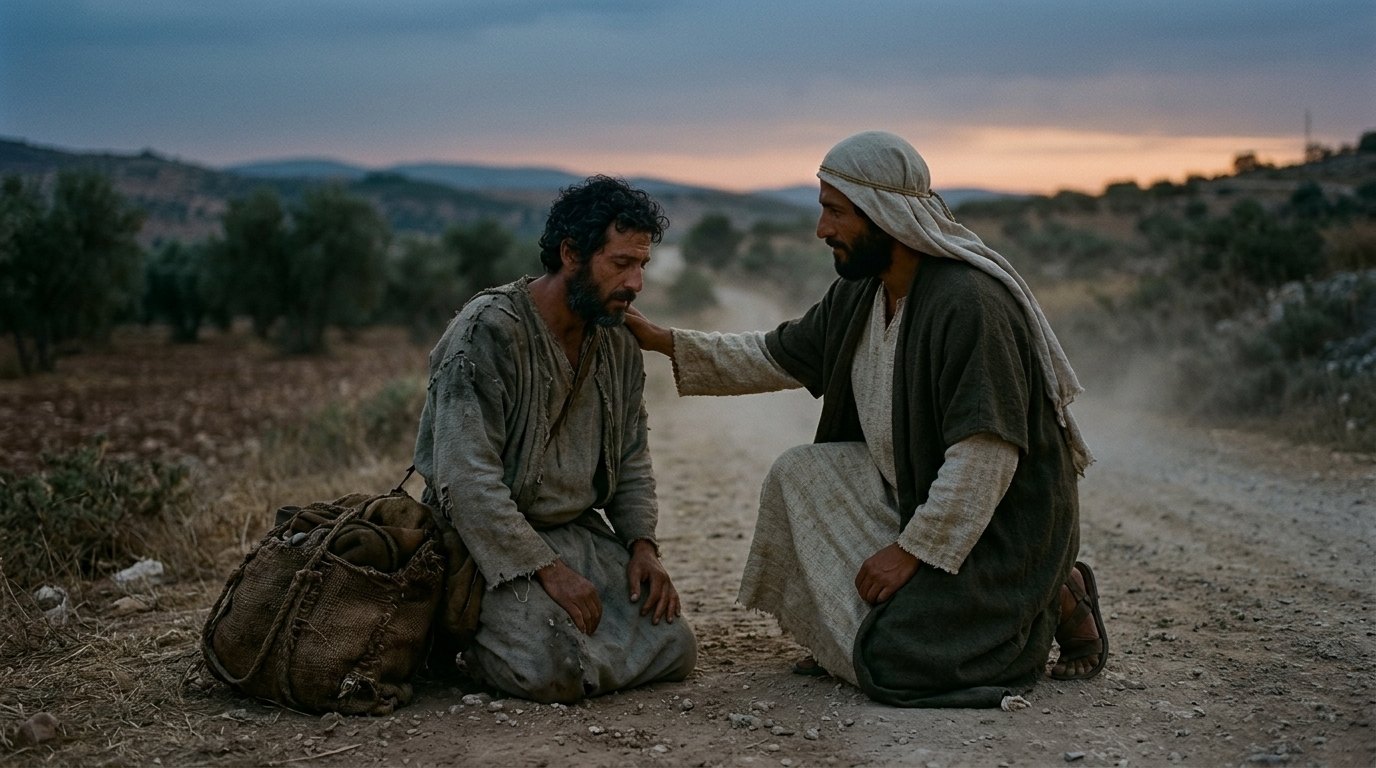
Matthew 11:28-30
28 “Come to me, all you who are weary and burdened, and I will give you rest.
29 Take my yoke upon you and learn from me, for I am gentle and humble in heart, and you will find rest for your souls.
30 For my yoke is easy and my burden is light.”
New International Version (NIV)
The answer
Scripture does not use the modern term burnout, but it speaks directly to exhaustion, anxious overwork, despair, and weariness in doing good. Its answer is neither “push harder” nor “abandon every responsibility”: come to Christ for rest, receive physical restoration and help from others, reject self-reliance, and persevere in good without pretending to be limitless.
Rest begins with Christ
Jesus says, “Come to me, all you who labor and are heavily burdened, and I will give you rest” (Matthew 11:28). He calls the weary to take his yoke and learn from him, promising rest for their souls because he is gentle and humble in heart (Matthew 11:29-30). People do not have to become stronger or holier before approaching him; John 6:37 assures everyone who comes that he will “in no wise cast out” them.
His easy yoke does not mean a life without work, sacrifice, or suffering. It means that rest for the soul is found in Christ, not in finishing every task or proving one’s worth. Where exhaustion comes from trying to earn acceptance with God, Galatians 5:1 points away from the “yoke of bondage” and toward the liberty Christ gives.
Exhaustion is not automatically spiritual failure
When Elijah became so despairing that he asked God to take his life, God did not shame him. Elijah received sleep, food, and water; God spoke with him, corrected his mistaken belief that he was entirely alone, gave him further direction, and appointed Elisha as prophet in his place (1 Kings 19:4-18). God’s care addressed Elijah’s body, his despair, his distorted thinking, and his calling.
Likewise, when Jesus’ apostles were so busy that they had no opportunity to eat, he told them, “Come away into a deserted place, and rest awhile” (Mark 6:30-32). Rest is not laziness, and needing rest is not proof of defective faith.
At the same time, Psalm 127:1-2 exposes anxious, self-dependent toil: rising early, staying up late, and eating “the bread of toil” are vain when life is lived as though everything depends on human effort. The psalm adds that “he gives sleep to his loved ones.” Overwork is not automatically sinful, but anxiety, pride, or self-sufficiency behind it must not be mistaken for devotion.
Receive help without abandoning faithfulness
- Bring the burden honestly to God. First Peter 5:7 instructs believers to cast all their worries on him because he cares for them. Prayer includes admitting weakness rather than concealing it.
- Let other people help. Galatians 6:2 says, “Bear one another’s burdens, and so fulfill the law of Christ.” Isolation is not a requirement of faithfulness.
- Recover in practical ways. Elijah’s restoration included sleep and food; Jesus provided his apostles an opportunity to withdraw and rest. Spiritual care and physical care are not enemies.
- Do not make weariness an automatic reason to quit every good work. Galatians 6:9 says, “Let’s not be weary in doing good, for we will reap in due season if we don’t give up.” Biblical perseverance is sustained by God’s care and the help of others, not by denying human limits.
Persistent exhaustion, depression, or inability to function also warrants a doctor’s assessment; seeking treatment is not unbelief. Thoughts of suicide or self-harm require immediate help from emergency services and a trusted person who can remain present.
Answered from Scripture · reviewed November 11, 2026
While Scripture does not employ the modern term 'burnout', it speaks with relentless intimacy to the weary, heavy-laden, and depleted soul. God never designed His people to run on the fumes of self-sufficiency, legalistic striving, or unshared burdens. From the gift of Sabbath to Christ's gentle yoke, the Bible charts the path from exhaustion back into life-giving rest.
The Great Invitation
Christ offers rest to the heavy laden
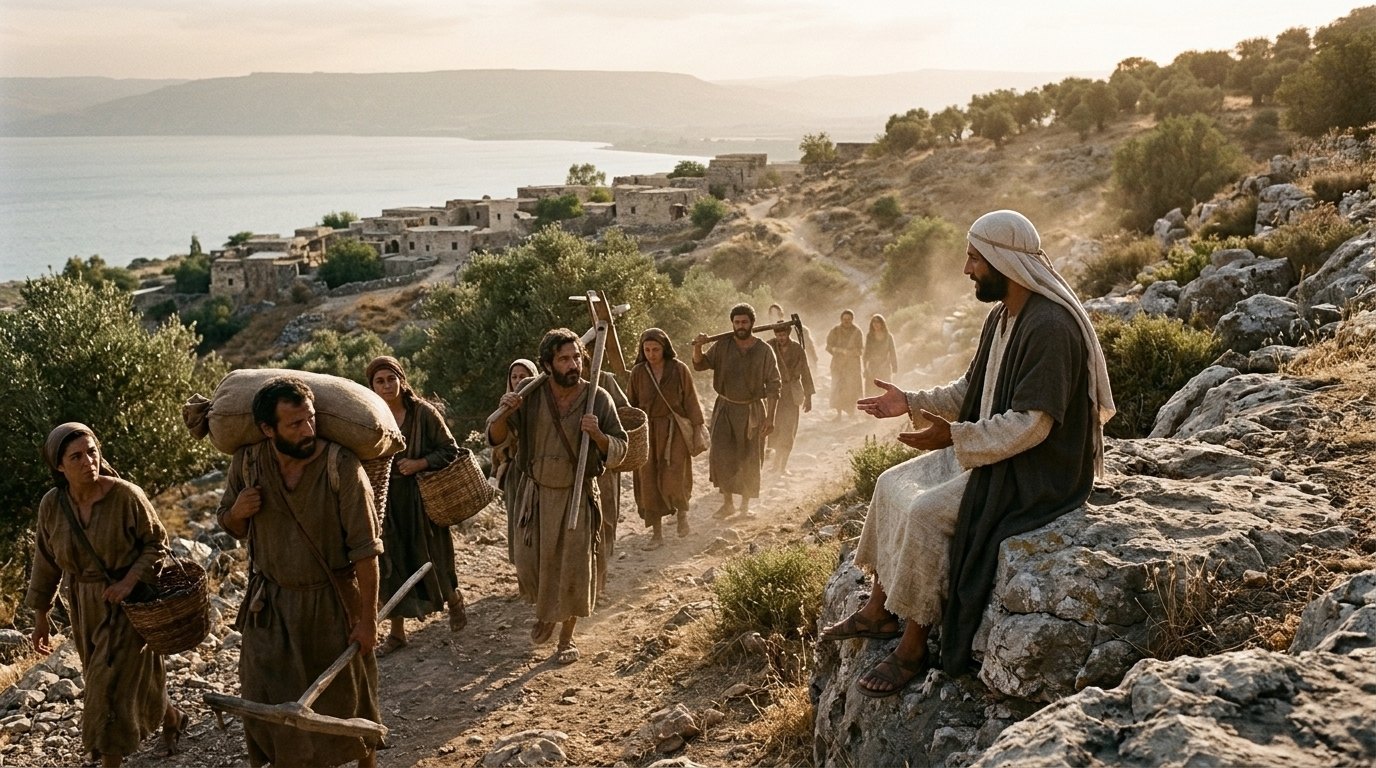
“Come to me, all you who are weary and burdened, and I will give you rest.
Matthew 11:28 (NIV)
Jesus directs His personal call specifically to those who are exhausted from labor and bearing crushing loads.
In Matthew 11:28, the Lord Jesus speaks directly to the brokenhearted laborer: "Come to me, all who labor and are heavy laden, and I will give you rest." He does not issue a summons to greater religious exertion or a heavier code of conduct; rather, He calls those already staggering under impossible burdens into personal communion with Himself. As He continues in Matthew 11:29–30, He bids disciples to take His yoke and learn from Him, revealing a heart that is gentle and lowly. The world lays on crushing yokes of performance, guilt, and relentless striving, but the yoke of Jesus is easy, His burden light, and His promise is rest for the very soul.
This open invitation runs like a golden thread across all of redemptive history. Jesus guarantees in John 6:37 that whoever comes to Him will never be cast out, and in John 7:37 He cries out on the great day of the feast that whoever thirsts should come to Him and drink. Centuries earlier, the prophet heralded the same gospel of free grace in Isaiah 55:1, inviting all who have no money to come, buy, and eat without cost. The canon closes on this exact resonance in Revelation 22:17, where the Spirit and the bride say, "Come," offering the water of life as a free gift. In Hebrews 4:9, we are reminded that a true Sabbath rest remains for the people of God—not a mere temporary cessation of labor, but an eternal settling into the finished work of our Redeemer. God had long promised this interior renewal, declaring in Jeremiah 31:25 that He will satisfy the weary soul and replenish every languishing heart that turns to Him.
| Passage | What it says |
|---|---|
| Matthew 11:28 | Jesus invites all who labor and are heavily burdened to come to Him for true rest. |
| Matthew 11:29 | Christ calls believers to take His gentle yoke upon them and find rest for their souls. |
| Matthew 11:30 | Jesus reassures that His yoke is easy and His burden is light. |
| John 6:37 | Christ promises that whoever comes to Him will never be cast out. |
| John 7:37 | Jesus cries out that anyone who thirsts may come to Him and drink freely. |
| Isaiah 55:1 | God invites the thirsty and impoverished to come buy wine and milk without price. |
| Revelation 22:17 | The Spirit and bride invite anyone who thirsts to take the water of life freely. |
| Hebrews 4:9 | Affirms that a Sabbath rest remains for the people of God through faith in Christ. |
| Jeremiah 31:25 | God promises to replenish the weary soul and satisfy every sorrowful and languishing spirit. |
Roots of Exhaustion
Self-reliance and legalism crush the spirit
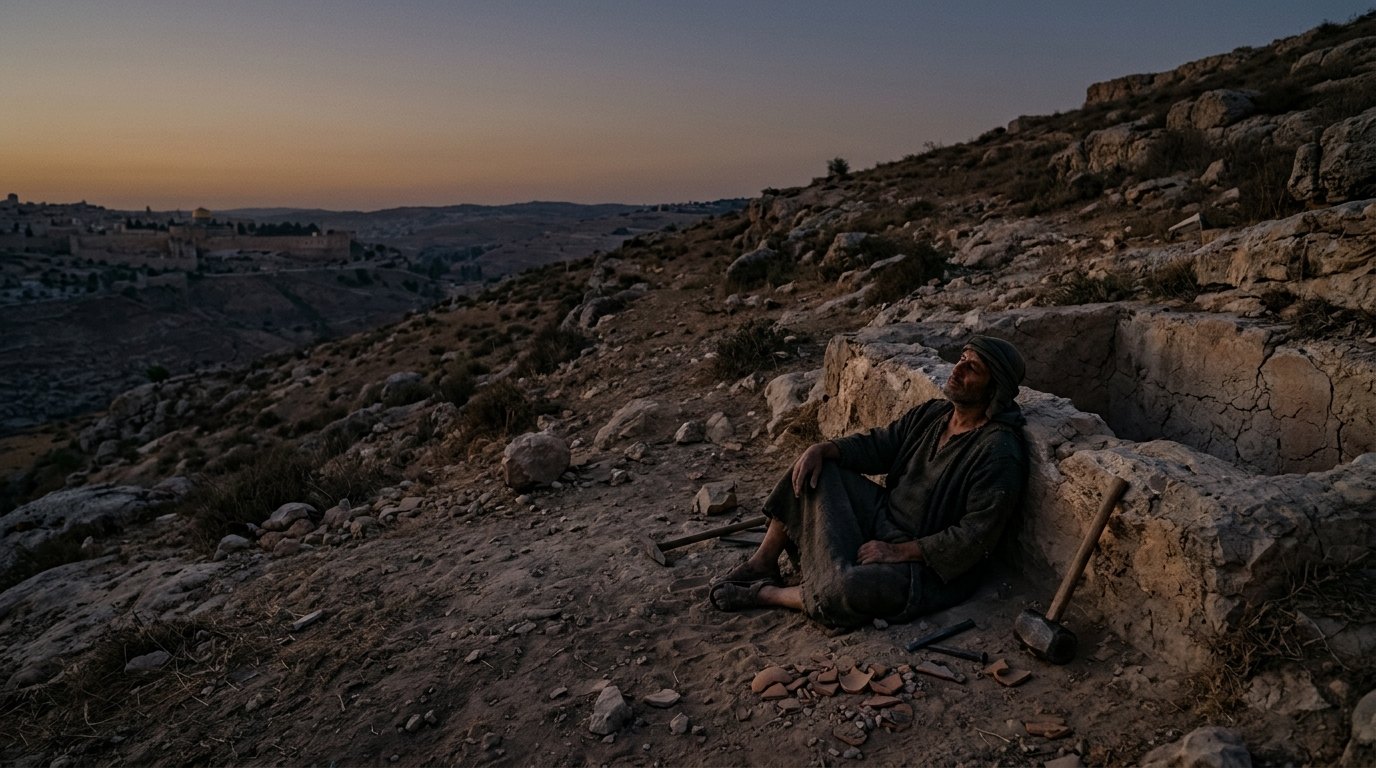
It is for freedom that Christ has set us free. Stand firm, then, and do not let yourselves be burdened again by a yoke of slavery.
Galatians 5:1 (NIV)
Paul warns believers not to submit again to legalistic striving and the exhausting yoke of bondage.
Burnout is often not simply the product of hard work, but the bitter harvest of self-reliance, worldly ambition, and legalism. Paul sounds the alarm in Galatians 5:1, urging believers to stand firm therefore, and do not submit again to a yoke of slavery. When human performance becomes the measure of righteousness or worth, the soul is bound to an exhausting treadmill of pride and terror. True freedom in the gospel releases the believer from that crushing captivity.
Scripture routinely diagnoses the futility of human striving decoupled from trust in God. Psalm 127:2 warns that it is vain to rise up early and go late to rest, eating the bread of anxious toil, because the Lord gives to His beloved even in sleep. Solomon captures this quiet despair in Ecclesiastes 2:22, asking what a man has from all the toil and striving with which he toils beneath the sun, when even in the night his heart finds no rest. In Jeremiah 2:13, the Lord identifies the spiritual madness behind such exhaustion: His people have forsaken the fountain of living waters to hew out broken cisterns that can hold no water. Habakkuk 2:13 underscores that nations wear themselves out for mere vanity and fire when they labor outside God's eternal purposes. Similarly, Proverbs 23:4 commands, "Do not toil to acquire wealth; be discerning enough to desist." When we labor to construct our own identity or security, we inevitably drain our souls dry.
| Passage | What it says |
|---|---|
| Galatians 5:1 | Believers are exhorted to stand firm in liberty and avoid entanglement with yokes of bondage. |
| Psalms 127:2 | Rising early and staying up late in anxious toil is vain, for God gives His beloved sleep. |
| Ecclesiastes 2:22 | Solomon observes the futility and inner grief of man's ceaseless striving under the sun. |
| Jeremiah 2:13 | Israel committed evil by forsaking the fountain of living water to dig broken, empty cisterns. |
| Habakkuk 2:13 | Warns of the futility of peoples exhausting themselves for what is destined for the fire. |
| Proverbs 23:4 | Commands not to wear oneself out to get rich and to cease from self-reliance. |
God's Provision of Rest
God built rhythms of physical and spiritual restoration
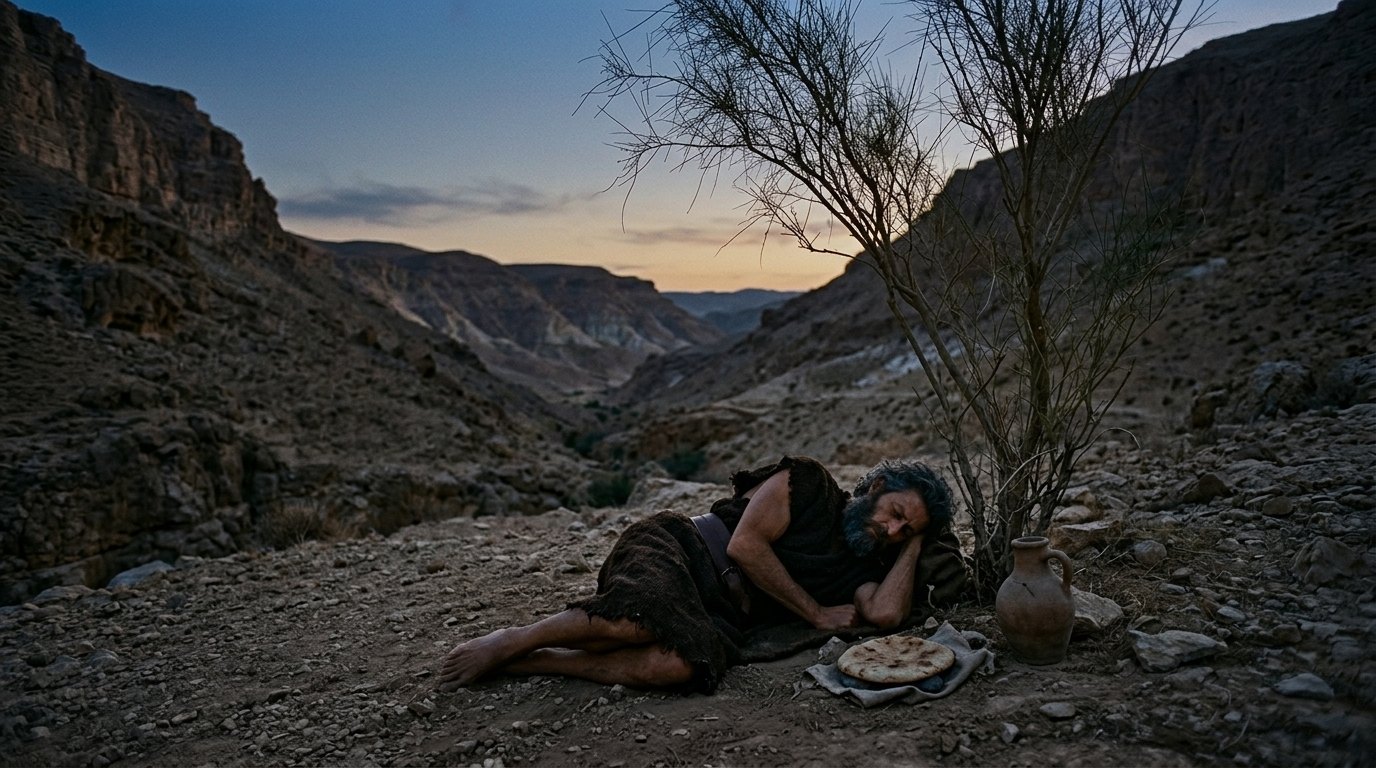
Then he said to them, “The Sabbath was made for man, not man for the Sabbath.
Mark 2:27 (NIV)
Jesus affirms that God established the Sabbath as a merciful gift for human flourishing, not a burdensome obligation.
God designed His creatures with built-in limits, establishing physical and spiritual rhythms to preserve our souls. Jesus reminds us in Mark 2:27 that "the Sabbath was made for man, not man for the Sabbath." Rest is not an indulgence or a concession to human weakness; it is a sacred gift woven into the fabric of creation. From the very beginning, in Genesis 2:2, God rested on the seventh day from all His work, setting a pattern for human flourishing that was later codified in the Decalogue in Exodus 20:8.
The Lord Jesus Himself honored these restorative rhythms. In Mark 1:35, He rose early in the morning, while it was still dark, and departed to a desolate place to pray. Later, amidst intense ministry demands, He commanded His apostles in Mark 6:31: "Come away by yourselves to a desolate place and rest a while." The Bible also treats our bodily frailty with tender compassion, as seen in the life of Elijah. Fleeing Jezebel, the prophet collapsed under a broom tree in 1 Kings 19:4, pleading to die from sheer emotional and physical depletion. God did not rebuke him; instead, in 1 Kings 19:5–6, an angel brought baked cake and cool water, letting him sleep twice over before addressing his calling. This is the shepherdly care celebrated in Psalm 23:2–3, where the Lord makes us lie down in green pastures, leads us beside still waters, and gently restores our weary souls.
| Passage | What it says |
|---|---|
| Genesis 2:2 | God rested on the seventh day from all His work of creation, establishing a pattern. |
| Exodus 20:8 | The fourth commandment instructs God's people to remember the Sabbath and keep it holy. |
| Mark 2:27 | Jesus teaches that the Sabbath was made for man, not man for the Sabbath. |
| Mark 1:35 | Jesus rises early before daylight and departs to a desolate place to pray. |
| Mark 6:31 | Jesus urges His busy disciples to come away by themselves to a desolate place and rest. |
| 1 Kings 19:5 | An angel provides the exhausted, despairing Elijah with physical sleep, bread, and water. |
| 1 Kings 19:4 | Elijah collapses under a broom tree in deep exhaustion and despair, asking to die. |
| 1 Kings 19:6 | God provides freshly baked cake and water to sustain Elijah's depleted physical body. |
| Psalms 23:2 | The Lord makes His sheep lie down in green pastures and leads beside still waters. |
| Psalms 23:3 | The Shepherd restores the soul and guides in paths of righteousness for His name's sake. |
Abiding in Christ
Sustainable service flows only from the true vine
“I am the vine; you are the branches. If you remain in me and I in you, you will bear much fruit; apart from me you can do nothing.
John 15:5 (NIV)
Jesus explicitly declares our absolute inability to produce fruit apart from vital, continuous union with Him.
Sustainable Christian labor is never generated from natural stamina, but from vital union with the living Christ. In John 15:5, Jesus lays down the fundamental law of the spiritual life: "Apart from me you can do nothing." Just as a branch cannot bear fruit of itself unless it abides in the vine, so believers cannot flourish in service apart from continuous fellowship with Him (John 15:4). When we try to minister or work in our own energy, depletion is the inevitable result.
By contrast, when we draw from divine resources, our strength is renewed. Isaiah 40:28 proclaims that the Lord is the everlasting God, the Creator of the ends of the earth, who neither faints nor grows weary. Isaiah 40:29–31 reminds us that while youths faint and young men fall exhausted, those who wait on the Lord shall renew their strength and mount up with wings like eagles. When Paul pleaded for the removal of his debilitating thorn in the flesh, Christ replied in 2 Corinthians 12:9 that His grace is sufficient, for divine power is perfected in weakness. Resting in this truth protects us from cynicism and burnout. We can heed the call of Galatians 6:9 not to grow weary of doing good, knowing that in due season we will reap if we do not give up, an exhortation echoed in 2 Thessalonians 3:13. As Hebrews 12:3 instructs, we consider Him who endured such hostility against Himself, so that we may not grow weary or fainthearted.
| Passage | What it says |
|---|---|
| John 15:4 | Branches cannot bear fruit by themselves unless they abide continuously in the vine. |
| John 15:5 | Christ is the vine and disciples are branches; apart from Him they can do nothing. |
| Isaiah 40:29 | The Lord gives power to the faint and strengthens those who have no might. |
| Isaiah 40:31 | Those who wait upon the Lord shall renew their strength and mount up with wings like eagles. |
| 2 Corinthians 12:9 | The Lord's grace is sufficient, for His divine power is made perfect in human weakness. |
| Isaiah 40:28 | The everlasting God does not faint or grow weary, possessing unsearchable understanding. |
| Isaiah 40:30 | Youths grow weary and young men utterly fall when relying upon natural human vitality. |
| Galatians 6:9 | Encourages believers not to grow weary in doing good, promising a harvest if they do not faint. |
| 2 Thessalonians 3:13 | Admonishes the church community never to grow weary in well-doing. |
| Hebrews 12:3 | Urges fixing eyes on Christ's endurance to prevent becoming weary and fainthearted. |
Sharing the Load
Community preserves believers from carrying life alone
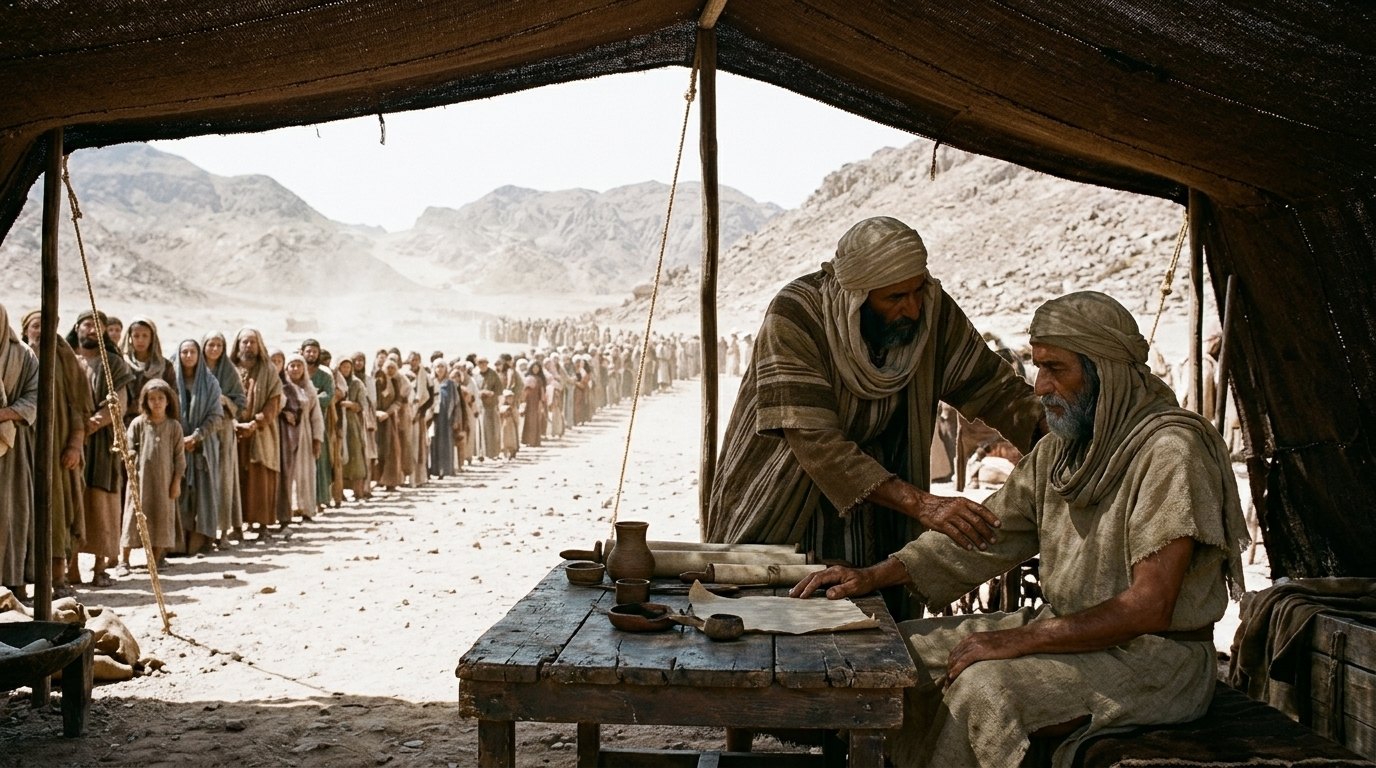
Carry each other’s burdens, and in this way you will fulfill the law of Christ.
Galatians 6:2 (NIV)
Mutual burden-bearing is revealed as the direct fulfillment of the law of Christ in the church.
When Paul writes, "Bear one another's burdens, and so fulfill the law of Christ" (Galatians 6:2), he exposes a vital biblical reality: God never designed his servants to endure heavy trials in isolation. The new commandment Christ gave his disciples—to love one another as he loved them (John 13:34)—finds practical expression in the mutual care and shared labor of the covenant community. Isolation magnifies exhaustion, whereas mutual support actively blunts its weight.
Old Testament history demonstrates this principle repeatedly. When Moses sat alone from morning to evening attempting to settle every grievance, his father-in-law Jethro confronted him: "What is this that you are doing for the people? Why do you sit alone...?" (Exodus 18:14). Jethro warned him plainly, "You and the people with you will certainly wear yourselves out" (Exodus 18:18). His godly counsel was to appoint trustworthy, God-fearing men over thousands, hundreds, fifties, and tens to handle lesser disputes (Exodus 18:21). Later, overwhelmed by the complaints of the wilderness generation, Moses cried out to God, "I am not able to carry all this people alone; the burden is too heavy for me" (Numbers 11:14). Rather than rebuking Moses for frailty, the Lord took of the Spirit upon him and distributed it among seventy elders, commanding that "they shall bear the burden of the people with you, so that you may not bear it yourself alone" (Numbers 11:17).
Wisdom literature affirms that shared endeavor provides stability: "Two are better than one, because they have a good reward for their toil" (Ecclesiastes 4:9), warning of the sorrow awaiting anyone who falls without a companion to help them rise (Ecclesiastes 4:10). The early church put this into practice when rapid growth threatened the disciples' primary calling. The apostles declared, "It is not right that we should give up preaching the word of God to serve tables" (Acts 6:2), guiding the congregation to select seven faithful men to oversee the daily distribution (Acts 6:3). Distributing responsibilities protected both spiritual ministry and practical care from collapse.
| Passage | What it says |
|---|---|
| Exodus 18:18 | Jethro warns Moses that judging the people alone will surely wear him and the people out. |
| Numbers 11:14 | Moses cries out to God that he cannot carry all these people alone because the burden is too heavy. |
| Galatians 6:2 | Paul commands believers to bear one another's burdens, thereby fulfilling the law of Christ. |
| John 13:34 | Jesus gives a new commandment that disciples love one another just as He loved them. |
| Ecclesiastes 4:9 | Two are better than one because they have a good reward for their shared toil. |
| Exodus 18:14 | Jethro questions Moses for attempting to judge the entire nation completely alone. |
| Exodus 18:21 | Jethro advises selecting capable, God-fearing men to share administrative burdens as rulers. |
| Numbers 11:17 | God places the Spirit upon seventy elders to bear the burden of the people with Moses. |
| Ecclesiastes 4:10 | Pity the one who falls when alone and has no one else to lift them up. |
| Acts 6:2 | The apostles refuse to neglect prayer and the word to manage daily food distribution. |
| Acts 6:3 | The church appoints seven qualified men to manage logistical needs, preventing apostolic burnout. |
Where in the Bible
| Book | Passages |
|---|---|
| Genesis | 1 · Genesis 2:2 |
| Exodus | 4 · Exodus 20:8, Exodus 18:18, Exodus 18:14, Exodus 18:21 |
| Numbers | 2 · Numbers 11:14, Numbers 11:17 |
| 1 Kings | 3 · 1 Kings 19:5, 1 Kings 19:4, 1 Kings 19:6 |
| Psalms | 3 · Psalms 127:2, Psalms 23:2, Psalms 23:3 |
| Proverbs | 1 · Proverbs 23:4 |
| Ecclesiastes | 3 · Ecclesiastes 2:22, Ecclesiastes 4:9, Ecclesiastes 4:10 |
| Isaiah | 5 · Isaiah 55:1, Isaiah 40:29, Isaiah 40:31, Isaiah 40:28, Isaiah 40:30 |
| Jeremiah | 2 · Jeremiah 31:25, Jeremiah 2:13 |
| Habakkuk | 1 · Habakkuk 2:13 |
| Matthew | 3 · Matthew 11:28, Matthew 11:29, Matthew 11:30 |
| Mark | 3 · Mark 2:27, Mark 1:35, Mark 6:31 |
| John | 5 · John 6:37, John 7:37, John 15:4, John 15:5, John 13:34 |
| Acts | 2 · Acts 6:2, Acts 6:3 |
| 2 Corinthians | 1 · 2 Corinthians 12:9 |
| Galatians | 3 · Galatians 5:1, Galatians 6:9, Galatians 6:2 |
| 2 Thessalonians | 1 · 2 Thessalonians 3:13 |
| Hebrews | 2 · Hebrews 4:9, Hebrews 12:3 |
| Revelation | 1 · Revelation 22:17 |
The story in order
- God rests on the seventh day (c. 4000 BC) · Genesis 2:2 · Establishes a pattern of rest built into creation.
- Israel commanded to keep Sabbath (c. 1450 BC) · Exodus 20:8 · God institutes a weekly rhythm of physical and spiritual restoration.
- Moses' burden too heavy (c. 1450 BC) · Numbers 11:14 · Illustrates the danger of carrying overwhelming loads alone.
- Jethro advises sharing the load (c. 1450 BC) · Exodus 18:21 · Practical wisdom for distributing responsibilities to prevent exhaustion.
- Elijah's despair and provision (c. 870 BC) · 1 Kings 19:4 · Shows extreme exhaustion and God's direct provision for restoration.
- Isaiah's prophecy of renewal (c. 700 BC) · Isaiah 40:31 · Promises strength and renewal for those who wait on the Lord.
- Jeremiah warns against broken cisterns (c. 620 BC) · Jeremiah 2:13 · Highlights the futility of seeking life from inadequate sources.
- Jesus invites the weary (c. AD 30) · Matthew 11:28 · Christ offers true rest and relief from heavy burdens.
- Jesus teaches on Sabbath (c. AD 30) · Mark 2:27 · The Sabbath is for human well-being, not a rigid rule.
- Jesus prays alone (c. AD 30) · Mark 1:35 · Even Jesus prioritized solitary time for spiritual restoration.
- Apostles delegate to prevent burnout (c. AD 55) · Acts 6:2 · Community structure helps leaders focus on core tasks.
- Paul on bearing burdens (c. AD 55) · Galatians 6:2 · Believers are called to share each other's loads.
- Hebrews on enduring hardship (c. AD 65) · Hebrews 12:3 · Focusing on Christ helps prevent spiritual weariness.
- Revelation's final invitation (c. AD 95) · Revelation 22:17 · The Spirit and the Church continue to invite all to life-giving water.
Sources of Exhaustion vs. True Rest
| Cause of Exhaustion | Biblical Warning/Description | Source of Rest | Passage |
|---|---|---|---|
| Self-reliance and anxious toil | Rising early and staying up late is vain | God gives His beloved sleep | Psalms 127:2 |
| Legalistic striving | Entanglement with yokes of bondage | Stand firm in liberty | Galatians 5:1 |
| Digging broken cisterns | Forsaking the fountain of living water | Come and drink freely | |
| Ceaseless striving | Man's futility and inner grief | Come to Me, all who labor | |
| Human vitality alone | Youths grow weary and young men fall | Wait upon the Lord | Isaiah 40:30-31 |
God's Provision for the Weary
| Need | Divine Provision | Result | Passage |
|---|---|---|---|
| Physical exhaustion and despair | Angel provides sleep, bread, and water | Sustained physical body | 1 Kings 19:5-6 |
| Soul restoration | The Lord restores the soul | Guidance in righteousness | Psalms 23:3 |
| Thirsting and impoverishment | Buy wine and milk without price | Satisfied spirit | Isaiah 55:1 |
| Heavy burdens | Take My yoke; it is easy | Rest for the soul | Matthew 11:29-30 |
| Human weakness | My grace is sufficient; power in weakness | Christ's power is perfected | 2 Corinthians 12:9 |
Sharing Burdens in Community
| Problem | Biblical Solution | Outcome | Passage |
|---|---|---|---|
| Moses judging alone | Select capable men to share burdens | Prevents Moses and people from wearing out | |
| Moses' overwhelming load | Spirit placed on seventy elders | Burden shared with Moses | Numbers 11:17 |
| Apostles neglecting ministry | Appoint seven men for practical needs | Apostles focus on prayer and word | Acts 6:2-3 |
| Falling alone | Two are better than one | Support and shared reward | Ecclesiastes 4:9-10 |
| Individual burdens | Bear one another's burdens | Fulfilling the law of Christ | Galatians 6:2 |
Key words
- Rest (shabat (Hebrew))
- Cessation from labor, peace, refreshment, and spiritual renewal. · Genesis 2:2
- Yoke (zygos (Greek))
- A burden or discipline; metaphorically, submission to a master or a way of life. · Matthew 11:29
- Labor (kopiaō (Greek))
- To toil, exert effort, often with a sense of weariness or difficulty. · Matthew 11:28
- Burden (phortion (Greek))
- A weight, load, or responsibility that is difficult to carry. · Matthew 11:28
- Faint (kamnō (Greek))
- To become weary, lose strength, or grow discouraged. · Hebrews 12:3
- Wait upon (qavah (Hebrew))
- To hope in, trust in, and serve the Lord expectantly. · Isaiah 40:31
Burnout is not an indictment of your faith; it is often a gentle, sobering reminder that you are a creature, not the Creator. Turn toward Christ today in honest confession of your fatigue, take up His easy yoke, and let His church help carry what was never meant for your shoulders alone.
46 passages, each cited once.
Scripture cited
- Matthew 11:28-30
- John 6:37
- Galatians 5:1
- Psalms 127:1-2
- Mark 6:30-32
- 1 Peter 5:6-7
- Galatians 6:1-10
- 1 Kings 19:1-18