What does the Bible say about immigrants and strangers?

Leviticus 19:33-34
33 “ ‘When a foreigner resides among you in your land, do not mistreat them.
34 The foreigner residing among you must be treated as your native-born. Love them as yourself, for you were foreigners in Egypt. I am the LORD your God.
New International Version (NIV)
The answer
God’s Word commands love, justice and practical kindness toward immigrants and strangers. Exploiting, oppressing or treating a foreigner with contempt is sin. At the same time, Scripture upholds lawful authority and just government; compassion and lawful order are not enemies.
Love the stranger as yourself
God told Israel, “you shall love him as yourself,” and grounded that command in their own experience as foreigners in Egypt (Leviticus 19:34). The surrounding command forbids doing the stranger wrong (Leviticus 19:33). Exodus repeats that a stranger must be neither oppressed nor mistreated, because Israel knew what it was like to be vulnerable in a foreign land (Exodus 22:21; Exodus 23:9).
This is not merely a human sentiment. God Himself “loves the foreigner in giving him food and clothing,” and therefore commands His people to love the foreigner too (Deuteronomy 10:18-19). Care for strangers reflects God’s own character.
Give equal justice and practical help
Israel was commanded to have one law and one ordinance for the native and the stranger living among them (Numbers 15:15-16). The resident foreigner was not to face a lesser standard of justice. God also names among those He will judge people who deprive the stranger of justice, alongside those who exploit workers, widows and orphans (Malachi 3:5).
In these passages, “stranger” or “foreigner” primarily describes a non-Israelite residing among God’s people. That category does not correspond exactly to every modern immigration classification, but its moral demands are clear: no exploitation, no partiality, no contempt and no indifference to genuine need.
Welcome strangers in Christ’s name
Jesus places welcoming the stranger among the acts for which the King commends His people: “I was a stranger and you took me in” (Matthew 25:35). He identifies such service to “the least of these my brothers” as service done to Him (Matthew 25:40). Christians are likewise commanded, “Don’t forget to show hospitality to strangers” (Hebrews 13:2).
The gospel also destroys ethnic exclusion within the church. Gentiles were once “strangers from the covenants of the promise,” but through Christ’s blood they have been brought near (Ephesians 2:12-13). Believers who were once outsiders are now “fellow citizens with the saints and of the household of God” (Ephesians 2:19). A believer from another nation is therefore a full member of God’s household, never a second-class Christian.
Hold mercy and lawful order together
God also establishes governing authority to promote good and restrain evil (Romans 13:1-4), and commands payment of lawful taxes and proper respect (Romans 13:6-7). This does not make every government action righteous, and it never authorizes cruelty. Rulers remain accountable to God as His servants for good.
Accordingly, particular border, visa and asylum policies require careful legal and prudential judgment, but no Christian may defend a policy or personal conduct through hatred, humiliation or mistreatment of immigrants. The consistent biblical response is truthful speech, equal justice, practical generosity, hospitality and obedience to lawful authority—all under the fear of God.
Answered from Scripture · reviewed November 11, 2026
Scripture consistently commands justice, compassion, and active hospitality toward the immigrant and the stranger. Because God Himself protects the vulnerable and redeemed Israel from foreign oppression, His people are forbidden from mistreating outsiders and commanded to love them as themselves.
The Law of Love
Love the stranger as native-born
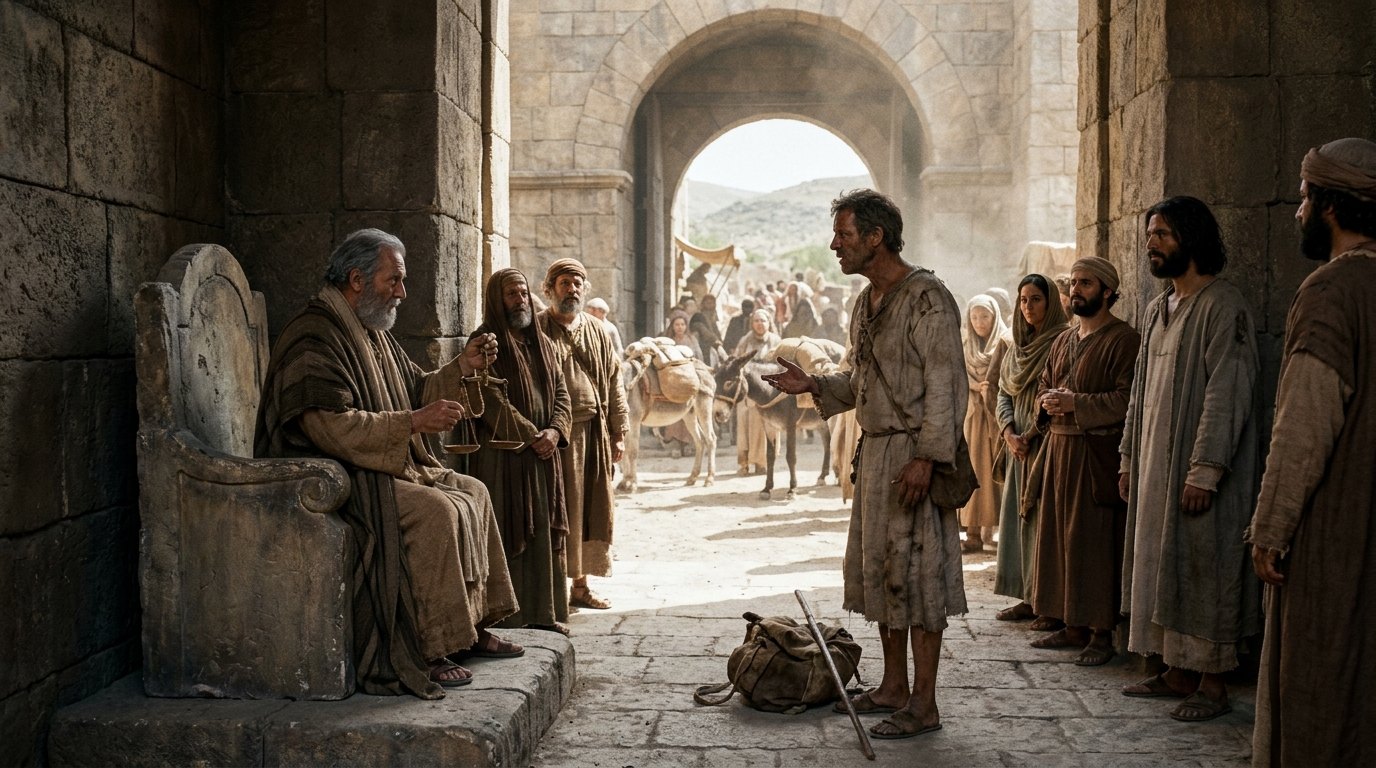
The foreigner residing among you must be treated as your native-born. Love them as yourself, for you were foreigners in Egypt. I am the LORD your God.
Leviticus 19:34 (NIV)
This verse anchors kindness toward foreigners directly in God's holy character and Israel's own redemptive history.
Leviticus 19:34 anchors the treatment of outsiders directly in God's holy nature: the stranger who dwells with you shall be to you as one born among you, and you shall love him as yourself. The Lord immediately reminds Israel of their own history: "for you were strangers in the land of Egypt: I am the Lord your God." This moral standard appears throughout the Law of Moses. In Leviticus 19:33, God commands that if a stranger sojourns in the land, His people must not mistreat or oppress him. Exodus 22:21 similarly charges Israel not to vex or wrong a stranger, pointing again to their affliction in Egypt. Exodus 23:9 deepens this motive, reminding them that they intimately know the heart of a foreigner, having endured that very status.
God's character provides the foundation for this command. Deuteronomy 10:18-19 reveals that the Lord executes justice for the fatherless and the widow, and loves the stranger by providing food and clothing; therefore, His people must love the stranger as well. This care was never sentimental charity that bypassed legal equality. Leviticus 24:22 establishes one standard of justice: you shall have one manner of law, as well for the stranger, as for one of your own country. Civil judges were held strictly to this principle; Deuteronomy 1:16 commands leaders to hear disputes and judge righteously between a brother and the stranger living with him. To violate this standard invited divine wrath. Deuteronomy 27:19 pronounces a solemn curse upon anyone who perverts the justice due to the stranger, the orphan, or the widow, demonstrating that God fiercely defends the legal rights of vulnerable outsiders.
| Passage | What it says |
|---|---|
| Leviticus 19:33 | Forbids wronging or mistreating any stranger who takes up residence in the land. |
| Leviticus 19:34 | Commands loving the resident foreigner as oneself, remembering Israel was once a stranger in Egypt. |
| Exodus 22:21 | Prohibits vexing or oppressing a stranger based on Israel's former affliction in Egypt. |
| Exodus 23:9 | Reiterates the prohibition against oppression because God's people know the heart of a foreigner. |
| Deuteronomy 10:18-19 | Declares that God loves the stranger with food and raiment, commanding His people to do likewise. |
| Leviticus 24:22 | Declares one law applies to the stranger and the native-born alike, rooted in the sovereign identity of the Lord their God. |
| Deuteronomy 1:16 | Commands judges to judge righteously between a man and his brother or the stranger residing with him. |
| Deuteronomy 27:19 | Pronounces a curse upon anyone who perverts justice due to the stranger, the fatherless, or the widow. |
Justice and Provision
Equal justice and merciful protection
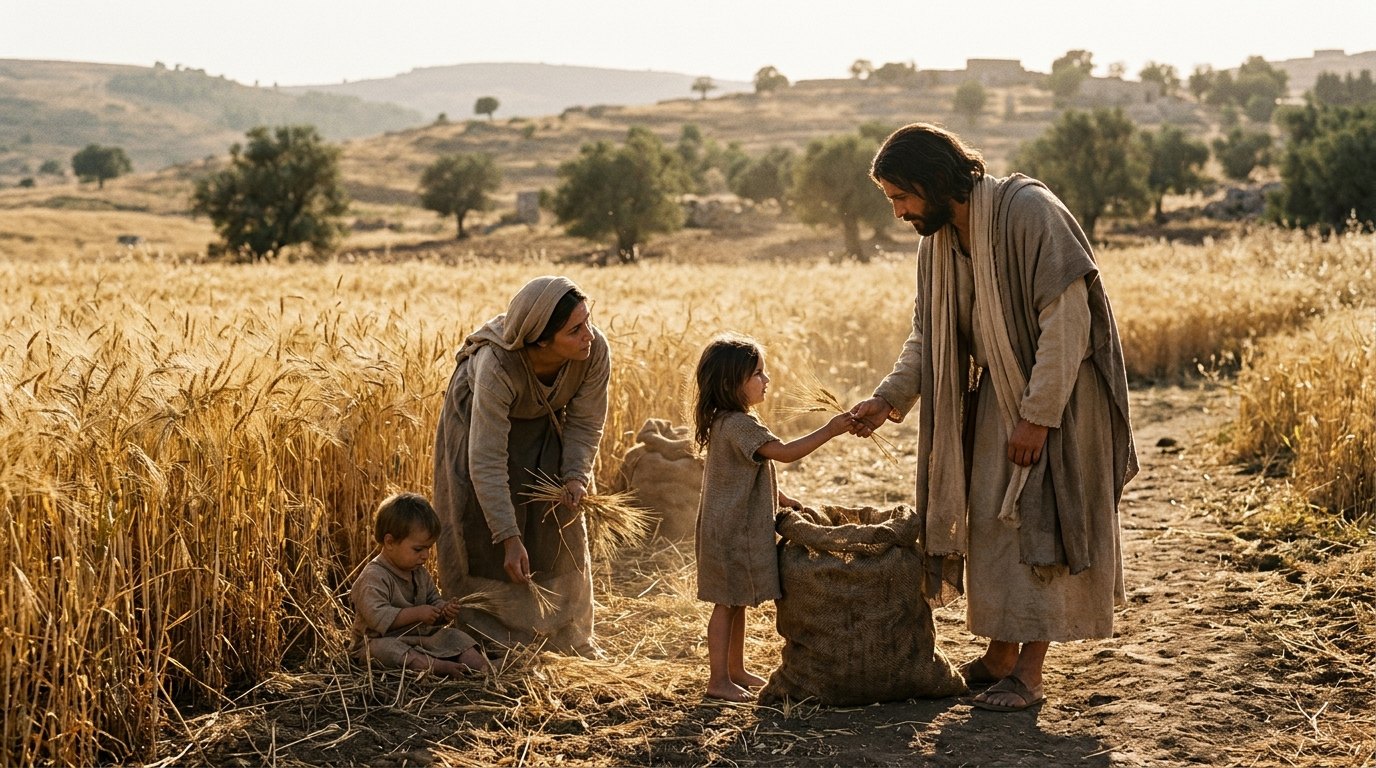
The community is to have the same rules for you and for the foreigner residing among you; this is a lasting ordinance for the generations to come. You and the foreigner shall be the same before the LORD: The same laws and regulations will apply both to you and to the foreigner residing among you.’ ”
Numbers 15:15-16 (NIV)
It establishes that the stranger and native are held to the very same legal standard without double standards.
Numbers 15:15-16 affirms equal legal standing before God: one ordinance shall be both for you of the congregation, and also for the stranger that sojourns with you. The Lord insists that as the native-born is, so shall the foreigner be before Him, having one law and one custom. This principle extended into economic protections. Deuteronomy 24:14 strictly forbids defrauding a poor and needy hired servant, whether he is an Israelite brother or a foreigner residing in the town. Even the holy rhythm of Sabbath rest safeguarded the outsider: Exodus 20:10 explicitly commands that no work be done by sons, daughters, servants, cattle, or the stranger within the gates.
God instituted structural provisions to ensure foreigners were fed and protected. Leviticus 23:22 and Deuteronomy 24:19-21 command reapers not to gather the corners of fields or return for forgotten sheaves, olive branches, or dropped grapes; these gleanings were reserved for the poor, the fatherless, the widow, and the stranger. Leviticus 25:35 instructs believers to sustain any brother or resident alien who falls into poverty. Community tithes also provided relief: Deuteronomy 14:28-29 and Deuteronomy 26:12-13 require the third-year tithe to be distributed so that the Levite, the stranger, the orphan, and the widow may eat and be satisfied. When Israel neglected this charge, the prophets declared judgment; Jeremiah 7:6 and Zechariah 7:9-10 warn against oppressing the alien, while Malachi 3:5 lists cheating the foreigner of justice alongside sorcery, adultery, and perjury. In the restored kingdom, Ezekiel 47:21-23 foresees an astonishing promise: the sojourners shall have an inheritance with you among the tribes of Israel.
| Passage | What it says |
|---|---|
| Numbers 15:15-16 | Specifies one law and one ordinance for both the native congregation and the stranger dwelling among them. |
| Deuteronomy 24:14 | Forbids oppressing any hired servant who is poor and needy, whether a countryman or an alien. |
| Deuteronomy 24:19-21 | Orders the gleanings of harvests, olive groves, and vineyards to be left for the fatherless, widow, and stranger. |
| Jeremiah 7:6 | Warns Judah to cease oppressing the stranger, orphan, and widow if they desire to remain in the land. |
| Malachi 3:5 | Pronounces swift divine judgment against those who turn away the stranger from his rightful justice. |
| Exodus 20:10 | Includes the resident sojourner within the gates in the commanded weekly Sabbath rest alongside Israelite families and servants. |
| Leviticus 23:22 | Forbids wholly reaping field corners or gathering gleanings, leaving them intentionally for the poor and the stranger. |
| Leviticus 25:35 | Commands relief and sustenance for an impoverished brother so he may live beside his fellow Israelite as a sojourner. |
| Deuteronomy 14:28-29 | Directs the third-year tithe to provide abundant food for Levites, strangers, fatherless children, and widows. |
| Deuteronomy 26:12-13 | Requires the declaration that sacred tithes were faithfully given to the stranger, orphan, and widow without violation. |
| Ezekiel 47:21-23 | Prophesies that sojourners who bear children among Israel will receive an inheritance of land alongside the tribes. |
| Zechariah 7:9-10 | Charges God's people to show mercy and compassion, explicitly forbidding oppression of the widow, fatherless, stranger, or poor. |
Hospitality in Christ
Serving Christ by receiving outsiders
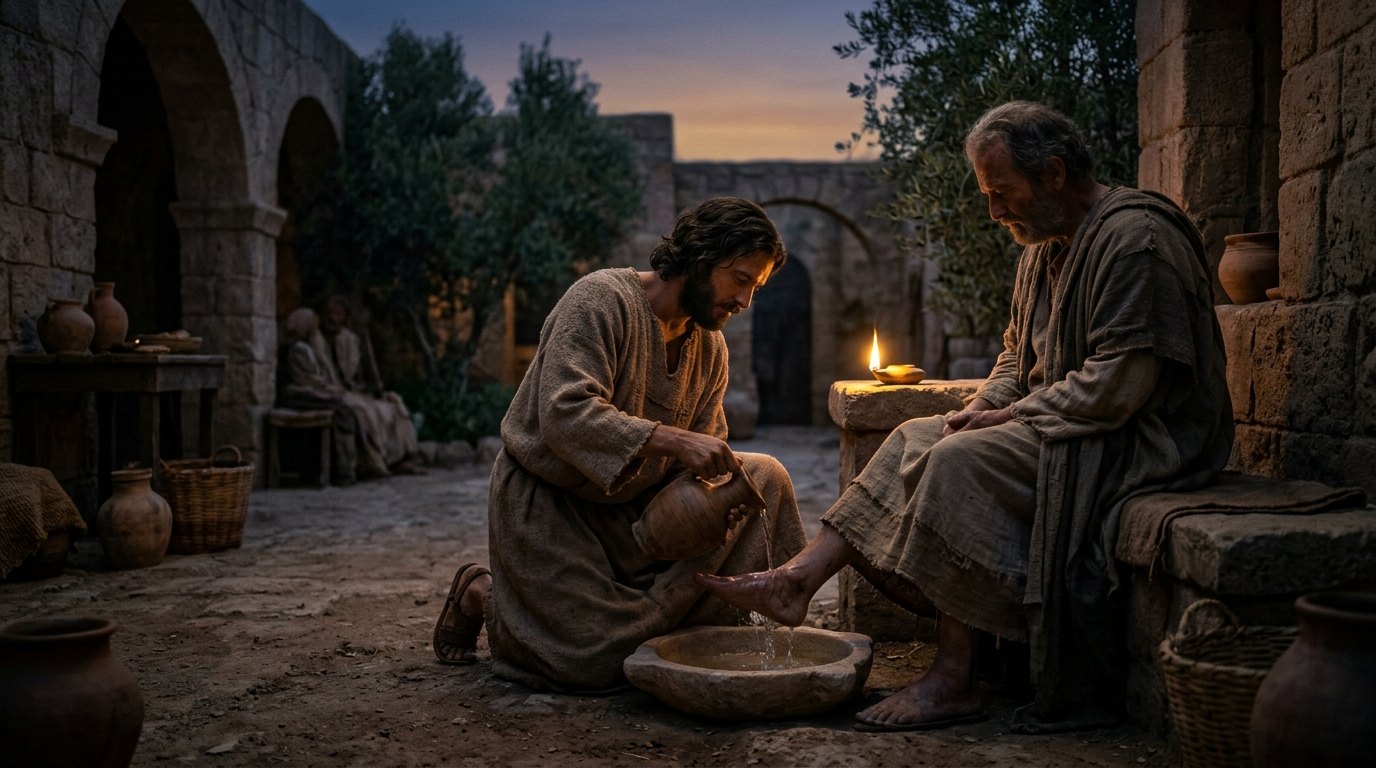
For I was hungry and you gave me something to eat, I was thirsty and you gave me something to drink, I was a stranger and you invited me in,
Matthew 25:35 (NIV)
Jesus explicitly reveals that welcoming a needy stranger is an act rendered directly unto Himself.
Matthew 25:35 elevates hospitality from a civil duty to a direct encounter with Christ: I was a stranger, and you took me in. When the righteous ask when they ever saw the Lord as an outsider and welcomed Him, Matthew 25:40 records the King's definitive answer: "Inasmuch as you have done it unto one of the least of these my brethren, you have done it unto me." Christ identifies so closely with the needy stranger that acts of mercy shown to outsiders are received as service rendered directly to the Son of God. The early church took this command seriously; Hebrews 13:2 urges believers not to neglect entertaining strangers, noting that some have thereby welcomed angels unawares, while Romans 12:13 charges Christians to pursue hospitable care eagerly.
Jesus repeatedly used outsiders to shatter self-righteous prejudice. In Luke 10:30-37, the Parable of the Good Samaritan reveals a despised foreigner demonstrating genuine, costly love to a wounded man left for dead by religious leaders, prompting Christ's charge to "go and do likewise." In Luke 17:15-18, when ten lepers were cleansed, Jesus pointedly observed that none returned to give glory to God except this foreigner, a Samaritan who fell at His feet in thanksgiving. The apostles embedded this practice into regular church life. In 1 Timothy 5:10, widows recognized for godliness are commended for lodging strangers and washing the feet of the saints, and in 3 John 1:5, John praises Gaius for his faithful love toward brothers who were traveling strangers, modeling active gospel hospitality.
| Passage | What it says |
|---|---|
| Matthew 25:35 | Jesus names welcoming the stranger as a defining mark of righteousness on the day of judgment. |
| Matthew 25:40 | The King proclaims that deeds of mercy done to the least of His brothers are done unto Him. |
| Hebrews 13:2 | Exhorts believers not to neglect showing hospitality to strangers, whereby some entertained angels unawares. |
| Romans 12:13 | Instructs Christians to contribute to the needs of the saints and practice hospitality fervently. |
| Luke 10:30-37 | Jesus portrays a despised Samaritan outsider as the faithful neighbour who showed mercy, commanding His hearers to do likewise. |
| Luke 17:15-18 | Jesus notes that only one cleansed leper returned to give glory to God, identifying him specifically as a foreigner. |
| 1 Timothy 5:10 | Commends widows known for good works, specifically noting the lodging of strangers and washing of the saints' feet. |
| 3 John 1:5 | Praises faithful service rendered toward brothers in Christ, particularly when those receiving care are strangers. |
Spiritual Citizenship
From alienated foreigners to fellow citizens
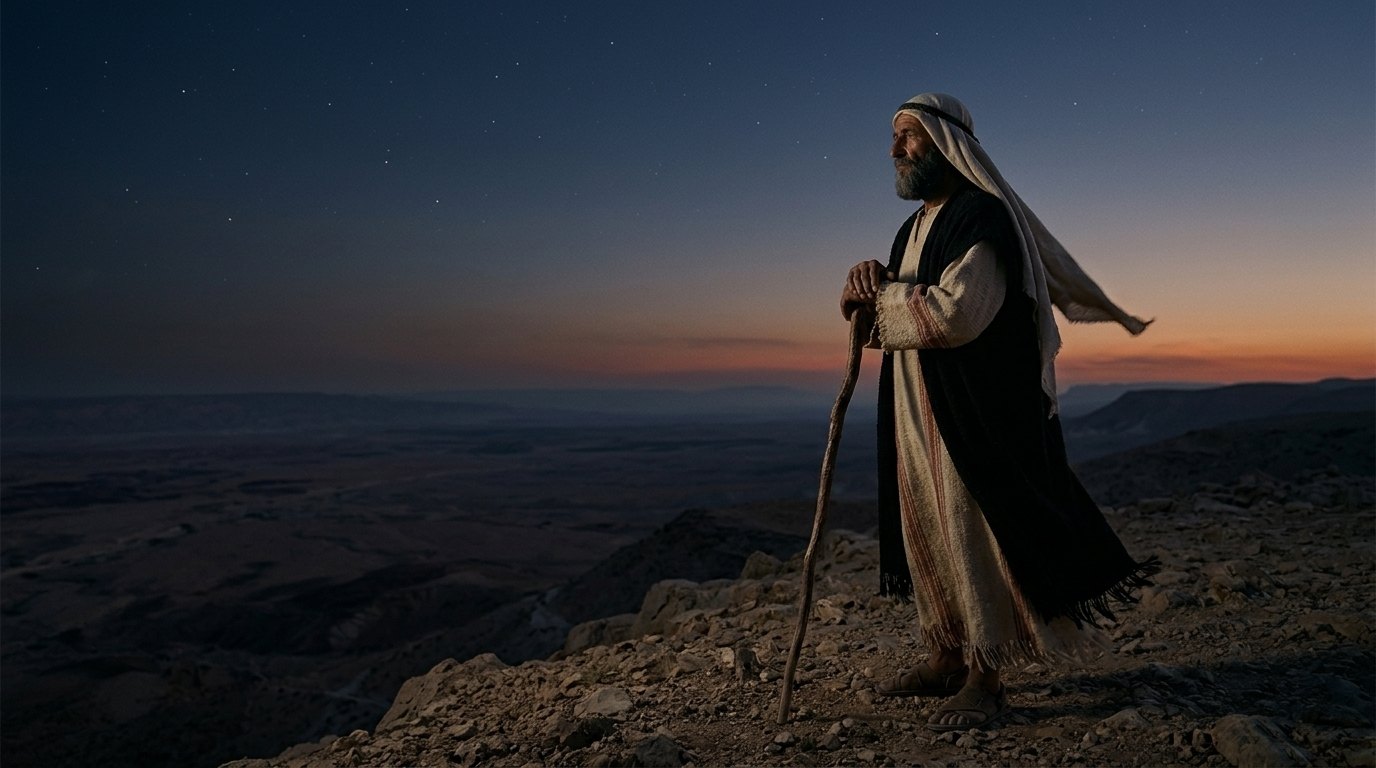
Consequently, you are no longer foreigners and strangers, but fellow citizens with God’s people and also members of his household,
Ephesians 2:19 (NIV)
It summarizes the gospel transformation where former outsiders are made full members of God's household.
Ephesians 2:19 declares the supreme spiritual transformation accomplished by Christ: now therefore you are no more strangers and foreigners, but fellow citizens with the saints, and of the household of God. Paul explains in Ephesians 2:12-13 that Gentiles were once alienated from the commonwealth of Israel and strangers to the covenants of promise, having no hope and without God in the world; but now in Christ Jesus, those who once were far off have been brought near by His blood. At the same time, this heavenly citizenship redefines the believer's relationship to this present earth. 1 Peter 2:11 urges Christians as sojourners and pilgrims to abstain from fleshly lusts, remembering that their true home is above while living honorably in the world, subject to governing authorities established by God to maintain public order (Romans 13:1-4).
This pilgrim identity runs through the entire narrative of faith. Genesis 23:4 shows Abraham confessing before the sons of Heth, "I am a stranger and a sojourner with you." David confesses in 1 Chronicles 29:15 that all God's people are strangers and sojourners on earth, our days passing like a shadow, praying in Psalm 39:12 for the Lord to hear him as a passing wanderer. Psalm 119:19 echoes, "I am a stranger in the earth: hide not thy commandments from me." Hebrews 11:13-16 commends these patriarchs, who embraced the promises from afar and confessed that they were strangers and pilgrims on the earth, desiring a better, heavenly country. Peter opens his epistle in 1 Peter 1:1 addressing the elect exiles dispersed throughout the provinces, commanding them in 1 Peter 1:17 to pass the time of their temporary earthly exile in reverent fear of God.
| Passage | What it says |
|---|---|
| Ephesians 2:12-13 | Describes Gentiles as formerly alienated from Israel's commonwealth, now brought near by the blood of Christ. |
| Ephesians 2:19 | Pronounces believers no longer strangers and foreigners, but fellow citizens with the saints. |
| 1 Peter 2:11 | Appeals to Christians as sojourners and exiles in the world to abstain from fleshly lusts. |
| Romans 13:1-4 | Affirms that civil governing authorities are appointed by God to maintain public order and restrain evil. |
| Genesis 23:4 | Abraham identifies himself as a stranger and sojourner in Canaan when seeking burial ground for Sarah. |
| 1 Chronicles 29:15 | David confesses before God that all His people are strangers and sojourners on earth, whose days pass like shadows. |
| Psalms 39:12 | David prays for hearing from the Lord, acknowledging he is a passing stranger and sojourner like his fathers. |
| Psalms 119:19 | The psalmist confesses he is a sojourner on earth and pleads for God not to hide His commandments. |
| Hebrews 11:13-16 | Commends patriarchs who confessed they were strangers and exiles on earth, seeking a heavenly homeland God prepared for them. |
| 1 Peter 1:1 | Peter addresses believers across the provinces of Asia Minor as elect exiles and pilgrims dispersed abroad. |
| 1 Peter 1:17 | Exhorts believers to conduct themselves throughout their time of exile and sojourning on earth in reverent fear of God. |
Covenant Inclusion
God welcomes foreigners who join His covenant community
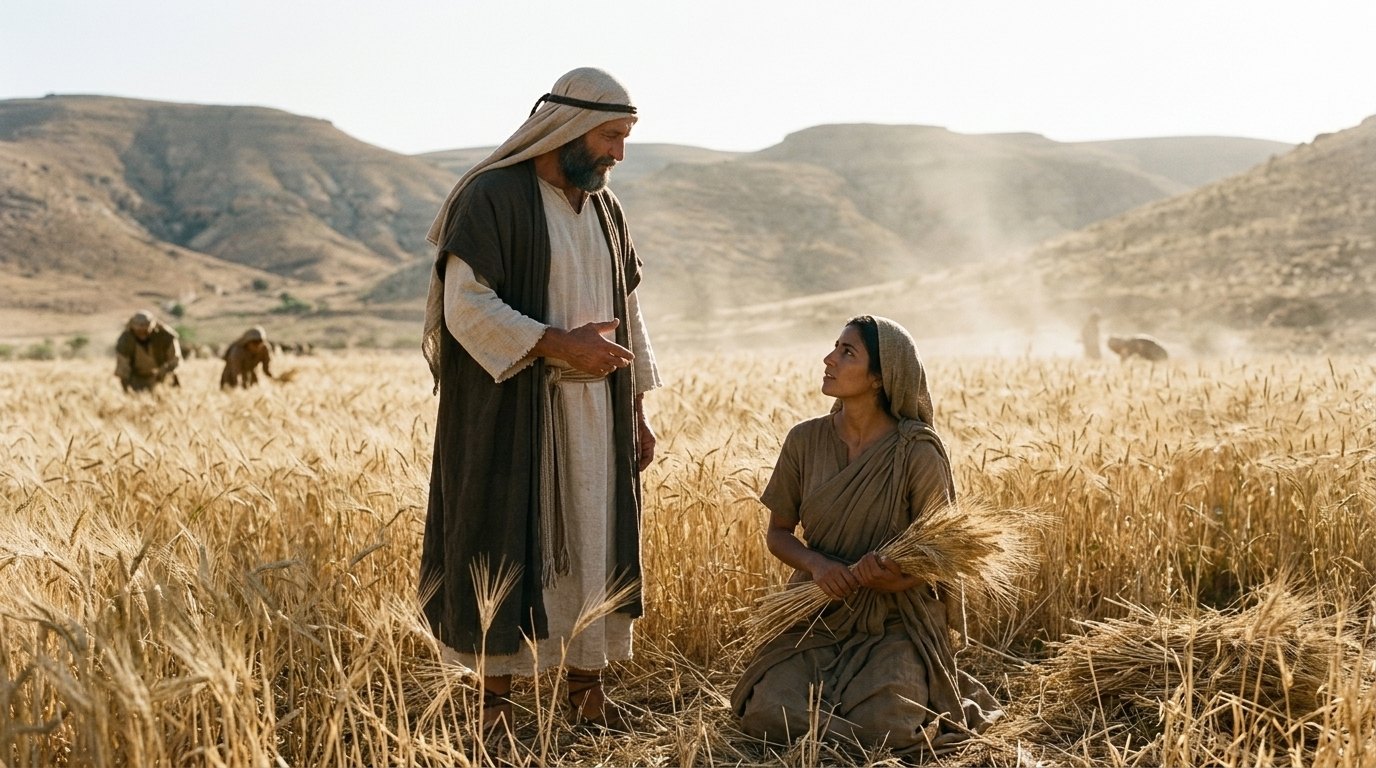
And foreigners who bind themselves to the LORD to minister to him, to love the name of the LORD, and to be his servants, all who keep the Sabbath without desecrating it and who hold fast to my covenant— these I will bring to my holy mountain and give them joy in my house of prayer. Their burnt offerings and sacrifices will be accepted on my altar; for my house will be called a house of prayer for all nations.”
Isaiah 56:6-7 (NIV)
It shows God's redemptive plan to gather foreigners who love His name into His house of prayer for all peoples.
Isaiah 56:6-7 reveals the sweeping scope of divine redemption, declaring that foreigners who join themselves to the Lord to minister to Him, love His name, and hold fast His covenant will be brought to His holy mountain and made joyful in His house of prayer. Rather than barring the stranger from fellowship, the covenant welcomes all who turn to God in faithful obedience, promising that their sacrifices will be accepted upon His altar. From the foundation of Israel's national life, the law made full provision for foreigners who wished to worship the living God. In Exodus 12:48-49, God established that when a stranger dwelt among them and desired to keep the Passover, receiving the sign of the covenant granted him equal standing: one law applied both to the native-born and to the foreigner residing in the land. Centuries later, during the dedication of the temple in Jerusalem, King Solomon explicitly prayed for outsiders seeking the Lord. In 1 Kings 8:41-43, he asked God to hear the petition of the foreigner who journeys from a distant country on account of God's renown, so that all peoples of the earth might know His great name. This open embrace is warmly demonstrated in the life of Ruth the Moabitess. In Ruth 2:10-12, Boaz praised Ruth for abandoning her homeland to dwell among an unfamiliar people, praying that the Lord recompense her work and that a full reward be given her by the God of Israel under whose wings she had come to take refuge. Finally, Isaiah 56:3-7 reassures the foreigner that God will never exclude the faithful outsider from His presence, promising them an everlasting name and establishing the temple as a welcoming house of prayer for all nations.
| Passage | What it says |
|---|---|
| Exodus 12:48-49 | Permits the circumcised stranger to eat the Passover, declaring one law applies to native-born and foreigner. |
| 1 Kings 8:41-43 | Solomon petitions God to hear the prayer of the foreigner who comes from afar for the Lord's name's sake. |
| Ruth 2:10-12 | Boaz extends favour to Ruth the Moabitess who sought refuge under the wings of the Lord, God of Israel. |
| Isaiah 56:3-7 | Promises foreigners who join the Lord and hold fast His covenant an enduring name and a place of prayer. |
Where in the Bible
| Book | Passages |
|---|---|
| Genesis | 1 · Genesis 23:4 |
| Exodus | 4 · Exodus 22:21, Exodus 23:9, Exodus 20:10, Exodus 12:48-49 |
| Leviticus | 5 · Leviticus 19:33, Leviticus 19:34, Leviticus 24:22, Leviticus 23:22, Leviticus 25:35 |
| Numbers | 1 · Numbers 15:15-16 |
| Deuteronomy | 7 · Deuteronomy 10:18-19, Deuteronomy 1:16, Deuteronomy 27:19, Deuteronomy 24:14, Deuteronomy 24:19-21, Deuteronomy 14:28-29, Deuteronomy 26:12-13 |
| Ruth | 1 · Ruth 2:10-12 |
| 1 Kings | 1 · 1 Kings 8:41-43 |
| 1 Chronicles | 1 · 1 Chronicles 29:15 |
| Psalms | 2 · Psalms 39:12, Psalms 119:19 |
| Isaiah | 1 · Isaiah 56:3-7 |
| Jeremiah | 1 · Jeremiah 7:6 |
| Ezekiel | 1 · Ezekiel 47:21-23 |
| Zechariah | 1 · Zechariah 7:9-10 |
| Malachi | 1 · Malachi 3:5 |
| Matthew | 2 · Matthew 25:35, Matthew 25:40 |
| Luke | 2 · Luke 10:30-37, Luke 17:15-18 |
| Romans | 2 · Romans 12:13, Romans 13:1-4 |
| Ephesians | 2 · Ephesians 2:12-13, Ephesians 2:19 |
| 1 Timothy | 1 · 1 Timothy 5:10 |
| Hebrews | 2 · Hebrews 13:2, Hebrews 11:13-16 |
| 1 Peter | 3 · 1 Peter 2:11, 1 Peter 1:1, 1 Peter 1:17 |
| 3 John | 1 · 3 John 1:5 |
The story in order
- Abraham, a stranger and sojourner (c. 2000 BC) · Genesis 23:4 · Identifies self as a stranger in the land.
- Israel oppressed in Egypt (c. 1450 BC) · Exodus 22:21 · Command to not oppress strangers, remembering their own affliction.
- Law of love for the stranger (c. 1450 BC) · Leviticus 19:34 · Love the foreigner as yourself.
- One law for native and stranger (c. 1450 BC) · Numbers 15:15 · Equality under the law for all in the community.
- Provision for the stranger (c. 1400 BC) · Deuteronomy 24:19-21 · Gleanings left for the poor, widow, and stranger.
- Solomon's prayer for foreigners (c. 960 BC) · 1 Kings 8:41-43 · God hears prayers of foreigners who seek Him.
- Jeremiah warns against oppression (c. 600 BC) · Jeremiah 7:6 · Cease oppressing strangers if you wish to remain in the land.
- Isaiah promises inclusion (c. 700 BC) · Isaiah 56:6-7 · Foreigners joining the Lord will have a place in His house.
- Zechariah commands compassion (c. 500 BC) · Zechariah 7:9-10 · Show mercy and compassion, do not oppress strangers.
- Jesus welcomes the stranger (AD 30) · Matthew 25:35 · Welcoming the stranger is welcoming Christ Himself.
- Gentiles brought near by Christ (AD 60) · Ephesians 2:12-13 · Formerly alienated foreigners are now brought near.
- Believers as sojourners and exiles (AD 60) · 1 Peter 1:1 · Christians are elect exiles, pilgrims in the world.
Love for the Stranger
| Command | Reason | Application | Passage |
|---|---|---|---|
| Do not wrong or mistreat the stranger. | Remember you were strangers in Egypt. | Love the foreigner as yourself. | Leviticus 19:33-34 |
| Do not oppress the stranger. | You know the foreigner's heart. | God loves the stranger; you must too. | |
| Judge righteously between native and stranger. | God shows no partiality. | One law for all. | |
| Leave gleanings for the stranger. | Ensure provision for the vulnerable. | Do not oppress the hired stranger. | |
| Welcome the stranger. | It is an act of mercy. | Welcoming the stranger is welcoming Christ. | Matthew 25:35 |
From Foreigner to Fellow Citizen
| Old Status | New Status | Basis | Passage |
|---|---|---|---|
| Alienated foreigners, without hope. | Fellow citizens with the saints. | The blood of Christ. | Ephesians 2:12-13 |
| Strangers and foreigners. | No longer strangers, but members of God's household. | Built on the foundation of apostles and prophets. | Ephesians 2:19 |
| Foreigners who join the Lord. | Given an enduring name and place. | Holding fast to the covenant. | Isaiah 56:3-7 |
| Foreigner who sought refuge. | Favored and protected. | Seeking refuge under the wings of the Lord. | Ruth 2:10-12 |
| Foreigner, cleansed leper. | Gave glory to God. | Recognizing God's healing power. | Luke 17:15-18 |
Key words
- Stranger (ger, גֵּר)
- A foreigner or sojourner residing within the land of Israel. · Leviticus 19:33
- Oppress (laḥats, לַחַץ)
- To afflict, vex, or treat unjustly. · Exodus 22:21
- Love (ahav, אָהַב)
- To have deep affection and care for another. · Leviticus 19:34
- Justice (mishpat, מִשְׁפָּט)
- Righteous judgment and fair treatment. · Deuteronomy 1:16
- Hospitality (philoxenia, φιλοξενία)
- Kindness and generosity in receiving and entertaining strangers. · Hebrews 13:2
- Fellow citizens (sympolitēs, συμπολίτης)
- Belonging to the same community and having equal rights. · Ephesians 2:19
- Sojourners (parepidēmos, παρεπίδημος)
- Temporary residents or pilgrims living in a foreign land. · 1 Peter 1:1
Believers are summoned to reflect God's heart by showing compassion, equal justice, and hospitality to the foreign-born, recognizing our shared vulnerability apart from Christ. As citizens of a heavenly kingdom, our treatment of the vulnerable displays the integrity of our faith and our reverence for the Lord.
43 passages, each cited once.
Scripture cited
- Leviticus 19:33-34
- Exodus 22:21
- Exodus 23:9
- Malachi 3:5
- Deuteronomy 10:18-19
- Numbers 15:14-16
- Matthew 25:34-40
- Hebrews 13:1-3
- Ephesians 2:11-22
- Romans 13:1-7