What does the Bible say about new beginnings?
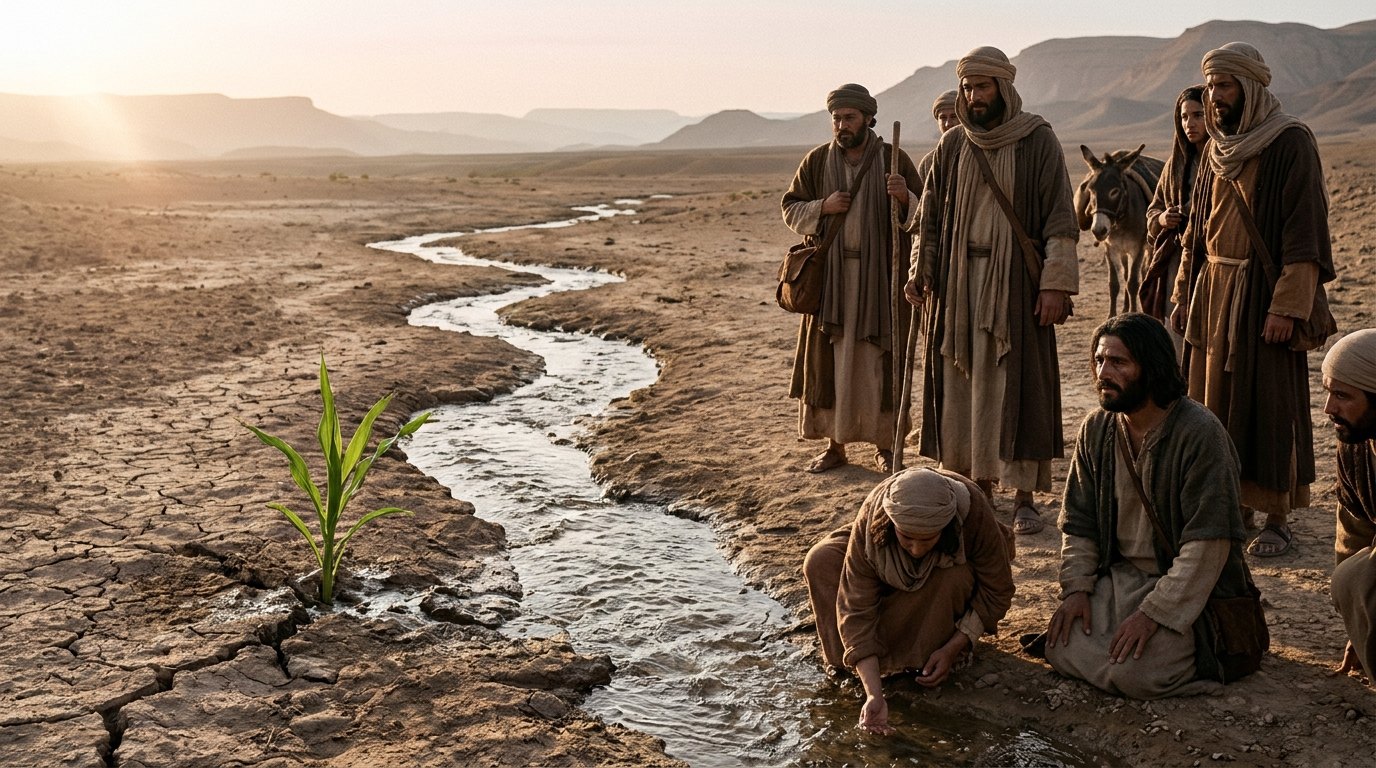
Isaiah 43:18-19
18 “Forget the former things; do not dwell on the past.
19 See, I am doing a new thing! Now it springs up; do you not perceive it? I am making a way in the wilderness and streams in the wasteland.
New International Version (NIV)
The answer
Scripture treats a new beginning as God’s gracious work, not merely human self-reinvention. He opens a way where none exists (Isaiah 43:18-19), makes people new creations in Christ (2 Corinthians 5:17), renews His mercies every morning (Lamentations 3:22-23), and will finally make all things new (Revelation 21:5). His fresh start rests on forgiveness and produces a changed life.
God is not limited by the past
Isaiah 43 addresses Israel with God’s promise to bring down Babylon and redeem His people. After recalling His path through the sea, God says, “Behold, I will do a new thing… I will even make a way in the wilderness, and rivers in the desert” (Isaiah 43:14-19).
The command not to remember the former things is not a command to deny the past or erase its memory. Isaiah 46:9 explicitly tells God’s people to remember the former things because He alone is God. Jeremiah 16:14-15 explains the pattern: a coming deliverance would so display God’s power that the exodus from Egypt would no longer be their defining confession. God’s works should be remembered, but neither former failures nor former blessings establish the limits of what He can do.
This is not a guarantee that every preferred plan will succeed or that earthly consequences will disappear. It is assurance that the past need not have the final word.
The deepest new beginning is new life in Christ
Jesus says that no one can see God’s kingdom without being born anew (John 3:3). This is more than improved habits or changed circumstances. God promises a new heart, a new spirit, and His own Spirit enabling obedience (Ezekiel 36:26-27).
Consequently, “if anyone is in Christ, he is a new creation” (2 Corinthians 5:17). This newness is grounded in reconciliation: God does not pretend sin is harmless. Christ, who knew no sin, was made sin on our behalf so that we might become God’s righteousness in Him (2 Corinthians 5:18-21). Forgiveness is therefore costly, just, and real. When sins are confessed, God is faithful and righteous to forgive and cleanse (1 John 1:9). The call is not simply to try harder, but to be reconciled to God through Christ (2 Corinthians 5:20).
Grace begins a different way of living
A biblical fresh start is never permission to remain in sin. Romans 6:1-4 teaches that those joined to Christ have died to sin and are raised to “walk in newness of life.” Repentance, obedience, and leaving the old way behind belong to the new beginning God gives.
This does not mean believers never stumble. Lamentations 3:22-24 declares that God’s mercies are new every morning and calls the soul to hope in Him. His daily mercy restores the repentant; it does not excuse returning to sin.
God will complete His renewing work
The final new beginning is cosmic, not merely personal. Revelation 21:1-5 promises a new heaven and a new earth, God dwelling with His people, and the end of death, mourning, crying, and pain. Human progress cannot produce that world; God Himself declares, “Behold, I am making all things new.” Its certainty rests on His own testimony: “these words of God are faithful and true” (Revelation 21:5).
Answered from Scripture · reviewed November 11, 2026
Scripture reveals that a new beginning is not self-reinvention but God's sovereign initiative breaking into human helplessness. From the dawn of Genesis to the cosmic renewal in Revelation, God makes roads through barren wilderness and raises life out of death. Understanding biblical newness requires anchoring ourselves in His promises, letting go of paralyzing regrets, and walking as new creations.
The Divine Initiative
God creates paths where human strength sees none
See, I am doing a new thing! Now it springs up; do you not perceive it? I am making a way in the wilderness and streams in the wasteland.
Isaiah 43:19 (NIV)
God declares that His work of renewal is springing up presently, carving highways through barren wastelands and providing rivers in dry ground.
When God initiates a fresh start, He carves a way through absolute impossibility, answering human ruin with supernatural life. In Isaiah 43:19, the Lord interrupts Israel's exile with a startling proclamation: "Behold, I am doing a new thing; now it springs forth, do you not perceive it? I will make a way in the wilderness and rivers in the desert." Just before this, in Isaiah 43:18, He tells His people to stop dwelling exclusively on the triumphs of the past, because what He is about to do will eclipse even the glories of yesterday. This desert highway echoes the herald's cry in Isaiah 40:3, where a voice commands the leveling of rugged ground so the glory of the Lord may be revealed. In Isaiah 35:8, this route is named the Way of Holiness, a secure path set apart specifically for the ransomed to return home. The scale of divine deliverance continually expands throughout history; Jeremiah 16:14-15 foretells an ingathering so grand that the ancient oaths commemorating the exodus from Egypt will be superseded by praise for this greater gathering from all lands.
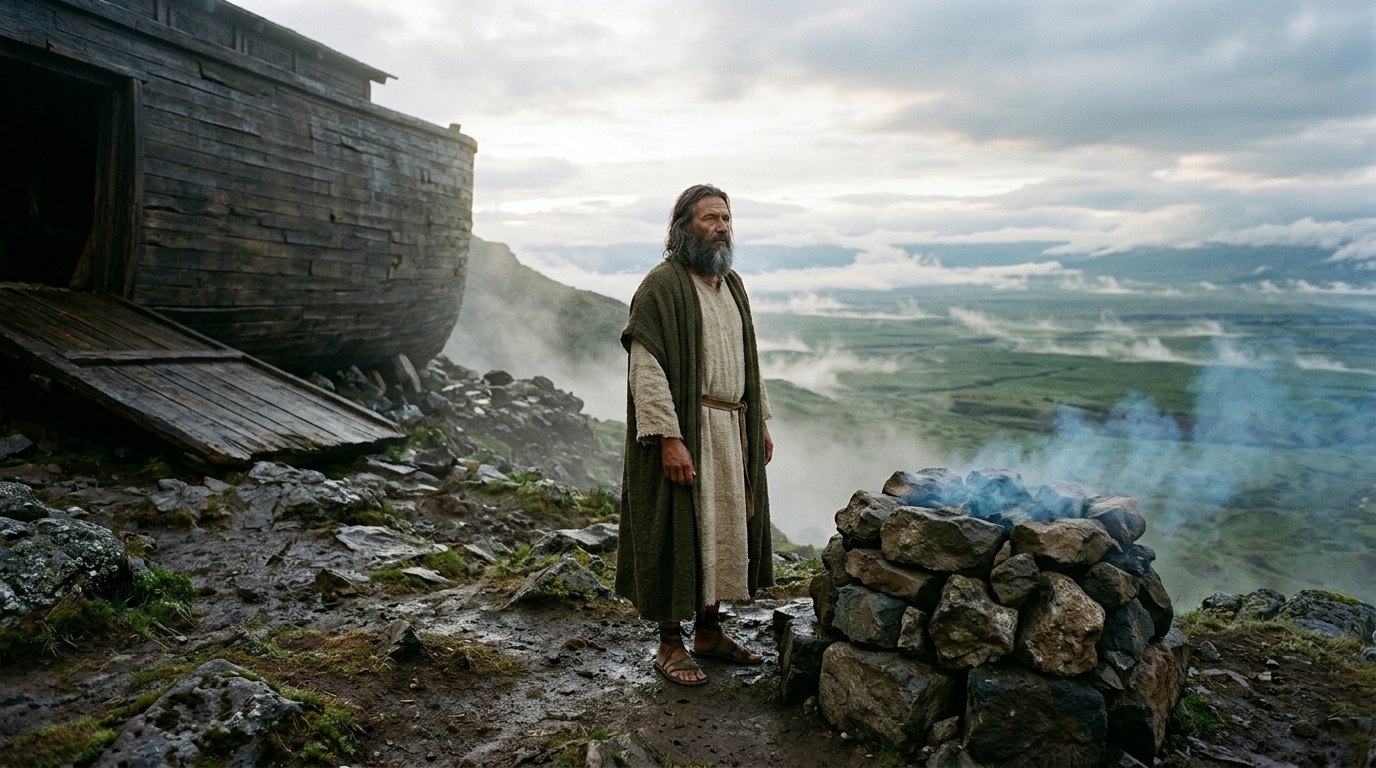
This pattern of sudden, divine genesis began in Genesis 1:1-3, where the voice of God shattered the primordial dark, summoning radiant light out of absolute nothingness. After the deluge had wiped the earth clean, God commanded Noah in Genesis 8:15-17 to step out of the ark into an open world, commissioning animal and human life to multiply afresh. Centuries later, God called an aging, childless pagan in Genesis 12:1-3, commanding Abram to leave his kindred behind to inherit an unseen country and become a blessing to all families of the earth. When He finally forged Abram's seed into a nation, God instituted a literal calendar reset in Exodus 12:2, declaring the Passover month to be the head of their year. True beginnings never originate from human resolve; they are born when the living God breaks into human barrenness and commands light to shine.
| Passage | What it says |
|---|---|
| Isaiah 43:18 | God commands His people not to dwell on former things or linger over things of old. |
| Isaiah 43:19 | The Lord announces a new work springing forth, carving roads in the wilderness and rivers in the desert. |
| Isaiah 40:3 | A voice calls to prepare the way of the Lord and make straight a desert highway for God. |
| Isaiah 35:8 | God promises a consecrated highway in the desert called the Way of Holiness, where the redeemed walk. |
| Jeremiah 16:14-15 | A coming deliverance will so surpass the exodus from Egypt that God's people will swear by the newer redemption. |
| Genesis 1:1-3 | God speaks light and life into the formless void, inaugurating the first beginning of the world. |
| Genesis 8:15-17 | God calls Noah and every living creature forth from the ark to begin humanity anew upon the earth. |
| Genesis 12:1-3 | God commands Abram to leave his father's house into a land God will show him, promising a great nation. |
| Exodus 12:2 | God designates Passover and the exodus as the first month of the year, a fresh starting calendar for Israel. |
Remembering and Releasing
Holding God's faithfulness while releasing past bondage
Remember how the LORD your God led you all the way in the wilderness these forty years, to humble and test you in order to know what was in your heart, whether or not you would keep his commands.
Deuteronomy 8:2 (NIV)
Remembering God's wilderness leading teaches humility and dependence, preventing past trials from becoming stumbling blocks.
A biblically rooted fresh start requires a clear distinction between holy remembrance and paralyzing nostalgia. Moses instructs the congregation in Deuteronomy 8:2 to remember all the way the Lord led them through the terrifying desert for forty years, deliberately testing and humbling their hearts. Scripture demands that we store up God's historical works; as David commands in 1 Chronicles 16:12, we are to remember His marvelous wonders and the righteous judgments of His mouth. The Lord Himself declares in Isaiah 46:9 that recalling the former things of old proves He alone is God, unmatched in power and sovereign over all history. Holding fast to His past deeds preserves our step, keeping us upon the highway of the upright that turns away from destruction (Proverbs 16:17).
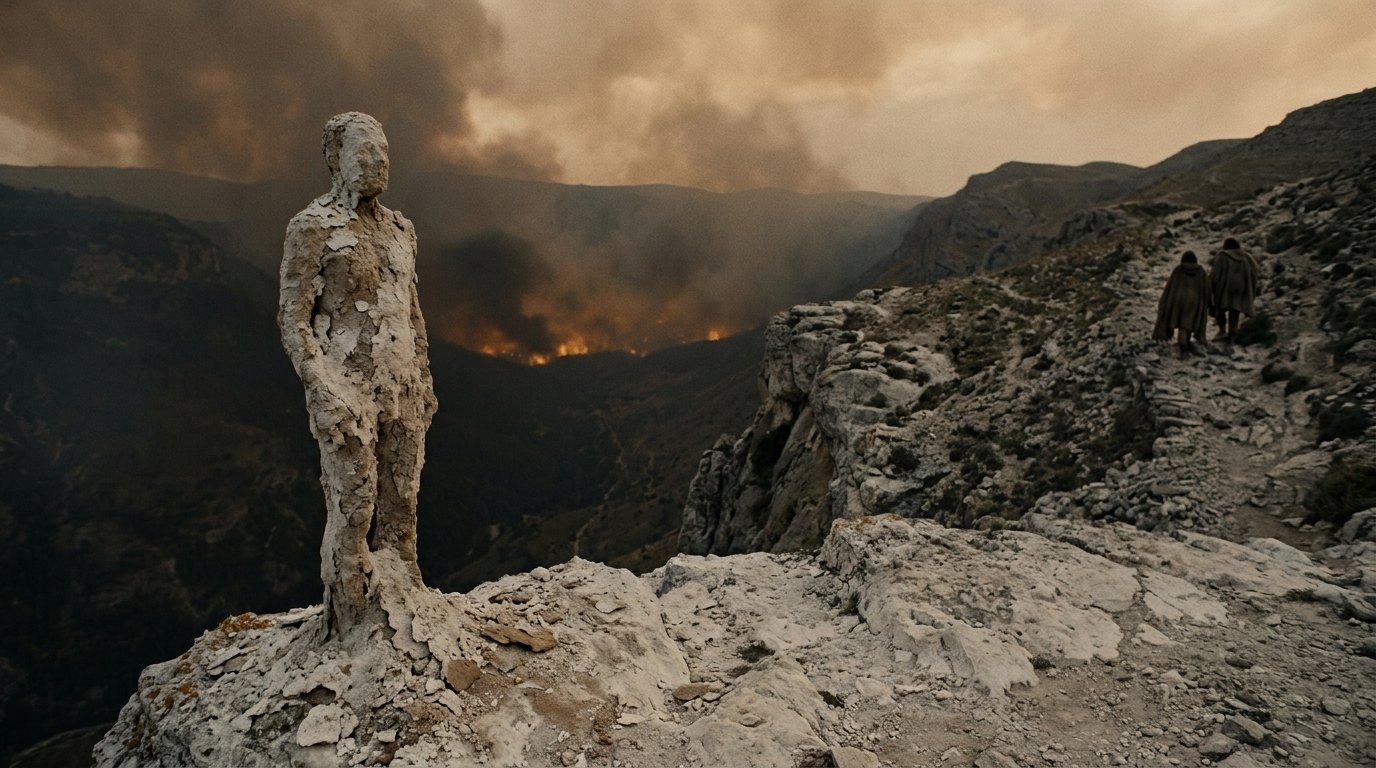
Yet Scripture balances this sacred memory with a fierce warning against clinging to past guilt, worldly comforts, or previous self-reliance. In Philippians 3:13-14, the apostle Paul models this holy tension: despite his proud pedigree and past failures, he deliberately forgets what lies behind, straining every spiritual muscle toward the upward call of God in Christ Jesus. When judgment fell upon the plain, Genesis 19:26 records that Lot's wife looked back wistfully toward the burning city of Sodom and was instantly frozen into a pillar of salt, a permanent memorial of a divided affection. The Lord Jesus Christ sharpens this truth into an absolute requirement for discipleship in Luke 9:62, warning that no one who puts a hand to the plow and looks back is fit for the kingdom of God. We remember God's faithfulness to fuel present courage, but we refuse to let the dead past compromise our forward obedience.
| Passage | What it says |
|---|---|
| Deuteronomy 8:2 | Moses charges Israel to remember how the Lord led and tested them through forty wilderness years. |
| 1 Chronicles 16:12 | David summons God's people to remember His marvelous works, His wonders, and righteous judgments. |
| Isaiah 46:9 | God commands Israel to remember former things of old because He alone is God without equal. |
| Proverbs 16:17 | The highway of the upright departs from evil, preserving the life of the one who keeps his way. |
| Philippians 3:13-14 | Paul forgets what lies behind and strains forward toward the prize of the upward call of God in Christ. |
| Genesis 19:26 | Lot's wife looks back toward condemned Sodom and is turned into a pillar of salt, warning against clinging to judgment. |
| Luke 9:62 | Jesus declares that anyone who puts a hand to the plow and looks back is unfit for the kingdom of God. |
The Inward Transformation
The Gospel gives a new heart and a new spirit
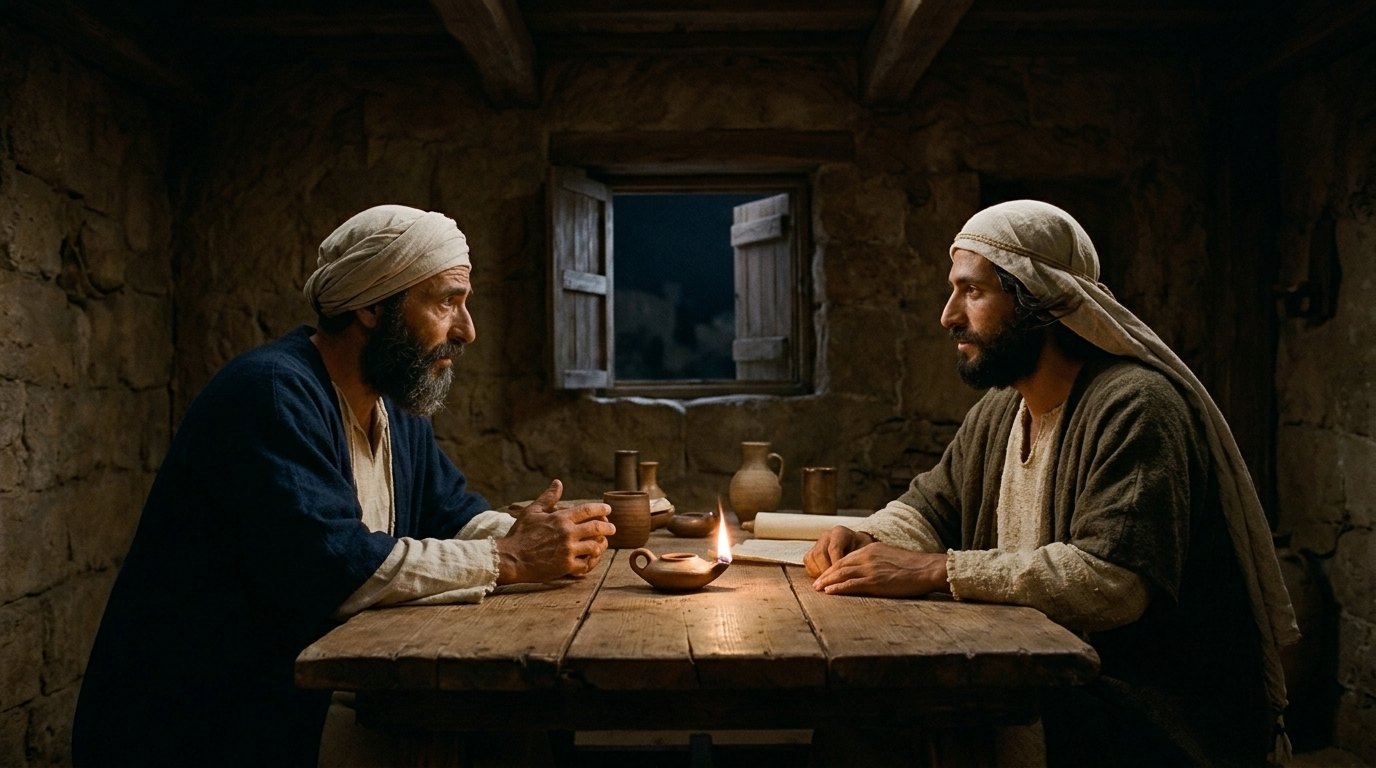
I will give you a new heart and put a new spirit in you; I will remove from you your heart of stone and give you a heart of flesh.
Ezekiel 36:26 (NIV)
God replaces the hard, unyielding heart of stone with a sensitive heart of flesh by putting His Spirit within.
The deepest new beginning known to humanity is the supernatural recreation of the fallen human soul. In Ezekiel 36:26-27, God promises a radical internal cure: "I will give you a new heart, and a new spirit I will put within you. And I will remove the heart of stone from your flesh and give you a heart of flesh." This prophetic guarantee found its shadow fulfilled when the Holy Spirit was poured out into human hearts (Romans 8:9-11; 2 Corinthians 3:3). Centuries before, Jeremiah 31:31-33 announced the dawn of a new covenant where God's law would not sit upon cold slabs of stone, but be etched upon tender human conscience, a covenant sealed by Christ's shed blood at the Last Supper (Luke 22:20) and realized in His high-priestly ministry (Hebrews 8:8-12).
This inward renewal transforms daily existence. In 2 Corinthians 5:17, Paul declares the definitive verdict: if anyone is in Christ, they are a new creation; the old has passed away, and the new has come. This miracle answers David's agonized prayer in Psalms 51:10, where after terrible moral collapse he pled for God to create a clean heart within him. Such renewal is sustained by the unfailing character of God; as Lamentations 3:22-23 confesses amidst the ruins of Jerusalem, the Lord's compassions never fail, but arrive fresh every single morning. When Nicodemus came by night, Jesus revealed in John 3:3-5 that no lineage or virtue suffices; a person must be born again of the Spirit to enter God's kingdom. Therefore, as Romans 6:4 demonstrates, we are buried with Christ through baptism so that we might walk in newness of life. Believers are summoned in Ephesians 4:22-24 and Colossians 3:9-10 to put off the rotting garment of the old self and put on the new man, knowing from Galatians 6:15 and 1 Peter 1:3 that religious tokens mean nothing compared to being born again into an enduring, living hope through the resurrection of the Son of God.
| Passage | What it says | Fulfilled |
|---|---|---|
| Jeremiah 31:31-33 | The Lord promises a new covenant, writing His divine law directly on human hearts. | Hebrews 8:8-12, Luke 22:20 |
| Ezekiel 36:26-27 | God promises to remove the stony heart, impart a new heart of flesh, and indwell them by His Spirit. | 2 Corinthians 3:3, Romans 8:9-11 |
| 2 Corinthians 5:17 | Anyone who is in Christ is a new creation; the old has passed away and the new has come. | |
| Ephesians 4:22-24 | Believers are instructed to put off the old self and put on the new self created in true righteousness. | |
| Lamentations 3:22-23 | The Lord's steadfast mercies never cease; they are new every morning because His faithfulness is great. | |
| Psalms 51:10 | David begs God to create in him a clean heart and renew a steadfast spirit after deep sin. | |
| John 3:3-5 | Jesus tells Nicodemus that no one can see or enter the kingdom of God without being born again from above. | |
| Romans 6:4 | Believers are buried with Christ through baptism into death so they might walk in newness of life. | |
| Colossians 3:9-10 | Believers put off the old self with its practices and put on the new self being renewed in the Creator's image. | |
| Galatians 6:15 | Paul affirms that neither circumcision nor uncircumcision counts for anything, but only a new creation. | |
| 1 Peter 1:3 | God has caused believers to be born again to a living hope through the resurrection of Jesus Christ. |
Cosmic Consummation
God brings all creation into an everlasting new beginning
He who was seated on the throne said, “I am making everything new!” Then he said, “Write this down, for these words are trustworthy and true.”
Revelation 21:5 (NIV)
From His throne, God announces the complete renewal of reality, assuring the reader that His words are faithful and true.
Redemption does not culminate merely in individual rescue, but expands outward to the everlasting renewal of the entire cosmos. From His eternal throne, God speaks the defining sentence of cosmic history in Revelation 21:5: "Behold, I am making all things new." He commands John to write it down, guaranteeing that these words are trustworthy and true. This climactic act answers the ancient prophecy of Isaiah 65:17, where the Lord declared He would create new heavens and a new earth, so utterly glorious that former sorrows would never be brought to mind again—a promise anticipated in 2 Peter 3:13 and seen realized in Revelation 21:1. The fading glory of Sinai pales to nothing before this new order (2 Corinthians 3:10), which escorts believers into the heavenly Jerusalem of the unshakeable covenant (Hebrews 12:22-24).
The created material world is not cast aside as worthless refuse; rather, as Paul writes in Romans 8:19-21, all creation groans in childbirth, eagerly waiting to be emancipated from the slavery of decay into the radiant liberty of God's children. When the Lord establishes His permanent kingdom, His saints will abide before Him as enduringly as the new heavens and earth He creates (Isaiah 66:22). The final vision of Scripture in Revelation 22:1-3 unveils the pristine crystal river of the water of life flowing directly from the throne of God and of the Lamb. On either side stands the tree of life bearing perpetual fruit for the healing of nations, and the tragic curse pronounced in Eden is dismantled forever. God's grand design began in a garden, withstood the catastrophic rebellion of man, and concludes with an indestructible city where all things are restored, perfected, and sealed in His eternal peace.
| Passage | What it says | Fulfilled |
|---|---|---|
| Isaiah 65:17 | God proclaims the creation of new heavens and a new earth, where former troubles will not be remembered. | 2 Peter 3:13, Revelation 21:1 |
| 2 Corinthians 3:10 | The glory of the old covenant pales entirely in comparison to the surpassing glory of the new. | Hebrews 12:22-24 |
| Romans 8:19-21 | Creation itself groans in anticipation, waiting to be freed from bondage into the glorious freedom of God's children. | |
| Revelation 21:1-5 | John sees the new heaven and earth where death and sorrow cease, and the enthroned Lord makes all things new. | |
| Isaiah 66:22 | The Lord declares that the new heavens and the new earth he makes shall endure forever before him. | |
| 2 Peter 3:13 | According to God's promise, believers wait for new heavens and a new earth in which righteousness dwells. | |
| Revelation 22:1-3 | The river of the water of life flows from the throne, and no longer will there be anything accursed. |
Where in the Bible
| Book | Passages |
|---|---|
| Genesis | 4 · Genesis 1:1-3, Genesis 8:15-17, Genesis 12:1-3, Genesis 19:26 |
| Exodus | 1 · Exodus 12:2 |
| Deuteronomy | 1 · Deuteronomy 8:2 |
| 1 Chronicles | 1 · 1 Chronicles 16:12 |
| Psalms | 1 · Psalms 51:10 |
| Proverbs | 1 · Proverbs 16:17 |
| Isaiah | 7 · Isaiah 43:18, Isaiah 43:19, Isaiah 40:3, Isaiah 35:8, Isaiah 46:9, Isaiah 65:17, Isaiah 66:22 |
| Jeremiah | 2 · Jeremiah 16:14-15, Jeremiah 31:31-33 |
| Lamentations | 1 · Lamentations 3:22-23 |
| Ezekiel | 1 · Ezekiel 36:26-27 |
| Luke | 1 · Luke 9:62 |
| John | 1 · John 3:3-5 |
| Romans | 2 · Romans 6:4, Romans 8:19-21 |
| 2 Corinthians | 2 · 2 Corinthians 5:17, 2 Corinthians 3:10 |
| Galatians | 1 · Galatians 6:15 |
| Ephesians | 1 · Ephesians 4:22-24 |
| Philippians | 1 · Philippians 3:13-14 |
| Colossians | 1 · Colossians 3:9-10 |
| 1 Peter | 1 · 1 Peter 1:3 |
| 2 Peter | 1 · 2 Peter 3:13 |
| Revelation | 2 · Revelation 21:1-5, Revelation 22:1-3 |
The story in order
- God creates the world (c. 4000 BC) · Genesis 1:1-3 · God speaks light and life into the void, inaugurating the first beginning.
- Humanity begins anew after the flood (c. 2350 BC) · Genesis 8:15-17 · God calls Noah and creatures forth from the ark to begin humanity anew.
- God calls Abram to a new path (c. 2090 BC) · Genesis 12:1-3 · God commands Abram to leave his home for a land God will show him.
- Israel's new calendar and exodus (c. 1446 BC) · Exodus 12:2 · God designates Passover and exodus as the first month, a fresh starting calendar.
- Moses recalls God's wilderness leading (c. 1406 BC) · Deuteronomy 8:2 · Moses charges Israel to remember God's forty wilderness years of leading and testing.
- A voice prepares the way for the Lord (c. 740 BC) · Isaiah 40:3 · A voice calls to prepare the way of the Lord and make straight a desert highway.
- God announces a new work (c. 710 BC) · Isaiah 43:19 · The Lord announces a new work springing forth, carving roads in the wilderness.
- New covenant promised (c. 600 BC) · Jeremiah 31:31-33 · The Lord promises a new covenant, writing His law directly on human hearts.
- New heart promised (c. 590 BC) · Ezekiel 36:26-27 · God promises to remove stony hearts, impart new hearts, and indwell by His Spirit.
- David prays for a clean heart (c. 1000 BC) · Psalms 51:10 · David begs God to create a clean heart and renew a steadfast spirit.
- Jesus declares new birth is necessary (AD 30) · John 3:3-5 · Jesus tells Nicodemus one must be born again from above to enter the kingdom.
- Paul strains forward to newness (c. AD 60) · Philippians 3:13-14 · Paul forgets what is behind and strains forward toward the prize of God's upward call.
- New creation in Christ (c. AD 56) · 2 Corinthians 5:17 · Anyone in Christ is a new creation; the old has passed away, the new has come.
- New heavens and new earth (c. AD 95) · Revelation 21:1-5 · John sees the new heaven and earth where death and sorrow cease; the Lord makes all things new.
God's New Beginnings Echoed
| Divine Initiative | Human Response/Circumstance | Resulting Newness | Passage |
|---|---|---|---|
| God speaks light and life into the void | Formless void | The first beginning of the world | Genesis 1:1-3 |
| God calls Noah and creatures forth | Ark after the flood | Humanity begins anew upon the earth | Genesis 8:15-17 |
| God commands Abram to leave | Abram leaves his father's house | God promises a great nation | Genesis 12:1-3 |
| God designates Passover and exodus | Israel's departure from Egypt | A fresh starting calendar for Israel | Exodus 12:2 |
| God announces a new work | People dwelling on former things | Roads in the wilderness and rivers in the desert | Isaiah 43:19 |
| God promises a new covenant | Human hearts are sinful | God's law written on hearts | Jeremiah 31:31-33 |
| God promises to make all things new | Old heaven and earth pass away | New heavens and new earth where righteousness dwells | Revelation 21:1-5 |
Looking Back vs. Looking Forward
| Warning Against Looking Back | Consequence or Principle | Forward-Looking Action | Passage |
|---|---|---|---|
| Lot's wife looks back toward Sodom | She is turned into a pillar of salt | Do not cling to judgment | Genesis 19:26 |
| Israel is charged to remember wilderness years | To remember God's leading and testing | Remember former things of old | |
| Jesus declares those who look back are unfit | Hand to the plow and looking back | Unfit for the kingdom of God | Luke 9:62 |
| Paul forgets what lies behind | Not dwelling on past achievements or failures | Strains forward toward the prize | Philippians 3:13-14 |
| God's mercies are new every morning | Former troubles will not be remembered | Walk as new creations |
Key words
- New Beginning
- God's sovereign initiative bringing about a fresh start, often superseding past conditions. · Isaiah 43:19
- New Creation (ktisis, κτίσις)
- A radical transformation by God, making a person entirely new in Christ. · 2 Corinthians 5:17
- New Covenant
- God's promise to write His law on the hearts of His people, enabling inward transformation. · Jeremiah 31:31-33
- New Heavens and New Earth
- God's ultimate renewal of all creation, where sin, sorrow, and death are no more. · Isaiah 65:17
- Born Again (anothen, ἄνωθεν)
- A spiritual rebirth from above, necessary to see or enter the kingdom of God. · John 3:3-5
- Steadfast Mercy (ḥesed, חֶסֶד)
- God's unfailing, enduring kindness and compassion, renewed daily. · Lamentations 3:22-23
No matter how desolate your current landscape appears, the God who carved dry land from the deep is already preparing your next steps. Turn your eyes away from past failures, anchor your trust in Christ's finished work, and walk forward into the life He makes new each morning.
34 passages, each cited once.
Scripture cited
- Isaiah 43:18-19
- Isaiah 46:9
- Jeremiah 16:14-15
- Isaiah 43:14-21
- 2 Corinthians 5:17-21
- Romans 6:1-4
- Lamentations 3:22-24
- Revelation 21:1-5
- Ezekiel 36:25-27
- John 3:3-8
- 1 John 1:8-9
- Isaiah 46:8-10