What does the Bible say about piercings?

1 Corinthians 6:19-20
19 Do you not know that your bodies are temples of the Holy Spirit, who is in you, whom you have received from God? You are not your own;
20 you were bought at a price. Therefore honor God with your bodies.
New International Version (NIV)
The answer
The Bible does not specifically forbid ear piercing or all body piercings. It directly addresses cutting the flesh, tattooing, and cross-dressing, but it does not give a general rule saying that every piercing is forbidden. The Christian question is whether a particular piercing is compatible with holiness and with honoring God in one’s body.
What Scripture actually says
- Cutting the flesh and tattooing are forbidden: Leviticus 19:28 says, “You shall not make any cuttings in your flesh for the dead, nor tattoo any marks on you.” This was a prohibition concerning pagan mourning customs and marks on the body.
- Piercing and jewelry are not condemned altogether: earrings and other ornaments appear positively in Scripture. Isaiah 3:19 lists earrings among the jewelry of Jerusalem’s women, and Proverbs 25:12 compares wise speech to “an earring of gold.” Nothing in these passages says that a pierced ear is sinful.
- The body remains God’s: 1 Corinthians 6:19-20 says, “Your body is a temple of the Holy Spirit who is in you… you were bought with a price. Therefore glorify God in your body and in your spirit.” A piercing is not automatically virtuous merely because it is harmless, nor automatically sinful merely because it alters the body. The question is whether it helps or hinders faithfulness to God.
A biblical principle for the decision
A body modification should not distort God’s created design or identify a person with something contrary to the faith. Deuteronomy 22:5 addresses clothing that crosses the sexes, and Romans 1:24-27 describes sexual conduct that exchanges God’s design for something unnatural. Those passages establish that the body and its presentation matter to God.
That principle has limits, however. It does not create a biblical ban on every piercing. If a modest piercing does not contradict a person’s sex, does not distort the body in a way associated with worshiping false gods, and can be done in a spirit of obedience and modesty, Scripture does not give a verse that forbids it. If it is done as an act of religious devotion to something other than God, or as rebellion against his design, it falls under the same principle Paul states in Romans 1:24-27.
The answer is therefore not “all piercings are forbidden,” but also not “all piercings are automatically acceptable.” Judge the specific practice by what it means, what it displays, and whether it honors God in the body he has given you. If the issue involves a piercing tied to a particular spiritual practice, mourning ritual, or religious identity, that context matters.
Answered from Scripture · reviewed November 11, 2026
Scripture does not issue a blanket prohibition against all ear piercings or ornamental jewelry, but it strictly regulates how believers treat their bodies. Because God created our physical forms and redeemed them in Christ, every decision about bodily adornment must be weighed against His commands regarding pagan rituals, modesty, and sexual distinction. Believers are called to glorify God in their bodies as temples of the Holy Spirit, rejecting any practice rooted in rebellion, idolatry, or the distortion of His design.
Pagan Mourning Rites
God Forbade Cultic Marks and Cuttings

“ ‘Do not cut your bodies for the dead or put tattoo marks on yourselves. I am the LORD.
Leviticus 19:28 (NIV)
This command directly bans lacerations in the flesh for the dead or tattooing marks associated with pagan mourning.
Leviticus 19:28 establishes God's direct command regarding physical mutilation: "You shall not make any cuttings in your flesh for the dead, nor tattoo any marks on you: I am the LORD." This prohibition was not an arbitrary aesthetic rule, but an essential barrier against the idolatrous customs of the nations surrounding Israel. Pagan mourning rituals routinely required self-inflicted wounds to appease ancestors, summon dead spirits, or attract the attention of capricious deities. Leviticus 21:5 extended this boundary to the Aaronic priesthood, strictly forbidding priests from shaving their heads bald or carving cuttings into their flesh. Deuteronomy 14:1 reiterated this call to holy distinctiveness for the entire congregation of Israel, commanding them never to lacerate their bodies or shave their foreheads for the departed, because they were a people holy to the Lord.
Scripture records the violent futility of these cultic bloodletting rituals. In 1 Kings 18:28, the false prophets of Baal cut themselves with knives and lances until blood gushed out, screaming to provoke an answer from an unhearing idol. The prophets of Judah repeatedly exposed how deeply these pagan superstitions had infiltrated the nation. Jeremiah 16:6 warned that God's judgment would fall so severely that the habitual, illicit practices of cutting oneself and shaving the head for mourning would vanish in sudden ruin. Men from Shechem and Shiloh arrived in Jeremiah 41:5 with gashes on their bodies and shaved beards, clinging to pagan grieving expressions. Both the Philistines in Jeremiah 47:5 and the people of Moab in Jeremiah 48:37 are portrayed cutting themselves in despair under divine retribution. For God's covenant people, the body was never to be gashed, sliced, or disfigured to serve pagan fear or ancestral grief.
| Passage | What it says |
|---|---|
| Leviticus 19:28 | Forbids making cuttings in the flesh for the dead or printing marks upon the body. |
| Leviticus 21:5 | Commands priests not to shave their heads bald, mar the corners of their beards, or make cuttings in their flesh. |
| Deuteronomy 14:1 | Prohibits God's children from cutting themselves or shaving the front of their heads for the dead. |
| 1 Kings 18:28 | Describes pagan prophets of Baal cutting themselves with knives and lances until blood gushed out. |
| Jeremiah 16:6 | Observes the widespread pagan mourning custom of cutting oneself or shaving bald during judgment. |
| Jeremiah 41:5 | Men from Shechem, Shiloh, and Samaria arrive with shaved beards, torn clothes, and gashes on their bodies. |
| Jeremiah 47:5 | The remnant of the Philistine plain is asked how long they will cut themselves in grief. |
| Jeremiah 48:37 | Grief over Moab involves shorn heads, clipped beards, cuts upon hands, and sackcloth. |
Adornment in Scripture
Earrings and Jewelry in Biblical History
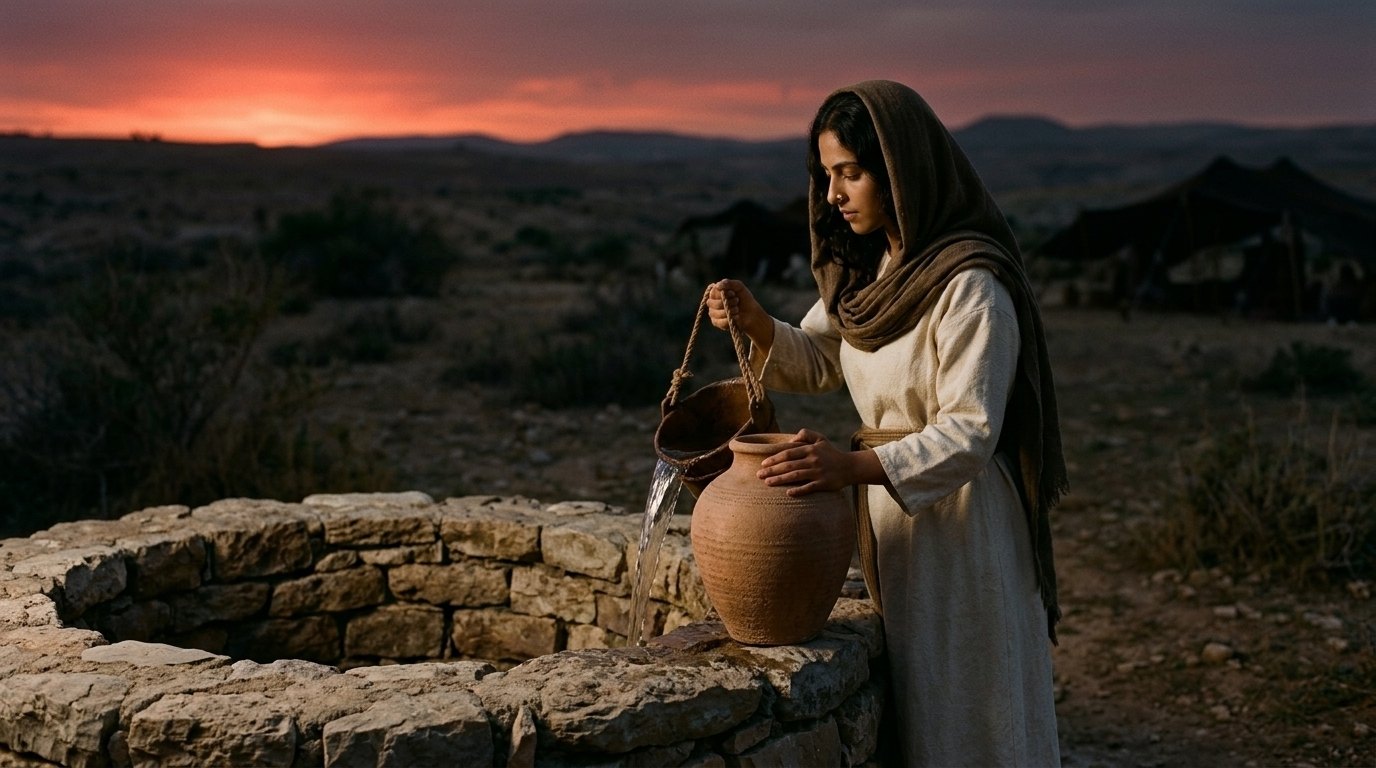
and I put a ring on your nose, earrings on your ears and a beautiful crown on your head.
Ezekiel 16:12 (NIV)
God poetically portrays Himself adorning Jerusalem with a ring in her nose, earrings in her ears, and a crown upon her head.
Ezekiel 16:12 presents a remarkable portrait of divine blessing, where God poetically describes His care for Jerusalem: "I put a jewel on your forehead, earrings in your ears, and a beautiful crown on your head." The Lord Himself used ornamental jewelry and earrings as vivid figures of covenant beauty, honor, and royal favor. This biblical reality demonstrates that Scripture does not classify ornamental jewelry or the wearing of earrings as inherently sinful. In Genesis 24:22 and Genesis 24:47, Abraham's faithful servant Eliezer presented Rebekah with a golden nose ring and bracelets as gifts honoring her God-ordained marriage to Isaac. When the tabernacle was constructed in Exodus 35:22, faithful men and women brought brooches, earrings, and signet rings to be consecrated as holy offerings for the sanctuary of God.
Yet Scripture maintains a sharp distinction between godly beauty and proud, idolatrous indulgence. In Exodus 32:2-3, golden earrings were ripped away to forge the golden calf, revealing how quickly ornaments become idols. Jacob required his household in Genesis 35:4 to bury their foreign gods alongside the earrings in their ears because those ornaments were tied to superstitious charms. In Judges 8:24-26, Gideon took the golden earrings of the defeated Ishmaelites, whose love for ostentatious display proved dangerous. Proverbs 11:22 cautions that outward beauty without discretion is like a gold ring in a swine's snout, while Proverbs 25:12 compares wise rebuke received with humility to an ornament of fine gold. When Jerusalem grew proud, Isaiah 3:18-21 warned that God would strip away their lavish amulets, nose rings, and pendants, and Hosea 2:13 condemned Israel for decking herself with jewelry while chasing Baals.
| Passage | What it says |
|---|---|
| Genesis 24:22 | Abraham's servant gives Rebekah a golden ring for her face and bracelets for her hands. |
| Genesis 24:47 | Eliezer clarifies that he put the jewel on Rebekah's nose and bracelets upon her hands. |
| Exodus 32:2-3 | The Israelites take off golden earrings worn by their wives, sons, and daughters to shape the golden calf. |
| Exodus 35:22 | Willing-hearted men and women bring brooches, earrings, rings, and gold jewels as an offering for the tabernacle. |
| Proverbs 25:12 | Compares a wise reprover on a listening ear to an earring of gold and an ornament of fine gold. |
| Isaiah 3:18-21 | Details the haughty ornaments of Judah that God strips away in judgment, including pendants, nose rings, and earrings. |
| Ezekiel 16:11-12 | The Lord decks His covenant bride with ornaments, bracelets, a necklace, a nose jewel, and earrings. |
| Genesis 35:4 | Jacob's household surrenders their foreign gods and the earrings that were in their ears to be buried. |
| Judges 8:24-26 | Gideon requests golden earrings taken as plunder from the Ishmaelites, who wore gold adornments. |
| Proverbs 11:22 | A ring of gold in a swine's snout is compared to a beautiful woman who lacks discretion. |
| Hosea 2:13 | Israel is rebuked for decking herself with earrings and jewelry while going after Baals. |
The Awl of Servitude
Piercing as a Mark of Covenant Bondage
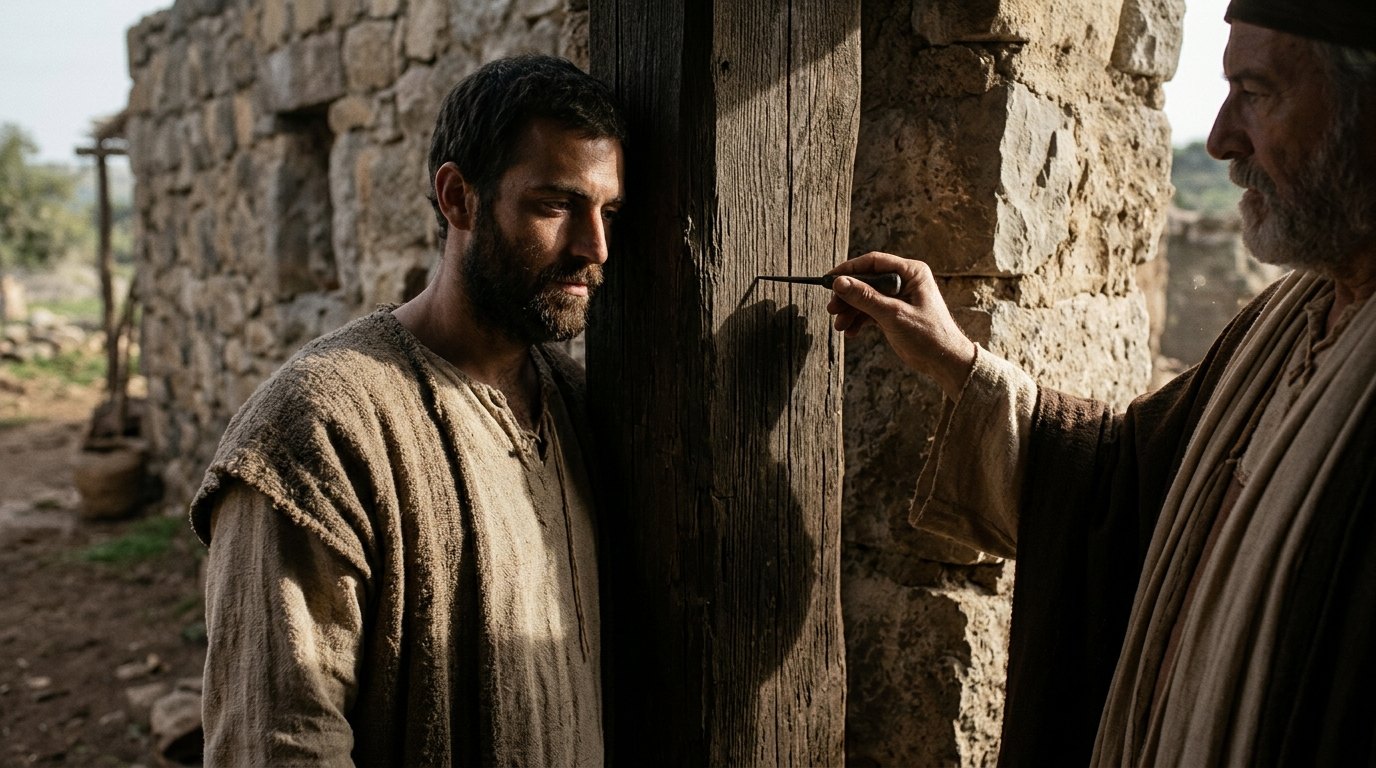
then his master must take him before the judges. He shall take him to the door or the doorpost and pierce his ear with an awl. Then he will be his servant for life.
Exodus 21:6 (NIV)
The piercing of a servant's ear with an awl established a perpetual, voluntary bond of lifelong obedience to his master.
Exodus 21:6 outlines a striking statutory use of piercing in ancient Israel: "His master shall bring him to the judges. He shall also bring him to the door, or to the doorpost, and his master shall pierce his ear with an awl; and he shall serve him forever." Under the Mosaic law, Hebrew servitude was not chattel slavery; it was an economic arrangement limited to six years. When the seventh year arrived, the servant was legally free to leave. Yet Exodus 21:5-6 established that if a servant loved his master, his wife, and his children, he could freely choose lifelong allegiance over release. The physical piercing of his ear against the wooden frame of the house sealed an unbreakable covenant of voluntary, perpetual obedience.
Deuteronomy 15:16-17 reaffirmed this sacred ordinance for both male and female servants. If a servant was treated well and prospered under a master's roof, the awl driven through the earlobe into the door marked that person as an honored member of the household for life. The ear was the physical organ of listening and obedience, and this visible, permanent mark testified that the servant's ear was dedicated to hearing and obeying one master's voice. The messianic significance of this image appears in Psalm 40:6, where David prophetically declares of Christ: "Sacrifice and offering You did not desire; my ears You have opened." The Hebrew text points to ears that have been cleared, pierced, or dug out to accomplish the divine will. What the law enacted through the pierce of an awl pointed to total, voluntary devotion to God.
| Passage | What it says |
|---|---|
| Exodus 21:5-6 | A willing servant has his ear pierced against the doorpost with an awl to serve his master forever. |
| Deuteronomy 15:16-17 | Repeats the command to pierce the ear of a devoted male or female servant through the door with an awl. |
| Psalms 40:6 | Prophetically declares that God opened or dug out ears to hear rather than demanding sacrifices alone. |
Temples of the Spirit
Honoring God with the Redeemed Body
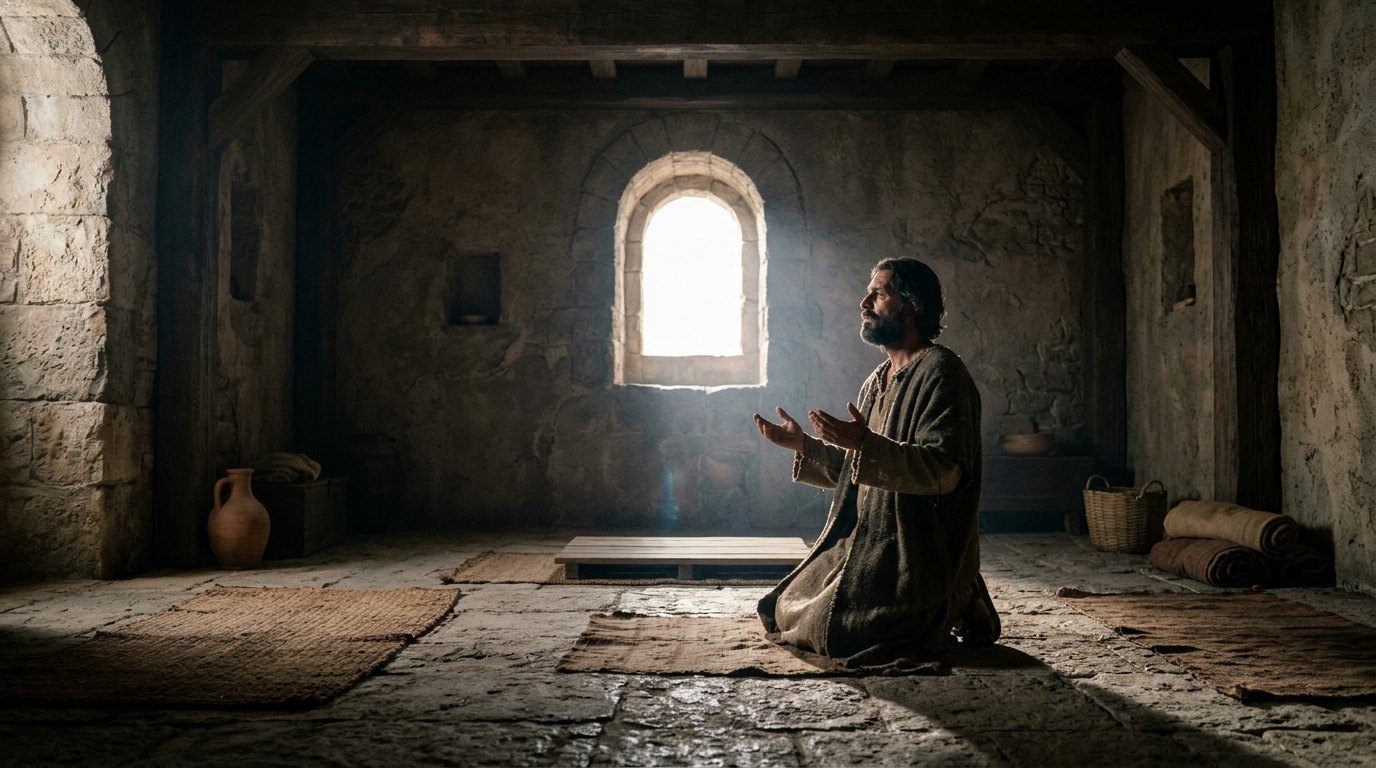
Do you not know that your bodies are temples of the Holy Spirit, who is in you, whom you have received from God? You are not your own; you were bought at a price. Therefore honor God with your bodies.
1 Corinthians 6:19-20 (NIV)
Paul roots bodily stewardship in the price of redemption, proving that our flesh belongs wholly to God.
In 1 Corinthians 6:19-20, the apostle Paul grounds every aspect of Christian bodily conduct in the glorious truth of redemption: "Or do you not know that your body is the temple of the Holy Spirit who is in you, whom you have from God, and you are not your own? For you were bought at a price; therefore glorify God in your body and in your spirit, which are God’s." Under the New Covenant, the physical body of the believer is not disposable matter, nor is it an autonomous canvas for personal self-expression. It is the blood-bought dwelling place of the living God. The sacrificial death of Jesus Christ on the cross purchased both soul and body from the tyranny of sin, requiring the believer to bring every physical choice into subjection to Christ.
This stewardship demands a clear, disciplined standard. Romans 12:1 exhorts believers to present their bodies as living, holy sacrifices acceptable to God, which is our reasonable, spiritual worship. Transforming our lives means refusing to conform to the fads, rebellion, or mutilations of the surrounding culture. In 1 Corinthians 3:16-17, the warning is stark: whoever defiles or destroys the temple of God will face divine judgment, for God's sanctuary is holy. Finally, 1 Corinthians 10:31 settles the believer's motive for any outward practice: "Therefore, whether you eat or drink, or whatever you do, do all to the glory of God." Any bodily modification, adornment, or piercing that springs from worldly vanity, mimics pagan rituals, or mars the created dignity of the body fails this test, while a humble, modest life brings glory to the Redeemer.
| Passage | What it says |
|---|---|
| 1 Corinthians 6:19-20 | Declares that the body is a temple of the Holy Spirit bought with a price to glorify God. |
| Romans 12:1 | Urges believers to present their bodies as living, holy sacrifices acceptable to God, which is reasonable service. |
| 1 Corinthians 3:16-17 | Warns that whoever destroys God's temple will be destroyed by God, for His temple is holy. |
| 1 Corinthians 10:31 | Instructs that whether eating, drinking, or whatever one does, all must be done to God's glory. |
Created Order and Modesty
Distinction, Decency, and the Inner Heart
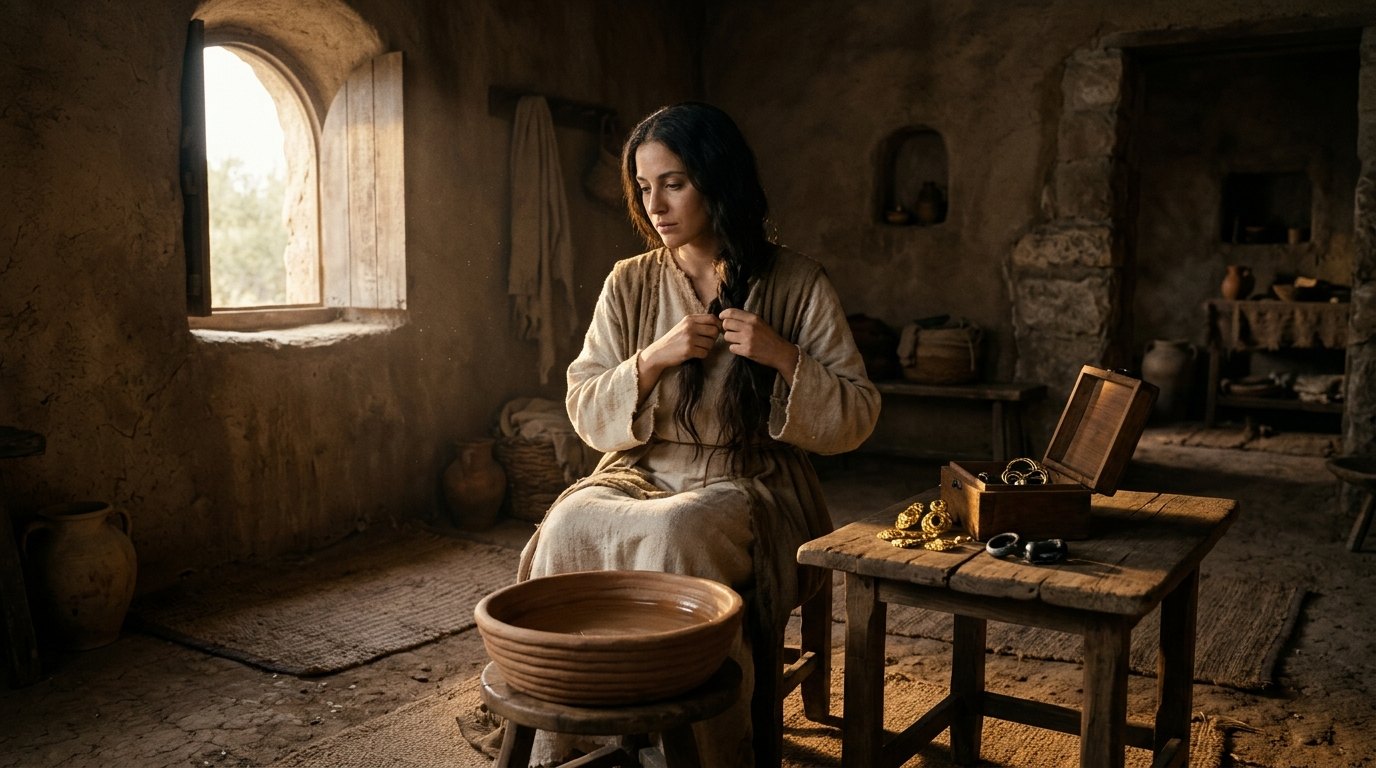
Your beauty should not come from outward adornment, such as elaborate hairstyles and the wearing of gold jewelry or fine clothes. Rather, it should be that of your inner self, the unfading beauty of a gentle and quiet spirit, which is of great worth in God’s sight.
1 Peter 3:3-4 (NIV)
Peter commands that true beauty arise from a quiet spirit rather than external arrangements of gold and elaborate outward displays.
In 1 Peter 3:3-4, the apostle directs believers away from an obsession with exterior decoration, commanding that one's beauty must not consist merely in outward adornment—braiding hair and wearing gold jewelry or an elaborate wardrobe—but rather the hidden person of the heart with the imperishable beauty of a gentle and quiet spirit. God evaluates the heart first, and any outward modification that serves self-exaltation, worldly pride, or sensual distraction opposes the character of Christ. Paul reinforces this in 1 Timothy 2:9-10, urging that adorning be marked by modesty, sobriety, and good works suited to those professing godliness, rather than ostentatious wealth designed to turn heads or invite lust.
Bodily presentation is also fundamentally tied to God's created order. From the beginning, God made humanity distinctly male and female, establishing an enduring boundary that no culture may erase. In Deuteronomy 22:5, the Lord strictly forbids exchanging or blurring the presentation of male and female, calling such distortions an abomination. When modern practices employ body piercing to signal gender rebellion, androgyny, or the rejection of biological sex, they run headlong into this divine prohibition. The Apostle Paul warns in Romans 1:26-27 that discarding God’s natural, given order for dishonoring modifications and passions brings severe judgment upon the body itself.
Finally, every believer must test their motives before the Lord under Romans 14:23, which warns that whatever does not proceed from faith is sin. Piercings must never be adopted to conform to ungodly subcultures, gratify the flesh, or blur the sacred boundary between the sexes. Because the Christian's body was bought at the staggering price of Christ's blood, every outward choice must bear witness to purity, reverence, and gratitude for God's created design.
| Passage | What it says |
|---|---|
| Deuteronomy 22:5 | Declares it an abomination to blur or exchange the distinct presentation of male and female. |
| Romans 1:26-27 | Condemns abandoning the natural function and design of God's order for unnatural, dishonoring practices. |
| 1 Timothy 2:9-10 | Exhorts women to adorn themselves with modest apparel and good works rather than ostentatious gold or pearls. |
| 1 Peter 3:3-4 | Contrasts outward adorning of braided hair and gold jewelry with the hidden person of a gentle, quiet heart. |
| Romans 14:23 | Whatever does not proceed from faith and a clear conscience before God is sin. |
Where in the Bible
| Book | Passages |
|---|---|
| Genesis | 3 · Genesis 24:22, Genesis 24:47, Genesis 35:4 |
| Exodus | 3 · Exodus 32:2-3, Exodus 35:22, Exodus 21:5-6 |
| Leviticus | 2 · Leviticus 19:28, Leviticus 21:5 |
| Deuteronomy | 3 · Deuteronomy 14:1, Deuteronomy 15:16-17, Deuteronomy 22:5 |
| Judges | 1 · Judges 8:24-26 |
| 1 Kings | 1 · 1 Kings 18:28 |
| Psalms | 1 · Psalms 40:6 |
| Proverbs | 2 · Proverbs 25:12, Proverbs 11:22 |
| Isaiah | 1 · Isaiah 3:18-21 |
| Jeremiah | 4 · Jeremiah 16:6, Jeremiah 41:5, Jeremiah 47:5, Jeremiah 48:37 |
| Ezekiel | 1 · Ezekiel 16:11-12 |
| Hosea | 1 · Hosea 2:13 |
| Romans | 3 · Romans 12:1, Romans 1:26-27, Romans 14:23 |
| 1 Corinthians | 3 · 1 Corinthians 6:19-20, 1 Corinthians 3:16-17, 1 Corinthians 10:31 |
| 1 Timothy | 1 · 1 Timothy 2:9-10 |
| 1 Peter | 1 · 1 Peter 3:3-4 |
The story in order
- Abraham's servant gives Rebekah jewelry (c. 2000 BC) · Genesis 24:22 · Jewelry, including nose rings and bracelets, was common among women.
- Israelites make golden calf from earrings (c. 1446 BC) · Exodus 32:2-3 · Earrings were part of personal adornment, used here for idolatry.
- Tabernacle offerings include earrings and rings (c. 1446 BC) · Exodus 35:22 · Gold jewelry was voluntarily given for God's service.
- Servant's ear pierced for perpetual service (c. 1446 BC) · Exodus 21:5-6 · Piercing the ear symbolized permanent bondage to a master.
- Gideon takes golden earrings from Ishmaelites (c. 1200 BC) · Judges 8:24-26 · Earrings were among the spoils of war from a people who wore gold.
- Jacob's household bury foreign gods and earrings (c. 1730 BC) · Genesis 35:4 · Earrings were associated with pagan worship and removed.
- Prophets of Baal cut themselves (c. 870 BC) · 1 Kings 18:28 · Pagan prophets engaged in self-mutilation as worship.
- God forbids pagan mourning rites (c. 1446 BC) · Leviticus 19:28 · Making cuttings or marks on the body was forbidden, linked to paganism.
- Haughty ornaments of Judah listed (c. 700 BC) · Isaiah 3:18-21 · Includes pendants, nose rings, and earrings, to be removed in judgment.
- Israel rebuked for adornment with Baals (c. 725 BC) · Hosea 2:13 · Adornment with earrings was linked to unfaithfulness to God.
- Jeremiah describes pagan mourning practices (c. 590 BC) · Jeremiah 48:37 · Cuts and shorn heads were common pagan expressions of grief.
- Believers' bodies are temples of the Spirit (AD 55) · 1 Corinthians 6:19-20 · The body is redeemed and belongs to God, to be glorified.
- Women exhorted to modest adornment (AD 62) · 1 Timothy 2:9-10 · Focus on inner beauty and good works over outward gold jewelry.
- Distinction between male and female presentation (c. 1446 BC) · Deuteronomy 22:5 · God forbids blurring the distinct presentation of sexes.
Key words
- piercing (Hebrew: 'atsats (עָצַץ))
- Making a hole through the body, often for adornment or as a mark of servitude. · Exodus 21:6
- earrings (Hebrew: 'ets'adah (עֲצָדָה))
- Jewelry worn in the ear, common in biblical times for both men and women. · Genesis 24:22
- nose ring (Hebrew: 'ets'adah (עֲצָדָה))
- Jewelry worn through the septum or side of the nose. · Genesis 24:47
- cuttings (Hebrew: qet'ah (קֶטַע))
- Making gashes or incisions in the flesh, often as a pagan mourning rite. · Leviticus 19:28
- adornment (Hebrew: tsebiy (צְבִי))
- Decoration or embellishment, especially of the body. · Isaiah 3:18
- temple (Greek: naos (ναός))
- A building dedicated to the worship of a deity; in the New Testament, the believer's body is the temple of the Holy Spirit. · 1 Corinthians 6:19
Evaluating piercings requires examining the heart's motive, cultural associations, and God's sovereign claim over our physical flesh. Where an adornment reflects modest beauty without violating sex distinctions, pagan ties, or Christian witness, Scripture does not forbid it. Above all, our bodies belong to Christ, who bought us with His blood, calling us to present ourselves entirely to His glory.
31 passages, each cited once.
Scripture cited
- 1 Corinthians 6:19-20
- Proverbs 25:12
- Isaiah 3:19
- Leviticus 19:28
- Deuteronomy 22:5
- Romans 1:24-27