What does the Bible say about self-control?
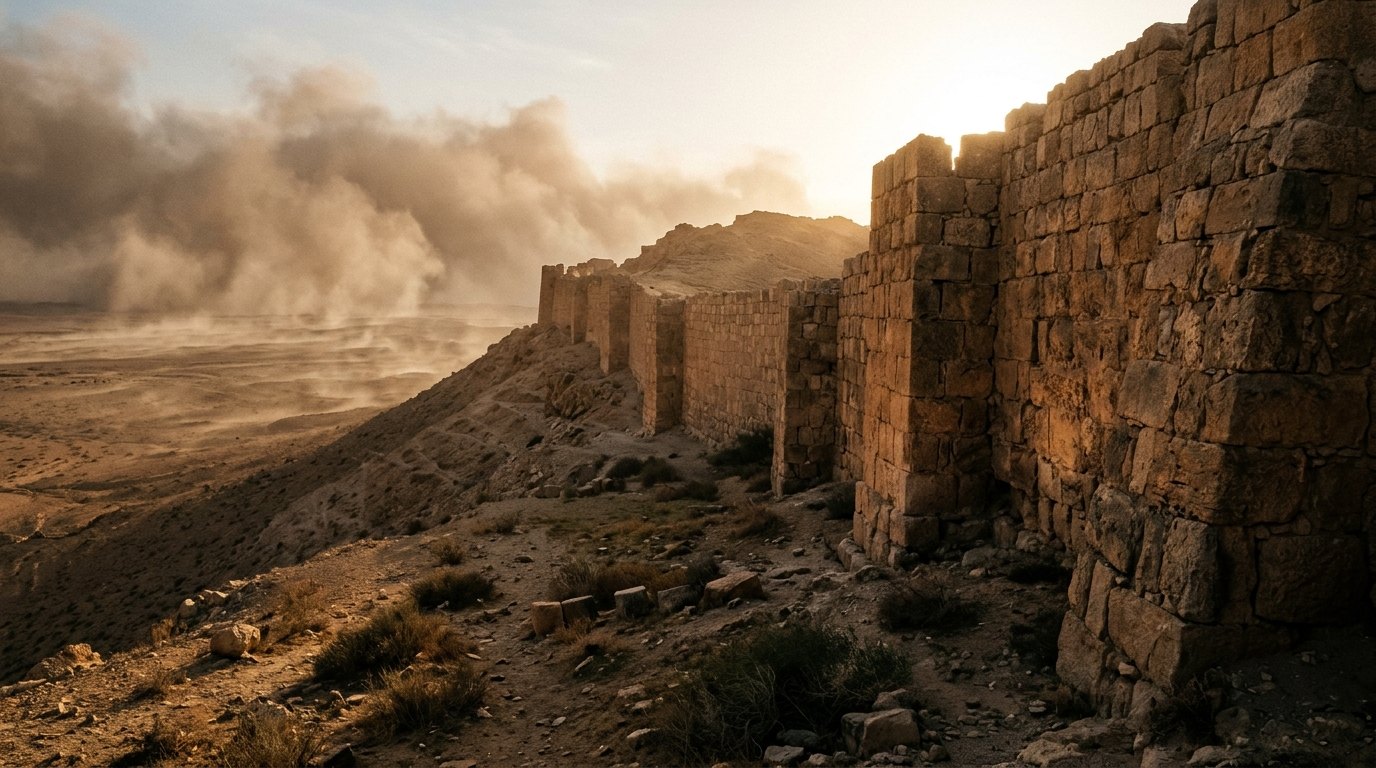
Proverbs 25:28
28 Like a city whose walls are broken through is a person who lacks self-control.
New International Version (NIV)
The answer
Self-control is the wall around your soul, and the Bible treats it as something every believer must build and guard. Proverbs 25:28 puts it bluntly: "Like a city that is broken down and without walls is a man whose spirit is without restraint." A life without self-control is a city open to anything that walks in — anger, lust, fear, foolish speech. The whole Bible, Old and New Testaments, treats self-control as a Christian grace, not a personality trait.
Step 1: Learn what self-control actually covers
Self-control in Scripture is not just calming down — it is the Spirit-enabled rule of the inner man over his impulses.
- Over anger: "He that is slow to anger is better than the mighty; and he that ruleth his spirit than he that taketh a city" (Proverbs 16:32).
- Over the tongue: "Let every man be quick to hear, slow to speak, slow to anger" (James 1:19).
- Over desire: "Let them marry. For it is better to marry than to burn with passion" (1 Corinthians 7:9).
- Over fear: "God didn't give us a spirit of fear, but of power, love, and self-control" (2 Timothy 1:7).
When the Bible lists self-control, it is naming one virtue that touches every part of life: what you say, what you want, what you fear, what you do when provoked.
Step 2: See self-control as fruit, not effort alone
The goal of self-control is not stoicism — it is a Spirit-grown fruit that comes from staying joined to Christ. Think of it like a fruit tree: the branch does not strain to make the fruit; it abides in the vine.
- It is fruit of the Spirit: "Gentleness, and self-control. Against such things there is no law" (Galatians 5:22-23).
- It is part of growth: "In knowledge, self-control; and in self-control, perseverance; and in perseverance, godliness" (2 Peter 1:5-7).
- It is tied to grace, not grit: "The grace of God has appeared, training us to renounce ungodliness and worldly passions, and to live self-controlled, upright, godly lives in the present age" (Titus 2:11-12).
If you only try harder, you will exhaust yourself. The Bible's answer is grace that trains you, and the Spirit that produces the fruit.
Step 3: Run the race with discipline
Scripture borrows the picture of an athlete to show that self-control costs something and is worth the cost.
- Every athlete pays a price: "Every man who strives in the games exercises self-control in all things. Now they do it to receive a corruptible crown, but we an incorruptible" (1 Corinthians 9:25).
- Run with purpose, not aimlessly: the same verse goes on, "I therefore run like that, as not uncertainly; so I box, as not beating the air" (1 Corinthians 9:26).
Self-control for the Christian is not legalism; it is the discipline of someone aiming at an eternal prize.
Step 4: Watch the failures — they teach as much as the wins
Scripture records both, so we can learn from both.
- Saul lost self-control and "poured out" threats and rage (1 Samuel 20:30), and his kingdom fell with him.
- David kept self-control twice when he could have killed Saul (1 Samuel 24:1-15; 1 Samuel 26:1-20) — and Scripture holds him up for it.
- Jesus is the pattern: silent before accusers, "answering nothing" (Matthew 27:12-14), though He had every right to speak. His self-control is the wall He kept even to the cross.
If your heroes fail here, take warning. If your heroes succeed, copy them.
Step 5: Practice it in the ordinary moments
Self-control is mostly built in small, daily choices, not in grand moments.
- In prayer: "Be of sound mind, self-controlled, and sober in prayer" (1 Peter 4:7).
- In alertness: "Be sober and self-controlled. Be watchful. Your adversary, the devil, walks around like a roaring lion, seeking whom he may devour" (1 Peter 5:8).
- In your circle: "Make no friendship with an angry man; and with a furious man you shall not go" (Proverbs 22:24) — who you walk with shapes how well you keep your wall.
Rebuild the wall day by day: slow your speech when angry, flee the temptation you cannot yet face, pray before you answer, choose the friend who steadies you.
A verse to carry
When you feel the walls of your inner city crumbling, take this back to the Lord: "He that ruleth his spirit than he that taketh a city" (Proverbs 16:32). The city inside you is worth more than any conquest outside you.
Most common mistake
Treating self-control as raw willpower and then being crushed when it fails. The Bible's order is the opposite: power and love come first, self-control flows from them (2 Timothy 1:7). Start with the Spirit's fruit, not your own resolve.
Answered from Scripture · reviewed November 7, 2026
Scripture pictures a life without self-control as a ruined fortress stripped of its ramparts, utterly defenseless before incoming ruin. Far from being a mere personality trait or stoic willpower, biblical self-control is the supernatural fruit of the Holy Spirit ruling the inner appetites of the soul. From the wisdom of Solomon to the pastoral epistles, God calls His people to govern their desires, speech, and tempers so that their lives reflect His holiness and guard against destruction.
The Defenseless Soul
Without Walls the City Falls
Like a city whose walls are broken through is a person who lacks self-control.
Proverbs 25:28 (NIV)
This verse supplies the Bible's primary visual metaphor for lack of self-control: a city breached and defenseless against any invading enemy.
In Proverbs 25:28, Scripture hands us an unforgettable picture of an ungoverned life: a man without self-control over his spirit is like an unfortified city broken down and left completely without walls. In the ancient Near East, an unwalled city was not merely vulnerable; it was already conquered in principle, entirely at the mercy of roving bandits, besieging armies, and wild beasts. Stripped of inner restraint, human appetites invite catastrophe, leaving the soul completely exposed to spiritual ambush.
This physical vulnerability was etched into Israel's history. When Nehemiah heard the report of his homeland in Nehemiah 1:3, he wept because the broken walls of Jerusalem left God's remnant in great distress and reproach. A community without defensive ramparts cannot flourish, just as an individual without inner boundaries cannot preserve godliness. Conversely, when King Hezekiah prepared for the onslaught of Sennacherib in 2 Chronicles 32:5, his first strategic act was to repair all the broken walls, build watchtowers, and fortify the city against the coming assault. Self-control operates in the believer's life as precisely this kind of deliberate fortification.
Failing to build that wall leads to public ruin. As Proverbs 29:11 observes, a fool vents his whole spirit in raw, unfiltered outbursts, whereas a wise person quietly holds it back. To possess self-control is to maintain the spiritual ramparts of your life so that no fleeting impulse or sudden temptation can march unchallenged into the sanctuary of the heart.
| Passage | What it says |
|---|---|
| Proverbs 25:28 | Compares a person lacking self-restraint over their spirit to a broken-down city left completely without defensive walls. |
| Nehemiah 1:3 | Describes the reproach, distress, and vulnerability of God's remnant when Jerusalem's protective walls lay broken and its gates burned. |
| 2 Chronicles 32:5 | Recounts Hezekiah laboring diligently to rebuild broken defensive walls and fortify towers before confronting the invading Assyrian enemy. |
| Proverbs 29:11 | A fool vents all his spirit, while a wise man holds it back and stays calm. |
Mastering the Temper
Ruling Anger Overcomes the Mighty

Better a patient person than a warrior, one with self-control than one who takes a city.
Proverbs 16:32 (NIV)
It declares inner restraint to be far superior to raw military strength or conquering a fortress.
The wisdom of God reverses human standards of power in Proverbs 16:32, declaring that the one who is slow to anger is better than a mighty warrior, and whoever rules his spirit surpasses him who takes a city. Physical strength can breach an external gate, but it takes profound spiritual mastery to subdue the volatile passions raging inside one's own chest.
Unchecked wrath reveals a disastrous lack of understanding. Solomon warns in Proverbs 14:29 that great wisdom belongs to the one slow to wrath, while a hasty temper exalts foolishness for everyone to see. When conflict ignites, Proverbs 15:18 shows that a hot-tempered person stirs up contention, whereas a patient spirit pacifies bitter strife. Indeed, Proverbs 19:11 reveals that good sense makes a man slow to anger, making it his true glory to overlook an offense rather than demand immediate retaliation. Because ungoverned temper is spiritually contagious, Proverbs 22:24 explicitly commands believers never to forge friendships with an angry person, lest they learn his ways and entangle their own soul in a trap.
The New Testament deepens this warning into a matter of kingdom righteousness. In James 1:19, believers are commanded to be swift to hear, slow to speak, and slow to wrath, because the anger of man never produces the righteousness of God. When anger does flare, Ephesians 4:26 commands strict restraint: do not let it lead into sin, and refuse to let the sun set upon your wrath. To conquer yourself is far greater than conquering an empire.
| Passage | What it says |
|---|---|
| Proverbs 16:32 | Declares that the person slow to anger surpasses the mighty warrior, and one ruling his spirit conquers more than taking cities. |
| Proverbs 14:29 | Contrasts the great understanding of someone slow to wrath with the folly openly exhibited by someone hasty in temper. |
| Proverbs 15:18 | States that a wrathful person stirs up contention, whereas an individual slow to anger appeases and calms bitter strife. |
| Proverbs 22:24 | Explicitly forbids making friendship with an angry man or walking alongside a furious companion lest one learn his ways. |
| James 1:19 | Directs believers to be swift to hear, slow to speak, and slow to anger because human wrath fails God's righteousness. |
| Proverbs 19:11 | Good sense makes one slow to anger, and it is his glory to overlook an offense. |
| Ephesians 4:26 | Believers are warned not to let anger lead to sin or persist past sundown. |
Bridling Speech and Appetite
Restraint Over the Tongue and Flesh

We all stumble in many ways. Anyone who is never at fault in what they say is perfect, able to keep their whole body in check.
James 3:2 (NIV)
James explicitly identifies the governed tongue as the clearest evidence of full bodily self-discipline.
Scripture insists that mastery of the body begins directly behind the teeth. In James 3:2, James reveals that if anyone does not stumble in what he says, he is a mature man, able also to bridle his whole body. The tongue is the ultimate indicator of spiritual self-discipline; control the spoken word, and you demonstrate the capacity to govern every physical appetite.
David recognized this vital discipline and pleaded for divine assistance in Psalms 141:3, asking the Lord to set a guard over his mouth and keep watch over the door of his lips. Solomon echoes the high stakes of guarded speech in Proverbs 13:3, teaching that whoever guards his mouth preserves his life, while wide, reckless lips bring swift and certain ruin. This truth is reinforced in Proverbs 21:23, which promises that whoever keeps his mouth and tongue keeps his soul out of trouble.
This principle of vigilant restraint extends directly to physical appetites and bodily drives. With striking hyperbole, Proverbs 23:2 counsels placing a knife to your throat if you are a person given to gluttonous appetite, demanding radical restraint when facing enticing abundance. In matters of sexual desire, Paul addresses the necessity of self-governance in 1 Corinthians 7:9, urging those who lack control to enter honorable marriage rather than burn with destructive passion. In 1 Thessalonians 4:4, the apostle charges every believer to learn how to possess his own vessel in sanctification and honor. Holiness requires that every bodily appetite remain subject to the sanctifying discipline of Christ.
| Passage | What it says |
|---|---|
| James 3:2 | Explains that stumbling not in word proves a mature person capable also of bridling their entire physical body. |
| Proverbs 13:3 | Teaches that guarding the mouth preserves one's life, while wide, unrestrained lips bring swift and sudden ruin. |
| Proverbs 23:2 | Advises putting a knife to one's throat to check unrestrained appetite when dining in the presence of rulers. |
| 1 Corinthians 7:9 | Instructs those lacking self-control in sexual desires to marry honorably rather than burn with destructive passion. |
| 1 Thessalonians 4:4 | Urges every believer to know how to possess their own physical vessel in holiness, honor, and disciplined sanctification. |
| Psalms 141:3 | David petitions God to set a guard over his mouth and keep the door of his lips. |
| Proverbs 21:23 | Whoever keeps his mouth and his tongue keeps himself out of trouble. |
The Spirit's Source
Fruit of Grace Not Raw Willpower
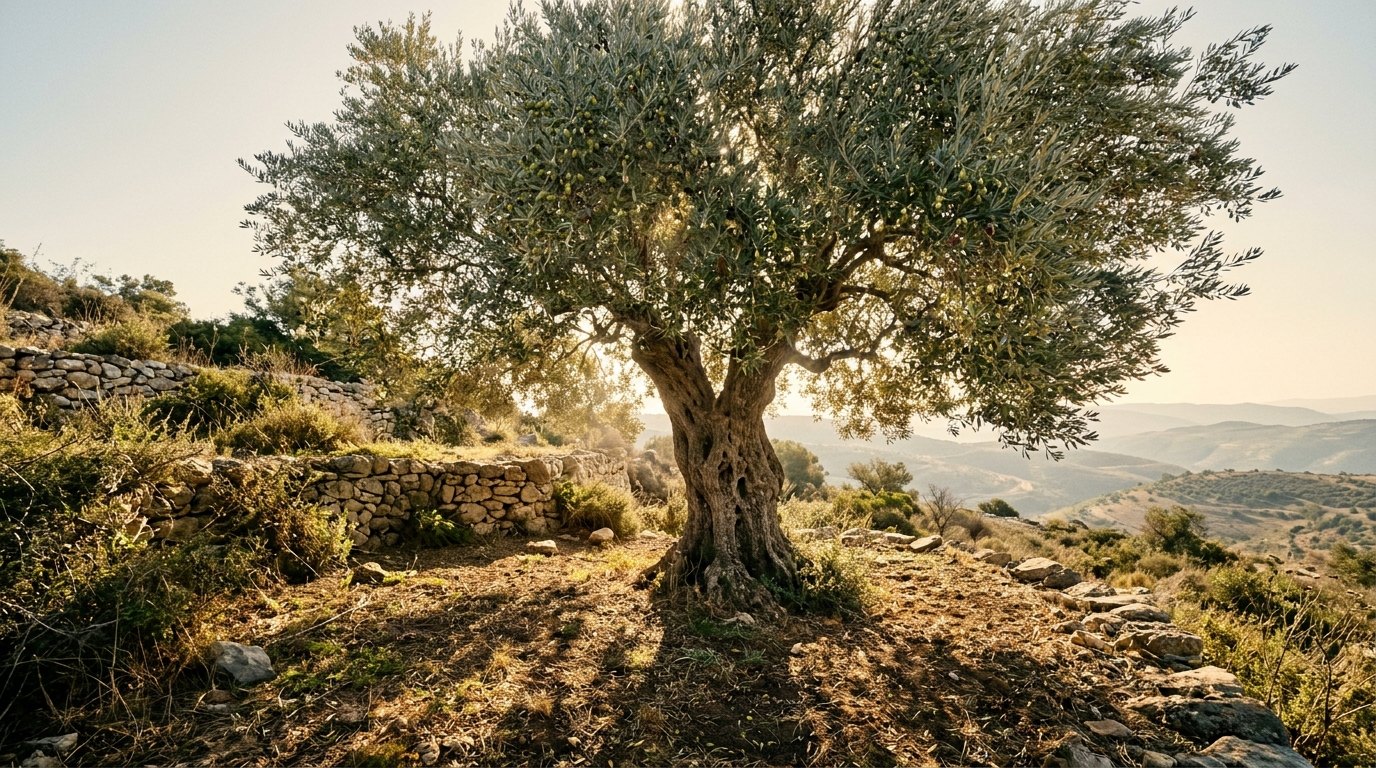
But the fruit of the Spirit is love, joy, peace, forbearance, kindness, goodness, faithfulness, gentleness and self-control. Against such things there is no law.
Galatians 5:22-23 (NIV)
This text anchors self-control firmly as the divine harvest of the Holy Spirit rather than an achievement of mere human grit.
Self-control in the Christian life is never merely the product of stoic willpower or human grit; Galatians 5:22-23 reveals that self-control is the supernatural harvest of the Holy Spirit. Because it is divine fruit rather than mere fleshly determination, it flourishes only as the believer abides deeply in Christ, walking in active surrender to the Spirit against which there is no condemning law.
This gift of grace must be diligently cultivated in daily discipleship. In 2 Peter 1:5-7, the apostle commands us to make every effort to supplement our faith with virtue, knowledge, and self-control, followed by patient perseverance and brotherly affection. These virtues form an unbroken chain: without self-control, spiritual knowledge degenerates into empty intellectualism, and perseverance collapses under pressure.
God's grace does not excuse indiscipline; it teaches it. Paul reminds us in Titus 2:11-12 that the grace of God that brings salvation has appeared, actively training us to renounce ungodliness and worldly passions, and to live self-controlled, upright, and godly lives in the present age. When fears or chaotic impulses threaten to overtake the mind, 2 Timothy 1:7 reassures the believer that God has not given us a spirit of fear, but of power, love, and a sound, self-disciplined mind. By His Spirit, God provides both the desire and the power to rule ourselves for His glory.
| Passage | What it says |
|---|---|
| Galatians 5:22-23 | Lists self-control as an essential fruit generated by the Holy Spirit against which there is no restricting law. |
| 2 Peter 1:5-7 | Commands believers to add self-control to knowledge, perseverance to self-control, and godliness to perseverance in Christian growth. |
| Titus 2:11-12 | Affirms that God's saving grace trains believers to renounce ungodliness and live sober, self-controlled, and godly lives. |
| 2 Timothy 1:7 | Testifies that God has not granted believers a spirit of fear, but of power, love, and a disciplined sound mind. |
The Disciplined Race
Training the Body for an Eternal Crown
Everyone who competes in the games goes into strict training. They do it to get a crown that will not last, but we do it to get a crown that will last forever.
1 Corinthians 9:25 (NIV)
Paul draws a direct parallel between an athlete's rigorous physical conditioning and the Christian's pursuit of an eternal reward.
In 1 Corinthians 9:25, Paul sets the Christian life against the demanding backdrop of ancient athletic games: "Every athlete exercises self-control in all things. They do it to receive a perishable wreath, but we an imperishable." Physical competitors deliberately submitted every impulse of diet, sleep, and comfort to strict restraint merely to secure a fading crown of pine or celery. How much more, the apostle argues, should those pursuing an eternal, incorruptible crown bring their transient desires under rigorous subjection?
This calling permits neither vagueness nor half-hearted effort. Continuing in 1 Corinthians 9:26, Paul declares that he does not run aimlessly, nor does he box as one merely beating the air. Spiritual discipline is pointed, deliberate, and fiercely targeted. In 1 Corinthians 9:27, he drives the physical metaphor deeper, writing that he disciplines his own body and enslaves it, lest having preached to others, he himself should be disqualified from the prize. Biblical self-control is not theoretical piety; it actively reins in bodily passions to ensure total fidelity to Christ.
Peter anchors this vigilant restraint in the reality of spiritual warfare and the climax of history. In 1 Peter 5:8, he commands believers to remain sober-minded and alert because the devil roams like a roaring lion seeking prey to devour. A mind dulled by self-indulgence becomes easy quarry. Therefore, 1 Peter 1:13 instructs the faithful to gird up the loins of their minds and set their hope entirely on the grace revealed at Christ's appearing. Because the culmination of all things draws near, 1 Peter 4:7 urges deliberate self-control and clear-headed sobriety for the sake of prayer, ensuring our communion with God remains unhindered.
| Passage | What it says |
|---|---|
| 1 Corinthians 9:25 | Contrasts the strict self-control of athletic competitors seeking perishable crowns with the believer's pursuit of an imperishable reward. |
| 1 Corinthians 9:26 | Describes running with clear, uncompromising purpose and boxing without swinging uselessly into the empty air. |
| 1 Corinthians 9:27 | Records Paul disciplining his body and bringing it into subjection lest after preaching he might be disqualified. |
| 1 Peter 5:8 | Commands believers to remain sober and watchful, since their adversary the devil roams seeking whom he may devour. |
| 1 Peter 1:13 | Believers are instructed to prepare their minds for action and remain entirely sober-minded. |
| 1 Peter 4:7 | Because the end is near, believers must be self-controlled and sober for prayer. |
The Cost of Indulgence
Biblical Warnings in Ruined Lives

Saul’s anger flared up at Jonathan and he said to him, “You son of a perverse and rebellious woman! Don’t I know that you have sided with the son of Jesse to your own shame and to the shame of the mother who bore you?
1 Samuel 20:30 (NIV)
King Saul's unrestrained rage against his own son reveals how a lack of emotional control leads to relational and spiritual ruin.
The stark tragedy of uncontrolled passions echoes throughout the historical pages of Scripture. In 1 Samuel 20:30, King Saul's smoldering jealousy finally ruptures into violent, uncontrollable rage: "Then Saul's anger was kindled against Jonathan, and he said to him, 'You son of a perverse, rebellious woman, do I not know that you have chosen the son of Jesse to your own shame?'" Having long abandoned inward restraint before God, the king became entirely captive to irrational wrath, hurling shameful insults and weapons at his own loyal son.
Such unchecked emotional excess isolates the soul and repels wisdom. In 1 Samuel 25:17, Nabal's servants describe him as such a worthless and hot-tempered man that no one could even speak to him, an obstinate folly that nearly brought total slaughter upon his entire household. The lack of self-restraint is not a minor foible; it hardens a heart against counsel and invites sudden destruction.
Sensual appetite proves equally ruinous when allowed to reign. In Judges 16:19, Samson, an anointed judge of Israel endowed with miraculous strength, repeatedly capitulates to his unbridled lust, resting his head in Delilah's lap while his strength is stripped away, leading directly to his blinding, imprisonment, and public humiliation. Centuries earlier, Esau displayed a similarly profane disregard for spiritual treasures; Genesis 25:34 records him selling his sacred birthright for a single bowl of stew to appease fleeting stomach hunger. Unrestrained immediate desire willingly trades an eternal inheritance for momentary, passing indulgence.
| Passage | What it says |
|---|---|
| 1 Samuel 20:30 | Depicts King Saul's uncontrollable anger bursting forth in shameful insults against his godly son Jonathan. |
| 1 Samuel 25:17 | Exposes Nabal as an intractable, hot-tempered man of worthless character whom no one could reason with or restrain. |
| Judges 16:19 | Records Samson succumbing repeatedly to unbridled sensual desire, resulting in his capture, blinding, and tragic humiliation. |
| Genesis 25:34 | Recounts Esau despising his holy birthright to satisfy momentary, urgent physical hunger with a single bowl of stew. |
Qualifications for Godliness
Sobriety and Self-Control in Church Leadership and Daily Conduct
Rather, he must be hospitable, one who loves what is good, who is self-controlled, upright, holy and disciplined.
Titus 1:8 (NIV)
It shows that governing one's appetites is an essential qualification for spiritual oversight.
When Scripture outlines the marks of mature spiritual leadership and congregational life, the capacity to govern one's inner appetites takes center stage. In Titus 1:8, the apostle Paul specifies that an overseer must be "hospitable, a lover of good, self-controlled, upright, holy, and disciplined." A man who cannot rein in his tongue, temper, or appetites is wholly unfit to steer the flock of God, because public ministry requires steady inward government under the authority of the Holy Spirit.
This same uncompromising standard governs the pastoral instructions in 1 Timothy 3:2, where an overseer must be above reproach, temperate, self-controlled, respectable, and gentle. Ministry is fundamentally disqualified when carnal appetites are indulged rather than subdued. Spiritual authority cannot be exercised by someone whose own soul remains an ungoverned wilderness.
Yet this disciplined sobriety is not reserved merely for church officers; it forms the baseline pattern for the entire body of Christ. In Titus 2:2, older men are charged to be sober-minded, dignified, and sound in faith, modeling steadfast stability for the generations behind them. Similarly, Titus 2:5 commands young women to cultivate self-control, purity, and devotion within the home, so that the word of God may not be reviled by outside observers. Titus 2:6 urges young men to show self-control in all things. Across every generation and station, inward restraint demonstrates the transformative power of God's grace.
| Passage | What it says |
|---|---|
| 1 Timothy 3:2 | An overseer must be above reproach, temperate, self-controlled, and respectable. |
| Titus 1:8 | An elder must be hospitable, a lover of good, self-controlled, upright, holy, and disciplined. |
| Titus 2:2 | Older men are exhorted to be sober-minded, dignified, and self-controlled in faith. |
| Titus 2:5 | Young women are instructed to be self-controlled, pure, and working at home. |
| Titus 2:6 | Young men are urged to be self-controlled in every respect. |
Where in the Bible
| Book | Passages |
|---|---|
| Genesis | 1 · Genesis 25:34 |
| Judges | 1 · Judges 16:19 |
| 1 Samuel | 2 · 1 Samuel 20:30, 1 Samuel 25:17 |
| 2 Chronicles | 1 · 2 Chronicles 32:5 |
| Nehemiah | 1 · Nehemiah 1:3 |
| Psalms | 1 · Psalms 141:3 |
| Proverbs | 10 · Proverbs 25:28, Proverbs 29:11, Proverbs 16:32, Proverbs 14:29, Proverbs 15:18, Proverbs 22:24, Proverbs 19:11, Proverbs 13:3, Proverbs 23:2, Proverbs 21:23 |
| 1 Corinthians | 4 · 1 Corinthians 7:9, 1 Corinthians 9:25, 1 Corinthians 9:26, 1 Corinthians 9:27 |
| Galatians | 1 · Galatians 5:22-23 |
| Ephesians | 1 · Ephesians 4:26 |
| 1 Thessalonians | 1 · 1 Thessalonians 4:4 |
| 1 Timothy | 1 · 1 Timothy 3:2 |
| 2 Timothy | 1 · 2 Timothy 1:7 |
| Titus | 5 · Titus 2:11-12, Titus 1:8, Titus 2:2, Titus 2:5, Titus 2:6 |
| James | 2 · James 1:19, James 3:2 |
| 1 Peter | 3 · 1 Peter 5:8, 1 Peter 1:13, 1 Peter 4:7 |
| 2 Peter | 1 · 2 Peter 1:5-7 |
The story in order
- Esau despises his birthright (c. 1800 BC) · Genesis 25:34 · Illustrates valuing immediate appetite over eternal inheritance.
- Samson's repeated failures (c. 1100 BC) · Judges 16:19 · Shows the devastating consequences of unchecked sensual desire.
- Jerusalem's walls broken (c. 445 BC) · Nehemiah 1:3 · Pictures vulnerability and reproach when spiritual defenses are down.
- Hezekiah rebuilds walls (c. 700 BC) · 2 Chronicles 32:5 · Demonstrates proactive rebuilding of defenses against invasion.
- Solomon's wisdom on temper (c. 950 BC) · Proverbs 16:32 · Highlights ruling one's spirit as greater than military conquest.
- Solomon on guarding speech · Proverbs 13:3 · Shows the connection between restrained speech and preserved life.
- Paul's athletic analogy (c. AD 55) · 1 Corinthians 9:25 · Compares the disciplined Christian life to rigorous athletic training.
- Jesus's teaching on anger · Ephesians 4:26 · Warns against letting anger persist and lead to sin.
- Paul's self-discipline (c. AD 55) · 1 Corinthians 9:27 · Paul models bringing his body into subjection to avoid disqualification.
- Peter's call to sobriety (c. AD 60) · 1 Peter 1:13 · Urges believers to prepare their minds and be self-controlled.
- Fruit of the Spirit (c. AD 55) · Galatians 5:22-23 · Identifies self-control as a product of the Holy Spirit's work.
- Grace trains self-control (c. AD 65) · Titus 2:11-12 · God's grace empowers believers to live self-controlled lives.
Key words
- Self-control (enkrateia (ἐγκράτεια))
- The ability to govern one's impulses, emotions, and desires, especially in accordance with God's will. · Galatians 5:22
- Temper (thumos (θυμός))
- A person's nature, especially as it affects their behavior; often referring to anger or irritability. · Ephesians 4:26
- Sober (sophron (σώφρων))
- Characterized by seriousness, self-control, and clear thinking; not given to excess. · Titus 2:2
- Wrath (orge (ὀργή))
- Strong, vengeful anger; divine displeasure or punishment. · James 1:19
- Appetite (epithumia (ἐπιθυμία))
- A strong desire for food or drink; can extend to other physical desires. · 1 Corinthians 7:9
Self-control is not a joyless prison of self-effort, but the Spirit-built fortress that keeps your joy safe and your testimony intact. As God's training grace shapes your desires, you are freed from the slavery of every passing appetite to live soberly, purposefully, and faithfully in an unstable world. Anchor your daily discipline in the power of Christ, and guard the walls of your soul for an imperishable crown.
37 passages, each cited once.
Scripture cited
- Proverbs 25:28
- Proverbs 16:32
- Proverbs 22:24
- 1 Samuel 20:30
- 1 Corinthians 7:9
- 1 Corinthians 9:25
- 2 Timothy 1:7
- 1 Peter 4:7
- 1 Peter 5:8