What does the Bible say about the providence of God?

Romans 8:28
28 And we know that in all things God works for the good of those who love him, who have been called according to his purpose.
New International Version (NIV)
The answer
The Bible teaches that God actively sustains and governs everything He has made, directing creation, history, and individual lives according to His wise and sovereign purpose. Providence is not luck or blind fate. God remains involved with His world, human choices are real, and even evil cannot finally frustrate His purposes. For those who love Him, He works all things together for their ultimate good.
God preserves and rules His creation
God did not simply create the world and withdraw from it. Acts 17:25-28 says that He gives everyone life and breath and that “in him we live, move, and have our being.” Hebrews 1:3 describes the Son as “upholding all things by the word of his power,” while Colossians 1:17 says that in Him “all things are held together.” Providence therefore includes both preservation, keeping creation in existence, and government, directing it according to God's purposes.
His rule is universal. Psalm 103:19 declares, “His kingdom rules over all,” and Daniel 4:35 says that no one can stop His hand. Nothing lies beyond His authority.
His government reaches nations and the smallest details
God determines the appointed seasons and boundaries of nations in Acts 17:26. Proverbs 16:9 holds divine direction and human responsibility together: “A man’s heart plans his course, but Yahweh directs his steps.” People genuinely plan and choose, yet God remains sovereign over the outcome.
His care also extends to what seems insignificant. In Matthew 10:29-31, Jesus teaches that no sparrow falls to the ground apart from the Father's will and that even the hairs of His people's heads are numbered. God's providence is therefore neither distant nor merely concerned with great events.
God overrules evil without approving or authoring sin
Joseph's brothers sold him into slavery, but Joseph later told them, “you meant evil against me, but God meant it for good, to save many people alive” in Genesis 50:20. Their intention remained evil; God's good purpose did not excuse their wickedness or make their sin good.
The cross is the supreme example. Acts 2:23 says that Jesus was delivered up according to God's determined counsel and foreknowledge, yet lawless men crucified and killed Him. God's saving purpose and the sinners' responsibility are both affirmed.
God Himself tempts no one, and sin arises from human lust, according to James 1:13-15. Providence never makes God the author of sin, and it never excuses those who commit it. He can restrain, govern, and overrule evil without committing or approving it.
His promised good is not a promise of ease
Romans 8:28 promises, “all things work together for good for those who love God, for those who are called according to his purpose.” This does not mean that every event is good in itself or that believers will avoid loss and suffering. Romans 8:29-30 explains the saving purpose surrounding the promise: God conforms His people to the image of His Son and finally glorifies them.
First Peter 5:10 likewise speaks of believers suffering for a little while before the God of all grace perfects, establishes, strengthens, and settles them. Suffering can be genuinely painful while still being unable to defeat God's gracious purpose.
Living under God's providence
- Trust instead of being ruled by anxiety: Matthew 6:31-33 calls God's people to stop anxiously chasing tomorrow's needs and to seek first His kingdom and righteousness.
- Plan responsibly but humbly: James 4:13-15 forbids presumptuous confidence about tomorrow and teaches the attitude, “If the Lord wills, we will both live, and do this or that.”
- Bring cares to God: First Peter 5:7 invites believers to cast all their worries on Him because He cares for them.
- Refuse to demand an explanation for every event: Romans 11:33-36 declares God's judgments unsearchable and His ways beyond tracing. Providence gives grounds for trust and worship, not a complete explanation of every tragedy.
Answered from Scripture · reviewed November 11, 2026
God's providence is His unceasing preservation and righteous rule over all created things, directing every circumstance, sorrow, and creature toward His glory and the eternal good of His people. Far from leaving the world to drift or run on mechanical laws, the Lord sustains life by His word and weaves all human history to its appointed goal. Understanding divine providence transforms our fears into quiet trust, assuring us that nothing falls outside the hand of our heavenly Father.
Upholding Creation
God continuously sustains and governs the physical world.

He is before all things, and in him all things hold together.
Colossians 1:17 (NIV)
It declares that Christ does not merely observe creation from afar, but actively holds every particle of the cosmos together in Himself.
Colossians 1:17 declares that Christ is before all things, and in Him all things hold together. The physical cosmos does not continue by self-sustaining machinery or indifferent laws of nature; it coheres moment by moment through the direct, preserving power of the Son of God. From the dawn of covenant history, God pledged that while the earth remains, seedtime and harvest, cold and heat, summer and winter, day and night shall not cease (Genesis 8:22). He personally laid the foundations of the earth, set prescribed bounds for the crashing waves, and commanded the morning to dawn upon the land (Job 38:4-11). The Levites confessed this unceasing preservation in Nehemiah 9:6, declaring that the Lord alone made the heavens and the earth with all that is in them, continually giving life to them all while celestial hosts worship Him. David witnessed the same intimate governance in the open field, singing in Psalms 104:14 that God causes grass to grow for livestock and plants for man to cultivate, bringing forth sustenance directly from the soil. Psalms 147:8-9 repeats this wonder: the Lord drapes the sky with rain clouds and feeds the young ravens when they cry. As Hebrews 1:3 proclaims, Christ upholds the universe by the word of His power, sustaining the atomic fabric of existence after purging our sins. Therefore Paul told the Athenian philosophers that in God we live and move and have our being (Acts 17:28). Jesus pointed His disciples to this exact truth in Matthew 6:26, noting that our heavenly Father feeds the wild birds without fail, proving that the sovereign Architect of the galaxy exercises an unbroken, tender watch over every creature under heaven.
| Passage | What it says |
|---|---|
| Nehemiah 9:6 | Affirms that the Lord made the heavens and earth and continually preserves them all while heavenly hosts worship Him. |
| Psalms 104:14 | Describes God causing grass to grow for cattle and vegetation for man's service, bringing food directly from the earth. |
| Hebrews 1:3 | Proclaims that Christ upholds the entire universe by the word of His divine power after purging our sins. |
| Acts 17:28 | Reminds us that in God we live, move, and have our very being at every single moment. |
| Matthew 6:26 | Shows the Father feeding the birds of the air, proving His personal care over the humblest creatures. |
| Genesis 8:22 | God promises the perpetual cycle of seedtime and harvest, cold and heat, summer and winter, day and night while earth remains. |
| Job 38:4-11 | God recounts setting the earth's foundations, prescribing limits for the sea, and establishing morning and dawn. |
| Psalms 147:8-9 | The Lord covers the heavens with clouds, prepares rain for the earth, makes grass grow, and feeds the animals. |
| Colossians 1:17 | Christ is before all things, and in Him all things hold together. |
Ruler of Nations
God sovereignly appoints rulers and directs all human history.
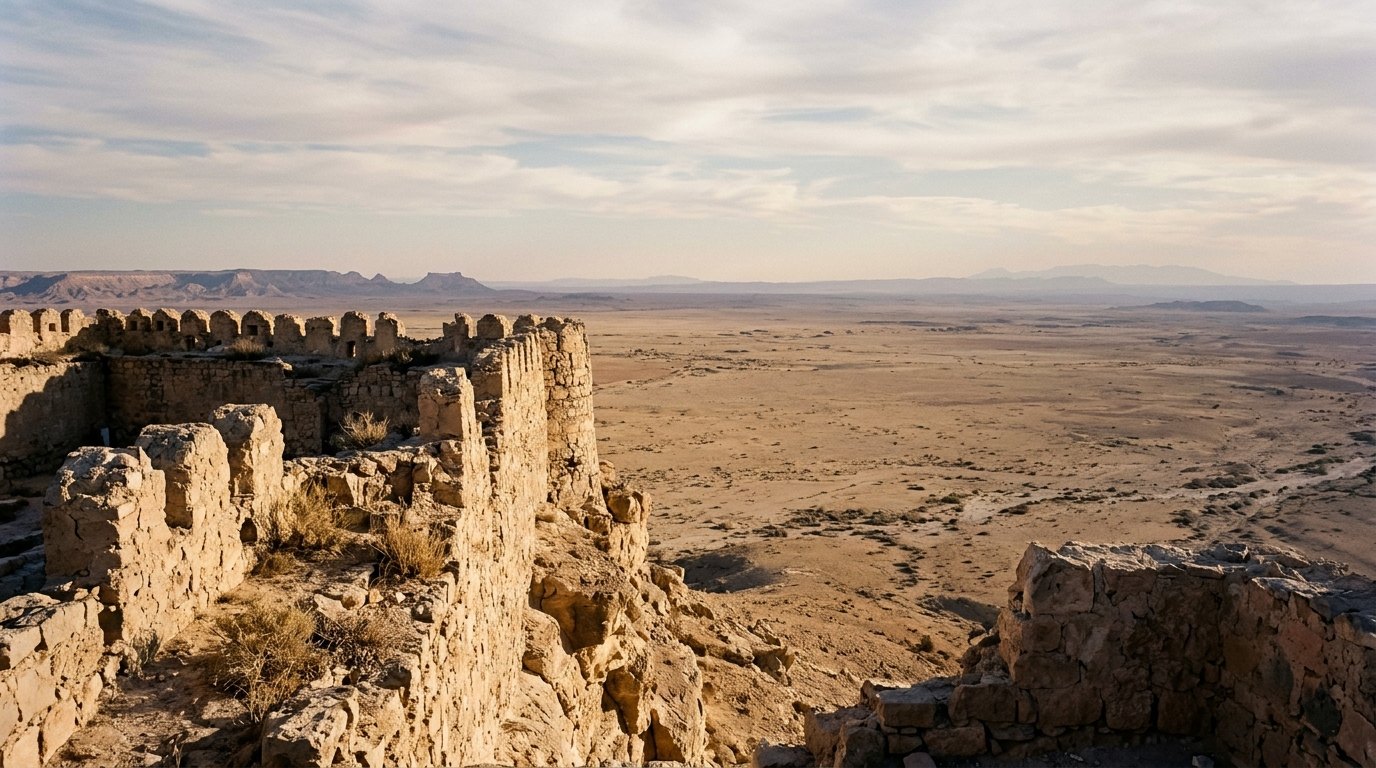
All the peoples of the earth are regarded as nothing. He does as he pleases with the powers of heaven and the peoples of the earth. No one can hold back his hand or say to him: “What have you done?”
Daniel 4:35 (NIV)
It establishes that God's sovereign rule is supreme over every earthly king, and none can resist or question His hand.
Daniel 4:35 proclaims that God does according to His will among the host of heaven and among the inhabitants of the earth, and none can stay His hand or say to Him, 'What have you done?' Nebuchadnezzar learned this through bitter humiliation, discovering that worldly potentates reign only under the sovereign appointment of the Most High (Daniel 4:34-35). Long before, the psalmist observed that while the nations plot in vain and devise fragile schemes, the counsel of the Lord stands forever and the thoughts of His heart endure to all generations (Psalms 33:10-11). Earthly rulers may imagine themselves autonomous, but Proverbs 21:1 reveals that the king's heart is a stream of water in the hand of the Lord, turned wherever He pleases. It is God who changes times and seasons, deposing emperors and installing monarchs to serve His eternal decrees (Daniel 2:21). The apostle Paul confirmed this cosmic scope on Mars Hill, teaching that God determined the allotted periods of history and the fixed boundaries of every nation's dwelling place across the globe (Acts 17:26). Centuries earlier, the Lord spoke to Cyrus the Persian before the conqueror was even born, declaring through Isaiah 45:1-7 that He forms light and creates darkness, orchestrates well-being and brings calamity, so that all may know there is none besides Him. Romans 13:1 gathers this truth for the Christian life, instructing believers that earthly governing authorities hold office solely because God instituted them. No regime rises, falls, or marches across the stage of history outside the precise ordination of the King of kings.
| Passage | What it says |
|---|---|
| Psalms 33:10-11 | Contrasts the frustrated counsels of the nations with the counsel of the Lord, which stands firm to all generations. |
| Proverbs 21:1 | Compares the heart of a king to streams of water directed wherever the Lord pleases. |
| Daniel 2:21 | Declares that God changes times and seasons, removing kings and establishing kings according to His wisdom. |
| Acts 17:26 | Explains that God determined the exact times and dwelling boundaries of every nation across the earth. |
| Isaiah 45:1-7 | The Lord anoints King Cyrus and declares that He forms light and creates darkness, making well-being and creating calamity. |
| Daniel 4:34-35 | Nebuchadnezzar confesses that God does according to His will among the heavenly host and the inhabitants of the earth. |
| Romans 13:1 | Every person must be subject to governing authorities, for there is no authority except from God. |
Overruling Evil
God directs even wicked deeds toward redemptive purposes.

You intended to harm me, but God intended it for good to accomplish what is now being done, the saving of many lives.
Genesis 50:20 (NIV)
It shows that while men intend evil, God actively and sovereignly designs those very events for saving good.
Genesis 50:20 captures the profound mystery of divine sovereignty over human wickedness: 'As for you, you meant evil against me, but God meant it for good.' Joseph spoke these words to the very brothers who had plotted his murder and sold him into slavery. Decades of affliction in Egypt revealed the secret purpose of God, who sent Joseph ahead of his family to preserve life and sustain a holy remnant through famine (Genesis 45:7-8). God never authorises or delights in moral evil, yet His providence governs it without compromising His flawless holiness. Proverbs 16:4 teaches that the Lord has made everything for its purpose, even the wicked for the day of trouble, while Psalms 76:10 assures us that the wrath of man shall praise Him, with the remainder of wrath firmly restrained. Scripture demonstrates this active control in the exodus: the Lord hardened Pharaoh's stubborn heart so that his defiance would display the unmatched power and name of Yahweh across the whole earth (Exodus 4:21). Centuries later, God used the ruthless empire of Assyria as the rod of His righteous fury to discipline His rebellious covenant people, though the arrogant conqueror intended only bloody annihilation (Isaiah 10:5-7). The apex of this mystery stands at Golgotha. Acts 2:23 explains that Jesus was delivered up according to the definite plan and foreknowledge of God, even while lawless men crucified Him. When the apostles gathered under persecution, they prayed in Acts 4:27-28 that Herod, Pontius Pilate, the Gentiles, and the peoples of Israel had done whatever God's hand and plan predestined to take place, proving that the darkest crime of history was the exact means of world redemption.
| Passage | What it says |
|---|---|
| Genesis 45:7-8 | Joseph recognizes that God, not his treacherous brothers, sent him to Egypt to preserve a remnant. |
| Psalms 76:10 | States that the wrath of man shall praise God, while the remainder of wrath is restrained by Him. |
| Proverbs 16:4 | Asserts that the Lord has made everything for its purpose, even the wicked for the day of trouble. |
| Acts 2:23 | Reveals that Jesus was crucified through lawless hands according to the deliberate plan and foreknowledge of God. |
| Acts 4:27-28 | Records the early church confessing that Herod, Pilate, and the Gentiles did whatever God's hand predestined to occur. |
| Genesis 50:20 | Joseph declares that what his brothers meant for evil against him, God meant for good to preserve many people alive. |
| Exodus 4:21 | The Lord tells Moses He will harden Pharaoh's heart so that he will not let the people go, displaying His glory. |
| Isaiah 10:5-7 | God uses Assyria as the rod of His anger to punish an ungodly nation, though Assyria intends only destruction. |
Individual Lives
God directs every step and detail of our daily existence.

Are not two sparrows sold for a penny? Yet not one of them will fall to the ground outside your Father’s care. And even the very hairs of your head are all numbered. So don’t be afraid; you are worth more than many sparrows.
Matthew 10:29-31 (NIV)
It proves that God's providence is so minute that even the hairs of our head are numbered and sparrows fall under His notice.
Matthew 10:29-31 anchors divine providence in our everyday lives, reminding us that even the hairs of your head are all numbered, and not a single sparrow falls to the ground apart from your Father. If God attends to the passing of common birds sold for pennies in the marketplace, His children can rest assured that no detail of their suffering or survival escapes His care. Hannah rejoiced in this reality in 1 Samuel 2:6-7, singing that the Lord kills and brings to life, brings down to the grave and raises up, makes poor and makes rich according to His holy counsel. David contemplated the mystery of his own creation in Psalms 139:16, marveling that before a single day of his life existed, every one of them was inscribed in God's eternal book. While human beings possess genuine agency and make daily plans, Proverbs 16:9 makes clear that a man's heart plans his way, but the Lord establishes his steps. Even what seems like blind chance or pure coincidence is governed from above: Proverbs 16:33 notes that the lot is cast into the lap, but its every decision is from the Lord. Jeremiah confessed with humility that the way of man is not in himself, nor is it in man who walks to direct his steps (Jeremiah 10:23). Psalms 37:23-24 confirms that the steps of a godly man are made firm by the Lord, and though he may stumble, he shall not be cast headlong, for the Lord upholds his hand. Therefore James warns believers against arrogant presumption about tomorrow's business ventures, instructing us to say, 'If the Lord wills, we will live and do this or that' (James 4:13-15).
| Passage | What it says |
|---|---|
| 1 Samuel 2:6-7 | Hannah confesses that the Lord kills and makes alive, brings down to Sheol, makes poor, and makes rich. |
| Psalms 139:16 | David marvels that every day fashioned for him was written in God's book before any came to exist. |
| Proverbs 16:9 | Reminds us that while the heart of man plans his way, the Lord determines his steps. |
| Proverbs 16:33 | Affirms that though the lot is cast into the lap, every decision is entirely from the Lord. |
| James 4:13-15 | Warns against boasting about tomorrow, instructing believers to say, If the Lord wills, we will live and do this. |
| Psalms 37:23-24 | The steps of a man are established by the Lord when he delights in His way. |
| Jeremiah 10:23 | Jeremiah acknowledges that the way of man is not in himself, nor is it in man to direct his steps. |
| Matthew 10:29-31 | Not one sparrow falls to the ground apart from the Father, and even the hairs of your head are all numbered. |
The Believer's Good
All things work together for the salvation of God's people.

And we know that in all things God works for the good of those who love him, who have been called according to his purpose.
Romans 8:28 (NIV)
It offers the absolute guarantee that God orchestrates every circumstance toward spiritual, eternal good for those who love Him.
The great anchor of divine providence is expressed in Romans 8:28, where the apostle Paul declares that for those who love God and are called according to His purpose, all things work together for good. This promise is not a sentimental platitude about earthly comfort; it is a profound declaration that every detail of existence, whether joyful or painful, is governed by God toward our eternal salvation. Paul secures this truth by tracing an unbroken chain of sovereign grace in Romans 8:29-30, showing that those whom God foreknew, He predestined to be conformed to the image of His Son, and those He predestined He also called, justified, and glorified.
Because God's governance spans eternity, believers can rest in the absolute permanence of His love. In Romans 8:35-39, Scripture asks what can separate us from the love of Christ, answering that neither tribulation, distress, persecution, sword, death, life, nor any other created power can sever us from God in Christ Jesus our Lord. God's providential care guarantees that our salvation cannot be derailed by circumstance. As 1 Corinthians 2:9 affirms, God has prepared for those who love Him what no eye has seen, nor ear heard, nor heart of man imagined.
Furthermore, God will never abandon the work He has started. Paul expresses utter confidence in Philippians 1:6 that He who began a good work in you will carry it on to completion until the day of Jesus Christ. This lifelong sanctification rests entirely on the sovereign decree revealed in Ephesians 1:11, which reveals that we have obtained an inheritance, having been predestined according to the purpose of Him who works all things according to the counsel of His will. Providence is God's eternal love in action.
| Passage | What it says |
|---|---|
| Romans 8:29-30 | Traces the unbroken chain of divine providence from foreknowledge and predestination to justification and eternal glorification. |
| Romans 8:35-39 | Declares that no hardship, danger, or created power can ever separate the believer from God's love in Christ. |
| 1 Corinthians 2:9 | Speaks of the glorious eternal things God has prepared for those who love Him, beyond all human comprehension. |
| Philippians 1:6 | Guarantees that God, having begun a good work in the believer, will faithfully bring it to completion until Christ's day. |
| Romans 8:28 | God works all things together for good to those who love Him and are called according to His purpose. |
| Ephesians 1:11 | Believers have obtained an inheritance, having been predestined according to the purpose of Him who works all things after His will. |
Patient Endurance
Suffering is refined under God's loving and sovereign hand.

Blessed is the one who perseveres under trial because, having stood the test, that person will receive the crown of life that the Lord has promised to those who love him.
James 1:12 (NIV)
It shows that enduring providential trials produces perseverance that leads to the crown of life promised by the Lord.
In the furnace of trial, James 1:12 offers steadying hope, calling blessed the man who remains steadfast under trial, because when he has stood the test he will receive the crown of life that God has promised to those who love Him. Divine providence does not exempt the believer from suffering, but rather sanctifies it, ensuring that pain is never wasted or purposeless. This unbending faith was demonstrated by Job after receiving devastating news of sudden loss; in Job 1:21, he bowed in worship, declaring that the Lord gave and the Lord has taken away, and blessed be the name of the Lord. When pressed further into agony, he refused bitterness, asking in Job 2:10 whether we should accept good from God and not also accept adversity.
Scripture teaches that suffering serves a purifying and maturing purpose under God's watchful eye. Paul rejoices in tribulations in Romans 5:3-5, knowing that suffering produces endurance, endurance produces proven character, and character produces a hope that does not put us to shame. The author of Hebrews reminds us in Hebrews 12:5-7 that trials are often the discipline of a loving heavenly Father, proof of our sonship rather than evidence of His abandonment.
Even when trials linger without relief, divine providence supplies sufficient strength. Paul recounts in 2 Corinthians 12:7-9 that a thorn in the flesh was given to him to keep him from conceit, and Christ assured him that His grace is sufficient, for power is made perfect in weakness. Therefore, Peter can write with unwavering confidence in 1 Peter 5:10 that after you have suffered a little while, the God of all grace will Himself restore, confirm, strengthen, and establish you.
| Passage | What it says |
|---|---|
| Job 1:21 | Job responds to catastrophic loss by acknowledging that the Lord gives and takes away, yet blessing His name. |
| Romans 5:3-5 | Teaches believers to exult in tribulations, which produce endurance, proven character, and an unshakeable hope. |
| Hebrews 12:5-7 | Explains that hardships and trials are the providential discipline of a loving Father treating us as true sons. |
| 1 Peter 5:10 | Promises that after suffering a little while, the God of all grace will restore, confirm, strengthen, and establish us. |
| Job 2:10 | Job replies to his wife asking whether we shall receive good from God and not receive evil or trouble. |
| 2 Corinthians 12:7-9 | Paul is given a thorn in the flesh under God's sovereign care to keep him from becoming conceited. |
Where in the Bible
| Book | Passages |
|---|---|
| Genesis | 3 · Genesis 8:22, Genesis 45:7-8, Genesis 50:20 |
| Exodus | 1 · Exodus 4:21 |
| 1 Samuel | 1 · 1 Samuel 2:6-7 |
| Nehemiah | 1 · Nehemiah 9:6 |
| Job | 3 · Job 38:4-11, Job 1:21, Job 2:10 |
| Psalms | 6 · Psalms 104:14, Psalms 147:8-9, Psalms 33:10-11, Psalms 76:10, Psalms 139:16, Psalms 37:23-24 |
| Proverbs | 4 · Proverbs 21:1, Proverbs 16:4, Proverbs 16:9, Proverbs 16:33 |
| Isaiah | 2 · Isaiah 45:1-7, Isaiah 10:5-7 |
| Jeremiah | 1 · Jeremiah 10:23 |
| Daniel | 2 · Daniel 2:21, Daniel 4:34-35 |
| Matthew | 2 · Matthew 6:26, Matthew 10:29-31 |
| Acts | 4 · Acts 17:28, Acts 17:26, Acts 2:23, Acts 4:27-28 |
| Romans | 5 · Romans 13:1, Romans 8:29-30, Romans 8:35-39, Romans 8:28, Romans 5:3-5 |
| 1 Corinthians | 1 · 1 Corinthians 2:9 |
| 2 Corinthians | 1 · 2 Corinthians 12:7-9 |
| Ephesians | 1 · Ephesians 1:11 |
| Philippians | 1 · Philippians 1:6 |
| Colossians | 1 · Colossians 1:17 |
| Hebrews | 2 · Hebrews 1:3, Hebrews 12:5-7 |
| James | 1 · James 4:13-15 |
| 1 Peter | 1 · 1 Peter 5:10 |
The story in order
- Creation of the heavens and earth (c. 445 BC) · Nehemiah 9:6 · God made and preserves all things.
- God's promise of seasons (c. 2348 BC) · Genesis 8:22 · Perpetual cycles of nature are guaranteed.
- God establishes the earth's boundaries (c. 2000 BC) · Job 38:4-11 · God's sovereign control over the seas and land.
- God appoints rulers (c. 600 BC) · Daniel 2:21 · God changes times and seasons, removes and sets up kings.
- God directs nations' boundaries (c. AD 49) · Acts 17:26 · God determined the times and places for all nations.
- Joseph sent to Egypt (c. 1805 BC) · Genesis 45:7-8 · God sent Joseph for preservation.
- Pharaoh's heart hardened (c. 1446 BC) · Exodus 4:21 · God hardened Pharaoh's heart for His glory.
- Assyria used as God's rod (c. 722 BC) · Isaiah 10:5-7 · God uses nations for His purposes, even in judgment.
- Hannah's confession of God's power (c. 1050 BC) · 1 Samuel 2:6-7 · The Lord brings life and death, poverty and riches.
- David's life planned by God (c. 1000 BC) · Psalms 139:16 · Every day of life is known and fashioned by God.
- God directs man's steps (c. 950 BC) · Proverbs 16:9 · Man plans, but God directs his steps.
- Jesus' crucifixion foreordained (AD 30) · Acts 2:23 · Jesus was crucified by God's foreknowledge and plan.
- God works all things for good (c. AD 57) · Romans 8:28 · God orchestrates all for the good of His people.
- Paul's thorn in the flesh (c. AD 55) · 2 Corinthians 12:7-9 · Suffering is sovereignly allowed for God's purposes.
God Overruling Evil for Good
| Human Intent | God's Purpose | Outcome | Passage |
|---|---|---|---|
| Brothers meant Joseph for harm | God sent Joseph to preserve life | Many people were preserved alive | |
| Nations' wicked plans | The Lord's counsel stands forever | The Lord frustrates the nations' plans | Psalms 33:10-11 |
| Wickedness for the day of trouble | Made for His purpose | God's ultimate sovereign plan | Proverbs 16:4 |
| Lawless hands crucified Jesus | God's deliberate plan and foreknowledge | Salvation through Christ's death | Acts 2:23 |
| Herod, Pilate, Gentiles acted | God's hand predestined to occur | Fulfillment of God's decree | Acts 4:27-28 |
| Assyria's anger against Israel | God's rod for punishment | Judgment on an ungodly nation | Isaiah 10:5-7 |
God's Care for Creation
| Provision | Sustained By | Biblical Example | Passage |
|---|---|---|---|
| Grass for cattle, vegetation for man | God causing it to grow | God provides food from the earth | Psalms 104:14 |
| Birds of the air | The Father feeds them | God's personal care for creatures | Matthew 6:26 |
| Rain for the earth | The Lord prepares it | God provides for animal needs | Psalms 147:8-9 |
| Cycles of seasons and day/night | God's promise | Perpetual cycle while earth remains | Genesis 8:22 |
| All things | Christ upholds them | Christ sustains the universe |
God's Sovereign Direction of Individual Lives
| Human Action/Plan | Divine Direction | Biblical Principle | Passage |
|---|---|---|---|
| Man plans his way | The Lord determines his steps | God directs our paths | Proverbs 16:9 |
| Casting the lot | Entirely from the Lord | God controls all decisions | Proverbs 16:33 |
| Boasting about tomorrow | If the Lord wills | Dependence on God's will for the future | James 4:13-15 |
| Man's way is not his own | Not in man to direct his steps | Human inability to direct oneself | Jeremiah 10:23 |
| Sparrow falls to the ground | Apart from the Father | God's detailed care even for small things | Matthew 10:29-31 |
| Steps of a righteous man | Established by the Lord | God secures the path of the godly | Psalms 37:23-24 |
Key words
- Providence
- God's unceasing preservation and righteous rule over all creation, directing all things to His glory and the good of His people. · Romans 8:28
- Sovereignty
- God's supreme authority and power, by which He rules over all creation and directs all events. · Daniel 4:35
- Preservation
- God's continuous sustaining of the physical world and all its inhabitants. · Nehemiah 9:6
- Foreknowledge
- God's eternal knowledge of all future events and choices. · Romans 8:29
- Predestination
- God's eternal decree to bring about His purposes, especially concerning the salvation of His people. · Ephesians 1:11
- Discipline
- God's loving correction and training of His children through trials and suffering. · Hebrews 12:5-7
Resting in God's providence frees the believer from frantic despair and anchorless anxiety in an unpredictable world. Because our sovereign Lord governs every sparrow and every sorrow, no trial can thwart His eternal purpose to conform us to Christ. We may walk through deep waters with steadfast hope, knowing that every detail of life is held by the God who works all things together for our ultimate good.
44 passages, each cited once.
How the major Christian traditions read this
All Christian traditions confess that God actively sustains and sovereignly governs all creation, guiding history toward His holy ends without ever being the author of sin (Psalm 103:19; Hebrews 1:3).
Catholic
We believe that God conducts creation with wise and loving care toward its ultimate perfection. God created a world that is in a state of journeying (in statu viae), willing to grant His creatures the dignity of acting as genuine secondary causes. God is the sovereign first cause who acts in and through creatures without violating human freedom (Proverbs 16:9). He permits moral evil out of respect for human free will, yet His almighty providence draws good out of every evil, preeminently seen when Christ's crucifixion brought about the salvation of the world (Genesis 50:20; Acts 2:23).
Scripture: Proverbs 16:9, Genesis 50:20, Acts 2:23
Orthodox
We confess that the Supreme Goodness governs all things visible and invisible by His loving providence. God foreknows all things, including evil, yet He is neither its contriver nor its cause. Evil arises solely from the rebellious will of creatures. In His divine economy, God permits human freedom and mysteriously overrules the fallout of sin to bring about beneficial ends (Romans 8:28). Divine providence is a living communion in which God calls mankind to synergy—cooperating with His uncreated grace to transfigure creation and achieve union with Him rather than submitting to fatalistic decree.
Scripture: Romans 8:28, Acts 17:28
Lutheran
We hold that God preserves, protects, and governs all creation daily out of sheer fatherly, divine goodness and mercy. God provides all that we need to keep this body and life, ruling over nature and earthly kingdoms. In civil affairs and natural things, humanity retains a measure of free will (Augsburg Confession 18). However, when sin and tragedy occur, God is never the cause; sin originates solely in the corrupted will of the devil and fallen man. We look for God's providential care not in speculative decrees, but revealed in the crucified Christ (Hebrews 1:3).
Scripture: Hebrews 1:3, Matthew 10:29-31
Reformed & Presbyterian
We confess that God, by His most wise and holy providence, upholds, directs, and governs all creatures, actions, and things from the greatest to the least (Westminster Confession 5.1). Everything comes to pass immutably and infallibly according to God's eternal decree (Ephesians 1:11). Yet, by the same providence, He orders all things to fall out through second causes—either necessarily, freely, or contingently (Westminster Confession 5.2). God is never the author of sin, nor is violence offered to the creature's will; rather, even the wicked acts of men are sovereignly directed to His glory (Genesis 50:20; Acts 4:27-28).
Scripture: Ephesians 1:11, Genesis 50:20, Acts 4:27-28
Anglican & Episcopal
We hold that almighty God continually preserves and governs the universe by His sovereign wisdom. He orders the courses of nature, human history, and personal lives, working out His good purposes across generations (Psalm 103:19). While affirming God's absolute sovereignty and eternal purpose, our tradition maintains pastoral modesty concerning secret things, leaving room for both divine decree and responsible human agency. In all circumstances, we trust that God works all things together for the good of those who love Him, sustaining believers through trial and directing history toward redemption in Christ (Romans 8:28).
Scripture: Psalms 103:19, Romans 8:28
Baptist
We affirm that God in His infinite power and wisdom upholds, directs, and governs all creatures and things, from the greatest to the least (Baptist Confession of 1689 5.1). Nothing befalls anyone by chance or outside His sovereign oversight (Proverbs 16:33). While many Baptists embrace the Reformed conviction that God's eternal decree comprehensively determines all events through secondary causes, others emphasize that God sovereignly permits human freedom and holds every individual morally accountable. All agree that God directs history to glorify Himself and redeem His people without ever authoring iniquity (Romans 8:28).
Scripture: Proverbs 16:33, Romans 8:28, Daniel 4:35
Methodist & Wesleyan
We teach that God's providence is universal, active, and rooted in His holy love. God upholds all things, yet He created human beings with genuine free agency. Divine sovereignty does not mean exhaustive predetermination. Instead, God's prevenient grace enables humanity to choose or resist Him (Acts 7:51). God foreknows all choices without necessitating them. He lovingly superintends creation, answering prayer, comforting the afflicted, and working through human obedience, while permitting genuine evil rather than decreeing it, always striving by His Spirit to draw all people toward holiness and salvation (1 Timothy 2:3-4).
Scripture: Acts 7:51, 1 Timothy 2:3-4, Matthew 10:29-31
Pentecostal & Charismatic
We believe God actively and dynamically governs His world today through the power of the Holy Spirit. Providence is not an impersonal, fixed script, but an ongoing divine engagement where God intervenes directly in human history through miracles, healing, and spiritual gifts (Acts 2:17-18). We hold that prayer genuinely impacts outcomes, as God responds to the faith of His people (James 5:14-16). While God holds ultimate authority over history, He calls believers to engage in spiritual warfare, advancing His kingdom against demonic opposition while resting in His sustaining care (Ephesians 6:12).
Scripture: Acts 2:17-18, James 5:14-16, Ephesians 6:12
Non-denominational & Evangelical
We look directly to Scripture to affirm that God is entirely sovereign and intimately involved in every detail of life (Matthew 10:29-30). Nothing happens outside His authority or knowledge. He preserves creation, directs nations, and guides individual believers according to His Word. While believers hold varying views on how divine sovereignty intersects with human free will, we unite around the biblical promise that God causes all things to work together for the good of those who love Him and walk in His calling (Romans 8:28).
Scripture: Matthew 10:29-30, Romans 8:28, Colossians 1:17
Where they differ
Extent of divine determination versus creaturely freedom
- Catholic
- God is the transcendent first cause moving secondary causes without violating free will.
- Orthodox
- God foreknows all but permits human self-determination without predetermining evil or choices.
- Lutheran
- God governs all things while humanity retains free choice only in earthly matters.
- Reformed & Presbyterian
- God immutably decrees all events whatsoever, acting through necessary, free, or contingent causes.
- Anglican & Episcopal
- God sovereignly orders history while accommodating genuine human moral responsibility and agency.
- Baptist
- Views range from comprehensive Calvinistic decree to sovereign permission of human free agency.
- Methodist & Wesleyan
- God's providence respects libertarian free will, foreknowing but not determining human choices.
- Pentecostal & Charismatic
- God dynamically directs history while honoring human choice and responding to prayer.
- Non-denominational & Evangelical
- Affirms God's complete sovereignty while allowing varied views on how freedom operates.
Scripture: Ephesians 1:11, Proverbs 16:9, Acts 2:23
How God relates to the occurrence of evil
- Catholic
- God permits evil to respect freedom and mysteriously draws greater good from it.
- Orthodox
- God merely permits evil, never causing it, overruling its effects for benefit.
- Lutheran
- Evil stems entirely from sinful wills, which God limits and turns toward good.
- Reformed & Presbyterian
- God sovereignly ordains and governs evil acts for His glory without authoring sin.
- Anglican & Episcopal
- God allows evil within His sovereign governance, redeeming it for His ultimate purposes.
- Baptist
- God permits or ordains evil's occurrence while holding sinful actors entirely morally guilty.
- Methodist & Wesleyan
- God permits evil as the consequence of free will, never willingly decreeing it.
- Pentecostal & Charismatic
- Evil is permitted by God but actively opposed through spiritual warfare and prayer.
- Non-denominational & Evangelical
- God sovereignly overrules evil for believers' good without ever being responsible for sin.
Scripture: Genesis 50:20, James 1:13-14
Your pastor can tell you where your church stands.
Scripture cited
- Romans 8:28
- 1 Peter 5:10
- Genesis 50:20
- Romans 8:28-30
- Genesis 50:15-21
- Matthew 10:29-31
- Acts 17:24-28
- Psalms 103:15-19
- Proverbs 16:9
- James 4:13-15
- Daniel 4:34-35
- Acts 2:22-24