What does the Bible say about toxic relationships?

1 Corinthians 15:33
33 Do not be misled: “Bad company corrupts good character.”
New International Version (NIV)
The answer
The Bible does not use the modern label “toxic relationship,” but it directly addresses relationships marked by deceit, folly, pressure to sin, and approval of evil. Corrupting companionship must not be excused or nurtured; Scripture calls for discernment, separation from sinful fellowship, truth, and repentance. Ordinary conflict is different, and marriage or immediate danger requires the further distinctions below.
Recognize corrupting influence
1 Corinthians 15:33 begins, “Don’t be deceived!” and warns that evil companionships corrupt good morals. Proverbs 13:20 gives the same principle from two directions: walking with the wise leads toward wisdom, while companionship with fools leads toward destruction. Influence is not neutral simply because affection is sincere.
Corruption can also spread quietly. In 1 Corinthians 5:6, a little leaven leavening the whole lump illustrates how tolerated sin affects an entire community. A relationship that repeatedly requires lying, joining sin, calling evil good, or silencing obedience to God is therefore spiritually dangerous.
Respond without pretending
- Name the actual conduct: Difficulty, disagreement, or emotional exhaustion alone does not prove that someone is an evil companion. Identify the deceit, pressure, disobedience, or other sin involved rather than relying on a vague label.
- Forsake the foolish path: Proverbs 9:6 says, “Forsake the foolish, and live; and go in the way of understanding.” A voluntary friendship, dating relationship, or close partnership built around practising or approving sin should not be preserved at the cost of obedience.
- Do not normalize disobedience: Ephesians 5:6 warns against deception through empty words and states plainly that God’s wrath comes upon the children of disobedience. Kindness never requires helping someone minimize what God condemns.
- Take consequences seriously: Galatians 6:7 warns that God is not mocked and that people reap what they sow. Boundaries acknowledge this reality; they are not permission for hatred, humiliation, or personal revenge.
Necessary contact or courteous conversation is not identical to intimate fellowship, participation in sin, or endorsement of it. Likewise, forgiveness does not require denying what happened or immediately restoring broken trust. Genuine reconciliation requires truth and repentance, not pretence.
Marriage, danger, and gospel hope
The label should not make every difficult marriage or family relationship disposable. These verses address corrupting companionship but do not, by themselves, settle every question about separation or divorce. Violence, threats, coercion, and abuse must never be hidden, romanticized, or enabled. Seeking immediate safety and appropriate civil or emergency help is not a failure of love or forgiveness.
The response to sin is finally found in Christ, not merely in better relationship management. Christ bore sin so that sinners could die to sin and live rightly (1 Peter 2:24). Those who confess their sins receive God’s promised forgiveness and cleansing (1 John 1:9), and 1 Corinthians 6:11 shows that people formerly defined by sin can be washed and made new. No offender should be treated as beyond grace, but grace must never be used as permission to continue harming, deceiving, or corrupting others.
Answered from Scripture · reviewed November 11, 2026
Scripture speaks with unrelenting clarity about the power of close companionship to shape, elevate, or entirely destroy a person's life and faith. Rather than treating destructive bonds as mere interpersonal friction, God's Word reveals that evil associations inevitably corrupt character, erode discernment, and bring ruin. From ancient wisdom to apostolic instruction, the biblical remedy for persistently harmful relationships is clear boundaries, decisive separation, and guarding the heart.
The Contagion of Influence
Companionship inevitably reshapes your character and destiny
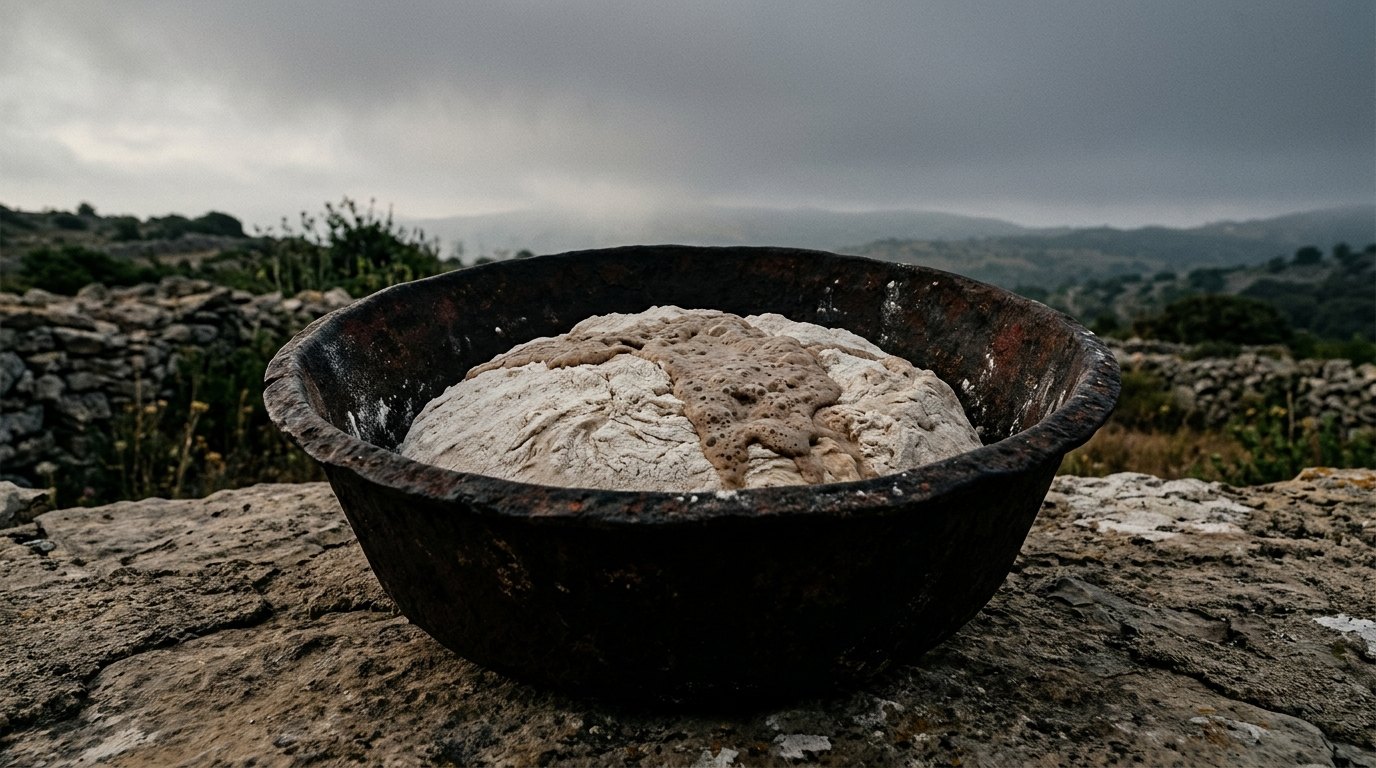
Do not be misled: “Bad company corrupts good character.”
1 Corinthians 15:33 (NIV)
Paul issues an urgent command not to be deceived, warning that corrupt associations quietly dismantle good morals.
In 1 Corinthians 15:33, the apostle Paul cuts through human self-confidence with a sharp, sober warning: evil company corrupts good habits. Companionship is never neutral. It operates as a steady, quiet current that bends our instincts, normalizes compromise, and eventually directs our steps. While many assume their character is robust enough to endure corrupt intimacy without harm, Scripture reveals that proximity inevitably brings assimilation.
Proverbs 13:20 confirms this foundational law of life: walk with the wise and you become wise, but the companion of fools suffers devastating harm. The corrupting dynamic operates like the principle of fermentation; as Paul reminds the church in 1 Corinthians 5:6, a little leaven leavens the whole lump. Whatever environment we immerse ourselves in will ultimately seep into our hearts, for as Galatians 6:7 declares, God is not mocked, and a person invariably reaps whatever harvest they sow.
This contamination occurs through specific relational channels. Proverbs 22:24-25 warns never to partner with an angry person, lest you learn their volatile habits and ensnare your very soul. Toxic bonds do not merely wound us externally; they reshape our internal emotional and moral architecture. Furthermore, reckless associations tarnish reputations and spread disgrace, as Proverbs 28:7 observes of those who run with gluttons and riotous companions. Compromised loyalty can even pull a person into active wrongdoing, fulfilling the grim warning of Proverbs 29:24 that the partner of a thief damages his own soul by sharing in guilt and concealing crime. Who we walk with determines what we become.
| Passage | What it says |
|---|---|
| 1 Corinthians 15:33 | Evil company corrupts good habits and moral character through ongoing exposure and compromise. |
| Proverbs 13:20 | Walking with the wise yields wisdom, but the companion of fools suffers harm and destruction. |
| 1 Corinthians 5:6 | A tiny measure of leaven spreads through and permeates the entire lump of dough. |
| Galatians 6:7 | God is not mocked, and whatever a person sows, that very harvest will they reap. |
| Proverbs 22:24-25 | Befriending a person given to anger leads to learning their ways and ensnaring one's soul. |
| Proverbs 28:7 | A companion of gluttons or riotous men shames his father, demonstrating that reckless associations disgrace family and character. |
| Proverbs 29:24 | An accomplice to a thief hates his own life, partnering in wrongdoing and sharing guilt. |
Compromising Alliances
Covenant compromise leads directly to spiritual ruin

Do not be yoked together with unbelievers. For what do righteousness and wickedness have in common? Or what fellowship can light have with darkness?
2 Corinthians 6:14 (NIV)
Paul commands believers not to be unequally yoked, exposing the inherent incompatibility between righteousness and ungodliness.
In 2 Corinthians 6:14, Scripture delivers an absolute command regarding deep structural alliances: do not be unequally yoked together with unbelievers. Just as two mismatched animals hitched to a single plow pull against each other and ruin the furrow, a covenantal union between righteousness and lawlessness inevitably fractures spiritual integrity. Scripture consistently warns that intimate, binding covenants with ungodly partners do not elevate the compromised party; they pull the faithful heart down into ruin.
This pattern is etched across the history of God's covenant people. In Exodus 34:12-16 and Deuteronomy 7:2-4, the Lord explicitly forbade Israel from making treaties or intermarrying with pagan nations, warning that intimate bonds would ensnare them and turn their sons away from following Him. The tragic consequence of ignoring this command appeared swiftly in Numbers 25:1-8, where illicit relational entanglement with Moabite women triggered blatant idolatry and brought a devastating plague upon the camp.
Even extraordinary wisdom offers no immunity to toxic partnerships. In 1 Kings 11:1-4, Solomon's foreign alliances and marriages steadily eroded his devotion until his wives turned away his heart after other gods. Generations later, godly King Jehoshaphat repeatedly endangered his life and legacy through compromising alliances. In 2 Chronicles 18:1-3, he forged a marriage alliance with wicked King Ahab, drawing sharp prophetic rebuke in 2 Chronicles 19:2 for loving those who hate the Lord. When Jehoshaphat later partnered with wicked King Ahaziah to construct merchant ships, God shattered the fleet, as recorded in 2 Chronicles 20:35-37. James 4:4 names this compromise plainly: friendship with the fallen world is spiritual adultery and open enmity with God.
| Passage | What it says |
|---|---|
| 2 Corinthians 6:14 | Believers must not form binding, mismatched partnerships with unbelievers. |
| Exodus 34:12-16 | Israel is commanded not to make covenants or intermarry with idolatrous inhabitants, lest they be ensnared. |
| Deuteronomy 7:2-4 | Intermarriage with surrounding nations is forbidden because it turns sons away from following the Lord. |
| Numbers 25:1-8 | Israel's illicit physical and relational entanglement with Moabite women provokes idolatry and severe plague. |
| 1 Kings 11:1-4 | Solomon's many foreign alliances and wives eventually turn his heart away toward other gods. |
| 2 Chronicles 18:1-3 | Jehoshaphat aligns by marriage and military alliance with wicked King Ahab, leading him into fatal danger. |
| 2 Chronicles 19:2 | The prophet Jehu confronts Jehoshaphat for helping the wicked and loving those who hate the Lord. |
| 2 Chronicles 20:35-37 | Jehoshaphat joins wicked King Ahaziah to build ships, and God destroys the fleet because of the unholy partnership. |
| James 4:4 | Friendship with the fallen world system constitutes spiritual adultery and enmity against God. |
Deceivers and Dividers
Scripture commands watchful avoidance of manipulative people

I urge you, brothers and sisters, to watch out for those who cause divisions and put obstacles in your way that are contrary to the teaching you have learned. Keep away from them.
Romans 16:17 (NIV)
Paul commands the church to take note of and actively avoid those who cause divisions and spiritual stumbling.
In Romans 16:17, Paul instructs the church to maintain active vigilance: note those who cause divisions and offenses, and avoid them. Scripture does not call believers to passive endurance when confronted with manipulative, deceitful individuals who undermine truth and peace. Instead, the apostolic command is intentional, watchful avoidance. Both Christ and His apostles repeatedly emphasized that relational harm frequently wears the disguise of charm, religious pretense, and calculated speech.
Jesus Himself warned His followers in Matthew 24:4 to take care that no one leads them astray, predicting in Matthew 24:24 that false prophets would arise with deceptive signs capable of misleading even the elect if that were possible. Paul echoes this vigilance in Ephesians 5:6, warning believers not to be deceived by empty words that invite divine wrath. In 2 Timothy 2:16-18, he commands the avoidance of irreverent babble that spreads like gangrene, and in 2 Timothy 3:1-5, he catalogues a devastating list of abusive, arrogant, and hypocritical behaviors that mark the last days, concluding with five decisive words: from such people turn away.
The wisdom literature lays bare the anatomy of manipulation. Proverbs 6:12-15 identifies the worthless person who sows relentless discord through deceitful winks, shuffles, and whispers, only to meet sudden calamity. Proverbs 16:28 warns that a slanderer separates the closest of friends, while Proverbs 26:24-26 exposes the hater who masks malice with gracious words. David knew this agony intimately, lamenting in Psalms 55:12-14 the treachery of an intimate companion whose words were smooth as butter while drawn swords hid in his heart (Psalms 55:20-21). In 2 John 1:10-11, the apostle commands that anyone who promotes deceitful doctrine must not be welcomed into the home, lest the believer share in their wicked work.
| Passage | What it says |
|---|---|
| Romans 16:17 | Watch out for those who create dissension contrary to sound doctrine, and turn away from them. |
| Matthew 24:4 | Jesus warns His disciples explicitly to take care that no one leads them astray. |
| Matthew 24:24 | False Christs and false prophets will arise performing signs that could deceive even the elect. |
| Ephesians 5:6 | Let no one deceive you with empty words, which incur God's wrath upon the disobedient. |
| 2 Timothy 2:16-18 | Avoid irreverent babble, because it spreads like gangrene and upsets the faith of some. |
| 2 Timothy 3:1-5 | People in the last days will exhibit abusive, arrogant, and ungodly behaviors; from such, turn away. |
| Proverbs 6:12-15 | A worthless, wicked person sows discord with deceitful gestures and words, facing sudden and irreversible calamity. |
| Proverbs 16:28 | A dishonest person spreads strife, and a slanderer separates the closest of friends. |
| Proverbs 26:24-26 | One who hates disguises malice with gracious speech, but his malice will be exposed publicly. |
| Psalms 55:12-14 | David laments the painful treachery and deceit of an intimate friend who broke covenant and betrayed trust. |
| Psalms 55:20-21 | The deceiver speaks words smooth as butter while war is in his heart, his soft speech masking drawn swords. |
| 2 John 1:10-11 | Do not welcome or invite into your home anyone who peddles false doctrine, lest you share in evil work. |
The Call to Separate
Wisdom chooses departure over debate when harm persists

Leave your simple ways and you will live; walk in the way of insight.”
Proverbs 9:6 (NIV)
Wisdom demands an intentional, decisive break with foolishness in order to lay hold of true life.
In Proverbs 9:6, divine wisdom issues an unyielding ultimatum: forsake foolishness and live, and go in the way of understanding. Scripture reveals that when unrepentant sin, manipulation, and destructive behavior persist, the godly response is not endless negotiation or accommodating tolerance, but decisive departure. True spiritual health requires drawing holy boundaries and refusing to entertain company that militates against righteousness.
The entire Psalter opens on this very foundation. Psalms 1:1 pronounces a blessing on the one who refuses to walk in the counsel of the ungodly, stand in the path of sinners, or sit in the seat of the scornful. Proverbs 4:14-15 commands us not to step foot on the path of evil men, urging believers to turn away, avoid it, and pass on. When relational dysfunction is codified into persistent divisiveness, the pastoral epistles call for immediate closure: Titus 3:10-11 instructs us to warn a divisive person once and twice, and then have nothing more to do with them.
This boundary is especially vital within the household of faith. In 1 Corinthians 5:11, Paul explicitly commands believers not even to eat with anyone claiming the name of brother who persists in unrepentant immorality, greed, or verbal abuse. Proverbs 14:7 instructs us simply to leave the presence of a foolish person, while Proverbs 22:10 reveals that when you cast out the scorner, contention and disgrace cease immediately. Proverbs 24:1-2 forbids envying or desiring the company of violent minds. Both Psalms 26:4-5 and Psalms 101:4-7 record the deliberate refusal to sit with hypocrites, slanderers, or arrogant liars, a principle echoed by Paul in 2 Thessalonians 3:6, where believers are commanded in the name of the Lord Jesus Christ to withdraw from any brother who walks in rebellious disorder.
| Passage | What it says |
|---|---|
| Proverbs 9:6 | Leave foolish paths and simple ways behind so that you may live and walk in understanding. |
| Psalms 1:1 | Blessed is the one who refuses to walk in wicked counsel, stand with sinners, or sit with scoffers. |
| Proverbs 4:14-15 | Do not enter the path of the wicked; turn away from it, avoid it, and pass on. |
| Titus 3:10-11 | Warn a divisive person once, then a second time, and after that have nothing more to do with them. |
| 1 Corinthians 5:11 | Do not associate with anyone claiming to be a brother who remains sexually immoral, greedy, or abusive. |
| Proverbs 14:7 | Leave the presence of a foolish person, for you will not find knowledge on their lips. |
| Proverbs 22:10 | Cast out the scorner or mocker, and conflict departs; strife and disgrace cease immediately. |
| Proverbs 24:1-2 | Do not envy wicked men or desire their company, for their minds devise violence and trouble. |
| Psalms 26:4-5 | The psalmist refuses to sit with deceitful hypocrites or associate with evildoers, preserving integrity and clean hands. |
| Psalms 101:4-7 | David vows not to tolerate deceit, arrogance, secret slander, or liars within his house or court. |
| 2 Thessalonians 3:6 | Believers are commanded to withdraw from any brother who walks in idleness and rebellion against apostolic teaching. |
Restoration Versus Abandonment
Orderly accountability protects the flock while seeking the straying

“If your brother or sister sins, go and point out their fault, just between the two of you. If they listen to you, you have won them over.
Matthew 18:15 (NIV)
Jesus provides the direct, private pathway for resolving offense and seeking repentance before escalating boundaries.
When relationships fracture under sin, Scripture mandates orderly accountability rather than quiet resentment or reckless exposure. Jesus establishes the foundational pattern in Matthew 18:15, directing that if a brother sins against you, you must go and confront him privately, seeking reconciliation between the two of you alone. The goal of every biblical confrontation is restoration, not vindication. Yet Christ also provides a clear, stepped boundary when hardness of heart persists: Matthew 18:16-17 instructs that if the offender refuses to listen, one or two witnesses must be brought, and if they stubbornly reject the church's judgment, they are to be regarded as an outsider. Mercy does not mean ignoring unrepentant harm.
This careful balance of gentleness and vigilance governs apostolic care. Paul instructs in Galatians 6:1 that anyone caught in transgression must be restored by the spiritual with a spirit of meekness, keeping watchful guard over oneself lest one also be tempted. When someone inside the community persists in willful disobedience, 2 Thessalonians 3:14-15 directs believers to cease close association with them so they may feel ashamed, while warning never to treat them as an enemy. Scripture never confuses biblical love with enabling ongoing destruction.
Wisdom also recognizes when confrontation has become futile. Jesus delivers a sharp boundary in Matthew 7:6, commanding disciples not to give what is holy to dogs or throw pearls before pigs, who will trample them and turn to tear you to pieces. Long before, Proverbs 9:7-8 laid down the same reality: rebuking a scoffer only invites insults and abuse, whereas reproving a wise person produces affection and growth. Where repentance is genuine, forgiveness is limitless, as Luke 17:3-4 commands rebuking the sinning brother yet forgiving him repeatedly each time he turns and repents. But where repentance is absent, God’s Word authorizes boundaries that protect the flock.
| Passage | What it says |
|---|---|
| Matthew 18:15 | If your brother sins against you, go and confront him privately between the two of you alone. |
| Matthew 18:16-17 | Bring witnesses if they refuse to listen, and if they reject the church, treat them as an outsider. |
| Galatians 6:1 | Restore a brother caught in transgression with a spirit of gentleness, keeping watch over yourself. |
| 2 Thessalonians 3:14-15 | Do not associate with an disobedient brother so he may feel ashamed, yet do not treat him as an enemy. |
| Matthew 7:6 | Do not cast pearls before swine or holy things to dogs, guarding sacred truth from violent contempt. |
| Proverbs 9:7-8 | Correcting a scoffer invites abuse and hatred, but reproving a wise person yields love and growth. |
| Luke 17:3-4 | Rebuke a sinning brother, but grant forgiveness repeatedly whenever genuine repentance is shown. |
The Godly Counterpart
Godly friendship builds up what destructive ties tear down

As iron sharpens iron, so one person sharpens another.
Proverbs 27:17 (NIV)
It defines healthy companionship as mutual spiritual sharpening rather than mutual degradation.
The biblical remedy for harmful companionship is not bitter isolation, but covenantal companionship that sharpens faith and preserves the soul. Proverbs 27:17 captures the life-giving nature of righteous friendship: as iron sharpens iron, so one person sharpens the countenance and spiritual character of another. Unlike toxic bonds that diminish discernment, godly companions challenge one another toward holiness and maturity. This requires courage and absolute integrity, as Proverbs 27:5-6 declares that open rebuke is better than hidden love, and the wounds of a faithful friend are trustworthy, while the kisses of an enemy are lavish and deceitful.
True biblical fellowship is marked by steadfast endurance through hardship. Proverbs 17:17 reveals that a genuine friend loves at all times, functioning as a brother born specifically for adversity. Shallow popularity offers no safety; Proverbs 18:24 warns that a person of many superficial companions easily comes to ruin, but there is a loyal companion who sticks closer than a brother. Godly fellowship provides tangible spiritual and emotional protection against the vulnerabilities of isolation. Ecclesiastes 4:9-12 beautifully demonstrates that two are better than one, providing mutual reward for their toil, lifting each other up when one falls, generating warmth in the cold, and forming a three-fold cord that is not quickly broken.
Scripture anchors this ideal in the covenant between David and Jonathan. In 1 Samuel 18:1-3, Jonathan’s soul was knit to the soul of David, loving him as his own life and establishing a sacrificial covenant that stood in stark contrast to King Saul’s destructive, paranoid envy. God gives righteous friendship as a fortress against corruption.
| Passage | What it says |
|---|---|
| Proverbs 27:5-6 | Faithful are the wounds of a true friend, while the kisses of an enemy are lavish and deceitful. |
| Proverbs 27:17 | As iron sharpens iron, so one person sharpens the character, wisdom, and countenance of another. |
| Proverbs 17:17 | A true friend loves at all times, and a brother is born adversity. |
| Proverbs 18:24 | A man of many unreliable companions comes to ruin, but there is a loyal friend who sticks closer than a brother. |
| Ecclesiastes 4:9-12 | Two are better than one, providing mutual support, warmth, and resilience against attack in contrast to isolation. |
| 1 Samuel 18:1-3 | The soul of Jonathan is knit to David in sacrificial covenant love, contrasting Saul's destructive envy. |
Where in the Bible
| Book | Passages |
|---|---|
| Exodus | 1 · Exodus 34:12-16 |
| Numbers | 1 · Numbers 25:1-8 |
| Deuteronomy | 1 · Deuteronomy 7:2-4 |
| 1 Samuel | 1 · 1 Samuel 18:1-3 |
| 1 Kings | 1 · 1 Kings 11:1-4 |
| 2 Chronicles | 3 · 2 Chronicles 18:1-3, 2 Chronicles 19:2, 2 Chronicles 20:35-37 |
| Psalms | 5 · Psalms 55:12-14, Psalms 55:20-21, Psalms 1:1, Psalms 26:4-5, Psalms 101:4-7 |
| Proverbs | 17 · Proverbs 13:20, Proverbs 22:24-25, Proverbs 28:7, Proverbs 29:24, Proverbs 6:12-15, Proverbs 16:28, Proverbs 26:24-26, Proverbs 9:6, Proverbs 4:14-15, Proverbs 14:7, Proverbs 22:10, Proverbs 24:1-2, Proverbs 9:7-8, Proverbs 27:5-6, Proverbs 27:17, Proverbs 17:17, Proverbs 18:24 |
| Ecclesiastes | 1 · Ecclesiastes 4:9-12 |
| Matthew | 5 · Matthew 24:4, Matthew 24:24, Matthew 18:15, Matthew 18:16-17, Matthew 7:6 |
| Luke | 1 · Luke 17:3-4 |
| Romans | 1 · Romans 16:17 |
| 1 Corinthians | 3 · 1 Corinthians 15:33, 1 Corinthians 5:6, 1 Corinthians 5:11 |
| 2 Corinthians | 1 · 2 Corinthians 6:14 |
| Galatians | 2 · Galatians 6:7, Galatians 6:1 |
| Ephesians | 1 · Ephesians 5:6 |
| 2 Thessalonians | 2 · 2 Thessalonians 3:6, 2 Thessalonians 3:14-15 |
| 2 Timothy | 2 · 2 Timothy 2:16-18, 2 Timothy 3:1-5 |
| Titus | 1 · Titus 3:10-11 |
| James | 1 · James 4:4 |
| 2 John | 1 · 2 John 1:10-11 |
The story in order
- Israel warned against foreign alliances (c. 1450 BC) · Exodus 34:12-16 · Compromising with idolaters leads to spiritual ruin.
- Solomon's foreign wives turn his heart (c. 930 BC) · 1 Kings 11:1-4 · Ungodly alliances lead to spiritual compromise and apostasy.
- David laments betrayal by a friend (c. 1000 BC) · Psalms 55:12-14 · Deceitful companions cause deep pain and breach trust.
- Proverbs warns against foolish companions (c. 900 BC) · Proverbs 13:20 · Association with fools leads to harm and destruction.
- Jehoshaphat allies with wicked Ahab (c. 870 BC) · 2 Chronicles 18:1-3 · Joining with the wicked invites fatal danger.
- Jesus warns against deception (AD 30) · Matthew 24:4 · Discernment is needed to avoid being led astray.
- Paul warns against evil company (c. AD 55) · 1 Corinthians 15:33 · Bad associations corrupt good character and habits.
- Paul commands separation from divisive people (c. AD 57) · Romans 16:17 · Avoid those who cause dissension and false doctrine.
- James warns against worldly friendship (c. AD 45) · James 4:4 · Friendship with the world is enmity with God.
- Paul instructs on church discipline (c. AD 55) · 1 Corinthians 5:11 · Separate from unrepentant, immoral believers.
- Paul advises withdrawing from idle believers (c. AD 51) · 2 Thessalonians 3:6 · Withdraw from those who walk in rebellion.
- Peter warns against false teachers (c. AD 64) · 2 Peter 2:1-3 · False teachers bring destructive heresies and greed.
Key words
- Evil company
- Harmful associations that corrupt moral character and habits through exposure and compromise. · 1 Corinthians 15:33
- Compromising Alliances
- Partnerships, especially through marriage or covenants, with unbelievers or the wicked that lead to spiritual ruin. · Exodus 34:12-16
- Deceivers
- Manipulative people who spread dissension, false doctrine, or strife through deceitful words and actions. · Romans 16:17
- Separation
- Decisive departure from harmful relationships, wicked counsel, or divisive individuals to preserve one's faith and life. · Proverbs 9:6
- Godly Friendship
- Loyal, supportive companionship that builds up wisdom, character, and resilience, contrasting with destructive ties. · Proverbs 27:17
- Leaven (Greek: zume (ζύμη))
- A small influence that spreads and corrupts an entire group or situation. · 1 Corinthians 5:6
Believers are called to walk in love, pursue restoration, and extend grace, yet Scripture never commands anyone to remain entangled in relationships that poison the soul or breed ungodliness. Wisdom calls for discerning companionship, cutting off corrupting ties, and surrounding yourself with those who provoke you to love and good works. Guarding your heart is not unloving self-preservation; it is faithful stewardship of the life God has entrusted to you.
52 passages, each cited once.
Scripture cited
- 1 Corinthians 15:33
- Proverbs 13:20
- 1 Corinthians 5:6
- Proverbs 9:6
- Ephesians 5:6
- Galatians 6:7
- Galatians 6:1-2
- Ephesians 5:11
- Ephesians 5:25-29