What does 'walk by faith, not by sight' mean?
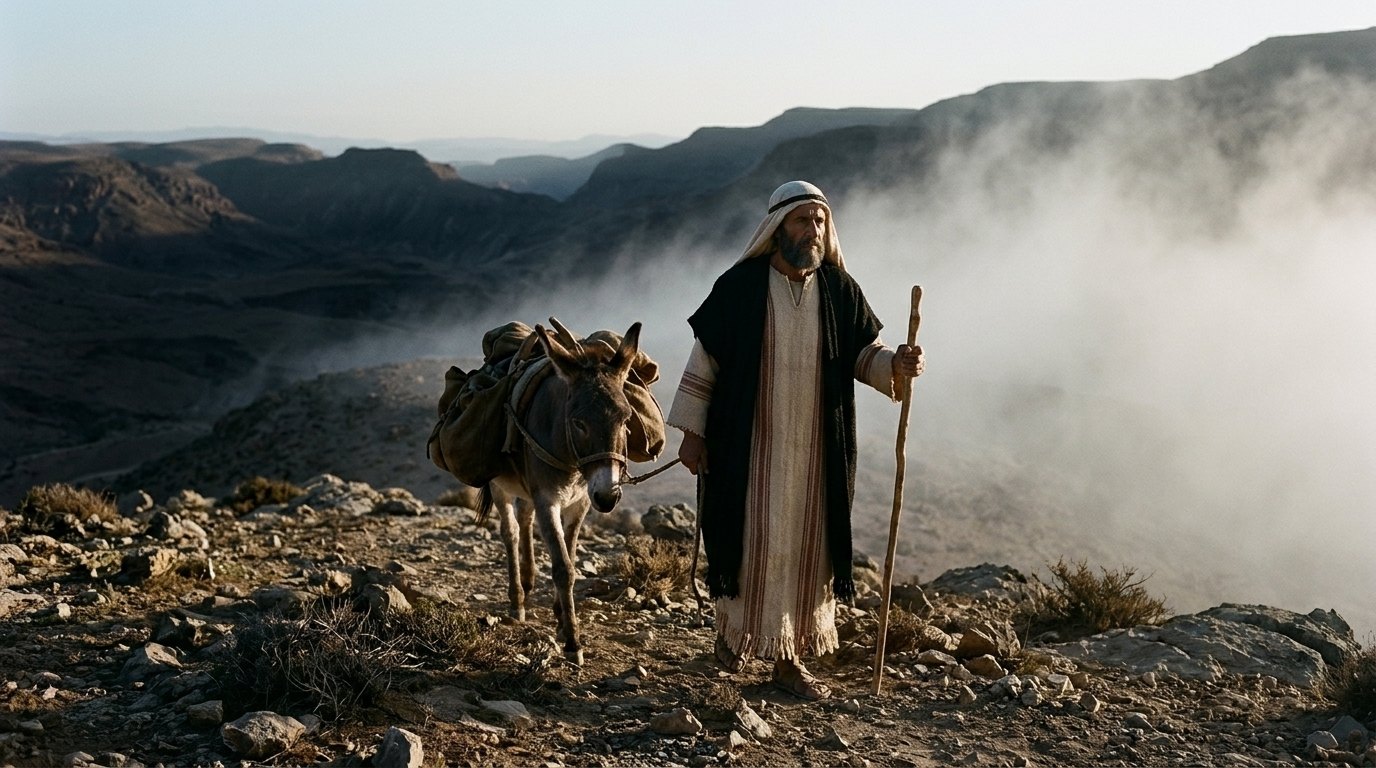
2 Corinthians 5:7
7 For we live by faith, not by sight.
New International Version (NIV)
The answer
“Walk by faith, not by sight” means living by trusting what God has promised and revealed, rather than making our circumstances, feelings, or visible results the basis of our obedience.
Paul explains this in the surrounding passage: Christians know that if we are in Christ, God will judge us, and we have been made right with God through Christ. Because this reality is unseen, we “walk by faith, not by sight” (2 Corinthians 5:7). Faith is not blind optimism; it is confidence grounded in God’s character, promises, and truth.
This involves several dimensions of trust. First, trusting God’s promises means believing His word before we see its full result, looking to Jesus and the eternal life He gives us (2 Corinthians 5:8; Hebrews 11:1). Second, trusting beyond present appearances involves fixing our attention on eternal realities rather than treating temporary circumstances as ultimate (2 Corinthians 4:18). Third, trusting God’s provision involves being willing to follow Him even when the path ahead is not visible, as Abraham did when God called him to leave his homeland (Hebrews 11:8-10).
Faith also shapes our whole life. “Walk” describes conduct, so faith is not merely a private belief; it directs how we live. “Not by sight” does not mean ignoring facts or planning wisely. It means that, even amid uncertainty, we obey and trust God rather than requiring visible proof before taking the next faithful step.
A helpful way to express it is: let what you cannot see shape what you do now because of what God has promised. That is faith—not pretending everything is easy, but walking steadily with God in the gap between promise and visible outcome.
Answered from Scripture · reviewed November 10, 2026
To 'walk by faith, not by sight' means navigating daily life by the unshakeable truth of God's Word rather than the shifting signals of immediate human perception. The Apostle Paul presents this posture not as wishful thinking, but as the steady conduct of believers whose eternal hope anchors every earthly step. Understanding this biblical command aligns our hearts with the unseen realities of God's promises in a visible, fragile world.
The Present Pilgrim
Our earthly tent anticipates a heavenly dwelling

For we live by faith, not by sight.
2 Corinthians 5:7 (NIV)
It defines the continuous posture of the believer journeying toward an eternal home while still absent from the bodily presence of the Lord.
In 2 Corinthians 5:7, Paul establishes that we walk by faith, not by sight, defining our entire journey through this present age. The Christian lives in a frail, mortal frame, described in 2 Corinthians 5:1 as an earthly tent destined for destruction, while we look ahead to a permanent building from God eternal in the heavens. Within this temporary dwelling, 2 Corinthians 5:2 and 2 Corinthians 5:4 record our inward groaning, longing not to be stripped bare or found naked as in 2 Corinthians 5:3, but to be further clothed so that mortality is swallowed up by life. God has fashioned us for this very end and has given the Holy Spirit as an earnest down payment (2 Corinthians 5:5).
Because of this promised inheritance, believers maintain unshaken courage. While we are presently at home in this physical body, we remain physically absent from the manifest presence of Christ (2 Corinthians 5:6). Yet faith bridges that distance, so that we are of good cheer, preferring rather to be away from the body and at home with the Lord (2 Corinthians 5:8). Whether present in this life or departing into his presence, our supreme ambition remains unchanged: to be well-pleasing to him in all things (2 Corinthians 5:9). This resolute walk is sobered and dignified by the certainty that each of us must stand before the judgment seat of Christ to receive what is due for deeds done in the flesh (2 Corinthians 5:10).
| Passage | What it says |
|---|---|
| 2 Corinthians 5:1 | Affirms that when our earthly body is destroyed, we have an eternal building from God in the heavens. |
| 2 Corinthians 5:6 | States that while we are at home in the physical body, we are away from the visible presence of the Lord. |
| 2 Corinthians 5:7 | Declares that the Christian life is conducted by trust in God rather than reliance on physical sight. |
| 2 Corinthians 5:8 | Expresses confident readiness to be away from the mortal body and at home with the Lord. |
| 2 Corinthians 5:9 | Resolves that our single ambition, whether present or absent, is to be entirely pleasing to Christ. |
| 2 Corinthians 5:2 | We groan in this earthly dwelling, longing to be clothed with our heavenly dwelling. |
| 2 Corinthians 5:3 | Being clothed with eternal life ensures we will not be found naked. |
| 2 Corinthians 5:4 | We groan not to be unclothed but further clothed, so mortality is swallowed by life. |
| 2 Corinthians 5:5 | God prepared us for eternity and gave the Spirit as a guarantee. |
| 2 Corinthians 5:10 | All must appear before Christ's judgment seat to receive what is due. |
The Unseen Weight
Eternal realities transcend momentary earthly afflictions
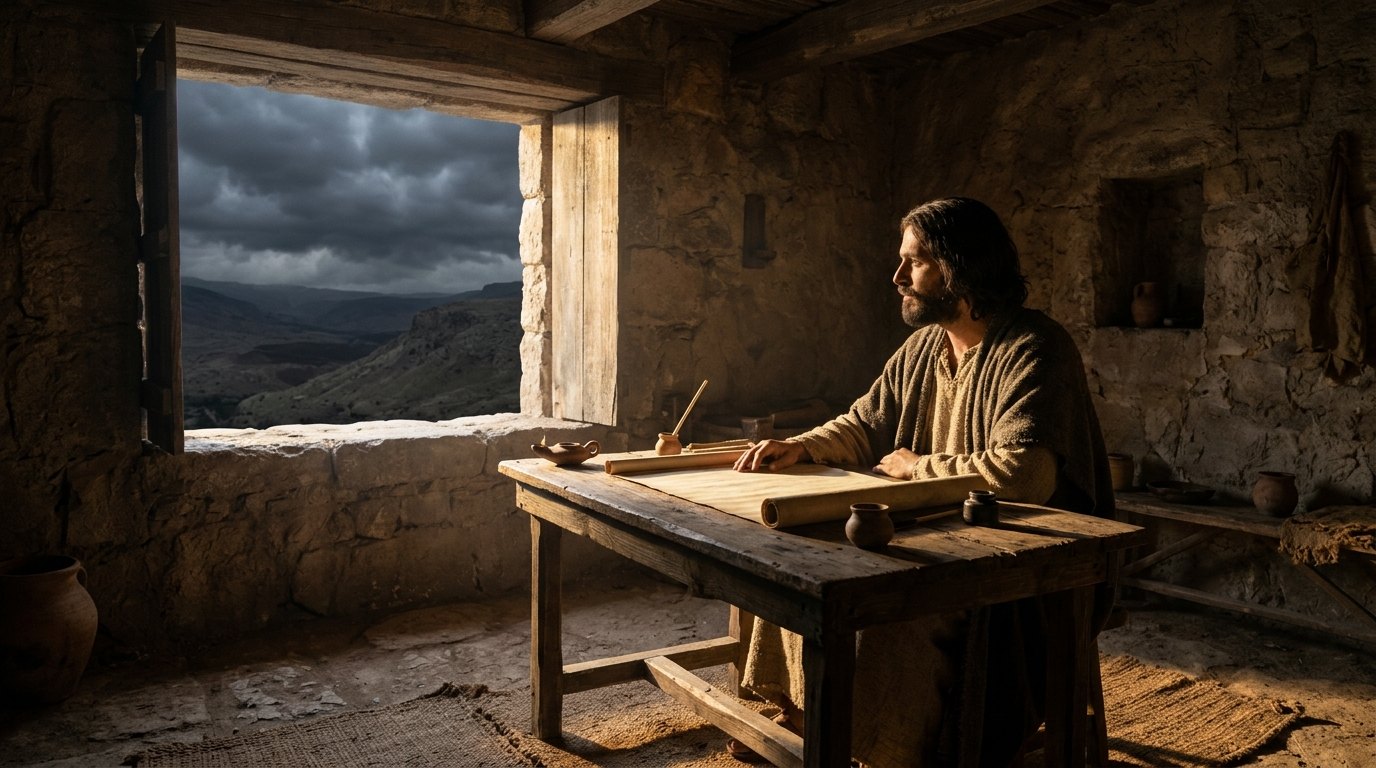
So we fix our eyes not on what is seen, but on what is unseen, since what is seen is temporary, but what is unseen is eternal.
2 Corinthians 4:18 (NIV)
It contrasts the temporary nature of visible things with the everlasting permanence of the unseen realm.
Paul summons believers in 2 Corinthians 4:18 to look not to the things that are seen, but to the things that are unseen, because visible circumstances are transient, while unseen realities endure forever. Physical frailty and outward decay are undeniable realities in a fallen world, but 2 Corinthians 4:16 reminds us not to lose heart, for even as our outer nature wastes away, our inner self is renewed day by day. Every burden, sorrow, and trial endured in the flesh is reframed by 2 Corinthians 4:17 as light and momentary affliction that prepares for us an eternal weight of glory beyond all comparison.
This heavenly vision reshapes how we understand the Christian hope. As Romans 8:24 explains, salvation was granted in hope, and hope that is visible is no hope at all, for who hopes for what he already sees? Walking by faith means waiting with patient endurance for the unseen redemption promised by God (Romans 8:25). Consequently, the believer is commanded to seek the things above, where Christ sits enthroned at the right hand of the Father (Colossians 3:1). Instead of permitting fleeting earthly struggles to dictate our outlook, Scripture urges us to set our minds firmly on heavenly realities (Colossians 3:2), evaluating every earthly step in light of eternity.
| Passage | What it says |
|---|---|
| 2 Corinthians 4:16 | Teaches that though our outer self wastes away, our inner self is being renewed day by day. |
| 2 Corinthians 4:17 | Describes current afflictions as light and momentary, producing an eternal weight of glory beyond comparison. |
| 2 Corinthians 4:18 | Commands looking not to what is seen but to what is unseen, because unseen realities endure forever. |
| Romans 8:24 | Explains that hope is essential to our salvation, since hope that is already seen is not true hope. |
| Romans 8:25 | Encourages believers to wait with patient endurance for the unseen redemption promised by God. |
| Colossians 3:1 | Believers are urged to seek things above, where Christ sits at God's right hand. |
| Colossians 3:2 | Believers must set their minds on heavenly realities rather than earthly things. |
The Nature of Trust
Faith substantiates what God has promised

Now faith is confidence in what we hope for and assurance about what we do not see.
Hebrews 11:1 (NIV)
It provides Scripture's definitive description of faith as the confident assurance of realities we cannot yet see.
Faith is not vague optimism or blind presumption; Hebrews 11:1 defines it as the assurance of things hoped for, the conviction of things not seen. It provides spiritual certainty regarding God's Word that physical eyes cannot perceive. Without this enduring trust, Hebrews 11:6 warns that it is impossible to please God, for anyone who comes to him must believe that he exists and that he bountifully rewards those who seek him. This was the posture of Abraham, who obeyed God's summons to journey to an unknown land, stepping out in total obedience without knowing his earthly destination (Hebrews 11:8).
The ancient saints lived and died in faith without receiving the fullness of the promises in their mortal lifetimes, yet they greeted them from afar as strangers on the earth (Hebrews 11:13). In the same way, Moses renounced the treasures of Egypt, persevering because he saw him who is invisible (Hebrews 11:27). Scripture therefore commands us to trust in the Lord with all our heart rather than leaning on our own limited understanding (Proverbs 3:5), acknowledging him in all our paths so he may direct our way (Proverbs 3:6). Surrounded by such a cloud of witnesses, we are called to lay aside every weight and run the race set before us with endurance (Hebrews 12:1), fixing our gaze upon Jesus, the author and perfecter of our faith (Hebrews 12:2).
| Passage | What it says |
|---|---|
| Hebrews 11:1 | Defines faith as the assurance of things hoped for and the conviction of things not seen. |
| Hebrews 11:6 | States that without faith it is impossible to please God, who rewards those who diligently seek Him. |
| Hebrews 11:8 | Recalls Abraham obeying God's call to set out for an inheritance without knowing where he was going. |
| Hebrews 11:13 | Records that the patriarchs died in faith without receiving the promises, greeting them from afar. |
| Hebrews 11:27 | Observes that Moses persevered by seeing Him who is invisible when leaving Egypt behind. |
| Proverbs 3:5 | Trust in the Lord with all your heart instead of leaning on understanding. |
| Proverbs 3:6 | Acknowledge God in all ways and he will make paths straight. |
| Hebrews 12:1 | Run the race with endurance, surrounded by a great cloud of witnesses. |
| Hebrews 12:2 | Fix eyes on Jesus, the founder and perfecter of faith. |
The Life of Faith
Believing without seeing brings deep joy

Though you have not seen him, you love him; and even though you do not see him now, you believe in him and are filled with an inexpressible and glorious joy,
1 Peter 1:8 (NIV)
It shows that loving and trusting an unseen Christ produces inexpressible and glorious joy in the believer.
The hallmark of genuine discipleship is loving and believing in Jesus Christ even without seeing him, which 1 Peter 1:8 describes as producing inexpressible and glorious joy. Long before the apostles walked the earth, God proclaimed through the prophet that the proud would perish, but the righteous person shall live by his faith (Habakkuk 2:4). Paul takes up this truth to declare that the gospel reveals God's righteousness from faith to faith (Romans 1:17), explaining in Galatians 2:20 that the life he now lives in the flesh is lived entirely by faith in the Son of God, who loved him and gave himself for him.
Hebrews 10:38 echoes this command, urging God's people never to shrink back from trust in his word. When the risen Savior stood before the disciple Thomas, he pronounced an enduring blessing upon all who have not seen and yet have believed (John 20:29). The peril of abandoning faith for sight is illustrated when Peter stepped out onto the water at Christ's command (Matthew 14:29); the moment he shifted his focus to the fierce wind and waves, fear overwhelmed him and he began to sink (Matthew 14:30). For now, our vision resembles seeing through a dark glass dimly, but faith sustains us until the day we see him face to face (1 Corinthians 13:12).
| Passage | What it says |
|---|---|
| Habakkuk 2:4 | Contrasts the proud soul with the righteous person who shall live by his faith. |
| Romans 1:17 | Reveals the righteousness of God from faith to faith, establishing that the just shall live by faith. |
| Galatians 2:20 | Affirms that Paul lives his earthly life by faith in the Son of God who loved him. |
| Hebrews 10:38 | Warns against shrinking back, reaffirming that God's righteous ones must live by faith. |
| John 20:29 | Records Jesus blessing those who have not seen with physical eyes and yet have believed. |
| 1 Peter 1:8 | Praises believers who love and believe in Jesus Christ though they do not currently see Him. |
| Matthew 14:29 | Peter stepped out of the boat and walked on water toward Jesus. |
| Matthew 14:30 | Looking at the wind and waves instead of Jesus, Peter began to sink. |
| 1 Corinthians 13:12 | Now we see dimly in a mirror, but then face to face. |
Where in the Bible
| Book | Passages |
|---|---|
| Proverbs | 2 · Proverbs 3:5, Proverbs 3:6 |
| Habakkuk | 1 · Habakkuk 2:4 |
| Matthew | 2 · Matthew 14:29, Matthew 14:30 |
| John | 1 · John 20:29 |
| Romans | 3 · Romans 8:24, Romans 8:25, Romans 1:17 |
| 1 Corinthians | 1 · 1 Corinthians 13:12 |
| 2 Corinthians | 13 · 2 Corinthians 5:1, 2 Corinthians 5:6, 2 Corinthians 5:7, 2 Corinthians 5:8, 2 Corinthians 5:9, 2 Corinthians 5:2, 2 Corinthians 5:3, 2 Corinthians 5:4, 2 Corinthians 5:5, 2 Corinthians 5:10, 2 Corinthians 4:16, 2 Corinthians 4:17, 2 Corinthians 4:18 |
| Galatians | 1 · Galatians 2:20 |
| Colossians | 2 · Colossians 3:1, Colossians 3:2 |
| Hebrews | 8 · Hebrews 11:1, Hebrews 11:6, Hebrews 11:8, Hebrews 11:13, Hebrews 11:27, Hebrews 12:1, Hebrews 12:2, Hebrews 10:38 |
| 1 Peter | 1 · 1 Peter 1:8 |
The story in order
- Abraham obeys God's call (c. 2000 BC) · Hebrews 11:8 · He set out for an unknown inheritance, trusting God's promise.
- Moses sees the invisible (c. 1450 BC) · Hebrews 11:27 · He persevered by trusting God, not by relying on sight.
- The righteous live by faith (c. 600 BC) · Habakkuk 2:4 · This principle contrasts the proud with those who trust God.
- Jesus blesses those who believe (AD 30) · John 20:29 · He affirms the blessing of believing without physical sight.
- Paul lives by faith (c. AD 50) · Galatians 2:20 · He lives his life trusting in the Son of God.
- Believers groan for heavenly dwelling (c. AD 55) · 2 Corinthians 5:2 · They long for their eternal home, awaiting resurrection.
- Afflictions produce eternal glory (c. AD 55) · 2 Corinthians 4:17 · Present troubles are light compared to future glory.
- Set minds on heavenly realities (c. AD 60) · Colossians 3:2 · Believers are called to focus on unseen, eternal things.
- Faith is assurance of unseen (c. AD 65) · Hebrews 11:1 · It substantiates hoped-for realities and convicts of unseen ones.
- Run the race with endurance (c. AD 65) · Hebrews 12:1 · Believers are encouraged by witnesses to fix eyes on Jesus.
- Peter walks on water (c. AD 30) · Matthew 14:29 · He stepped out by faith but sank when looking at sight.
Faith vs. Sight
| Faith (Unseen) | Sight (Seen) | Passage |
|---|---|---|
| Reliance on understanding | Leaning on understanding | Proverbs 3:5 |
| Conducting life by trust in God | Reliance on physical sight | 2 Corinthians 5:7 |
| Looking to what is unseen | Looking to what is seen | 2 Corinthians 4:18 |
| Hope that is not seen | Hope that is already seen | Romans 8:24 |
The Righteous Live by Faith
| The Principle | The Contrast | Passage |
|---|---|---|
| The righteous person shall live by his faith | The proud soul | Habakkuk 2:4 |
| The just shall live by faith | Shrinking back | Romans 1:17 |
| I live by faith in the Son of God | The life of Paul in the flesh | Galatians 2:20 |
| God's righteous ones must live by faith | Shrinking back | Hebrews 10:38 |
Earthly Tent vs. Heavenly Dwelling
| Earthly | Heavenly | Passage |
|---|---|---|
| Earthly body | Eternal building from God | 2 Corinthians 5:1 |
| At home in the physical body | Away from the visible presence of the Lord | 2 Corinthians 5:6 |
| Groan in this earthly dwelling | Longing to be clothed with our heavenly dwelling | 2 Corinthians 5:2 |
| Mortality | Life (swallowed by life) | 2 Corinthians 5:4 |
| Outer self wastes away | Inner self is being renewed day by day | 2 Corinthians 4:16 |
| Current afflictions (light and momentary) | Eternal weight of glory | 2 Corinthians 4:17 |
Key words
- Faith (pistis, πίστις)
- The assurance of things hoped for, the conviction of things not seen. · Hebrews 11:1
- Sight (blepo, βλέπω (used in context of seeing))
- Reliance on physical perception and visible realities. · 2 Corinthians 5:7
- Walk by faith (peripateo pistei, περιπατέω πιστεῖ)
- To live life guided by trust in God and His Word, not by human perception. · 2 Corinthians 5:7
- Unseen (aphanes, ἀφανής)
- Spiritual realities and eternal truths that are not perceived by the physical senses. · 2 Corinthians 4:18
- Hope (elpis, ἐλπίς)
- Confident expectation of what God has promised, essential for salvation. · Romans 8:24
Walking by faith does not mean denying present hardships, but viewing them through the lens of God's eternal truth. As believers step forward in obedience, they rest on Christ's finished work and the certain hope of seeing Him face to face. In every trial and transition, faith remains the substance that outlasts what the eye can see.
35 passages, each cited once.
Scripture cited
- 2 Corinthians 5:7
- 2 Corinthians 4:18
- Hebrews 11:1-6