What is a non-denominational church?
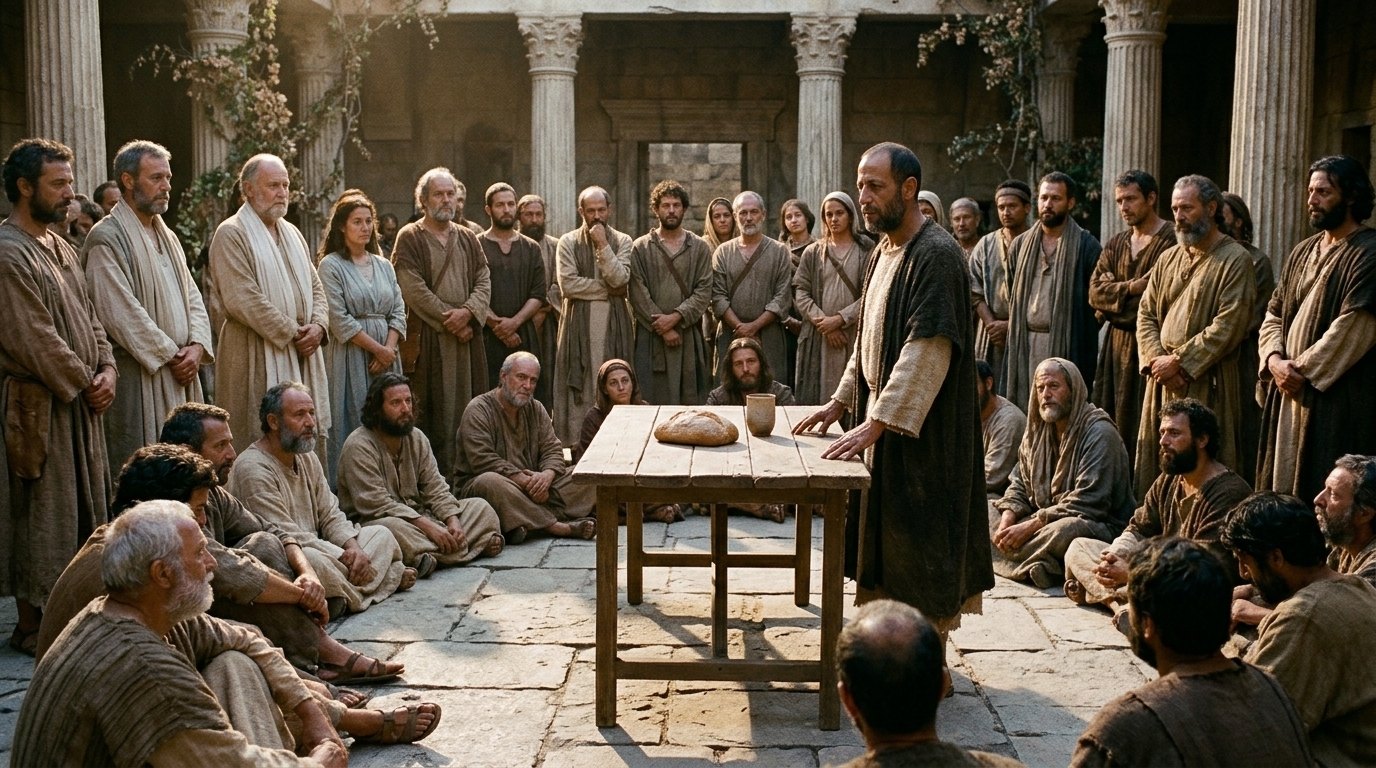
1 Corinthians 1:10-13
10 I appeal to you, brothers and sisters, in the name of our Lord Jesus Christ, that all of you agree with one another in what you say and that there be no divisions among you, but that you be perfectly united in mind and thought.
11 My brothers and sisters, some from Chloe’s household have informed me that there are quarrels among you.
12 What I mean is this: One of you says, “I follow Paul”; another, “I follow Apollos”; another, “I follow Cephas”; still another, “I follow Christ.”
13 Is Christ divided? Was Paul crucified for you? Were you baptized in the name of Paul?
New International Version (NIV)
The answer
A non-denominational church is a congregation of Christians that is not formally attached to a particular denomination—that is, it is not governed as a member of a named denominational organization. The name describes the church’s organizational affiliation, not a separate Christian doctrine or way of following Christ.
Scripture identifies the church by Christ, not by competing human loyalties. In 1 Corinthians 1:10, Paul urges believers to speak the same thing and have no divisions, “perfected together in the same mind and in the same judgment.” He then exposes the problem: some said, “I follow Paul,” “I follow Apollos,” “I follow Cephas,” while others said, “I follow Christ” (1 Corinthians 1:12). Paul’s pointed question is, “Is Christ divided?” (1 Corinthians 1:13). His answer is that the church belongs to Christ; it is not divided into competing camps of Christians.
A non-denominational church, then, is ordinarily a church that:
- Gathers believers around Christ and His gospel, rather than around a denominational brand.
- Practices biblical unity, including humility and patience with one another (Ephesians 4:2-3).
- Affirms the unity of the church: “one body and one Spirit,” “one Lord, one faith, one baptism,” and “one God and Father of all” (Ephesians 4:4-6).
- Welcomes believers on the basis of the gospel, as Peter did in Acts 2:38-39: “Repent and be baptized, every one of you, in the name of Jesus Christ for the forgiveness of sins, and you will receive the gift of the Holy Spirit.” The promise extends “to all who are far off, even as many as the Lord our God will call to himself.”
Being non-denominational does not mean that doctrine, repentance, faith in Christ, baptism, or church discipline do not matter. The church still belongs to Christ and must teach and practice His gospel. It also does not mean Christians should think every church practice is interchangeable: Ephesians 4:4-6 calls for unity in the substance of faith, while Scripture gives instructions about doctrine, holiness, and church life.
Different churches may describe themselves differently in their statements of faith, especially concerning baptism, the Lord’s Supper, church governance, and spiritual gifts. Those differences are worth asking about directly. But the basic identity of a non-denominational church is simple: a local fellowship of believers centered on Jesus Christ, rather than formally tied to a denominational label.
Answered from Scripture · reviewed November 11, 2026
A non-denominational church is an independent congregation of believers not formally governed by or affiliated with an overarching denomination. Scripture never defines the body of Christ by sectarian brands, commanding local assemblies instead to anchor their fellowship directly in the Lord Jesus Christ and the authoritative apostolic word.
One Head
Christ alone rules and unifies His congregation
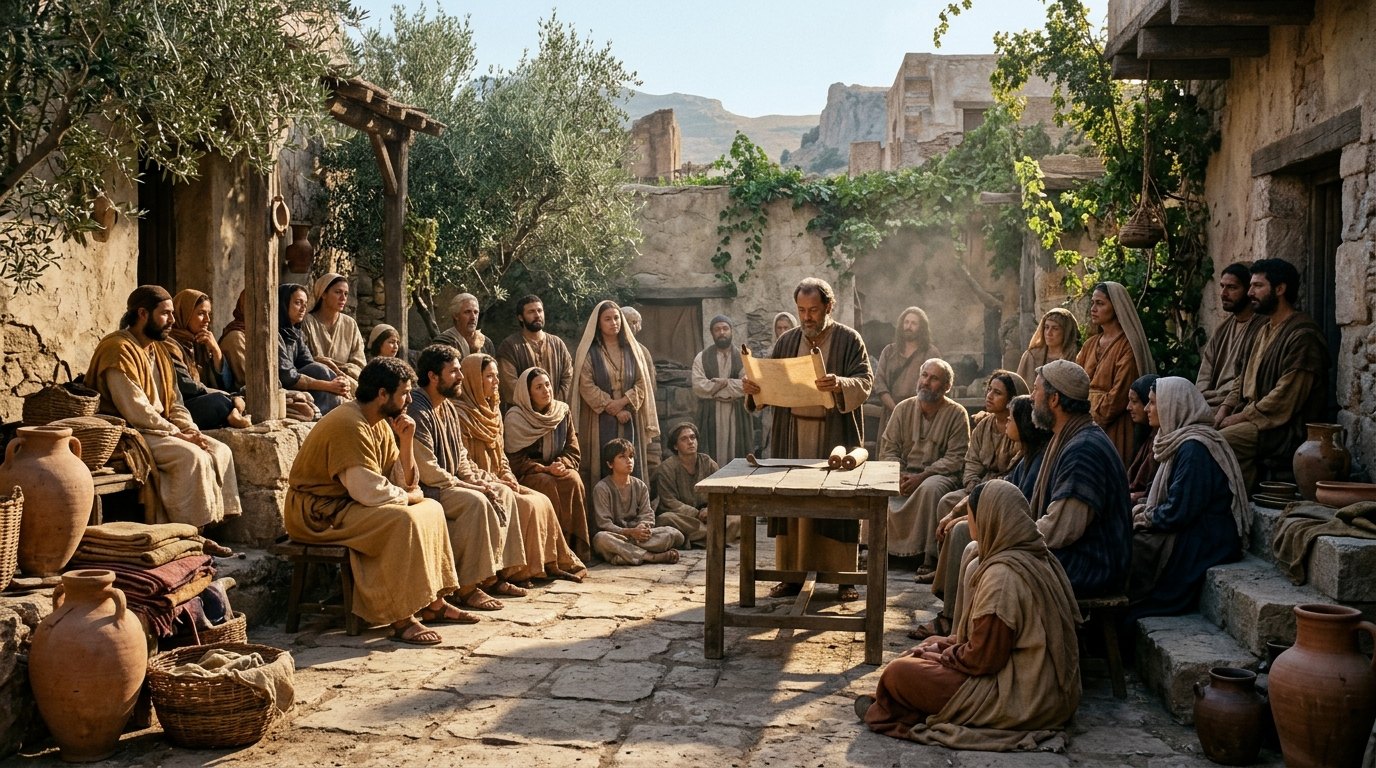
Is Christ divided? Was Paul crucified for you? Were you baptized in the name of Paul?
1 Corinthians 1:13 (NIV)
Paul shows that human leaders did not purchase the church on the cross, making partisan division a denial of Christ's singular lordship.
In 1 Corinthians 1:13, the apostle Paul confronts sectarian division with an incisive rhetorical challenge: is Christ divided, was Paul crucified for you, or were you baptized in the name of Paul? A non-denominational church fundamentally aims to return to this singular standard, rejecting human party lines that fracture the fellowship of believers. In 1 Corinthians 1:10, Paul urges the assembly in the name of our Lord Jesus Christ to speak the same thing and eliminate divisions so that they are knit together in one mind. The Corinthian assembly had descended into partisan rivalry, as Chloe's household reported contentions among them in 1 Corinthians 1:11. Believers had begun rallying around human figureheads, declaring in 1 Corinthians 1:12 allegiances such as "I am of Paul," "I of Apollos," "I of Cephas," or a proud faction claiming "I of Christ." Paul exposes such tribalism in 1 Corinthians 3:4 as carnal behavior, asking whether elevating human instruments above the flock proves believers are walking merely as ordinary men.
Scripture anchors the congregation’s identity exclusively in the person of Jesus Christ. As Colossians 1:18 declares, He is the head of the body, the church, the beginning and firstborn from the dead, so that in all things He might have the preeminence. Jesus warned His disciples against establishing ecclesiastical hierarchies or seeking honorific titles in Matthew 23:8, reminding them that they have one Master, the Christ, and all believers are brothers. God exerted His mighty power in raising Christ from the dead, placing all things under His feet and giving Him as head over all things to the church in Ephesians 1:22. For this reason, Ephesians 5:23 emphasizes that Christ is the husband and supreme head of the church, as well as the Savior of the body. When a local church operates independently of an overarching denominational apparatus, it seeks to honor this direct, unmediated headship of Jesus Christ over His flock.
| Passage | What it says |
|---|---|
| 1 Corinthians 1:10 | Appeals by Christ's name for believers to speak in agreement, eliminate divisions, and be knit together in one mind. |
| 1 Corinthians 1:11 | Identifies quarrels and partisan bickering among the Corinthian believers reported by the household of Chloe. |
| 1 Corinthians 1:12 | Exposes party spirits where members pledged competing allegiance to Paul, Apollos, Cephas, or a prideful faction claiming Christ. |
| 1 Corinthians 1:13 | Rebukes factions by asking if Christ is divided, if Paul was crucified for them, or if they were baptized in Paul's name. |
| 1 Corinthians 3:4 | Declares that rallying behind human teachers as competing party banners proves believers are walking carnally as mere men. |
| Colossians 1:18 | Establishes Jesus Christ as the absolute head of the body, the church, possessing preeminence in all things. |
| Matthew 23:8 | Jesus forbids setting human titles over believers, declaring that one is their Master and all are brothers. |
| Ephesians 1:22 | God put all things under Christ's feet and gave Him as head over all things to the church. |
| Ephesians 5:23 | Christ is affirmed as the supreme head and savior of His body, the church. |
The Pattern
Local autonomy and biblical unity without human hierarchies

There is one body and one Spirit, just as you were called to one hope when you were called;
Ephesians 4:4 (NIV)
This verse anchors Christian fellowship not in a central earthly hierarchy but in the ontological reality of one body and one Spirit.
In Ephesians 4:4, the Holy Spirit lays the bedrock of authentic Christian unity: there is one body and one Spirit, just as you were called in one hope of your calling. True biblical fellowship does not rely on earthly denominational councils, but rather on divine reality. In Ephesians 4:1-3, believers are commanded to walk worthy of their calling with all humility, gentleness, and patience, bearing with one another in love while eagerly guarding the unity of the Spirit in the bond of peace. This fellowship is knit together by the sacred realities confessed in Ephesians 4:5-6: one Lord, one faith, one baptism, and one God and Father of all, who is over all, through all, and in you all.
In the New Testament, this spiritual oneness expressed itself through autonomous, locally governed congregations directly answerable to Christ. Rather than erecting regional bureaucracies, the apostles ordained spiritual leadership within each individual assembly; in Acts 14:23, Paul and Barnabas appointed elders in every church with prayer and fasting. Paul charged his coworker in Titus 1:5 to set in order remaining matters and appoint elders in every city according to biblical qualifications. In Acts 20:28, the Ephesian elders are commanded to oversee and shepherd the local flock which God purchased with His own blood. Peter reinforces this pastoral care in 1 Peter 5:1-3, calling fellow elders to shepherd the flock of God among them willingly and eagerly, never lording authority over their charge but serving as examples. The visual pattern of local autonomy appears vividly in Revelation 1:12 and Revelation 1:20, where the risen Christ walks among seven distinct golden lampstands, which are the seven autonomous local churches, holding their leaders directly in His right hand.
| Passage | What it says |
|---|---|
| Ephesians 4:1 | Exhorts believers to walk in a manner worthy of the high calling to which they have been summoned. |
| Ephesians 4:2 | Commands all humility, gentleness, and patience, bearing with one another in genuine Christian love. |
| Ephesians 4:3 | Directs the congregation to eagerly guard and maintain the unity of the Spirit in the bond of peace. |
| Ephesians 4:4 | Affirms the foundational reality that there is one unified body and one Holy Spirit, just as believers share one hope. |
| Ephesians 4:5 | Confesses that Christian fellowship rests exclusively upon one Lord, one faith, and one baptism. |
| Ephesians 4:6 | Proclaims one God and Father of all, who is over all, through all, and in all his people. |
| Acts 14:23 | Describes the apostolic practice of appointing qualified elders in each local church with prayer and fasting. |
| Titus 1:5 | Instructs Titus to set in order remaining matters and appoint elders in every city as Paul directed. |
| Acts 20:28 | Elders are instructed to oversee and shepherd the local flock purchased with Christ's blood. |
| 1 Peter 5:1 | Peter appeals as a fellow elder to care for the flock under their local charge. |
| 1 Peter 5:2 | Elders are exhorted to shepherd the flock among them willingly and without domineering. |
| 1 Peter 5:3 | Shepherds must not lord over their entrusted charge but serve as examples to the flock. |
| Revelation 1:12 | John beholds seven distinct golden lampstands representing seven autonomous local assemblies. |
| Revelation 1:20 | Christ interprets the seven lampstands as the seven local churches answering directly to Him. |
Gospel Foundation
Sound doctrine and holy order govern the flock
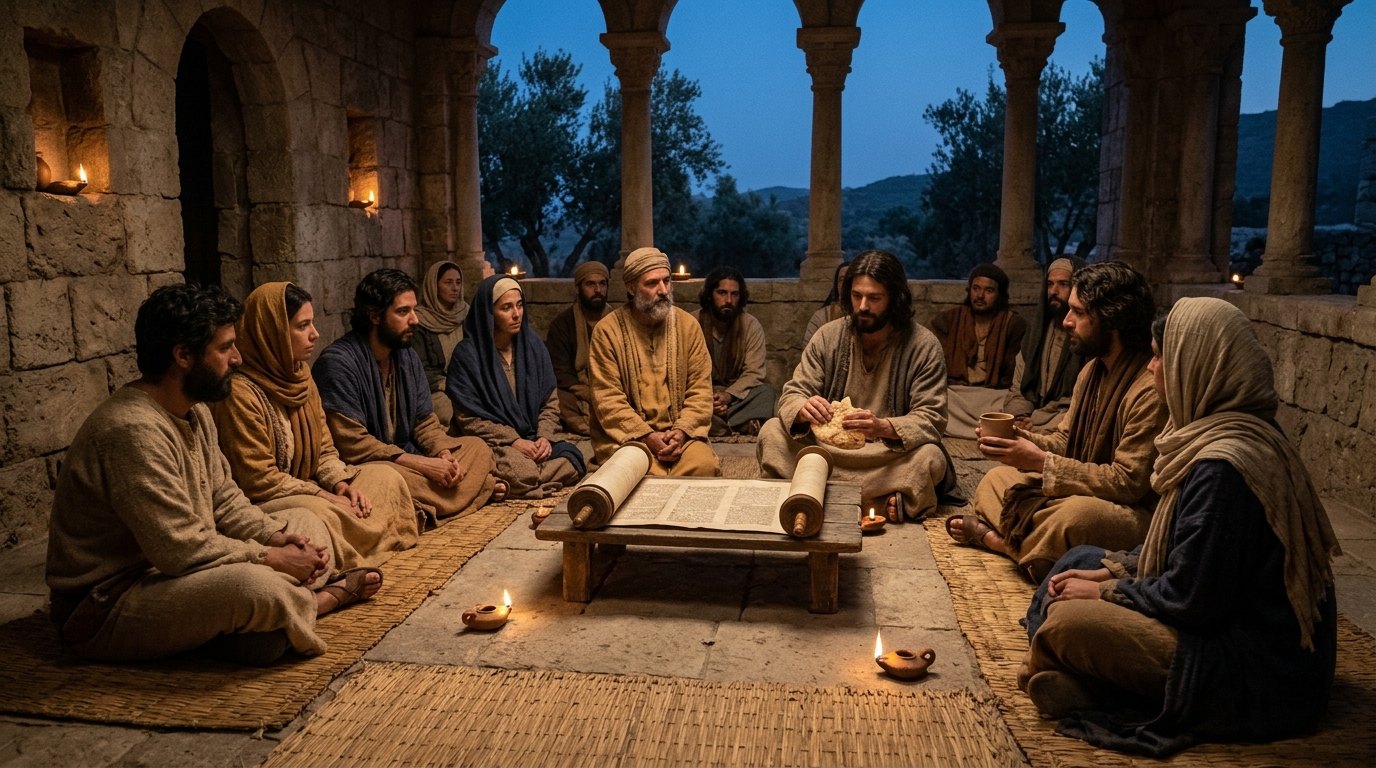
They devoted themselves to the apostles’ teaching and to fellowship, to the breaking of bread and to prayer.
Acts 2:42 (NIV)
Luke provides the normative pattern of local assembly life centered on apostolic truth, prayer, and fellowship rather than denominational tradition.
The life of an independent congregation is defined by its steadfast devotion to apostolic truth and holy order. In Acts 2:42, Luke outlines the enduring pattern of the New Testament church: they continued steadfastly in the apostles’ doctrine and fellowship, in the breaking of bread, and in prayers. Rather than relying on denominational traditions or human creeds, the early church anchored its life in the pure gospel proclaimed by Peter in Acts 2:38, which calls every soul to repent and be baptized in the name of Jesus Christ for the remission of sins, receiving the gift of the Holy Spirit. This promise, Acts 2:39 affirms, extends to all generations and to as many as the Lord our God will call.
Within the assembly, God commands mutual affection and vigilance against doctrinal decay. Paul insists in 1 Corinthians 12:25 that there should be no schism in the body, but that members should possess the same care for one another, a unity deepened in Philippians 2:2 by being of the same mind, maintaining the same love, and acting in one accord. In 1 Timothy 3:15, the local household of God is recognized as the pillar and buttress of the truth, responsible to preserve and proclaim sound doctrine. Because all Scripture is God-breathed and profitable for doctrine, reproof, correction, and instruction in righteousness according to 2 Timothy 3:16, the man of God is completely equipped for every good work (2 Timothy 3:17). Pastors are solemnly charged in 2 Timothy 4:2 to preach the Word in season and out of season, reproving, rebuking, and exhorting with great patience. A healthy non-denominational church fulfills Jude 1:3 by contending earnestly for the faith once delivered to the saints.
| Passage | What it says |
|---|---|
| Acts 2:38 | Calls all people to repent and be baptized in Jesus Christ's name for the remission of sins. |
| Acts 2:39 | Declares God's saving gospel promise extends to all generations and to as many as the Lord calls. |
| Acts 2:42 | Records that the early believers devoted themselves steadfastly to the apostles' doctrine, fellowship, breaking of bread, and prayers. |
| 1 Corinthians 12:25 | Forbids schism in the body, demanding that all members maintain identical care and love for one another. |
| Philippians 2:2 | Instructs the assembly to fulfill joy by being of the same mind, maintaining love, and possessing one accord. |
| 1 Timothy 3:15 | Identifies the local household of God as the church of the living God, the pillar and buttress of the truth. |
| 2 Timothy 3:16 | All Scripture is God-breathed and profitable for doctrine, reproof, correction, and instruction. |
| 2 Timothy 3:17 | God's word completely equips the man of God for every good work. |
| 2 Timothy 4:2 | Pastors are charged to preach the pure word in and out of season. |
| Jude 1:3 | Believers are urged to contend earnestly for the faith once delivered to the saints. |
Where in the Bible
| Book | Passages |
|---|---|
| Matthew | 1 · Matthew 23:8 |
| Acts | 5 · Acts 14:23, Acts 20:28, Acts 2:38, Acts 2:39, Acts 2:42 |
| 1 Corinthians | 6 · 1 Corinthians 1:10, 1 Corinthians 1:11, 1 Corinthians 1:12, 1 Corinthians 1:13, 1 Corinthians 3:4, 1 Corinthians 12:25 |
| Ephesians | 8 · Ephesians 1:22, Ephesians 5:23, Ephesians 4:1, Ephesians 4:2, Ephesians 4:3, Ephesians 4:4, Ephesians 4:5, Ephesians 4:6 |
| Philippians | 1 · Philippians 2:2 |
| Colossians | 1 · Colossians 1:18 |
| 1 Timothy | 1 · 1 Timothy 3:15 |
| 2 Timothy | 3 · 2 Timothy 3:16, 2 Timothy 3:17, 2 Timothy 4:2 |
| Titus | 1 · Titus 1:5 |
| 1 Peter | 3 · 1 Peter 5:1, 1 Peter 5:2, 1 Peter 5:3 |
| Jude | 1 · Jude 1:3 |
| Revelation | 2 · Revelation 1:12, Revelation 1:20 |
The story in order
- Apostles appoint elders (c. AD 48) · Acts 14:23 · Elders appointed in each local church by apostles.
- Christ the head of the church (c. AD 60) · Colossians 1:18 · Christ is supreme head over all things to the church.
- Unity of the Spirit (c. AD 60) · Ephesians 4:3 · Believers urged to maintain the unity of the Spirit.
- Church as household of God (c. AD 64) · 1 Timothy 3:15 · The local church is the pillar of truth.
- Elders shepherd the flock (c. AD 65) · 1 Peter 5:2 · Elders to shepherd the flock willingly.
- Seven lampstands (c. AD 95) · Revelation 1:20 · Lampstands represent autonomous local churches.
Key words
- Church (ekklesia, ἐκκλησία)
- The body of Christ, a local congregation of believers. · 1 Corinthians 1:2
- Head (kephalē, κεφαλή)
- Supreme ruler and authority. · Colossians 1:18
- Unity (henotēs, ἑνότης)
- The state of being joined together in one accord and peace. · Ephesians 4:3
- Elders (presbyteros, πρεσβύτερος)
- Qualified leaders appointed to shepherd local churches. · Acts 14:23
- Autonomy (None)
- Self-governing, independent. · Revelation 1:20
Belonging to a non-denominational assembly means trading human factionalism for biblical fidelity under the sole headship of Jesus Christ. Where believers gather under the uncompromised Word, practicing holy living and preserving the Spirit's unity, Christ builds and sustains His church.
33 passages, each cited once.
How the major Christian traditions read this
All Christians confess that Jesus Christ is the sole Head of the church and that all who truly trust in Him are united as one body (Ephesians 4:4-6; Colossians 1:18).
Catholic
We view true ecclesial unity as concrete, sacramental, and visible, founded by Christ upon Peter and the apostles (Matthew 16:18-19). While individuals in non-denominational communities may possess true faith and baptism, an independent congregation lacks apostolic succession and the full communion of the historic episcopate. Scripture shows the early churches bound together by apostolic oversight, not autonomous congregationalism (Acts 15:1-29). Independent churches lack the fullness of the means of salvation, especially the valid Eucharist and unity under the successor of Peter.
Scripture: Matthew 16:18-19, Acts 15:1-29
Orthodox
We see the Church as the undivided, visible body of Christ that has preserved the apostolic faith, holy tradition, and sacraments unchanged since Pentecost (2 Thessalonians 2:15). A non-denominational assembly, though gathering sincere believers in Christ, exists apart from the historic apostolic lineage and canonical structure established by the apostles (Titus 1:5). Biblical unity is not merely common sentiment or local autonomy, but full participation in the one, holy, catholic, and apostolic Church governed by bishops in unbroken apostolic succession.
Scripture: 2 Thessalonians 2:15, Titus 1:5
Lutheran
We teach that the true Church is the assembly of all believers among whom the Gospel is preached purely and the holy Sacraments are administered according to the Gospel (Matthew 28:19-20; 1 Corinthians 11:23-26). Non-denominational congregations often neglect binding confessional standards, which safeguard pure doctrine against human error. While a congregation may stand outside human denominational structures, it must hold fast to sound doctrine and the biblical means of grace rather than adopting an ambiguous theology (Titus 1:9).
Scripture: Matthew 28:19-20, 1 Corinthians 11:23-26, Titus 1:9
Reformed & Presbyterian
We affirm the autonomy of the local church under Christ, but Scripture models connectional accountability through presbyteries and synods rather than complete isolation (Acts 15:2-6; 1 Timothy 4:14). Non-denominational churches rightly seek to avoid human factionalism (1 Corinthians 1:12-13), yet complete independence leaves elders without external accountability, doctrinal safeguards, or formal courts of appeal. Unity and purity are best protected when churches are bound by common confessions and shared presbyterian governance under the Word of God.
Scripture: Acts 15:2-6, 1 Corinthians 1:12-13, 1 Timothy 4:14
Anglican & Episcopal
We hold that the visible Church of Christ requires the pure preaching of the Word, the faithful administration of the sacraments, and the historic order of ministry inherited from the apostles (Acts 2:42; 2 Timothy 1:13-14). Non-denominational churches frequently cast off historic liturgical patterns, universal creeds, and episcopal oversight. While recognizing Christ’s work wherever His name is proclaimed, true catholicity connects local believers to the broader communion of saints across time and space through ordered, accountable fellowship.
Scripture: Acts 2:42, 2 Timothy 1:13-14
Baptist
We strongly agree with the non-denominational emphasis on the autonomy of the local church and the priesthood of all believers (1 Peter 2:9). The New Testament reveals self-governing local congregations that choose their own leaders and manage their own affairs under Christ's rule (Acts 6:3-5; Acts 14:23). Many non-denominational churches share our convictions on believer's baptism and congregational polity, differing primarily in their choice not to affiliate voluntarily with a broader convention or association of like-minded churches.
Scripture: Acts 6:3-5, Acts 14:23, 1 Peter 2:9
Methodist & Wesleyan
We view connectionalism as essential to Christian discipleship and mutual watchfulness in love (Galatians 6:2; Hebrews 10:24-25). While non-denominational churches strive to escape sectarian divisions, complete congregational independence can lead to isolation and vulnerability. Scripture calls churches to share resources, support the spread of the gospel collectively, and remain mutually accountable under shared leadership (2 Corinthians 8:18-21). Local congregations flourish best when connected in a wider covenant of discipline and service.
Scripture: Galatians 6:2, Hebrews 10:24-25, 2 Corinthians 8:18-21
Pentecostal & Charismatic
We understand the church as a Spirit-empowered community actively seeking the gifts, power, and presence of the Holy Spirit (Acts 1:8; 1 Corinthians 12:7-11). Many non-denominational churches emerged from the charismatic movement, seeking freedom from rigid denominational machinery to follow the Spirit’s leading. We celebrate local congregations where the Spirit moves freely, though we also value cooperative fellowships that support global missions, sound ministerial credentials, and doctrinal protection against spiritual deception.
Scripture: Acts 1:8, 1 Corinthians 12:7-11
Non-denominational & Evangelical
We hold that the local church should be governed solely by Scripture under the direct headship of Jesus Christ, free from human denominational bureaucracies (Colossians 1:18; 1 Peter 5:1-4). Partisan divisions over human traditions and labels grieve the Lord (1 Corinthians 1:10-13). We aim to restore New Testament simplicity: autonomous local flocks led by biblical elders, united with all true believers in the gospel, and centered on the preaching of God's Word, prayer, and fellowship (Acts 2:42).
Scripture: Acts 2:42, 1 Corinthians 1:10-13, Colossians 1:18, 1 Peter 5:1-4
Where they differ
Local church autonomy versus broader governance
- Catholic
- Requires submission to episcopal authority and the Bishop of Rome.
- Orthodox
- Requires conciliar unity under valid, apostolically ordained bishops.
- Lutheran
- Values congregational freedom bound strictly by confessional doctrinal standards.
- Reformed & Presbyterian
- Requires regional presbyteries and synods for mutual accountability.
- Anglican & Episcopal
- Maintains episcopal oversight and synodical governance as historically biblical.
- Baptist
- Upholds total local autonomy, permitting voluntary cooperative associations.
- Methodist & Wesleyan
- Practices connectional governance linking local churches in shared accountability.
- Pentecostal & Charismatic
- Favors voluntary networks or autonomous local Spirit-led assemblies.
- Non-denominational & Evangelical
- Affirms complete independence of the local body under Christ.
Scripture: Acts 15:2-6, 1 Peter 5:1-3
The role of historical creeds and confessions
- Catholic
- Upholds Scripture together with sacred tradition and dogmatic councils.
- Orthodox
- Regards the ecumenical councils and Holy Tradition as authoritative.
- Lutheran
- Requires strict subscription to the historic Lutheran confessions.
- Reformed & Presbyterian
- Requires officers to subscribe to historic Reformed standards.
- Anglican & Episcopal
- Affirms the ecumenical creeds and historical formularies.
- Baptist
- Uses confessions as helpful summaries, holding Scripture alone supreme.
- Methodist & Wesleyan
- Follows foundational articles and Wesley's standard sermons.
- Pentecostal & Charismatic
- Relies primarily on functional statements of fundamental truths.
- Non-denominational & Evangelical
- Often rejects binding extra-biblical creeds, confessing the Bible alone.
Scripture: 2 Timothy 1:13-14, Jude 1:3
Your pastor can tell you where your church stands.
Scripture cited
- 1 Corinthians 1:10-13
- Ephesians 4:1-7
- Acts 2:38-39