What is election, and does God choose who is saved?

Romans 9:10-16
10 Not only that, but Rebekah’s children were conceived at the same time by our father Isaac.
11 Yet, before the twins were born or had done anything good or bad—in order that God’s purpose in election might stand:
12 not by works but by him who calls—she was told, “The older will serve the younger.”
13 Just as it is written: “Jacob I loved, but Esau I hated.”
14 What then shall we say? Is God unjust? Not at all!
15 For he says to Moses, “I will have mercy on whom I have mercy, and I will have compassion on whom I have compassion.”
16 It does not, therefore, depend on human desire or effort, but on God’s mercy.
New International Version (NIV)
The answer
Election means God’s sovereign choosing. In relation to salvation, it is his gracious choice of people in Christ—and yes, God chooses those who are saved. God chose believers “in him before the foundation of the world” (Ephesians 1:4). Salvation therefore rests on God’s mercy, not human merit: “it is not of him who wills, nor of him who runs, but of God who has mercy” (Romans 9:16). Yet election never makes faith unnecessary: “Whoever will call on the name of the Lord will be saved” (Romans 10:13).
What election involves
- It is eternal and centered on Christ: God’s choice was made before creation, and its purpose includes adoption as his children through Jesus Christ (Ephesians 1:4-5). Election does not save apart from Christ’s work: redemption and forgiveness come through his blood (Ephesians 1:7).
- It is gracious, not earned: Before Jacob and Esau were born or had done good or bad, God announced his choice so that his purpose in election would stand, “not of works, but of him who calls” (Romans 9:11-12). Genesis 25:23 also speaks of “Two nations” and “Two peoples,” so the example includes their descendants and historical roles. Paul’s stated conclusion, nevertheless, concerns God’s mercy rather than human effort (Romans 9:16).
- It is fulfilled through the gospel: God chose believers for salvation “through sanctification of the Spirit and belief in the truth,” and called them through the Good News (2 Thessalonians 2:13-14). Election does not bypass preaching, faith, or the Spirit’s transforming work.
- It aims at holiness and Christlikeness: God chose his people to be holy, and predestined them to be conformed to the image of his Son (Ephesians 1:4; Romans 8:29-30). Election is therefore no permission to continue in sin.
Where Christians understand election differently
The principal disagreement concerns the relationship between God’s choice and foreseen faith, and how grace brings a person to believe.
- Reading — Explanation
- Reformed — Election is unconditional: God chooses particular people in Christ by grace, not because of foreseen faith or works, and his calling effectively brings them to faith. This reading emphasizes Romans 9:11-16 and Jesus’ teaching that those the Father gives him will come, and that no one can come unless the Father draws him (John 6:37, 44).
- Arminian/Wesleyan — Election is in Christ and according to foreknowledge: God graciously chooses those he foreknows will believe, while enabling grace makes a genuine response of faith possible. This reading emphasizes Romans 8:29, where foreknowledge precedes predestination, together with 1 Peter 1:2 and the necessity of “belief in the truth” in 2 Thessalonians 2:13.
Both readings affirm that salvation is by grace, that faith is necessary, and that no one can boast: salvation is God’s gift, “not of works” (Ephesians 2:8-9).
Election does not cancel human responsibility
Scripture teaches God’s sovereignty and human responsibility together. People must genuinely confess Jesus as Lord, believe in his resurrection, and call upon him for salvation (Romans 10:9-13). Those who refuse Christ are judged for their own unbelief; John 3:18-19 says that the unbeliever “has been judged already” and that people loved darkness rather than light.
Scripture also says that God “desires all people to be saved and come to full knowledge of the truth” (1 Timothy 2:4), and that he is patient, “not wishing that anyone should perish, but that all should come to repentance” (2 Peter 3:9). These statements must be held alongside election, not used to erase it. Nor does election make God unjust: when Paul raises that objection, his answer is, “Is there unrighteousness with God? May it never be!” (Romans 9:14).
No one is instructed to discover a hidden list of the elect before coming to Christ. Jesus joins God’s sovereign gift with an unmistakable welcome: “All those whom the Father gives me will come to me. He who comes to me I will in no way throw out” (John 6:37). The person who comes to Christ in faith is received; the believer’s response is humility, gratitude, and holy living rather than pride or presumption.
Answered from Scripture · reviewed November 11, 2026
Scripture plainly teaches that God sovereignly chooses who is saved, electing a people for himself before the foundation of the world according to his own gracious purpose. Far from reducing human responsibility, biblical election reveals that salvation originates entirely in divine mercy rather than human merit or striving. Tracing this doctrine across the Old and New Testaments anchors our assurance, deepens our worship, and magnifies the unmerited grace of God.
Sovereign Purpose
God elects according to mercy rather than works.
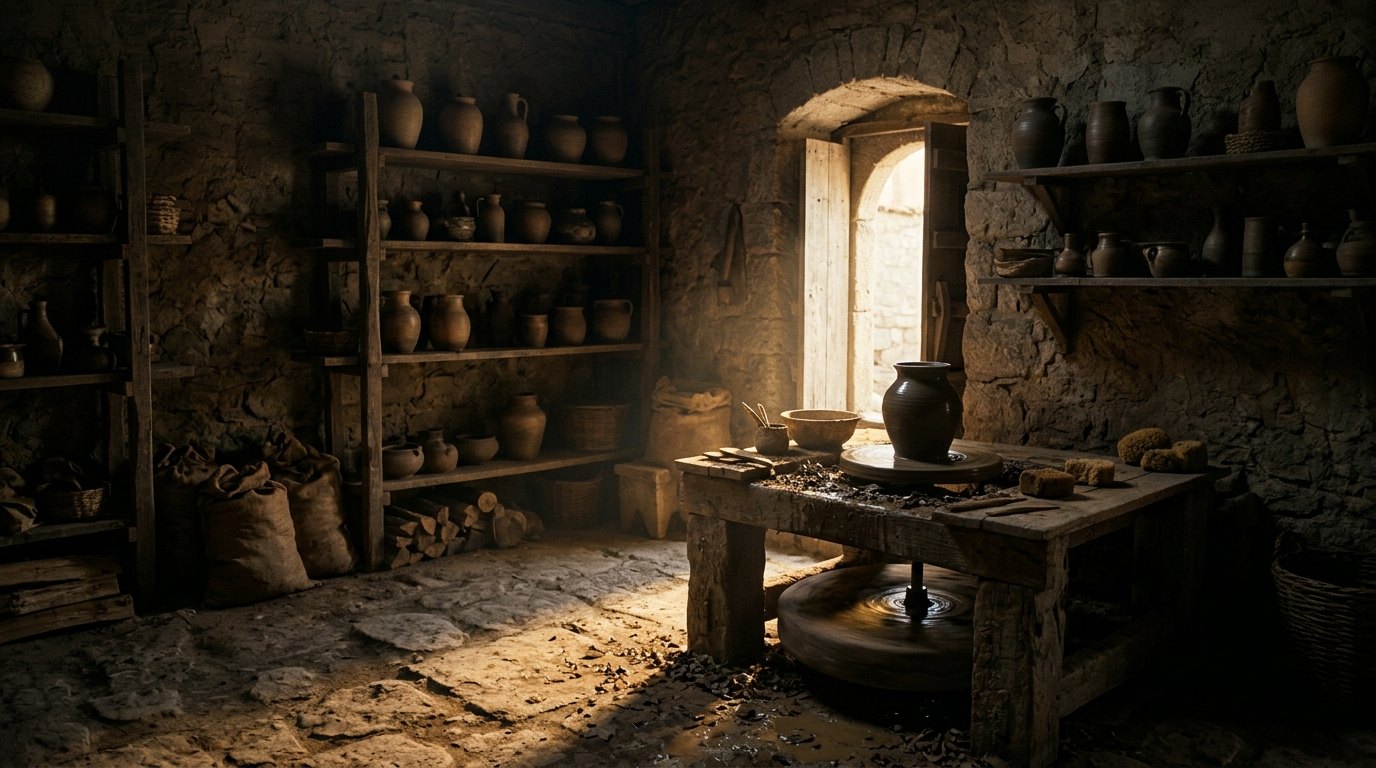
Yet, before the twins were born or had done anything good or bad—in order that God’s purpose in election might stand:
Romans 9:11 (NIV)
It defines election as resting wholly on God's call before either twin had done anything good or bad.
The heartbeat of divine election sounds with absolute clarity in Romans 9:11: before the children were born or had done anything good or bad, God’s purpose in election stood. The Apostle Paul anchors this truth in redemptive history through Rebekah’s twin sons, conceived by one father, Isaac (Romans 9:10). Before birth, God announced that the older would serve the younger (Romans 9:12), confirming the ancient record that he loved Jacob and passed over Esau (Romans 9:13). This unconditional choice immediately provokes the human objection that God is unrighteous, a charge Paul flatly rejects (Romans 9:14).
God answers every accusation by appealing to his sovereign majesty. As he declared to Moses at Sinai, he will have mercy on whom he will have mercy and compassion on whom he will have compassion (Romans 9:15). Therefore, salvation depends not on human will or exertion, but on God who shows mercy (Romans 9:16). Scripture illustrates this divine prerogative in Pharaoh, whom God raised up specifically to show his invincible power and proclaim his name across the earth (Romans 9:17). He shows mercy to whom he wills, and he hardens whom he wills (Romans 9:18).
Anticipating the complaint of why God still finds fault if none resist his decree (Romans 9:19), Paul silences human arrogance with the image of the potter and the clay (Romans 9:20). The creator possesses sovereign authority over the lump of fallen humanity to form vessels for honored or dishonored use (Romans 9:21). With immense patience, God endures vessels of wrath prepared for destruction (Romans 9:22) to make known the riches of his glory upon vessels of mercy prepared beforehand for glory (Romans 9:23)—a chosen remnant summoned not from Jews only, but also from the Gentiles (Romans 9:24).
| Passage | What it says |
|---|---|
| Romans 9:10 | Rebekah conceived twin sons by one father, Isaac, establishing the historical setting of divine choice. |
| Romans 9:11 | God chose before birth so that his purpose in election would stand by his call, not human works. |
| Romans 9:12 | God revealed his sovereign reversal of natural privilege, stating the elder son would serve the younger. |
| Romans 9:13 | Scripture records God's covenantal love for Jacob alongside his sovereign rejection of Esau. |
| Romans 9:14 | Paul vigorously rejects the claim that God's sovereign choice implies any injustice or unrighteousness in him. |
| Romans 9:15 | God declares to Moses his absolute right to show mercy and compassion to whomever he pleases. |
| Romans 9:16 | Salvation depends fundamentally on God who shows mercy, not on human exertion, desire, or will. |
| Romans 9:17 | God raised up Pharaoh to display his power and declare his name across all the earth. |
| Romans 9:18 | God has mercy on whomever he wills, and he hardens whomever he wills. |
| Romans 9:19 | Anticipates the human objection questioning how God can find fault if no one resists his will. |
| Romans 9:20 | Rebukes human answering back to God, using the potter and clay analogy. |
| Romans 9:21 | Affirms the potter's right over the same lump to make vessels for honor and dishonor. |
| Romans 9:22 | Explains God enduring with patience vessels of wrath prepared for destruction. |
| Romans 9:23 | Reveals God making known his glory to vessels of mercy prepared beforehand for glory. |
| Romans 9:24 | Identifies the called vessels of mercy as drawn not from Jews only but also Gentiles. |
Covenant Prototype
Israel's lineage displays God's sovereign discrimination.

The LORD said to her, “Two nations are in your womb, and two peoples from within you will be separated; one people will be stronger than the other, and the older will serve the younger.”
Genesis 25:23 (NIV)
God explicitly declares before their birth that two distinct nations and peoples will diverge from the womb.
The principle of divine selection is unveiled when the Lord tells Rebekah in Genesis 25:23 that two nations and two manner of people are in her womb, and the elder shall serve the younger. This oracle governed the birth of the twins, answering Isaac's prayer for his barren wife (Genesis 25:21) and explaining the struggle within her (Genesis 25:22), finding its theological fulfilment in the apostolic explanation of election in Romans 9:10-12. Centuries later, Malachi 1:2-3 reaffirmed this sovereign affection: God loved Jacob, yet laid waste the mountains of Esau, an ancient distinction cited directly in Romans 9:13.
This pattern began when God sovereignly called Abram from his homeland (Genesis 12:1-3) and explicitly established his everlasting covenant with Isaac rather than Ishmael (Genesis 17:19). God did not set his heart upon Israel because of their greatness, for they were the fewest of all peoples, but solely out of covenant faithfulness (Deuteronomy 7:6-7; Deuteronomy 10:14-15), a principle fulfilled when Christ chose the foolish and weak things of the world (1 Corinthians 1:27; 1 Peter 2:9).
The Psalter and the prophets celebrate this unmerited grace. The Psalmist sings of the blessedness of the nation God chose as his heritage (Psalms 33:12), the man chosen to approach his courts (Psalms 65:4), and Jacob chosen as his peculiar treasure (Psalms 105:6; Psalms 135:4). Through Isaiah, God assures Jacob, his chosen servant, that he took him from the ends of the earth and will never cast him away (Isaiah 41:8-9; Isaiah 45:4). He provides water in the desert for his chosen people, formed for himself to declare his eternal praise (Isaiah 43:20-21).
| Passage | What it says | Fulfilled |
|---|---|---|
| Genesis 25:21 | Isaac prayed for barren Rebekah, and the Lord granted conception through answered prayer. | Romans 9:10 |
| Genesis 25:22 | The struggle of the children within Rebekah's womb prompted her to inquire of the Lord. | Romans 9:11 |
| Genesis 25:23 | The Lord prophesied that two nations were in her womb and the older would serve the younger. | Romans 9:12 |
| Deuteronomy 7:6 | The Lord chose Israel to be his treasured possession above all peoples on earth. | 1 Peter 2:9 |
| Deuteronomy 7:7 | The Lord set his love upon Israel not for their size, for they were fewest of all. | 1 Corinthians 1:27 |
| Malachi 1:2 | The Lord affirms his special love for Jacob despite Esau being Jacob's fraternal brother. | Romans 9:13 |
| Malachi 1:3 | God laid waste the heritage of Esau, demonstrating sovereign distinction between the two lines. | Romans 9:13 |
| Genesis 12:1 | The Lord sovereignly calls Abram out of his country and kindred to a promised land. | |
| Genesis 12:2 | God promises to make of Abram a great nation and bless him. | |
| Genesis 12:3 | God declares that in Abram all families of the earth shall be blessed. | |
| Genesis 17:19 | God specifies that his covenant is established with Isaac rather than Ishmael. | |
| Deuteronomy 10:14 | The heavens and the earth belong to the Lord God sovereignly. | |
| Deuteronomy 10:15 | The Lord set his heart in love solely on Israel's fathers and chose their offspring. | |
| Psalms 33:12 | Blessed is the nation whose God is the Lord, the people he chose as his heritage. | |
| Psalms 65:4 | Blessed is the one God chooses and brings near to dwell in his courts. | |
| Psalms 105:6 | Addresses the offspring of Abraham his servant, the children of Jacob, his chosen ones. | |
| Psalms 135:4 | The Lord chose Jacob for himself and Israel as his own peculiar possession. | |
| Isaiah 41:8 | The Lord addresses Israel as his servant, Jacob whom he has chosen. | |
| Isaiah 41:9 | God declares he took Israel from the ends of the earth and has not cast him off. | |
| Isaiah 43:20 | God provides water in the wilderness to give drink to his chosen people. | |
| Isaiah 43:21 | God formed this people for himself that they might declare his praise. | |
| Isaiah 45:4 | For the sake of Jacob my servant and Israel my chosen, God calls Cyrus by name. |
Eternal Decree
God chose believers in Christ before time began.

For he chose us in him before the creation of the world to be holy and blameless in his sight. In love
Ephesians 1:4 (NIV)
It locates God's choice of his people in Christ before creation, aiming at their ultimate holiness.
Scripture lifts the veil on eternity past in Ephesians 1:4, revealing that God chose us in Christ before the foundation of the world, that we should be holy and blameless before him. This decree is the fountain of every spiritual blessing poured out in heavenly realms (Ephesians 1:3). In love, the Father predestined his people for adoption as sons through Jesus Christ, strictly according to the good pleasure of his sovereign will (Ephesians 1:5). This unconditional purpose aims at a singular, breathtaking goal: the praise of the glory of his magnificent grace, freely bestowed upon us in the Beloved (Ephesians 1:6).
This election is not an abstract concept but the comprehensive architecture of redemption. Believers have obtained an inheritance, having been predestined according to the purpose of him who works all things after the counsel of his own will (Ephesians 1:11). Paul reiterates this to Timothy, declaring that God saved us and called us with a holy calling, not according to our works, but according to his own purpose and grace given to us in Christ Jesus before the ages began (2 Timothy 1:9). Salvation is thus grounded wholly outside human achievement.
Because redemption originates in this timeless decree, salvation comes exclusively by grace through faith, a gift of God entirely apart from works so that no flesh may boast (Ephesians 2:8-9). Even the believer's subsequent walk of obedience was ordained beforehand in God's eternal design (Ephesians 2:10). Paul therefore exercised his apostolic ministry solely for the sake of the faith of God’s elect, resting on the hope of eternal life promised by the truthful God before time began (Titus 1:1-2).
| Passage | What it says |
|---|---|
| Ephesians 1:3 | God the Father has blessed believers with every spiritual blessing in the heavenly realms in Christ. |
| Ephesians 1:4 | God chose us in Christ before the world began to be holy and blameless before him. |
| Ephesians 1:5 | God predestined us for adoption as sons through Jesus Christ according to his good pleasure. |
| Ephesians 1:11 | Believers obtained an inheritance, having been predestined according to the purpose of him who works all things. |
| 2 Timothy 1:9 | God saved us not by our works but according to his own purpose and grace given before time. |
| Ephesians 1:6 | Election leads to the praise of the glory of his grace freely bestowed in the Beloved. |
| Ephesians 2:8 | Salvation is by grace through faith, and this salvation is not of oneself but God's gift. |
| Ephesians 2:9 | Salvation is not of works, so that no human being may boast. |
| Ephesians 2:10 | Believers are created in Christ Jesus for good works prepared beforehand by God. |
| Titus 1:1 | Paul identifies himself as an apostle for the sake of the faith of God's elect. |
| Titus 1:2 | Eternal life was promised by God, who never lies, before the ages began. |
Christ's Initiative
Jesus claims divine prerogative in choosing his disciples.

You did not choose me, but I chose you and appointed you so that you might go and bear fruit—fruit that will last—and so that whatever you ask in my name the Father will give you.
John 15:16 (NIV)
Jesus explicitly asserts his active election of his followers rather than their initiative toward him.
During his earthly ministry, Jesus declared the divine initiative of salvation to his disciples: 'You did not choose me, but I chose you and appointed you that you should go and bear fruit' (John 15:16). He affirmed that the world's hatred stemmed directly from his choosing them out of the world (John 15:19). Christ never attributed faith to autonomous human discovery, but to the Father's sovereign gift. He stated that all whom the Father gives him will come to him, and whoever comes he will never cast out (John 6:37), for no one can come unless the Father draws him (John 6:44; John 6:65).
Jesus spoke often of the elect in his teaching. He thanked the Father for concealing these truths from the wise and revealing them to infants, asserting that no one knows the Father except the Son and anyone to whom the Son chooses to reveal him (Matthew 11:25-27; Luke 10:22). While many hear the general gospel call, few are chosen (Matthew 22:14). God will avenge his elect who cry day and night, shortening the days of tribulation for their sake and sending angels to gather them from the four winds (Matthew 24:22, 24, 31; Luke 18:7).
This security rests in Christ's pastoral charge. Those who reject him do so because they are not of his sheep (John 10:26); his true sheep hear his voice, follow him, and receive eternal life without fear of snatching (John 10:27-29). Knowing whom he had chosen (John 13:18), Jesus prayed in his high priestly prayer specifically for those given him by the Father—and explicitly not for the world (John 17:2, 6, 9). His ultimate prayer ensures that every chosen soul will see his pre-temporal glory in heaven (John 6:39; John 17:24).
| Passage | What it says |
|---|---|
| John 6:37 | All whom the Father gives to Jesus will come to him, and none will be cast out. |
| John 6:44 | No one can come to Jesus unless the Father who sent him draws that person. |
| John 10:26 | Certain individuals do not believe because they do not belong to Christ's flock of sheep. |
| John 10:27 | Christ's sheep hear his voice, he knows them by name, and they follow him. |
| John 15:16 | Christ tells his disciples that they did not choose him, but he chose and appointed them. |
| John 17:2 | The Father gave the Son authority over all flesh to give eternal life to all given him. |
| John 17:6 | Jesus manifested the Father's name to the men whom the Father gave him out of the world. |
| Matthew 11:25 | Jesus thanks the Father for hiding these things from the wise and revealing them to infants. |
| Matthew 11:27 | No one knows the Father except the Son and anyone to whom the Son chooses to reveal him. |
| Matthew 22:14 | Jesus concludes the wedding feast parable by declaring that many are called, but few are chosen. |
| Matthew 24:22 | For the sake of the elect, those tribulation days will be shortened. |
| Matthew 24:24 | False christs will arise with signs to deceive, if possible, even the elect. |
| Matthew 24:31 | Angels will gather Christ's elect from the four winds and from end to end of heaven. |
| Luke 10:22 | No one knows the Father except the Son and anyone to whom the Son chooses to reveal him. |
| Luke 18:7 | God will give justice to his elect who cry to him day and night. |
| John 6:39 | This is the Father's will: that Jesus lose nothing of all given him, raising it on the last day. |
| John 6:65 | Jesus explains that no one can come to him unless it is granted him by the Father. |
| John 10:28 | Jesus gives his sheep eternal life, and no one will snatch them out of his hand. |
| John 10:29 | The Father who gave them to Jesus is greater than all, and no one snatches from the Father's hand. |
| John 13:18 | Jesus states he knows whom he has chosen, that the Scripture might be fulfilled. |
| John 15:19 | The world hates the disciples because Jesus chose them out of the world. |
| John 17:9 | Jesus prays specifically for those the Father gave him, not for the world. |
| John 17:24 | Jesus desires that those given to him may be with him to see his pre-temporal glory. |
Golden Chain
Salvation unfolds unbroken from foreknowledge to final glory.

And those he predestined, he also called; those he called, he also justified; those he justified, he also glorified.
Romans 8:30 (NIV)
It links predestination, calling, justification, and glorification into an unbreakable chain of divine action.
The unbroken architecture of redemption reaches its pinnacle in Romans 8:30, where the Apostle Paul demonstrates that divine purpose never fractures midway: those whom God predestined He called, justified, and ultimately glorified. This sequence begins in Romans 8:28, where all occurrences work under His sovereign hand for those called according to His purpose, rooted in Romans 8:29 with the foreknowledge that destines believers to be conformed to Christ's own image. Paul concludes in Romans 8:33 that no accusation can stand against God's elect because divine justification silences every indictment.
This principle of election preserves covenant history. In Romans 11:1 and Romans 11:2, Paul insists that God has not discarded His foreknown people, citing the days of Ahab when Elijah lamented in Romans 11:3 that he was entirely alone. God's answer in Romans 11:4 revealed seven thousand reserved by divine initiative, establishing in Romans 11:5 that a remnant continues according to election by grace. Grace and human merit cannot mix; as Romans 11:6 declares, if election were based on human works, grace would cease to be grace. Therefore, Romans 11:7 records that the elect obtained righteousness while the rest were hardened.
Yet God's covenant loyalty remains steady. According to Romans 11:28, corporate Israel remains beloved for the sake of the patriarchs, because as Romans 11:29 announces, the gifts and the calling of God are irrevocable. Faced with such unsearchable wisdom, Paul offers unbounded praise in Romans 11:33, culminating in Romans 11:36: all things flow from Him, endure through Him, and return to Him forever.
| Passage | What it says |
|---|---|
| Romans 8:28 | All things work together for good to those who love God and are called according to purpose. |
| Romans 8:29 | Those God foreknew he predestined to be conformed to the image of his Son as firstborn. |
| Romans 8:30 | Those he predestined he called; those he called he justified; those he justified he also glorified. |
| Romans 8:33 | Paul asks who can bring any charge against God's elect, since it is God who justifies. |
| Romans 11:5 | At the present time there remains a faithful remnant of Israel chosen by sovereign grace. |
| Romans 11:7 | The elect obtained what Israel sought, while the rest were hardened in their spiritual blindness. |
| Romans 11:1 | God has not rejected his foreknown people, as proven by Paul's own descent. |
| Romans 11:2 | God has not cast off his people whom he foreknew, pointing back to Elijah's days. |
| Romans 11:3 | Elijah's complaint that Israel had killed the prophets and left him alone. |
| Romans 11:4 | God's reply keeping seven thousand men who have not bowed the knee to Baal. |
| Romans 11:6 | If election is by grace, it is no longer on the basis of works. |
| Romans 11:28 | Concerning election, Israel are beloved for the sake of the fathers. |
| Romans 11:29 | The gifts and the calling of God are irrevocable. |
| Romans 11:33 | Doxology praising the depth of the riches and wisdom and unsearchable judgments of God. |
| Romans 11:36 | From him and through him and to him are all things; to him be glory forever. |
Fruit and Assurance
Election works through Spirit-wrought faith and obedience.

But we ought always to thank God for you, brothers and sisters loved by the Lord, because God chose you as firstfruits to be saved through the sanctifying work of the Spirit and through belief in the truth.
2 Thessalonians 2:13 (NIV)
It shows election connecting God's eternal choice with the temporal means of faith and sanctification.
Scripture never separates sovereign election from the practical means through which it operates. In 2 Thessalonians 2:13, Paul gives thanks because God chose believers from the beginning for salvation through sanctification by the Spirit and belief in the truth. Far from rendering preaching obsolete, election drives gospel proclamation. In Acts 13:48, as many as were appointed to eternal life believed the message, and in Acts 18:10, the Lord commanded Paul to preach boldly in Corinth precisely because He already had many people in that city. Paul endures hardships in 2 Timothy 2:10 so that the elect may obtain salvation.
True election yields recognizable spiritual fruit. Paul recognizes the Thessalonians' election in 1 Thessalonians 1:4 by their work of faith and labor of love, while 1 Thessalonians 5:9 confirms they are not destined for wrath but for salvation, summoned by the gospel in 2 Thessalonians 2:14. Peter addresses believers in 1 Peter 1:1 and 1 Peter 1:2 as elect according to the Father's foreknowledge for obedience, urging in 2 Peter 1:10 that they make their calling and election sure through active godliness. In Philippians 1:6, believers rest in the certainty that God will complete the work He began, and Colossians 3:12 commands them as God's chosen ones to put on heartfelt compassion.
God overturns human arrogance by choosing the lowly. In 1 Corinthians 1:26, Paul reminds the church that few among them were worldly nobles. Instead, 1 Corinthians 1:27 and 1 Corinthians 1:28 show God choosing the foolish, weak, and despised to nullify human pride, ensuring in 1 Corinthians 1:29 that no flesh can boast before Him. Through God's sole design, 1 Corinthians 1:30 makes Christ our wisdom, righteousness, sanctification, and redemption, just as James 2:5 affirms that God chose the poor of this world to be rich in faith.
| Passage | What it says |
|---|---|
| Acts 13:48 | As many Gentiles as were appointed to eternal life believed the word of the Lord. |
| Acts 18:10 | The Lord encouraged Paul to preach in Corinth because he had many people in that city. |
| 1 Thessalonians 1:4 | Paul recognizes the election of the Thessalonians through the undeniable fruit of their faith and love. |
| 2 Thessalonians 2:13 | God chose believers from the beginning for salvation through sanctification of the Spirit and truth. |
| 1 Peter 1:1 | Peter writes to the exiles of the dispersion as those who are elect. |
| 1 Peter 1:2 | Believers are chosen according to the foreknowledge of God the Father for obedience to Christ. |
| 2 Peter 1:10 | Believers are urged to be all the more diligent to confirm their calling and divine election. |
| 1 Corinthians 1:26 | Believers are told to consider their calling, that not many were wise or noble. |
| 1 Corinthians 1:27 | God chose what is foolish and weak in the world to shame the wise and strong. |
| 1 Corinthians 1:28 | God chose what is low, despised, and not, to bring to nothing things that are. |
| 1 Corinthians 1:29 | God chose the lowly so that no human being might boast in his presence. |
| 1 Corinthians 1:30 | Because of God believers are in Christ Jesus, who became wisdom, righteousness, sanctification, and redemption. |
| Philippians 1:6 | Confidence that he who began a good work in you will bring it to completion. |
| Colossians 3:12 | Exhorts believers as God's chosen ones, holy and beloved, to put on compassionate hearts. |
| 1 Thessalonians 5:9 | God has not destined believers for wrath, but to obtain salvation through the Lord Jesus Christ. |
| 2 Thessalonians 2:14 | God called believers through the gospel to obtain the glory of our Lord Jesus Christ. |
| 2 Timothy 2:10 | Paul endures everything for the sake of the elect, that they also may obtain salvation. |
| James 2:5 | God chose those who are poor in the world to be rich in faith and heirs of the kingdom. |
The Book of Life
Our Names Were Inscribed Before the World Began

All inhabitants of the earth will worship the beast—all whose names have not been written in the Lamb’s book of life, the Lamb who was slain from the creation of the world.
Revelation 13:8 (NIV)
This verse anchors the individual names of God's redeemed in the slain Lamb's record before creation.
The final comfort of election rests in the heavenly registry that predates world history. In Revelation 13:8, Scripture presents the stark division of humanity, showing that all who dwell on earth worship the beast except those whose names were written before the foundation of the world in the book of life of the Lamb who was slain. This eternal record is not a late addition to history; Revelation 17:8 repeats that the unredeemed marvel at worldly power precisely because their names were omitted from that ledger from the world's beginning.
Old Testament prophecy anticipates this registry. In Daniel 12:1, deliverance in the time of great trouble belongs strictly to everyone whose name is found inscribed in the divine book. Jesus therefore redirects His disciples' priorities in Luke 10:20, instructing them not to marvel over authority over spirits, but rather to rejoice that their names are recorded in heaven. Paul echoes this assurance in Philippians 4:3, mentioning his faithful co-laborers whose names reside securely in the Book of Life.
At the close of redemptive history, this ledger decides eternal destiny. As Revelation 20:15 solemnly warns, anyone whose name is not found written in the Book of Life is cast into the lake of fire. Conversely, Revelation 21:27 promises that nothing unclean will ever enter the New Jerusalem, but only those written in the Lamb's Book of Life. The believer's hope rests not upon shifting human resolve, but upon an unchangeable register kept by the sovereign Lamb.
| Passage | What it says |
|---|---|
| Daniel 12:1 | Everyone whose name shall be found written in the book will be delivered. |
| Luke 10:20 | Jesus instructs the disciples to rejoice that their names are written in heaven. |
| Philippians 4:3 | Paul affirms his fellow laborers whose names are recorded in the Book of Life. |
| Revelation 13:8 | The earth's dwellers worship the beast, except those whose names are written in the Lamb's Book of Life. |
| Revelation 17:8 | The unregenerate marvel at the beast, whose names were not written in the Book of Life from the foundation of the world. |
| Revelation 20:15 | If anyone's name was not found written in the Book of Life, he was thrown into the lake of fire. |
| Revelation 21:27 | Only those who are written in the Lamb's Book of Life will enter the New Jerusalem. |
Where in the Bible
| Book | Passages |
|---|---|
| Genesis | 7 · Genesis 25:21, Genesis 25:22, Genesis 25:23, Genesis 12:1, Genesis 12:2, Genesis 12:3, Genesis 17:19 |
| Deuteronomy | 4 · Deuteronomy 7:6, Deuteronomy 7:7, Deuteronomy 10:14, Deuteronomy 10:15 |
| Psalms | 4 · Psalms 33:12, Psalms 65:4, Psalms 105:6, Psalms 135:4 |
| Isaiah | 5 · Isaiah 41:8, Isaiah 41:9, Isaiah 43:20, Isaiah 43:21, Isaiah 45:4 |
| Daniel | 1 · Daniel 12:1 |
| Malachi | 2 · Malachi 1:2, Malachi 1:3 |
| Matthew | 6 · Matthew 11:25, Matthew 11:27, Matthew 22:14, Matthew 24:22, Matthew 24:24, Matthew 24:31 |
| Luke | 3 · Luke 10:22, Luke 18:7, Luke 10:20 |
| John | 15 · John 6:37, John 6:44, John 10:26, John 10:27, John 15:16, John 17:2, John 17:6, John 6:39, John 6:65, John 10:28, John 10:29, John 13:18, John 15:19, John 17:9, John 17:24 |
| Acts | 2 · Acts 13:48, Acts 18:10 |
| Romans | 30 · Romans 9:10, Romans 9:11, Romans 9:12, Romans 9:13, Romans 9:14, Romans 9:15, Romans 9:16, Romans 9:17, Romans 9:18, Romans 9:19, Romans 9:20, Romans 9:21, Romans 9:22, Romans 9:23, Romans 9:24, Romans 8:28, Romans 8:29, Romans 8:30, Romans 8:33, Romans 11:5, Romans 11:7, Romans 11:1, Romans 11:2, Romans 11:3, Romans 11:4, Romans 11:6, Romans 11:28, Romans 11:29, Romans 11:33, Romans 11:36 |
| 1 Corinthians | 5 · 1 Corinthians 1:26, 1 Corinthians 1:27, 1 Corinthians 1:28, 1 Corinthians 1:29, 1 Corinthians 1:30 |
| Ephesians | 8 · Ephesians 1:3, Ephesians 1:4, Ephesians 1:5, Ephesians 1:11, Ephesians 1:6, Ephesians 2:8, Ephesians 2:9, Ephesians 2:10 |
| Philippians | 2 · Philippians 1:6, Philippians 4:3 |
| Colossians | 1 · Colossians 3:12 |
| 1 Thessalonians | 2 · 1 Thessalonians 1:4, 1 Thessalonians 5:9 |
| 2 Thessalonians | 2 · 2 Thessalonians 2:13, 2 Thessalonians 2:14 |
| 2 Timothy | 2 · 2 Timothy 1:9, 2 Timothy 2:10 |
| Titus | 2 · Titus 1:1, Titus 1:2 |
| James | 1 · James 2:5 |
| 1 Peter | 2 · 1 Peter 1:1, 1 Peter 1:2 |
| 2 Peter | 1 · 2 Peter 1:10 |
| Revelation | 4 · Revelation 13:8, Revelation 17:8, Revelation 20:15, Revelation 21:27 |
The story in order
- God calls Abram (c. 2000 BC) · Genesis 12:1 · God sovereignly calls Abram to begin a new nation.
- Isaac's lineage chosen (c. 1800 BC) · Genesis 17:19 · God establishes his covenant through Isaac, not Ishmael.
- Rebekah's twins chosen (c. 1800 BC) · Genesis 25:23 · God's purpose for Jacob over Esau is declared before birth.
- Israel chosen as God's own (c. 1400 BC) · Deuteronomy 7:6 · God chose Israel to be his treasured possession.
- Jacob chosen, Esau rejected (c. 450 BC) · Malachi 1:2-3 · God affirms his sovereign love for Jacob and judgment on Esau.
- Jesus chooses the twelve (AD 30) · John 15:16 · Jesus states his disciples did not choose him, but he chose them.
- Many called, few chosen (AD 30) · Matthew 22:14 · Jesus uses a parable to illustrate the limited number of the chosen.
- God foreknows and predestines (AD 60) · Romans 8:29 · Those God foreknew he predestined to be conformed to Christ.
- Chosen in Christ before time (AD 60) · Ephesians 1:4 · God chose believers in Christ before the foundation of the world.
- Gentiles appointed to life (AD 50) · Acts 13:48 · Gentiles appointed to eternal life believed the word.
- Names written in Book of Life (AD 95) · Revelation 13:8 · Those written in the Lamb's Book of Life are saved.
- Elect endure tribulation (AD 30) · Matthew 24:22 · Tribulation days will be shortened for the sake of the elect.
Key words
- Election (eklogē (Gk. ἐκλογή))
- God's sovereign choice of individuals or a people for salvation and service. · Romans 9:11
- Foreknowledge (proginōskō (Gk. προγινώσκω))
- God's knowing in advance, including his choice of those to be saved. · Romans 8:29
- Predestination (proorizō (Gk. προορίζω))
- God's eternal decree to bring about a future outcome, especially salvation. · Ephesians 1:5
- Called (klētos (Gk. κλητός))
- God's invitation and effectual summons to salvation through the gospel. · Romans 8:30
- Elect (eklektos (Gk. ἐκλεκτός))
- Chosen by God for salvation and a specific purpose. · Matthew 24:22
- Book of Life (biblos tēs zōēs (Gk. βίβλος τῆς ζωῆς))
- A divine record containing the names of those chosen for eternal life. · Philippians 4:3
Election is not an abstract puzzle to debate from afar, but the bedrock of Christian hope and gratitude. Knowing that God set his love upon us before time began transforms our understanding of grace, proving that our salvation rests securely in his sovereign mercy. For every believer, this eternal choice calls forth deep humility, bold evangelism, and unwavering confidence in the God who finishes what he starts.
111 passages, each cited once.
How the major Christian traditions read this
All major Christian traditions confess that God is sovereign in salvation and that believers are chosen in Christ by His grace before the foundation of the world (Ephesians 1:4-5).
Catholic
We teach that election is God's eternal decree to predestine the elect to eternal life entirely by His unmerited grace in Jesus Christ (Ephesians 1:4-5; Romans 8:29-30). God initiates salvation without any prior merit on our part; no one can merit the initial grace of forgiveness and justification. At the same time, God's grace moves the human will to truly and freely assent and cooperate, rather than overriding human freedom (Philippians 2:12-13). God does not predestine anyone to evil or damnation; eternal loss results solely from human free will willfully rejecting God's grace and persevering in mortal sin to the end (1 Timothy 2:3-4).
Scripture: Ephesians 1:4-5, Romans 8:29-30, Philippians 2:12-13, 1 Timothy 2:3-4
Orthodox
We confess that God from eternity predestined unto glory those whom He foreknew would rightly respond to His grace, and consigned unto condemnation those who reject Him (Romans 8:29). Yet God condemns no one without cause, for our Lord genuinely desires all people to be saved and to come to the knowledge of the truth (1 Timothy 2:4). Election works through synergy—the loving cooperation between God's uncreated grace and mankind's free will (2 Peter 1:10). God’s foreknowledge does not coerce human choice or impose necessity upon it; rather, in His eternal vision He sees our voluntary acceptance or refusal of His mercy.
Scripture: Romans 8:29, 1 Timothy 2:4, 2 Peter 1:10
Lutheran
We teach that election is God's eternal, unconditional choice of individual sinners unto salvation entirely out of His pure mercy and grace in Christ Jesus, not based on foreseen faith or human merit (Ephesians 1:4-6; 2 Timothy 1:9). This doctrine exists purely for the comfort of troubled consciences, assuring believers that their salvation rests firmly in the Lord’s hands (Romans 8:31-39). Yet we reject double predestination: God genuinely desires all people to be saved through the Word (1 Timothy 2:4; Ezekiel 33:11), and those who are lost perish entirely by their own willful resistance and unbelief (Matthew 23:37).
Scripture: Ephesians 1:4-6, 2 Timothy 1:9, Romans 8:31-39, 1 Timothy 2:4, Matthew 23:37
Reformed & Presbyterian
We confess that election is God's unconditional, eternal, and sovereign decree whereby He chose a specific people in Jesus Christ unto salvation, purely out of His free grace and love (Ephesians 1:4-11; Romans 9:11-16). This choice does not depend on foreseen faith, repentance, or good works in the sinner, for fallen humanity is dead in sin and incapable of seeking God on its own (Ephesians 2:1-5; Romans 3:10-12). In due time, God's Spirit effectually calls, regenerates, and grants faith to the elect, ensuring that all whom the Father has given to the Son will come to Him and never be cast out (John 6:37, 44).
Scripture: Ephesians 1:4-11, Romans 9:11-16, Ephesians 2:1-5, John 6:37, John 6:44
Anglican & Episcopal
As Article 17 of our Thirty-Nine Articles affirms, predestination to life is the everlasting purpose of God whereby He secretively decreed before the foundations of the world to deliver from curse and damnation those He chose in Christ (Ephesians 1:4-5; Romans 8:29-30). This godly consideration of predestination is full of sweet, pleasant, and unspeakable comfort to those who feel the working of Christ's Spirit within them. At the same time, we receive God's promises in such wise as they are generally set forth in Holy Scripture, which invites all people to receive Christ by faith (John 3:16).
Scripture: Ephesians 1:4-5, Romans 8:29-30, John 3:16
Baptist
Historically, we hold that election is God's eternal, gracious choice of particular persons unto salvation in Christ, not based upon foreseen human merit or faith, but solely upon His sovereign pleasure (Romans 9:11-16; 2 Thessalonians 2:13-14). Because spiritual life is the gift of God, the Holy Spirit regenerates the heart through the gospel, enabling the elect freely to repent and believe (Ephesians 2:8-9). Many general Baptists read election conditionally through God's foreknowledge of faith, yet all of us affirm that salvation is by grace through faith alone and that everyone who calls on the Lord will be saved (Romans 10:13).
Scripture: Romans 9:11-16, 2 Thessalonians 2:13-14, Ephesians 2:8-9, Romans 10:13
Methodist & Wesleyan
We believe that election is conditional upon faith in Jesus Christ, grounded in God’s eternal foreknowledge (1 Peter 1:1-2; Romans 8:29). Christ died for all humanity without exception, and God desires every soul to repent and be saved (John 3:16; 1 Timothy 2:4; 2 Peter 3:9). Through prevenient grace, God's Spirit enlightens and frees the fallen human will, enabling anyone to freely receive or reject the gospel call (Titus 2:11). God elects those who, by His enabling grace, believe in the Son and endure to the end; He condemns only those who persist in willful unbelief (John 3:18).
Scripture: 1 Peter 1:1-2, John 3:16, 1 Timothy 2:4, Titus 2:11, John 3:18
Pentecostal & Charismatic
We confess that God's heart is for the salvation of all people, having provided redemption through the cross of Jesus Christ for everyone who believes (John 3:16; 1 Timothy 2:3-4). Election is primarily understood as corporate in Christ: God chose the Church in Him, and every individual who responds in faith to the conviction of the Holy Spirit enters into that elect body (Ephesians 1:4; Acts 2:38-39). The Spirit graciously empowers people to turn to Christ, but God does not override human free choice; believers must actively hold fast their faith and abide in the vine (John 15:5-6; 2 Peter 1:10).
Scripture: John 3:16, 1 Timothy 2:3-4, Ephesians 1:4, Acts 2:38-39, 2 Peter 1:10
Non-denominational & Evangelical
We look to the plain testimony of Scripture, recognizing that both God’s sovereign election and human responsibility are clearly taught (Romans 9:15-16; Romans 10:9-13). God chose believers in Christ before the world began by His sovereign grace, apart from our own works (Ephesians 1:4-5; 2 Timothy 1:9). At the same time, the gospel sincerely offers salvation to whoever will believe in Jesus (John 3:16). While some among us interpret election through God's foreknowledge of individual faith and others hold to unconditional election, we unite in preaching the gospel boldly and resting our eternal security entirely in Christ’s finished work.
Scripture: Romans 9:15-16, Romans 10:9-13, Ephesians 1:4-5, 2 Timothy 1:9, John 3:16
Where they differ
The basis of God's eternal election
- Catholic
- Purely unmerited grace predestining the elect, distinct from foreseen human works or merit.
- Orthodox
- God's eternal foreknowledge of man's free cooperation with divine grace.
- Lutheran
- Unconditional grace in Christ alone, completely independent of foreseen faith.
- Reformed & Presbyterian
- God's unconditional decree based entirely on His sovereign will, not foreseen faith.
- Anglican & Episcopal
- God's secret, gracious decree choosing those in Christ out of mankind.
- Baptist
- Sovereign, unconditional grace according to God's purpose, though some hold foreknowledge.
- Methodist & Wesleyan
- God's foreknowledge of who would freely respond to grace through faith.
- Pentecostal & Charismatic
- Corporate election in Christ, conditioned upon personal faith through Holy Spirit conviction.
- Non-denominational & Evangelical
- Viewed variously as unconditional sovereign choice or conditional upon foreseen faith.
Scripture: Romans 8:29-30, Romans 9:11-16, 1 Peter 1:1-2
Extent of God's salvific will
- Catholic
- God genuinely desires all people to be saved through Christ's universal redemption.
- Orthodox
- God desires the salvation of all humanity without any partiality.
- Lutheran
- God universal will earnestly desires all to be saved, yet many resist.
- Reformed & Presbyterian
- God effectively wills the specific salvation of the elect chosen in eternity.
- Anglican & Episcopal
- Scripture presents promises generally to all, while maintaining election to life.
- Baptist
- God sovereignly redeems His elect, though the gospel is proclaimed to all.
- Methodist & Wesleyan
- God sincerely wills all individuals to be saved through Christ's universal atonement.
- Pentecostal & Charismatic
- God desires all to repent and offers salvation freely to everyone.
- Non-denominational & Evangelical
- Affirms the universal offer of the gospel while debating particular versus general election.
Scripture: 1 Timothy 2:3-4, 2 Peter 3:9, John 6:37-40
Your pastor can tell you where your church stands.
Scripture cited
- Romans 9:10-16
- Genesis 25:21-23
- Romans 9
- Ephesians 1:3-14
- John 6:35-44
- Romans 10:9-13
- Romans 8:28-30
- 1 Peter 1:1-2
- 2 Thessalonians 2:13-14
- Ephesians 2:8-10
- John 3:16-21
- 1 Timothy 2:3-6