What is idolatry, and what are modern idols?

Colossians 3:5
5 Put to death, therefore, whatever belongs to your earthly nature: sexual immorality, impurity, lust, evil desires and greed, which is idolatry.
New International Version (NIV)
The answer
Idolatry is giving to anyone or anything the worship, service, trust, or supreme devotion that belongs to God alone. It includes bowing before physical images, but it also happens in the heart. A modern idol is whatever takes God’s place as the thing a person ultimately serves, obeys, or depends upon.
What idolatry is
God’s command in Exodus 20:3-6 is exclusive: “You shall have no other gods before me.” He forbids making images to bow down to and serve. Idolatry therefore includes the literal worship of images, nature, spirits, or any created being.
Its root is an exchange. Romans 1:21-25 describes people refusing to glorify and thank God, then trading His glory for created things until they “worshiped and served the creature rather than the Creator.” The creature may be an image, another person, a pleasure, or oneself.
An idol consequently does not need a shrine. Ezekiel 14:3 speaks of men who had “taken their idols into their heart.” Colossians 3:5 makes the same connection when it names “covetousness, which is idolatry”: the grasping desire for something can give it God’s place in the heart.
What modern idols look like
Not everything loved, enjoyed, or worked for is an idol. Money, work, relationships, pleasure, and achievement are not evil simply because they exist. They become idols when they are served as masters, pursued through disobedience, or made the ultimate source of security and worth.
- Money and possessions: Jesus says in Matthew 6:24, “You can’t serve both God and Mammon.” Money itself is not condemned in 1 Timothy 6:10; rather, “the love of money is a root of all kinds of evil.” Greed makes acquiring and keeping wealth a rival service to God, which is why covetousness is idolatry.
- Pleasure and sexual sin: Pleasure becomes an idol when it is pursued through sexual immorality or allowed to overrule God’s commands. Colossians 3:5 orders sexual immorality, uncleanness, depraved passion, evil desire, and covetousness to be put to death. Romans 1:24-25 connects serving the creature with being given over to sinful lusts.
- Self, success, approval, and power: These become idols when life is organized around exalting oneself, being admired, or securing control rather than glorifying and thanking God, the refusal described in Romans 1:21-23. Careers, entertainment, technology, relationships, nations, and political causes can all be used this way without being inherently evil.
The searching question is not merely, “Is this greatly loved?” but “Is this being served as master?” When God’s will and a desired thing conflict, the one that is obeyed holds the mastery Jesus describes in Matthew 6:24. A willingness to sin in order to gain, keep, or enjoy something exposes its idolatrous place.
Turning from idols
Idolatry is not harmless. In 1 Corinthians 6:9-11, idolaters are included among the unrighteous who will not inherit God’s Kingdom. Yet that same passage announces grace: some of the Corinthian believers had formerly lived in those sins, but were washed, sanctified, and justified in the name of the Lord Jesus and in the Spirit of God. The hope for idolaters is Jesus Christ crucified for sinners, not merely self-improvement.
The command is therefore to “flee from idolatry” in 1 Corinthians 10:14 and to “keep yourselves from idols” in 1 John 5:21. Repentance turns away from the idol and the sins used to serve it, and turns to the living God: 1 Thessalonians 1:9 describes those who “turned to God from idols to serve a living and true God.” Romans 8:13 adds that this warfare against sinful deeds is carried on through the Spirit, leading to life.
Answered from Scripture · reviewed November 11, 2026
Scripture defines idolatry not merely as kneeling before carved images of wood or stone, but as the fundamental exchange of the Creator's glory for anything in creation. From the law of Moses to the apostles, God's Word reveals that an idol is whatever captures the ultimate trust, desire, and obedience due to God alone. Recognizing modern idols—whether wealth, physical desire, human approval, or self-autonomy—exposes the covert shrines of the human heart and points to the only true cure: wholehearted surrender to Jesus Christ.
The Biblical Definition
Exchanging the Creator for Created Things
For although they knew God, they neither glorified him as God nor gave thanks to him, but their thinking became futile and their foolish hearts were darkened. Although they claimed to be wise, they became fools and exchanged the glory of the immortal God for images made to look like a mortal human being and birds and animals and reptiles.
Romans 1:21-23 (NIV)
Paul diagnoses the core mechanics of idolatry as an inward refusal to honor God, leading to the exchange of his incorruptible glory for corruptible images.
In Romans 1:21-23, the apostle Paul diagnoses the root mechanics of idolatry: ungodly humanity knew God, yet refused to honor him as God or give thanks. Instead, their foolish hearts were darkened, and they exchanged the glory of the incorruptible God for images resembling mortal man, birds, animals, and creeping things. Idolatry is never merely the physical manufacture of an object; it is the tragic exchange of the living Creator for a created substitute.
This principle anchors the entire biblical narrative. At Sinai, the first two commandments in Exodus 20:3-5 established that God tolerates no rival gods or carved likenesses, a demand reinforced in Leviticus 26:1 and Deuteronomy 6:13-15, where Moses warned that turning toward other deities provokes the jealous anger of the Lord. The prophets repeatedly exposed the absolute futility of this trade. In Psalms 115:3-8, the psalmist notes that idols have mouths that cannot speak, eyes that cannot see, and feet that cannot walk, warning that "those who make them become like them." Isaiah 44:14-17 lays bare the sheer foolishness of a craftsman who cuts down a cedar, burns half of it in the fire to bake bread, and carves the rest into a god to rescue him. In Jeremiah 2:13, God names the twin evils of his people: forsaking him, the fountain of living waters, only to dig broken cisterns that hold no water at all.
Similarly, Habakkuk 2:18-19 warns against trusting a mute stone overlaid with gold, while Acts 17:29-30 records Paul proclaiming to Athens that the divine nature cannot be formed by human hands or imagination. Idolatry leaves the worshiper spiritually blind and desolate. The only proper response is described in 1 Thessalonians 1:9, where believers "turned to God from idols to serve the living and true God." For this reason, the apostle concludes his first epistle with an earnest pastoral plea in 1 John 5:21: "Little children, keep yourselves from idols."
| Passage | What it says |
|---|---|
| Exodus 20:3-5 | The first and second commandments forbid having any other gods or bowing to any carved likeness. |
| Deuteronomy 6:13-15 | Israel is commanded to fear and serve the Lord exclusively, warning that turning to other gods invites divine jealousy. |
| Psalms 115:3-8 | Describes idols as lifeless fabrications of human hands and warns that those who trust them become just like them. |
| Isaiah 44:14-17 | Exposes the absurdity of a man burning half a log for warmth and fashioning the remainder into a god to worship. |
| Jeremiah 2:13 | God names two evils: forsaking him, the fountain of living waters, and hewing out broken cisterns that hold no water. |
| Romans 1:21-23 | Ungodly mankind suppressed truth, darkened their foolish hearts, and exchanged the glory of the incorruptible God for images of creation. |
| 1 Thessalonians 1:9 | Commends the believers for turning to God from idols to serve the living and true God. |
| 1 John 5:21 | The apostle delivers a concluding pastoral charge to believers to guard themselves from idols. |
| Leviticus 26:1 | Prohibits making idols, carved images, sacred pillars, or figured stones to bow down to. |
| Habakkuk 2:18-19 | Exposes the utter vanity of trusting a mute, lifeless teacher of lies crafted from wood and stone. |
| Acts 17:29-30 | Declares that the divine nature cannot be shaped by human art and calls all people to repent. |
Idols of the Heart
When Desire Replaces Divine Devotion
Put to death, therefore, whatever belongs to your earthly nature: sexual immorality, impurity, lust, evil desires and greed, which is idolatry.
Colossians 3:5 (NIV)
Paul directly equates covetousness with idolatry, proving that unseen cravings of the heart are authentic forms of false worship.
While external shrines make idolatry obvious, Scripture reveals that its true workshop is the inner life. In Colossians 3:5, Paul tears away every polite veneer, commanding believers to put to death what is earthly, including sexual immorality, impurity, evil desire, and "covetousness, which is idolatry." An idol does not require an altar of stone; a burning, unbridled craving of the human soul builds an altar just as real.
Centuries earlier, the Lord spoke through the prophet in Ezekiel 14:3 and Ezekiel 14:7, confronting elders who had taken "idols into their hearts" while daring to come inquire of God. When internal desires displace God's supremacy, worship is corrupted from the inside out. In 1 Samuel 15:23, the prophet Samuel rebuked King Saul by equating stubbornness and rebellion against God's direct command to the sin of iniquity and idolatry. Modern self-reliance operates under the very same impulse; Moses warned in Deuteronomy 8:17-18 against saying in one's heart, "My power and the might of my hand have gotten me this wealth," forgetting that it is God who gives power to get wealth.
Jesus placed the supreme test of affection on material security. In Matthew 6:24, he declared plainly that no servant can serve two masters: "You cannot serve God and money." Wealth demands absolute trust, masquerading as a provider and savior. Thus, in Luke 12:15, the Lord warned that one's life does not consist in the abundance of possessions. Paul echoed this danger in Ephesians 5:5, confirming that the covetous person is an idolater with no inheritance in Christ's kingdom, and in 1 Timothy 6:9-10, where the love of money plunges souls into ruin and perdition. When appetites govern a person, Philippians 3:19 observes that "their god is their belly," while 2 Timothy 3:2-4 cautions that the last days will produce lovers of pleasure rather than lovers of God.
| Passage | What it says |
|---|---|
| Ezekiel 14:3 | God condemns the elders of Israel for taking their idols into their hearts and setting stumbling blocks before their faces. |
| Matthew 6:24 | Jesus declares that no one can serve two masters, for a person cannot serve both God and money. |
| Luke 12:15 | Jesus warns against all covetousness, noting that a person's life does not consist in the abundance of possessions. |
| Ephesians 5:5 | Paul confirms that a covetous person is an idolater and has no inheritance in Christ's kingdom. |
| Philippians 3:19 | Warns of those who walk as enemies of the cross, whose god is their belly, and who mind earthly things. |
| Colossians 3:5 | Instructs believers to mortify earthly members including sexual immorality, depraved passion, evil desire, and covetousness, which is idolatry. |
| 1 Timothy 6:9-10 | States that the love of money is a root of all kinds of evil, ensnaring souls into ruin and perdition. |
| 2 Timothy 3:2-4 | Foretells that in the last days people will be lovers of self, lovers of money, and lovers of pleasure rather than lovers of God. |
| Deuteronomy 8:17-18 | Warns against attributing wealth and provision to self-sufficiency rather than God. |
| 1 Samuel 15:23 | Identifies stubbornness and rebellion against God's direct commands as iniquity and idolatry. |
| Ezekiel 14:7 | Pronounces judgment on anyone who sets up idols in their heart while inquiring of God. |
Modern Counterfeits
Recognizing Cultural and Personal Altars
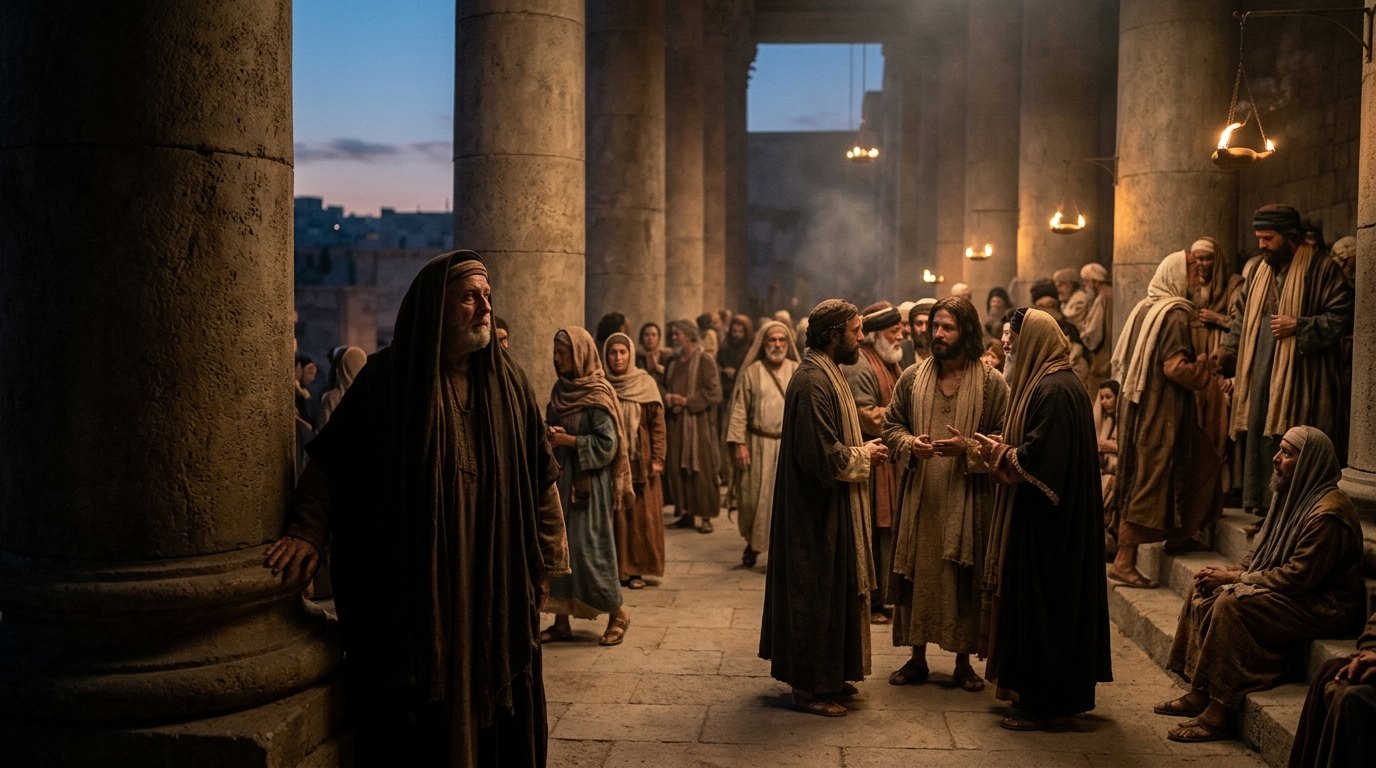
Yet at the same time many even among the leaders believed in him. But because of the Pharisees they would not openly acknowledge their faith for fear they would be put out of the synagogue; for they loved human praise more than praise from God.
John 12:42-43 (NIV)
This verse unmasks the idol of human approval, showing how the desire for praise from men over praise from God silences faithful confession.
Modern idols rarely carry religious labels; instead, they operate as cultural air, enticing individuals to build their identity upon human approval, autonomy, and security. In John 12:42-43, the gospel writer exposes one of the most potent counterfeits: many rulers among the Jews actually believed in Jesus, yet they loved the glory that comes from man more than the glory that comes from God, refusing to confess him for fear of social expulsion. The longing for applause and belonging easily dethrones God in the heart.
Jesus addressed this very compromise in John 5:44, asking how true faith could take root in those who crave honor from one another rather than seeking the honor that comes from the only God. Pleasing the crowd and following Christ are fundamentally irreconcilable; Paul insisted in Galatians 1:10 that "if I were still trying to please man, I would not be a servant of Christ." Modern culture also worships self-determination, an idol explicitly condemned in Proverbs 3:5-7, which commands believers to trust in the Lord with all their heart rather than leaning on their own understanding or being wise in their own eyes.
Similarly, societies place supreme trust in military and financial institutions. Psalms 20:7 contrasts those who boast in chariots and horses with the righteous who trust in the name of the Lord our God, while Jeremiah 17:5 pronounces a divine curse on anyone who trusts in man and makes human flesh his strength. In Philippians 2:21, Paul laments that men naturally look after their own interests rather than the things of Jesus Christ. Left unchecked, self-indulgence fuels the destructive works of the flesh listed in Galatians 5:19-21, including idolatry, enmities, and rivalries. Believers are summoned instead by 1 Peter 2:11 to abstain from fleshly lusts, and by 1 John 2:15-17 to reject the passing pride of life, knowing that whoever does God's will abides forever.
| Passage | What it says |
|---|---|
| Proverbs 3:5-7 | Warns against trusting in one's own understanding or being wise in one's own eyes rather than trusting the Lord. |
| John 5:44 | Jesus asks how one can believe while receiving honor from one another and not seeking the honor from God alone. |
| John 12:42-43 | Records that many authorities believed in Jesus but would not confess him, loving the glory of men more than God's glory. |
| Galatians 1:10 | Paul insists that seeking to please men contradicts being a true servant of Jesus Christ. |
| Galatians 5:19-21 | Lists the works of the flesh, specifically naming idolatry alongside carnal indulgence and self-seeking rivalries. |
| 1 Peter 2:11 | Exhorts believers as pilgrims to abstain from fleshly lusts that wage war against the soul. |
| 1 John 2:15-17 | Commands believers not to love the world: the lust of the flesh, the lust of the eyes, and the pride of life. |
| Psalms 20:7 | Contrasts trust in worldly power, wealth, and armaments with reliance upon the name of the Lord. |
| Jeremiah 17:5 | Pronounces a curse on anyone who trusts in human strength and turns their heart from the Lord. |
| Philippians 2:21 | Exposes the self-centered impulse to seek one's personal interests rather than the things of Jesus Christ. |
The True Remedy
Mortifying the Flesh and Yielding to God

Do not offer any part of yourself to sin as an instrument of wickedness, but rather offer yourselves to God as those who have been brought from death to life; and offer every part of yourself to him as an instrument of righteousness.
Romans 6:13 (NIV)
Paul presents the definitive alternative to idolatry: ceasing to present one's bodily members to sin and offering them wholly to God.
Because idolatry is a matter of ultimate allegiance, the remedy is not mere self-reformation, but a complete yielding of oneself to God. In Romans 6:11-13, Paul sets forth the path of liberation: believers must reckon themselves dead to sin and alive to God in Christ Jesus. Instead of presenting their physical and mental capacities to sin as unrighteous weapons, they are commanded to present themselves to God as those brought from death to life, offering their members as instruments of righteousness.
This wholehearted consecration fulfills the great covenant challenge of Joshua 24:14-15, where Joshua urged Israel to put away foreign gods and choose this day whom they would serve, declaring, "As for me and my house, we will serve the Lord." Jesus confirmed in Matthew 22:37-38 that the greatest commandment is to love the Lord God with all the heart, soul, and mind; an undivided love leaves no room for rival devotions. Consequently, Paul issues an uncompromising command in 1 Corinthians 10:14: "Flee from idolatry." Believers do not negotiate with idols; they run from them.
True freedom requires mortification through the Holy Spirit. In Romans 8:13, Scripture promises that if you put to death the deeds of the body by the Spirit, you will live. This radical shift is described in Romans 12:1-2 as presenting one's body as a living sacrifice and being transformed by the renewing of the mind rather than conforming to this world. While 1 Corinthians 6:9-11 solemnizes that idolaters will not inherit the kingdom of God, it offers glorious assurance: "And such were some of you. But you were washed, you were sanctified, you were justified." Through union with Christ, believers say with Paul in Galatians 2:20 and Galatians 5:24 that their flesh has been crucified with its passions. Every proud thought is then taken captive to obey Christ (2 Corinthians 10:5).
| Passage | What it says |
|---|---|
| Romans 6:11-13 | Calls believers to reckon themselves dead to sin and alive to God, presenting their bodies as instruments of righteousness. |
| Romans 8:13 | Affirms that living after the flesh leads to death, but putting to death the body's deeds through the Spirit yields life. |
| Romans 12:1-2 | Urges believers to present their bodies as living sacrifices and be transformed by renewing their minds instead of conforming to the world. |
| 1 Corinthians 6:9-11 | Warns that idolaters will not inherit God's kingdom, but reminds believers that they were washed, sanctified, and justified in Christ. |
| 1 Corinthians 10:14 | Gives the direct apostolic imperative to flee from idolatry in all its forms. |
| Galatians 2:20 | Paul testifies that he has been crucified with Christ and now lives by faith in the Son of God. |
| Galatians 5:24 | Declares that those who belong to Christ have crucified the flesh with its passions and lusts. |
| Joshua 24:14-15 | Calls the covenant people to cast away foreign gods and serve the Lord in sincerity and faithfulness. |
| Matthew 22:37-38 | Establishes supreme love for God with all one's heart, soul, and mind as the primary command. |
| 2 Corinthians 10:5 | Instructs believers to destroy proud arguments and take every thought captive to obey Christ. |
Where in the Bible
| Book | Passages |
|---|---|
| Exodus | 1 · Exodus 20:3-5 |
| Leviticus | 1 · Leviticus 26:1 |
| Deuteronomy | 2 · Deuteronomy 6:13-15, Deuteronomy 8:17-18 |
| Joshua | 1 · Joshua 24:14-15 |
| 1 Samuel | 1 · 1 Samuel 15:23 |
| Psalms | 2 · Psalms 115:3-8, Psalms 20:7 |
| Proverbs | 1 · Proverbs 3:5-7 |
| Isaiah | 1 · Isaiah 44:14-17 |
| Jeremiah | 2 · Jeremiah 2:13, Jeremiah 17:5 |
| Ezekiel | 2 · Ezekiel 14:3, Ezekiel 14:7 |
| Habakkuk | 1 · Habakkuk 2:18-19 |
| Matthew | 2 · Matthew 6:24, Matthew 22:37-38 |
| Luke | 1 · Luke 12:15 |
| John | 2 · John 5:44, John 12:42-43 |
| Acts | 1 · Acts 17:29-30 |
| Romans | 4 · Romans 1:21-23, Romans 6:11-13, Romans 8:13, Romans 12:1-2 |
| 1 Corinthians | 2 · 1 Corinthians 6:9-11, 1 Corinthians 10:14 |
| 2 Corinthians | 1 · 2 Corinthians 10:5 |
| Galatians | 4 · Galatians 1:10, Galatians 5:19-21, Galatians 2:20, Galatians 5:24 |
| Ephesians | 1 · Ephesians 5:5 |
| Philippians | 2 · Philippians 3:19, Philippians 2:21 |
| Colossians | 1 · Colossians 3:5 |
| 1 Thessalonians | 1 · 1 Thessalonians 1:9 |
| 1 Timothy | 1 · 1 Timothy 6:9-10 |
| 2 Timothy | 1 · 2 Timothy 3:2-4 |
| 1 Peter | 1 · 1 Peter 2:11 |
| 1 John | 2 · 1 John 5:21, 1 John 2:15-17 |
The story in order
- The Law is Given (c. 1446 BC) · Exodus 20:3-5 · Establishes the prohibition against other gods and idols.
- Warning Against Idolatry (c. 1406 BC) · Deuteronomy 6:13-15 · Israel commanded to serve the Lord exclusively.
- Idols are Lifeless (c. 990-500 BC) · Psalms 115:3-8 · Describes idols as man-made and warns of becoming like them.
- Absurdity of Idolatry (c. 700 BC) · Isaiah 44:14-17 · Exposes the foolishness of worshipping crafted objects.
- Forsaking the Fountain (c. 627-586 BC) · Jeremiah 2:13 · God names forsaking Him as a great evil.
- Idols in the Heart (c. 592 BC) · Ezekiel 14:3 · God condemns elders for internalizing idols.
- Jesus Teaches on Masters (c. AD 30) · Matthew 6:24 · No one can serve both God and money.
- Paul on Ungodly Hearts (c. AD 57) · Romans 1:21-23 · Mankind exchanged God's glory for created images.
- Turning from Idols (c. AD 51) · 1 Thessalonians 1:9 · Believers turned to God from idols.
- Covetousness is Idolatry (c. AD 62) · Colossians 3:5 · Instructs believers to put to death covetousness.
- Guard Yourselves from Idols (c. AD 90-95) · 1 John 5:21 · A final charge to flee from idolatry.
- Apostolic Imperative (c. AD 55) · 1 Corinthians 10:14 · Direct command to flee from idolatry.
Idolatry: The Exchange of Creator for Creation
| What is forsaken | What is embraced | Consequence | Passage |
|---|---|---|---|
| The Creator's glory | Images of creation | Darkened hearts | Romans 1:21-23 |
| The fountain of living waters | Broken cisterns | Holding no water | Jeremiah 2:13 |
| The living and true God | Idols | Serving lifeless things | 1 Thessalonians 1:9 |
| God | Money | Serving two masters | Matthew 6:24 |
| God's glory | Glory of men | Inability to believe | John 5:44 |
The Remedy: Presenting Ourselves to God
| Old state | New action | Result | Passage |
|---|---|---|---|
| Bodies as instruments of sin | Present bodies to God | Instruments of righteousness | Romans 6:11-13 |
| Conforming to the world | Renewing the mind | Transformed life | Romans 12:1-2 |
| Living after the flesh | Put to death body's deeds | Life | Romans 8:13 |
| Flesh with passions and lusts | Crucified the flesh | Belonging to Christ | Galatians 5:24 |
| Foreign gods | Serve the Lord | Sincerity and faithfulness | Joshua 24:14-15 |
Key words
- Idolatry (eídōlon (εἴδωλον))
- Exchanging the Creator's glory for anything in creation; ultimate trust, desire, or obedience given to anything other than God. · 1 John 5:21
- Idol (eídōlon (εἴδωλον))
- A lifeless fabrication, an image, or anything that captures ultimate trust, desire, or obedience due to God alone. · Psalms 115:4
- Covetousness (pleonexia (πλεονεξία))
- An excessive or unlawful desire for something belonging to another; a form of idolatry. · Colossians 3:5
- Money (mámōnas (μαμωνᾶς))
- Wealth and possessions, which can become an idol if ultimate service and trust are given to it. · Matthew 6:24
- Self-autonomy (pepoíthēsis (πεποίθησις))
- Trusting in one's own understanding or strength rather than the Lord. · Proverbs 3:5
- Human approval (philótimos (φιλότιμος))
- Seeking honor from others more than from God. · John 5:44
Idolatry remains the default bent of fallen human desire, quietly substituting created gifts for the Giver himself. Breaking free is never a mere exercise in willpower, but a daily mortification of the flesh and the active yielding of our members to God through the Holy Spirit. When Christ reigns supreme over every affection, every counterfeit god loses its grip and true life begins.
42 passages, each cited once.
Scripture cited
- Colossians 3:5
- Romans 8:13
- Exodus 20:3-6
- Ezekiel 14:3
- Romans 1:21-25
- Matthew 6:24
- 1 Thessalonians 1:9
- 1 Corinthians 6:9-11
- 1 Timothy 6:10
- 1 John 5:21
- 1 Corinthians 10:14