What is the Battle of Armageddon?
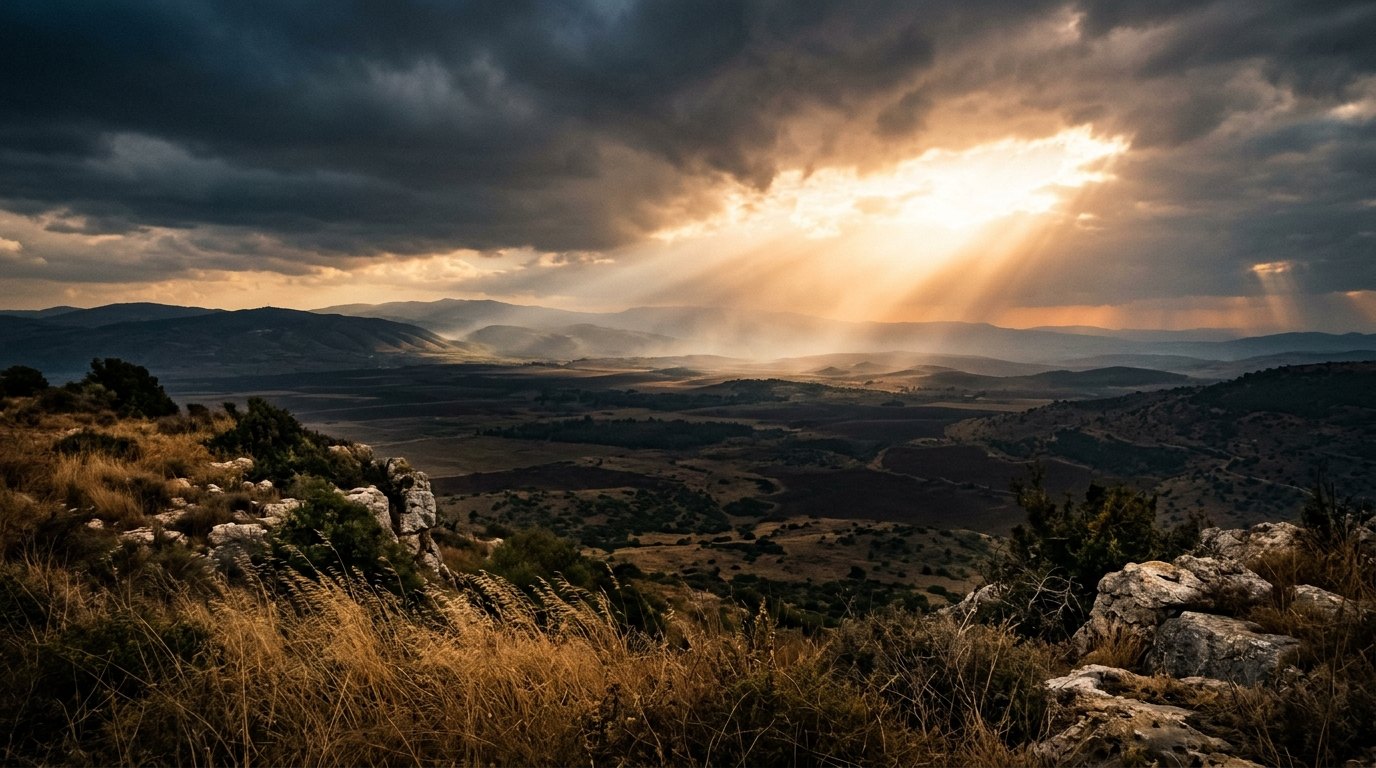
Revelation 16:14-16
14 They are demonic spirits that perform signs, and they go out to the kings of the whole world, to gather them for the battle on the great day of God Almighty.
15 “Look, I come like a thief! Blessed is the one who stays awake and remains clothed, so as not to go naked and be shamefully exposed.”
16 Then they gathered the kings together to the place that in Hebrew is called Armageddon.
New International Version (NIV)
The answer
The Battle of Armageddon is the climactic gathering of demonically deceived earthly powers against Christ, followed by His decisive victory and their judgment. “Battle of Armageddon” is a conventional title: Revelation 16:16 names the gathering place “Harmagedon,” while Revelation 16:14 calls the conflict “the war of that great day of God the Almighty.”
How the forces are gathered
- The setting is the sixth bowl of God’s wrath. The Euphrates is dried up, preparing the way for kings from the sunrise (Revelation 16:12).
- Demonic spirits provoke the gathering. Three unclean spirits come from the dragon, the beast and the false prophet. They perform signs and go to the kings of the whole inhabited earth, gathering them for war (Revelation 16:13-14).
- The rulers unite behind the beast. Revelation 17:12-14 describes ten kings giving their power and authority to the beast and making war against the Lamb. Their military and political alliance is also an act of rebellion against God.
Revelation 16 describes the gathering rather than giving a blow-by-blow battle account.
How the confrontation ends
Revelation 19:11-16 identifies the rider on the white horse as Faithful and True, the Word of God, and KING OF KINGS AND LORD OF LORDS. He judges and makes war in righteousness, accompanied by heaven’s armies.
The beast, the earthly kings and their armies gather to fight Him, but there is no uncertain contest between equal powers. The beast and false prophet are thrown alive into the lake of fire, and the remaining forces are killed by the sword proceeding from Christ’s mouth (Revelation 19:19-21). Revelation 17:14 states the outcome beforehand: “the Lamb will overcome them, for he is Lord of lords and King of kings.”
Does Armageddon identify a literal location?
Harmagedon appears only in Revelation 16:16 and is commonly explained as Har-Megiddo, meaning Mount Megiddo, evoking Megiddo’s ancient associations with warfare and slaughter.
Interpretations differ over the geography. Premillennial readings often expect a literal military gathering in Israel. Amillennial and idealist readings often understand the name symbolically as the worldwide climax of hostility toward Christ. The text is unmistakable about the gathering’s worldwide scope, its demonic instigation and Christ’s complete victory, but it supplies neither a date nor identification with any particular modern war.
Revelation 20:7-10 also describes the rebellion of Gog and Magog, expressly placing it after the thousand years. Satan deceives the nations, fire from God devours them, and the devil is finally thrown into the lake of fire. That account uses different names and has its own stated place in Revelation’s sequence.
Within the Armageddon vision itself, Christ warns, “Behold, I come like a thief. Blessed is he who watches, and keeps his clothes” (Revelation 16:15). Its immediate call is therefore watchful, faithful readiness—not date-setting or speculation based on headlines.
Answered from Scripture · reviewed November 11, 2026
Armageddon designates the decisive final clash between the Lord Jesus Christ and the rebellious rulers of the earth assembled under demonic deception. Borrowing the name of Israel's ancient battlefield, Scripture uses this event to reveal the definitive defeat of human arrogance and cosmic evil at the glorious return of the King of kings. Tracing the prophetic witness from Old Testament shadows to the Book of Revelation anchors the believer in confident hope rather than sensational speculation.
The Historic Shadow
Megiddo Stood as Israel's Decisive Crucible
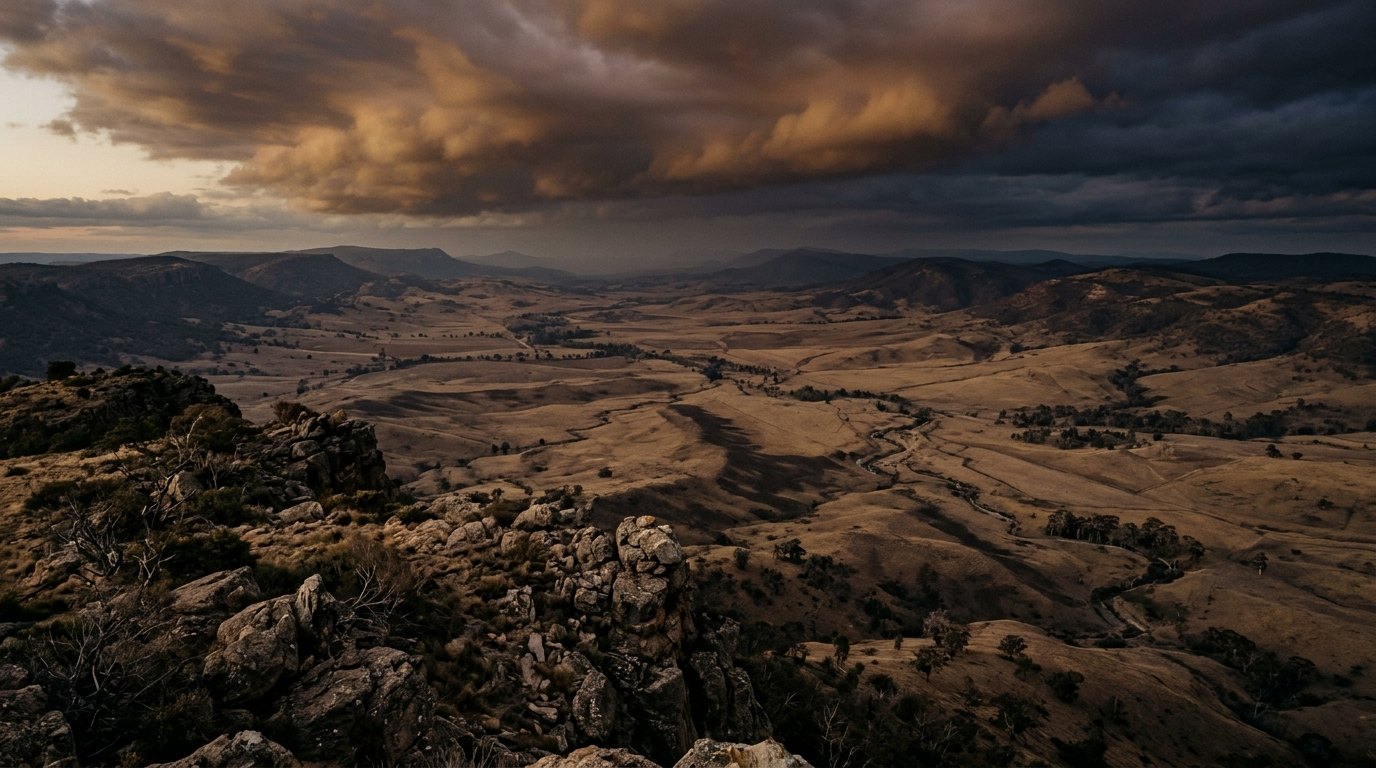
“Kings came, they fought, the kings of Canaan fought. At Taanach, by the waters of Megiddo, they took no plunder of silver.
Judges 5:19 (NIV)
It establishes the waters of Megiddo as the classic site where earthly kings fought against God's people and suffered total defeat.
In Judges 5:19, Deborah’s ancient victory song captures the theological weight of this storied landscape: earthly kings fought by the waters of Megiddo and walked away with not a scrap of plunder. Megiddo stood at the critical strategic chokepoint between ancient empires, making its surrounding plains the natural staging ground for catastrophic conflict. Scripture, however, never views Megiddo as merely geographical terrain; it is a spiritual crucible where human arrogance collides with divine sovereignty. In Judges 4:15, the Lord intervened to throw Sisera’s iron chariots into total panic before Barak, a complete rout that prefigures the ultimate defeat of the beast's armies in Revelation 19:19. Nearby in the Jezreel valley, Gideon’s small band shattered Midianite pride not through martial power but through God's miraculous deliverance in Judges 7:22, anticipating the overthrow of the beast and false prophet in Revelation 19:20. Yet Megiddo also bore the memory of profound national grief. In 2 Kings 23:29 and 2 Chronicles 35:22, righteous King Josiah met his sudden death there after disguising himself in battle against Pharaoh Necho. That tragedy stamped the valley with legendary sorrow, prompting Zechariah 12:11 to prophesy that the future national mourning over the pierced Messiah will resemble the bitter weeping at Hadad-rimmon in the plain of Megiddo—a sorrow brought to its redemptive culmination in Revelation 1:7 when every eye shall see Him.
| Passage | What it says | Fulfilled |
|---|---|---|
| Judges 4:15 | The Lord routed Sisera and his nine hundred iron chariots before Barak in the plain beneath Megiddo. | Revelation 19:19 |
| Judges 5:19 | Deborah sings of the kings of Canaan who fought at Taanach by the waters of Megiddo and gained no spoils. | Revelation 16:16 |
| Judges 7:22 | Gideon and his three hundred men routed the overwhelming Midianite hosts in the Jezreel Valley near Megiddo. | Revelation 19:20 |
| 2 Kings 23:29 | King Josiah was slain at Megiddo when he confronted Pharaoh Necho, becoming an enduring national symbol of tragic mourning. | Revelation 1:7 |
| Zechariah 12:11 | Prophecy states that the final mourning over the pierced Messiah will resemble the mourning of Hadad-rimmon in the valley of Megiddon. | Revelation 1:7 |
| 2 Chronicles 35:22 | Josiah disguised himself and went to fight in the valley of Megiddo where he was mortally wounded. |
The Prophetic Gathering
Nations Assemble in Defiance of God
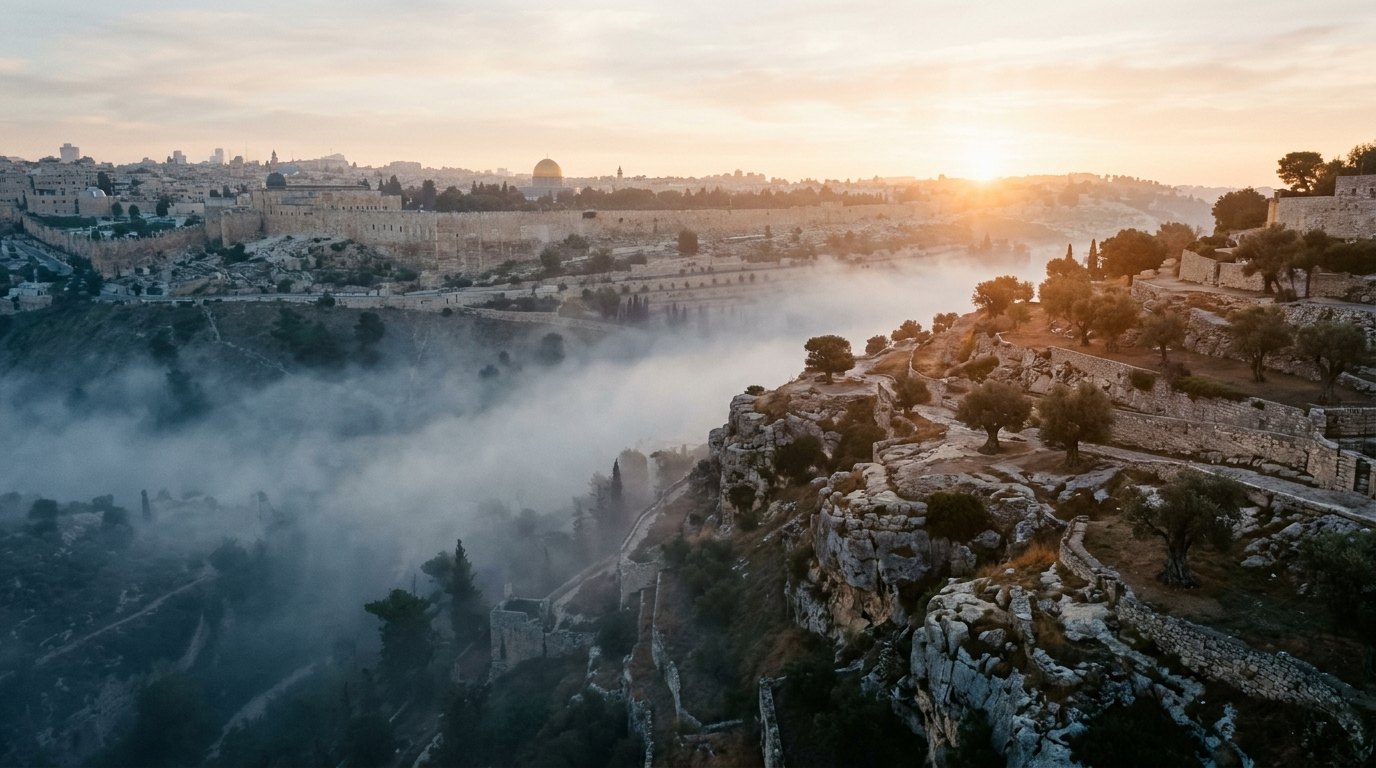
The kings of the earth rise up and the rulers band together against the LORD and against his anointed, saying,
Psalms 2:2 (NIV)
It provides the foundational Old Testament decree of world rulers conspiring together against the Lord and against His Anointed.
The foundational blueprint for the final rebellion appears in Psalm 2:2, where the kings of the earth conspire and assemble against the Lord and against His Anointed. Human history marches not toward peaceful humanistic fraternity, but toward an open rebellion against divine rule. Joel 3:2 and Joel 3:12 describe God summoning all nations into the Valley of Jehoshaphat, compelling them to present their arms only to face divine judgment, directly pointing to Revelation 16:14 and the sharp winepress of Revelation 19:15. In Zephaniah 3:8, the Lord affirms His sovereign purpose to assemble kingdoms and pour out His indignation, echoed when earth's armies are brought to Harmagedon in Revelation 16:16. Ezekiel 38:14-16 and Ezekiel 39:1-4 detail the terrifying advance of Gog covering the land like a cloud, only to be struck down upon Israel's mountains for the birds of prey. In Zechariah 12:2-3, Jerusalem becomes an immovable boulder cutting all who lift it, even as the nations converge. Zechariah 14:2-4 shows the climax: all nations gather against Jerusalem before the Lord Himself goes forth to fight, His feet standing on the Mount of Olives as detailed in Revelation 19:19.
| Passage | What it says | Fulfilled |
|---|---|---|
| Psalms 2:2 | The kings of the earth set themselves and the rulers take counsel together against the Lord and His Anointed. | Revelation 19:19 |
| Joel 3:2 | The Lord declares He will gather all nations into the Valley of Jehoshaphat to execute judgment upon them. | Revelation 16:14 |
| Joel 3:12 | The nations are summoned to awaken and come to the valley where God will sit to judge all surrounding peoples. | Revelation 19:15 |
| Zephaniah 3:8 | God's determination is to assemble nations and kingdoms to pour out upon them His fierce indignation. | Revelation 16:16 |
| Zechariah 14:2 | The Lord gathers all nations to battle against Jerusalem before His feet stand on the Mount of Olives. | Revelation 19:19 |
| Ezekiel 38:14-16 | The Lord foretells the gathering of Gog and many nations against Israel in the latter days like a cloud covering the land. | |
| Ezekiel 39:1-4 | The Lord declares judgment against Gog upon the mountains of Israel, giving their armies over to birds of prey. | |
| Zechariah 12:2-3 | Jerusalem is appointed as an immovable rock and cup of staggering when all nations gather against it. | |
| Zechariah 14:3-4 | The Lord goes out to battle those nations as His feet stand upon the Mount of Olives. |
The Demonic Summons
Deceptive Spirits Muster Earth's Armies
They are demonic spirits that perform signs, and they go out to the kings of the whole world, to gather them for the battle on the great day of God Almighty.
Revelation 16:14 (NIV)
It exposes the true engine behind the global muster as demonic signs that seduce kings into direct rebellion against Almighty God.
The muster of the nations is neither accidental nor purely political, for Revelation 16:14 unmasks the horrifying spiritual reality behind it: demonic spirits working signs go out to the kings of the whole world to assemble them for battle on the great day of God Almighty. This is the culmination of long-foretold spiritual deception. The Apostle Paul warned in 1 Timothy 4:1 that in the latter days men would give heed to deceitful spirits and doctrines of demons, and he revealed in 2 Thessalonians 2:9 that the lawless one's arrival would feature satanic signs, counterfeit wonders, and wicked deception. Revelation 16:12 sets the cosmic stage as the sixth angel pours out his bowl to dry up the great river Euphrates, opening the corridor for the kings from the East. Then Revelation 16:13 exposes three foul spirits like frogs emerging from the mouth of the dragon, the beast, and the false prophet. This unholy trinity releases demonic propaganda across the globe, driving international rulers to assemble at the place named Harmagedon in Revelation 16:16, wholly blind to the fact that their gathering serves the overarching judgment of Almighty God.
| Passage | What it says |
|---|---|
| 1 Timothy 4:1 | The Holy Spirit expressly warns that in later times many will follow deceitful spirits and teachings of demons. |
| 2 Thessalonians 2:9 | The coming of the lawless one is accompanied by satanic power, signs, false wonders, and unrighteous deception. |
| Revelation 16:13 | Three unclean spirits like frogs proceed from the mouths of the dragon, the beast, and the false prophet. |
| Revelation 16:14 | Demonic spirits work miracles to assemble earth's kings for the battle of the great day of God Almighty. |
| Revelation 16:16 | The demonic spirits gather the rulers into the place called in Hebrew Harmagedon. |
| Revelation 16:12 | The sixth angel pours out his bowl drying up the Euphrates to prepare the way for kings from the East. |
The Watchful Remnant
Believers Are Called to Moral Vigilance

“Look, I come like a thief! Blessed is the one who stays awake and remains clothed, so as not to go naked and be shamefully exposed.”
Revelation 16:15 (NIV)
It interrupts the apocalyptic muster with Christ's direct personal command to stay alert and spiritually clothed.
Right in the middle of demonic preparation and global troop movements, Christ pierces the text with a startling pastoral warning in Revelation 16:15: "Behold, I come like a thief; blessed is he who stays awake and keeps his garments, lest he walk naked and be exposed to shame." The announcement of Armageddon is not meant to fuel sensational theories, but to produce immediate moral readiness. Jesus repeatedly pressed this urgency upon His disciples in Matthew 24:42, commanding them to stay watchful because they do not know on what day their Lord arrives. In 1 Thessalonians 5:2, Paul reiterated that the Day of the Lord overtakes an unsuspecting, careless world precisely like a thief breaking in at night. Therefore, as Paul commands in 1 Thessalonians 5:6, believers must refuse the spiritual lethargy of the culture, keeping alert, sober, and clothed in faith, love, and the hope of salvation. When the global order rushes toward its climactic defiance of God, the faithful are preserved not by military might or geopolitical insight, but by abiding in Christ and keeping their spiritual garments unstained by worldly compromise.
| Passage | What it says |
|---|---|
| Matthew 24:42 | Jesus exhorts His disciples to keep watch because they do not know what day their Lord will come. |
| 1 Thessalonians 5:2 | Paul reminds believers that the day of the Lord will come unexpectedly like a thief in the night. |
| 1 Thessalonians 5:6 | Believers are instructed not to sleep as others do, but to stay awake, sober, and armed with faith. |
| Revelation 16:15 | Christ pronounces a blessing on anyone who stays awake and keeps his garments to avoid shameful nakedness. |
The Decisive Triumph
The Returning King Overcomes His Foes
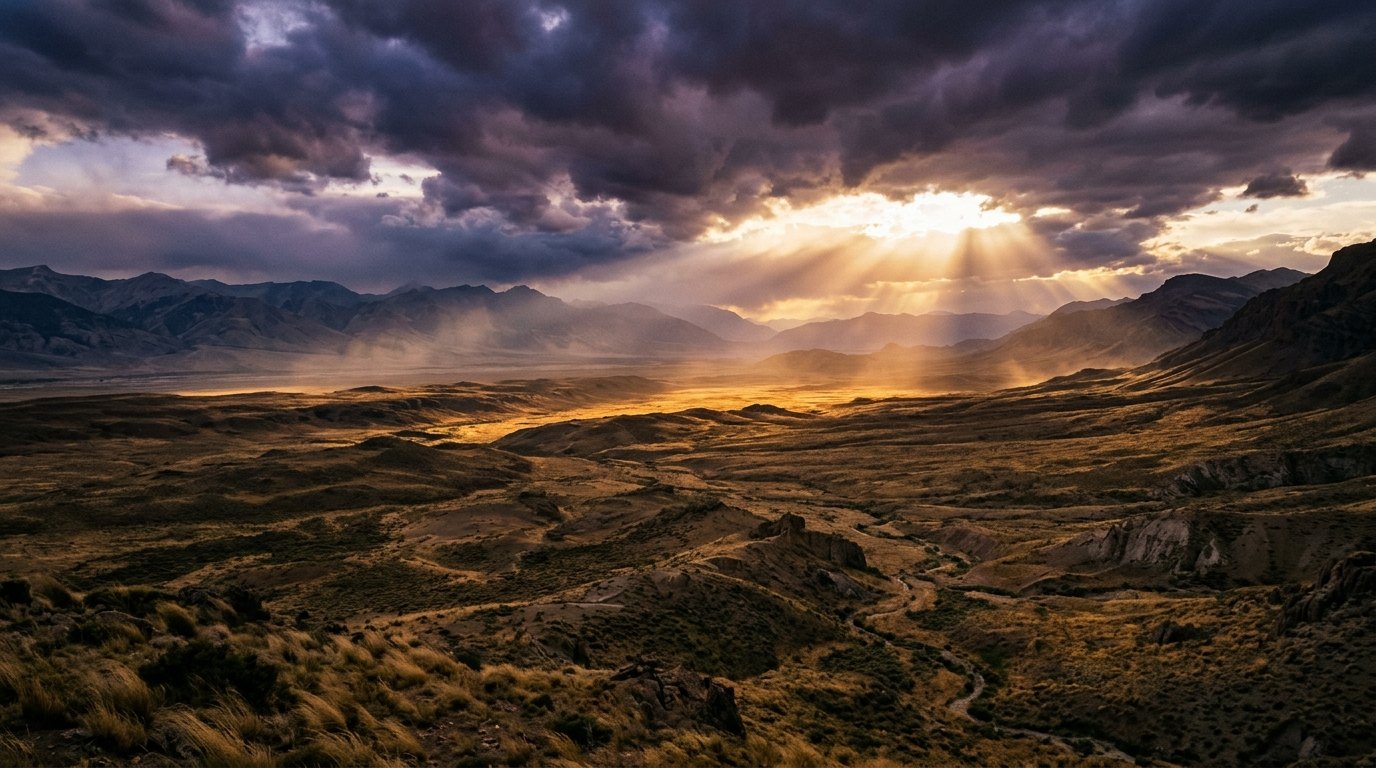
On his robe and on his thigh he has this name written: king of kings and lord of lords.
Revelation 19:16 (NIV)
It reveals the exalted identity and absolute supremacy of Christ over every gathered earthly power.
The entire biblical witness concerning Armageddon converges upon Revelation 19:16, where the conquering Savior bears the definitive title upon His robe and thigh: King of kings and Lord of lords. Rather than depicting a prolonged, uncertain contest between equal powers, Scripture presents this confrontation as an instantaneous, decisive triumph. Long before John recorded his vision, the prophet foresaw the divine warrior arriving in glorious apparel, declaring in Isaiah 63:1-3 that He alone has trodden the winepress of God's holy wrath against unrepentant rebellion. In Revelation 14:19-20, an angel gathers the corrupted vine of the earth and casts it into that great winepress outside the holy city, foreshadowing the total devastation awaiting defiant rulers.
When the definitive hour arrives, the allied sovereigns make war against the Lamb, but Revelation 17:14 declares that the Lamb overcomes them through His absolute authority alongside His called, chosen, and faithful followers. John beholds heaven opened in Revelation 19:11, revealing Christ seated upon a white horse, bearing the venerable titles Faithful and True, judging and waging war solely in righteousness. From His mouth proceeds a sharp sword, described in Revelation 19:15, executing divine judgment and treading the fierce winepress of Almighty God. Even as the beast and the deceived kings assemble in futile opposition in Revelation 19:19, no protracted combat occurs. In Revelation 19:20, the beast and the false prophet are seized instantly and cast alive into the lake of fire burning with sulfur, while Revelation 19:21 confirms that the remaining host falls before the sovereign word of His mouth. The gruesome spectacle announced by the angel in Revelation 19:17-18, summoning the carrion birds to gorge upon fallen captains, underscores the absolute end of worldly arrogance before the returning King.
| Passage | What it says |
|---|---|
| Revelation 17:14 | The allied kings wage war against the Lamb, but the Lamb overcomes them because He is Lord of lords and King of kings. |
| Revelation 19:11 | Heaven opens to reveal Christ on a white horse, called Faithful and True, judging and waging war in righteousness. |
| Revelation 19:15 | From His mouth goes a sharp sword to strike the nations, and He treads the winepress of God's fierce fury. |
| Revelation 19:19 | The beast and the kings of the earth with their armies assemble to make war against the Rider on the horse. |
| Revelation 19:20 | The beast and the false prophet are captured and cast alive into the lake of fire burning with sulfur. |
| Revelation 19:21 | The remaining rebellious host is slain by the sword proceeding from the mouth of Christ. |
| Isaiah 63:1-3 | The Messiah treads the winepress of God's wrath alone, staining His garments with the blood of His adversaries. |
| Revelation 14:19-20 | The angel swings his sickle, gathering the earth's vine into the great winepress of God's wrath outside the city. |
| Revelation 19:17-18 | An angel standing in the sun summons birds of the air to feast upon the flesh of defeated kings and captains. |
The Final Consummation
The Final Post-Millennial Rebellion Is Swiftly Consumed
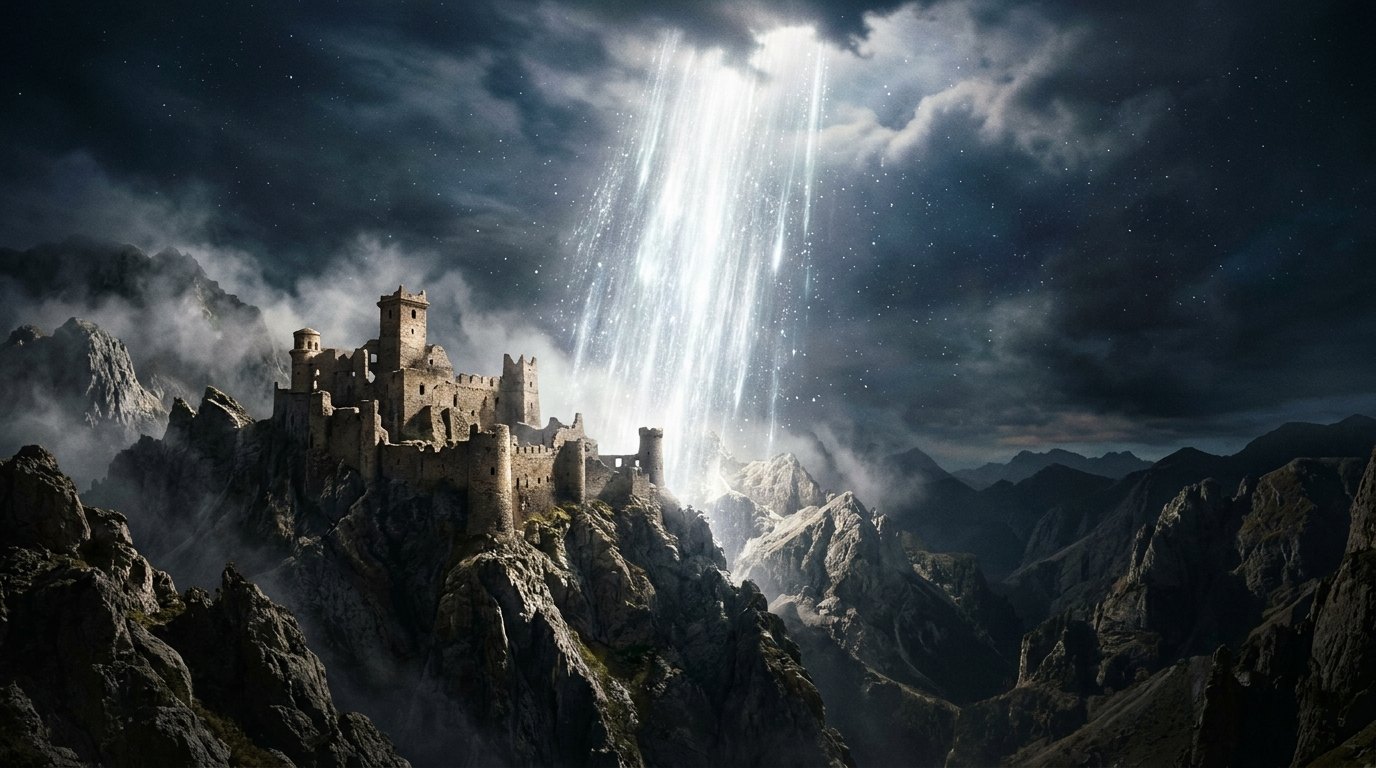
They marched across the breadth of the earth and surrounded the camp of God’s people, the city he loves. But fire came down from heaven and devoured them.
Revelation 20:9 (NIV)
It shows that every subsequent uprising of rebellious nations is instantly annihilated by God's divine fire.
The finality of God's redemptive victory is settled in Revelation 20:9, where the ultimate human rebellion is terminated instantly when fire came down from heaven and consumed them. Following Christ's thousand-year reign, Revelation 20:7-8 records that Satan is released briefly from his prison to deceive the nations at the four corners of the earth, collectively designated Gog and Magog. Despite having witnessed the visible, righteous reign of the Son of David, an immense human host gathers once more under demonic deception, surrounding the camp of the saints and the beloved city of Jerusalem.
Yet this final gathering demonstrates that fallen human nature apart from transforming grace remains fundamentally rebellious, even when governed under perfect external justice. Just as at Armageddon, Scripture depicts no actual battle or military siege. Before a single blow can be struck against God's people, Revelation 20:9-10 details the immediate, supernatural response of God: divine fire descends from heaven to vaporize the entire hostile assembly, and the devil who deceived them is cast forever into the lake of fire and sulfur. There he joins the beast and the false prophet, bringing an eternal end to rebellion, deception, and cosmic opposition to God's glorious kingdom.
| Passage | What it says |
|---|---|
| Revelation 20:7-8 | Satan is released from his prison after the thousand years to deceive Gog and Magog for a final assembly. |
| Revelation 20:9-10 | Fire descends from heaven to consume the surrounding army, and the devil is cast into the lake of fire. |
Where in the Bible
| Book | Passages |
|---|---|
| Judges | 3 · Judges 4:15, Judges 5:19, Judges 7:22 |
| 2 Kings | 1 · 2 Kings 23:29 |
| 2 Chronicles | 1 · 2 Chronicles 35:22 |
| Psalms | 1 · Psalms 2:2 |
| Isaiah | 1 · Isaiah 63:1-3 |
| Ezekiel | 2 · Ezekiel 38:14-16, Ezekiel 39:1-4 |
| Joel | 2 · Joel 3:2, Joel 3:12 |
| Zephaniah | 1 · Zephaniah 3:8 |
| Zechariah | 4 · Zechariah 12:11, Zechariah 14:2, Zechariah 12:2-3, Zechariah 14:3-4 |
| Matthew | 1 · Matthew 24:42 |
| 1 Thessalonians | 2 · 1 Thessalonians 5:2, 1 Thessalonians 5:6 |
| 2 Thessalonians | 1 · 2 Thessalonians 2:9 |
| 1 Timothy | 1 · 1 Timothy 4:1 |
| Revelation | 15 · Revelation 16:13, Revelation 16:14, Revelation 16:16, Revelation 16:12, Revelation 16:15, Revelation 17:14, Revelation 19:11, Revelation 19:15, Revelation 19:19, Revelation 19:20, Revelation 19:21, Revelation 14:19-20, Revelation 19:17-18, Revelation 20:7-8, Revelation 20:9-10 |
The story in order
- Israel's early victories at Megiddo (c. 1100 BC) · Judges 4:15 · Megiddo served as a site of decisive military victories for Israel.
- Gideon's victory near Megiddo (c. 1100 BC) · Judges 7:22 · Demonstrates God's power to grant victory with few.
- Josiah's fatal encounter at Megiddo (c. 609 BC) · 2 Kings 23:29 · Megiddo became a symbol of national mourning.
- Nations plot against the Lord (c. 970 BC) · Psalms 2:2 · Foreshadows the ultimate rebellion against God's Anointed.
- Prophecy of gathering nations for judgment (c. 800 BC) · Joel 3:2 · Identifies a valley for God's judgment on nations.
- Prophecy of Gog's invasion (c. 570 BC) · Ezekiel 38:14-16 · Foretells a future massing of nations against Israel.
- Jerusalem as a focal point of conflict (c. 518 BC) · Zechariah 12:3 · All nations will gather against Jerusalem.
- Deceitful spirits promote false teachings (c. AD 65) · 1 Timothy 4:1 · Warns of demonic influence leading to deception.
- The lawless one's deceptive signs (c. AD 52) · 2 Thessalonians 2:9 · Highlights the deceptive power accompanying evil.
- Demonic spirits gather kings to battle (c. AD 95) · Revelation 16:14 · Spirits orchestrate the final gathering of world powers.
- Christ's glorious return and victory (c. AD 95) · Revelation 19:11 · Jesus returns as King to execute judgment.
- The beast and false prophet defeated (c. AD 95) · Revelation 19:20 · The primary agents of evil are cast into the lake of fire.
- Final rebellion of Gog and Magog (Post-millennial) · Revelation 20:8 · A final deception leads to a last, brief rebellion.
- Final consumption of rebellion (Post-millennial) · Revelation 20:9-10 · Heavenly fire consumes the rebellious army and Satan.
Key words
- Armageddon (Harmagedon (Ἁρμαγεδών))
- The place where the final, decisive battle against God's enemies will occur. · Revelation 16:16
- Megiddo (Megiddo (מְגִדּוֹ))
- An ancient city and plain in Israel, site of significant battles and a symbol of decisive conflict. · Judges 4:15
- Gog (Gog (גּוֹג))
- A future enemy leader who will gather nations against Israel for a final conflict. · Ezekiel 38:14
- Deceitful spirits (pneuma planou (πνεῦμα πλάνου))
- Demonic entities that promote false teachings and lead people astray. · 1 Timothy 4:1
- False prophet (pseudoprophetēs (ψευδοπροφήτης))
- A demonic agent empowered to perform signs and wonders to deceive the nations. · Revelation 16:13
- Winepress of wrath (lenos tou thumou (ληνὸς τοῦ θυμοῦ))
- Symbolizes the intense and complete judgment of God upon His enemies. · Revelation 14:19
The revelation of Armageddon is not a riddle meant to incite geopolitical panic, but a divine assurance that the outcome of human history is already sealed. For the believer, Christ's certain victory is a summons to vigilance, holy living, and unwavering faith amidst present darkness. The Lamb who was slain will conquer as Lord of lords, and those who belong to Him will share in His eternal reign.
36 passages, each cited once.
How the major Christian traditions read this
All major Christian traditions confess that the Lord Jesus Christ will return in glory to vanquish the demonic forces and earthly rulers arrayed against Him, establishing His righteous reign and judging all evil (Revelation 17:14; Revelation 19:11-16).
Catholic
We understand the gathering at Harmagedon (Revelation 16:16) within the Catholic amillennial tradition. Scripture describes the final unleashing of evil before Christ's return, in which the Church must pass through a final trial and apostasy (2 Thessalonians 2:3-8). Rather than a localized geopolitical skirmish, Armageddon represents the universal culmination of spiritual warfare, where earthly powers deceived by the dragon make war against God. Christ returns visibly in glory to judge the living and the dead, conquering Satan not by conventional military might, but by the word of His power (Revelation 19:15, 20).
Scripture: Revelation 16:14-16, Revelation 19:15-20, 2 Thessalonians 2:3-8, Revelation 16:16, Revelation 19:15
Orthodox
In the Holy Orthodox tradition, the Apocalypse is read liturgically and mystically rather than as a literal roadmap of modern military affairs. Harmagedon (Revelation 16:16) evokes the historic battlefield of Megiddo to signify the cosmic muster of antichristian forces against the Lord and His saints. The deceiver incites the world against the Church (Revelation 16:14), yet Christ the Word of God crushes all rebellion at His glorious second coming (Revelation 19:11-13). We look not for earthly political scenarios, but for the day when Christ destroys death, casts out demonic falsehood, and fills all creation with His uncreated light.
Scripture: Revelation 16:14-16, Revelation 19:11-16, Revelation 16:16, Revelation 16:14, Revelation 19:11-13
Lutheran
We hold that Revelation depicts the ongoing struggle of God's Church against the devil, the world, and our flesh, culminating at Christ's last day. Armageddon (Revelation 16:16) denotes the ultimate, desperate assembly of antichristian powers deceived by Satan (Revelation 16:13-14). We reject millennial speculations about a future geopolitical reign in Jerusalem. Christ Himself decisively settles the conflict by the sword of His mouth—His living Word—at His visible return, judging the wicked and gathering His elect into everlasting life (Revelation 19:19-21; 2 Thessalonians 2:8).
Scripture: Revelation 16:14-16, Revelation 19:19-21, 2 Thessalonians 2:8, Revelation 16:16, Revelation 16:13-14
Reformed & Presbyterian
Our churches generally interpret the visions of Revelation through redemptive-historical and amillennial frameworks. The war of the great day of God Almighty at Harmagedon (Revelation 16:14-16) portrays the final, global manifestation of hostility by the world against Christ and His covenant people. Megiddo serves as an Old Testament type of decisive divine victory over God's enemies (Judges 5:19). The battle is not an uncertain physical contest fought with tanks and planes, but the absolute triumph of King Jesus over the beast and false prophet at His final judgment (Revelation 19:11-21).
Scripture: Judges 5:19, Revelation 16:14-16, Revelation 19:11-21
Anglican & Episcopal
We read Revelation 16:16 as apocalyptic imagery pointing to the final confrontation between the kingdom of God and the kingdoms of this world. Historic Anglican theology has largely avoided dogmatic timelines, reading Harmagedon symbolically as the catastrophic defeat of pride, tyranny, and spiritual deception. The demonic muster (Revelation 16:13-14) shows the depth of human rebellion, yet the victory belongs entirely to the Lamb, who is King of kings and Lord of lords (Revelation 17:14; Revelation 19:16). We await the Lord's return in bodily glory to make all things new.
Scripture: Revelation 16:13-16, Revelation 17:14, Revelation 19:16, Revelation 16:16, Revelation 16:13-14
Baptist
Many within our churches hold a historic premillennial or dispensational premillennial view, reading Armageddon (Revelation 16:16) as a literal, future gathering of world armies in the valley of Megiddo during the tribulation. Deceived by Satan and the Antichrist (Revelation 16:13-14), global forces will assemble against Israel and God's people. Yet others among us maintain an amillennial reading of a worldwide spiritual confrontation. All of us agree that Jesus Christ returns bodily to earth, slays His adversaries by His word, and rescues His saints (Revelation 19:11-21; Zechariah 14:1-4).
Scripture: Zechariah 14:1-4, Revelation 16:13-16, Revelation 19:11-21, Revelation 16:16, Revelation 16:13-14
Methodist & Wesleyan
We focus on the spiritual reality and ethical vigilance taught by Christ: 'Behold, I come like a thief. Blessed is he who watches' (Revelation 16:15). Armageddon signifies the final collapse of evil under God's righteous wrath (Revelation 16:14-16). Rather than parsing speculative charts, we preach the holy call to remain faithful amidst cultural temptation and apostasy. Christ's victory over the beast and the kings of the earth (Revelation 19:19-20) assures believers that divine holiness and love will prevail over every dark power, establishing eternal righteousness.
Scripture: Revelation 16:14-16, Revelation 19:19-20, Revelation 16:15
Pentecostal & Charismatic
We emphasize the literal reality of the end-time events and the sudden return of our Lord Jesus. Armageddon is the great military confrontation where the nations gather in the Middle East under the sway of demonic deception (Revelation 16:13-16). This occurs at the close of the Great Tribulation, as prophesied by Zechariah and John (Zechariah 14:2-3). Jesus descends with the armies of heaven, physically sets foot on the Mount of Olives, destroys the Antichrist's forces, and inaugurates His literal thousand-year reign on earth (Revelation 19:11-20; Revelation 20:4).
Scripture: Zechariah 14:2-3, Revelation 16:13-16, Revelation 19:11-20, Revelation 20:4
Non-denominational & Evangelical
Many in our churches understand Armageddon from a dispensational premillennial perspective: a literal end-times battle centered in northern Israel where global forces under the Antichrist gather to defy God (Revelation 16:14-16). Others emphasize the overarching truth that Christ will return visibly and powerfully to overthrow Satan's empire (Revelation 19:11-16). Regardless of millennial nuances, the central message is clear: Scripture commands us to stay spiritually watchful (Revelation 16:15), confident that the Lamb will definitively triumph over every evil power.
Scripture: Revelation 16:14-16, Revelation 19:11-16, Revelation 16:15
Where they differ
Literal versus symbolic geography
- Catholic
- Symbolic of the global, final confrontation between evil and the Church.
- Orthodox
- Apocalyptic imagery depicting the ultimate spiritual conflict, not a local war.
- Lutheran
- Symbolic depiction of Satan's worldwide assault against God's Word.
- Reformed & Presbyterian
- Figurative use of Old Testament Megiddo representing God's ultimate victory.
- Anglican & Episcopal
- Apocalyptic metaphor for God's judgment on global evil powers.
- Baptist
- Frequently understood as a literal campaign centered in northern Israel.
- Methodist & Wesleyan
- Symbolic climax of God's victory over spiritual and worldly rebellion.
- Pentecostal & Charismatic
- A literal geographic gathering of global armies in Megiddo and Jerusalem.
- Non-denominational & Evangelical
- Commonly held as literal geography, though some focus on symbolic victory.
Scripture: Judges 5:19, Revelation 16:16, Zechariah 14:2-4
Timing and relation to the millennium
- Catholic
- Occurs immediately before Christ's single final return and the general resurrection.
- Orthodox
- Precedes the final judgment and the eternal state without an earthly millennium.
- Lutheran
- Consummates the present age immediately prior to the eternal kingdom.
- Reformed & Presbyterian
- Marks the end of the Church age preceding final judgment and eternal glory.
- Anglican & Episcopal
- Brings the present evil age to an end at Christ's final advent.
- Baptist
- Often held to conclude the tribulation and initiate a thousand-year earthly reign.
- Methodist & Wesleyan
- Signals the end of history and the inauguration of new creation.
- Pentecostal & Charismatic
- Ends the seven-year tribulation right before Christ's literal thousand-year earthly reign.
- Non-denominational & Evangelical
- Widely viewed as concluding the tribulation prior to the earthly millennial reign.
Scripture: Revelation 19:19-21, Revelation 20:1-6, 2 Thessalonians 2:1-8
Your pastor can tell you where your church stands.
Scripture cited
- Revelation 17:14
- Revelation 20:8
- Revelation 16
- Revelation 19:11-21
- Revelation 20:7-10
- Revelation 17:12-14