What is the Day of the Lord?

2 Peter 3:10-13
10 But the day of the Lord will come like a thief. The heavens will disappear with a roar; the elements will be destroyed by fire, and the earth and everything done in it will be laid bare.
11 Since everything will be destroyed in this way, what kind of people ought you to be? You ought to live holy and godly lives
12 as you look forward to the day of God and speed its coming. That day will bring about the destruction of the heavens by fire, and the elements will melt in the heat.
13 But in keeping with his promise we are looking forward to a new heaven and a new earth, where righteousness dwells.
New International Version (NIV)
The answer
The Day of the Lord is God’s appointed time to intervene openly in judgment and salvation. In the Old Testament, the prophets describe it as Yahweh’s day of wrath against evil (Isaiah 13:9-11; Amos 5:18-20). In the New Testament, its final fulfilment centres on the revelation of Jesus Christ: he judges the ungodly, the present heavens and earth are judged by fire, and God brings new heavens and a new earth where righteousness dwells (2 Thessalonians 1:7-10; 2 Peter 3:10-13).
What will mark that day?
- Its arrival will be sudden. It comes “as a thief in the night” (2 Peter 3:10). While people are saying “Peace and safety,” sudden destruction will come, and there will be no escape for those overtaken by it (1 Thessalonians 5:2-3).
- God will judge sin and ungodliness. The present heavens and earth are reserved for fire and “the day of judgment and destruction of ungodly men” (2 Peter 3:7). Jesus will punish those who do not know God and do not obey his gospel; their penalty is eternal destruction from his presence (2 Thessalonians 1:8-9). This day is therefore darkness, not light, for those who presume on God while continuing in sin (Amos 5:18-20).
- God will make a new creation. The heavens will pass away, the elements will be dissolved with fervent heat, and the earth and its works will be burned up (2 Peter 3:10-12). God’s people then look for “new heavens and a new earth, in which righteousness dwells” (2 Peter 3:13). John likewise saw a new heaven and a new earth after the first had passed away (Revelation 21:1).
- Salvation is found in the Lord. Joel promised that whoever calls on Yahweh’s name will be saved before that great and terrible day (Joel 2:31-32). Peter applied that promise at Pentecost and identified the crucified Jesus as both Lord and Christ (Acts 2:20-21,36). Those who belong to Jesus are not appointed to wrath, but to obtain salvation through the one who died for them (1 Thessalonians 5:9-10).
Why has it not come yet?
Its delay is God’s patience, not his failure. He is “not wishing that anyone should perish, but that all should come to repentance” (2 Peter 3:9). His patience provides time for salvation, not permission to remain in sin (2 Peter 3:15).
The proper response is therefore repentance and faith in Jesus Christ, expressed in baptism and a new life (Acts 2:38-39). Those waiting for that day are called to holy living, godliness, watchfulness and sobriety, being diligent to be found in peace, without defect and blameless before him (2 Peter 3:11,14; 1 Thessalonians 5:6-8). Preparation is not setting dates, but turning to Christ and living faithfully until he comes.
Answered from Scripture · reviewed November 11, 2026
The Day of the Lord is God's decisive, appointed intervention in human history to execute final judgment upon rebellion and bring full salvation to His people. Across the Old and New Testaments, this catastrophic arrival reveals the glory and wrath of God, culminates in the return of Jesus Christ, and establishes a renewed creation where righteousness dwells forever.
Prophetic Warnings
The Old Testament Reveals a Day of Cosmic Judgment
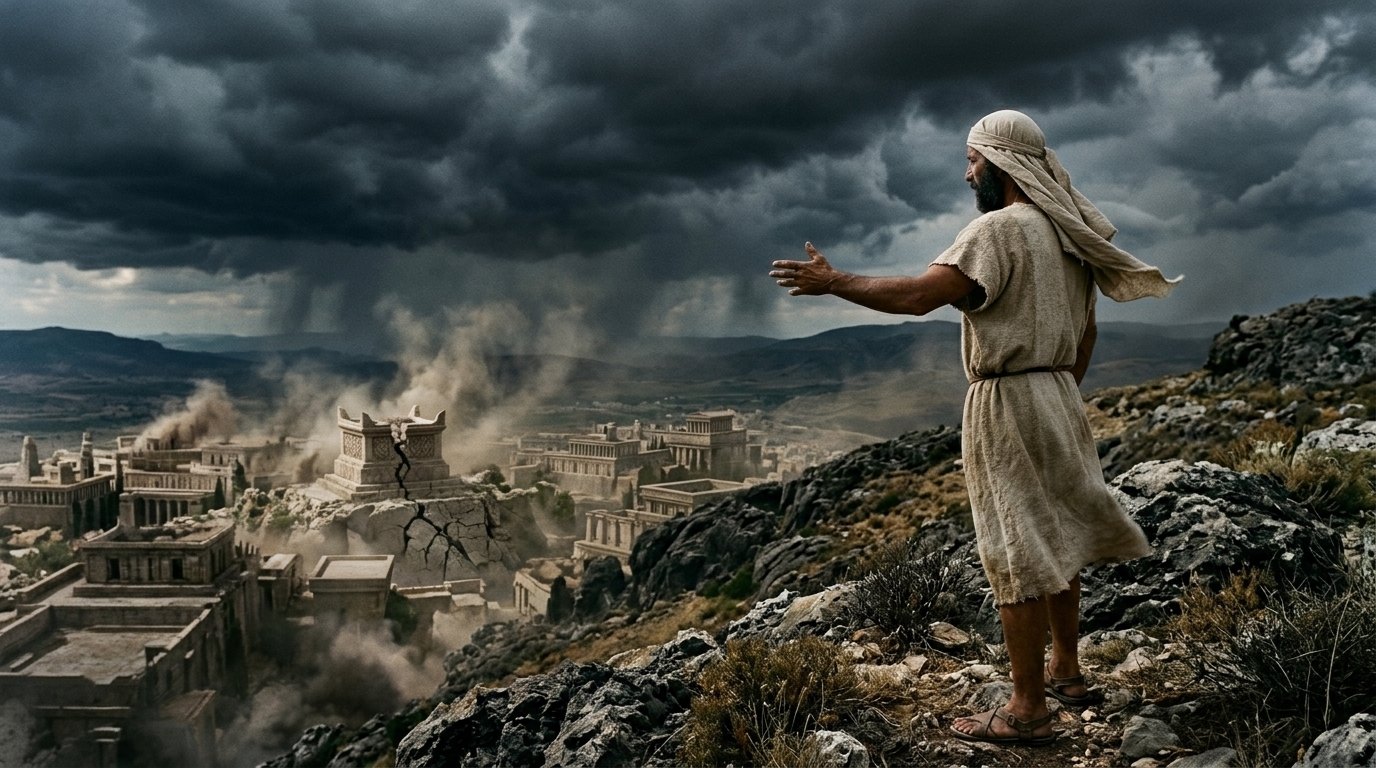
Woe to you who long for the day of the LORD! Why do you long for the day of the LORD? That day will be darkness, not light. It will be as though a man fled from a lion only to meet a bear, as though he entered his house and rested his hand on the wall only to have a snake bite him. Will not the day of the LORD be darkness, not light— pitch-dark, without a ray of brightness?
Amos 5:18-20 (NIV)
Amos shatters false security by showing that God's day brings inescapable darkness, not light, to unrepentant covenant breakers.
In Amos 5:18-20, the prophet confronts those who presume upon God's favor: the Day of the Lord is darkness, and not light, thick darkness with no brightness in it, like a man who flees from a lion only to meet a bear. Across the prophets, this day is never a trivial national victory, but the sovereign intrusion of God to humble rebellion. Isaiah announces that the Lord alone will be exalted, when human pride is brought low and terrified people fling idols of silver and gold into rocky crevices (Isaiah 2:12-19), for a cruel day of fierce wrath comes to lay the earth desolate and destroy sinners from it (Isaiah 13:9-11).
Joel summons the nation to mourn because destruction from the Almighty is near (Joel 1:15), blowing a trumpet in Zion for an unendurable day of clouds and thick gloom (Joel 2:1-11). Zephaniah echoes the alarm: the great day of the Lord is bitter, a day of distress, waste, and trumpets, where silver and gold cannot deliver anyone from the fire of divine jealousy (Zephaniah 1:14-18). Ezekiel sees a cloudy day of reckoning falling upon the nations (Ezekiel 30:3), and Obadiah warns that the deeds of every nation will return upon their own head (Obadiah 1:15). Yet this fierce purging prepares the way for God's ultimate reign: Malachi warns that the day burns like an oven to consume arrogance, while the Sun of Righteousness rises with healing in its wings for those who fear His name (Malachi 4:1-3), culminating in the Lord going forth to fight and establish His universal kingdom on Mount Olivet (Zechariah 14:1-9).
| Passage | What it says |
|---|---|
| Isaiah 2:12-19 | The day of Yahweh will humble human pride and cast idols into caves before His terrifying majesty. |
| Isaiah 13:9-11 | A cruel day of fury and fierce wrath will desolate the earth and destroy its sinners. |
| Joel 1:15 | The prophet laments the near approach of the day as destruction from the Almighty. |
| Joel 2:1-11 | A great, terrible day approaches with clouds and thick darkness that none can endure. |
| Amos 5:18-20 | The Day of the Lord is darkness and gloom with no brightness for those presuming on God. |
| Zephaniah 1:14-18 | A bitter day of distress and wrath where silver and gold cannot deliver from divine jealousy. |
| Malachi 4:1-3 | The day burns like an oven consuming the proud, while the Sun of Righteousness rises with healing. |
| Ezekiel 30:3 | A time of clouds and judgment upon the nations. |
| Obadiah 1:15 | The day approaches for all nations, returning their deeds upon their heads. |
| Zechariah 14:1-9 | The Lord goes forth to fight, establishing his kingdom over all the earth. |
Sudden Arrival
The Day Comes Unexpectedly Like a Thief in the Night
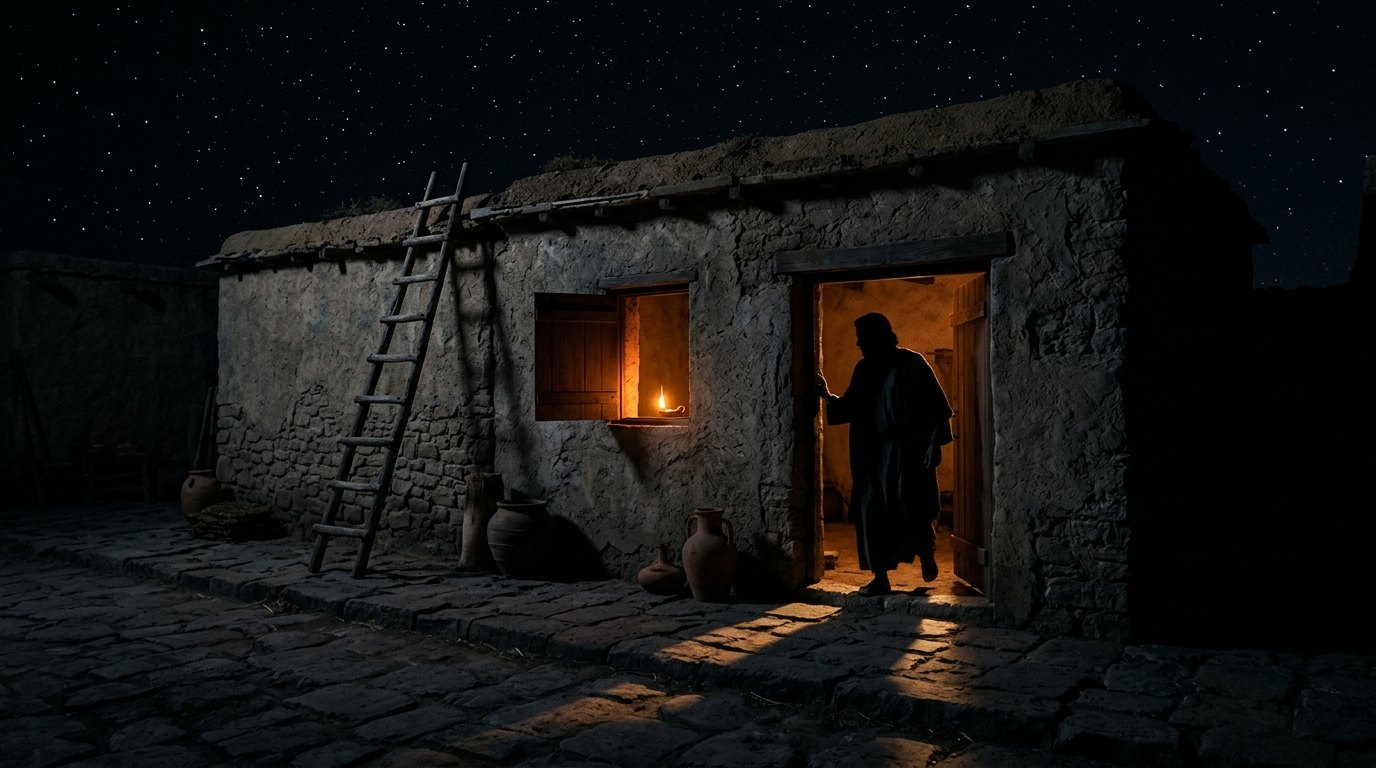
for you know very well that the day of the Lord will come like a thief in the night. While people are saying, “Peace and safety,” destruction will come on them suddenly, as labor pains on a pregnant woman, and they will not escape.
1 Thessalonians 5:2-3 (NIV)
Paul warns that while the world boasts of peace and security, sudden destruction strikes without escape.
Paul warns the Thessalonians that the day of the Lord will come like a thief in the night (1 Thessalonians 5:2-3). While humanity lulls itself into false comfort, claiming peace and security, sudden destruction comes upon them as labor pains upon a pregnant woman, and there will be no escape. The Lord's return is defined by total unexpectedness for a sleeping world, demanding constant vigilance from the children of light (1 Thessalonians 5:1-4).
Jesus Himself taught that no man knows the exact day or hour, warning that His coming will match the careless days of Noah, when people ate, drank, and married until the flood swept them all away (Matthew 24:36-44). Luke records the same sober warning: just as fire rained down unexpectedly upon Sodom in the days of Lot, so will it be on the day when the Son of Man is revealed (Luke 17:26-30). Peter underscores this suddenness, declaring that the day of the Lord will arrive like a thief, catching the unwatchful completely unawares as the heavens dissolve with a roar (2 Peter 3:10). In Revelation, the glorified Christ repeats the stark warning: Behold, I come as a thief, pronouncing a blessing on the believer who remains awake, clothed, and watchful (Revelation 16:15).
| Passage | What it says |
|---|---|
| Matthew 24:36-44 | Jesus warns that the exact hour is unknown, arriving suddenly like the flood in Noah's day. |
| 1 Thessalonians 5:1-4 | The day of the Lord comes like a thief, overtaking those who walk in darkness. |
| 2 Peter 3:10 | The day arrives like a thief as the heavens dissolve and the earth is exposed by fire. |
| Revelation 16:15 | Christ warns of His coming as a thief, blessing those who remain watchful. |
| Luke 17:26-30 | The Son of Man is revealed unexpectedly, just as in the days of Noah and Lot. |
Christ's Revelation
Jesus Appears in Flaming Fire to Judge the Earth
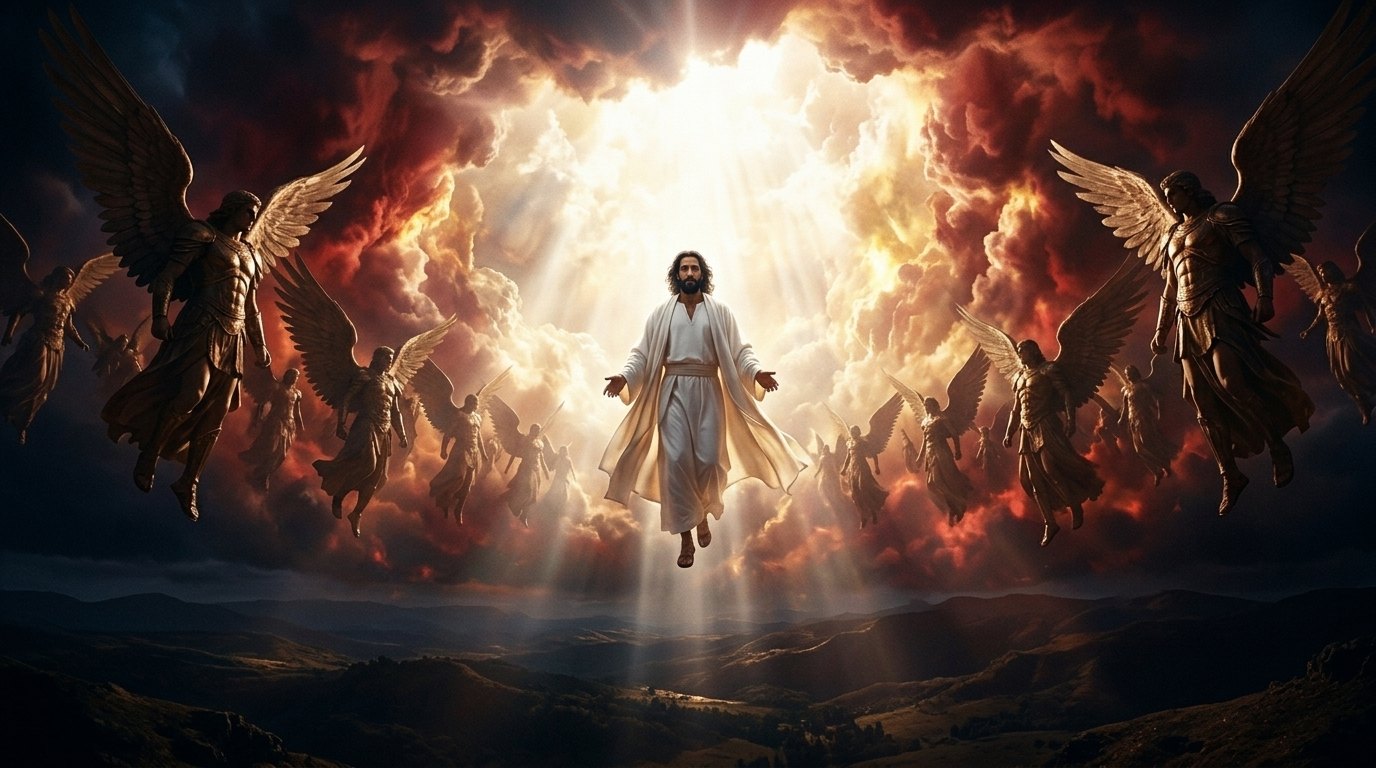
and give relief to you who are troubled, and to us as well. This will happen when the Lord Jesus is revealed from heaven in blazing fire with his powerful angels. He will punish those who do not know God and do not obey the gospel of our Lord Jesus. They will be punished with everlasting destruction and shut out from the presence of the Lord and from the glory of his might on the day he comes to be glorified in his holy people and to be marveled at among all those who have believed. This includes you, because you believed our testimony to you.
2 Thessalonians 1:7-10 (NIV)
Paul identifies Jesus Himself as the executor of divine vengeance and eternal destruction against all who reject the gospel.
Paul declares that relief will come to the afflicted when the Lord Jesus is revealed from heaven with his mighty angels in flaming fire (2 Thessalonians 1:7-10). The executor of divine wrath is the crucified and risen Christ Himself, inflicting vengeance on those who do not know God and who do not obey the gospel of our Lord Jesus, punishing them with everlasting destruction away from the presence of the Lord. The same sovereign Christ will slay the lawless one with the breath of His mouth, destroying him by the sheer brightness of His coming (2 Thessalonians 2:1-8).
This glorious revelation fulfills Christ's own prophecy: the Son of Man will come in His glory, assemble all nations before His throne, and separate the sheep from the goats in righteous judgment (Matthew 25:31-32). The apostle John witnesses this climactic moment in vision: heaven opened to reveal a white horse whose rider is called Faithful and True (Revelation 19:11-16). Clothed in a robe dipped in blood and bearing the name King of kings and Lord of lords, Christ strikes down the nations, ruling them with a rod of iron and treading the winepress of the fury of the wrath of God the Almighty.
| Passage | What it says |
|---|---|
| Matthew 25:31-32 | The Son of Man sits on His glorious throne to separate all nations before Him. |
| 2 Thessalonians 1:7-10 | Jesus is revealed from heaven in flaming fire, inflicting vengeance and eternal destruction upon the ungodly. |
| 2 Thessalonians 2:1-8 | The day of the Lord overthrows the man of lawlessness by the breath of Christ's mouth. |
| Revelation 19:11-16 | The King of kings rides forth in righteousness to judge, wage war, and tread the winepress of God's wrath. |
Cosmic Dissolution
Creation Is Purged by Fire for the New Earth

Since everything will be destroyed in this way, what kind of people ought you to be? You ought to live holy and godly lives as you look forward to the day of God and speed its coming. That day will bring about the destruction of the heavens by fire, and the elements will melt in the heat. But in keeping with his promise we are looking forward to a new heaven and a new earth, where righteousness dwells.
2 Peter 3:11-13 (NIV)
Peter anchors Christian hope in the total dissolution of the old order to make way for a righteous new creation.
Peter anchors the believer's future in cosmic renewal, asking what sort of people ought you to be in lives of holiness and godliness, waiting for and hastening the coming of the day of God (2 Peter 3:11-13). Because the heavens will be set on fire and dissolved, believers do not despair; rather, according to his promise we are waiting for new heavens and a new earth in which righteousness dwells. The present cosmos is preserved by divine decree, stored up for fire against the day of judgment of ungodly men (2 Peter 3:7).
This fiery renewal fulfills Isaiah's ancient prophecy that though the heavens vanish like smoke and the earth wears out like a garment, God's salvation will endure forever (Isaiah 51:6). Jesus reaffirmed that heaven and earth will pass away, but His eternal words will never pass away (Matthew 24:35). At the final judgment, earth and sky flee from the terrifying presence of Him who sits on the great white throne, finding no place (Revelation 20:11). In their place, John sees a new heaven and a new earth descending, where God wipes away every tear, banishing death, sorrow, and pain forever in the presence of His redeemed people (Revelation 21:1-4).
| Passage | What it says |
|---|---|
| Isaiah 51:6 | Heavens vanish like smoke and earth wears out, but God's salvation stands forever. |
| Matthew 24:35 | Jesus declares that heaven and earth will pass away, but His words will never pass away. |
| 2 Peter 3:7 | Present heavens and earth are stored up for fire until the day of judgment of ungodly men. |
| 2 Peter 3:11-13 | Believers anticipate new heavens and a new earth where righteousness dwells after cosmic fire. |
| Revelation 20:11 | Earth and sky flee from the face of Him who sits on the great white throne. |
| Revelation 21:1-4 | A new heaven and new earth appear where God dwells with man, ending sorrow and death. |
Salvation Delivered
Whoever Calls on the Name of the Lord Is Saved
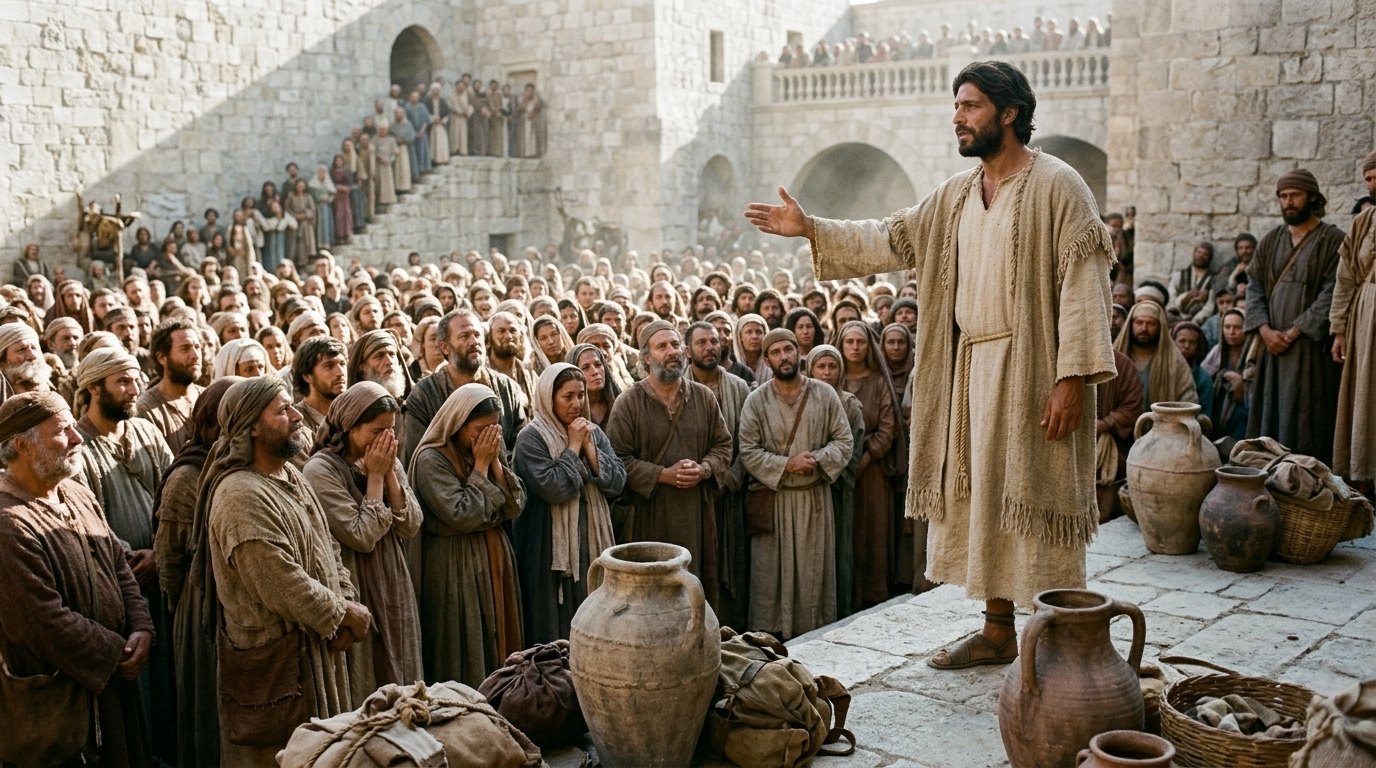
The sun will be turned to darkness and the moon to blood before the coming of the great and dreadful day of the LORD. And everyone who calls on the name of the LORD will be saved; for on Mount Zion and in Jerusalem there will be deliverance, as the LORD has said, even among the survivors whom the LORD calls.
Joel 2:31-32 (NIV)
Joel offers the decisive promise of deliverance before the great day, which Peter announces is fulfilled in Christ.
In Joel 2:31-32, the prophet announces the terrifying prelude of the sun turned to darkness and the moon to blood, yet pivots immediately to a glorious promise of mercy: everyone who calls on the name of the Lord will be saved. When the Day of the Lord dawns in its full fury, rescue is not found in human strength, earthly fortresses, or ritual lineage, but solely in Yahweh Himself. On the Day of Pentecost, the Apostle Peter cites Joel directly in Acts 2:20-21, proclaiming that this long-awaited day of refuge has arrived in Jesus Christ. Peter preaches that God has made Jesus both Lord and Christ, commanding in Acts 2:36-39 that all who hear must repent and be baptized in His name, receiving forgiveness and the Holy Spirit across every generation.
The New Testament confirms that the Messiah is Himself the shelter from the storm. Paul reiterates Joel's promise in Romans 10:13, showing that whoever confesses Jesus as Lord and calls upon Him will never be put to shame. In 1 Thessalonians 1:10, believers are marked as those who wait for God's Son from heaven, who delivers us from the coming wrath. This deliverance is not uncertain or accidental; as 1 Thessalonians 5:9-10 declares, God has not destined us for wrath, but to obtain salvation through our Lord Jesus Christ, who died for us so that we might live with Him.
Consequently, the New Testament letters reframe the dread of judgment into expectant hope for the saints. In 1 Corinthians 1:8, Christ guarantees to sustain His people blameless to the end, on the day of our Lord Jesus Christ. Even severe church discipline, Paul explains in 1 Corinthians 5:5, seeks the ultimate restoration of the sinner so that his spirit may be saved in that day. For the faithful, this day will bring mutual rejoicing, as Paul anticipates boasting in the Corinthian believers just as they boast in him (2 Corinthians 1:14). Believers can rest in the certainty of Philippians 1:6 that He who began a good work in them will bring it to completion at the day of Jesus Christ. Until then, the call remains to walk pure and blameless (Philippians 1:10), holding fast the word of life so that labor in the gospel is not in vain (Philippians 2:16).
| Passage | What it says | Fulfilled |
|---|---|---|
| Joel 2:31-32 | Before the great and terrible day arrives, everyone who calls on the name of Yahweh will be saved. | Acts 2:20-21, Romans 10:13 |
| Acts 2:36-39 | Peter calls Israel to repent and be baptized in Jesus' name to escape the coming judgment. | |
| 1 Thessalonians 1:10 | Believers wait for Jesus from heaven, who delivers them from the coming wrath. | |
| 1 Thessalonians 5:9-10 | God has not destined believers for wrath, but to obtain salvation through the Lord Jesus Christ. | |
| Romans 10:13 | Everyone who calls on the name of the Lord will be saved. | |
| 1 Corinthians 1:8 | Believers are sustained blameless in the day of our Lord Jesus Christ. | |
| 1 Corinthians 5:5 | Spiritual discipline aims at the salvation of the spirit in the Day of the Lord. | |
| 2 Corinthians 1:14 | Believers will boast of one another in the Day of our Lord Jesus. | |
| Philippians 1:6 | The good work begun in believers will be completed at the Day of Jesus Christ. | |
| Philippians 1:10 | Believers are exhorted to be pure and blameless for the Day of Christ. | |
| Philippians 2:16 | Holding fast the word of life provides ground to boast in the Day of Christ. |
Patient Delay
God's Longsuffering Calls Every Sinner to Repentance
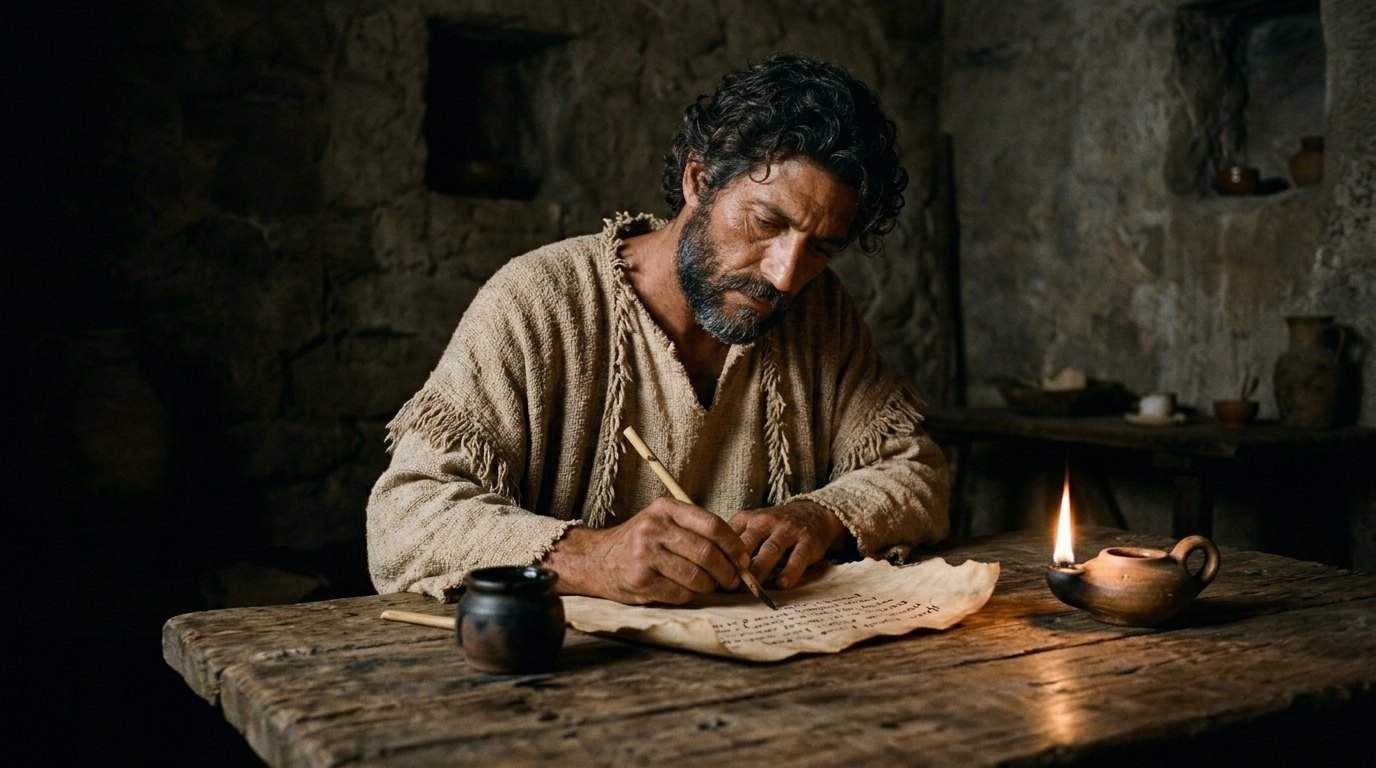
The Lord is not slow in keeping his promise, as some understand slowness. Instead he is patient with you, not wanting anyone to perish, but everyone to come to repentance.
2 Peter 3:9 (NIV)
Peter clarifies that the apparent delay of Christ's return is merciful patience designed to bring sinners to repentance.
In 2 Peter 3:9, Peter confronts the scoffing skepticism of the world by uncovering God's heart: the Lord is not slow to fulfill his promise as some count slowness, but is patient toward you, not wishing that any should perish, but that all should reach repentance. While mockers deride the delay of Christ's return, assuming that the stability of the natural order disproves divine intervention, the apostle reveals that the ticking of the clock is pure mercy. What human impatience misinterprets as sluggishness or indifference is actually the longsuffering restraint of God, holding open the door of the ark before the final deluge of fire.
This principle runs through the whole counsel of Scripture. In Romans 2:4-5, Paul rebukes those who presume upon the riches of God's kindness, tolerance, and patience. He warns that God's kindness is designed explicitly to lead sinners toward repentance; those who stubbornly refuse are merely storing up wrath for themselves on the day of God's righteous judgment. Time is not neutral; every unhurried day granted to the world is an active summons to abandon sin and flee to the cross. Peter reinforces this in 2 Peter 3:8 by reminding believers that with the Lord one day is as a thousand years, and a thousand years as one day. Human chronologies cannot measure eternal fidelity.
Because the present delay is driven by divine forbearance, it places a profound responsibility on all who wait. In 2 Peter 3:14-15, Peter exhorts believers to make every effort to be found by Christ without spot or blemish, and at peace with Him. We are commanded to count the patience of our Lord as salvation itself, recognizing that every sunrise offers life to those who have not yet believed. The Day of the Lord will indeed arrive with shocking suddenness, but until that hour strikes, God's enduring patience is the fertile ground where repentance bears fruit.
| Passage | What it says |
|---|---|
| Romans 2:4-5 | God's kindness leads toward repentance, while hard hearts store up wrath for the day of judgment. |
| 2 Peter 3:8-9 | The Lord is not slow, but patient, not wishing any to perish but all to reach repentance. |
| 2 Peter 3:14-15 | Believers are urged to count the patience of the Lord as salvation while striving to be found spotless. |
Where in the Bible
| Book | Passages |
|---|---|
| Isaiah | 3 · Isaiah 2:12-19, Isaiah 13:9-11, Isaiah 51:6 |
| Ezekiel | 1 · Ezekiel 30:3 |
| Joel | 3 · Joel 1:15, Joel 2:1-11, Joel 2:31-32 |
| Amos | 1 · Amos 5:18-20 |
| Obadiah | 1 · Obadiah 1:15 |
| Zephaniah | 1 · Zephaniah 1:14-18 |
| Zechariah | 1 · Zechariah 14:1-9 |
| Malachi | 1 · Malachi 4:1-3 |
| Matthew | 3 · Matthew 24:36-44, Matthew 25:31-32, Matthew 24:35 |
| Luke | 1 · Luke 17:26-30 |
| Acts | 1 · Acts 2:36-39 |
| Romans | 2 · Romans 10:13, Romans 2:4-5 |
| 1 Corinthians | 2 · 1 Corinthians 1:8, 1 Corinthians 5:5 |
| 2 Corinthians | 1 · 2 Corinthians 1:14 |
| Philippians | 3 · Philippians 1:6, Philippians 1:10, Philippians 2:16 |
| 1 Thessalonians | 3 · 1 Thessalonians 5:1-4, 1 Thessalonians 1:10, 1 Thessalonians 5:9-10 |
| 2 Thessalonians | 2 · 2 Thessalonians 1:7-10, 2 Thessalonians 2:1-8 |
| 2 Peter | 5 · 2 Peter 3:10, 2 Peter 3:7, 2 Peter 3:11-13, 2 Peter 3:8-9, 2 Peter 3:14-15 |
| Revelation | 4 · Revelation 16:15, Revelation 19:11-16, Revelation 20:11, Revelation 21:1-4 |
The story in order
- God's judgment on nations (c. 840 BC) · Obadiah 1:15 · The day approaches for all nations, returning their deeds upon their heads.
- Day of Yahweh humbles pride (c. 740 BC) · Isaiah 2:12-19 · The day will humble human pride and cast idols into caves before His majesty.
- Day of Yahweh is darkness (c. 760 BC) · Amos 5:18-20 · The Day of the Lord is darkness and gloom with no brightness for those presuming on God.
- Day of Yahweh burns like oven (c. 400 BC) · Malachi 4:1-3 · The day burns like an oven consuming the proud, while the Sun of Righteousness rises with healing.
- Jesus warns of sudden arrival (c. AD 30) · Matthew 24:36-44 · Jesus warns that the exact hour is unknown, arriving suddenly like the flood.
- Day comes like a thief (c. AD 50) · 1 Thessalonians 5:1-4 · The day of the Lord comes like a thief, overtaking those who walk in darkness.
- Lord's patience leads to repentance (c. AD 65) · 2 Peter 3:8-9 · The Lord is not slow, but patient, not wishing any to perish but all to reach repentance.
- Day arrives with fire (c. AD 65) · 2 Peter 3:10 · The day arrives like a thief as the heavens dissolve and the earth is exposed by fire.
- Christ returns in flaming fire (c. AD 50) · 2 Thessalonians 1:7-10 · Jesus is revealed from heaven in flaming fire, inflicting vengeance upon the ungodly.
- Lord judges nations (c. AD 30) · Matthew 25:31-32 · The Son of Man sits on His glorious throne to separate all nations before Him.
- New heavens and earth (c. AD 95) · Revelation 21:1-4 · A new heaven and new earth appear where God dwells with man, ending sorrow and death.
Key words
- Day of the Lord
- God's decisive, appointed intervention in history for final judgment and full salvation. · Isaiah 2:12
- Wrath
- God's fierce anger against sin and rebellion, poured out in judgment. · Isaiah 13:9
- Salvation
- Deliverance from judgment and sin, and restoration to God through Christ. · Joel 2:32
- Judgment
- God's righteous verdict and execution of sentence upon sin and sinners. · Obadiah 1:15
- New Heavens and New Earth
- The renewed creation where righteousness dwells, established after the Day of the Lord. · Isaiah 51:6
- Flaming Fire
- The intense, purifying judgment associated with Christ's return. · 2 Thessalonians 1:8
Because this climactic day will arrive suddenly, God's current patience is an urgent summons to turn to Christ before judgment falls. Believers are not appointed to wrath but called to live holy, watchful lives as they look with joyful anticipation to the day of His appearing.
39 passages, each cited once.
How the major Christian traditions read this
All major Christian traditions confess together that the Day of the Lord culminates in the bodily return of Jesus Christ to judge the living and the dead, destroy wickedness, and inaugurate the new creation (2 Peter 3:10; 2 Thessalonians 1:7-10).
Catholic
In the Catholic tradition, the Day of the Lord is understood as the Parousia—the glorious, visible return of Jesus Christ at the end of history. Holy Scripture teaches that when Christ returns, the general resurrection occurs, where all the dead are raised and judged according to their works (Matthew 25:31-46; Revelation 20:11-15). We reject millenarian expectations of an earthly political kingdom before or after this event; Christ already reigns through His Church. His coming brings the total purification and transformation of creation by fire, resulting in the new heavens and new earth where God's redeemed dwell eternally in the beatific vision (2 Peter 3:10-13).
Scripture: Matthew 25:31-46, Revelation 20:11-15, 2 Peter 3:10-13
Orthodox
Orthodox theology reads the Day of the Lord as the great and final epiphany of God's uncreated glory. Scripture reveals that Christ shall return suddenly as a thief, bringing an end to this present fallen age (1 Thessalonians 5:2; 2 Peter 3:10). His return is accompanied by the universal resurrection of the dead and the final judgment. The fiery dissolution described by the Apostle Peter is not the annihilation of the world, but its transfiguration, as creation is purged of decay and suffused with divine life (Romans 8:19-21; 2 Peter 3:12-13). For those who love God, this day is unending light; for those who reject Him, His glorious presence is experienced as burning judgment.
Scripture: 1 Thessalonians 5:2, 2 Peter 3:10, Romans 8:19-21, 2 Peter 3:12-13
Lutheran
Lutherans confess that the Day of the Lord is the single, decisive end of the world when our Lord Jesus Christ appears in glory to judge all men, as confessed in the creeds. Scripture promises that on that day, Christ raises the dead, grants eternal life to all who trust in Him, and condemns the ungodly to eternal punishment (John 5:28-29; Matthew 25:46). We reject Jewish and chiliastic dreams of a golden thousand-year earthly kingdom prior to the final judgment (Augsburg Confession XVII). The fiery passing of the heavens and earth clears the way for the promised new creation, calling believers to present sobriety, faith, and holy living (2 Peter 3:10-14).
Scripture: John 5:28-29, Matthew 25:46, 2 Peter 3:10-14
Reformed & Presbyterian
In Reformed and Presbyterian teaching, the Day of the Lord is the consummation of God's redemptive covenant. Holding predominantly to amillennialism (and in some streams, postmillennialism), we believe the millennium of Revelation 20 represents Christ's present reign from heaven over His church. When the Day arrives, it comes suddenly and decisively (1 Thessalonians 5:2-3). Christ appears bodily to raise the just and the unjust simultaneously, to execute the final judgment, and to renovate creation through cosmic fire into the new heavens and earth (2 Peter 3:10-13; Acts 24:15). It is the final victory of the King, vindicating His sovereign grace and righteous judgment.
Scripture: 1 Thessalonians 5:2-3, 2 Peter 3:10-13, Acts 24:15, Revelation 20:1-6, Revelation 20
Anglican & Episcopal
Anglicans stand with the historic, creedal consensus: Christ ascended with flesh and bones and sits at the Father's right hand until He returns to judge all men at the last day (Thirty-Nine Articles, Article IV). The Day of the Lord is this final parousia, when the temporal order is brought to a close by divine intervention. According to Holy Scripture, the present creation will pass through the purifying fire of judgment, yielding to the new heavens and new earth where righteousness dwells (2 Peter 3:10-13). Anglicans avoid rigid speculative timelines, anchoring our hope in Christ's sudden, bodily return and the resurrection of the dead (1 Thessalonians 4:16-17).
Scripture: 2 Peter 3:10-13, 1 Thessalonians 4:16-17
Baptist
Baptists confess the bodily return of the Lord Jesus in glory to judge the quick and the dead (Baptist Confession of 1689, Chapter 32). While Baptists encompass historic premillennial, amillennial, and dispensational views, all hold that the Day of the Lord represents God's decisive, righteous reckoning. Many Baptists view the Day as encompassing both the catastrophic judgment of the great tribulation and the bodily return of Christ with His saints (Zechariah 14:1-5; 1 Thessalonians 5:1-4). This sober reality is the driving impetus for evangelism and holy living, since God patiently delays only so that sinners may come to repentance before judgment falls (2 Peter 3:9-11).
Scripture: Zechariah 14:1-5, 1 Thessalonians 5:1-4, 2 Peter 3:9-11
Methodist & Wesleyan
Methodists and Wesleyans understand the Day of the Lord in light of Christ's triumph and the universal call to holiness. Holy Scripture teaches that Christ will return visibly at the last day to judge all mankind (Methodist Articles, Article III). Because this day comes without warning like a thief in the night, the Christian life must be marked by sanctification, watchful sobriety, and loving obedience (1 Thessalonians 5:2-6; 2 Peter 3:11-14). God's long-suffering delay is rooted in His perfect love, desiring that all should repent and none should perish (2 Peter 3:9). When that day dawns, Christ destroys sin, restores creation, and brings His redeemed into everlasting communion.
Scripture: 1 Thessalonians 5:2-6, 2 Peter 3:9, 2 Peter 3:11-14
Pentecostal & Charismatic
Pentecostals predominantly hold a classical premillennial or dispensational view of the Day of the Lord. We read this Day as beginning after the rapture of the church, unfolding across the dark period of the great tribulation, and culminating in the visible return of Christ to overthrow the Antichrist and establish His literal thousand-year reign on earth (Revelation 19:11-20:6; 1 Thessalonians 5:2-9). The baptism of the Holy Spirit and the ongoing gifts are understood as Joel's promised outpouring for the 'last days' before this terrible Day arrives (Joel 2:28-32; Acts 2:16-21). Peter's description of final cosmic fire is the ultimate culmination following the millennium (2 Peter 3:10; Revelation 20:7-15).
Scripture: 1 Thessalonians 5:2-9, Joel 2:28-32, Acts 2:16-21, 2 Peter 3:10, Revelation 19:11-20
Non-denominational & Evangelical
Non-denominational and evangelical believers emphasize the plain biblical warnings of the Day of the Lord. Many hold premillennial views—often dispensational—interpreting the Day of the Lord as an extended period of divine intervention that includes the tribulation, the battle of Armageddon, the literal millennial reign, and the final renovation of the cosmos by fire (1 Thessalonians 5:2-3; Revelation 20:1-15; 2 Peter 3:10-13). Others hold to amillennial views. Regardless of millennial timelines, the emphasis rests heavily on personal readiness, unwavering trust in Jesus Christ as the only deliverer from the wrath to come, and energetic global evangelism (1 Thessalonians 1:10; 2 Peter 3:9).
Scripture: 1 Thessalonians 5:2-3, 1 Thessalonians 1:10, 2 Peter 3:10-13, Revelation 20:1-15, 2 Peter 3:9
Where they differ
Timing regarding an earthly millennium
- Catholic
- Christ returns at history's end with no literal earthly millennium.
- Orthodox
- Christ returns directly for judgment and renewal, not an earthly reign.
- Lutheran
- Rejects an earthly golden age; Christ returns directly to judge.
- Reformed & Presbyterian
- The millennium is Christ's present spiritual reign before His final return.
- Anglican & Episcopal
- Holds the historic view of Christ returning to judge all directly.
- Baptist
- Many hold Christ returns before establishing a literal earthly millennial kingdom.
- Methodist & Wesleyan
- Focuses on Christ's final return without requiring an earthly thousand-year kingdom.
- Pentecostal & Charismatic
- Christ returns bodily before inaugurating a literal thousand-year earthly reign.
- Non-denominational & Evangelical
- Commonly teaches Christ returns prior to a literal earthly millennium.
Scripture: Revelation 20:1-6, 2 Peter 3:10
Scope of the Day's events
- Catholic
- A single climatic event concluding human history and initiating eternity.
- Orthodox
- The single final unveiling of God's presence transfiguring all creation.
- Lutheran
- One final day of universal resurrection, judgment, and cosmic destruction.
- Reformed & Presbyterian
- A single culminating day encompassing simultaneous resurrection and universal judgment.
- Anglican & Episcopal
- The singular last day when Christ comes to judge all.
- Baptist
- Often includes both the tribulation period and the final judgment.
- Methodist & Wesleyan
- The final day of general judgment and consummation of redemption.
- Pentecostal & Charismatic
- An extended period encompassing tribulation, millennial kingdom, and final fire.
- Non-denominational & Evangelical
- Frequently understood as spanning from the tribulation through the millennium.
Scripture: 1 Thessalonians 5:1-4, 2 Peter 3:10-12
Your pastor can tell you where your church stands.
Scripture cited
- 2 Peter 3:10-13
- Revelation 21:1
- 2 Peter 3:7
- Joel 2:28-32
- 1 Thessalonians 5:1-11
- Acts 2:14-21
- 2 Peter 3:1-18
- Isaiah 13:6-13
- Amos 5:18-20
- 2 Thessalonians 1:7-10
- Acts 2:36-41