What is the gift of prophecy?

1 Corinthians 14:1-3
1 Follow the way of love and eagerly desire gifts of the Spirit, especially prophecy.
2 For anyone who speaks in a tongue does not speak to people but to God. Indeed, no one understands them; they utter mysteries by the Spirit.
3 But the one who prophesies speaks to people for their strengthening, encouraging and comfort.
New International Version (NIV)
The answer
The gift of prophecy is the Holy Spirit enabling a believer to receive and speak a message from God for the strengthening of others. Its defining purpose is not displaying insight or predicting events, but building people up: “he who prophesies speaks to men for their edification, exhortation, and consolation” (1 Corinthians 14:3).
Where the gift comes from
Prophecy is one of the manifestations of the Spirit given “for the profit of all.” The same Spirit distributes the gifts “as he desires” (1 Corinthians 12:7-11). It is therefore a spiritual gift, not merely natural intuition, eloquence, or personal opinion, and it is meant to serve others rather than exalt the speaker.
What prophecy can involve
- Strengthening and encouragement: Prophecy speaks intelligibly to people, unlike uninterpreted tongues, which address God rather than the hearers (1 Corinthians 14:2-3). Its fruit is that people learn, are exhorted, and are built up (1 Corinthians 14:26, 31).
- Revelation: Paul connects prophecy with receiving a revelation during the gathering; if another person receives one, the first speaker gives way (1 Corinthians 14:29-30).
- Foretelling, when God chooses: Agabus “indicated by the Spirit” that a severe famine was coming. The prophecy moved the disciples to send practical relief to fellow believers (Acts 11:27-30). Prediction can therefore be part of prophecy, but knowing the future is not its essential definition.
How Scripture governs its use
- With love and eagerness: “Follow after love and earnestly desire spiritual gifts, but especially that you may prophesy” (1 Corinthians 14:1). Prophecy is to be desired because it helps people, not pursued for spiritual status.
- With order and self-control: Two or three prophets may speak while the others discern. The speaker remains able to give way, because “the spirits of the prophets are subject to the prophets,” and God is a God of peace, not confusion (1 Corinthians 14:29-33).
- With testing, not blind acceptance: “Don’t despise prophecies. Test all things, and hold firmly that which is good” (1 Thessalonians 5:20-21). Every claimed prophecy must be weighed and must agree with God’s written Word; a message contrary to Scripture fails that test.
Paul consequently tells the church to earnestly desire prophecy rather than forbid or dismiss it (1 Corinthians 14:39). The proper response is neither credulity nor contempt: welcome the Spirit’s work, examine every claimed message by Scripture, and retain what is good.
Answered from Scripture · reviewed November 11, 2026
Scripture defines the gift of prophecy as the Holy Spirit empowering believers to speak God's timely truth to others for edification, exhortation, and comfort. Rooted in God's eternal revelation, this spiritual gift functions within the gathered assembly to direct hearts toward Christ, expose sin, and strengthen the faithful. Tracing its nature, function, and safeguards across both Testaments reveals how God continues to build up His church through His spoken Word.
Purpose and Nature
Prophecy builds up, encourages, and comforts the church
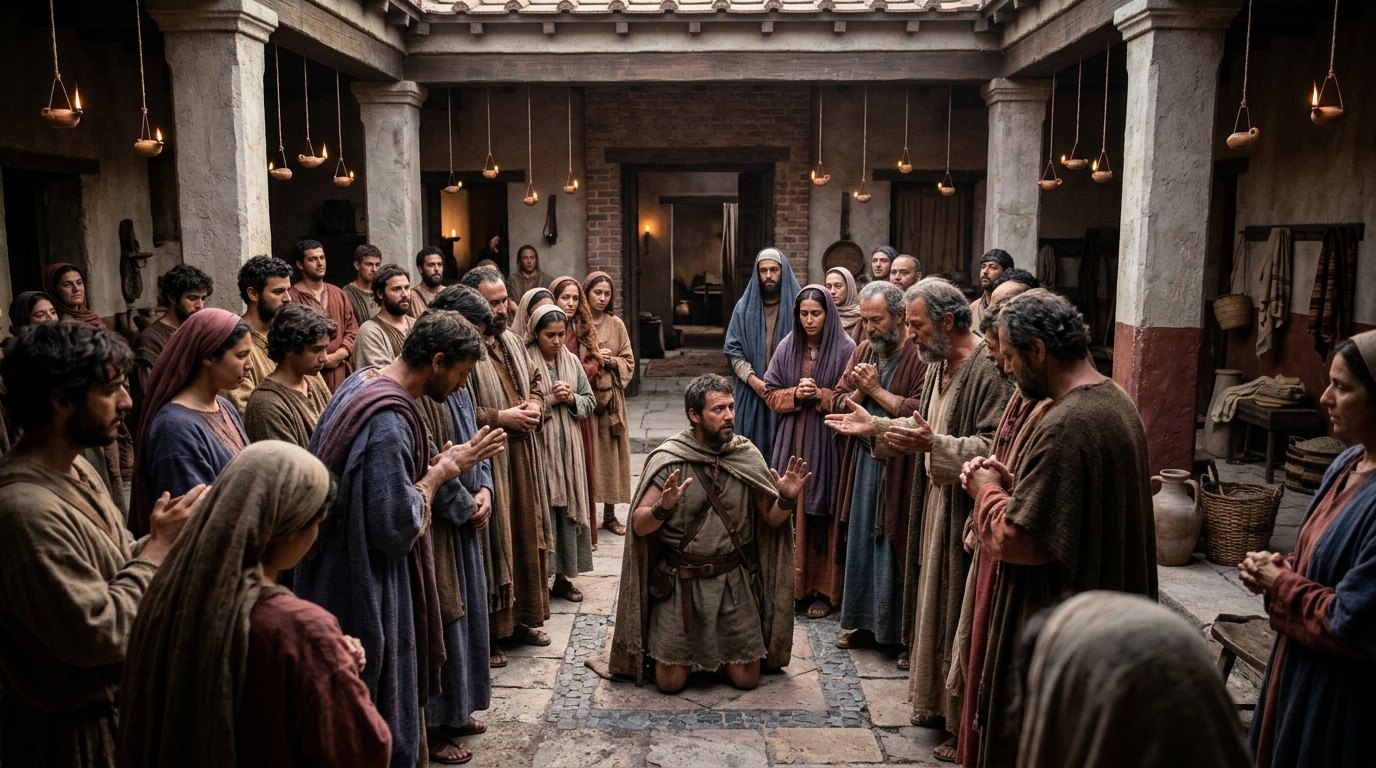
But the one who prophesies speaks to people for their strengthening, encouraging and comfort.
1 Corinthians 14:3 (NIV)
Paul defines the distinct tri-fold fruit of true New Testament prophecy as edification, exhortation, and comfort.
Paul identifies the pastoral heartbeat of this spiritual endowment in 1 Corinthians 14:3, declaring that the one who prophesies speaks to people for their edification, exhortation, and consolation. Rather than producing esoteric puzzles or speculative timelines, the gift of prophecy is designed by God to build up the spiritual vitality of the gathered church. Believers are directly commanded in 1 Corinthians 14:1 to pursue love and eagerly desire spiritual gifts, especially that they may prophesy, because while an uninterpreted tongue ministers solely to the speaker, the one who prophesies strengthens the entire assembly (1 Corinthians 14:4). Prophecy serves as a sign directed toward believers (1 Corinthians 14:22), yet its convicting power extends outward: when unbelievers enter an assembly where all prophesy, they find themselves judged and convicted by all (1 Corinthians 14:24). The hidden secrets of their hearts are brought into the light, causing them to fall face downward and worship God, openly acknowledging that the Lord is truly among His people (1 Corinthians 14:25).
Because the gift aims at mutual growth, its operation must reflect clarity and submission. If a spontaneous revelation comes to another believer who is seated, the first speaker is instructed to yield and keep silence (1 Corinthians 14:30), demonstrating that revelation serves the body rather than personal elevation. In this way, all may prophesy in turn so that everyone learns and everyone is encouraged (1 Corinthians 14:31). Far from dampening spiritual fervor, the apostolic conclusion commands the church to earnestly desire to prophesy while forbidding none from speaking in tongues (1 Corinthians 14:39), anchoring all vocal ministry in love.
| Passage | What it says |
|---|---|
| 1 Corinthians 14:1 | Believers are commanded to pursue love and earnestly desire spiritual gifts, especially that they may prophesy. |
| 1 Corinthians 14:3 | He who prophesies speaks to people for their edification, exhortation, and consolation. |
| 1 Corinthians 14:4 | The one who speaks in a tongue edifies himself, but the one who prophesies edifies the whole church. |
| 1 Corinthians 14:24 | When an unbeliever enters and all prophesy, he is convicted by all and judged by all. |
| 1 Corinthians 14:25 | The secrets of his heart are made manifest, leading him to fall down and worship God. |
| 1 Corinthians 14:31 | All may prophesy one by one so that all may learn and all may be encouraged. |
| 1 Corinthians 14:39 | Brethren are instructed to earnestly desire to prophesy and not to forbid speaking in tongues. |
| 1 Corinthians 14:22 | Prophecy serves as a sign not for unbelievers but for believers. |
| 1 Corinthians 14:30 | If a revelation comes to another sitting by, the first must hold his peace. |
Divine Origin
The Holy Spirit imparts the gift by sovereign will

For prophecy never had its origin in the human will, but prophets, though human, spoke from God as they were carried along by the Holy Spirit.
2 Peter 1:21 (NIV)
Scripture explicitly states that prophecy never originates from human will but from holy men carried along by the Holy Spirit.
The authoritative nature of prophetic speech rests entirely upon its sovereign source, as 2 Peter 1:21 makes plain: no prophecy was ever produced by the will of man, but men spoke from God as they were carried along by the Holy Spirit. Because no authentic word of Scripture originates from private interpretation or human ingenuity (2 Peter 1:20), true prophecy is never an achievement of intellectual skill, nor is it subject to human manipulation. It is an unearned enablement imparted through divine grace.
This principle carries directly into the life of the local church. The apostle Paul outlines in 1 Corinthians 12:4 that while there are diversities of gifts, they all proceed from the same Holy Spirit. Within that unified body, the Spirit distributes miraculous powers to one and the manifestation of prophecy to another (1 Corinthians 12:10). No individual selects their own spiritual gifting; rather, the one and the selfsame Spirit distributes gifts individually to each person exactly as He determines (1 Corinthians 12:11). Consequently, those endowed with this grace must exercise it with humility and fidelity, functioning in strict accordance with the proportion of faith God has allotted (Romans 12:6). Prophecy is never the creature of human enthusiasm or fleshly exertion; it remains from beginning to end a sovereign, Spirit-wrought ministry designed to manifest Christ's lordship among His people.
| Passage | What it says |
|---|---|
| 2 Peter 1:20 | No prophecy of Scripture is of any private interpretation or self-origin. |
| 2 Peter 1:21 | Holy men of God spoke as they were moved and carried along by the Holy Spirit. |
| 1 Corinthians 12:4 | There are diversities of gifts, but the same Spirit distributes them all. |
| 1 Corinthians 12:10 | To another is given the working of miracles, and to another prophecy, by the same Spirit. |
| 1 Corinthians 12:11 | The one and the same Spirit distributes to each one individually as He wills. |
| Romans 12:6 | Gifts differ according to grace, and prophecy must be exercised in proportion to faith. |
Promised Outpouring
Joel's promise unfolds across the New Covenant era
“And afterward, I will pour out my Spirit on all people. Your sons and daughters will prophesy, your old men will dream dreams, your young men will see visions.
Joel 2:28 (NIV)
God declares that in the last days His Spirit will be poured out upon all flesh, causing sons and daughters to prophesy.
Long before the New Covenant was inaugurated, Moses gave voice to the Lord's redemptive intention in Numbers 11:29, crying out that he wished all the Lord's people were prophets and that the Lord would put His Spirit upon them. Centering this redemptive hope, the prophet Joel foretold that the Lord would pour out His Spirit upon all flesh, enabling sons and daughters to prophesy (Joel 2:28), extending this gracious effusion even to male and female servants (Joel 2:29). This ancient promise found its climactic inaugural fulfilment on the Day of Pentecost (Acts 2:16–18), when Peter announced that the risen Christ had poured forth the long-awaited Spirit upon all believers without distinction of age, gender, or status.
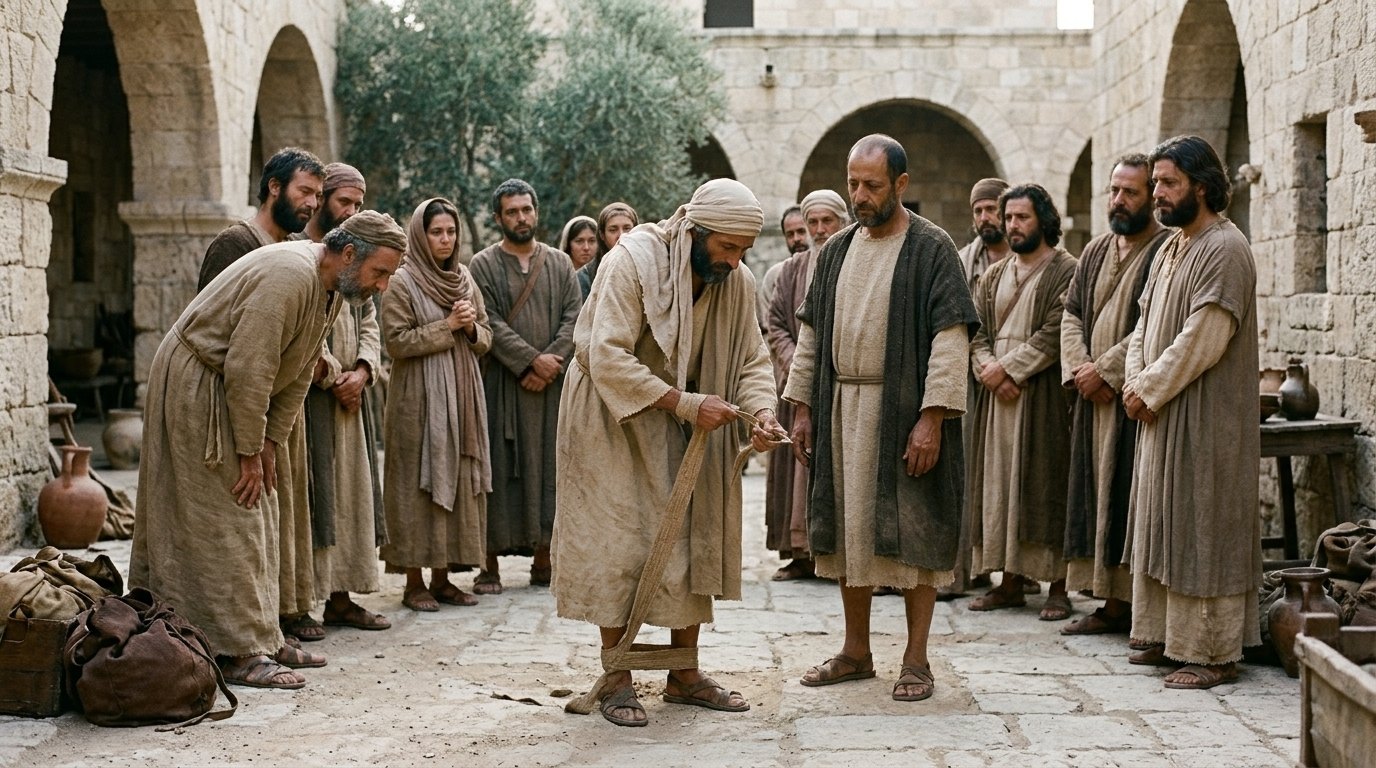
The historical record of the early church demonstrates this promise in continual, active fulfilment. Zechariah had already exemplified this prophetic impulse under the dawn of the New Covenant, being filled with the Holy Spirit to proclaim the coming Horn of salvation (Luke 1:67). In Ephesus, twelve disciples received the Holy Spirit under Paul's hands and immediately began speaking in tongues and prophesying (Acts 19:6). At Caesarea, Philip the evangelist lived with four virgin daughters gifted by the Spirit with prophecy (Acts 21:9). Recognised prophets also ministered across regions: a company traveled from Jerusalem to Antioch (Acts 11:27), where Agabus accurately foretold a global famine (Acts 11:28). Prophets and teachers served the Lord together at Antioch (Acts 13:1), and prophets like Judas and Silas strengthened the brethren with abundant exhortation (Acts 15:32). Later, Agabus dramatically bound his own hands and feet with Paul's belt to signify the apostle's imminent capture in Jerusalem (Acts 21:10–11), proving the Spirit's continued revelatory guidance in the apostolic era.
| Passage | What it says | Fulfilled |
|---|---|---|
| Numbers 11:29 | Moses expresses the longing that all the Lord's people were prophets and endowed with His Spirit. | Acts 2:17, Acts 2:18 |
| Joel 2:28 | The Lord promises to pour His Spirit on all flesh so sons and daughters will prophesy. | Acts 2:16, Acts 2:17 |
| Joel 2:29 | Even upon male and female servants the Spirit will be poured out in those days. | Acts 2:18 |
| Acts 2:17 | Peter quotes Joel to explain the Pentecost outpouring where sons and daughters prophesy. | |
| Acts 2:18 | Upon servants and handmaidens the Spirit is poured out and they will prophesy. | |
| Acts 19:6 | When Paul laid hands on the disciples in Ephesus, the Holy Spirit came and they prophesied. | |
| Acts 21:9 | Philip the evangelist had four virgin daughters who exercised the gift of prophecy. | |
| Luke 1:67 | Zechariah is filled with the Holy Spirit and prophesies concerning God's redemption. | |
| Acts 11:27 | Prophets come down from Jerusalem to Antioch in the early apostolic church. | |
| Acts 11:28 | Agabus stands up and predicts by the Spirit a great famine over the whole world. | |
| Acts 13:1 | Prophets and teachers minister to the Lord in the church at Antioch. | |
| Acts 15:32 | Judas and Silas, being prophets themselves, encourage and strengthen the brothers with many words. | |
| Acts 21:10 | A prophet named Agabus comes down from Judea to Caesarea. | |
| Acts 21:11 | Agabus binds his own hands and feet with Paul's belt, prophesying Paul's coming capture. |
Congregational Order
Every prophecy must be tested and practiced in order
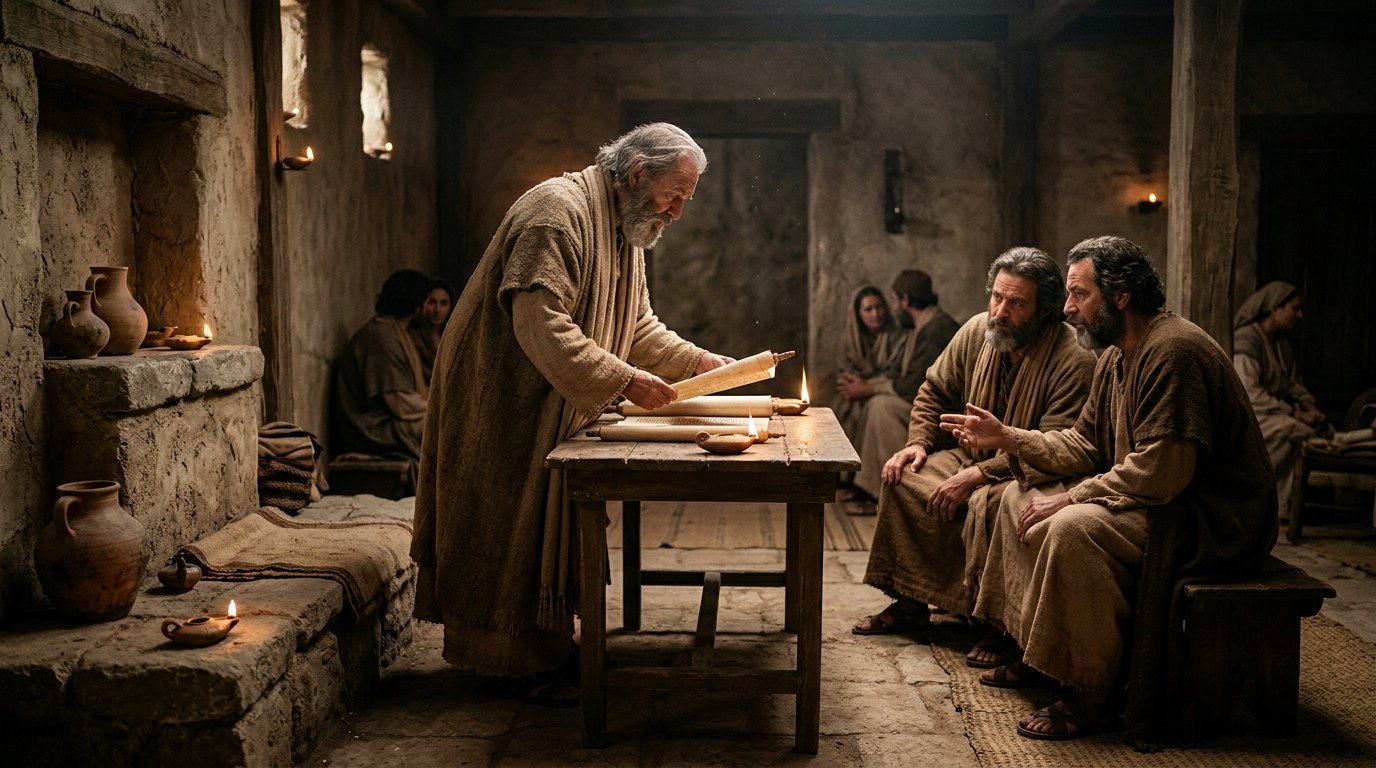
Do not treat prophecies with contempt but test them all; hold on to what is good,
1 Thessalonians 5:20-21 (NIV)
The church is instructed never to treat prophecy with contempt, but to test every manifestation against the truth.
Because spiritual counterfeits and fleshly errors can arise, Scripture establishes rigorous safeguards to govern prophetic ministry, summarized in 1 Thessalonians 5:20–21: do not despise prophecies, but test all things, holding firmly to what is good. The church is forbidden from quenching the Spirit through cynical dismissal, yet it is equally commanded to weigh every message against sound doctrine. In the local assembly, two or three prophets may speak while the others carefully weigh what is said (1 Corinthians 14:29). Prophetic ecstasy that overrides human self-control is alien to biblical practice; the spirits of the prophets remain subject to the prophets (1 Corinthians 14:32), for God is not a God of confusion, but of peace (1 Corinthians 14:33). Believers are warned in 1 John 4:1 to test every spirit because many false prophets have gone out into the world.
This vigilance reflects the standard set in the Old Testament. Deuteronomy 18:22 declares that if a prophet speaks in the Lord's name and the prediction fails to happen, the Lord has not spoken that word. Furthermore, even if a sign or wonder comes to pass, any prophet who urges the people to follow other gods must be rejected as an instrument testing their love for God (Deuteronomy 13:1–3). Jesus Himself commanded vigilance against wolves arriving in sheep's clothing (Matthew 7:15), warning that on the final day many will claim to have prophesied in His name yet receive only the verdict of condemnation (Matthew 7:22). Above all, true prophetic gifts bow before apostolic revelation: anyone claiming to be a prophet must acknowledge Paul's inspired commands as the authoritative word of the Lord (1 Corinthians 14:37).
| Passage | What it says |
|---|---|
| 1 Thessalonians 5:20 | Believers are commanded not to despise or treat prophecies with contempt. |
| 1 Thessalonians 5:21 | The church must test and prove all things, holding fast to what is good. |
| 1 Corinthians 14:29 | Two or three prophets should speak, and the others must weigh and evaluate what is said. |
| 1 Corinthians 14:32 | The spirits of the prophets are subject to the control of the prophets themselves. |
| 1 Corinthians 14:33 | God is not the author of confusion or disorder, but of peace in all assemblies. |
| 1 John 4:1 | Believers must not believe every spirit, but test the spirits to see if they are from God. |
| Deuteronomy 18:22 | If a prophet speaks in the Lord's name and the word does not occur, the Lord did not speak it. |
| Deuteronomy 13:1 | Moses warns of a prophet or dreamer of dreams who arises with signs. |
| Deuteronomy 13:2 | The sign or wonder comes to pass, but the prophet urges following other gods. |
| Deuteronomy 13:3 | God tests His people to know whether they love the Lord with all their heart. |
| Matthew 7:15 | Jesus commands believers to beware of false prophets who come in sheep's clothing. |
| Matthew 7:22 | Many will say they prophesied in His name, yet Christ never knew them. |
| 1 Corinthians 14:37 | Anyone thinking himself a prophet must acknowledge Paul's writings as the Lord's commandment. |
Supremacy of Love
Spiritual gifts find their true value in biblical love
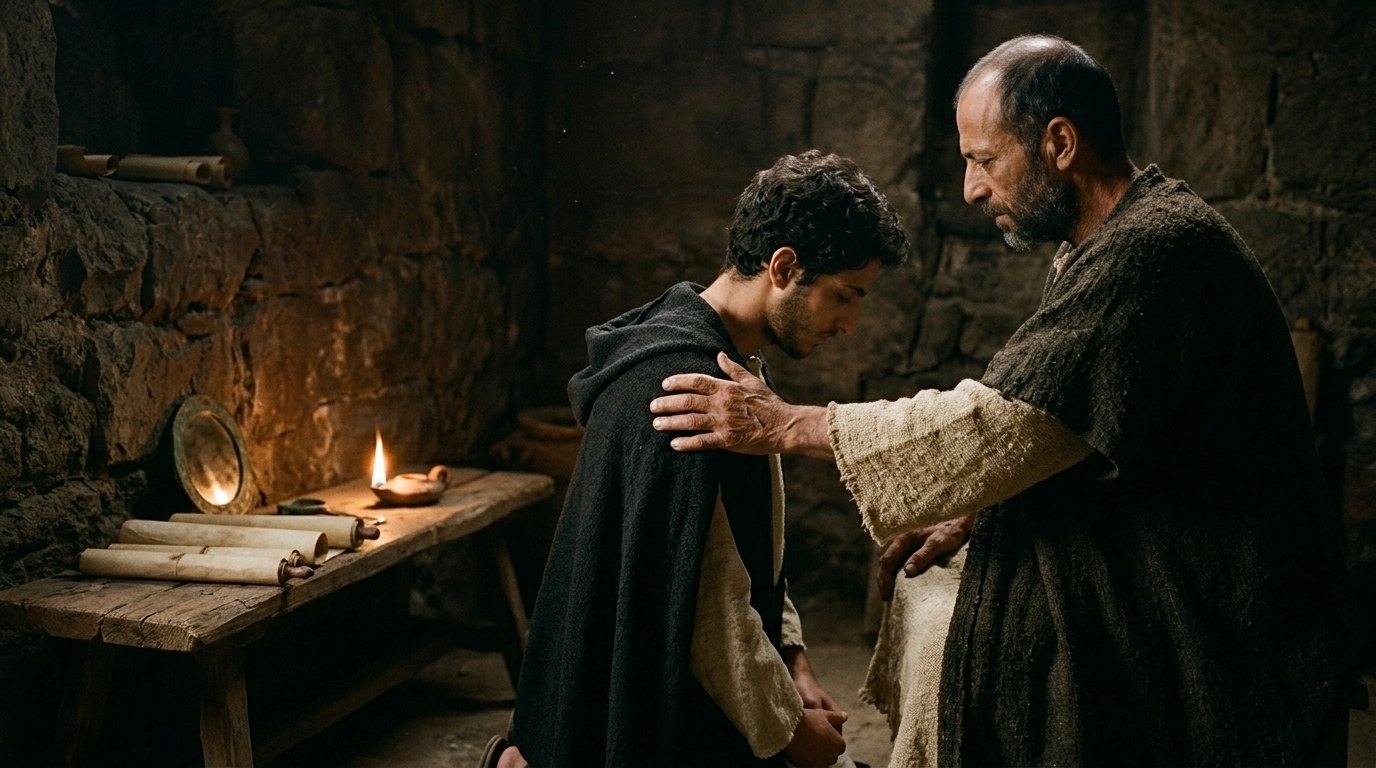
If I have the gift of prophecy and can fathom all mysteries and all knowledge, and if I have a faith that can move mountains, but do not have love, I am nothing.
1 Corinthians 13:2 (NIV)
Possessing the prophetic gift without self-giving love renders the speaker spiritually bankrupt and completely nothing.
The stark reality of the Christian life is that spiritual power detached from godly character is spiritually worthless. In 1 Corinthians 13:2, the Apostle Paul declares that even if a believer has the gift of prophecy, comprehends all sacred mysteries, and possesses all knowledge, yet lacks love, he is utterly nothing. Spiritual gifts are not given to establish personal status, but to serve the flock in humility. Paul reinforces this indispensable framework in 1 Corinthians 16:14, insisting that every action within the Christian assembly must be governed entirely by self-giving love.
Furthermore, Scripture explicitly defines the temporary, provisional nature of prophecy in contrast to the eternal permanence of divine charity. In 1 Corinthians 13:8, we learn that love never ends, whereas prophecies will ultimately fail and cease when the final, unending age arrives. For now, our present condition is marked by human limitation: 1 Corinthians 13:9 reminds us that we know in part and we prophesy in part. Our current sight resembles looking through a darkened glass dimly, but when the glorified state arrives, we shall behold our Lord face to face (1 Corinthians 13:12). At that moment, when the perfect and complete fullness comes, the partial and piecemeal will pass away entirely (1 Corinthians 13:10).
Until that glorious day of face-to-face communion, the Lord commands His people to steward their callings with utmost diligence. Paul exhorted his young disciple in 1 Timothy 4:14 not to neglect the spiritual gift bestowed upon him through prophetic utterance and the laying on of the hands of the eldership. Prophetic ministry must never be despised, yet it must always be exercised within the bounds of sober humility, looking forward to the day when all shadows yield to the blazing light of Christ.
| Passage | What it says |
|---|---|
| 1 Corinthians 13:2 | Having the gift of prophecy and understanding all mysteries without love amounts to nothing. |
| 1 Corinthians 13:8 | Love never fails, whereas prophecies will ultimately cease when the perfect and eternal state arrives. |
| 1 Corinthians 13:9 | In this earthly life, believers know in part and prophesy in part. |
| 1 Corinthians 16:14 | All actions and spiritual service in the congregation must be done in love. |
| 1 Timothy 4:14 | Timothy is warned not to neglect the spiritual gift received through prophetic word and laying on of hands. |
| 1 Corinthians 13:10 | When the perfect comes, the partial knowledge and prophecy will pass away. |
| 1 Corinthians 13:12 | Now we see through a glass dimly, but then face to face. |
Ministry Gifts
Christ Gives Prophets to Equip the Saints
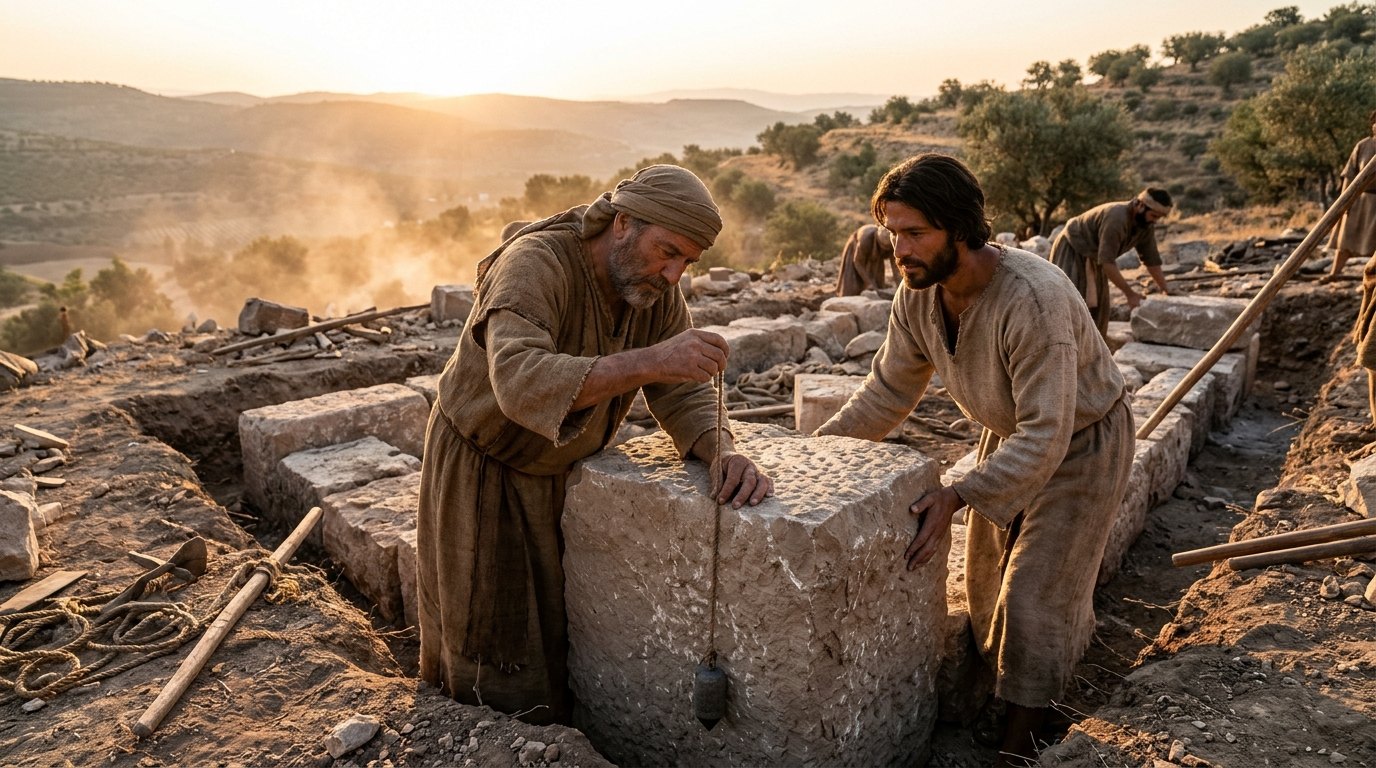
So Christ himself gave the apostles, the prophets, the evangelists, the pastors and teachers, to equip his people for works of service, so that the body of Christ may be built up
Ephesians 4:11-12 (NIV)
It reveals that the ascended Christ Himself grants prophets to build up His unified church.
The ascended Lord Jesus distributes spiritual gifts not for human prestige, but to strengthen, instruct, and unify His redeemed people. In Ephesians 4:11-12, the Apostle Paul explains that Christ Himself gave apostles, prophets, evangelists, pastors, and teachers for the explicit purpose of equipping the saints for the work of ministry and building up the body of Christ. These ministry gifts were provided to ensure that the assembly is nourished by sound doctrine and shielded from deceptive human cunning.
From the earliest days of the New Covenant church, God used foundational messengers to establish His household. As Paul writes in Ephesians 2:20, the church is built directly upon the foundation of the apostles and prophets, with Christ Jesus Himself standing as the immutable chief cornerstone. Through these chosen servants, the Spirit unveiled the great mystery of redemption in Christ that was hidden in ages past (Ephesians 3:5). Their witness forms the unchanging doctrinal baseline upon which every subsequent generation of believers rests.
This continuous equipping work is designed to move the entire body toward corporate spiritual maturity. God intends for the church to grow until we all attain the unity of the faith and the full knowledge of the Son of God, reaching the stature of the fullness of Christ (Ephesians 4:13). Individual callings within this grand architecture are nurtured by the Spirit's direct guidance; Paul reminded Timothy to wage the good warfare according to the specific prophecies previously spoken over his life (1 Timothy 1:18). Prophecy in the New Testament operates to steer servants into faithful alignment with Christ's overarching mission.
| Passage | What it says |
|---|---|
| Ephesians 2:20 | The household of God is built upon the foundation of the apostles and prophets. |
| Ephesians 3:5 | The mystery of Christ is revealed to His holy apostles and prophets by the Spirit. |
| Ephesians 4:11 | Christ gave some as apostles, some as prophets, some as evangelists, and some as pastors. |
| Ephesians 4:12 | These gifts equip the saints for ministry and build up the body of Christ. |
| Ephesians 4:13 | Ministry continues until all attain unity of the faith and mature fullness in Christ. |
| 1 Timothy 1:18 | Paul charges Timothy in accordance with the prophecies previously made concerning him. |
Consummate Witness
The Spirit of Prophecy Bears Witness to Jesus

At this I fell at his feet to worship him. But he said to me, “Don’t do that! I am a fellow servant with you and with your brothers and sisters who hold to the testimony of Jesus. Worship God! For it is the Spirit of prophecy who bears testimony to Jesus.”
Revelation 19:10 (NIV)
It declares the definitive heartbeat of all genuine prophetic revelation: the testimony of Jesus.
All genuine prophecy across redemptive history points decisively to the person, work, and eternal reign of Jesus Christ. When the Apostle John fell at the feet of the heavenly messenger, the angel rebuked him and set forth the cardinal rule of divine revelation in Revelation 19:10, proclaiming that the testimony of Jesus is the spirit of prophecy. Every authentic prophetic utterance, shadow, and declaration finds its ultimate focus, meaning, and validation in the exaltation of the Son of God.
The final book of the canon opens with an explicit blessing for God's people: Revelation 1:3 pronounces a sacred benediction upon the one who reads aloud the words of this prophecy and upon those who hear and keep what is written within it. John was commissioned repeatedly to speak God's authoritative truth to the nations, being commanded in Revelation 10:11 to prophesy once more concerning many peoples, tribes, languages, and earthly rulers. The prophetic word remains an active summons for believers to remain steadfast under tribulation.
As the canon closes, the Lord Jesus reiterates the urgency of His prophetic word, declaring in Revelation 22:7 that He is coming quickly and that those who guard these words are truly blessed. Because God's spoken revelation carries ultimate divine authority, the Scripture concludes with a severe and inviolable safeguard: Revelation 22:18 warns that if anyone adds to the words of the book of this prophecy, God will add to him the plagues described in it, while Revelation 22:19 warns that if anyone takes away from its words, God will remove his share in the tree of life and the holy city.
| Passage | What it says |
|---|---|
| Revelation 1:3 | Blessed is the one who reads and hears the words of this prophecy. |
| Revelation 10:11 | John is told he must prophesy again about many peoples, nations, languages, and kings. |
| Revelation 19:10 | The angel declares that the testimony of Jesus is the spirit of prophecy. |
| Revelation 22:7 | Jesus pronounces a blessing on anyone who keeps the words of the prophecy of this book. |
| Revelation 22:18 | A solemn warning is given against adding anything to the words of the prophecy. |
| Revelation 22:19 | A solemn warning is given against taking away from the words of the book of this prophecy. |
Where in the Bible
| Book | Passages |
|---|---|
| Numbers | 1 · Numbers 11:29 |
| Deuteronomy | 4 · Deuteronomy 18:22, Deuteronomy 13:1, Deuteronomy 13:2, Deuteronomy 13:3 |
| Joel | 2 · Joel 2:28, Joel 2:29 |
| Matthew | 2 · Matthew 7:15, Matthew 7:22 |
| Luke | 1 · Luke 1:67 |
| Acts | 10 · Acts 2:17, Acts 2:18, Acts 19:6, Acts 21:9, Acts 11:27, Acts 11:28, Acts 13:1, Acts 15:32, Acts 21:10, Acts 21:11 |
| Romans | 1 · Romans 12:6 |
| 1 Corinthians | 22 · 1 Corinthians 14:1, 1 Corinthians 14:3, 1 Corinthians 14:4, 1 Corinthians 14:24, 1 Corinthians 14:25, 1 Corinthians 14:31, 1 Corinthians 14:39, 1 Corinthians 14:22, 1 Corinthians 14:30, 1 Corinthians 12:4, 1 Corinthians 12:10, 1 Corinthians 12:11, 1 Corinthians 14:29, 1 Corinthians 14:32, 1 Corinthians 14:33, 1 Corinthians 14:37, 1 Corinthians 13:2, 1 Corinthians 13:8, 1 Corinthians 13:9, 1 Corinthians 16:14, 1 Corinthians 13:10, 1 Corinthians 13:12 |
| Ephesians | 5 · Ephesians 2:20, Ephesians 3:5, Ephesians 4:11, Ephesians 4:12, Ephesians 4:13 |
| 1 Thessalonians | 2 · 1 Thessalonians 5:20, 1 Thessalonians 5:21 |
| 1 Timothy | 2 · 1 Timothy 4:14, 1 Timothy 1:18 |
| 2 Peter | 2 · 2 Peter 1:20, 2 Peter 1:21 |
| 1 John | 1 · 1 John 4:1 |
| Revelation | 6 · Revelation 1:3, Revelation 10:11, Revelation 19:10, Revelation 22:7, Revelation 22:18, Revelation 22:19 |
The story in order
- Moses' longing for all to be prophets (c. 1400 BC) · Numbers 11:29 · Foreshadows the universal outpouring of the Spirit.
- Joel's prophecy of Spirit's outpouring (c. 800 BC) · Joel 2:28-29 · Promises prophecy for all flesh, male and female.
- Zechariah prophesies redemption (c. 5 BC) · Luke 1:67 · The Spirit fills individuals to speak God's word.
- Pentecost: Spirit poured out (AD 30) · Acts 2:17-18 · Fulfillment of Joel's prophecy; men and women prophesy.
- Early church prophets (AD 40s) · Acts 11:27 · Prophets ministered within the early apostolic church.
- Agabus predicts famine (AD 40s) · Acts 11:28 · Prophecy foretells future events by the Spirit.
- Prophets and teachers in Antioch (AD 40s) · Acts 13:1 · Prophets served alongside teachers in ministry.
- Agabus predicts Paul's capture (AD 60) · Acts 21:10-11 · Specific prophetic warnings guide and inform.
- Ephesus: Apostles and prophets foundation (AD 60s) · Ephesians 2:20 · Prophets are foundational to the church's structure.
- Paul instructs on prophecy (AD 50s) · 1 Corinthians 14:1-4 · Prophecy edifies, exhorts, and comforts the church.
- Testing prophecies (AD 50s) · 1 Thessalonians 5:20-21 · Command to test all prophecies, holding to good.
- Prophecy's place in love (AD 50s) · 1 Corinthians 13:8-10 · Prophecy is partial and will cease when perfection comes.
- John's prophecy of Jesus (c. AD 95) · Revelation 1:3 · The book of Revelation is a prophecy blessed to be heard.
Key words
- Prophecy (prophēteia, προφητεία)
- Speaking God's timely truth for edification, exhortation, and comfort. · 1 Corinthians 14:3
- Spirit (pneuma, πνεῦμα)
- The Holy Spirit, who empowers believers and distributes gifts sovereignly. · 1 Corinthians 12:11
- Edification (oikodomē, οἰκοδομή)
- Building up, strengthening, and promoting spiritual growth in the church. · 1 Corinthians 14:4
- Love (agapē, ἀγάπη)
- The supreme virtue that underpins and gives value to all spiritual gifts. · 1 Corinthians 13:2
- Test (dokimazō, δοκιμάζω)
- To examine, discern, and evaluate prophecies to ensure they are from God. · 1 Thessalonians 5:21
The gift of prophecy remains a vital manifestation of the Holy Spirit designed to build up, challenge, and comfort the church of Jesus Christ. Believers are commanded not to despise prophesying, but to pursue love earnestly, eagerly desire spiritual gifts, and weigh every word against the immovable standard of God's inerrant Word. When exercised in submission to Scripture and genuine love, prophecy magnifies the Lord and draws His people into holiness.
61 passages, each cited once.
Scripture cited
- 1 Corinthians 14:39
- 1 Corinthians 12:7-11
- 1 Corinthians 14:26-33
- Acts 11:27-30
- 1 Thessalonians 5:19-22