What is the Gospel of John about?
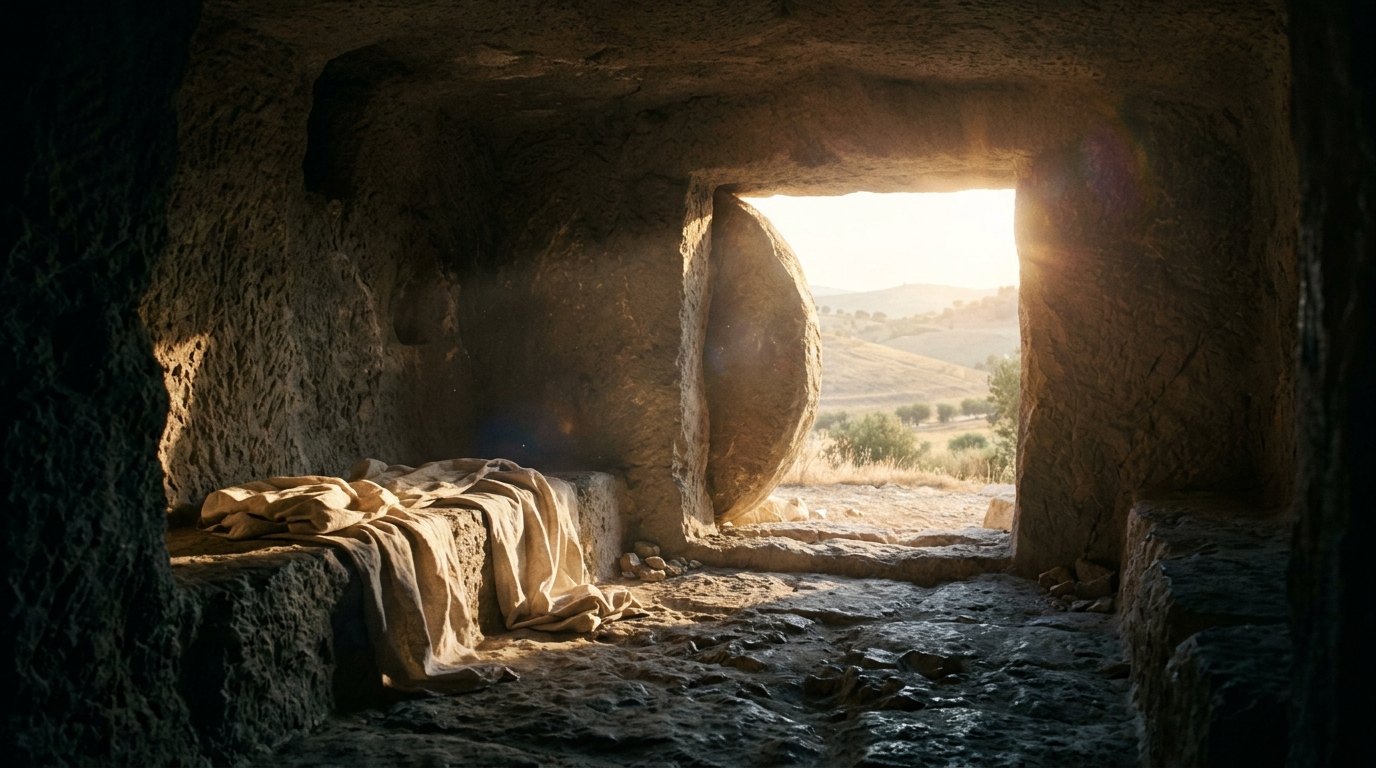
John 20:30-31
30 Jesus performed many other signs in the presence of his disciples, which are not recorded in this book.
31 But these are written that you may believethat Jesus is the Messiah, the Son of God, and that by believing you may have life in his name.
New International Version (NIV)
The answer
The Gospel of John is a testimony written to produce faith in Jesus Christ and, through that faith, eternal life. John himself states the purpose explicitly in John 20:30-31: Jesus did many signs "in the presence of his disciples, which are not written in this book" — "but these are written that you may believe that Jesus is the Christ, the Son of God, and that believing you may have life in his name." That is the whole book in one verse: select miracles and teachings, preserved so readers would believe and live.
The foundation set in the prologue
John 1:1-18 opens with a deliberate echo of Genesis 1 ("In the beginning was the Word"). Before any miracle, John declares who Jesus is:
- The Word is eternal and divine — "the Word was with God, and the Word was God" (John 1:1), tied to creation: "All things were made through him. Without him, nothing was made that has been made" (John 1:3).
- The Word is the source of life and light — "In him was life, and the life was the light of men" (John 1:4), and the world's darkness has not overcome it.
- The Word became human — "The Word became flesh and lived among us. We saw his glory... full of grace and truth" (John 1:14). The whole gospel follows from this staggering claim.
Everything after the prologue (signs, debates, "I am" sayings, the cross, the empty tomb) unfolds to vindicate that claim.
The shape of the book
Rather than telling Jesus's story year by year (as Matthew, Mark, and Luke largely do), John gathers material around seven selected signs and several long teaching moments. The structure carries readers from wonder to confession.
- Signs that reveal glory: The wedding at Cana (John 2:11), the healings, the feeding, walking on water, the raising of Lazarus — each one is recorded "that you may believe," as John himself tells us in John 2:11: "This beginning of miracles did Jesus in Cana of Galilee, and manifested forth his glory; and his disciples believed on him."
- "I am" sayings: Seven times Jesus names himself with God's covenant name — Bread of Life (6:35), Light of the World (8:12), the Door (10:9), the Good Shepherd (10:11), the Resurrection and the Life (11:25), the Way, the Truth, and the Life (14:6), and the True Vine (15:1). Plain bread, ordinary walking water, a sheep pen — Jesus calls himself all of them.
- Nicodemus and the new birth: John 3:1-21 — being saved is a Spirit-worked birth, not a moral effort.
- The upper room (chs. 13-17): Jesus's longest private teaching — love one another, the vine and the branches, the promised Spirit, "I am the way, the truth, and the life."
- The cross as the hour of glory: From the Passover through the empty tomb (chs. 18-20), John shows the crucifixion not as defeat but as the love of the Father and the Son completing the work (John 19:30).
- Epilogue (ch. 21): the risen Jesus restores Peter, showing that the same Lord who is the Christ also carries his people through failure.
The two great themes
- The identity of Jesus. John presses harder than the other gospels that Jesus is God-with-us — pre-existent, creator, equal with the Father, the one who has "declared" the Father (John 1:18). Denying this is the heresy John confronts in 1 John, where he writes the same audience, "that ye may know that ye have eternal life" through the Son of God (1 John 5:13).
- Faith as the way to life. "These are written that you may believe... that believing you may have life in his name" (John 20:31). Belief here is not a one-time nod — it is trust that keeps holding the Son, which is itself a gift (John 1:12-13: being born "of God").
What John is honest about
John never pretends the gospel is complete on the page. Even at the end, he writes, "there are also many other things which Jesus did, the which, if they should be written every one, I suppose that even the world itself could not contain the books that should be written" (John 21:25). What we have is selected and sufficient: "that through patience and comfort of the scriptures" we "might have hope" (Romans 15:4), and that these scriptures are "able to make thee wise unto salvation through faith which is in Christ Jesus" (2 Timothy 3:15-17).
Answered from Scripture · reviewed November 8, 2026
The Gospel of John is an eyewitness testimony explicitly designed to lead its readers into saving faith in Jesus as the Christ, the eternal Son of God. Unlike the synoptic Gospels, John selects specific miraculous signs and deep theological discourses to demonstrate who Jesus is from eternity past to His resurrection. To understand John is to behold God incarnate who grants everlasting life to all who believe on His name.
The Divine Word
The Eternal Word Became Flesh Among Us

The Word became flesh and made his dwelling among us. We have seen his glory, the glory of the one and only Son, who came from the Father, full of grace and truth.
John 1:14 (NIV)
It declares the staggering reality of the incarnation: the eternal, divine Word truly took on human flesh and displayed God's glory.
In John 1:14, the apostle unveils the stunning heart of the Gospel: the Word became flesh and dwelt among us, manifesting a divine glory full of grace and truth that no human religion could ever invent. This Word was not an afterthought in redemptive history. John 1:1 establishes that before time began, the Word was in eternal communion with God and was Himself fully God. Creation owes its very existence to His sovereign power, for John 1:3 declares that without Him nothing was made that has been made. Within Him resides uncreated life, and John 1:4 shows that this life shines as an unquenchable light in a world blanketed by moral darkness.
Because God is invisible and holy, fallen humanity could never climb up to behold Him. Yet John 1:18 reveals that the only begotten Son, who rests eternally in the closest fellowship at the Father's side, has made Him fully known. This revelation culminated in historical space and time when Jesus arrived at the Jordan River. There, John 1:29 records the herald's declaration: He is the spotless Lamb of God who bears away the sin of the world by His atoning sacrifice. John's opening testimony demands that we look upon Jesus not merely as an exemplary teacher, but as the transcendent Creator who clothed Himself in real human frailty to save lost sinners.
| Passage | What it says |
|---|---|
| John 1:1 | Affirms that the Word existed in the beginning, was in intimate fellowship with God, and was fully God. |
| John 1:3 | Attests that all creation came into existence through the Word, establishing His absolute sovereignty over all created things. |
| John 1:4 | Proclaims that life inherently resides in the Word, shining as light that overcomes the darkness of fallen humanity. |
| John 1:18 | Explains that the only begotten Son, who rests at the Father's side, has fully made the invisible God known. |
| John 1:14 | The eternal Word became flesh and dwelt among us, revealing the Father's glorious grace and truth. |
| John 1:29 | John the Baptist proclaims Jesus as the Lamb of God who takes away the sin of the world. |
Signs of Glory
Seven Miraculous Signs Reveal Christ's Deity
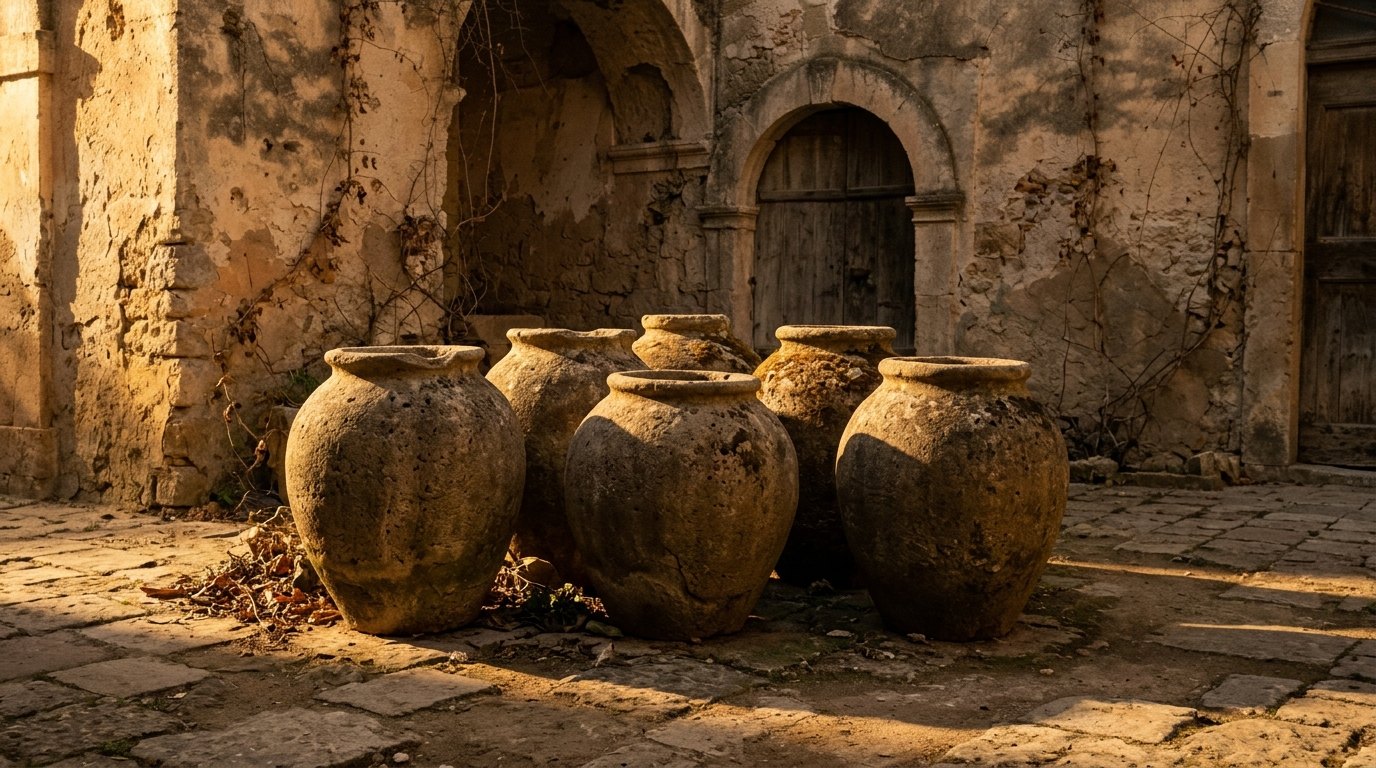
What Jesus did here in Cana of Galilee was the first of the signs through which he revealed his glory; and his disciples believed in him.
John 2:11 (NIV)
This verse marks Jesus's first sign at Cana, demonstrating that His miracles served specifically to manifest His divine glory and elicit faith.
When Jesus performed His first miracle in Cana of Galilee, John 2:11 notes that this beginning of signs manifested His glory, prompting His disciples to believe in Him. Unlike the synoptic Gospels which record dozens of brief miracles, John selects seven distinct signs to serve as public courtroom evidence of Jesus's absolute deity. In John 2:1-11, transforming water into rich wine displays His authority over physical creation. Soon after, in John 4:46-54, He heals an official's dying son through a spoken decree miles away, proving that His sovereign authority is bounded neither by distance nor disease.
At the pool of Bethesda, John 5:1-9 demonstrates Christ's sovereign mercy as He commands a paralyzed man to walk on the Sabbath, claiming an authority identical to the Father's work. In John 6:5-14, He multiplies five barley loaves and two fish to satisfy thousands, exposing Himself as the true provider for human souls, before striding across the storm-tossed sea in John 6:19-21 to display divine power over nature's chaos. In John 9:1-7, He gives sight to a man blind from birth, enacting His identity as the Light of the world. Finally, John 11:38-44 culminates in the raising of Lazarus after four days in the grave, permanently establishing that Jesus holds the keys to life and death.
| Passage | What it says |
|---|---|
| John 2:1-11 | Jesus turns water into wine at Cana, manifesting His authority over physical elements and initiating His public signs. |
| John 4:46-54 | Jesus heals an official's dying son from a distance, proving that His spoken word commands life and health. |
| John 5:1-9 | Jesus heals a lame man at the pool of Bethesda on the Sabbath, revealing His authority equal with the Father. |
| John 6:5-14 | Jesus multiplies five loaves and two fish to feed thousands, proving Himself to be the ultimate provider of sustenance. |
| John 6:19-21 | Jesus walks on water in the midst of a storm, exercising divine lordship over nature and comforting His disciples. |
| John 9:1-7 | Jesus restores sight to a man born blind, physically demonstrating that He is the true Light of the world. |
| John 11:38-44 | Jesus raises Lazarus from the dead after four days in the tomb, proving His absolute power over death itself. |
The Great I Am
Jesus Claims the Covenant Name of God

“Very truly I tell you,” Jesus answered, “before Abraham was born, I am!”
John 8:58 (NIV)
Jesus takes the sacred covenant name of Yahweh upon Himself before the religious leaders, claiming timeless and eternal existence.
In a climactic confrontation with religious opponents, Jesus provoked outrage in John 8:58 by announcing, "Truly, truly, I say to you, before Abraham was, I AM." By claiming the divine covenant name revealed at the burning bush, Jesus boldly declared His eternal, self-existent deity. Throughout the Gospel, this supreme reality is anchored across seven metaphorical "I AM" statements that define His exclusive role in human salvation. In John 6:35, He announces that He is the Bread of Life, the only sustenance that permanently satisfies the starving human soul.
Navigating a world steeped in spiritual blindness, Jesus proclaims in John 8:12 that He is the Light of the World, offering guidance that rescues sinners from walking in darkness. He is the singular entrance into salvation, declaring in John 10:9 that He is the Door through whom all who enter are preserved. As the Good Shepherd in John 10:11, He affirms His divine love by willingly laying down His life for His flock. Facing the grief of Bethany in John 11:25, He identifies Himself as the Resurrection and the Life, guaranteeing that physical death cannot conquer those who trust Him. In John 14:6, He shuts out all pluralistic claims by stating He is the exclusive Way, Truth, and Life, while John 15:1-5 portrays Him as the True Vine apart from whom we can do nothing.
| Passage | What it says |
|---|---|
| John 6:35 | Jesus proclaims He is the Bread of Life who satisfies spiritual hunger and thirst forever. |
| John 8:12 | Jesus announces He is the Light of the World, promising that those who follow Him will never walk in darkness. |
| John 10:9 | Jesus identifies Himself as the Door, through whom alone sinners enter to find salvation and safety. |
| John 10:11 | Jesus declares He is the Good Shepherd who willingly lays down His life for the sheep. |
| John 11:25 | Jesus declares He is the Resurrection and the Life, promising eternal life to everyone who believes in Him. |
| John 14:6 | Jesus states He is the exclusive Way, Truth, and Life, apart from whom no one comes to the Father. |
| John 15:1-5 | Jesus describes Himself as the True Vine, teaching that His disciples must abide in Him to bear spiritual fruit. |
| John 8:58 | Jesus declares His eternal preexistence before Abraham by invoking the divine covenant name, I Am. |
New Life and Discourse
Salvation Explained Through Spirit and Truth
For God so loved the world that he gave his one and only Son, that whoever believes in him shall not perish but have eternal life.
John 3:16 (NIV)
The central proclamation that God's eternal love gave His only Son so that whoever believes will not perish but have everlasting life.
The entire architecture of John's Gospel centers on the promise of redemption, epitomized in John 3:16 where God so loved the world that He gave His only Son, so that whoever believes in Him should not perish but have everlasting life. In his nocturnal dialogue with Nicodemus, Jesus makes clear in John 3:3-8 that salvation is not attained through moral effort or lineage, but requires an inward, sovereign regeneration by the Holy Spirit. By the well of Sychar, John 4:13-14 records His offer of living water to a broken Samaritan woman, promising a spring that permanently quenches spiritual thirst.
Salvation brings immediate, present assurance. In John 5:24, Christ promises that whoever hears His word and believes the Father passes immediately from the realm of death into life, escaping condemnation entirely. During the Feast of Booths, John 7:37-39 records His public cry offering rivers of living water, which John explicitly identifies as the promised Holy Spirit soon to be poured out. For all who follow Him, John 8:31-32 reveals that true freedom comes solely through abiding in His truth. Finally, John 10:27-30 seals the believer's absolute security: Christ's sheep hear His voice, follow Him, and are held forever in the unbreakable grip of the Father and the Son, who are one.
| Passage | What it says |
|---|---|
| John 3:3-8 | Jesus instructs Nicodemus that entry into God's kingdom requires an absolute sovereign rebirth worked by the Holy Spirit. |
| John 4:13-14 | Jesus offers living water to the Samaritan woman, promising a spring welling up into everlasting life. |
| John 5:24 | Jesus assures that anyone who hears His word and believes the Father has passed out of death into life. |
| John 7:37-39 | Jesus invites the thirsty to come to Him and drink, pointing forward to the indwelling Holy Spirit. |
| John 3:16 | God so loved the world that He gave His only Son, offering eternal life to everyone who believes. |
| John 8:31-32 | Abiding in Jesus' word marks true discipleship, leading to knowledge of the truth that sets sinners free. |
| John 10:27-30 | Jesus guarantees that His sheep will never perish and affirms His essential oneness with the Father. |
The Upper Room
Farewell Instructions and the Promised Comforter
And I will ask the Father, and he will give you another advocate to help you and be with you forever— the Spirit of truth. The world cannot accept him, because it neither sees him nor knows him. But you know him, for he lives with you and will be in you.
John 14:16-17 (NIV)
Jesus promises that the Father will send the Holy Spirit to abide with and dwell inside believers forever.
In the shadow of the cross, Jesus turned His attention to preparing His followers for His impending departure. In John 14:16-17, Christ gave the breathtaking promise that the Father would send another Helper, the Spirit of truth, who would dwell with them and abide inside them forever. Rather than abandoning His sheep, Jesus revealed that His ascension would inaugurate an even greater intimacy through the indwelling Holy Spirit. This Upper Room discourse establishes the distinct character and divine equipping of the church.
Discipleship in this new era begins with Christlike humility and devotion. In John 13:34-35, Jesus issued His new commandment: believers must love one another with the self-giving sacrificial love He had modeled, providing the world with the undeniable hallmark of true faith. To preserve and illuminate this message, Jesus affirmed in John 14:26 that the Holy Spirit would personally teach the disciples all things and bring every word He spoke to remembrance, anchoring the divine inspiration and absolute truth of apostolic Scripture. Furthermore, as Christ declared in John 16:7-11, the Holy Spirit would proceed into the world to convict men regarding sin, righteousness, and the judgment already fallen upon the ruler of this age.
The farewell concludes with the majestic High Priestly prayer. In John 17:1-5, Jesus asked the Father to glorify the Son so that the Son might glorify Him, pointing straight to the pre-incarnate eternal majesty they shared before the world existed. Then, extending His heart across all generations, Christ interceded in John 17:20-23 for everyone who would believe through the apostolic word, praying that they would be perfected into divine unity, indwelt by the love of the Father, and brought home to behold His eternal glory.
| Passage | What it says |
|---|---|
| John 13:34-35 | Jesus gives the new commandment to love one another just as He has loved them, marking true discipleship. |
| John 14:26 | Jesus promises that the Counselor, the Holy Spirit, will teach all things and remind them of His words. |
| John 16:7-11 | Jesus explains the Spirit will convict the world of sin, righteousness, and coming judgment. |
| John 17:1-5 | Jesus prays His High Priestly prayer, asking the Father to glorify the Son with the pre-incarnate glory they shared. |
| John 17:20-23 | Jesus intercedes for all future believers, praying that they may be unified in truth and behold His glory. |
The Cross and Empty Tomb
The Glorious Triumph of the Resurrected Lord
When he had received the drink, Jesus said, “It is finished.” With that, he bowed his head and gave up his spirit.
John 19:30 (NIV)
Jesus utters His final victorious cry on the cross, confirming that the work of atonement is completely finished.
The entire trajectory of John’s Gospel points inevitably to Christ's hour of sacrifice and resurrection victory. Standing before the cross, the climax of redemption echoes through John 19:30, where the suffering Savior uttered His triumphant cry, 'It is finished!' This single word signaled that the full debt of human guilt was paid in full and God's holy wrath was fully satisfied, fulfilling the destiny He had anticipated in John 12:23-28 when He announced that the grain of wheat must fall into the earth and die to bear eternal fruit.
Every event of the Passion confirmed Christ’s divine sovereign purpose. Facing Pontius Pilate, Jesus proclaimed in John 18:37 that He was born into this world specifically to bear witness to the truth, establishing a heavenly kingdom that does not originate from earthly powers. When the Roman soldier pierced His side in John 19:34-37, the sudden outflow of blood and water confirmed the literal reality of His bodily death while fulfilling the ancient prophetic Scriptures. After suffering genuine death and yielding His spirit in John 19:28-30, the Son of God conquered the grave.
On the third morning, the risen Lord stood victorious. In John 20:11-18, Jesus revealed Himself alive to the weeping Mary Magdalene outside the empty tomb, turning mourning into triumphant testimony. Days later, He invited the questioning apostle in John 20:26-29 to touch His hands and side, drawing out the confession of faith: 'My Lord and my God!' Finally, beside the Sea of Tiberias in John 21:15-19, Christ gently restored Peter, commanding him to shepherd the flock and follow Him faithfully into glory.
| Passage | What it says |
|---|---|
| John 18:37 | Jesus confesses before Pilate that He was born into the world to bear witness to the truth. |
| John 19:34-37 | Blood and water flow from Jesus's pierced side, fulfilling Scripture and confirming His genuine sacrificial death. |
| John 20:11-18 | The risen Lord appears to Mary Magdalene outside the empty tomb, dispatching her to announce His resurrection. |
| John 20:26-29 | Thomas beholds Jesus's wounds and confesses Him as his Lord and God, prompting a blessing on those who believe without seeing. |
| John 21:15-19 | Jesus graciously restores Peter by the Sea of Tiberias, commissioning him to feed His sheep and follow Him faithfully. |
| John 12:23-28 | Jesus announces the arrival of the hour for the Son of Man to be glorified through sacrificial death. |
| John 19:28-30 | Jesus completes the work of redemption on the cross, crying out that it is finished before yielding His spirit. |
The Author's Purpose
Written so That You May Believe and Live
But these are written that you may believethat Jesus is the Messiah, the Son of God, and that by believing you may have life in his name.
John 20:31 (NIV)
The foundational purpose statement revealing the book was composed to inspire faith in Jesus as Christ and Son of God.
The Gospel of John is not a generic biography; it is a Holy Spirit-inspired instrument of salvation. In John 20:31, the beloved apostle stated his foundational purpose: 'these are written so that you may believe that Jesus is the Christ, the Son of God, and that by believing you may have life in his name.' Every sign recorded, every sermon expounded, and every historical encounter cataloged within this Gospel drives directly toward this single, glorious end—saving faith in the eternal Redeemer.
The author was careful to explain that his historical record was an intentional, Spirit-led selection. As John 20:30 notes, Jesus performed many other miraculous signs in the presence of His disciples which were not inscribed in this volume. The scope of Christ's incarnate majesty was so limitless that, as John 21:24-25 marvels in its eyewitness affirmation, the entire world could not contain the books that would be written if every deed were set down in full. Yet the testimony provided in Scripture is entirely sufficient to bring dead sinners to spiritual life.
This apostolic heartbeat echoes directly in the apostle's later writing. In 1 John 5:13, John reaffirmed that these divine words are committed to parchment so that those who believe on the Son of God may have unwavering assurance that they possess eternal life. By fixing their trust upon the Jesus presented in John's Gospel, readers are brought from darkness into light, anchored securely in the truth of who Christ is and enjoying the everlasting life He freely gives.
| Passage | What it says |
|---|---|
| John 20:30 | Notes that Jesus accomplished many unrecorded signs in the sight of His disciples beyond what is in the book. |
| John 21:24-25 | Testifies to the absolute truth of the disciple's witness, observing that all books could not contain Christ's full works. |
| 1 John 5:13 | Echoes John's gospel objective, showing that apostolic testimony is written so believers may know they possess eternal life. |
| John 20:31 | The explicit thesis of the Gospel: written that readers may believe Jesus is the Christ and have life. |
Where in the Bible
| Book | Passages |
|---|---|
| John | 43 · John 1:1, John 1:3, John 1:4, John 1:18, John 1:14, John 1:29, John 2:1-11, John 4:46-54, John 5:1-9, John 6:5-14, John 6:19-21, John 9:1-7, John 11:38-44, John 6:35, John 8:12, John 10:9, John 10:11, John 11:25, John 14:6, John 15:1-5, John 8:58, John 3:3-8, John 4:13-14, John 5:24, John 7:37-39, John 3:16, John 8:31-32, John 10:27-30, John 13:34-35, John 14:26, John 16:7-11, John 17:1-5, John 17:20-23, John 18:37, John 19:34-37, John 20:11-18, John 20:26-29, John 21:15-19, John 12:23-28, John 19:28-30, John 20:30, John 21:24-25, John 20:31 |
| 1 John | 1 · 1 John 5:13 |
The story in order
- The Word Existed Before Creation (Before Creation) · John 1:1 · Establishes the eternal pre-existence and deity of the Word.
- The Word Became Flesh (c. 4 BC) · John 1:14 · The eternal Word entered human history, dwelling among us.
- Jesus' First Sign: Water to Wine (c. AD 27) · John 2:1-11 · Manifests His glory and initiates His public signs.
- Healing the Official's Son (c. AD 27) · John 4:46-54 · Demonstrates the power of His spoken word over distance.
- Jesus Claims the Covenant Name 'I Am' (c. AD 30) · John 8:58 · Declares His eternal pre-existence before Abraham.
- Jesus is the Resurrection and Life (c. AD 30) · John 11:25 · Promises eternal life to all who believe in Him.
- The Last Supper and New Commandment (AD 30) · John 13:34-35 · Disciples are identified by their love for one another.
- Jesus' High Priestly Prayer (AD 30) · John 17:1-5 · Prays for His glorification and unity of believers.
- Jesus is Crucified (AD 30) · John 19:28-30 · The work of redemption is completed on the cross.
- The Empty Tomb and Resurrection Appearances (AD 30) · John 20:11-18 · Confirms His victory over death and His divine identity.
- Thomas Confesses 'My Lord and My God' (AD 30) · John 20:26-29 · Apostolic witness to the resurrected Christ.
- Jesus Restores Peter (AD 30) · John 21:15-19 · Commissioning Peter to shepherd His flock.
Seven Signs Revealing Christ's Deity
| Sign | What it Reveals about Jesus | Passage |
|---|---|---|
| Water into Wine | Authority over physical elements; initiation of signs. | John 2:1-11 |
| Healing Official's Son | His spoken word commands life and health. | John 4:46-54 |
| Healing Lame Man | Authority equal with the Father. | John 5:1-9 |
| Feeding Thousands | The ultimate provider of sustenance. | John 6:5-14 |
| Walking on Water | Divine lordship over nature. | John 6:19-21 |
| Restoring Sight to Blind Man | The true Light of the world. | John 9:1-7 |
| Raising Lazarus | Absolute power over death. | John 11:38-44 |
Jesus' 'I Am' Statements
| Title | Meaning and Promise | Passage |
|---|---|---|
| Bread of Life | Satisfies spiritual hunger and thirst forever. | John 6:35 |
| Light of the World | Those who follow Him will never walk in darkness. | John 8:12 |
| The Door | The only way to find salvation and safety. | John 10:9 |
| The Good Shepherd | Willingly lays down His life for the sheep. | John 10:11 |
| The Resurrection and the Life | Promises eternal life to everyone who believes. | John 11:25 |
| The Way, the Truth, and the Life | The exclusive path to the Father. | John 14:6 |
| The True Vine | Disciples must abide in Him to bear fruit. | John 15:1-5 |
The Purpose of John's Gospel
| Statement | Outcome | Passage |
|---|---|---|
| Jesus is the Christ, the Son of God | Readers may believe and have eternal life. | John 20:31 |
| Jesus offers living water | A spring welling up into everlasting life. | John 4:13-14 |
| Jesus gives His word | Pass from death into life. | John 5:24 |
| Jesus invites the thirsty | Receive the indwelling Holy Spirit. | John 7:37-39 |
| God gave His only Son | Eternal life for all who believe. | John 3:16 |
| Abiding in Jesus' word | True discipleship and freedom in truth. | John 8:31-32 |
| Jesus' sheep hear His voice | Never perish; eternal security. | John 10:27-30 |
Key words
- Word (Logos, λόγος)
- The eternal, divine Son of God, who became flesh. · John 1:1
- Lamb of God (Arnion tou Theou, ἀρνίον τοῦ θεοῦ)
- Jesus, who by His sacrifice takes away the sin of the world. · John 1:29
- Bread of Life (Artos tes Zōēs, ἄρτος τῆς ζωῆς)
- Jesus, who provides eternal spiritual nourishment. · John 6:35
- Light of the World (Phōs tou Kosmou, φῶς τοῦ κόσμου)
- Jesus, who illuminates truth and guides believers out of darkness. · John 8:12
- Resurrection and Life (Anastasis kai Zōē, ἀνάστασις καὶ ζωή)
- Jesus, the source of eternal life and victory over death. · John 11:25
- Way, Truth, Life (Hodos, Aletheia, Zōē, ὁδὸς, ἀλήθεια, ζωή)
- Jesus, the exclusive mediator to the Father and source of eternal life. · John 14:6
- Counselor (Paraklētos, παράκλητος)
- The Holy Spirit, who teaches, reminds, and convicts. · John 14:26
- Eternal Life (Zōē Aiōnios, ζωὴ αἰώνιος)
- Life with God, beginning now and continuing forever. · John 3:16
John's narrative never leaves the reader as a neutral spectator, but presses for an immediate verdict of faith. By laying bare the divine identity of the Son, the cross as His supreme glorification, and the gift of the Holy Spirit, John invites us to rest our souls fully in Christ and experience the abundant life found solely in His name.
44 passages, each cited once.
Scripture cited
- John 20:30-31
- John 21:25
- Romans 15:4
- 2 Timothy 3:15-17
- 1 John 5:13
- John 2:11
- John 1:1-18