What is the sealing of the Holy Spirit?

Ephesians 1:13-14
13 And you also were included in Christ when you heard the message of truth, the gospel of your salvation. When you believed, you were marked in him with a seal, the promised Holy Spirit,
14 who is a deposit guaranteeing our inheritance until the redemption of those who are God’s possession—to the praise of his glory.
New International Version (NIV)
The answer
The sealing of the Holy Spirit is God’s act of marking believers as His own and giving them the Holy Spirit as the guarantee of their future inheritance. Ephesians 1:13 says that those who hear the gospel and believe in Christ “were sealed with the promised Holy Spirit.” Ephesians 1:14 then calls the Spirit “a pledge of our inheritance.”
In the ancient world, a seal could authenticate a document, identify its owner and protect what had been sealed. Those ideas illuminate what God does for believers:
- Ownership: God’s seal identifies His people. Second Timothy 2:19 says, “The Lord knoweth them that are his.”
- Authentication: The seal is God’s work, not a status believers achieve for themselves. Second Corinthians 1:22 says, “Who hath also sealed us, and given the earnest of the Spirit in our hearts.”
- Security: Ephesians 4:30 says believers are “sealed unto the day of redemption.” The seal therefore looks beyond this present life to the completion of God’s redeeming work.
When does this sealing take place?
Ephesians 1:13 places it with hearing the word of truth—the gospel of salvation—and believing in Christ. It is not described as an attainment reserved for especially mature Christians. Galatians 3:14 likewise says that we “receive the promise of the Spirit through faith.”
The Greek verb for “sealed” in Ephesians 1:13 is passive: believers receive this sealing. God is the one who acts, and the promised Holy Spirit is the seal He gives.
What does the Spirit guarantee?
The word translated “pledge” in Ephesians 1:14 is arrabōn, meaning a down payment: something genuinely given now as security for the remainder still to come. The Holy Spirit is therefore both a present gift and God’s guarantee of the believer’s full inheritance. Believers possess the Spirit now, while the complete redemption of God’s possession still lies ahead. This gives assurance grounded in God’s promise rather than in spiritual feelings or personal achievement.
How should sealed believers live?
The seal is not permission to continue in sin. Ephesians 4:30 commands, “Grieve not the holy Spirit of God,” and 2 Timothy 2:19 joins God’s ownership of His people with the command to “depart from iniquity.” Those who belong to God are called to reflect His holiness in their conduct.
The ultimate purpose of the sealing is stated in Ephesians 1:14: “to the praise of his glory.” God saves, claims and keeps His people in Christ so that the glory belongs to Him.
Answered from Scripture · reviewed November 11, 2026
The sealing of the Holy Spirit is God's sovereign act of marking believers as His permanent possession the moment they believe the gospel. Far from being a status earned through spiritual striving, this divine seal authenticates God's ownership, secures the believer until final redemption, and guarantees the full inheritance promised in Christ. Understanding this biblical seal anchors Christian assurance firmly in what God has done rather than human performance.
The Moment of Sealing
Believers Are Sealed upon Hearing and Believing the Gospel
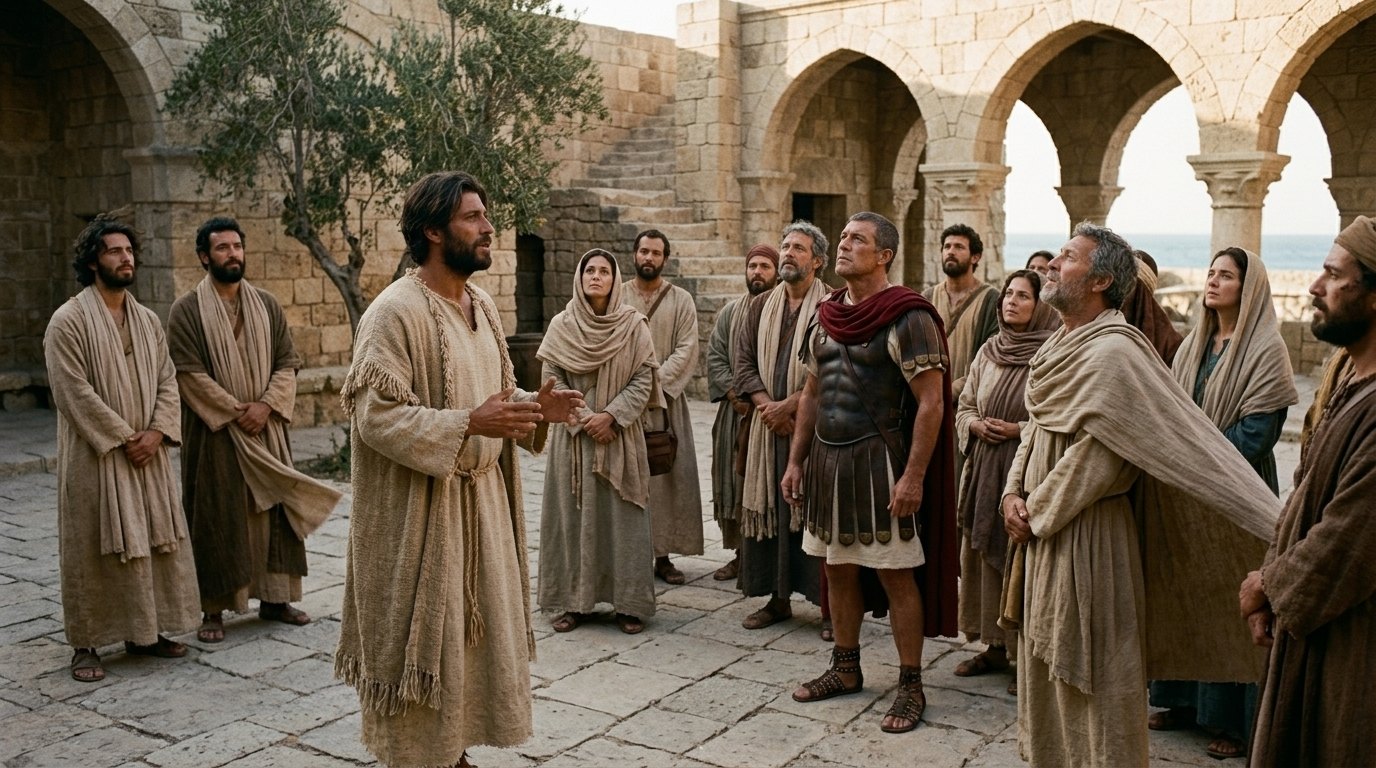
And you also were included in Christ when you heard the message of truth, the gospel of your salvation. When you believed, you were marked in him with a seal, the promised Holy Spirit,
Ephesians 1:13 (NIV)
It shows that the moment a person hears the truth and believes in Christ, God marks them with the Holy Spirit.
In Ephesians 1:13, the Apostle Paul traces the precise order of salvation: hearing the word of truth and believing the gospel marks the exact moment a person is sealed with the promised Holy Spirit. God does not withhold this divine stamp of ownership until a convert attains higher stages of spiritual maturity or undergoes subsequent mystical ceremonies. The moment saving faith takes root in the human heart, God marks that individual as His own.
This immediate gift of the Spirit underscores the absolute sufficiency of faith in Christ. As Galatians 3:14 explains, it is solely through faith in Jesus Christ that the blessing of Abraham flows to the nations, ensuring that believers receive the promise of the Spirit. True saving faith is neither a passive intellectual agreement nor human speculation. It occurs when a hearer welcomes the message of the cross not as the word of men, but as it truly is, the active and living word of God that performs its transformative work in those who believe (1 Thessalonians 2:13).
The historic transition recorded throughout the book of Acts affirms that the Spirit accompanies authentic faith. When Paul encountered seekers in Ephesus and asked whether they received the Holy Spirit when they believed (Acts 19:2), he sought evidence of saving faith in Christ rather than incomplete repentance under John the Baptist. The sovereign immediacy of this divine work appears dramatically in the household of Cornelius: while Peter was still speaking the gospel of forgiveness through Christ, the Holy Spirit fell upon all who heard the word (Acts 10:44). Believing the gospel brings the immediate, permanent seal of God upon the believer.
| Passage | What it says |
|---|---|
| Ephesians 1:13 | Believers who heard the word of truth and believed in Christ were sealed with the promised Holy Spirit. |
| Galatians 3:14 | The promised Spirit is received through faith in Christ Jesus, extending the blessing of Abraham to the Gentiles. |
| 1 Thessalonians 2:13 | God's word effectively works in those who hear and receive it as divine truth rather than human speech. |
| Acts 19:2 | Paul inquires whether the disciples received the Holy Spirit when they believed the gospel message. |
| Acts 10:44 | The Holy Spirit falls directly upon all hearing Peter preach the message of Christ. |
Ownership and Authentication
The Seal Marks Ownership and the Deposit of Glory

set his seal of ownership on us, and put his Spirit in our hearts as a deposit, guaranteeing what is to come.
2 Corinthians 1:22 (NIV)
It defines the Spirit in the heart as both God's official seal and His down payment on eternal life.
In 2 Corinthians 1:22, Scripture reveals that God has set His seal on us and given us the Spirit in our hearts as an earnest guarantee. In antiquity, an official seal carried royal authority, certified genuine ownership, and ensured that unauthorized hands could not tamper with the cargo. By placing the Holy Spirit within believers, God marks them indelibly as His permanent possession and deposits the first instalment of their eternal inheritance.
This guarantee provides unshakable hope for the future. The Spirit is described in Ephesians 1:14 as the pledge or down payment of our final inheritance, looking forward to the day of complete redemption when God brings His purchased possession into glory. This divine marking echoes ancient precedents: just as Abraham received circumcision as a sign and seal of the righteousness of faith (Romans 4:11), the believer receives the indwelling Spirit. In John 6:27, the Lord Jesus points to Himself as the ultimate pattern, declaring that on the Son of Man, God the Father has set His authenticating seal.
Because God prepares believers for eternal glory, He supplies the Spirit as the personal assurance that mortality will be swallowed up by life (2 Corinthians 5:5). Possession of the Spirit is not optional for the redeemed; Romans 8:9 states plainly that anyone who does not possess the Spirit of Christ simply does not belong to Him at all. Where the Spirit dwells, He communicates divine reality directly to the soul: the Spirit Himself bears witness with our spirit that we are children of God (Romans 8:16).
| Passage | What it says |
|---|---|
| 2 Corinthians 1:22 | God has sealed believers and given the earnest of the Spirit in their hearts as a guarantee. |
| Ephesians 1:14 | The Spirit is the pledge of our inheritance until the redemption of God's purchased possession, to His glory. |
| Romans 4:11 | Circumcision functioned as a sign and seal of the righteousness of faith that Abraham possessed while uncircumcised. |
| John 6:27 | Jesus declares that on Him God the Father has set His authenticating seal. |
| 2 Corinthians 5:5 | God prepares believers for eternal life and gives the Spirit as an authenticating guarantee. |
| Romans 8:9 | Anyone who does not have the Spirit of Christ does not belong to Him. |
| Romans 8:16 | The Spirit Himself bears witness with our spirit that we are children of God. |
Security and Conduct
Preserved for Redemption and Called to Uncompromising Holiness

Nevertheless, God’s solid foundation stands firm, sealed with this inscription: “The Lord knows those who are his,” and, “Everyone who confesses the name of the Lord must turn away from wickedness.”
2 Timothy 2:19 (NIV)
It reveals the two sides of God's seal: His sure knowledge of His own and the believer's call to holiness.
The seal of the Spirit provides unbreakable assurance of salvation while establishing an uncompromising call to personal holiness. In 2 Timothy 2:19, Paul writes that God's firm foundation stands bearing this twofold seal: 'The Lord knows those who are His' and 'Let everyone who names the name of the Lord depart from iniquity.' Security and sanctification cannot be separated. The sovereign assurance of God's knowledge over His sheep never licenses careless sin; rather, it demands that those who belong to Him flee unrighteousness and pursue practical purity.
Because the believer belongs wholly to God, the presence of the indwelling Spirit creates urgent accountability. In Ephesians 4:30, believers are urged: 'Do not grieve the Holy Spirit of God, by whom you were sealed for the day of redemption.' The reality that our salvation is secured until the final day of redemption is the very reason we must not grieve the Holy Spirit through corrupt speech, bitterness, or malice. Eternal security is presented here not as a pretext for moral laxity, but as the supreme motivation for tender-hearted obedience.
Believers must remain vigilant over their affections and walk in submission to God. We are commanded in 1 Thessalonians 5:19 not to quench the Holy Spirit by despising His promptings, rejecting divine truth, or tolerating known compromise. This holy reverence extends directly to the physical body. As 1 Corinthians 6:19 reminds us, our bodies are temples of the Holy Spirit who dwells within us, having been bought with a price. Sealed by God, the believer's life and body belong entirely to the Lord.
| Passage | What it says |
|---|---|
| Ephesians 4:30 | Believers are forbidden to grieve the Holy Spirit of God, by whom they are sealed for redemption's day. |
| 2 Timothy 2:19 | God's firm foundation bears the seal that He knows His own and demands that believers depart from iniquity. |
| 1 Thessalonians 5:19 | Believers are warned not to quench the Holy Spirit dwelling within them. |
| 1 Corinthians 6:19 | The believer's body is a temple of the Holy Spirit bought with a price. |
Divine Protection
God Marks and Shields His Servants from Judgment

“Do not harm the land or the sea or the trees until we put a seal on the foreheads of the servants of our God.”
Revelation 7:3 (NIV)
It shows the divine seal functioning explicitly as an inviolable safeguard of ownership amidst apocalyptic wrath.
Throughout the sweeping canvas of redemptive history, the divine seal serves as God's inviolable shield against coming wrath. In Revelation 7:3, the mighty angel cries out to hold back cosmic devastation until the servants of God are sealed upon their foreheads, marking them as untouchable possessions under divine custody. When God unleashes His holy judgment upon an unrepentant world, His mark distinguishes those who belong to Him from those appointed to wrath.
This prophetic safeguarding mirrors the ancient vision granted to the prophet Ezekiel. Before the executioners struck ancient Jerusalem for its idolatrous abominations, the Lord sent an angel clothed in linen to put a protective mark upon the foreheads of those who sighed and groaned over the city's sins (Ezekiel 9:4). In the dark trials foretold in Revelation 9:4, demonic locusts released from the bottomless abyss receive explicit orders to torment only the people who do not have the seal of God on their foreheads. God's seal guarantees sovereign preservation through divine tribulation.
This protective seal expresses the relentless, fiercely jealous covenant love of God for His people. As the bride declares in Song of Solomon 8:6, 'Set me as a seal upon your heart, as a seal upon your arm, for love is as strong as death.' The sealing of the Holy Spirit is the ultimate manifestation of that eternal, steadfast affection. By marking believers with the Spirit, God announces to every spiritual power that His children are eternally His, shielded from condemnation, and safe forever in His redeeming grace.
| Passage | What it says |
|---|---|
| Ezekiel 9:4 | A mark is placed upon the foreheads of the faithful to preserve them from divine wrath. |
| Revelation 7:3 | Angels are commanded to seal the servants of God on their foreheads before judgment strikes. |
| Revelation 9:4 | Locust judgment strikes only those without the seal of God upon their foreheads. |
| Song of Solomon 8:6 | Love demands to be set as an unbreakable seal upon the beloved heart and arm. |
Where in the Bible
| Book | Passages |
|---|---|
| Song of Solomon | 1 · Song of Solomon 8:6 |
| Ezekiel | 1 · Ezekiel 9:4 |
| John | 1 · John 6:27 |
| Acts | 2 · Acts 19:2, Acts 10:44 |
| Romans | 3 · Romans 4:11, Romans 8:9, Romans 8:16 |
| 1 Corinthians | 1 · 1 Corinthians 6:19 |
| 2 Corinthians | 2 · 2 Corinthians 1:22, 2 Corinthians 5:5 |
| Galatians | 1 · Galatians 3:14 |
| Ephesians | 3 · Ephesians 1:13, Ephesians 1:14, Ephesians 4:30 |
| 1 Thessalonians | 2 · 1 Thessalonians 2:13, 1 Thessalonians 5:19 |
| 2 Timothy | 1 · 2 Timothy 2:19 |
| Revelation | 2 · Revelation 7:3, Revelation 9:4 |
The story in order
- Abraham receives the seal of righteousness (c. 2000 BC) · Romans 4:11 · A sign and seal of righteousness of faith.
- God marks the faithful for preservation (c. 590 BC) · Ezekiel 9:4 · A mark to preserve from divine wrath.
- Jesus is sealed by God the Father (c. AD 30) · John 6:27 · God the Father set His authenticating seal on Jesus.
- The Spirit falls on Gentile believers (c. AD 40) · Acts 10:44 · The Holy Spirit fell on those hearing Peter's message.
- Disciples receive the Spirit upon believing (c. AD 55) · Acts 19:2 · Paul asks if they received the Spirit when they believed.
- Believers are sealed with the promised Spirit (c. AD 60) · Ephesians 1:13 · Sealed with the promised Holy Spirit upon believing.
- The Spirit is the earnest of our inheritance (c. AD 60) · Ephesians 1:14 · The Spirit is the pledge of our inheritance.
- God seals believers and gives the Spirit (c. AD 55) · 2 Corinthians 1:22 · God sealed believers and gave the Spirit as guarantee.
- The Spirit guarantees our adoption (c. AD 57) · Romans 8:16 · The Spirit bears witness that we are children of God.
- Believers are sealed for redemption's day (c. AD 60) · Ephesians 4:30 · Forbidden to grieve the Spirit by whom they are sealed.
- God's firm foundation bears His seal (c. AD 67) · 2 Timothy 2:19 · God knows His own, marked by His seal.
- Angels seal servants before judgment (c. AD 95) · Revelation 7:3 · Servants of God sealed on their foreheads.
Key words
- Seal (sfragiv)
- An authenticating mark of ownership, security, and guarantee. · Ephesians 1:13
- Spirit (pneûma, πνεῦμα)
- The Holy Spirit, God's presence and power. · Ephesians 1:13
- Earnest (arrabōn, ἀρραβών)
- A down payment or pledge guaranteeing a future inheritance. · 2 Corinthians 1:22
- Inheritance (klhronomia, κληρονομία)
- The promised future blessings and eternal life received through Christ. · Ephesians 1:14
- Redemption (lutrōsis, λύτρωσις)
- The act of being bought back or set free, especially from sin and death. · Ephesians 4:30
Believers carry the irrevocable mark of the living God, indwelt by the Holy Spirit as an unbreakable deposit of eternal glory. This truth casts out fear and compels joyful holiness, calling all who bear His name to depart from iniquity. Rest in the finished seal of Christ, walking daily in the freedom and assurance He has sealed forever.
20 passages, each cited once.
How the major Christian traditions read this
All major Christian traditions confess that God marks His people with the Holy Spirit as a divine pledge and guarantee of their final redemption (Ephesians 1:13-14; 2 Corinthians 1:22).
Catholic
The sealing of the Holy Spirit is primarily imparted through the sacraments of Christian initiation, specifically Baptism and Confirmation. In Confirmation, the faithful receive the fullness of the Holy Ghost and are imprinted with an indelible spiritual character or mark, which configures them permanently to Christ (2 Corinthians 1:22). This sacred seal strengthens the soul for spiritual battle and public witness, consecrating the believer for divine service. While this character can never be lost or repeated, the eternal inheritance it pledges requires persevering in sanctifying grace and charity, avoiding mortal sin that forfeits salvation (Ephesians 4:30).
Scripture: 2 Corinthians 1:22, Ephesians 1:13-14, Ephesians 4:30
Orthodox
In the Orthodox Church, the sealing of the Holy Spirit takes place immediately following Holy Baptism in the mystery of Chrismation. As the priest anoints the newly baptized with holy myron, he proclaims, 'The seal of the gift of the Holy Spirit.' Through this sacred anointing, the believer receives the personal Pentecost, endowing them with the energies and grace of the Holy Spirit to grow into the divine likeness through theosis (2 Corinthians 1:22; 1 John 2:20). This holy seal claims the entire person—body and soul—for God's kingdom and guards the believer who remains actively united to the Church (Ephesians 4:30).
Scripture: 2 Corinthians 1:22, Ephesians 1:13-14, Ephesians 4:30, 1 John 2:20
Lutheran
We confess that the Holy Spirit seals believers through the Means of Grace—the preached Word and the Holy Sacraments. In Holy Baptism, God joins His unfailing promise to water, regenerating the sinner, forgiving all sin, and imparting the Holy Spirit as a gracious guarantee of salvation (Titus 3:5; Ephesians 1:13-14). This divine seal is entirely God's monergistic work, providing objective certainty that we belong to Christ. Because the seal rests upon God's unchanging promise rather than human effort, it offers abiding comfort to the troubled conscience, though a person may resist and fall away through willful unbelief (Ephesians 4:30).
Scripture: Ephesians 1:13-14, Ephesians 4:30, Titus 3:5
Reformed & Presbyterian
The sealing of the Holy Spirit is God's sovereign, inward work upon the elect, ratifying their eternal union with Jesus Christ. When the elect hear the gospel and are brought to saving faith through effectual calling, the Holy Spirit immediately indwells and seals them as God's permanent possession (Ephesians 1:13). This seal serves as an earnest (arrabon), guaranteeing their final inheritance and ensuring that true believers will persevere unto the end (Ephesians 1:14; 2 Corinthians 1:22). Because God's covenant foundation standeth sure (2 Timothy 2:19), those sealed by the Spirit can never finally fall from grace, being preserved unto the day of ultimate redemption (Ephesians 4:30).
Scripture: Ephesians 1:13-14, 2 Corinthians 1:22, Ephesians 4:30, 2 Timothy 2:19, Ephesians 1:13
Anglican & Episcopal
We hold that God seals believers with the Holy Spirit through the gospel and the sacraments of the New Covenant. In Holy Baptism, the candidate is signed with the cross and received into the household of faith, with the inward grace of the Spirit given as a sure witness of adoption (Galatians 3:26-27). This sealing is confirmed and strengthened through prayer and the laying on of hands in Confirmation, where the believer seeks an increase of the Spirit's manifold gifts. The seal assures us of God's favor and goodness, calling us to depart from all iniquity and walk in newness of life (2 Timothy 2:19).
Scripture: Ephesians 1:13-14, Galatians 3:26-27, 2 Timothy 2:19
Baptist
We believe that the sealing of the Holy Spirit takes place at the exact moment a person repents and trusts in Jesus Christ for salvation. Hearing the word of truth, the believer is instantly justified and permanently sealed by the indwelling Spirit (Ephesians 1:13). This seal is not mediated by water baptism or an ecclesiastical rite, but is God's immediate act marking His ownership and providing absolute security for the believer's eternal soul (2 Corinthians 1:22). Because the Spirit is the pledge of our inheritance until the final redemption, all who are truly sealed are preserved forever in grace and will never perish (Ephesians 4:30).
Scripture: Ephesians 1:13-14, 2 Corinthians 1:22, Ephesians 4:30, Ephesians 1:13
Methodist & Wesleyan
In the Wesleyan tradition, the sealing of the Holy Spirit is closely linked to the Spirit's inward witness and the sanctifying work of grace. When a sinner exercises saving faith in Christ, the Spirit bears witness with their spirit that they are children of God (Romans 8:16), sealing them with the divine promise (Ephesians 1:13). This seal is God's mark of belonging and a pledge of future glory, but it also calls the believer to pursue entire sanctification and holiness in heart and life. Believers must remain watchful and obedient, for Scripture warns us not to grieve the Spirit or fall away through backsliding (Ephesians 4:30).
Scripture: Romans 8:16, Ephesians 1:13-14, Ephesians 4:30, Ephesians 1:13
Pentecostal & Charismatic
We distinguish between the Spirit's work in conversion and the distinct baptism in the Holy Spirit. At conversion, every believer who trusts in Christ is born of the Spirit and sealed by Him as God's redeemed possession and pledge of eternal life (Ephesians 1:13-14). This inward seal secures their salvation and establishes their citizenship in heaven. However, believers are subsequently commanded to seek the baptism in the Holy Ghost, an empowering endowment for ministry and witness accompanied by the sign of speaking in tongues (Acts 1:8; Acts 2:4). The seal marks belonging, while the baptism provides power for service.
Scripture: Acts 1:8, Acts 2:4, Ephesians 1:13-14
Non-denominational & Evangelical
We teach that every person who hears the gospel and places personal faith in Jesus Christ is instantly sealed by the Holy Spirit (Ephesians 1:13). The seal represents God's stamp of ownership, complete security, and divine authenticity. It is not an experience earned through personal maturity or granted by church rituals, but a sovereign gift given at regeneration (Titus 3:5). As the down payment of our eternal inheritance, the indwelling Spirit guarantees that our salvation is secure unto the day of redemption (Ephesians 1:14; Ephesians 4:30). Believers are called to walk in the Spirit and live holy lives honoring Christ.
Scripture: Ephesians 1:13-14, Ephesians 4:30, Titus 3:5, Ephesians 1:13, Ephesians 1:14
Where they differ
The means of sealing
- Catholic
- Imparted through the sacraments of Baptism and Confirmation
- Orthodox
- Conferred directly through the mystery of holy Chrismation
- Lutheran
- Given through the Means of Grace, especially Baptism
- Reformed & Presbyterian
- Wrought sovereignly by the Spirit upon faith at conversion
- Anglican & Episcopal
- Given in baptismal regeneration and strengthened in Confirmation
- Baptist
- Received immediately upon saving faith without sacramental mediation
- Methodist & Wesleyan
- Given upon personal faith alongside the Spirit's inner witness
- Pentecostal & Charismatic
- Received directly upon conversion through faith in Christ
- Non-denominational & Evangelical
- Imparted immediately at personal conversion through faith alone
Scripture: Ephesians 1:13, Titus 3:5, Galatians 3:14
Eternal security of the seal
- Catholic
- The character remains, but salvation can be forfeited by mortal sin
- Orthodox
- The seal claims us, but salvation requires persevering synergy in grace
- Lutheran
- God's promise is sure, though believers can fall through persistent unbelief
- Reformed & Presbyterian
- The seal eternally guarantees the unconditional perseverance of the elect
- Anglican & Episcopal
- Assures divine favor, while believers are warned against falling into sin
- Baptist
- Infallibly guarantees the eternal security and preservation of the believer
- Methodist & Wesleyan
- A real pledge that can be lost through backsliding and apostasy
- Pentecostal & Charismatic
- A pledge of redemption that must be kept through faithful endurance
- Non-denominational & Evangelical
- An unbreakable divine guarantee that the believer is eternally secure
Scripture: Ephesians 1:14, Ephesians 4:30, 2 Timothy 2:19
Your pastor can tell you where your church stands.
Scripture cited
- 2 Corinthians 1:22
- Ephesians 4:30
- 2 Timothy 2:19
- Galatians 3:14