What was the Council of Nicaea?
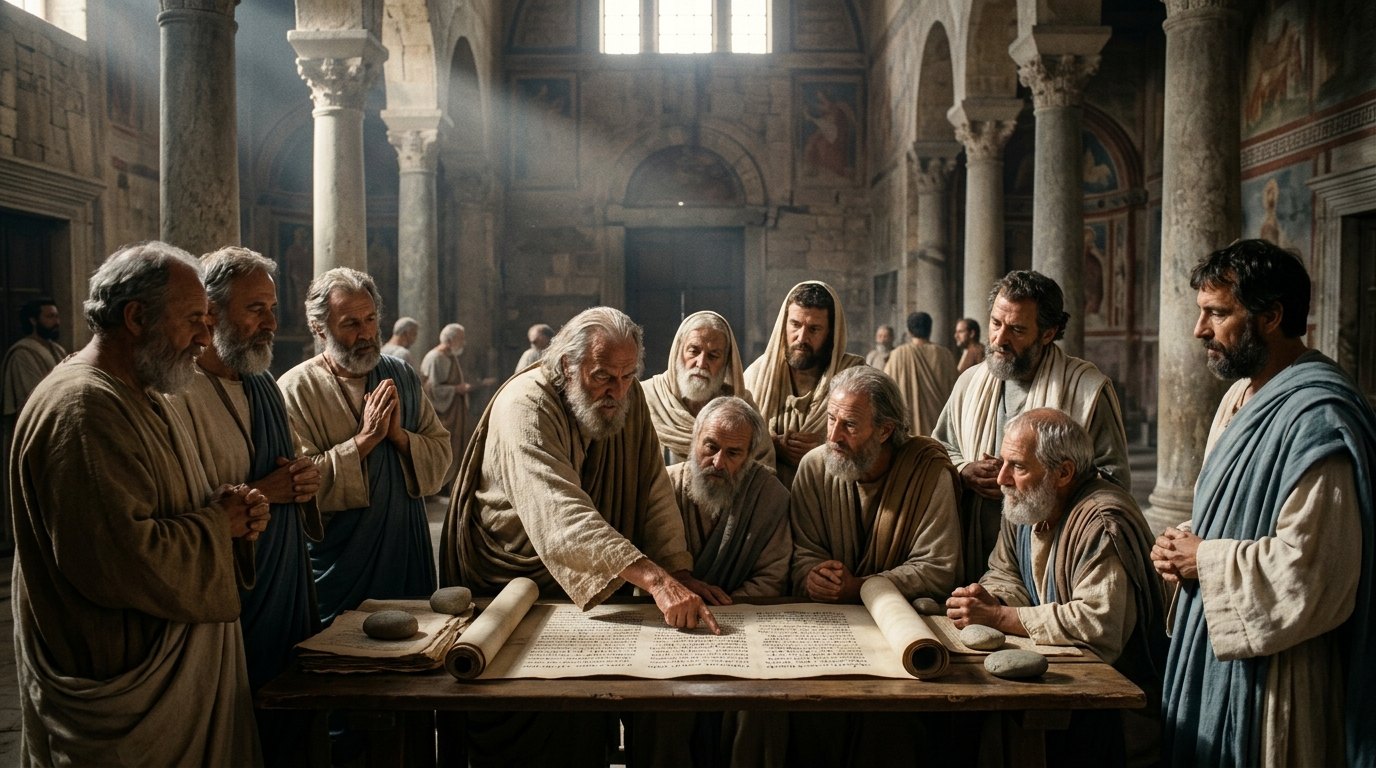
John 10:30
30 I and the Father are one.”
New International Version (NIV)
The answer
The Council of Nicaea was a church council held in AD 325 that addressed major disputes about Christian belief, especially the deity of Christ. Its chief surviving contribution is the Nicene Creed, which confessed the Son of God as “of the same substance” with the Father and as God from God. It did not create the Bible’s canon or give Scripture its authority; the council’s decisions were matters of church agreement and teaching, while Scripture itself is God-breathed (2 Timothy 3:16; 2 Peter 1:21).
At Nicaea, bishops gathered in response to disputes that threatened the church’s unity. The most famous issue concerned Arius, whose teaching denied that the Son was properly God in the same sense as the Father. The council’s central confession affirmed that the Son is “God from God,” begotten—not made—and “of the same substance” with the Father. The creed therefore rejected the claim that the Son was a created being.
This confession stands within the biblical witness to Christ’s deity. Jesus says, “I and the Father are one” (John 10:30). He also says, “He that hath seen me hath seen the Father” (John 14:9), and the Father gives all things to the Son, with exclusive knowledge of the Father revealed through the Son (Matthew 11:27). Scripture also commands that people honor the Son as they honor the Father (John 5:23), and the Father, Son, and Spirit are spoken of as sharing the same divine life (John 17:21-23).
What the council did
- Confessed the full deity of the Son: the Son is God from God and of the same substance with the Father.
- Rejected Arianism: Christ is not a created being; his sonship is eternal and begotten, not made.
- Set doctrine in the face of controversy: the council sought to speak with the church’s collective authority rather than let the teaching of Christ be divided or denied.
- Recorded its conclusions in creedal form: the Nicene Creed became a central statement of Christian belief and a standard used in later councils.
What it did not do
The council did not establish the canon of Scripture. The Bible did not receive its authority because a council recognized it. Rather, Scripture is the inspired Word of God, and the church receives, reads, obeys, and submits to it (2 Timothy 3:16-17; Psalm 119:105).
The clearest biblical model for resolving a serious teaching dispute appears in Jerusalem in Acts 15. There, the apostles, elders, and whole assembly considered whether Gentile believers had to be circumcised and commanded to keep Moses’ law. Peter explained that God gave the Spirit to Gentile believers just as He had to the Jewish believers and made no distinction between them, cleansing their hearts through faith (Acts 15:7-11). The conclusion was to avoid placing a yoke on believing Gentiles while calling them to abstain from idolatry, sexual immorality, things strangled, and blood (Acts 15:19-20, 28-29).
So, in simplest terms: Nicaea was an important historical gathering that affirmed Christ as fully God and rejected the claim that he was merely a created being; it did not make Scripture authoritative or create its canon. Its confession is meaningful precisely because it agrees with the apostolic witness and Christ’s own teaching.
Answered from Scripture · reviewed November 11, 2026
The Council of Nicaea, gathered in AD 325, was the historic assembly of bishops that defended the biblical truth of the full, eternal deity of Jesus Christ against the heresy of Arius. Far from inventing new doctrine or deciding the biblical canon, the council articulated what Scripture had always taught: that the Son is truly God, uncreated, and of the very same divine essence as the Father.
The True Deity of the Son
Christ Is Truly God and Equal with the Father
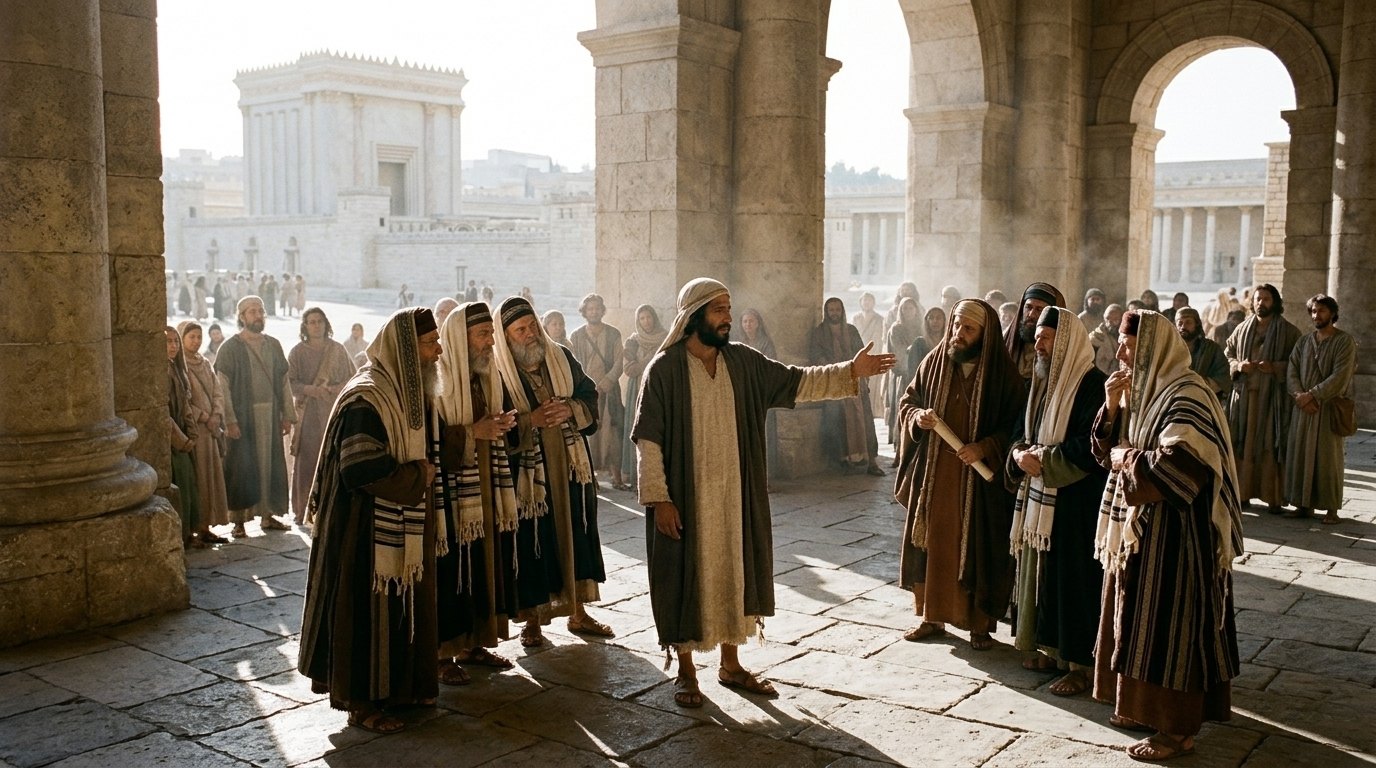
I and the Father are one.”
John 10:30 (NIV)
Jesus explicitly asserts his unity of essence and divine power with the Father, the foundational truth defended at Nicaea.
When Jesus declares, "I and the Father are one" (John 10:30), He does not claim mere alignment in motive or sympathy, but an indivisible unity of essence, divine power, and eternity. This plain revelation anchored the defense of orthodoxy at Nicaea against the Arian blasphemy that claimed the Son was a created being. From the opening breath of John's Gospel, the truth is laid bare: the Word was with God, and the Word was God (John 1:1), existing eternally in uncreated fellowship before any made thing came to be (John 1:2). Jesus applied the covenant name of Yahweh directly to Himself in the temple courts, warning His hearers that before Abraham was born, "I am" (John 8:58). To look upon Him is to look upon the Father (John 14:9), and God demands that all honour the Son just as they honour the Father (John 5:23), for exclusive mutual knowledge belongs only to the Father and the Son (Matthew 11:27). This divine reality undergirds Christ's high priestly prayer, where He points to the unbroken communion and shared glory He had with the Father before the world existed (John 17:21, 22, 23).
The epistles proclaim this same unbroken testimony. Christ is the supreme image of the invisible God, the firstborn over all creation who Himself formed every heavenly and earthly power (Colossians 1:15, 16). He existed before all things, and by His sovereign hand in him all things hold together (Colossians 1:17). In Jesus the whole fullness of deity dwells bodily (Colossians 2:9). Though God spoke in scattered fragments through ancient prophets, He has now spoken definitively in the Son (Hebrews 1:1), whom He appointed heir of the universe and through whom the ages were made (Hebrews 1:2). The Son is the radiance of God’s glory and the exact imprint of His nature (Hebrews 1:3), addressed directly by the Father as "God" upon an everlasting throne (Hebrews 1:8). Believers wait for our great God and Savior Jesus Christ (Titus 2:13), who is God over all, forever praised (Romans 9:5), the true God and eternal life (1 John 5:20). He never counted equality with God a thing to be seized, because it was His eternal right (Philippians 2:5, 6).
| Passage | What it says |
|---|---|
| John 1:1 | Affirms that the Word was with God in the beginning and was Himself fully God. |
| John 1:2 | Reiterates that the Word existed eternally in personal fellowship with God before creation. |
| John 10:30 | Jesus declares that He and the Father are one in essence and divine purpose. |
| John 8:58 | Jesus applies the divine covenant name 'I AM' to Himself, declaring His eternal preexistence. |
| John 14:9 | Jesus tells Philip that anyone who has seen Him has seen the Father. |
| John 5:23 | Commands that all people must honour the Son in the exact manner they honour the Father. |
| Matthew 11:27 | Declares that full, mutual knowledge belongs exclusively to the Father and the Son. |
| John 17:21 | Jesus speaks of His mutual indwelling with the Father as the ground of believer unity. |
| John 17:22 | Christ bestows divine glory upon believers, rooted in His divine oneness with the Father. |
| John 17:23 | Speaks of the divine communion of Father and Son manifested through the redeemed church. |
| Colossians 1:15 | Christ is the image of the invisible God and firstborn over all creation, preceding and supreme over all made things. |
| Colossians 1:16 | All things in heaven and on earth were created by Him, through Him, and for Him. |
| Colossians 1:17 | He is before all things, and in Him all things hold together. |
| Colossians 2:9 | In Christ the whole fullness of deity dwells bodily. |
| Hebrews 1:1 | God spoke formerly through the prophets, but in these last days He has spoken by His Son. |
| Hebrews 1:2 | God appointed His Son heir of all things, through whom also He made the universe. |
| Hebrews 1:3 | The Son is the radiance of God's glory and the exact imprint of His nature, upholding all by His word. |
| Hebrews 1:8 | The Father addresses the Son as God, declaring His throne is forever and ever. |
| Titus 2:13 | Believers wait for the appearing of the glory of our great God and Savior Jesus Christ. |
| Romans 9:5 | From the patriarchs comes the Christ according to the flesh, who is God over all, eternally blessed. |
| 1 John 5:20 | Jesus Christ is the true God and eternal life. |
| Philippians 2:5 | Believers are exhorted to possess the mind that was also in Christ Jesus. |
| Philippians 2:6 | Though in the form of God, Christ did not count equality with God a thing to be grasped. |
Scripture Over Councils
God's Word Establishes Authority, Not Church Councils
All Scripture is God-breathed and is useful for teaching, rebuking, correcting and training in righteousness,
2 Timothy 3:16 (NIV)
The Council of Nicaea did not determine or invent the canon; all Scripture possesses inherent divine authority because it is breathed out by God.
Popular myths often allege that church councils invented Christian doctrine or created the canon of Scripture, but the Bible itself destroys that assumption. Paul reminds Timothy that all Scripture is breathed out by God (2 Timothy 3:16), meaning that the authority of the Word comes from its divine Author, not from human assemblies or ecclesiastical votes. Councils do not grant Scripture its authority; Scripture confers authority upon the church and tests every human statement. God-breathed truth completely equips the believer for every good work, lacking nothing in sufficiency or clarity (2 Timothy 3:17).
Human will never originated the holy words of Scripture; rather, men spoke from God as they were carried along by the Holy Spirit (2 Peter 1:21). The council at Nicaea in AD 325 merely recognized and confessed the self-authenticating, unchanging truth that the Spirit had already deposited in the inspired writings. The eternal Word remains the steadfast lamp that exposes error and guides the sheep into life (Psalms 119:105). No gathering of bishops could add to, subtract from, or manufacture what the living God had already established in His holy Scriptures.
| Passage | What it says |
|---|---|
| 2 Timothy 3:16 | Declares that all Scripture is God-breathed and profitable for doctrine, reproof, and training in righteousness. |
| 2 Timothy 3:17 | Shows that God's inspired Word fully equips the believer for every good work. |
| 2 Peter 1:21 | Explains that prophecy came not by human will, but men spoke from God carried by the Holy Spirit. |
| Psalms 119:105 | Confirms that God's Word is the steadfast lamp and light guiding all truth and doctrine. |
The Apostolic Pattern
The Biblical Precedent for Resolving Doctrinal Disputes
It seemed good to the Holy Spirit and to us not to burden you with anything beyond the following requirements:
Acts 15:28 (NIV)
The Jerusalem Council provided the biblical blueprint for leaders gathering under the Spirit to resolve doctrinal disputes according to God's word.
The meeting of church overseers to confront dangerous heresy was not a fourth-century invention, but an apostolic pattern rooted in the New Testament. In Acts 15, when false teachers threatened the purity of the gospel by demanding legalistic circumcision for Gentiles, the apostles and elders gathered in Jerusalem. Peter rose to testify how God cleansed the hearts of the Gentiles through faith without distinctions (Acts 15:7, 8, 9), warning the assembly against tempting God by laying an unbearable yoke upon new disciples (Acts 15:10). The core apostolic confession rang clear: we believe that we will be saved through the grace of the Lord Jesus, just as they will (Acts 15:11).
James then demonstrated how the written prophets agreed with this redemptive work, proposing that the church not trouble Gentile converts with legalistic burdens (Acts 15:19), but exhort them to renounce idolatrous defilements and sexual immorality (Acts 15:20). The council’s final decree began with the apostolic affirmation: "It seemed good to the Holy Spirit and to us" (Acts 15:28). Their written letter preserved unity and safeguarded pure doctrine across the churches (Acts 15:29). When orthodox bishops gathered centuries later at Nicaea, they followed this exact scriptural precedent to protect Christ's flock from the ruinous errors of Arius.
| Passage | What it says |
|---|---|
| Acts 15:7 | Peter recounts how God chose the Gentiles to hear the gospel and believe through faith. |
| Acts 15:8 | Notes that God bore witness to Gentile believers by giving them the Holy Spirit. |
| Acts 15:9 | Affirms that God made no distinction between Jew and Gentile, cleansing hearts by faith. |
| Acts 15:10 | Warns against testing God by placing an unbearable yoke of the law on disciples. |
| Acts 15:11 | Confesses that salvation comes entirely through the grace of the Lord Jesus. |
| Acts 15:19 | James counsels that the church should not trouble Gentile converts with circumcision. |
| Acts 15:20 | Recommends instructing Gentile believers to abstain from idolatry, sexual immorality, and blood. |
| Acts 15:28 | The council records that their collective consensus seemed good to the Holy Spirit and them. |
| Acts 15:29 | Sends the agreed pastoral letter detailing clear moral and doctrinal boundaries to Gentile churches. |
Contending for Truth
Believers Must Defend Sound Doctrine Against False Teaching
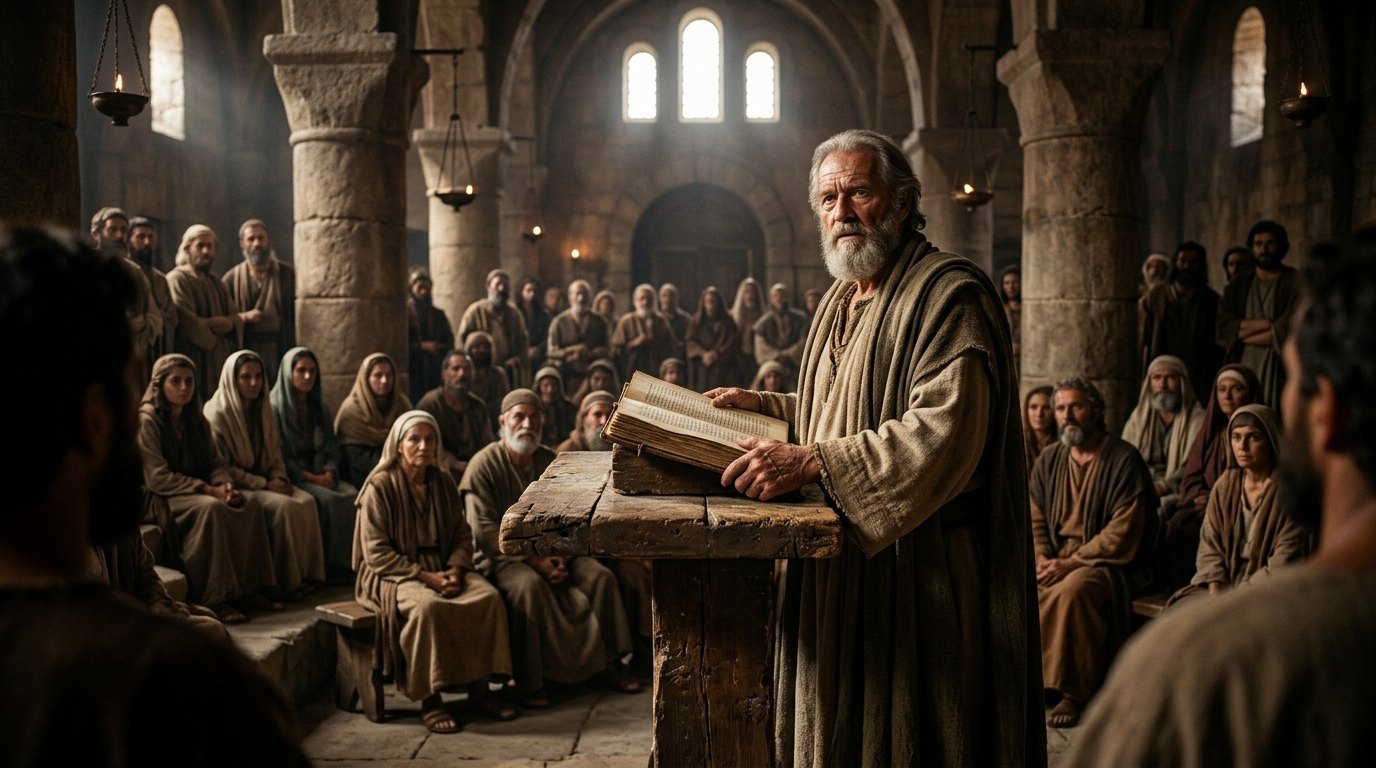
Dear friends, although I was very eager to write to you about the salvation we share, I felt compelled to write and urge you to contend for the faith that was once for all entrusted to God’s holy people.
Jude 1:3 (NIV)
It commands the church to actively contend for the unchanging apostolic faith against creeping distortion.
Believers are never permitted to remain indifferent when the truth of Christ's person is attacked. Jude urges the church to contend earnestly for the faith that was once for all delivered to the saints (Jude 1:3). This deposit of truth cannot be altered, updated, or compromised to suit the philosophical trends of any age. Paul pronounced an eternal curse even upon angels from heaven should they preach a gospel contrary to the revelation delivered by Jesus Christ (Galatians 1:8, 9). Sound doctrine is a matter of eternal life and death.
Scripture explicitly warns that false teachers will covertly introduce destructive heresies, even denying the Master who bought them (2 Peter 2:1). John commands the church to test every spirit, because many false prophets have gone out into the world (1 John 4:1). The fundamental test centers directly on the confession of Jesus Christ (1 John 4:2); whoever distorts or denies the true Christ displays the spirit of the antichrist (1 John 4:3). For this reason, pastors and overseers are commanded to hold firm to the trustworthy Word, so that they may give instruction in sound doctrine and also rebuke those who contradict it (Titus 1:9). Nicaea stood in this fierce scriptural calling, calling sin and heresy by their rightful names and pointing believers back to the unshakeable glory of the Son.
| Passage | What it says |
|---|---|
| Jude 1:3 | Believers must earnestly contend for the faith once for all delivered to the saints. |
| Galatians 1:8 | Anyone preaching a gospel contrary to what was received is accursed, even if an angel from heaven. |
| Galatians 1:9 | Paul reaffirms that anyone proclaiming a different gospel stands under anathema. |
| 2 Peter 2:1 | False teachers secretly introduce destructive heresies, even denying the Master who bought them. |
| 1 John 4:1 | Believers must test the spirits to see whether they are from God, for many false prophets have arisen. |
| 1 John 4:2 | Every spirit confessing that Jesus Christ has come in the flesh is from God. |
| 1 John 4:3 | Every spirit not confessing Jesus is not of God and is the spirit of the antichrist. |
| Titus 1:9 | An overseer must hold firm to the trustworthy word to instruct in sound doctrine and rebuke opponents. |
Where in the Bible
| Book | Passages |
|---|---|
| Psalms | 1 · Psalms 119:105 |
| Matthew | 1 · Matthew 11:27 |
| John | 9 · John 1:1, John 1:2, John 10:30, John 8:58, John 14:9, John 5:23, John 17:21, John 17:22, John 17:23 |
| Acts | 9 · Acts 15:7, Acts 15:8, Acts 15:9, Acts 15:10, Acts 15:11, Acts 15:19, Acts 15:20, Acts 15:28, Acts 15:29 |
| Romans | 1 · Romans 9:5 |
| Galatians | 2 · Galatians 1:8, Galatians 1:9 |
| Philippians | 2 · Philippians 2:5, Philippians 2:6 |
| Colossians | 4 · Colossians 1:15, Colossians 1:16, Colossians 1:17, Colossians 2:9 |
| 2 Timothy | 2 · 2 Timothy 3:16, 2 Timothy 3:17 |
| Titus | 2 · Titus 2:13, Titus 1:9 |
| Hebrews | 4 · Hebrews 1:1, Hebrews 1:2, Hebrews 1:3, Hebrews 1:8 |
| 2 Peter | 2 · 2 Peter 1:21, 2 Peter 2:1 |
| 1 John | 4 · 1 John 5:20, 1 John 4:1, 1 John 4:2, 1 John 4:3 |
| Jude | 1 · Jude 1:3 |
The story in order
- God speaks through prophets (c. 1450 BC - AD 30) · Hebrews 1:1 · God revealed Himself through various means before sending His Son.
- Christ is the image of God (c. AD 60) · Colossians 1:15 · Christ is the perfect representation of the invisible God.
- Fullness of deity in Christ (c. AD 60) · Colossians 2:9 · The entire divine nature dwells in Christ's physical body.
- Christ is God over all (c. AD 50-60) · Romans 9:5 · Christ, from the line of Israel, is God over all.
- Honour the Son as the Father (c. AD 30) · John 5:23 · All must honor the Son in the same way they honor the Father.
- Jesus and the Father are one (c. AD 30) · John 10:30 · Jesus asserts His unity of essence with the Father.
- Jesus is the true God (c. AD 90) · 1 John 5:20 · Jesus Christ is identified as the true God and eternal life.
- Apostolic council resolves dispute (c. AD 50) · Acts 15:28 · The Holy Spirit guided the apostles and elders in doctrinal decisions.
- Contend for the faith (c. AD 60-70) · Jude 1:3 · Believers are commanded to fight for the faith once delivered.
- Council of Nicaea (AD 325) · John 1:1 · Affirmed Christ's full deity against Arian heresy.
Key words
- Deity (theotes, θεότης)
- The state of being God; divinity. · Colossians 2:9
- Essence (ousia, οὐσία)
- The intrinsic nature or indispensable quality of something, especially something abstract, that determines its character. · John 10:30
- Image (eikon, εἰκών)
- A representation or likeness. · Colossians 1:15
- God-breathed (theopneustos, θεόπνευστος)
- Inspired by God; divinely breathed. · 2 Timothy 3:16
- Contend (epagōnizomai, ἐπαγωνίζομαι)
- To struggle or fight to defend or assert. · Jude 1:3
- Accursed (anathema, ἀνάθεμα)
- Condemned to punishment; damned. · Galatians 1:8
Nicaea reminds believers that our salvation rests entirely upon who Jesus Christ truly is: the eternal Son of God who shares the Father's own divine life. By anchoring doctrine in the unchanging authority of Scripture, the church continues to confess, worship, and proclaim Christ as true God from true God.
44 passages, each cited once.
Scripture cited
- John 10:30
- John 14:9
- John 17:21-23
- John 5:23
- Matthew 11:27
- Acts 15:1-29