Who is Satan and where did he come from?

Isaiah 14:12-15
12 How you have fallen from heaven, morning star, son of the dawn! You have been cast down to the earth, you who once laid low the nations!
13 You said in your heart, “I will ascend to the heavens; I will raise my throne above the stars of God; I will sit enthroned on the mount of assembly, on the utmost heights of Mount Zaphon.
14 I will ascend above the tops of the clouds; I will make myself like the Most High.”
15 But you are brought down to the realm of the dead, to the depths of the pit.
New International Version (NIV)
The answer
Satan is a real, personal spiritual enemy: a created angel who rebelled against God through pride and now deceives, tempts, accuses, and seeks to destroy. He is not God’s equal or an eternal evil power. God created him good, but he exalted himself against his Creator. His defeat by Jesus Christ and his final judgment are certain.
A created being who rebelled
Everything in heaven and on earth, including invisible spiritual powers, was created through Christ and for Christ (Colossians 1:16). When God finished creating, He saw that everything He had made was “very good” (Genesis 1:31). God therefore did not create Satan as an evil being.
Ezekiel 28 addresses the king of Tyre, but its language reaches beyond an ordinary earthly ruler. It describes someone who was in Eden, “the anointed cherub who covers,” and declares: “You were perfect in your ways from the day that you were created, until unrighteousness was found in you” (Ezekiel 28:13-15). His heart became proud because of his beauty and splendor, and God cast him down (Ezekiel 28:16-17). First Timothy 3:6 likewise connects the devil’s condemnation with being “puffed up” with pride.
Isaiah 14 immediately addresses the king of Babylon (Isaiah 14:4), but its portrait of self-deifying ambition illuminates the same satanic pride. The fallen one says in his heart that he will ascend to heaven, exalt his throne above God’s stars, and “make myself like the Most High!” God’s verdict follows: “Yet you shall be brought down to Sheol, to the depths of the pit” (Isaiah 14:12-15). Jesus Himself testified, “I saw Satan having fallen like lightning from heaven” (Luke 10:18).
Scripture does not give a date for Satan’s original fall. By Genesis 3, however, he is already deceiving humanity through the serpent. Revelation 12:9 explicitly identifies “the old serpent” as “the devil and Satan, the deceiver of the whole world.” Other angels joined his rebellion: Revelation 12:9 speaks of “his angels,” and 2 Peter 2:4 says that God did not spare the angels when they sinned.
What Satan is like and what he does
- He is a liar and tempter. In Genesis 3:1-5, the serpent questions God’s word, denies God’s warning of death, and entices Eve with the prospect of becoming like God. Jesus calls the devil “a murderer from the beginning” and “a liar, and the father of lies” (John 8:44).
- He is an accuser and adversary. Revelation 12:10 calls him “the accuser of our brothers,” who accuses them before God day and night. First Peter 5:8 warns that he prowls “like a roaring lion, seeking whom he may devour.”
- He is powerful but strictly limited. In Job 1:6-12, Satan must answer to God and can act against Job only within the boundary God establishes. He is neither sovereign nor capable of overturning God’s purposes.
His defeat and final end
Jesus came to destroy the devil’s works: “To this end the Son of God was revealed: that he might destroy the works of the devil” (1 John 3:8). Believers overcome Satan “because of the Lamb’s blood, and because of the word of their testimony” (Revelation 12:11). His accusations therefore cannot overturn the salvation Christ has secured.
Satan’s judgment will be final and eternal. Revelation 20:10 says that the devil will be thrown into the lake of fire and tormented forever. Jesus likewise speaks of the eternal fire prepared for the devil and his angels (Matthew 25:41). Until then, the biblical response is neither fascination nor terror, but watchfulness and resistance: “Withstand him steadfast in your faith” (1 Peter 5:9).
Answered from Scripture · reviewed November 11, 2026
Scripture reveals that Satan is not an eternal equal opposite to God, but a created angelic being of unmatched beauty who fell through pride and became the adversary of the Almighty and His people. Tracing his origin, rebellion, titles, and ultimate doom across the canon anchors the believer in the sovereign authority of God over every dark power.
Origin and Creation
Created Perfect as an Anointed Covering Cherub

You were anointed as a guardian cherub, for so I ordained you. You were on the holy mount of God; you walked among the fiery stones.
Ezekiel 28:14 (NIV)
This verse describes Satan's original position as an anointed covering guardian on God's holy mountain prior to his corruption.
Ezekiel 28:14 reveals Satan's beginning not as a self-existent dark deity, but as an anointed guardian cherub established upon God's holy mountain. Scripture rejects cosmic dualism; the adversary is a creature, entirely subject to the sovereign authority of his Maker. In Colossians 1:16, the apostle Paul declares that all things were created through the Son and for Him, including thrones, dominions, principalities, and spiritual authorities across the invisible realms. Nehemiah 9:6 confirms that the Lord alone made heaven, the heaven of heavens, and all their host, each angel brought forth to offer pure worship before His throne. When God laid the foundations of the cosmos, Job 38:7 records that the morning stars sang together and all the heavenly sons of God shouted with unmarred joy, reflecting an original creation devoid of moral defect or rebellion.
Within that pristine heavenly order, the being who became Satan occupied a station of breathtaking majesty. Ezekiel 28:12 looks past the earthly prince of Tyre to address the spiritual power animating his arrogance, identifying this cherub as the seal of perfection, full of wisdom and flawless in beauty. Ezekiel 28:13 recounts that he was in Eden, the garden of God, adorned with every precious gem—ruby, topaz, emerald, and chrysolite—set in settings crafted for him on the day he was created. Ezekiel 28:15 emphasizes that he was entirely blameless in his ways from the day he was created until unrighteousness was found within his heart. He did not originate as an evil force, but as an exalted servant who later turned his divine gifts into weapons of mutiny against the God who formed him.
| Passage | What it says |
|---|---|
| Ezekiel 28:12 | Depicts him as the seal of perfection, full of wisdom and perfect in beauty before his fall. |
| Ezekiel 28:13 | Describes his covering of precious stones and divine musical craftsmanship prepared in Eden. |
| Ezekiel 28:14 | Identifies him as the anointed cherub who covers, placed upon the holy mountain of God. |
| Ezekiel 28:15 | Affirms he was blameless in his ways from creation until unrighteousness was found in him. |
| Colossians 1:16 | Asserts that all angelic beings, thrones, and principalities were originally created by and for the Son. |
| Job 38:7 | Records that all the angelic morning stars and sons of God shouted for joy at the founding of the earth. |
| Nehemiah 9:6 | Affirms that the Lord made heaven, the heaven of heavens, with all their host, who worship Him. |
The Great Rebellion
The Prideful Fall from the Heavenly Heights
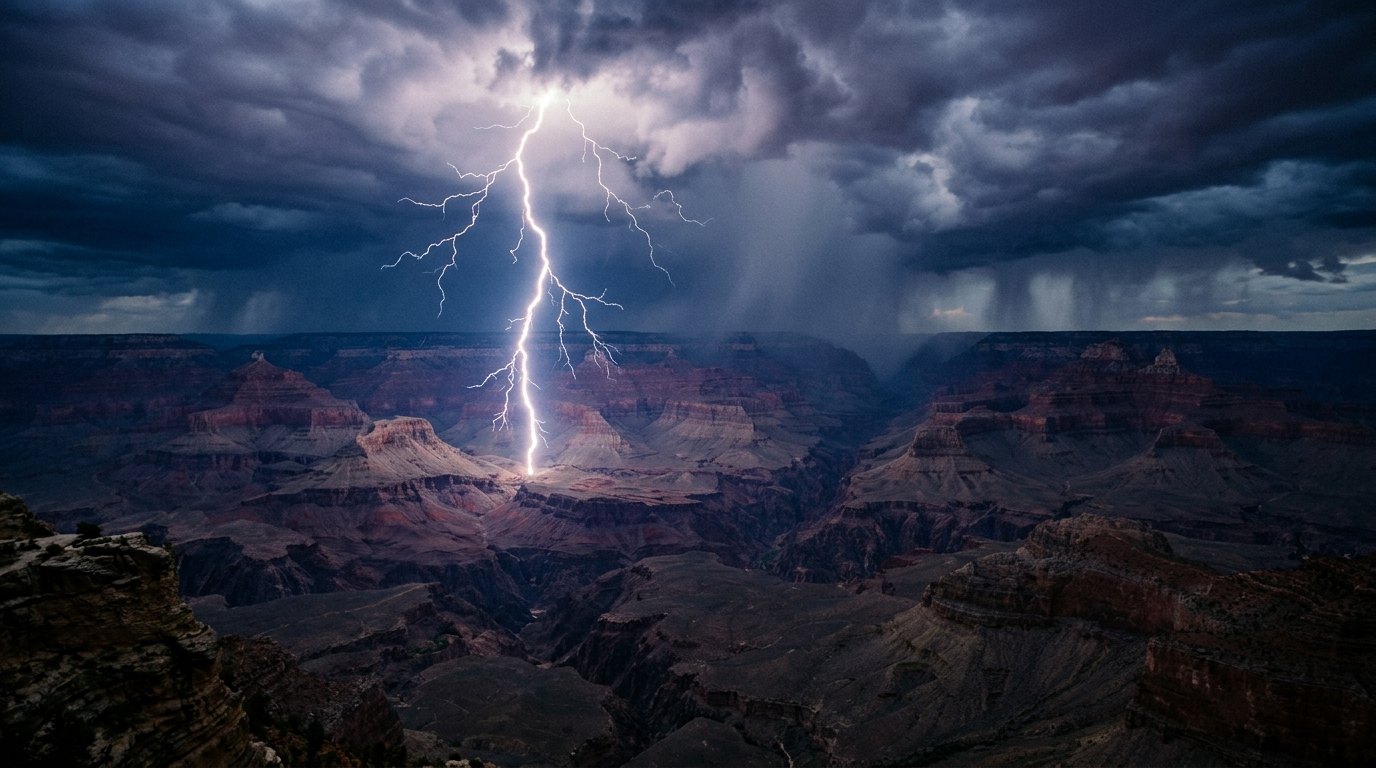
You said in your heart, “I will ascend to the heavens; I will raise my throne above the stars of God; I will sit enthroned on the mount of assembly, on the utmost heights of Mount Zaphon.
Isaiah 14:13 (NIV)
Shows the root of Satan's rebellion in the heart's ambition to ascend above God's stars and rule supreme.
Isaiah 14:13 lays bare the catastrophic turning point of cosmic history, exposing the interior ambition that birthed evil: 'I will ascend to heaven; above the stars of God I will set my throne on high.' The fall of Satan was fundamentally an insurrection of pride. Isaiah 14:12 laments the ruin of this dazzling spirit, addressing him as the Day Star, the son of the dawn, now cut down to the earth after seeking to displace his Creator. In Isaiah 14:14, his rebellion reaches its brazen climax in the boast, 'I will make myself like the Most High,' an attempt by a created dependent to seize the unshared sovereignty of God. Divine justice answers swiftly in Isaiah 14:15, declaring that he will be brought down to the depths of the pit.
Ezekiel 28:17 exposes the psychological root of this mutiny: his heart was lifted up because of his beauty, and he corrupted his wisdom for the sake of his splendor. Internal violence filled him, prompting God in Ezekiel 28:16 to cast him profaned off the holy mountain, driving the covering cherub from among the fiery stones. The New Testament looks back on this cataclysmic descent as an enduring warning. In 1 Timothy 3:6, Paul warns that spiritual pride leads directly into the condemnation incurred by the devil. Our Lord Jesus Christ attested to this reality in Luke 10:18, proclaiming that He saw Satan fall like lightning from heaven, stripped of heavenly standing. Revelation 12:4 depicts this rebellion drawing away a third of the stars of heaven—fallen angels aligned in his mutiny—confirming that his mutiny corrupted a company of spirits who now share his judgment.
| Passage | What it says |
|---|---|
| Isaiah 14:12 | Laments the fall of the Day Star, the son of the dawn, cut down to the ground. |
| Isaiah 14:13 | Records his inward boast to ascend to heaven and exalt his throne above the stars. |
| Isaiah 14:14 | Documents his prideful ambition to make himself like the Most High God. |
| Isaiah 14:15 | Pronounces his sentence of being brought down to the depths of the pit of Sheol. |
| Ezekiel 28:16 | Explains that his internal violence led God to cast him profaned off the mountain. |
| Ezekiel 28:17 | Declares that his heart was lifted up in vanity over his beauty, corrupting his wisdom. |
| 1 Timothy 3:6 | Warns of the condemnation of pride that originally felled the devil. |
| Luke 10:18 | Jesus testifies to having seen Satan fall like lightning from heaven. |
| Revelation 12:4 | Depicts the dragon drawing a third of the stars of heaven and casting them down to the earth. |
Names and Titles
The Unmasking of the Adversary Across Scripture
The great dragon was hurled down—that ancient serpent called the devil, or Satan, who leads the whole world astray. He was hurled to the earth, and his angels with him.
Revelation 12:9 (NIV)
Brings together all the major biblical titles for Satan, exposing his deceits and casting down to earth.
Revelation 12:9 strips away the masks of the adversary, unmasking the great dragon, that ancient serpent, who is called the devil and Satan, the deceiver of the whole world. Each title given in Scripture outlines a specific dimension of his hostile campaign against God's kingdom. In Job 1:6 and 1 Chronicles 21:1, he appears as Satan, the adversary who stands against God's people, inciting David to census and roaming the earth to challenge righteous Job. Zechariah 3:1 depicts him in the heavenly courtroom, standing at the right hand of Joshua the high priest to accuse him, a role reaffirmed in Revelation 12:10, where he is named the accuser of the brethren who slanders them day and night before God.
The Gospels further expose his murderous nature. In Matthew 4:3, he is the tempter seeking to derail Christ's obedience in the wilderness. Matthew 12:24 connects him with Beelzebub, the ruler of demons, while Revelation 9:11 names him Abaddon and Apollyon, the relentless destroyer. John 8:44 provides Christ's definitive diagnosis: he was a murderer from the beginning and the father of lies, possessing no truth. John 12:31, John 14:30, and John 16:11 designate him as the ruler of this world, though Jesus explicitly declares that Satan holds no claim over Him. In 2 Corinthians 4:4, he is termed the god of this world who blinds the minds of unbelievers to keep them from the light of the gospel, while 2 Corinthians 6:15 contrasts Christ with Belial, the embodiment of lawlessness. Finally, Ephesians 2:2 identifies him as the prince of the power of the air, the spirit actively at work in the sons of disobedience.
| Passage | What it says |
|---|---|
| Job 1:6 | Presents Satan as the roving adversary standing among the sons of God to accuse. |
| Zechariah 3:1 | Depicts Satan standing at the right hand of Joshua the high priest to resist him. |
| Matthew 4:3 | Designates him as the tempter who seeks to entice the Son of God in the wilderness. |
| Matthew 12:24 | Refers to Beelzebub as the prince of demons, commanding fallen spirit hosts. |
| John 8:44 | Labels him a murderer from the beginning and the father of lies. |
| John 12:31 | Designates him as the ruler of this world who is to be driven out. |
| 2 Corinthians 4:4 | Describes him as the god of this world who blinds the minds of unbelievers. |
| 2 Corinthians 6:15 | Contrasts Christ with Belial, presenting the devil as the personification of lawlessness. |
| Revelation 12:9 | Names him the great dragon, the ancient serpent, the devil, and the deceiver of nations. |
| Revelation 12:10 | Identifies him as the accuser of the brethren who accuses them day and night. |
| 1 Chronicles 21:1 | Identifies Satan by name standing up against Israel to incite David to number the people. |
| John 14:30 | Jesus refers to Satan as the ruler of this world who has no claim on Him. |
| John 16:11 | Names Satan as the ruler of this world who stands judged. |
| Ephesians 2:2 | Designates Satan as the prince of the power of the air, the spirit working in the sons of disobedience. |
| Revelation 9:11 | Names the king of the abyss as Abaddon in Hebrew and Apollyon in Greek, the Destroyer. |
His Ongoing War
The Prowling Enemy and Spiritual Warfare

Be alert and of sober mind. Your enemy the devil prowls around like a roaring lion looking for someone to devour.
1 Peter 5:8 (NIV)
Urges watchful sobriety because Satan roams actively seeking vulnerable souls to consume.
1 Peter 5:8 gives believers an urgent, unvarnished summons to vigilance: 'Your adversary the devil prowls around like a roaring lion, seeking someone to devour.' The war that began in heaven now rages on the earth, where Satan continually deploys deception, temptation, and spiritual assault against humanity. Genesis 3:1 reveals his foundational strategy in Eden, where the serpent subtly undermined God's word by asking, 'Did God actually say?' In Matthew 4:1, the Holy Spirit led Jesus into the wilderness specifically to confront the devil's direct temptations, proving that spiritual assault is an inescapable reality even for the Son. Matthew 13:19 and Matthew 13:39 explain that the enemy snatches the word of the kingdom from hardened hearts and sows tares among the wheat to corrupt the church.
The New Testament traces his covert infiltration into human hearts. Luke 22:3 and John 13:2 record that Satan entered Judas Iscariot, instigating the betrayal of Jesus, while Luke 22:31 records Christ's warning that Satan demanded to sift Peter like wheat. In Acts 5:3, Peter asks Ananias why Satan filled his heart to lie to the Holy Spirit. 2 Corinthians 11:14 warns that Satan routinely masquerades as an angel of light, masking destruction under the guise of truth, while 2 Corinthians 2:11 urges mutual forgiveness lest we be outwitted by his designs. Paul suffered Satan's hindrance in 1 Thessalonians 2:18, and 2 Timothy 2:26 warns of souls held captive in the devil's snare. 1 John 5:19 soberly reminds us that the whole world lies in the power of the evil one, and Revelation 2:10 and Revelation 12:17 show the dragon waging furious war against the saints. Yet believers stand armed: Ephesians 6:11-12 calls us to put on the whole armor of God against cosmic powers, while James 4:7 guarantees that when we submit to God and resist the devil, he will flee.
| Passage | What it says |
|---|---|
| Genesis 3:1 | Shows the craftiness of the serpent undermining God's word in the garden of Eden. |
| 2 Corinthians 2:11 | Warns believers to remain vigilant so Satan does not outwit them through unforgiveness. |
| 2 Corinthians 11:14 | Reveals that Satan masquerades as an angel of light to deceive people. |
| Ephesians 6:11 | Calls believers to take up God's armor against the schemes and flaming darts of the devil. |
| Ephesians 6:12 | Defines our warfare as directed not against flesh and blood, but against spiritual wickedness. |
| 2 Timothy 2:26 | Speaks of people being caught in the snare of the devil and captive to his will. |
| 1 Peter 5:8 | Compares the devil to a roaring lion roaming the earth seeking someone to devour. |
| 1 John 5:19 | Declares that the entire world lies under the grip and sway of the wicked one. |
| Job 1:7 | Satan describes his activity to the Lord as roaming through the earth and walking back and forth on it. |
| Matthew 4:1 | Jesus is led up by the Spirit into the wilderness to be tempted directly by the devil. |
| Matthew 13:19 | Jesus explains that the wicked one snatches away the word of the kingdom sown in the heart. |
| Matthew 13:39 | Identifies the enemy who sowed the tares among the wheat as the devil. |
| Luke 22:31 | Jesus warns Simon Peter that Satan has demanded permission to sift the disciples like wheat. |
| Luke 22:3 | Records that Satan entered into Judas Iscariot prior to the betrayal of the Lord. |
| John 13:2 | Notes that the devil had already put it into the heart of Judas Iscariot to betray Jesus. |
| Acts 5:3 | Peter confronts Ananias over why Satan filled his heart to lie to the Holy Spirit. |
| Acts 26:18 | Paul is sent to turn people from darkness to light and from the power of Satan to God. |
| 1 Thessalonians 2:18 | Paul recounts that Satan hindered the apostolic team from visiting the church in Thessalonica. |
| 2 Thessalonians 2:9 | Foretells the coming of the lawless one according to the working of Satan with false power, signs, and wonders. |
| James 4:7 | Exhorts believers to submit to God and resist the devil so that he will flee. |
| Revelation 2:10 | Jesus warns the church in Smyrna that the devil is about to cast some of them into prison to be tested. |
| Revelation 12:17 | Shows the enraged dragon making war with the remnant who keep God's commandments and hold the testimony of Jesus. |
Judgment and Doom
Crushed at Calvary and Condemned to the Lake
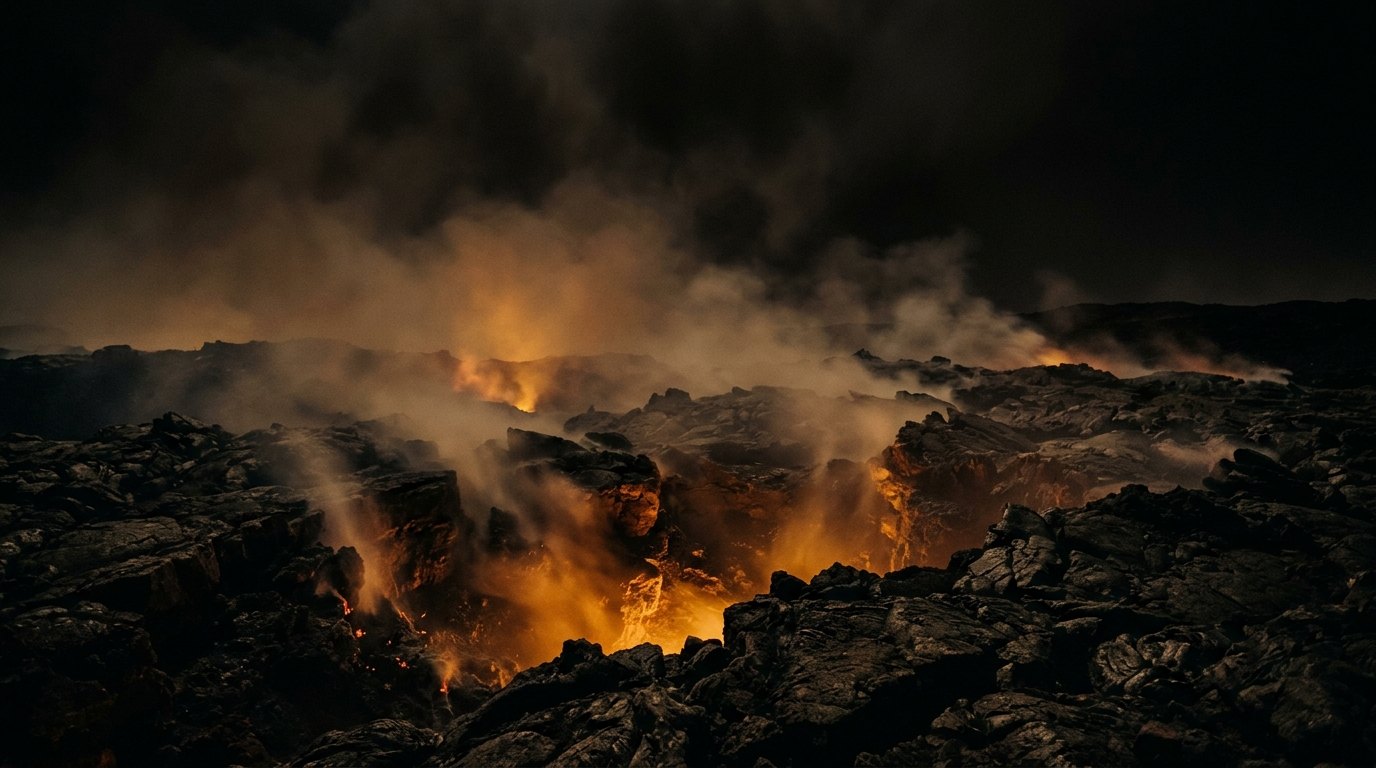
And the devil, who deceived them, was thrown into the lake of burning sulfur, where the beast and the false prophet had been thrown. They will be tormented day and night for ever and ever.
Revelation 20:10 (NIV)
This passage seals the ultimate fate of Satan, thrown forever into the lake of fire.
The definitive end of the adversary is decreed in Revelation 20:10, where the devil who deceived the nations is cast headlong into the lake of fire and sulfur, tormented day and night forever and ever. From the opening pages of Scripture, his defeat was never in doubt. Immediately following the fall, God delivered the protoevangelium in Genesis 3:15, promising that the seed of the woman would strike a mortal blow to the head of the ancient serpent, even while suffering a bruised heel. That ancient pledge found its decisive victory at the cross: Hebrews 2:14 declares that Christ partook of flesh and blood so that through death He might render powerless the one who held the power of death. Indeed, 1 John 3:8 reminds us that the Son of God appeared for this precise purpose—to destroy the works of the devil. At Calvary, Jesus stripped the enemy of all accusations; Colossians 2:15 portrays Christ disarming the rulers and authorities and putting them to open shame, triumphing over them in His sacrificial death.
Because the head of the serpent was shattered at the cross, the ultimate triumph flows directly to the body of Christ. Jesus assured His disciples in Luke 10:19 of authority over all the power of the enemy, and the apostle Paul assures believers in Romans 16:20 that the God of peace will soon crush Satan underneath their feet. The rebellious spirits who followed the adversary are already reserved under restraint: 2 Peter 2:4 and Jude 1:6 record that fallen angels are kept in gloomy chains of darkness awaiting the judgment of the great day. In the heavenly realms, Revelation 12:7-8 describes Michael and his angels casting the dragon down, leaving no place found for him in heaven, while Revelation 12:11 reveals how the redeemed overcome him: by the blood of the Lamb and the word of their testimony.
The final stages of his doom unfold in inexorable sequence. In Revelation 20:1-3, an angel descends with a great chain to bind the dragon in the abyss for a thousand years, halting his deception of the nations. Though released briefly at the end of that span (Revelation 20:7) to muster a final, futile rebellion with Gog and Magog (Revelation 20:8), fire falls from heaven to consume his armies. Finally, as Jesus foretold in Matthew 25:41, the adversary meets the eternal fire originally prepared for him and his angels, ending his rebellion forever.
| Passage | What it says | Fulfilled |
|---|---|---|
| Genesis 3:15 | The protoevangelium prophesies the seed of the woman bruising the head of the serpent. | Colossians 2:15, Hebrews 2:14 |
| Hebrews 2:14 | Christ took on human flesh to destroy through death him who had the power of death. | |
| 1 John 3:8 | The Son of God appeared for the explicit purpose of destroying the works of the devil. | |
| Romans 16:20 | Promises that the God of peace will soon crush Satan under the church's feet. | |
| 2 Peter 2:4 | Notes that rebellious angels are cast into hell and kept in gloomy darkness for judgment. | |
| Jude 1:6 | Confirms the angels who abandoned their station are kept in eternal bonds under judgment. | |
| Revelation 12:7 | Depicts the celestial war wherein Michael and his angels fight and cast down the dragon. | |
| Revelation 20:2 | Describes an angel seizing the dragon to bind him in the abyss for a thousand years. | |
| Revelation 20:10 | Proclaims the final casting of the devil into the lake of fire for eternal torment. | |
| Matthew 25:41 | Jesus declares that the eternal fire was prepared specifically for the devil and his angels. | |
| Luke 10:19 | Jesus grants His followers authority over all the power of the enemy. | |
| Colossians 2:15 | Affirms that Christ disarmed the principalities and powers, triumphing over them in the cross. | |
| Revelation 12:8 | Declares that the dragon and his angels were defeated and found no place in heaven any longer. | |
| Revelation 12:11 | Proclaims that the saints overcame the accuser by the blood of the Lamb and the word of their testimony. | |
| Revelation 20:1 | Describes an angel coming down from heaven holding the key to the abyss and a great chain. | |
| Revelation 20:3 | Records Satan cast into the bottomless pit and bound for a thousand years to deceive the nations no more. | |
| Revelation 20:7 | Notes that when the thousand years are expired, Satan will be released from his prison for a final rebellion. | |
| Revelation 20:8 | Describes Satan going out to deceive the nations, Gog and Magog, gathering them for battle. |
Where in the Bible
| Book | Passages |
|---|---|
| Genesis | 2 · Genesis 3:1, Genesis 3:15 |
| 1 Chronicles | 1 · 1 Chronicles 21:1 |
| Nehemiah | 1 · Nehemiah 9:6 |
| Job | 3 · Job 38:7, Job 1:6, Job 1:7 |
| Isaiah | 4 · Isaiah 14:12, Isaiah 14:13, Isaiah 14:14, Isaiah 14:15 |
| Ezekiel | 6 · Ezekiel 28:12, Ezekiel 28:13, Ezekiel 28:14, Ezekiel 28:15, Ezekiel 28:16, Ezekiel 28:17 |
| Zechariah | 1 · Zechariah 3:1 |
| Matthew | 6 · Matthew 4:3, Matthew 12:24, Matthew 4:1, Matthew 13:19, Matthew 13:39, Matthew 25:41 |
| Luke | 4 · Luke 10:18, Luke 22:31, Luke 22:3, Luke 10:19 |
| John | 5 · John 8:44, John 12:31, John 14:30, John 16:11, John 13:2 |
| Acts | 2 · Acts 5:3, Acts 26:18 |
| Romans | 1 · Romans 16:20 |
| 2 Corinthians | 4 · 2 Corinthians 4:4, 2 Corinthians 6:15, 2 Corinthians 2:11, 2 Corinthians 11:14 |
| Ephesians | 3 · Ephesians 2:2, Ephesians 6:11, Ephesians 6:12 |
| Colossians | 2 · Colossians 1:16, Colossians 2:15 |
| 1 Thessalonians | 1 · 1 Thessalonians 2:18 |
| 2 Thessalonians | 1 · 2 Thessalonians 2:9 |
| 1 Timothy | 1 · 1 Timothy 3:6 |
| 2 Timothy | 1 · 2 Timothy 2:26 |
| Hebrews | 1 · Hebrews 2:14 |
| James | 1 · James 4:7 |
| 1 Peter | 1 · 1 Peter 5:8 |
| 2 Peter | 1 · 2 Peter 2:4 |
| 1 John | 2 · 1 John 5:19, 1 John 3:8 |
| Jude | 1 · Jude 1:6 |
| Revelation | 15 · Revelation 12:4, Revelation 12:9, Revelation 12:10, Revelation 9:11, Revelation 2:10, Revelation 12:17, Revelation 12:7, Revelation 20:2, Revelation 20:10, Revelation 12:8, Revelation 12:11, Revelation 20:1, Revelation 20:3, Revelation 20:7, Revelation 20:8 |
The story in order
- Creation of angelic beings (c. 4000 BC) · Nehemiah 9:6 · All heavenly hosts created by God and worship Him.
- Satan's creation and fall (c. 1000 BC) · Ezekiel 28:15 · Created blameless, but unrighteousness was found in him.
- The Great Rebellion (c. 1000 BC) · Isaiah 14:13 · Prideful ambition to ascend and exalt his throne.
- Satan cast down (AD 30) · Luke 10:18 · Jesus saw Satan fall like lightning from heaven.
- Temptation of Eve (c. 4000 BC) · Genesis 3:1 · The serpent's craftiness undermines God's word.
- Satan accuses Job (c. 2000 BC) · Job 1:6 · Satan roams the earth as the adversary.
- Satan tempts Jesus (AD 27) · Matthew 4:1 · The devil directly tempts Jesus in the wilderness.
- Satan enters Judas (AD 30) · Luke 22:3 · Satan entered Judas Iscariot before betrayal.
- Christ's victory over death (AD 60) · Hebrews 2:14 · Christ destroyed him who had the power of death.
- Crushing Satan's head (AD 60) · Romans 16:20 · God will soon crush Satan underfoot.
- Michael casts out dragon (c. AD 95) · Revelation 12:7 · War in heaven; dragon cast down to earth.
- Satan bound for 1000 years (c. AD 95) · Revelation 20:2 · Angel binds the dragon in the abyss.
- Final judgment of Satan (c. AD 95) · Revelation 20:10 · Devil cast into the lake of fire.
Key words
- Satan (ha-satan (שָׂטָן))
- The adversary; the chief spirit of evil who opposes God and His people. · Job 1:6
- Cherub (keruv (כְּרוּב))
- A high-ranking angelic being, often associated with guarding God's presence. · Ezekiel 28:14
- Day Star (Helel ben Shahar (הֵילֵל בֶּן-שָׁחַר))
- A poetic name for Lucifer before his fall, signifying brilliance. · Isaiah 14:12
- Beelzebub (Beelzeboul (בַּעַל זְבוּל))
- A name for the prince of demons, associated with Satan. · Matthew 12:24
- Abaddon/Apollyon (Avaddon (אֲבַדּוֹן) / Apollyon (Ἀπολλύων))
- The Destroyer; the angel of the abyss, a name for Satan. · Revelation 9:11
- Protoevangelium (Genesis 3:15)
- The first gospel promise of a redeemer, found in Genesis 3:15. · Genesis 3:15
Knowing Satan's origin and character removes both unhealthy terror and naive fascination, reminding us that he is a creature already defeated at the cross. Believers stand armed and watchful in Christ, confident that the God of peace will soon crush the enemy under our feet.
71 passages, each cited once.
Scripture cited
- Isaiah 14:12-15
- Ezekiel 28:13-17
- Luke 10:18
- Revelation 12:7-10
- Isaiah 14:3-23
- Ezekiel 28:1-19
- Genesis 3:1-15
- John 8:44
- Revelation 12:7-12
- Luke 10:17-20
- Colossians 1:16-17
- 1 John 3:8