Why did God harden Pharaoh's heart?
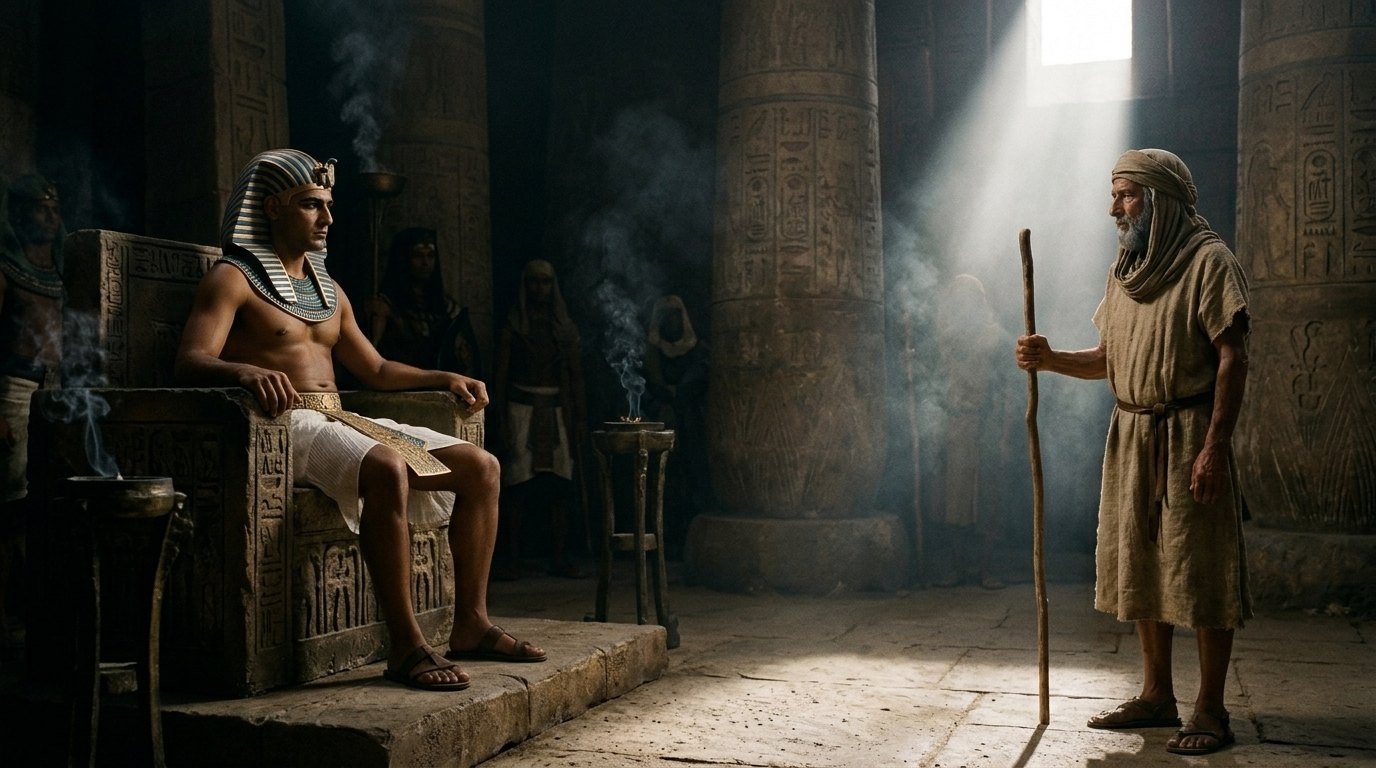
Exodus 9:12
12 But the LORD hardened Pharaoh’s heart and he would not listen to Moses and Aaron, just as the LORD had said to Moses.
New International Version (NIV)
The answer
God hardened Pharaoh's heart to make His own power and name known, to judge Pharaoh's already-chosen defiance, and to make both Egypt and Israel know that He alone is the LORD.
The purpose God Himself states
- To show His power and spread His name: God says He made Pharaoh stand for this reason: "to show you my power, and that my name may be declared throughout all the earth" (Exodus 9:16). Paul quotes the same purpose: "For this very purpose I caused you to be raised up, that I might show in you my power, and that my name might be proclaimed in all the earth" (Romans 9:17).
- To teach Egypt who the LORD is: "The Egyptians shall know that I am Yahweh when I stretch out my hand on Egypt, and bring the children of Israel out from among them" (Exodus 7:5).
- To teach Israel and their children: God hardened Pharaoh so that Israel could tell sons and grandsons what He did in Egypt, "that you may know that I am Yahweh" (Exodus 10:2).
- To gain honor over defiance: At the sea God says, "I will harden Pharaoh's heart, and he will follow after them; and I will get honor over Pharaoh" (Exodus 14:4).
The text also puts this purpose where it belongs: "that you may know that there is no one like me in all the earth" (Exodus 9:14).
Not God turning an innocent man into a rebel
Pharaoh's rebellion came first. Before the first plague he answered Moses, "Who is Yahweh, that I should listen to his voice to let Israel go? I don't know Yahweh, and moreover I will not let Israel go" (Exodus 5:2). He then hardened himself repeatedly after relief came (Exodus 8:15; 8:32; 9:34). The first statement that Yahweh hardened him appears at Exodus 9:12, after that stubborn pattern was already set. Scripture shows the same judicial pattern elsewhere: "So I let them go after the stubbornness of their hearts, that they might walk in their own counsels" (Psalm 81:12), and God "gave them up to a reprobate mind" (Romans 1:28). Exodus, however, does not reduce this to mere withdrawal: God says plainly, "I will harden Pharaoh's heart" (Exodus 7:3), and Paul states, "he has mercy on whom he desires, and he hardens whom he desires" (Romans 9:18). James 1:13-15 rules out making God the author of temptation, but hardening here is judgment confirming a will already set against Him.
Why this is not unjust
When Paul asks whether God is unrighteous, he answers, "What shall we say then? Is there unrighteousness with God? May it never be!" (Romans 9:14). He then quotes God's purpose toward Pharaoh, and if the objection presses further, Paul does not soften the doctrine; he points to God's right as Creator and His patience: "But indeed, O man, who are you to reply against God?" (Romans 9:20), adding that God "endured with much patience" (Romans 9:22). The hardening was purposeful, judicial, and fully consistent with Pharaoh's own guilt.
Answered from Scripture · reviewed November 11, 2026
Scripture reveals that God hardened Pharaoh's heart both to execute righteous judgment on a proud, defiant ruler and to make His almighty power and saving name known across all the earth. Rather than coercing an unwilling saint into sin, the Lord sovereignly confirmed Pharaoh in his own stubborn rebellion, ensuring that the full measure of redemption and divine justice would be displayed for all generations.
The Divine Purpose
God Foreordained the Display of His Glory

The LORD said to Moses, “When you return to Egypt, see that you perform before Pharaoh all the wonders I have given you the power to do. But I will harden his heart so that he will not let the people go.
Exodus 4:21 (NIV)
Before Moses ever set foot in Egypt, God declared that He would harden Pharaoh's heart so His mighty wonders would be multiplied.
Before Moses ever set foot back in Egypt, God settled the overarching design of the coming conflict in Exodus 4:21, announcing that He would harden Pharaoh's heart so that the monarch would refuse to let Israel depart. This was neither an arbitrary impulse nor an unforeseen complication; God was orchestrating an undeniable demonstration of His supreme dominion over the false gods and royal pretensions of Egypt. In Exodus 7:3-5, the Lord explicitly stated His intent: by multiplying His signs and wonders through an obstinate king, the Egyptians would finally come to know that He alone is Yahweh. God did not preserve Pharaoh's earthly throne out of favor, but as Exodus 9:16 reveals, He raised him up for the specific purpose of showing forth divine power and proclaiming the Lord's name throughout all the earth.
This global proclamation was paired with an enduring generational inheritance for God's covenant people. In Exodus 10:1-2, Moses is told that Pharaoh and his officials were hardened so that fathers might tell their sons and grandsons the astonishing things God did against Egypt, cementing a lasting reverence for the true King. The climax of this sovereign plan unfolded at the sea, where Exodus 14:4 and Exodus 14:17-18 record God's deliberate resolve to harden the hearts of Pharaoh and his pursuing army one final time. In that watery judgment, the Lord gained absolute honor over Pharaoh's chariots and horsemen. Centuries later, Psalms 105:25-27 celebrated this truth, recounting how God sovereignly turned the hearts of the Egyptians to hate His people before unleashing the wonders that revealed His mastery over nations. Jeremiah 32:20 confirms that this divine intervention achieved its aim: the signs wrought in Egypt established a renown and an everlasting name that reverberates down through history.
| Passage | What it says |
|---|---|
| Exodus 4:21 | God instructs Moses to perform wonders while announcing He will harden Pharaoh's heart so he refuses to release Israel. |
| Exodus 7:3-5 | The Lord declares He will multiply His signs and wonders so the Egyptians will know that He is Yahweh. |
| Exodus 9:16 | God states He raised up Pharaoh specifically to show His power and declare His name throughout the earth. |
| Exodus 10:1-2 | The Lord tells Moses He hardened Pharaoh's heart so generations would recount God's triumph over Egypt. |
| Exodus 14:4 | God resolves to harden Pharaoh's heart to pursue Israel into the Red Sea, gaining honor over Pharaoh's hosts. |
| Exodus 14:17-18 | God hardens Egyptian hearts to follow into the sea so that Egypt recognizes the Lord through their final defeat. |
| Psalms 105:25-27 | God turned Egyptian hearts to hate His people before executing signs that revealed His supreme dominion. |
| Jeremiah 32:20 | God performed signs and wonders in Egypt to make a renown and everlasting name for Himself. |
Human Will and Defiance
Pharaoh Willingly Hardened His Own Heart

But when Pharaoh saw that there was relief, he hardened his heart and would not listen to Moses and Aaron, just as the LORD had said.
Exodus 8:15 (NIV)
The moment judgment relaxed, Pharaoh willfully hardened his own heart against God's commandment.
The scriptural narrative makes it abundantly clear that Pharaoh was never an innocent victim coerced into wickedness against his inclinations. Rather, Exodus 8:15 shows the true posture of the king's soul: the instant God provided respite from the plague of frogs, Pharaoh willingly hardened his own heart and refused to listen. This self-willed defiance began in Exodus 5:2, when Pharaoh scoffed at the initial command, retorting with insolent pride that he did not know Yahweh and would never release Israel. When Aaron's staff swallowed the rods of the court magicians, Exodus 7:13-14 notes that Pharaoh's heart hardened into cold indifference. Even when the lifeblood of Egypt's agriculture turned putrid in Exodus 7:22, Pharaoh turned on his heel and retreated inside his palace, unmoved.
Pharaoh's obstinacy persisted in the face of direct supernatural conviction. When the magicians themselves confessed in Exodus 8:19 that the swarming gnats were the finger of God, Pharaoh's heart remained stone. Time after time, as in Exodus 8:32 after the swarm of flies, Pharaoh hardened his heart afresh the moment the immediate agony subsided. In Exodus 9:7, even the sight of Israel's herds untouched by pestilence left his heart heavy and unyielding. The recurring tragedy is laid bare in Exodus 9:34-35: when the hail ceased, Pharaoh sinned yet more, stiffening his resolve alongside his complicit court. This culpable stubbornness was remembered even by the pagan Philistines in 1 Samuel 6:6, who warned one another not to harden their hearts as Pharaoh and the Egyptians did. It mirrors the tragic path of King Zedekiah in 2 Chronicles 36:13, who stiffened his neck against God, and the rebellious nation described in Zechariah 7:11-12, whose hearts became as unyielding as diamond flint before the divine word.
| Passage | What it says |
|---|---|
| Exodus 5:2 | Pharaoh arrogantly asks who the Lord is and outright refuses to let Israel depart. |
| Exodus 7:13-14 | Pharaoh's heart grew hard and unyielding after Aaron's staff swallowed the serpents of the magicians. |
| Exodus 7:22 | Pharaoh's heart remained obstinate after the Nile turned to blood, refusing to heed Moses and Aaron. |
| Exodus 8:15 | Seeing relief from the frogs, Pharaoh hardened his heart and would not listen. |
| Exodus 8:19 | Even when magicians recognized the finger of God in the gnats, Pharaoh's heart was hard. |
| Exodus 8:32 | Pharaoh hardened his heart once again after the removal of the swarm of flies. |
| Exodus 9:7 | Despite seeing Israelite livestock spared from pestilence, Pharaoh's heart stayed heavy and stubborn. |
| Exodus 9:34-35 | When the hail ceased, Pharaoh sinned yet more and hardened his heart along with his servants. |
| 1 Samuel 6:6 | The Philistines recount how Pharaoh and the Egyptians hardened their hearts before God finally forced them to yield. |
| 2 Chronicles 36:13 | Zedekiah hardened his neck and his heart against turning to the Lord, paralleling Pharaoh's stubborn human rebellion. |
| Zechariah 7:11-12 | The people refused to listen and made their hearts as hard as flint against the prophetic word. |
Judicial Handover
God Confirmed Pharaoh in Righteous Judgment

But the LORD hardened Pharaoh’s heart and he would not listen to Moses and Aaron, just as the LORD had said to Moses.
Exodus 9:12 (NIV)
Following persistent human resistance, the text marks the decisive shift where the Lord actively hardens Pharaoh's heart.
When a rebel persistently rejects divine warnings, God's justice is displayed not by letting sin go unchecked, but by confirming the sinner in the very rebellion they have chosen. A decisive shift occurs in Exodus 9:12, where the text explicitly states for the first time that the Lord hardened Pharaoh's heart after the plague of boils, just as He had spoken to Moses. Having repeatedly suppressed the light, Pharaoh was judicially sealed in his darkness. Following the devastating locusts in Exodus 10:20, the Lord hardened his heart so that he would not yield, and again in Exodus 10:27, after three days of suffocating supernatural darkness, the Lord hardened the monarch's heart until Pharaoh threatened Moses with death upon sight. As Exodus 11:9-10 and Exodus 14:8 summarize, this active judicial hardening propelled Pharaoh into his final madness, pursuing the redeemed host of Israel straight into the depths of the Red Sea.
This pattern of judicial handover is consistent across the canon of Scripture. In Joshua 11:20, the text explains that it was of the Lord to harden the hearts of the Canaanites to wage war against Israel, ensuring their complete judicial destruction without mercy because their iniquity was full. God exercised this same holy prerogative in Deuteronomy 2:30, hardening the spirit of King Sihon so that his territory would fall to Israel. Even with God's own covenant people, when they refused His counsel, Psalms 81:11-12 laments that He gave them over to their own stubborn hearts to walk in their self-destructive counsels. Centuries later, the prophet Isaiah received a devastating commission in Isaiah 6:9-10 to preach a word that would dull unrepentant ears and harden blind hearts. In deep grief over their subsequent exile, the prophet cries out in Isaiah 63:17, recognizing God's severe chastening hand in allowing their hearts to harden away from His holy fear.
| Passage | What it says |
|---|---|
| Exodus 9:12 | The Lord actively hardens Pharaoh's heart after the plague of boils, fulfilling His word to Moses. |
| Exodus 10:20 | The Lord hardens Pharaoh's heart after the locusts depart, preventing him from releasing the Israelites. |
| Exodus 10:27 | The Lord hardens Pharaoh's heart following three days of thick darkness, leading him to threaten Moses with death. |
| Exodus 11:9-10 | Moses and Aaron did all these wonders, yet the Lord hardened Pharaoh's heart to multiply wonders in Egypt. |
| Exodus 14:8 | The Lord hardens Pharaoh's heart to pursue the fleeing Israelites as they march boldly out of Egypt. |
| Joshua 11:20 | It was of the Lord to harden the Canaanites' hearts to wage battle, meeting complete judicial destruction. |
| Psalms 81:11-12 | When God's people refused His voice, He gave them over to the stubbornness of their own hearts. |
| Deuteronomy 2:30 | The Lord hardened Sihon's spirit and obstinate heart in judicial handover to deliver him into Israel's hands. |
| Isaiah 6:9-10 | The Lord sent Isaiah to pronounce judicial dulling and hardening upon an unrepentant and persistent people. |
| Isaiah 63:17 | Israel laments that the Lord hardened their heart from His fear as an act of disciplinary abandonment. |
The Apostolic Witness
Sovereignty, Mercy, and the Eternal Warning

For Scripture says to Pharaoh: “I raised you up for this very purpose, that I might display my power in you and that my name might be proclaimed in all the earth.”
Romans 9:17 (NIV)
Paul cites Pharaoh to demonstrate that God's sovereign purposes stand unshaken in exercising mercy and hardening.
The New Testament looks back at the hardening of Pharaoh not as an ancient anomaly, but as a window into the absolute sovereignty and righteous justice of God. In Romans 9:17-18, the apostle Paul quotes God's declaration to Pharaoh to establish an unassailable truth: God shows mercy to whomever He desires, and He hardens whomever He wills. This divine prerogative does not compromise human guilt. As Romans 1:24-28 explains, God's wrath is actively revealed when He gives defiant truth-suppressors over to the depraved passions of their own minds. In Romans 9:19-21, Paul anticipates human protest by asserting the absolute rights of the Potter over the clay, pointing out in Romans 9:22-23 that God endures vessels of wrath prepared for destruction in order to make known the riches of His glory to vessels of mercy whom He prepared beforehand for redemption.
This principle of judicial hardening runs straight into the apostolic warning. In John 12:39-40, the apostle John explains the tragic unbelief that met Christ's public ministry by quoting Isaiah, showing that those who persistently spurn the light eventually lose the capacity to see it. Paul notes in Romans 11:7-8 that while God's elect obtained salvation, the rest were judicially hardened with a spirit of stupor. The end-time judgment in 2 Thessalonians 2:10-12 issues a solemn echo: those who refuse the love of the truth are sent a strong delusion by God Himself so that they believe what is false. This hardening reaches its apocalyptic peak in Revelation 16:10-11, where men gnaw their tongues in agony under God's bowls of wrath yet curse the God of heaven rather than repent. Therefore, the urgent pastoral cry of Hebrews 3:12-15 sounds out to every reader: take care not to be hardened by the deceitfulness of sin, but hear His voice today.
| Passage | What it says |
|---|---|
| Romans 1:24-28 | God gives unrepentant rebels over to degrading lusts and depraved minds as righteous judgment for suppressing truth. |
| Romans 9:17-18 | Scripture affirms God has mercy on whom He wills and hardens whom He wills, citing Pharaoh's appointed purpose. |
| Romans 9:22-23 | God endures vessels of wrath prepared for destruction to make known the riches of His glory to vessels of mercy. |
| 2 Thessalonians 2:10-12 | God sends a strong delusion upon those who refuse the love of the truth, that they may believe a lie. |
| Hebrews 3:12-15 | Believers are warned not to be hardened by sin's deceitfulness, but to heed God's voice today. |
| Revelation 16:10-11 | Under apocalyptic bowls of wrath, impenitent humanity gnaws their tongues in pain and blasphemes God without repenting. |
| John 12:39-40 | John cites Isaiah to explain persistent unbelief, showing God judicially blinded their eyes and hardened their heart. |
| Romans 11:7-8 | The elect obtained salvation while the rest were hardened with a spirit of stupor in divine judgment. |
| Romans 9:19-21 | Paul affirms the Potter's absolute sovereign right over the clay to prepare vessels of wrath for destruction. |
Where in the Bible
| Book | Passages |
|---|---|
| Exodus | 19 · Exodus 4:21, Exodus 7:3-5, Exodus 9:16, Exodus 10:1-2, Exodus 14:4, Exodus 14:17-18, Exodus 5:2, Exodus 7:13-14, Exodus 7:22, Exodus 8:15, Exodus 8:19, Exodus 8:32, Exodus 9:7, Exodus 9:34-35, Exodus 9:12, Exodus 10:20, Exodus 10:27, Exodus 11:9-10, Exodus 14:8 |
| Deuteronomy | 1 · Deuteronomy 2:30 |
| Joshua | 1 · Joshua 11:20 |
| 1 Samuel | 1 · 1 Samuel 6:6 |
| 2 Chronicles | 1 · 2 Chronicles 36:13 |
| Psalms | 2 · Psalms 105:25-27, Psalms 81:11-12 |
| Isaiah | 2 · Isaiah 6:9-10, Isaiah 63:17 |
| Jeremiah | 1 · Jeremiah 32:20 |
| Zechariah | 1 · Zechariah 7:11-12 |
| John | 1 · John 12:39-40 |
| Romans | 5 · Romans 1:24-28, Romans 9:17-18, Romans 9:22-23, Romans 11:7-8, Romans 9:19-21 |
| 2 Thessalonians | 1 · 2 Thessalonians 2:10-12 |
| Hebrews | 1 · Hebrews 3:12-15 |
| Revelation | 1 · Revelation 16:10-11 |
The story in order
- Creation and Fall (c. 4000 BC) · Genesis 3 · Introduces sin and God's initial promise of redemption.
- Conquest of Canaan (c. 1400 BC) · Joshua 11:20 · God hardened Canaanites' hearts to meet destruction.
- The Divided Kingdom (c. 586 BC) · 2 Chronicles 36:13 · Zedekiah's rebellion parallels Pharaoh's stubbornness.
- Prophetic Warnings (c. 740 BC) · Isaiah 6:9-10 · God pronounces judicial hardening on an unrepentant people.
- Exile and Return (c. 586 BC) · Jeremiah 32:20 · God's renown established through signs in Egypt.
- Apostolic Interpretation (c. AD 55) · Romans 9:17-18 · Paul explains God's sovereign purpose in hardening Pharaoh.
- The End Times (Future) · Revelation 16:10-11 · Unrepentant humanity blasphemes God under judgment.
Apostolic Witness to Pharaoh's Hardening
| Divine Purpose | Human Responsibility | Result | Passage |
|---|---|---|---|
| God has mercy on whom He wills and hardens whom He wills. | Pharaoh's appointed purpose to show God's power. | God's glory displayed through judgment and mercy. | Romans 9:17-18 |
| God prepares vessels of wrath for destruction. | Pharaoh's stubborn rebellion. | God makes known the riches of His glory. | Romans 9:22-23 |
| God sends a strong delusion. | Those who refuse the love of truth. | They believe a lie. | 2 Thessalonians 2:10-12 |
| God judicially blinded their eyes. | Persistent unbelief of the people. | They could not believe. | John 12:39-40 |
Key words
- Hardened (ḥāzaq (חָזַק))
- Made stubborn, obstinate, or unyielding in resistance to God. · Exodus 4:21
- Heart (lēḇ (לֵב))
- The inner person, seat of will, intellect, and emotion. · Exodus 7:13
- Sovereignty (None)
- God's supreme authority and absolute control over all creation. · Romans 9:17-18
- Judgment (mishpāṭ (מִשְׁפָּט))
- God's righteous sentence and execution of wrath against sin. · Exodus 9:16
- Glory (kābôḇ (כָּבֹוד))
- God's intrinsic worth, majesty, and the renown He receives. · Exodus 9:16
Pharaoh's story stands as a solemn beacon across redemptive history: no human rebellion can thwart God's sovereign saving purposes, nor can any proud heart boast against its Maker. Today, if you hear His voice, do not harden your heart, but yield to the merciful God who delivers His people with an outstretched arm.
38 passages, each cited once.
How the major Christian traditions read this
All major Christian traditions confess that God is entirely holy and never the author of evil, and that Pharaoh was justly judged for his own rebellion against the Lord (James 1:13; Romans 9:17).
Catholic
The Church teaches that God's hardening of Pharaoh is an act of just abandonment rather than an active infusion of malice into his soul. Because God respects the human freedom He created, He permits sinners to persist in their stubbornness when they repeatedly reject grace. As Pharaoh willfully closed his eyes against repeated signs, God withheld the efficacious grace that would have softened him, leaving him to the darkness of his own corrupt desires (Romans 1:24; Exodus 8:15). God permitted Pharaoh's obstinacy so that His almighty power and justice might be revealed in delivering Israel from bondage (Romans 9:17; Exodus 9:16).
Scripture: Exodus 8:15, Exodus 9:16, Romans 1:24, Romans 9:17, James 1:13
Orthodox
In the Orthodox tradition, God desires all people to be saved and condemns no one without cause, as the Confession of Dositheus (Decree 3) affirms. St. John Chrysostom and the holy fathers explain that God is likened to the sun: the same solar rays soften wax but harden clay. God's goodness, patience, and wonders were poured out upon Egypt, but Pharaoh's willful arrogance turned those mercy-laden calls into deeper stubbornness. When Scripture says God hardened him, it uses an idiom of divine permission: God withdrew His restraining hand and allowed Pharaoh's free choices to mature into self-wrought destruction (Exodus 4:21; Romans 2:4-5).
Scripture: Exodus 4:21, Exodus 9:12, Romans 2:4-5, 1 Timothy 2:4
Lutheran
We confess that God is never the cause of sin, yet He rules sovereignly over all creation, even directing the wicked actions of men toward His holy purposes. Pharaoh hardened his own heart through unbelief and contempt for God's word (Exodus 8:32). In righteous wrath, God confirmed Pharaoh in that blindness, using him as an instrument to reveal His glorious name and power to save His chosen people (Romans 9:17). We distinguish between the hidden will of God, which we do not pry into, and His revealed will in the Gospel, which calls all men to repentance and life (Ezekiel 33:11; Exodus 9:12).
Scripture: Exodus 8:32, Exodus 9:12, Ezekiel 33:11, Romans 9:17
Reformed & Presbyterian
We confess with the Westminster Confession (5.6) that God, as a righteous judge, for former sins, blinds and hardens the wicked. From them He withholds His grace and gives them over to their own lusts and the temptations of the world. God sovereignly ordained Pharaoh's rise and fall to display His unmatched power and declare His name throughout the earth (Romans 9:17-18; Exodus 4:21). This hardening is not mere passive foresight; God actively directs even the hardness of the reprobate to glorify His justice, while Pharaoh remains entirely responsible and guilty for his willful rebellion (Proverbs 16:4; Exodus 9:12).
Scripture: Exodus 4:21, Exodus 9:12, Proverbs 16:4, Romans 9:17-18
Anglican & Episcopal
Anglican theology reads the hardening of Pharaoh within the broad stream of divine providence and human responsibility. Article XVII of the Thirty-Nine Articles points us to God's eternal purpose in Christ, warning against curious carnal prying into reprobation. Pharaoh repeatedly hardened his own conscience against God's manifest wonders (Exodus 8:15). God's hardening of Pharaoh represents divine judicial desertion: God withdrew the grace that Pharaoh despised, using the king's self-chosen rebellion as the very backdrop to demonstrate His redemptive glory and liberate His oppressed church (Exodus 9:16; Romans 9:17).
Scripture: Exodus 8:15, Exodus 9:16, Romans 9:17, Romans 11:7-8
Baptist
With the Second London Confession (5.6), we believe that God as a righteous judge rightly hardens ungodly men for their previous wickedness. Pharaoh repeatedly hardened his heart against God's commands (Exodus 8:19; 8:32). In response, God judicially withheld restraining grace, delivered him over to his deceitful desires, and placed him in circumstances where his rebellion grew total (Romans 1:28). God explicitly stated His intent to Moses beforehand: to show His absolute power and make His name known across the earth through Pharaoh's proud defiance (Exodus 4:21; Romans 9:17). Human accountability and divine sovereignty stand fully preserved.
Scripture: Exodus 4:21, Exodus 8:32, Romans 1:28, Romans 9:17, Exodus 8:19
Methodist & Wesleyan
We hold that God's grace is genuinely offered to all and that God takes no pleasure in the death of the wicked (Ezekiel 18:23; 1 Timothy 2:4). Pharaoh was recipient of resisting prevenient grace; over and over, he willfully resisted the Holy Spirit and hardened his own heart against the wonders God performed (Exodus 8:15; Acts 7:51). Only after Pharaoh repeatedly refused to humble himself did God judicially give him over to the hardness he chose (Exodus 9:12). God did not create Pharaoh's evil; He utilized Pharaoh's self-determined rebellion to showcase His delivering power for Israel (Romans 9:17).
Scripture: Exodus 8:15, Exodus 9:12, Ezekiel 18:23, Acts 7:51, Romans 9:17
Pentecostal & Charismatic
We see Pharaoh as a sobering warning of what happens when a person continually grieves and resists the Holy Spirit. Pharaoh experienced mighty, tangible manifestations of God's power, yet he hardened his spirit in stubborn pride (Exodus 7:13; Hebrews 3:7-8). God's hardening was a divine judgment that sealed Pharaoh in the rebellion he insisted upon, removing restraint so the full victory of the Lord could be displayed over Egypt's demonic spiritual powers (Exodus 12:12; Romans 9:17). God demonstrated that no earthly ruler or demonic force can withstand His sovereign power to deliver His people.
Scripture: Exodus 7:13, Exodus 12:12, Romans 9:17, Hebrews 3:7-8
Non-denominational & Evangelical
We take the plain narrative of Scripture as showing both human choice and divine purpose in action. The text specifically records Pharaoh hardening his own heart multiple times before stating that the Lord hardened him (Exodus 8:32; Exodus 9:12). God knew Pharaoh's heart from the beginning and used his stubborn nature to accomplish His ultimate plan. As Paul highlights in Romans 9:17, God raised Pharaoh up to display His supreme authority over all earthly rulers and proclaim His salvation to every nation. God's judgment simply ratified Pharaoh's defiant heart.
Scripture: Exodus 8:32, Exodus 9:12, Proverbs 21:1, Romans 9:17
Where they differ
Nature of divine hardening
- Catholic
- Permissive withdrawal of softening grace, leaving man to his own stubborn free will.
- Orthodox
- Sun shining on clay: God's goodness brings out Pharaoh's self-chosen inner defiance.
- Lutheran
- Judicial wrath confirming an unbeliever in blindness while never authoring his sin.
- Reformed & Presbyterian
- Active, sovereign decree withholding grace and consigning the reprobate to righteous judgment.
- Anglican & Episcopal
- Judicial desertion withdrawing grace from a ruler who repeatedly despised God's warnings.
- Baptist
- Sovereign judicial judgment withholding grace and handing a rebel over to corruption.
- Methodist & Wesleyan
- Consequent judgment occurring only after Pharaoh repeatedly resisted God's prevenient grace.
- Pentecostal & Charismatic
- Divine judgment sealing a man who deliberately grieved and resisted the Spirit.
- Non-denominational & Evangelical
- God ratifying and giving Pharaoh over to the rebellious choices he made.
Scripture: Exodus 9:12, Romans 1:24, Romans 9:18
Sequence of Pharaoh's hardening
- Catholic
- Pharaoh repeatedly resisted grace before God formally abandoned him to his sins.
- Orthodox
- Pharaoh's personal choice to resist preceded God giving him up to ruin.
- Lutheran
- Pharaoh despised God's word first, prompting God's severe judicial response.
- Reformed & Presbyterian
- Ordained by God eternally, executed through Pharaoh's willing, wicked human actions.
- Anglican & Episcopal
- Pharaoh resisted initial mercy before God confirmed his heart in stubborn disobedience.
- Baptist
- Eternally purposed by God, historically operating through Pharaoh's voluntary personal rebellion.
- Methodist & Wesleyan
- Pharaoh freely hardened himself first; God hardened him only after persistent defiance.
- Pentecostal & Charismatic
- Pharaoh continually rejected God's wonders before the Lord sealed his fate.
- Non-denominational & Evangelical
- Pharaoh hardened his own heart in early plagues before God hardened him.
Scripture: Exodus 4:21, Exodus 8:15, Exodus 9:12
Your pastor can tell you where your church stands.
Scripture cited
- Exodus 9:12
- Exodus 4:21
- Exodus 7:13-14
- Psalms 81:11-12
- Romans 9:14-24
- Exodus 9:13-16
- Exodus 7:1-5
- Exodus 8:15-19
- Exodus 8:28-32
- Exodus 10:1-2
- Exodus 14:4
- Romans 1:24-28