Why did God make the world if he knew we would sin?
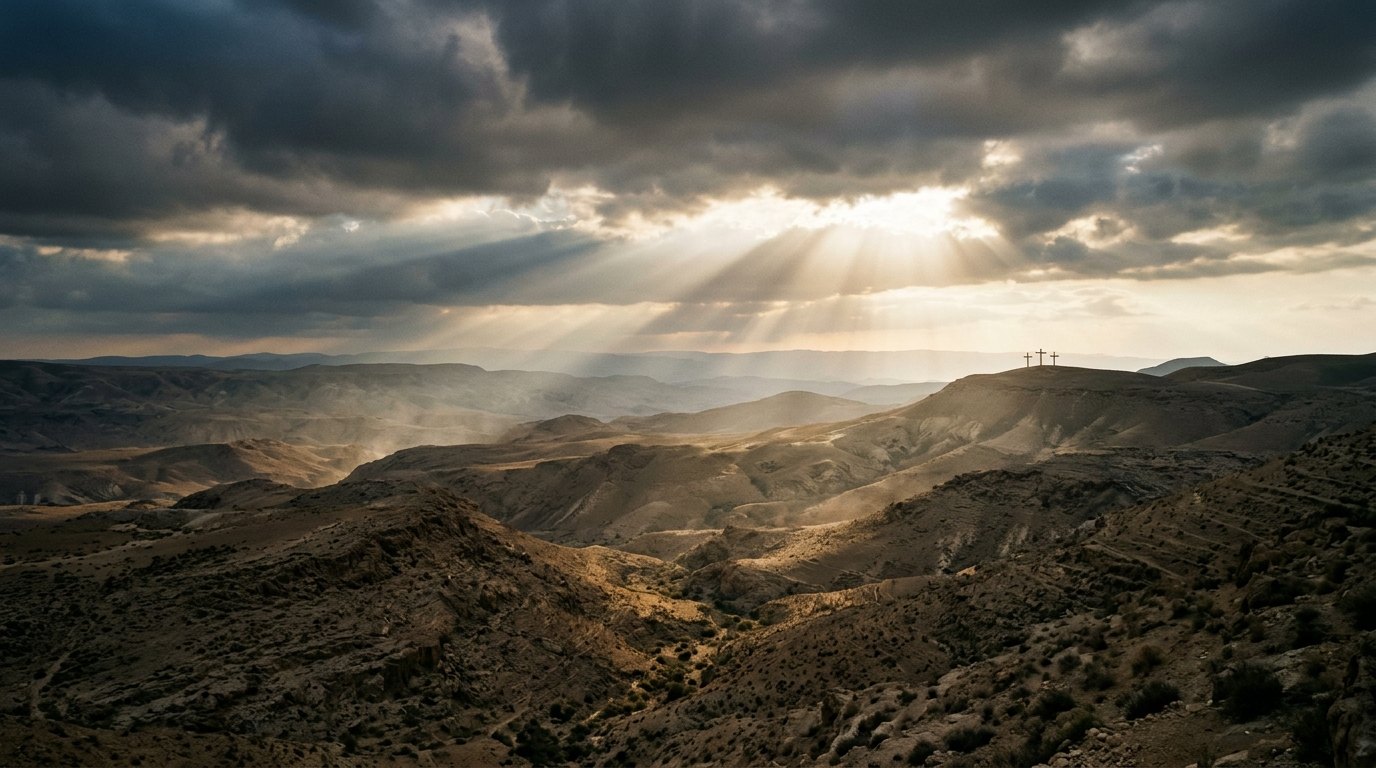
Ephesians 1:9-12
9 he made known to us the mystery of his will according to his good pleasure, which he purposed in Christ,
10 to be put into effect when the times reach their fulfillment—to bring unity to all things in heaven and on earth under Christ.
11 In him we were also chosen, having been predestined according to the plan of him who works out everything in conformity with the purpose of his will,
12 in order that we, who were the first to put our hope in Christ, might be for the praise of his glory.
New International Version (NIV)
The answer
God created the world for His glory and for Christ, with a purpose of grace that already included the redemption of sinners. The Fall was no surprise to Him, but foreknowledge is not authorship: God made creation good, human beings disobeyed, and God remains righteous while bringing His saving purpose to completion. He has not disclosed every detail of His eternal counsel, but He has plainly revealed these central truths.
Creation was good, and its goal is Christ
God did not create something evil. Genesis 1:31 says, "God saw everything that he had made, and, behold, it was very good." Humanity was made in God's image and given responsible dominion over creation (Genesis 1:26-28).
The world was also made with Christ as its goal: "All things have been created through him and for him" (Colossians 1:16). God works according to the counsel of His will, and His redeemed people exist "to the praise of his glory" (Ephesians 1:11-12). Creation therefore serves God's wise and good purpose, not a purpose defeated by human sin.
Foreknowledge does not make God guilty of sin
Adam and Eve were not forced to eat the forbidden fruit. The woman saw, desired, took and ate, and then gave it to her husband, who also ate (Genesis 3:6). Romans 5:12 states that "sin entered into the world through one man, and death through sin." The entrance of sin is attributed to human disobedience, not to a defect in creation or temptation by God.
James 1:13-15 makes God's innocence explicit: "he himself tempts no one"; temptation arises when a person is drawn away by his own lust. God's knowing what would happen did not make Adam innocent, and Adam's sin did not make God guilty.
The same distinction appears at the cross. Acts 2:23 says Jesus was delivered up by God's "determined counsel and foreknowledge," yet lawless men crucified and killed Him. God sovereignly accomplished His purpose through their act without approving their wickedness or removing their responsibility.
Redemption was God's purpose, not an emergency repair
Salvation is "not according to our works, but according to his own purpose and grace," given in Christ Jesus "before the world began" (2 Timothy 1:9). God's unveiled mystery is to "sum up all things in Christ," things in heaven and things on earth (Ephesians 1:9-10); Ephesians 3:3-9 explains that this mystery has now been revealed.
The cross displays why a world that would fall was still worth creating according to God's wisdom: His love and grace would be shown in His Son. "But God commends his own love toward us, in that while we were yet sinners, Christ died for us" (Romans 5:8). Through Christ, God makes peace "through the blood of his cross" (Colossians 1:20). Sin is never called good, and its condemnation is just, but God's grace abounds through Christ's obedience (Romans 5:15-19).
God's purpose ends in renewal, and the present call is repentance
History is moving toward God's dwelling with His people, the removal of death, mourning, crying and pain, and His making all things new (Revelation 21:3-5). Meanwhile, Romans 8:28 promises that God works all things together for good for those who love Him and are called according to His purpose. That does not make evil good; it means evil cannot frustrate God's final good purpose.
The personal response is therefore not merely to speculate about God's foreknowledge, but to repent and trust the Saviour He provided. Acts 3:19 commands, "Repent therefore, and turn again, that your sins may be blotted out." The promise to everyone who confesses is sure: "If we confess our sins, he is faithful and righteous to forgive us the sins and to cleanse us from all unrighteousness" (1 John 1:9).
Answered from Scripture · reviewed November 11, 2026
God did not create humanity in ignorance of our fall, nor was the cross an emergency response to a disrupted plan. Before the foundation of the world, God purposed to display the infinite riches of His glorious grace through the redemption of sinners in His Son, Jesus Christ.
The Son's Inheritance
The entire cosmos was created for Christ Jesus

For in him all things were created: things in heaven and on earth, visible and invisible, whether thrones or powers or rulers or authorities; all things have been created through him and for him.
Colossians 1:16 (NIV)
It declares that creation finds its ultimate origin, agency, and cosmic goal specifically in and for the Son of God.
Colossians 1:16 establishes the foundational truth of all existence: all things were created through Him and for Him. Creation was never intended to be an autonomous realm centered on humanity. It was spoken into being to serve as the cosmic theater for the Son of God. John 1:3 affirms this agency, declaring that without the Word was not any thing made that was made, while 1 Corinthians 8:6 reminds believers that there is one Lord Jesus Christ, through whom are all things and through whom we exist. The scope of creation is comprehensively centered on Jesus as the heir and ruler of every realm.
Hebrews 1:2 makes this inheritance explicit, declaring that God appointed His Son heir of all things, by whom also He made the worlds. Because Christ is the heir, no facet of creation lies outside His sovereign design or His ultimate purpose. Revelation 4:11 echoes the ceaseless worship of heaven, proclaiming that God created all things for His pleasure and by His sovereign will. Nothing was brought forth by chance or without a preordained end.
Even human rebellion does not thwart this design. Proverbs 16:4 teaches that the Lord has made everything for its purpose, even the wicked for the day of trouble. History cannot derail God's overarching purpose because every event serves His ultimate praise. As Romans 11:36 concludes in doxology, from Him and through Him and to Him are all things, to whom be glory forever.
| Passage | What it says |
|---|---|
| Colossians 1:16 | States all things were created by Christ, through Him, and directly for Him across heaven and earth. |
| Hebrews 1:2 | Affirms God appointed His Son heir of all things and through Him made the ages and worlds. |
| Revelation 4:11 | Praises the Lord because all things were created by His will and for His pleasure. |
| Proverbs 16:4 | Declares the Lord has made everything for its purpose, even the wicked for the day of trouble. |
| Romans 11:36 | Proclaims that from Him, through Him, and to Him are all things, to whom belongs glory forever. |
| John 1:3 | All things were made through the Word, establishing Christ as the agent and ultimate aim of creation. |
| 1 Corinthians 8:6 | Affirms that there is one Lord Jesus Christ through whom are all things and through whom we exist. |
The Eternal Blueprint
Redemption was planned before time ever began

He was chosen before the creation of the world, but was revealed in these last times for your sake.
1 Peter 1:20 (NIV)
It explicitly locates the appointment of Christ's redeeming sacrifice before the foundation of the world.
First Peter 1:20 reveals that Christ was foreknown before the foundation of the world but was manifested in these last times. God did not devise salvation as an emergency backup plan when humanity fell into sin. The sacrifice of the spotless and unblemished Lamb, described in 1 Peter 1:19, was determined before the dust of Eden was ever formed. Revelation 13:8 similarly points to the eternal purpose of redemption, identifying Jesus as the Lamb slain from the foundation of the world.
This eternal decree encompasses both the Redeemer and the redeemed. In 2 Timothy 1:9, Scripture states that God saved us according to His own purpose and grace, given to us in Christ Jesus before the ages began. Ephesians 1:4 confirms that the Father chose us in Him before the foundation of the world, predestining His people to holiness and love. Titus 1:2 grounds our hope in eternal life, which God, who cannot lie, promised before the world began.
Human wickedness at the cross did not interrupt this divine timeline; rather, it fulfilled it. In Acts 2:23, Peter preaches that Jesus was delivered up according to the definite plan and foreknowledge of God. Acts 4:27-28 reiterates that Herod, Pontius Pilate, and the crowds gathered only to carry out what God's hand and purpose had determined beforehand to occur. The cross was the ordained centerpiece of human history.
| Passage | What it says |
|---|---|
| 1 Peter 1:20 | Explains Christ was foreordained as the unblemished sacrificial Lamb before the world was founded. |
| 2 Timothy 1:9 | Reveals that grace and purpose were granted to believers in Christ Jesus before ages began. |
| Ephesians 1:4 | Shows the Father chose His people in Christ before the foundation of the world to be holy. |
| Revelation 13:8 | Identifies Jesus as the Lamb slain from or before the foundation of the world. |
| Titus 1:2 | Speaks of the hope of eternal life promised by God before time began. |
| Acts 2:23 | Jesus was delivered over to death according to the definite plan and foreknowledge of God. |
| Acts 4:27-28 | Rulers gathered against Jesus to do whatever God's hand and plan had predestined to occur. |
| 1 Peter 1:19 | Redemption was secured by the precious blood of Christ, a spotless and unblemished lamb. |
The Mystery Unveiled
History culminates in all things united in Christ

to be put into effect when the times reach their fulfillment—to bring unity to all things in heaven and on earth under Christ.
Ephesians 1:10 (NIV)
It reveals God's ultimate historical administration: gathering together under Christ every created reality in heaven and earth.
Ephesians 1:10 uncovers God's grand administrative purpose for history: to unite all things in Christ, things in heaven and things on earth. The entirety of created time is moving inexorably toward this universal culmination. In Ephesians 1:9, Paul writes that God made known to us the mystery of His will, according to His good pleasure which He purposed in Himself. Sin brought fracture, estrangement, and decay into the cosmos, but God's eternal plan was always to display Christ as the supreme head over a reconciled creation.
Believers have received their heavenly inheritance precisely within this purposeful administration. Ephesians 1:11 assures the church that we have obtained an inheritance, having been predestined according to the purpose of Him who works all things according to the counsel of His will. Nothing in history occurs outside the scope of His decree, ensuring that the final sum of history is securely anchored in the exalted Savior.
This sovereign blueprint remained concealed in past ages until its appointed disclosure. Ephesians 3:9 calls it the mystery hidden for ages in God, who created all things through Jesus Christ. Colossians 1:26 rejoices that this mystery hidden for ages and generations is now revealed to the saints. Romans 16:25 praises the preaching of Jesus Christ according to the revelation of the mystery kept secret since the world began, demonstrating that history has always marched toward Christ's supreme glory.
| Passage | What it says |
|---|---|
| Ephesians 1:9 | Explains that God revealed the mystery of His will according to His good pleasure. |
| Ephesians 1:10 | Announces God's plan to sum up all things in heaven and earth in Christ at the right time. |
| Ephesians 1:11 | Affirms believers obtained an inheritance according to the purpose of Him who works all things. |
| Ephesians 3:9 | Refers to the fellowship of the mystery hidden in God who created all things through Christ. |
| Colossians 1:26 | Declares the long-hidden mystery across generations is now manifested plainly to God's saints. |
| Romans 16:25 | Celebrates the proclamation of Jesus Christ according to the mystery kept secret since the world began. |
The Display of Grace
God created to magnify the glory of His mercy

to the praise of his glorious grace, which he has freely given us in the One he loves.
Ephesians 1:6 (NIV)
It shows that God's eternal choice of sinners terminates in the praise of the glory of His undeserved grace.
Ephesians 1:6 identifies the highest motive of creation and redemption: to the praise of the glory of His grace, by which He made us accepted in the Beloved. Had humanity never fallen, God's justice, holiness, and power would still be evident, but the fathomless depth of His mercy would have remained unrevealed. Ephesians 1:12 affirms that believers live to the praise of His glory, while Ephesians 2:7 promises that in the ages to come, God will demonstrate the exceeding riches of His grace in His kindness toward us in Christ Jesus.
Redemption reveals the heart of God in a way an unfallen cosmos never could. Romans 5:8 declares that God shows His love for us in that while we were still sinners, Christ died for us. Even where sin abounded, Romans 5:20-21 shows that grace abounded all the more, reigning through righteousness to eternal life. First John 4:9-10 reminds us that love is manifested not in that we loved God, but that He loved us and sent His Son to be the propitiation for our sins.
Every dimension of God's character is glorified in this overarching plan. Isaiah 43:7 proclaims that God created His people for His glory. In Romans 9:22-23, Scripture explains that God endured vessels of wrath to make known the riches of His glory for vessels of mercy. Romans 8:28 anchors the believer's absolute confidence in this reality: all things work together for good to those who love God and are called according to His purpose.
| Passage | What it says |
|---|---|
| Ephesians 1:6 | States God predestined adoption to the praise of the glory of His free grace. |
| Ephesians 1:12 | Points out that those who first hoped in Christ exist to the praise of His glory. |
| Ephesians 2:7 | Shows God redeemed sinners to display the exceeding riches of His grace in ages to come. |
| Romans 9:23 | Teaches God endured fallen vessels to make known the riches of His glory upon vessels of mercy. |
| Isaiah 43:7 | Declares that everyone called by the Lord's name was created specifically for His glory. |
| Romans 8:28 | Assures that all things work together for good to those called according to His divine purpose. |
| Romans 5:8 | God shows His love for us in that while we were still sinners, Christ died for us. |
| Romans 5:20-21 | Where sin increased, grace abounded all the more to reign through righteousness to eternal life. |
| Romans 9:22 | God bore vessels of wrath to make known the riches of His glory for vessels of mercy. |
| 1 John 4:9-10 | God manifested His love by sending His Son as the propitiation for our sins. |
The Consummation of Love
God fashioned an everlasting fellowship out of redeemed dust

And I will put enmity between you and the woman, and between your offspring and hers; he will crush your head, and you will strike his heel.”
Genesis 3:15 (NIV)
At the very entrance of sin into the world, God announces His ancient plan to crush the adversary through the woman's offspring.
The dawn of human rebellion was instantly met by sovereign mercy, centered on Genesis 3:15, where God promises that the offspring of the woman will crush the head of the serpent. The fall of man was no tragic accident that caught the Creator unawares, nor did it overturn His eternal counsel. In Genesis 1:26-27, God formed mankind in His own image and likeness, designing finite dust to reflect His infinite character and commune with Him in righteous fellowship. When humanity chose rebellion, bringing death into creation, God immediately announced His ancient design to overcome evil through an incarnate Redeemer. Because God alone declares the end from the beginning, as Isaiah 46:9-10 proclaims, His overarching purpose can never be thwarted by human treason or demonic malice. The entire sweep of redemptive history demonstrates that God's plan encompassed the cross from before time began. According to Hebrews 2:10, it was fitting that the Father, in bringing many sons to glory, should make the founder of their salvation perfect through suffering, displaying a deeper, sacrificial majesty than an unbroken Eden could ever know. This sovereign story reaches its climax in Revelation 21:3-4, where the dwelling place of God is fully realized with redeemed people, wiping away every tear and banishing death forever. God made the world knowing we would fall so that, through the blood of Christ, He might display the full, dazzling spectrum of His grace, raising up a redeemed bride who knows the depth of His forgiving love for all eternity.
| Passage | What it says |
|---|---|
| Genesis 1:26-27 | God created humanity in His own image and likeness to reflect His glory and rule. |
| Genesis 3:15 | Immediately after the Fall, God promises that the seed of the woman will crush the serpent's head. |
| Isaiah 46:9-10 | God declares the end from the beginning, establishing that His counsel shall stand and His purpose succeed. |
| Hebrews 2:10 | It was fitting for God to bring many sons to glory by making the founder of their salvation perfect through suffering. |
| Revelation 21:3-4 | The ultimate end of creation is God dwelling directly with redeemed humanity, wiping away every tear forever. |
Where in the Bible
| Book | Passages |
|---|---|
| Genesis | 2 · Genesis 1:26-27, Genesis 3:15 |
| Proverbs | 1 · Proverbs 16:4 |
| Isaiah | 2 · Isaiah 43:7, Isaiah 46:9-10 |
| John | 1 · John 1:3 |
| Acts | 2 · Acts 2:23, Acts 4:27-28 |
| Romans | 7 · Romans 11:36, Romans 16:25, Romans 9:23, Romans 8:28, Romans 5:8, Romans 5:20-21, Romans 9:22 |
| 1 Corinthians | 1 · 1 Corinthians 8:6 |
| Ephesians | 8 · Ephesians 1:4, Ephesians 1:9, Ephesians 1:10, Ephesians 1:11, Ephesians 3:9, Ephesians 1:6, Ephesians 1:12, Ephesians 2:7 |
| Colossians | 2 · Colossians 1:16, Colossians 1:26 |
| 2 Timothy | 1 · 2 Timothy 1:9 |
| Titus | 1 · Titus 1:2 |
| Hebrews | 2 · Hebrews 1:2, Hebrews 2:10 |
| 1 Peter | 2 · 1 Peter 1:20, 1 Peter 1:19 |
| 1 John | 1 · 1 John 4:9-10 |
| Revelation | 3 · Revelation 4:11, Revelation 13:8, Revelation 21:3-4 |
The story in order
- Creation of the cosmos for Christ (c. 4000 BC) · Colossians 1:16 · All things were created by Christ, through Him, and for Him.
- Humanity created in God's image (c. 4000 BC) · Genesis 1:26-27 · God created humanity to reflect His glory and rule.
- Promise of redemption after the Fall (c. 4000 BC) · Genesis 3:15 · God promised the seed of the woman would crush the serpent.
- Redemption planned before time (Before time) · 1 Peter 1:20 · Christ was foreordained as the sacrificial Lamb before the world.
- God's eternal purpose revealed (Before time) · Ephesians 1:9 · God revealed His hidden mystery according to His good pleasure.
- Christ appointed heir of all things (c. 1450 BC) · Hebrews 1:2 · God appointed His Son heir of all things.
- God's plan for Israel's redemption (c. 1450 BC) · Romans 9:22 · God bore vessels of wrath to make known His glory.
- Jesus delivered according to God's plan (AD 30) · Acts 2:23 · Jesus was delivered over to death by God's foreknowledge.
- The mystery of Christ manifested (c. AD 60) · Colossians 1:26 · The long-hidden mystery is now plainly manifested to saints.
- Summing up all things in Christ (c. AD 60) · Ephesians 1:10 · God's plan to unite all things in Christ.
- Grace abounds where sin increased (c. AD 55) · Romans 5:20-21 · Grace abounded all the more through Christ's righteousness.
- God dwelling with redeemed humanity (Future) · Revelation 21:3-4 · God will dwell with His people, wiping away tears.
God's Eternal Plan for Redemption
| God's Purpose | Christ's Role | Humanity's Outcome | Passage |
|---|---|---|---|
| Chosen in Christ before foundation of the world | Foreordained as the Lamb slain | To be holy and blameless | Ephesians 1:4 |
| Grace and purpose granted before ages began | Christ Jesus is the center | Believers receive eternal life | 2 Timothy 1:9 |
| Hope of eternal life promised | Christ is the founder of salvation | Many sons brought to glory through suffering | Titus 1:2 |
| Jesus delivered according to definite plan | Christ's blood secures redemption | Redeemed from sin | Acts 2:23 |
| Plan to sum up all things | Christ is the head of all things | All things united in Christ | Ephesians 1:10 |
The Display of God's Grace and Glory
| God's Action | Purpose | Result | Passage |
|---|---|---|---|
| Predestined adoption | Praise of the glory of His free grace | Adoption as sons | Ephesians 1:6 |
| Redeemed sinners | Display the exceeding riches of His grace | Riches of grace in ages to come | Ephesians 2:7 |
| Endured fallen vessels of wrath | Make known the riches of His glory | Vessels of mercy | Romans 9:22 |
| Sent His Son as propitiation | Manifested His love | Reconciliation and eternal life | 1 John 4:9-10 |
| All things work together for good | According to His divine purpose | Good for those called | Romans 8:28 |
Key words
- Grace (charis, χάρις)
- God's unmerited favor and kindness extended to humanity. · Ephesians 1:6
- Purpose (prothesis, πρόθεσις)
- God's sovereign plan and intention established before time. · Ephesians 1:11
- Mystery (mysterion, μυστήριον)
- A divine secret or plan previously hidden, now revealed. · Ephesians 1:9
- Foreordained (proginosko, προγινώσκω)
- Predestined or appointed by God before creation. · Acts 2:23
- Propitiation (hilasmos, ἱλασμός)
- An atoning sacrifice that turns away God's wrath. · 1 John 4:10
- Glory (doxa, δόξα)
- The manifest splendor and worth of God. · Ephesians 1:6
Your life and redemption are not an afterthought or a divine contingency plan, but the eternal intention of a sovereign God. Rest in the unshakable reality that the cross was purposed before time began, and that all creation is being gathered under the headship of Christ for His eternal glory.
36 passages, each cited once.
Scripture cited
- Ephesians 3:3-9
- 2 Timothy 1:9
- Ephesians 1:11
- Romans 8:28
- Genesis 1:26-31
- Genesis 3:1-19
- Romans 5:12-19
- James 1:13-15
- Colossians 1:15-20
- Revelation 21:1-5
- Acts 2:22-24
- Romans 5:8