Why did Jesus have to die?

Romans 5:6-11
6 You see, at just the right time, when we were still powerless, Christ died for the ungodly.
7 Very rarely will anyone die for a righteous person, though for a good person someone might possibly dare to die.
8 But God demonstrates his own love for us in this: While we were still sinners, Christ died for us.
9 Since we have now been justified by his blood, how much more shall we be saved from God’s wrath through him!
10 For if, while we were God’s enemies, we were reconciled to him through the death of his Son, how much more, having been reconciled, shall we be saved through his life!
11 Not only is this so, but we also boast in God through our Lord Jesus Christ, through whom we have now received reconciliation.
New International Version (NIV)
The answer
Jesus had to die because sin deserves death, and only the sinless Son of God could bear sin’s judgment in our place. His death was not merely a tragic accident or an inspiring example. It was God’s atoning sacrifice, enabling God to remain perfectly just while forgiving and reconciling sinners who trust in Jesus.
Why death was necessary
Sin is not a small flaw God can simply overlook. Romans 3:23 says, “for all have sinned, and fall short of the glory of God,” and Romans 6:23 declares, “For the wages of sin is death.” Romans 5 describes our condition without Christ as weak, ungodly, sinful and even hostile to God (Romans 5:6-10). We therefore needed more than advice or moral improvement: we needed rescue from sin, death and God’s wrath.
What Jesus’ death accomplished
- He took our place. “For him who knew no sin he made to be sin on our behalf, so that in him we might become the righteousness of God” (2 Corinthians 5:21). The sinless one bore what sinners deserved.
- He satisfied God’s justice. God sent Christ “to be an atoning sacrifice through faith in his blood” (Romans 3:25). The cross demonstrates that God is both “just and the justifier of him who has faith in Jesus” (Romans 3:26). Forgiveness does not pretend evil is insignificant; its judgment fell on Christ.
- He reconciled us to God. “While we were enemies, we were reconciled to God through the death of his Son” (Romans 5:10). His death removes the barrier sin created and brings believers into a restored relationship with God.
- He demonstrated God’s love. “But God commends his own love toward us, in that while we were yet sinners, Christ died for us” (Romans 5:8). God did not wait for people to become worthy; Christ died for the ungodly “at the right time” (Romans 5:6).
Why Jesus alone could do this
Every ordinary human being shares in sin, but Jesus “knew no sin” (2 Corinthians 5:21). Being justified by His blood, believers “will be saved from God’s wrath through him” (Romans 5:9). Nor did salvation end at the cross: Christ was delivered for our offences and raised for our justification (Romans 4:25), and those reconciled through His death are saved by His life (Romans 5:10).
This salvation is received through faith, not earned by good behaviour. Romans 6:23 calls eternal life “the free gift of God … in Christ Jesus our Lord.” To trust Christ is to rely on His death and resurrection rather than our own goodness, receiving forgiveness, reconciliation and new life in Him.
Answered from Scripture · reviewed November 11, 2026
Jesus had to die because God's holy justice demands death for sin, and only a spotless substitute could bear that judgment in our place. His death on the cross was neither a tragic accident nor merely an inspiring example, but the purposeful sacrifice that satisfied divine justice and rescued guilty sinners. Understanding why Christ died lays bare both the catastrophic gravity of our rebellion and the astonishing depth of God's reconciling love.
The Sentence of Sin
Sin Demands Death and Incurs Holy Wrath
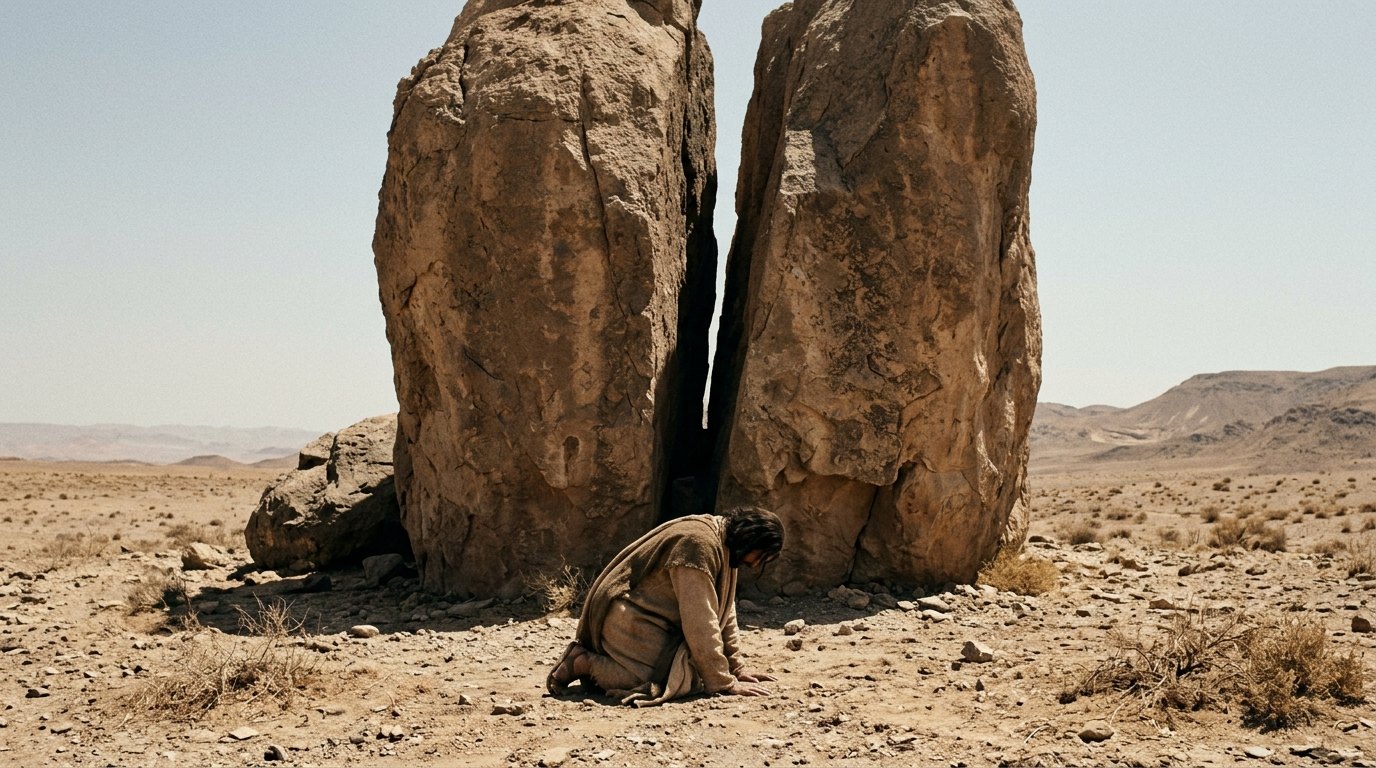
For the wages of sin is death, but the gift of God is eternal life inChrist Jesus our Lord.
Romans 6:23 (NIV)
It defines the non-negotiable legal wage of sin as eternal death and contrasts it with God's free gift of life.
Paul states the unbending legal reality in Romans 6:23: the wages of sin is death. This verdict is neither arbitrary nor negotiable; it flows directly from God's moral perfection. In the garden, the Lord warned our first parents that eating of the forbidden tree would lead inexorably to death (Genesis 2:17). Ezekiel 18:4 reinforces this absolute standard across all generations: the soul who sins shall die. Because God's eyes are too pure to look upon evil (Habakkuk 1:13), sin creates an impenetrable rift. As Isaiah 59:2 explains, our iniquities establish a deep separation, hiding His holy face from fallen humanity.
Every human being stands under this righteous indictment. Paul records in Romans 3:23 that all have sinned and fall short of the glory of God. Apart from redeeming intervention, humanity is not merely sick or struggling; Ephesians 2:1-3 reveals that sinners are spiritually dead in trespasses and by nature children of wrath. God cannot overlook rebellion or dismiss guilt without violating His own righteous character. Divine holiness demands the punishment of cosmic treason, and because every sinner owes an unpayable debt of death, human rescue requires an answer that honors the holy law.
| Passage | What it says |
|---|---|
| Genesis 2:17 | God warned that disobedience and eating of the forbidden tree would result in certain death. |
| Ezekiel 18:4 | God declares that every soul belongs to Him and the soul who sins shall die. |
| Romans 3:23 | Scripture establishes that every human being has sinned and fallen short of God's glory. |
| Romans 6:23 | The wages of sin is death, but eternal life is God's free gift in Christ Jesus. |
| Ephesians 2:1-3 | Man without Christ is spiritually dead in trespasses and by nature a child of divine wrath. |
| Habakkuk 1:13 | God's eyes are too pure to approve evil, establishing the absolute barrier between holy God and sinful humanity. |
| Isaiah 59:2 | Iniquities cause a separation between God and His people, hiding His face so that He will not hear. |
The Blood Requirement
Without the Shedding of Blood There Is No Remission
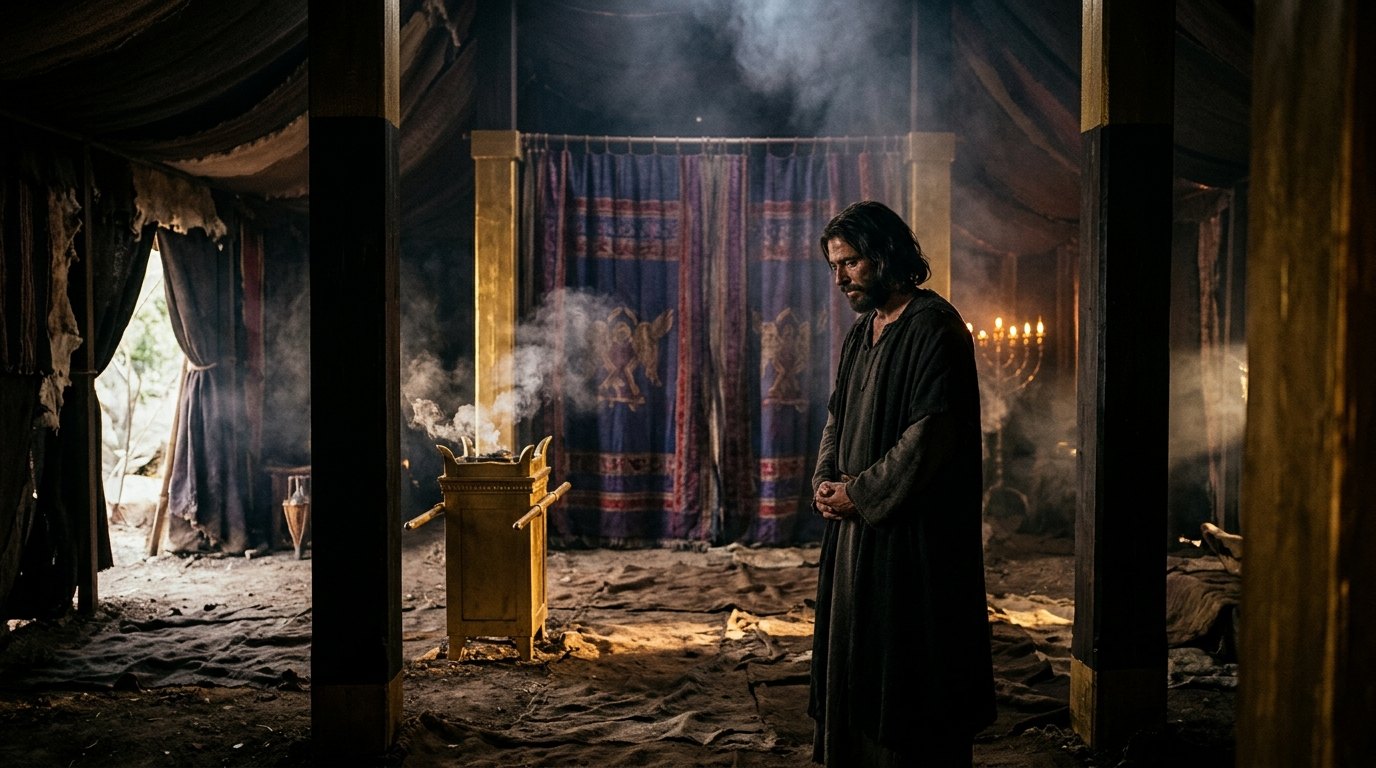
In fact, the law requires that nearly everything be cleansed with blood, and without the shedding of blood there is no forgiveness.
Hebrews 9:22 (NIV)
It states the foundational biblical principle that God's law requires shedding of blood for forgiveness.
Hebrews 9:22 presents the unchanging biblical principle that without the shedding of blood there is no forgiveness of sins. God established this pattern immediately after the Fall, crafting tunics of animal skin to cover Adam and Eve's naked shame (Genesis 3:21), marking the first physical death to shield human guilt. In the Law, God declared that the life of the flesh is in the blood, given upon the altar to make atonement for souls (Leviticus 17:11). This requirement achieved sharp historical focus during the Exodus, where the blood of the unblemished Passover lamb smeared on doorposts caused the angel of death to pass over Israelite homes (Exodus 12:13).
Yet these ancient shadows were never the final remedy. Every year on the Day of Atonement, the high priest slaughtered the goat of the sin offering and brought its blood behind the veil (Leviticus 16:15-16). But Hebrews 10:4 makes clear that the blood of bulls and goats could never permanently take away sins; they were prophetic placeholders. Christ entered the heavenly holy place once for all through His own blood, obtaining eternal redemption (Hebrews 9:11-14). As Paul writes in 1 Corinthians 5:7, Christ our Passover has been sacrificed for us, and through His single offering our consciences are forever cleansed (Hebrews 10:11-14).
| Passage | What it says | Fulfilled |
|---|---|---|
| Leviticus 17:11 | The life of the flesh is in the blood, given upon the altar to make atonement for souls. | Hebrews 9:11-14 |
| Exodus 12:13 | The blood of the slain Passover lamb on the doorposts caused judgment to pass over Israel. | 1 Corinthians 5:7 |
| Hebrews 9:22 | According to the law almost all things are cleansed with blood, and without blood there is no forgiveness. | Hebrews 10:11-14 |
| Hebrews 10:4 | The blood of bulls and goats could never permanently take away human sins. | Hebrews 10:10-12 |
| Genesis 3:21 | The Lord God made garments of skin to clothe Adam and Eve, marking the first shed blood covering human shame. | Hebrews 9:22 |
| Leviticus 16:15-16 | The high priest slaughters the goat of the sin offering for the people to make atonement for the holy place. | Hebrews 9:11-12 |
| Hebrews 9:11-14 | Christ entered the holy place once for all through His own blood, cleansing our conscience from dead works. |
The Sinless Substitute
Only the Spotless Son Could Bear Our Guilt
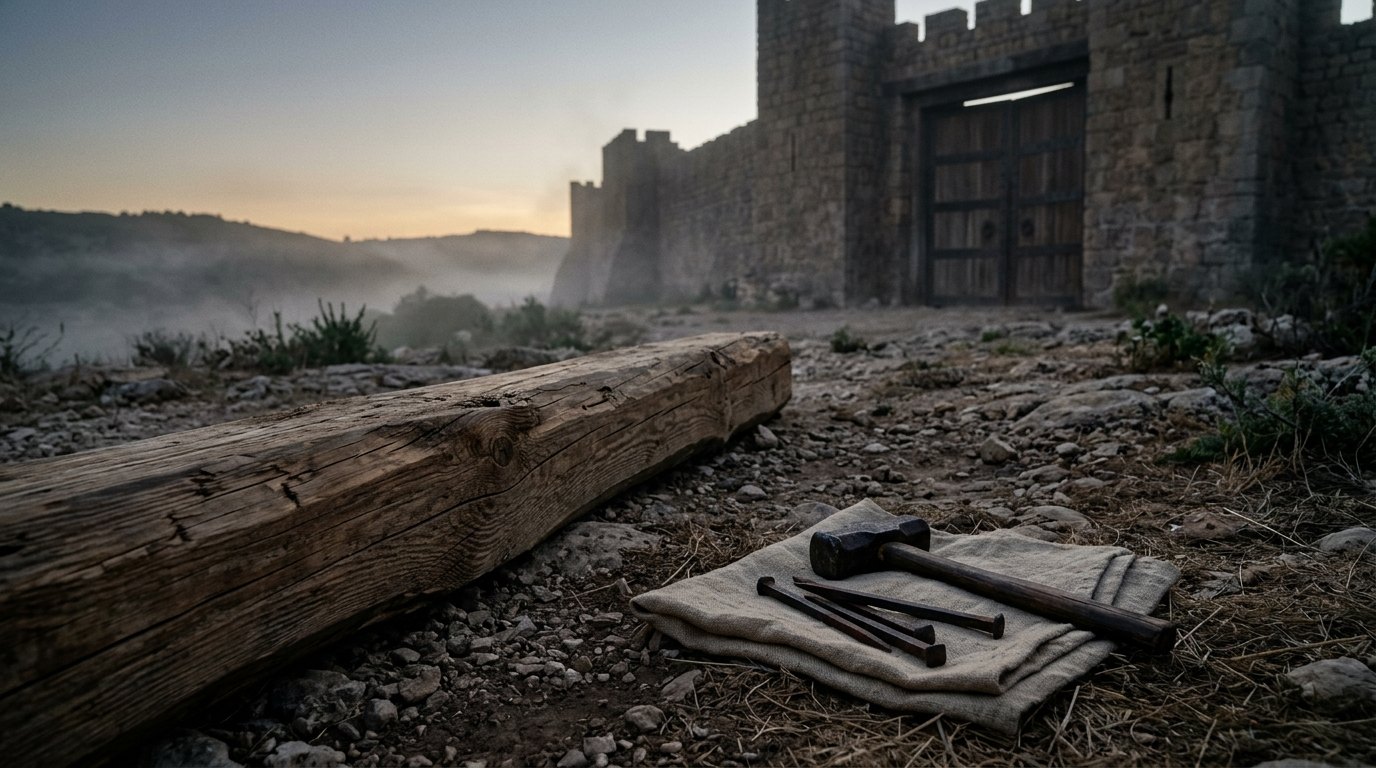
God made him who had no sin to be sinfor us, so that in him we might become the righteousness of God.
2 Corinthians 5:21 (NIV)
It encapsulates the great exchange: the sinless Christ was made sin so that sinners become righteous.
In 2 Corinthians 5:21, Scripture reveals the glorious architecture of redemption: God made Him who knew no sin to be sin on our behalf, so that we might become the righteousness of God in Him. A guilty sinner cannot atone for another sinner, for his own life is already forfeit under judgment. Christ was fully tempted in all points as we are, yet remained entirely without sin (Hebrews 4:15). As our spotless High Priest—holy, innocent, undefiled, and separated from sinners (Hebrews 7:26-27)—He stood as the only qualified substitute in human history.
Centuries before the crucifixion, the prophet foresaw this precise substitution. Isaiah 53:4-6 declared that the Lord laid upon His Servant the iniquity of us all, wounding Him for our transgressions and bruising Him for our iniquities. God was pleased to crush Him as a guilt offering, bearing the sins of many (Isaiah 53:10-12). In fulfillment, the Lord Jesus gave His life as a ransom for many (Mark 10:45). Peter affirms that Christ committed no sin, yet bore our sins in His own body on the tree (1 Peter 2:22-24). He died the righteous for the unrighteous to bring us to God (1 Peter 3:18), taking upon Himself the devastating curse of the law so that we might walk in absolute liberty (Galatians 3:13).
| Passage | What it says |
|---|---|
| Isaiah 53:4-6 | The Lord laid on His Suffering Servant the iniquity of us all, bruising Him for our transgressions. |
| 2 Corinthians 5:21 | God made Him who knew no sin to be sin for us, that we might become God's righteousness. |
| Galatians 3:13 | Christ redeemed us from the curse of the law by becoming a curse on the tree for us. |
| 1 Peter 2:22-24 | Jesus committed no sin, yet carried our sins in His body on the tree that we might live to righteousness. |
| 1 Peter 3:18 | Christ suffered once for sins, the righteous for the unrighteous, to bring us safely to God. |
| Isaiah 53:10-12 | The Lord was pleased to crush Him as a guilt offering, bearing the sin of many to justify them. |
| Mark 10:45 | The Son of Man came to serve and give His life as a ransom for many. |
| Hebrews 4:15 | Jesus was tempted in all things yet remained without sin, qualifying Him as the unblemished offering. |
| Hebrews 7:26-27 | A high priest holy, innocent, and undefiled does not need daily sacrifices, having offered Himself up once. |
Justice and Justification
Satisfying Divine Justice While Justifying the Ungodly
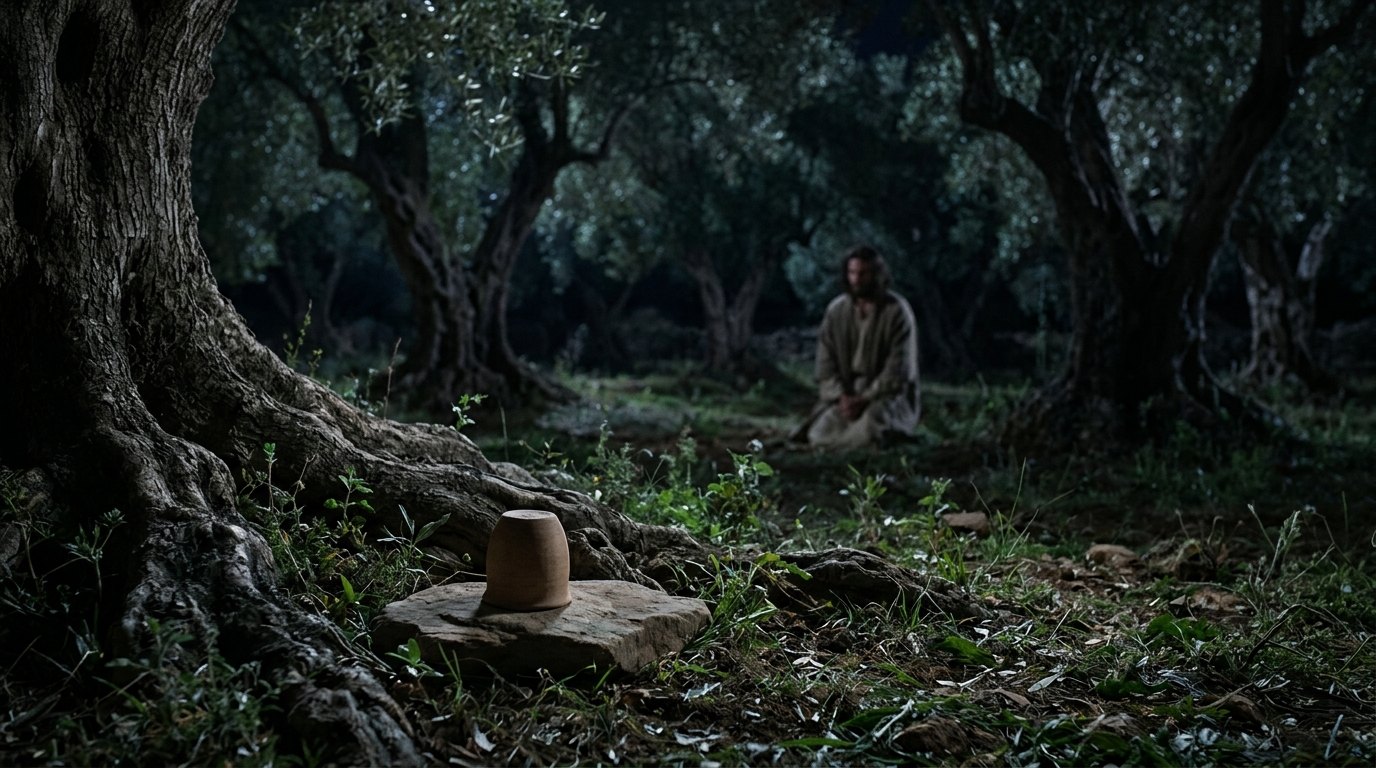
God presented Christ as a sacrifice of atonement, through the shedding of his blood—to be received by faith. He did this to demonstrate his righteousness, because in his forbearance he had left the sins committed beforehand unpunished— he did it to demonstrate his righteousness at the present time, so as to be just and the one who justifies those who have faith in Jesus.
Romans 3:25-26 (NIV)
It reveals that the cross vindicates God's righteousness, proving Him just even as He pardons believers.
Romans 3:25-26 resolves the deepest moral dilemma of the universe: God displayed Christ publicly as a propitiation to demonstrate His righteousness, proving that He is both entirely just and the justifier of the one who has faith in Jesus. If God merely forgave sinners without executing the legal penalty of the law, His justice would be compromised. Propitiation means the turning away of holy wrath by an adequate offering. In 1 John 2:2 and 1 John 4:10, John celebrates this truth: true love is manifested in God sending His Son to be the atoning propitiation for our sins.
This required suffering was acutely anticipated in Gethsemane, where Jesus looked into the bitter cup of divine judgment and prayed that it might pass, yet submitted fully to the Father's sovereign will (Matthew 26:39). As Moses lifted up the bronze serpent in the wilderness to rescue dying rebels, so the Son of Man had to be lifted up on the cross (John 3:14-16). Through that finished work, Christ was delivered over for our offenses and raised for our justification (Romans 4:25). Whoever trusts in the crucified Son receives everlasting life, while those who reject Him remain under the inescapable wrath of God (John 3:36).
| Passage | What it says |
|---|---|
| Romans 3:25 | God displayed Christ publicly as a propitiation through faith in His blood to demonstrate divine righteousness. |
| Romans 3:26 | God demonstrated His justice at the present time, showing Himself to be both just and the justifier of believers. |
| Romans 4:25 | Jesus was delivered over to death for our offences and raised again for our justification. |
| 1 John 2:2 | Jesus is the atoning propitiation for our sins, and not for ours only but for the whole world. |
| 1 John 4:10 | Love is defined not by our love for God, but by His sending His Son as propitiation for our sins. |
| Matthew 26:39 | Jesus prays for the cup of divine wrath to pass, yet submits entirely to the Father's will. |
| John 3:14-16 | As Moses lifted up the serpent, the Son of Man must be lifted up so that all who believe have eternal life. |
| John 3:36 | Whoever believes in the Son has life, but the wrath of God remains on whoever rejects Him. |
Reconciliation and Life
Enemies Made Friends and Brought Near Through Death
But God demonstrates his own love for us in this: While we were still sinners, Christ died for us.
Romans 5:8 (NIV)
It demonstrates the unparalleled glory of God's love, dying for us while we were still helpless and ungodly.
The death of Christ is not merely an act of rescue; it is an act of sovereign, unmerited reconciliation. God proves His own love toward us in that while we were still sinners, Christ died for us (Romans 5:8). When humanity was completely helpless, moral outlaws unable to contribute anything toward their own salvation, Christ died for the ungodly at the precise appointed time (Romans 5:6). This is love without earthly parallel: men rarely die for a righteous person, yet the Son of God poured out His soul for those actively rebelling against His throne. The immediate fruit of that sacrifice is justification by His blood, ensuring that believers are rescued from the coming divine wrath (Romans 5:9). If God reconciled us to Himself through the agonizing death of His Son while we were still His avowed enemies, how much more shall those reconciled ones be kept secure by His risen life (Romans 5:10)? Therefore, the redeemed do not merely receive peace as an abstract legal verdict; they exult in God Himself through the Lord Jesus Christ (Romans 5:11).
This peace required the total eradication of the legal barrier between a holy God and guilty sinners. In Colossians 2:13-14, Paul explains that God made dead sinners alive together with Christ, having graciously forgiven all their trespasses. He did this by wiping out the certificate of debt with its legal decrees that testified against us; Christ took that entire condemning record out of the way, nailing it irrevocably to the cross. Such lavish mercy leaves no room for human boasting, for as Titus 3:4-5 affirms, God saved us entirely apart from any righteous deeds we performed, washing and renewing us according to His own boundless mercy.
The cross also dismantled the dividing wall between estranged peoples. According to Ephesians 2:13-16, those who were once far off—separated from the covenants of promise—have been brought near by the blood of Christ. In His flesh, Jesus abolished the hostility between Jew and Gentile, creating one new man and reconciling both groups to God in one body through the cross, thereby putting that hostility to death. This cosmic reconciliation reaches into every realm, for God was pleased through Christ's cross to reconcile all things to Himself, presenting once-alienated believers as holy, blameless, and above reproach in His sight (Colossians 1:19-22). The price of such immense restoration was nothing corruptible like gold or silver; redemption was purchased solely by the unblemished, precious blood of the spotless Lamb (1 Peter 1:18-19).
| Passage | What it says |
|---|---|
| Romans 5:6 | While we were still helpless and powerless, at the right time Christ died for the ungodly. |
| Romans 5:8 | God proves His own love toward us in that while we were still sinners, Christ died for us. |
| Romans 5:9 | Having now been justified by His blood, believers are saved from the coming wrath of God through Him. |
| Romans 5:10 | While we were God's enemies we were reconciled by the death of His Son, and being reconciled we are saved by His life. |
| Romans 5:11 | Believers exult in God through our Lord Jesus Christ, through whom we have received the reconciliation. |
| Colossians 2:13-14 | God forgave our trespasses, canceling the record of debt that stood against us by nailing it to the cross. |
| Titus 3:4-5 | God saved us not by works of righteousness we did, but according to His mercy in Christ Jesus. |
| Ephesians 2:13-16 | Believers once far off are brought near by the blood of Christ, reconciling both Jew and Gentile to God. |
| Colossians 1:19-22 | God reconciled all things to Himself through the blood of Christ's cross, presenting believers holy and blameless. |
| 1 Peter 1:18-19 | Redemption came not with perishable silver or gold, but with the precious blood of Christ, a spotless lamb. |
Defeating the Powers
Christ Conquered the Devil and Broke Death's Power
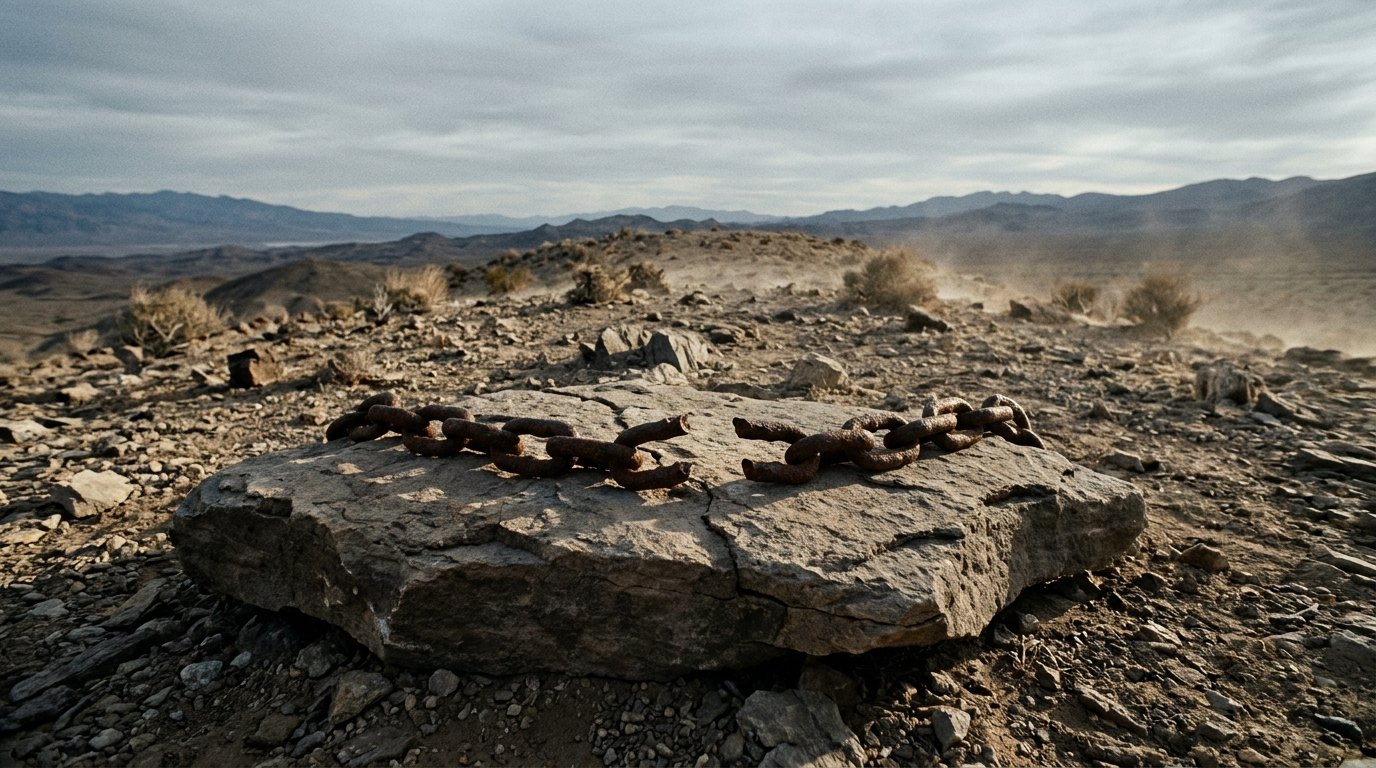
Since the children have flesh and blood, he too shared in their humanity so that by his death he might break the power of him who holds the power of death—that is, the devil—
Hebrews 2:14 (NIV)
It shows that incarnation and death were necessary specifically to destroy Satan's weapon of death.
From the earliest dawn of human history, God announced that redemption would involve violent combat resulting in the utter ruin of the deceiver. Through death, Christ rendered powerless the devil who held the power of death, delivering those who through fear of death were subject to lifelong slavery (Hebrews 2:14-15). In the garden of Eden, the Lord pronounced the protoevangelium, promising that the seed of the woman would suffer a bruised heel while decisively crushing the head of the ancient serpent (Genesis 3:15). That ancient shadow found its historical substance at Calvary. The cross seemed to the eyes of flesh like the devil's crowning triumph, but it was in reality the precise instrument of his everlasting destruction, fulfilling the promise that the Son of God would appear to destroy the devil's works (1 John 3:8).
As the hour of the crucifixion drew near, the Lord Jesus declared that the crisis of the cosmos had arrived. He proclaimed, 'Now is the judgment of this world; now the ruler of this world will be cast out' (John 12:31), adding that when lifted up from the earth upon the cross, He would draw all men to Himself (John 12:32-33). The lifting up of the Son of Man was both an execution and an enthronement. Satan had held mankind captive through the lawful condemnation of sin and the terrifying specter of eternal death, wielding the righteous law of God as an instrument of accusation.
At the cross, Christ stripped the enemy of his sole weapon. By bearing the curse in full, Jesus disarmed the demonic rulers and principalities, exposing them to public shame and triumphing over them through the wood of the cross (Colossians 2:15). Satan can no longer level an unanswerable charge against God's elect, nor can the grave hold terror for those who belong to the Risen One. The tyrant has been legally and fundamentally broken.
| Passage | What it says | Fulfilled |
|---|---|---|
| Genesis 3:15 | The seed of the woman will bruise the serpent's head while having His own heel bruised. | Colossians 2:15, Hebrews 2:14-15, 1 John 3:8 |
| John 12:31-33 | The ruler of this world is cast out as Jesus is lifted up from the earth to draw all people. | |
| Colossians 2:15 | Christ disarmed the rulers and authorities, triumphing over them through the cross. | |
| Hebrews 2:14-15 | Through death Christ rendered powerless the devil who held the power of death, delivering captives from fear. | |
| 1 John 3:8 | The Son of God appeared for this purpose: to destroy the works of the devil. |
The Divine Necessity
The Sovereign Council Ordained the Cross from Eternity
This man was handed over to you by God’s deliberate plan and foreknowledge; and you, with the help of wicked men, put him to death by nailing him to the cross.
Acts 2:23 (NIV)
It demonstrates that the crucifixion was neither an accident nor a backup plan, but God's eternal decree.
The cross of Jesus Christ was never an emergency measure, an unforeseen catastrophe, or a tragic miscarriage of justice that interrupted God's intentions. This Jesus was delivered over by the predetermined plan and foreknowledge of God, nailed to a cross by lawless hands, and put to death (Acts 2:23). Scripture reveals that the sacrifice of the cross was settled in the eternal council of the triune Godhead before the stars were flung into space. Revelation 13:8 identifies Christ as the Lamb slain from the foundation of the world, demonstrating that the redemption of fallen sinners was the primary architectonic blueprint of creation itself.
When the risen Lord met the sorrowing disciples on the road to Emmaus, He rebuked their dullness of heart to believe all that the prophets had spoken, asking, 'Was it not necessary that the Christ should suffer these things and enter into His glory?' (Luke 24:25-26). Beginning with Moses and all the Prophets, Jesus systematically unfolded from the entire Old Testament the unalterable necessity of His suffering (Luke 24:27). Later, opening the minds of the apostles in Jerusalem, He reiterated that everything written about Him in the Law of Moses, the Prophets, and the Psalms had to be fulfilled: the Messiah had to suffer and rise on the third day so that repentance for the forgiveness of sins could be proclaimed to all nations (Luke 24:44-47).
Human agents acted with complete moral responsibility and malice, yet their wicked conspiracy fulfilled the exact sovereign will of God. As the early church prayed in Acts 4:27-28, Herod, Pontius Pilate, the Gentiles, and the peoples of Israel gathered together in Jerusalem only to do whatever God's hand and purpose had predestined to occur. The cross stands as the supreme demonstration of God's absolute sovereignty, orchestrating even the deepest evil of man to accomplish the eternal salvation of His people.
| Passage | What it says |
|---|---|
| Luke 24:25-27 | Jesus explains to the disciples on the Emmaus road that the Christ had to suffer to enter His glory. |
| Luke 24:44-46 | All things written in the Law of Moses, Prophets, and Psalms had to be fulfilled in Christ's suffering and resurrection. |
| Acts 2:23 | Jesus was delivered over by the predetermined plan and foreknowledge of God to be crucified. |
| Acts 4:27-28 | Rulers gathered against Jesus to do whatever God's hand and purpose predestined to occur. |
| Revelation 13:8 | Christ is the Lamb slain from the foundation of the world according to the eternal purpose of God. |
Where in the Bible
| Book | Passages |
|---|---|
| Genesis | 3 · Genesis 2:17, Genesis 3:21, Genesis 3:15 |
| Exodus | 1 · Exodus 12:13 |
| Leviticus | 2 · Leviticus 17:11, Leviticus 16:15-16 |
| Isaiah | 3 · Isaiah 59:2, Isaiah 53:4-6, Isaiah 53:10-12 |
| Ezekiel | 1 · Ezekiel 18:4 |
| Habakkuk | 1 · Habakkuk 1:13 |
| Matthew | 1 · Matthew 26:39 |
| Mark | 1 · Mark 10:45 |
| Luke | 2 · Luke 24:25-27, Luke 24:44-46 |
| John | 3 · John 3:14-16, John 3:36, John 12:31-33 |
| Acts | 2 · Acts 2:23, Acts 4:27-28 |
| Romans | 10 · Romans 3:23, Romans 6:23, Romans 3:25, Romans 3:26, Romans 4:25, Romans 5:6, Romans 5:8, Romans 5:9, Romans 5:10, Romans 5:11 |
| 2 Corinthians | 1 · 2 Corinthians 5:21 |
| Galatians | 1 · Galatians 3:13 |
| Ephesians | 2 · Ephesians 2:1-3, Ephesians 2:13-16 |
| Colossians | 3 · Colossians 2:13-14, Colossians 1:19-22, Colossians 2:15 |
| Titus | 1 · Titus 3:4-5 |
| Hebrews | 6 · Hebrews 9:22, Hebrews 10:4, Hebrews 9:11-14, Hebrews 4:15, Hebrews 7:26-27, Hebrews 2:14-15 |
| 1 Peter | 3 · 1 Peter 2:22-24, 1 Peter 3:18, 1 Peter 1:18-19 |
| 1 John | 3 · 1 John 2:2, 1 John 4:10, 1 John 3:8 |
| Revelation | 1 · Revelation 13:8 |
The story in order
- God warns of death for disobedience (c. 4000 BC) · Genesis 2:17 · Establishes death as the consequence of sin.
- First blood shed for covering (c. 4000 BC) · Genesis 3:21 · Marks the beginning of blood sacrifice for sin.
- Passover blood saves from judgment (c. 1445 BC) · Exodus 12:13 · Blood signifies atonement and deliverance.
- Blood is required for atonement (c. 1445 BC) · Leviticus 17:11 · Life is in the blood, used for atonement.
- Prophet foretells suffering servant (c. 700 BC) · Isaiah 53:4-6 · Foretells the Servant bearing human iniquity.
- Jesus is tempted but sinless (c. AD 60) · Hebrews 4:15 · Highlights Jesus' perfect sinlessness.
- Jesus is made sin for us (c. AD 55) · 2 Corinthians 5:21 · Explains the substitutionary atonement.
- Jesus becomes a curse for us (c. AD 48) · Galatians 3:13 · Christ bore the curse of the law.
- Jesus dies for the ungodly (c. AD 57) · Romans 5:6 · Christ died for us while we were sinners.
- Jesus is raised for justification (c. AD 57) · Romans 4:25 · His resurrection secures our justification.
- Christ disarms the powers (c. AD 60) · Colossians 2:15 · The cross defeated spiritual enemies.
- Jesus explains his suffering (AD 30) · Luke 24:44-46 · His suffering was foreordained and necessary.
- Christ is the Lamb slain from foundation (c. AD 95) · Revelation 13:8 · His sacrifice was part of God's eternal plan.
Substitutionary Sacrifice
| The Guilty | The Substitute | The Result | Passage |
|---|---|---|---|
| All have sinned | Christ, who knew no sin | We become God's righteousness | |
| We are under the curse of the law | Christ became a curse for us | We are redeemed from the curse | Galatians 3:13 |
| We deserved death | Jesus carried our sins | We live to righteousness | 1 Peter 2:22-24 |
| We were ungodly | Christ died for the ungodly | We are justified by His blood | Romans 5:6-9 |
Justice and Justification
| God's Justice | Christ's Work | Our Status | Passage |
|---|---|---|---|
| Sin incurs divine wrath | Christ bore the wrath (propitiation) | We are saved from wrath | |
| God is just | Christ's death demonstrates justice | God is the justifier of believers | Romans 3:26 |
| We are guilty | Christ delivered for our offenses | We are justified by His resurrection | Romans 4:25 |
Key words
- Sin (ḥaṭṭā'ṯ (חַטָּאת))
- Humanity's rebellion against God, incurring death and separation. · Romans 3:23
- Death (māweth (מָוֶת))
- The consequence of sin, both physical and spiritual separation from God. · Romans 6:23
- Wrath (orgē (ὀργή))
- God's holy and righteous anger against sin. · Ephesians 2:3
- Blood (dama (דָּמָה))
- Symbolizes life and is required for atonement and forgiveness. · Leviticus 17:11
- Atonement (kipur (כִּפֻּר))
- The act of making amends or reconciliation for sin. · Leviticus 16:16
- Substitute (anti (ἀντί))
- One who takes the place of another, bearing their penalty. · 1 Peter 3:18
- Propitiation (hilastērion (ἱλαστήριον))
- An offering that turns away wrath; a sacrifice of appeasement. · Romans 3:25
- Justification (dikaiōsis (δικαίωσις))
- Being declared righteous by God through faith in Christ. · Romans 4:25
The death of Jesus was necessary because our debt was lethal, our condition was hopeless, and God's justice is uncompromising. When we look to the cross, we see our sin judged to the uttermost and God's grace poured out freely to all who believe. Trusting in Christ's finished sacrifice means resting entirely in His righteousness, forever freed from wrath and restored into peaceful fellowship with God.
51 passages, each cited once.
Scripture cited
- Romans 5:6-11
- Romans 5:8
- Romans 5:10
- Romans 4:25
- Romans 3:23-26
- Romans 6:23
- 2 Corinthians 5:21