Why do I keep sinning even though I am a Christian?
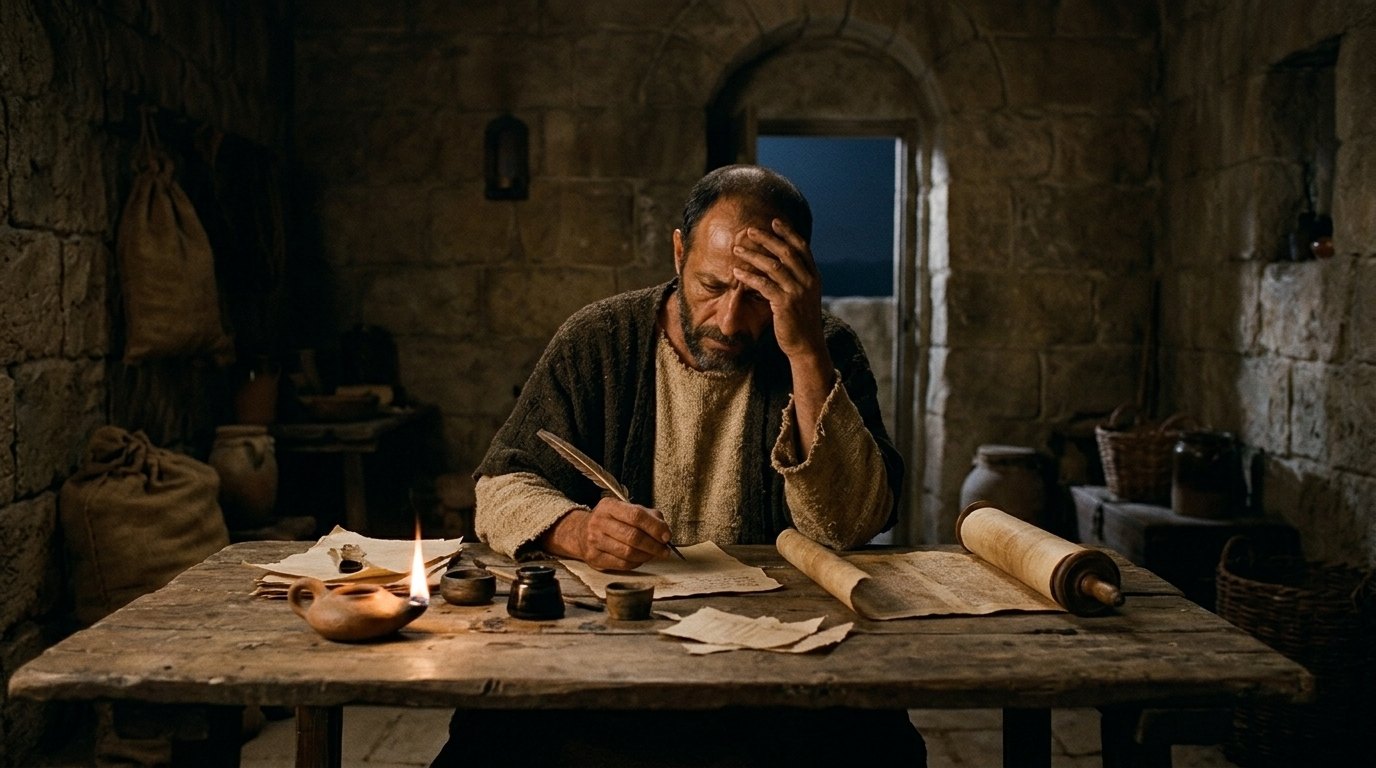
Romans 7:15-25
15 I do not understand what I do. For what I want to do I do not do, but what I hate I do.
16 And if I do what I do not want to do, I agree that the law is good.
17 As it is, it is no longer I myself who do it, but it is sin living in me.
18 For I know that good itself does not dwell in me, that is, in my sinful nature. For I have the desire to do what is good, but I cannot carry it out.
19 For I do not do the good I want to do, but the evil I do not want to do—this I keep on doing.
20 Now if I do what I do not want to do, it is no longer I who do it, but it is sin living in me that does it.
21 So I find this law at work: Although I want to do good, evil is right there with me.
22 For in my inner being I delight in God’s law;
23 but I see another law at work in me, waging war against the law of my mind and making me a prisoner of the law of sin at work within me.
24 What a wretched man I am! Who will rescue me from this body that is subject to death?
25 Thanks be to God, who delivers me through Jesus Christ our Lord! So then, I myself in my mind am a slave to God’s law, but in my sinful naturea slave to the law of sin.
New International Version (NIV)
The answer
A Christian still sins because new life in Christ does not yet make the believer sinless. The flesh remains and wars against the Spirit, even though sin is no longer the believer’s rightful master. Galatians 5:17 says, “For the flesh lusts against the Spirit, and the Spirit against the flesh.” That explains the conflict, but it never excuses surrender to sin.
Why the conflict remains
Romans 7:22-23 describes delighting in God’s law inwardly while finding “a different law” in one’s members, warring against the mind and bringing captivity. Romans 7:17 identifies the problem as “sin which dwells in me.” This remaining corruption is why good desires can exist alongside sinful thoughts, choices and habits. Even the apostle Paul wrote in Philippians 3:12, “Not as though I had already attained, either were already perfect.”
Temptation also has a real inward connection. James 1:14-15 says a person is drawn away by his own lust; lust then conceives and bears sin. God is not the author of that temptation, and being tempted is not yet the completed sin James describes. The desire must not be indulged in the heart or carried into action.
Why this never makes continued sin acceptable
Scripture rejects both pretended sinlessness and resignation to sin. First John 1:8-9 says that claiming to have no sin is self-deception, while confession brings God’s faithful forgiveness and cleansing. Yet Romans 6:1-2 answers the suggestion that grace permits continued sin with “May it never be!” The command is therefore, “don’t let sin reign in your mortal body,” because “sin will not have dominion over you” under grace (Romans 6:12-14).
There is also a solemn difference between falling into sin and confessing it and remaining in sin as an unrepentant way of life. First John 2:1-2 provides Christ’s advocacy and atoning sacrifice for anyone who sins, so a fall does not by itself prove that faith is absent. But 1 John 3:9 says that the one born of God does not continue in sin, and Galatians 5:21 warns that “those who practice such things will not inherit God’s Kingdom.” John is not contradicting his earlier acknowledgment that believers sin; he is ruling out a settled, unrepentant practice of sin. Struggling against sin is not the same as approving it, but repeated sin must never be treated as safe or normal.
What repeated sin calls for
- Confess it without excuses: Name the sin honestly before God and rely on His promise to forgive and cleanse in 1 John 1:9, not on personal resolutions to do better alone.
- Take the provided escape: First Corinthians 10:13 promises that temptation is not beyond what can be endured and that God provides “the way of escape.” That means turning away at temptation, rather than keeping company with its occasions and making provision for it.
- Fight by the Spirit: Galatians 5:16 says, “walk by the Spirit, and you won’t fulfill the lust of the flesh.” Romans 8:13 adds, “if by the Spirit you put to death the deeds of the body, you will live.” This requires active mortification, not passive acceptance.
- Look to Christ, not to despair: Jesus Christ is the righteous advocate and “the atoning sacrifice for our sins” in 1 John 2:1-2. Romans 8:1-2 joins no condemnation in Christ with life and freedom through the Spirit. The answer to the cry, “Who will deliver me out of the body of this death?” is, “I thank God through Jesus Christ, our Lord!” (Romans 7:24-25).
Answered from Scripture · reviewed November 11, 2026
Becoming a Christian shatters the ultimate dominion of sin, yet it leaves the believer in mortal flesh awaiting the final resurrection. The ongoing struggle against sin is not evidence that your salvation is void, but proof of an active warfare between the renewed inward person and the lingering remnants of the fallen nature.
The Inner Conflict
The Regenerate Heart Mourns Persistent Failures
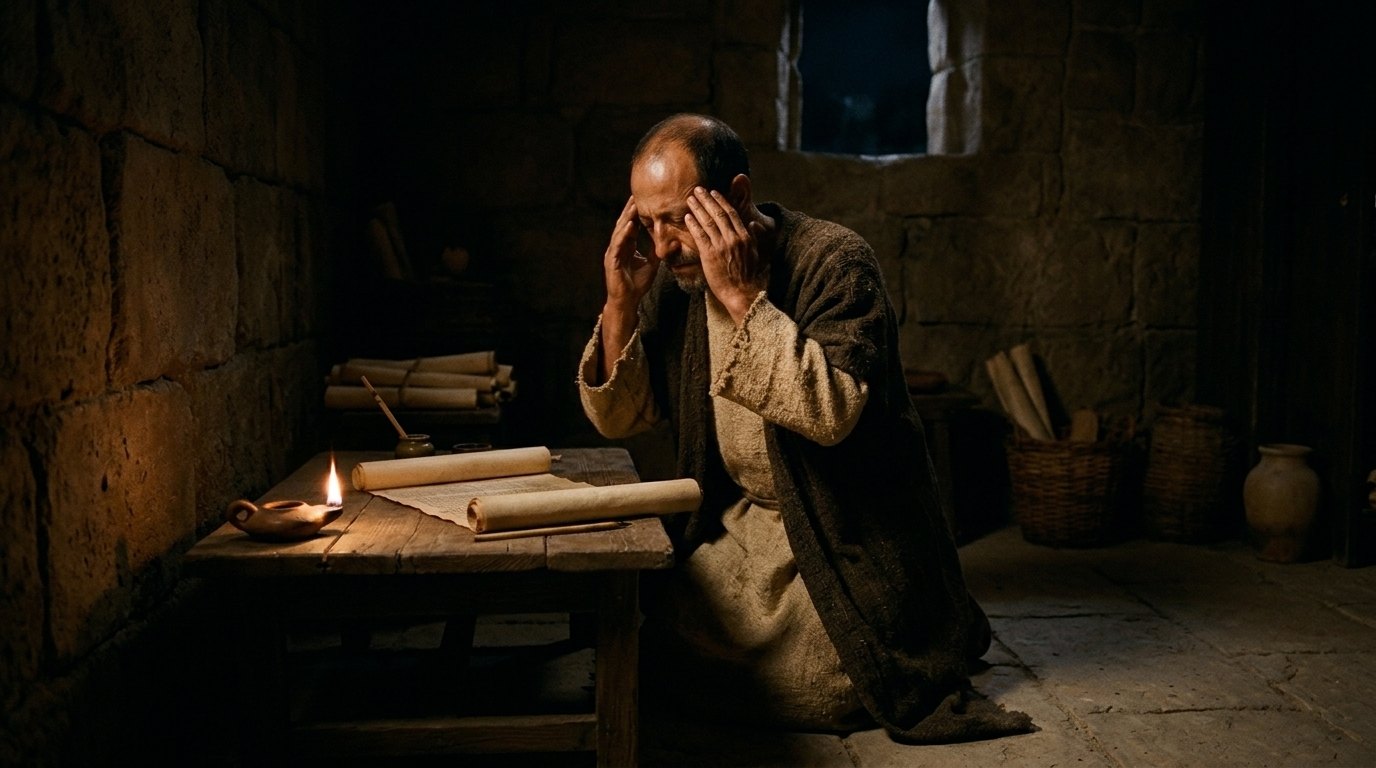
I do not understand what I do. For what I want to do I do not do, but what I hate I do.
Romans 7:15 (NIV)
It shows that the believer hates the sin they commit, proving a renewed heart that delights in God's goodness despite bodily weakness.
In Romans 7:15, Paul lays bare the anguished experience of the believer: for what I would, that do I not; but what I hate, that do I. This grief is not the complacency of an unregenerate person who drinks iniquity like water, but the signature distress of a renewed heart. The apostle explains that while the law is holy and spiritual, mortal believers remain encumbered by lingering corruption (Romans 7:14). When a Christian stumbles, their moral judgment agrees with Scripture that the commandment is inherently good (Romans 7:16). The recurring disobedience does not spring from the inward life that God created anew, but from indwelling sin that still inhabits mortal flesh (Romans 7:17). Paul confesses that in his natural flesh dwells no good thing; the desire to execute righteousness is present, but the native human capacity to carry it out unfailingly is lacking (Romans 7:18–19).
This tension reveals a definitive distinction: the renewed believer disowns the sin that assaults them (Romans 7:20). Every time one resolves to do good, evil lies close at hand as a disruptive principle (Romans 7:21). The inward person truly delights in the law of God (Romans 7:22), yet an opposing impulse wages war within bodily faculties, seeking to drag the believer into captivity (Romans 7:23). This conflict forces the cry of Romans 7:24: O wretched man that I am! who shall deliver me from the body of this death? The ultimate answer is not defeat, but rescue through Jesus Christ our Lord, even while the Christian navigates this divided reality between the spiritual mind and fallen flesh (Romans 7:25).
| Passage | What it says |
|---|---|
| Romans 7:14 | Paul acknowledges the spiritual nature of the law while recognizing that believers still carry unredeemed flesh. |
| Romans 7:15 | A regenerate person desires to do what is right, yet frequently ends up doing the very evil they hate. |
| Romans 7:16 | Agreeing that the moral law is inherently good even while struggling against personal failures. |
| Romans 7:17 | Sin dwelling in mortal flesh drives disobedience that the believer's core renewed desire rejects. |
| Romans 7:18 | No inherent good dwells in fallen flesh, leaving human desire lacking independent power to perform full righteousness. |
| Romans 7:19 | The painful reality that the good intended is often neglected while unwanted evil is practiced. |
| Romans 7:20 | The distinction between the believer's true inward longing and indwelling sin that continues to tempt. |
| Romans 7:21 | The recurring spiritual principle that evil remains close at hand whenever one aims to do good. |
| Romans 7:22 | The inward spiritual person genuinely rejoices and delights in God's holy commandments. |
| Romans 7:23 | A spiritual war waged between the renewed mind and sinful inclinations entrenched in bodily members. |
| Romans 7:24 | The desperate cry for deliverance from mortal, death-bound bodily existence. |
| Romans 7:25 | Thanksgiving to God through Jesus Christ alongside the recognition of the mind-flesh division. |
The Universal Struggle
Scripture Confirms No Believer Attains Sinless Perfection
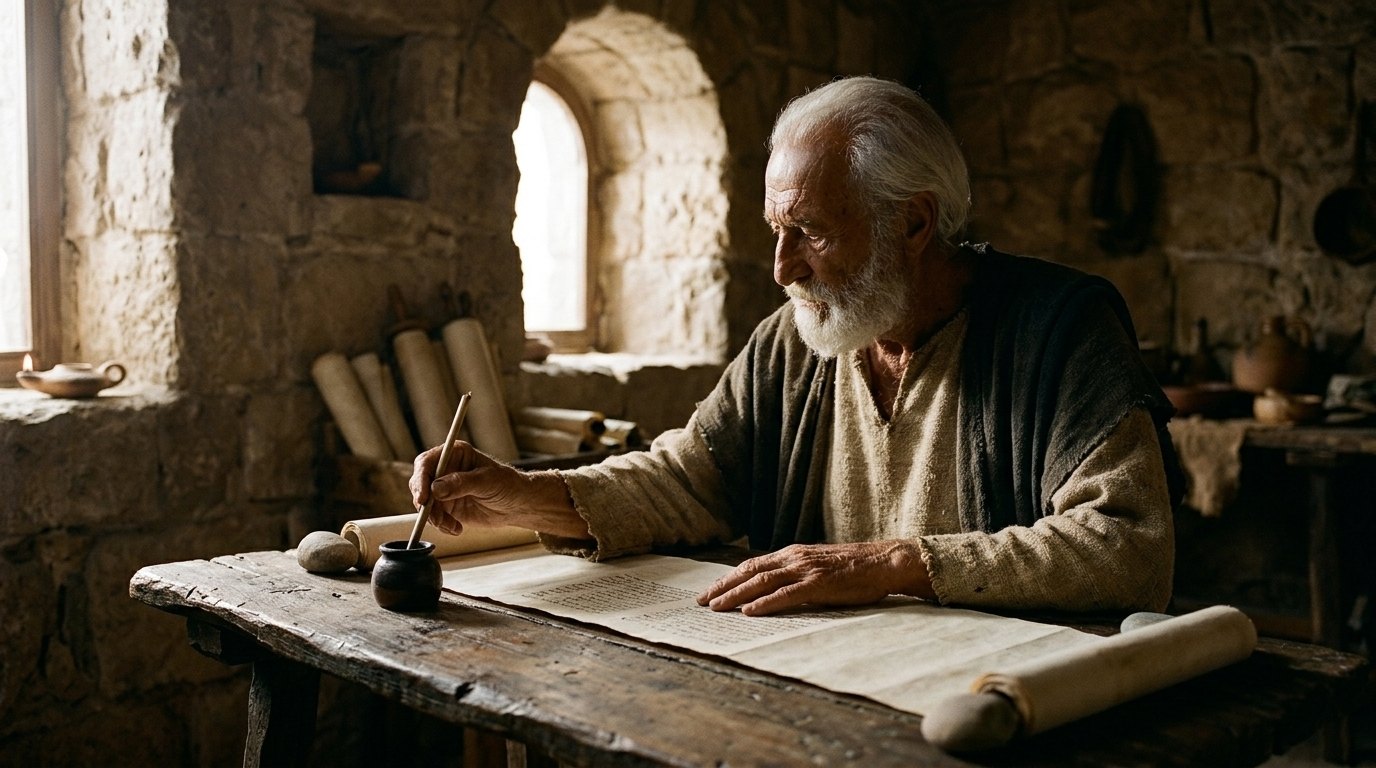
If we claim to be without sin, we deceive ourselves and the truth is not in us.
1 John 1:8 (NIV)
It decisively refutes the idea that a Christian reaches complete, sinless perfection in this present life.
The apostle John dismantles any illusion of moral perfectionism in 1 John 1:8: if we say that we have no sin, we deceive ourselves, and the truth is not in us. The persistent presence of sin does not mean your conversion was hollow; rather, Scripture uniformly teaches that no Christian achieves complete, sinless perfection on this side of eternity. Centuries earlier, Solomon declared in Ecclesiastes 7:20 that there is not a just man upon earth who continuously does good and never sins, a truth he echoed when dedicating the temple by noting there is no man who does not sin (1 Kings 8:46). Proverbs 20:9 puts the question plainly to human pride: who can say their heart is clean and free from sin?
The New Testament maintains this exact realism across all its witnesses. James writes candidly to the church that in many things we all stumble (James 3:2). Even the apostle Paul, having laboured decades for the gospel, disavowed moral finality, insisting in Philippians 3:12 that he had not as though I had already attained, either were already perfect, but pressed forward to lay hold of Christ. To claim that we have outgrown our need for daily mercy or that we possess no current sin makes God a liar and rejects His clear word (1 John 1:10). Genuine spiritual maturity is measured not by claiming perfection, but by swift repentance and constant reliance upon Christ.
| Passage | What it says |
|---|---|
| Ecclesiastes 7:20 | Scripture declares that no righteous person on earth continuously does good without ever sinning. |
| 1 Kings 8:46 | Solomon's temple prayer acknowledges that there is no human being who does not commit sin. |
| Proverbs 20:9 | A rhetorical question demonstrating that no person can boast of having a completely pure heart. |
| James 3:2 | James affirms that all believers stumble in many different areas of daily life and conduct. |
| Philippians 3:12 | Paul clarifies that he has not yet arrived at moral perfection, but pursues Christ faithfully. |
| 1 John 1:8 | Believers who claim to have no indwelling sin deceive themselves and lack the truth. |
| 1 John 1:10 | Asserting that we have never committed sin makes God a liar and rejects His word. |
Flesh and Spirit
Two Desires Contend for the Christian's Allegiance
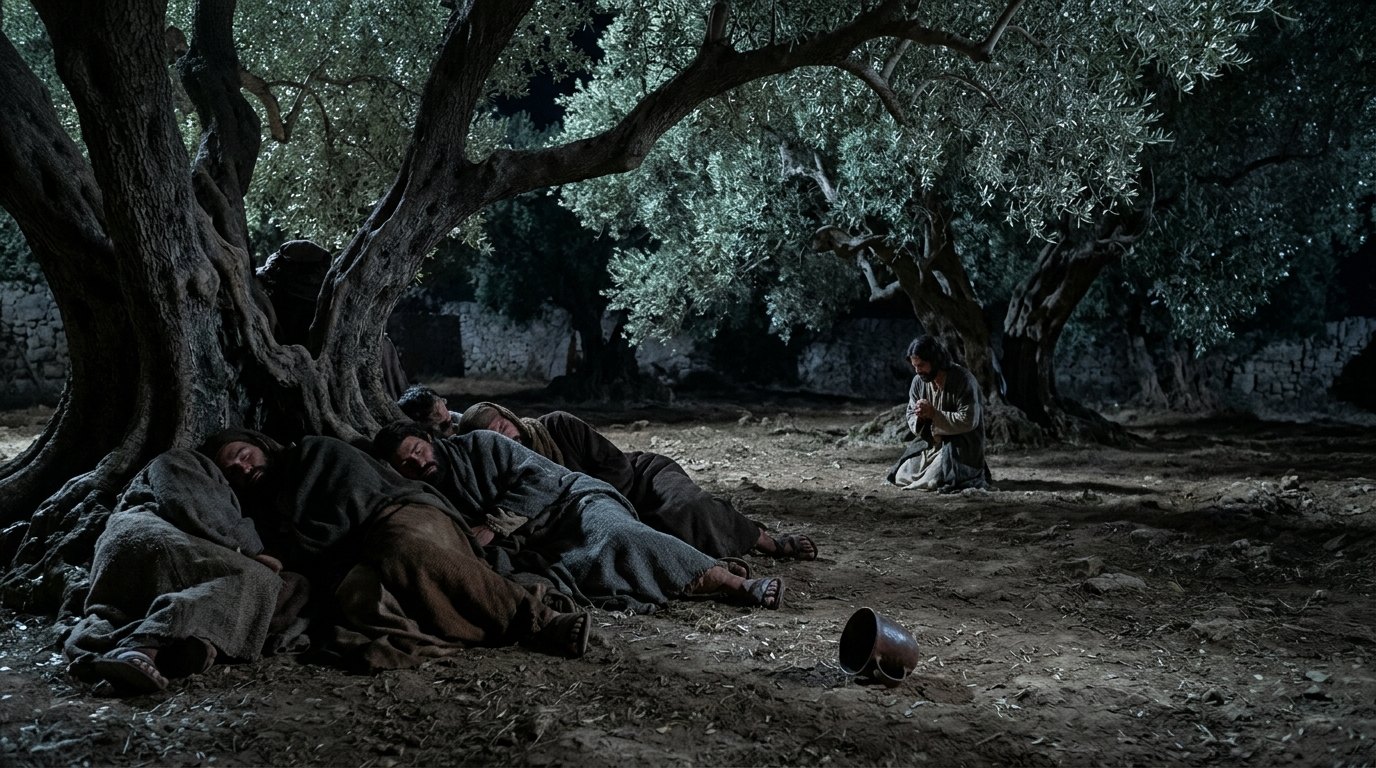
For the flesh desires what is contrary to the Spirit, and the Spirit what is contrary to the flesh. They are in conflict with each other, so that you are not to do whatever you want.
Galatians 5:17 (NIV)
It reveals the constant spiritual battle between the Holy Spirit and the fallen flesh inside every believer.
The daily battle you face is defined in Galatians 5:17: for the flesh lusteth against the Spirit, and the Spirit against the flesh: and these are contrary the one to the other: so that ye cannot do the things that ye would. The Holy Spirit takes up permanent residence in the believer, yet the fallen flesh remains an active combatant seeking to derail God's work. Paul commands Christians to walk in the Spirit, promising that Spirit-led obedience prevents the gratification of fleshly desires (Galatians 5:16). Positively, those who belong to Jesus have decisively crucified the flesh with its affections and lusts at the cross (Galatians 5:24), yet the habits of the old life do not surrender without a fierce fight.
Peter warns that believers are pilgrims who must actively abstain from fleshly lusts that war against the soul (1 Peter 2:11). These inward cravings remain the root cause of relational division and personal strife (James 4:1). In Gethsemane, the Lord Jesus cautioned His disciples: watch and pray, that ye enter not into temptation: the spirit indeed is willing, but the flesh is weak (Matthew 26:41). When the mind is left to dwell on the inclinations of fallen human nature, it gravitates toward hostility against God and cannot submit to His law (Romans 8:5, 7). Spiritual victory requires feeding the life of the Spirit through prayer, Scripture, and vigilance, deliberately starving the impulses of the flesh.
| Passage | What it says |
|---|---|
| Galatians 5:16 | Walking in the Holy Spirit prevents the Christian from gratifying the cravings of sinful flesh. |
| Galatians 5:17 | The flesh and the Spirit wage warfare against one another to hinder complete obedience. |
| Galatians 5:24 | Those belonging to Jesus Christ have crucified the fallen flesh with its rebellious passions. |
| 1 Peter 2:11 | Peter urges believers to abstain from fleshly lusts that actively war against the soul. |
| James 4:1 | Internal passions and selfish desires provoke personal conflicts and ongoing spiritual discord. |
| Matthew 26:41 | Christ warns disciples to watch and pray because the spirit is willing but the flesh is weak. |
| Romans 8:5 | Those who live according to the flesh set their minds on fleshly things, contrasting spiritual living. |
| Romans 8:7 | The mind set on the flesh is hostile to God and cannot submit to God's holy law. |
The New Master
Sin No Longer Holds Ultimate Dominion Over You
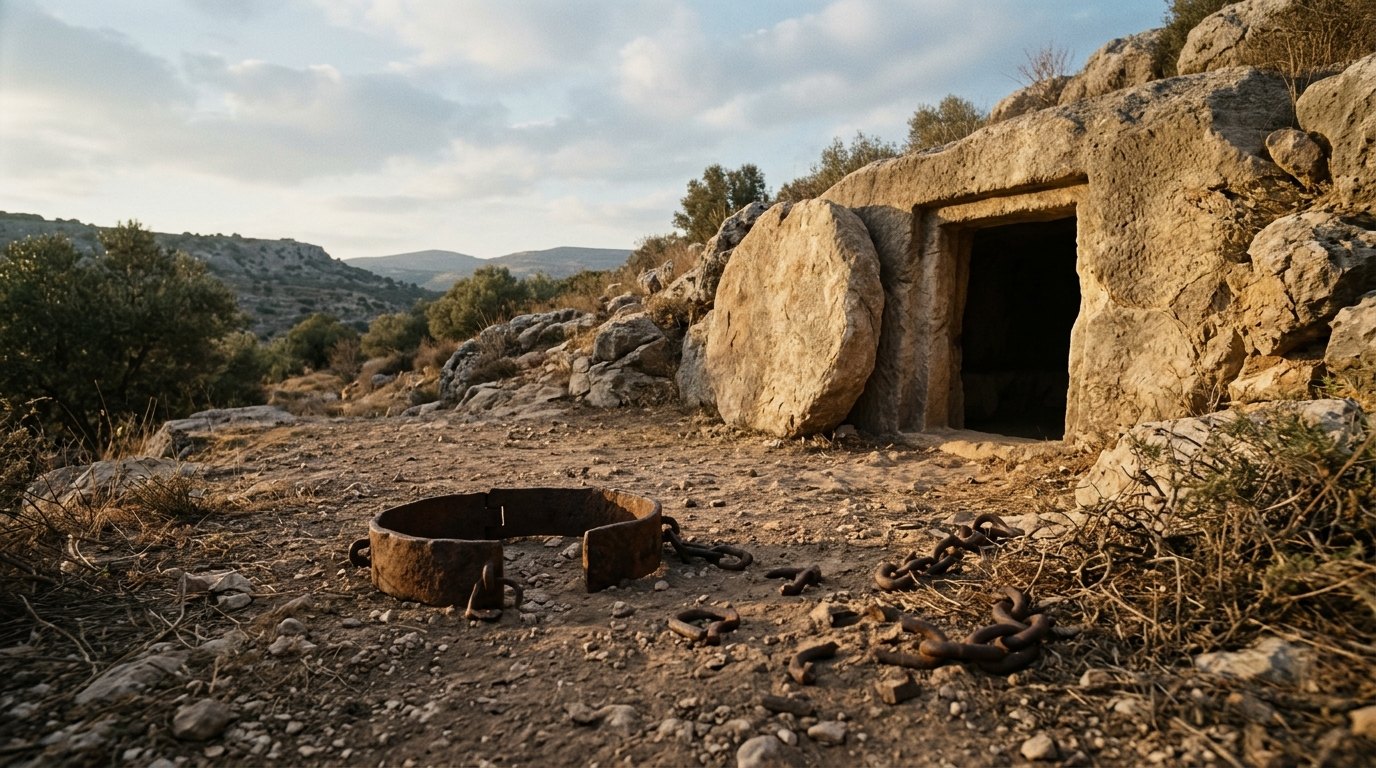
For sin shall no longer be your master, because you are not under the law, but under grace.
Romans 6:14 (NIV)
It gives the definitive promise that sin's ruling dominion has been broken because believers are under grace.
The decisive truth for every struggling Christian is anchored in Romans 6:14: for sin shall not have dominion over you: for ye are not under the law, but under grace. Although sin continues to harass, it no longer sits upon the throne of your life as absolute sovereign. Paul explains that our old self was crucified with Christ so that the body of sin might be brought to nothing, ensuring we are no longer enslaved to its dictates (Romans 6:6). Because union with Christ is an accomplished fact, believers are summoned to reckon themselves dead indeed unto sin, but alive unto God (Romans 6:11).
This position transforms daily conduct. Paul commands you not to let sin reign in your mortal body to obey its lusts (Romans 6:12). Instead of surrendering your bodily faculties as weapons of unrighteousness, you are called to yield yourselves unto God, as those that are alive from the dead (Romans 6:13). Having been emancipated from sin's tyrannical mastery, you have become servants of righteousness (Romans 6:18). Paul dismisses any suggestion that grace permits casual sinning (Romans 6:1); how can those who died to sin live any longer in it (Romans 6:2)? In Christ you are an entirely new creation, where the old reign has passed away and new life has begun (2 Corinthians 5:17).
| Passage | What it says |
|---|---|
| Romans 6:6 | The old self was crucified with Christ so believers are no longer enslaved to sin. |
| Romans 6:11 | Christians are called to reckon themselves genuinely dead to sin but alive to God. |
| Romans 6:12 | Believers are commanded to refuse sin sovereign rule in their mortal, vulnerable bodies. |
| Romans 6:13 | Do not offer bodily members to unrighteousness, but yield them as instruments for God's righteousness. |
| Romans 6:14 | Sin shall have no dominion over believers, for they live under transforming divine grace. |
| Romans 6:18 | Having been liberated from sin's enslaving power, believers have become servants of divine righteousness. |
| Romans 6:1 | Paul rejects continuing in sin simply because grace abounds to believers in Jesus Christ. |
| Romans 6:2 | Believers have died to sin and can no longer live any longer under its power. |
| 2 Corinthians 5:17 | Anyone in Christ is a new creation; the old has passed away and new life begins. |
Daily Sanctification
Walking in Repentance, Confession, and Spiritual Mortification
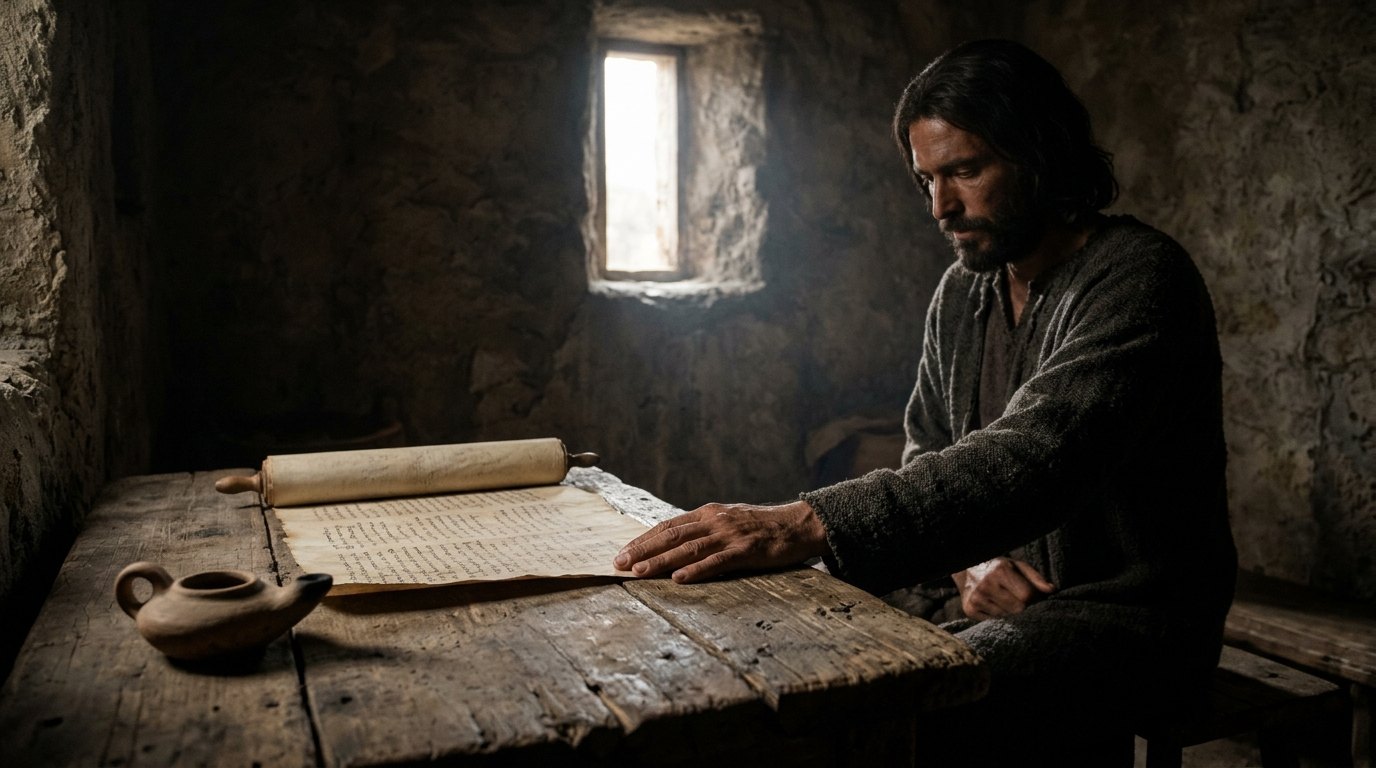
For if you live according to the flesh, you will die; but if by the Spirit you put to death the misdeeds of the body, you will live.
Romans 8:13 (NIV)
It reveals the Holy Spirit as the only divine agent through whom believers put sin to death.
Paul states in Romans 8:13 that true life belongs to those who actively put to death the deeds of the body by the Holy Spirit. Mortification of sin is neither human self-reformation nor legalistic suppression; it is an act of real warfare fueled entirely by the third person of the Trinity. Crucially, this fight proceeds from acceptance, not toward it: Romans 8:1 settles that there is now no condemnation for those in Christ Jesus, because the Spirit of life has unseated the reigning power of sin and death (Romans 8:2). Secure in that judicial acquittal, the believer is commanded to execute earthly vices like greed and impurity (Colossians 3:5), stripping away the decaying garments of the old self (Ephesians 4:22) and putting on the new self fashioned in righteousness (Ephesians 4:24).
When a believer stumbles in this race (Hebrews 12:1), Scripture does not counsel despair, hiding, or despairing paralysis. God is entirely faithful to make an exit in every trial (1 Corinthians 10:13), yet when we do fail, God remains faithful and just to cleanse our confessed sins on the ground of Christ's blood (1 John 1:9). We have an active Advocate standing before the Father, Jesus Christ the righteous (1 John 2:1). Bringing hidden faults into the light among trusted brothers and sisters unleashes corporate prayer and spiritual restoration (James 5:16). Daily sanctification is therefore a rhythmic life of continuous mortification, instant confession, and relentless faith in an unfailing Savior.
| Passage | What it says |
|---|---|
| Romans 8:1 | There is now absolutely no condemnation for those who are in Christ Jesus. |
| Romans 8:2 | The Spirit of life in Christ sets believers free from sin's ruling condemnation. |
| Romans 8:13 | Believers find genuine spiritual life by putting sinful deeds to death through the Spirit. |
| Colossians 3:5 | Paul commands believers to put to death earthly practices such as sexual immorality and greed. |
| James 5:16 | Confessing sins to trusted believers and interceding for one another brings healing and restoration. |
| 1 John 1:9 | God is faithful and just to forgive our confessed sins and cleanse all unrighteousness. |
| 1 John 2:1 | John writes to deter sin while presenting Jesus Christ as our righteous Advocate before God. |
| Hebrews 12:1 | Believers are exhorted to lay aside every weight and the sin that clings so closely. |
| 1 Corinthians 10:13 | God is faithful and provides a way of escape so temptation can be endured without sinning. |
| Ephesians 4:22 | The believer must put off the old self corrupt through deceitful desires in ongoing renewal. |
| Ephesians 4:24 | Believers put on the new self created after the likeness of God in true righteousness. |
Future Glorification
God Promises Complete Deliverance and Bodily Glorification at Christ's Return
Not only so, but we ourselves, who have the firstfruits of the Spirit, groan inwardly as we wait eagerly for our adoption to sonship, the redemption of our bodies.
Romans 8:23 (NIV)
It explains that the Christian lives between regeneration of the heart and ultimate bodily redemption.
The deepest explanation for why believers still stumble is captured in Romans 8:23: we who possess the firstfruits of the Spirit groan within ourselves, eagerly awaiting our adoption—the full redemption of our bodies. Regeneration rescues the human heart and changes our master, but our physical frame remains subject to mortality, weakness, and the presence of sin until the resurrection. Our current inner ache is not proof of defeat; it is the holy discontent of a redeemed spirit inhabiting an unredeemed tent.
Yet this tension has a certain, immovable end. God does not abandon his construction halfway: he who began a good work in you will carry it through to completion at the day of Jesus Christ (Philippians 1:6). On that day, this perishable frame will put on imperishable clothing, and this mortal flesh will be swallowed up by immortality (1 Corinthians 15:53). When our Savior appears in glory, the final remnants of our corruption will vanish instantly; we shall be made entirely like him because we will behold him face to face (1 John 3:2). In that new heaven and earth, God himself will wipe away every tear, banishing sorrow, death, and the very presence of sin for evermore (Revelation 21:4). The fight is fierce today, but the victor has already secured the final resurrection.
| Passage | What it says |
|---|---|
| Romans 8:23 | Believers groan inwardly waiting eagerly for adoption as sons, the complete redemption of their bodies. |
| Philippians 1:6 | He who began a good work in you will bring it to completion at Christ Jesus' day. |
| 1 Corinthians 15:53 | Perishable bodies must put on imperishable nature, and mortal frames put on full immortality. |
| 1 John 3:2 | When Christ appears, believers will be fully like him, seeing him exactly as he is. |
| Revelation 21:4 | God will wipe away every tear, with death, pain, sorrow, and sin passed away forever. |
Where in the Bible
| Book | Passages |
|---|---|
| 1 Kings | 1 · 1 Kings 8:46 |
| Proverbs | 1 · Proverbs 20:9 |
| Ecclesiastes | 1 · Ecclesiastes 7:20 |
| Matthew | 1 · Matthew 26:41 |
| Romans | 26 · Romans 7:14, Romans 7:15, Romans 7:16, Romans 7:17, Romans 7:18, Romans 7:19, Romans 7:20, Romans 7:21, Romans 7:22, Romans 7:23, Romans 7:24, Romans 7:25, Romans 8:5, Romans 8:7, Romans 6:6, Romans 6:11, Romans 6:12, Romans 6:13, Romans 6:14, Romans 6:18, Romans 6:1, Romans 6:2, Romans 8:1, Romans 8:2, Romans 8:13, Romans 8:23 |
| 1 Corinthians | 2 · 1 Corinthians 10:13, 1 Corinthians 15:53 |
| 2 Corinthians | 1 · 2 Corinthians 5:17 |
| Galatians | 3 · Galatians 5:16, Galatians 5:17, Galatians 5:24 |
| Ephesians | 2 · Ephesians 4:22, Ephesians 4:24 |
| Philippians | 2 · Philippians 3:12, Philippians 1:6 |
| Colossians | 1 · Colossians 3:5 |
| Hebrews | 1 · Hebrews 12:1 |
| James | 3 · James 3:2, James 4:1, James 5:16 |
| 1 Peter | 1 · 1 Peter 2:11 |
| 1 John | 5 · 1 John 1:8, 1 John 1:10, 1 John 1:9, 1 John 2:1, 1 John 3:2 |
| Revelation | 1 · Revelation 21:4 |
The story in order
- Creation and Fall (c. 4000 BC) · Genesis 3 · Introduces sin and its consequences into humanity.
- The Law Given (c. 1446 BC) · Exodus 20 · Reveals God's standard of righteousness and the extent of human sin.
- Solomon's Temple Prayer (c. 960 BC) · 1 Kings 8:46 · Acknowledges that no human being is without sin.
- Prophetic Warnings (c. 700 BC) · Isaiah 53 · Foretells the suffering servant who would bear sin.
- Christ's Ministry Begins (AD 27) · Matthew 3:1-17 · Jesus is baptized, signifying the start of his redemptive work.
- Jesus Teaches on Sin (c. AD 30) · Matthew 5:21-30 · Jesus deepens the understanding of sin beyond outward actions.
- The Crucifixion (AD 30) · Luke 23:33-49 · Christ's death atones for the sins of believers.
- Resurrection and Ascension (AD 30-33) · Acts 1:1-11 · Confirms Christ's victory over sin and death.
- Paul's Explanation of the Inner Conflict (c. AD 55) · Romans 7:14-25 · Describes the ongoing struggle of the believer against indwelling sin.
- The Believer's New Identity (c. AD 55) · Romans 6:1-14 · Explains that sin no longer has ultimate dominion.
- James on Stumbling (c. AD 45) · James 3:2 · Affirms that all believers stumble in many ways.
- John on Confession (c. AD 90) · 1 John 1:8-9 · Addresses the reality of sin and the provision for forgiveness.
- Future Glorification (c. AD 95) · Revelation 21:4 · Promises the complete eradication of sin and suffering.
The Flesh and the Spirit
| Living by the Flesh | Living by the Spirit | Passage |
|---|---|---|
| Set minds on fleshly things; hostile to God. | Set minds on spiritual things; life and peace. | Romans 8:5-7 |
| Gratifying cravings of sinful flesh. | Walking in the Spirit; not gratifying flesh. | Galatians 5:16-17 |
| Flesh lusts against the Spirit. | Spirit lusts against the flesh. | Galatians 5:17 |
| The flesh is weak. | The spirit is willing. | Matthew 26:41 |
| Old self, corrupt through deceitful desires. | New self, created after God in righteousness. |
Sin's Dominion vs. Righteousness
| Sin's Reign | Christ's Reign | Passage |
|---|---|---|
| Old self crucified with Christ; no longer enslaved. | Reckon yourselves dead to sin, alive to God. | |
| Do not offer members to sin. | Offer members to God as instruments of righteousness. | Romans 6:13 |
| Sin shall not have dominion. | Live under grace. | Romans 6:14 |
| No longer live under sin's power. | Servants of righteousness. | |
| Believers are no longer enslaved to sin. | Believers are slaves of righteousness. | Romans 6:18-19 |
The Journey of Sanctification
| The Problem | The Solution | The Result | Passage |
|---|---|---|---|
| Indwelling sin and persistent failures. | Confess sins to God. | Forgiveness and cleansing. | 1 John 1:8-9 |
| Sin that clings so closely. | Lay aside every weight. | Run the race with endurance. | Hebrews 12:1 |
| Temptation. | God provides a way of escape. | Endure temptation without sinning. | 1 Corinthians 10:13 |
| Putting to death earthly practices. | Put on the new self. | Created after God in true righteousness. | |
| Groaning inwardly, awaiting redemption. | The Spirit helps us. | Complete redemption of our bodies. |
Key words
- Flesh (sarx, σάρξ)
- The unredeemed, sinful human nature that is opposed to God. · Romans 7:18
- Spirit (pneuma, πνεῦμα)
- The Holy Spirit, or the renewed spiritual nature of the believer. · Romans 8:5
- Sin (hamartia, ἁμαρτία)
- A transgression of God's law; a state of rebellion against God. · 1 John 1:8
- Dominion (kyrieuo, κυριεύω)
- Sovereign rule or authority. · Romans 6:14
- Sanctification (hagiasmos, ἁγιασμός)
- The process of being made holy, set apart for God's use. · Romans 6:19
- Glorification (doxazo, δοξάζω)
- The final state of perfection and complete redemption of believers. · Romans 8:30
Do not mistake the agony of spiritual conflict for the absence of God's saving grace. As you confess your sins, walk by the Holy Spirit, and keep your gaze fixed on Jesus Christ, rest in the promise that He who began a good work in you will surely bring it to completion.
52 passages, each cited once.
How the major Christian traditions read this
All major Christian traditions confess that while true believers are delivered from the dominion of sin through Jesus Christ, indwelling corruption and the struggle against the flesh remain throughout this earthly life, requiring ongoing repentance, vigilance, and reliance on God's forgiving grace (Romans 7:22-25; 1 John 1:8-9).
Catholic
The Church teaches that holy baptism cleanses us from all guilt and original sin, yet concupiscence—an inclination toward sin—remains in the soul as a consequence of the Fall (Romans 7:18-20). This concupiscence is not sin in itself, but it fosters temptation and battles against our redeemed desires. When we stumble, Christ provides healing and reconciliation through the sacrament of penance and the Holy Eucharist, restoring sanctifying grace if mortal sin has severed our communion (1 John 1:9; 1 John 5:16-17). We are called to cooperate daily with God's grace through prayer, fasting, and almsgiving, pressing forward in charity toward perfection.
Scripture: Romans 7:18-20, 1 John 1:9, 1 John 5:16-17
Orthodox
In Orthodox teaching, salvation is a lifelong journey of healing and theosis—becoming partakers of the divine nature (2 Peter 1:4). Baptism washes away ancestral guilt and unites us to the resurrected Christ, but the passions and old habits of the flesh must still be cured through ascetical struggle. The spiritual life is an arena where we actively wage warfare against demonic deception and the pride of life (Galatians 5:17). We stumble because our spiritual eyes and wills are still being restored. Through unceasing prayer, sincere confession, and partaking of the Holy Mysteries, the divine energies progressively transfigure the whole person.
Scripture: 2 Peter 1:4, Galatians 5:17
Lutheran
We confess that a Christian is simultaneously righteous and a sinner (simul justus et peccator). In Christ, through faith alone, we are fully declared righteous and clean before the Father; yet according to our old nature, original sin remains deeply rooted in our flesh until bodily death (Romans 7:21-24). The Holy Spirit continually works through the Word and Sacraments to drown the old Adam by daily sorrow and repentance, raising up the new man to live before God in righteousness. We cling not to our own progress or feelings, but to the sure promise of the Gospel in Christ Jesus.
Scripture: Romans 7:21-24, 1 John 1:8-9
Reformed & Presbyterian
We hold that regenerated believers are definitively liberated from the enslaving reign of sin, yet indwelling sin remains in every part of our nature (Romans 7:14-25). Even the holiest saints have only a small beginning of full obedience in this life (Ecclesiastes 7:20). An ongoing conflict between the Spirit and the flesh persists, demanding that we mortify our members by the power of the Spirit (Romans 8:13; Colossians 3:5). God permits this remaining struggle to keep us humble, dependent upon His sovereign mercy, and focused on our complete justification in Christ's imputed righteousness until our final glorification.
Scripture: Romans 7:14-25, Ecclesiastes 7:20, Romans 8:13, Colossians 3:5
Anglican & Episcopal
Our Articles state that the infection of nature remains even in those who are regenerated, whereby the lust of the flesh is not subject to the law of God (Romans 8:7). While there is no condemnation for those who believe and are baptized, this fallen disposition continually wars against the life of grace. We approach Morning and Evening Prayer with daily confession of sins, seeking the assurance of God's pardon and the renewal of the Holy Spirit (1 John 1:9). By regular communion and devotion to Scripture, we grow into the likeness of Christ amid our human frailty.
Scripture: Romans 8:7, 1 John 1:9
Baptist
We affirm that while every believer is justified by grace through faith and eternally secure, indwelling sin still stains our earthly lives. The Apostle Paul plainly describes this inward fight, declaring that though he delighted in God's law, sin remained within his members (Romans 7:22-23). The Holy Spirit resides within us to guide, convict, and empower us, yet sanctification is a progressive work that is never completed before death (Philippians 3:12-14). When we fall, we are commanded to repent promptly, seek forgiveness under Christ's blood, and yield ourselves afresh as instruments of righteousness (Romans 6:13).
Scripture: Romans 7:22-23, Philippians 3:12-14, Romans 6:13
Methodist & Wesleyan
We believe that while remaining sin is a reality for the newly born again, God offers full deliverance through entire sanctification or Christian perfection in this life (1 Thessalonians 5:23). We sin because remnants of the carnal nature struggle against the Spirit (Galatians 5:17). Yet believers need not remain trapped in willful disobedience. By pressing on in faith, watching in prayer, and exercising the means of grace, the Holy Spirit can cleanse the heart of all contrary affection, filling the believer with perfect love that casts out fear and excludes willful sin against God (1 John 4:18).
Scripture: 1 Thessalonians 5:23, Galatians 5:17, 1 John 4:18
Pentecostal & Charismatic
We recognize that every Christian faces a real conflict against the lust of the flesh, worldly temptation, and demonic opposition (Galatians 5:16-17; Ephesians 6:12). Indwelling carnality causes believers to stumble when they walk in human effort rather than the Spirit. We emphasize that the baptism in the Holy Spirit provides an enduement of power for victorious living and witness (Acts 1:8). By daily walking in the Spirit, practicing spiritual gifts, and claiming our authority in Jesus' name, the believer overcomes the power of recurring sin and experiences real freedom and holy power.
Scripture: Galatians 5:16-17, Ephesians 6:12, Acts 1:8
Non-denominational & Evangelical
We see the Christian life as a continuous battle between our new identity in Christ and the remnants of the old sinful nature (Romans 7:19-25). Salvation radically changes who we are, but spiritual maturity requires unlearning old fleshly patterns and renewing the mind through God's Word (Romans 12:2). Stumbling does not mean you have lost your salvation, but it shows the need to abide closely in Christ, confess sin quickly, and walk by faith (Galatians 5:16; 1 John 1:9). As we reckon ourselves dead to sin, the Spirit produces His holy fruit in our lives.
Scripture: Romans 7:19-25, Romans 12:2, Galatians 5:16, 1 John 1:9
Where they differ
Possibility of Christian perfection in this life
- Catholic
- Growth in charity is possible, but concupiscence remains until death.
- Orthodox
- Lifelong theosis brings healing, yet ascetic struggle never ceases here.
- Lutheran
- Believers remain simultaneously saint and sinner throughout their earthly life.
- Reformed & Presbyterian
- Full freedom from sin occurs only at bodily glorification.
- Anglican & Episcopal
- Infection of nature persists in all regenerated persons on earth.
- Baptist
- Sanctification remains imperfect and progressive until the Lord returns.
- Methodist & Wesleyan
- Entire sanctification can deliver the heart from all willful sin.
- Pentecostal & Charismatic
- Spirit empowerment grants victory, though human fallibility still persists.
- Non-denominational & Evangelical
- Sinless perfection is unattainable until we see Christ face-to-face.
Scripture: 1 Thessalonians 5:23, Philippians 3:12, 1 John 1:8
Means for restoring fellowship after sinning
- Catholic
- Sacramental confession and priestly absolution reconcile grave falls.
- Orthodox
- Holy mystery of confession and the Eucharist heal the soul.
- Lutheran
- Daily remembrance of baptism and trust in the Gospel promise.
- Reformed & Presbyterian
- Direct confession to God, mortifying sin by the Spirit.
- Anglican & Episcopal
- Liturgical and personal confession with assurance of Christ's absolution.
- Baptist
- Direct personal confession to God through our Mediator Jesus Christ.
- Methodist & Wesleyan
- Repentance and seeking deeper sanctifying grace through the Spirit.
- Pentecostal & Charismatic
- Repentance, pleading Christ's blood, and renewing Spirit-filled surrender.
- Non-denominational & Evangelical
- Directly confessing sin to God and relying on His grace.
Scripture: 1 John 1:9, James 5:16, Romans 8:13
Your pastor can tell you where your church stands.
Scripture cited
- Romans 7:15-25
- Galatians 5:17
- Philippians 3:12-14
- Romans 6:1-14
- Romans 8:1-13
- Galatians 5:16-25
- 1 John 1:8-10
- 1 John 2:1-2
- 1 John 3:4-9
- 1 Corinthians 10:12-13
- James 1:13-15