How do I trust God after being hurt by the church?

Psalms 118:8
8 It is better to take refuge in the LORD than to trust in humans.
New International Version (NIV)
The answer
Trusting God after church hurt does not mean trusting people blindly, minimizing what happened, or returning to an unsafe situation. It means finding refuge in God’s character while being honest about the wound and wise about people. Psalms 118:8 says, “It is better to take refuge in Yahweh, than to put confidence in man.” God Himself—not a leader, institution, or reputation—must become the resting place.
Step 1: Separate God’s character from people’s sin
- Name the wrong honestly: In Ezekiel 34:4, God condemns shepherds who failed to bind up the broken and instead ruled “with force and with rigor.” He declares in Ezekiel 34:10, “Behold, I am against the shepherds.” Domineering or abusive leadership is disobedience to God, not an expression of His heart.
- Measure leaders by God’s standard: Elders must shepherd willingly and humbly, “not as lording it over those entrusted to you” (1 Peter 5:2-3). Leaders who manipulated, exploited, or crushed people were departing from God’s command.
- Trust God differently from people: John 2:24 says that “Jesus didn’t entrust himself to them, because he knew everyone.” Jesus was neither cynical nor naïve. Trusting God fully and trusting people cautiously can belong together.
Step 2: Bring the unedited wound to God
- Pour out everything: Psalms 62:8 says, “Trust in him at all times; ye people, pour out your heart before him: God is a refuge for us. Selah.” Name the grief, anger, confusion, fear, and disappointment in prayer. Lament is not unbelief; it is pain brought to God rather than carried alone.
- Come through Christ, not through a performance: Jesus is “touched with the feeling of our infirmities” (Hebrews 4:15). Hebrews 4:16 therefore invites believers to “draw near with boldness to the throne of grace.” There is no need to pretend to be healed before approaching Him.
- Remember that Jesus suffered injustice: When He was cursed and suffered, He “committed himself to him who judges righteously” (1 Peter 2:23). He understands wrongful suffering and shows how to entrust the outcome to the Father without calling evil good.
- Rest your deepest healing in His cross: 1 Peter 2:24 says, “He himself bore our sins in his body on the tree, that we, having died to sins, might live to righteousness. You were healed by his wounds.” The wounds inflicted by a church do not cancel Christ’s saving work or His power to restore.
Step 3: Pursue truth and safety without seeking revenge
- Address personal wrongs Jesus’ way: Matthew 18:15-17 begins with private correction, then adds witnesses if the person refuses to listen, and takes persistent refusal seriously. This opposes both gossip and cover-up. Where abuse, coercion, or danger is involved, private confrontation is not required; safety and trustworthy help come first.
- Use lawful protection when evil demands it: Romans 13:4 describes governing authority as “a servant of God to you for good,” including against wrongdoing. Criminal abuse should be reported to the proper authorities rather than concealed to protect a church’s reputation.
- Release personal vengeance to God: Romans 12:19 says, “Don’t seek revenge yourselves, beloved, but give place to God’s wrath.” Forgiveness hands ultimate judgment to God; it does not deny wrongdoing, remove consequences, abolish boundaries, or require immediate reconciliation.
- Recognize that peace is not always possible: Romans 12:18 says, “If it is possible, as much as it is up to you, be at peace with all men.” Trust and access may need to be rebuilt through repentance and changed conduct. Remaining under leadership that protects ongoing abuse is not a way to prove forgiveness.
Step 4: Rebuild fellowship carefully, not isolating permanently
- Keep healthy fellowship as the destination: Hebrews 10:25 says, “not forsaking our own assembling together, as the custom of some is, but exhorting one another.” This is not a command to remain in a harmful congregation; it is a call not to let one congregation’s sin produce lifelong isolation from Christ’s people.
- Look for Christlike oversight: First Peter 5:2-3 describes leaders who serve willingly, reject dishonest gain, and make themselves examples rather than domineering rulers. Observe whether leaders welcome truthful questions, handle complaints honestly, and protect vulnerable people.
- Move gradually: Attend, listen, pray, and build relationships without rushing into deep disclosure or heavy responsibility. Wise boundaries are not unbelief. Confidence in people grows through observed godliness; confidence in God rests on His faithfulness.
When trust feels weak
Return to the Shepherd who promises in Ezekiel 34:11, “Behold, I myself, even I, will search for my sheep, and will seek them out.” The people who failed to care for the sheep do not define the Shepherd. Hebrews 10:23 anchors the heart in a different reality: “he who promised is faithful.”
Answered from Scripture · reviewed November 11, 2026
When those who bear the name of Christ inflict deep wounds, it is easy to conflate the failure of fallen people with the character of God Himself. Scripture never demands that you deny your pain or pretend that leaders cannot betray you, but it calls you to anchor your ultimate confidence in the Lord rather than in human arms. By bringing raw lament before God, shifting your foundation back to His unchanging Word, and cautiously re-engaging fellowship, you can rebuild enduring faith.
Honest Lament
Pouring Out the Unvarnished Hurt Before God

Trust in him at all times, you people; pour out your hearts to him, for God is our refuge.
Psalms 62:8 (NIV)
David urges the afflicted to pour out their rawest interior pain directly before God as an act of genuine refuge.
In Psalm 62:8, David invites afflicted souls to pour out your heart before him, insisting that God alone remains a dependable refuge. Spiritual betrayal often tempts believers to retreat into hardened silence, yet Scripture models candid, unvarnished lament. David knew the unique sting of spiritual treason; in Psalm 55:12–14, he mourns that his tormentor was not an open enemy, but an equal and companion with whom he once walked into the house of God among the throng. Betrayal within religious fellowship cuts deeper than worldly hostility because sacred trust was weaponized.
Rather than repressing that anguish or directing fury at God, biblical lament brings the wreckage directly to the throne of grace. In Psalm 142:1–3, David cries aloud from the dark isolation of a cave, pouring out his complaint because his spirit was overwhelmed within him. He did not conceal his confusion or pretend the wound was trivial. The New Testament carries this posture forward in 1 Peter 5:7, urging wounded believers to cast every anxious care upon the Lord precisely because He cares for them with perfect tenderness.
God does not despise your grief, nor does He dismiss the trauma caused by hypocritical or abusive behavior. Psalm 34:18 assures you that the Lord is near to the brokenhearted and saves those crushed in spirit. He does not demand that you immediately paste on synthetic cheerfulness. Instead, as Psalm 147:3 declares, He heals the broken in heart and binds up their wounds, listening patiently to the cries of those whose trust was shattered in the very place they sought solace.
| Passage | What it says |
|---|---|
| Psalms 62:8-9 | David commands believers to trust God at all times and pour out their hearts before Him, noting mankind's utter frailty. |
| Psalms 55:12-14 | David articulates the acute agony of betrayal specifically by a trusted companion with whom he walked into God's house. |
| Psalms 142:1-3 | David cries aloud to the Lord with his voice, declaring his trouble and pouring out his complaint when overwhelmed. |
| 1 Peter 5:7 | Peter urges believers to cast every anxiety upon God because He genuinely cares for them in their afflictions. |
| Psalms 34:18 | Affirms that the Lord is near to those with broken hearts and saves those crushed in spirit. |
| Psalms 147:3 | Declares that the Lord heals the brokenhearted and binds up their painful wounds. |
Misplaced Confidence
Distinguishing the Fallible Creature from the Creator

It is better to take refuge in the LORD than to trust in humans.
Psalms 118:8 (NIV)
This verse plainly defines the foundational biblical divide between putting confidence in mortal humans and taking refuge in Yahweh.
Psalm 118:8 sets forth an indispensable principle for spiritual survival: it is better to take refuge in the Lord than to trust in man. Church wounds typically occur when believers unintentionally elevate pastoral figures, mentors, or communities into functional mediators of divine approval. When these fallible humans fall, abuse power, or act deceitfully, the victim's faith often buckles because God and His human representatives were treated as identical. Scripture relentlessly demolishes that conflation. Jeremiah 17:5–7 pronounces a sober curse upon anyone who trusts in mortal man and makes flesh his arm, contrasting that withered shrub with the thriving tree planted by water that trusts exclusively in Yahweh.
Blessing comes to the one who makes the Lord their confidence rather than turning to the proud or deceitful (Psalm 40:4). When leadership rots, the prophet Micah warns not to put blind confidence in a companion or guide, but to look steadfastly to the God of salvation (Micah 7:5–7). Mortals remain mortal; Psalm 146:3–5 warns never to put your ultimate hope in earthly princes or human leaders who cannot save.
When leaders fail, God’s integrity remains intact. Romans 3:4 insists, 'Let God be true though every human being were a liar.' Pastors, elders, and fellow church members can prove cowardly, arrogant, or abusive, but God never broke a covenant. Where human under-shepherds scattered and exploited the flock, God takes the matter into His own hands. In Ezekiel 34:15–16, the Lord God promises to personally seek out His sheep, rescue them from mistreatment, bind up the injured, and judge the oppressors with righteous justice.
| Passage | What it says |
|---|---|
| Psalms 118:8 | The psalmist states that taking refuge in Yahweh is vastly better than placing confidence in mortal man. |
| Jeremiah 17:5-7 | Jeremiah warns against making flesh one's arm, contrasting the cursed state of human reliance with the blessedness of trusting Yahweh. |
| Psalms 40:4 | The psalm pronounces a blessing on the person who makes the Lord their trust rather than turning to proud liars. |
| Micah 7:5-7 | Micah warns against putting confidence in earthly guides or close companions, looking instead steadfastly to the God of salvation. |
| Psalms 146:3-5 | Scripture warns not to trust in princes or mortal sons of man who cannot save, blessing those helped by Jacob's God. |
| Romans 3:4 | Reminds believers to let God be true though every human being be proved a liar. |
| Ezekiel 34:15-16 | God promises to personally shepherd, seek, and heal the flock that human shepherds mistreated. |
Unchanging Truth
Rebuilding Faith on God's Inerrant Word

Consult God’s instruction and the testimony of warning. If anyone does not speak according to this word, they have no light of dawn.
Isaiah 8:20 (NIV)
Isaiah establishes God's written law and testimony as the objective touchstone to test every human teacher's words.
Isaiah 8:20 points the wounded disciple back to objective bedrock: to the law and to the testimony! If they do not speak according to this word, it is because there is no light in them. Church hurt frequently thrives where unbiblical dogmas, pastoral manipulation, and spiritual guilt are masqueraded as divine will. To rebuild a stable faith, you must separate human traditions and abusive church culture from the infallible text of Scripture. Human teachers may manipulate, deceive, or drift, but Numbers 23:19 reminds us that God is not a man that He should lie, nor a human that He should repent of His promises.
All human authorities remain accountable to the Word of God, not superior to it. Paul reminds Timothy that all Scripture is God-breathed, providing everything necessary to teach, reprove, correct, and train the believer in genuine righteousness (2 Timothy 3:16–17). When your confidence in human discernment has collapsed, Proverbs 3:5–6 commands you to trust in Yahweh with all your heart and lean not on your own understanding or the flawed guidance of fallen leaders.
Pastoral personalities fade and ministries collapse under scandal, but Jesus Christ remains 'the same yesterday and today and forever' (Hebrews 13:8). His character never shifts, nor does His gospel alter. When spiritual disorientation clouds your path, the written Word serves as the solitary sure compass. Psalm 119:105 calls that Word a lamp to our feet and a light to our path—clearing the fog of spiritual abuse and directing you safely back to Christ.
| Passage | What it says |
|---|---|
| Isaiah 8:20 | Isaiah declares that any teaching not conforming to God's law and testimony contains no spiritual light. |
| Numbers 23:19 | Scripture confirms that God is not a man that He should lie, nor a human that He should change His mind. |
| 2 Timothy 3:16-17 | Paul affirms that all Scripture is God-breathed and profitable for teaching, reproof, correction, and training in righteousness. |
| Proverbs 3:5-6 | Solomon instructs believers to trust in the Lord with all their heart and lean not on their own understanding. |
| Hebrews 13:8 | Testifies that Jesus Christ remains the same yesterday, today, and forever amid changing people. |
| Psalms 119:105 | Directs the wounded soul to God's word as the true lamp and guide. |
Wise Re-Engagement
Guarding the Heart While Seeking Healthy Fellowship
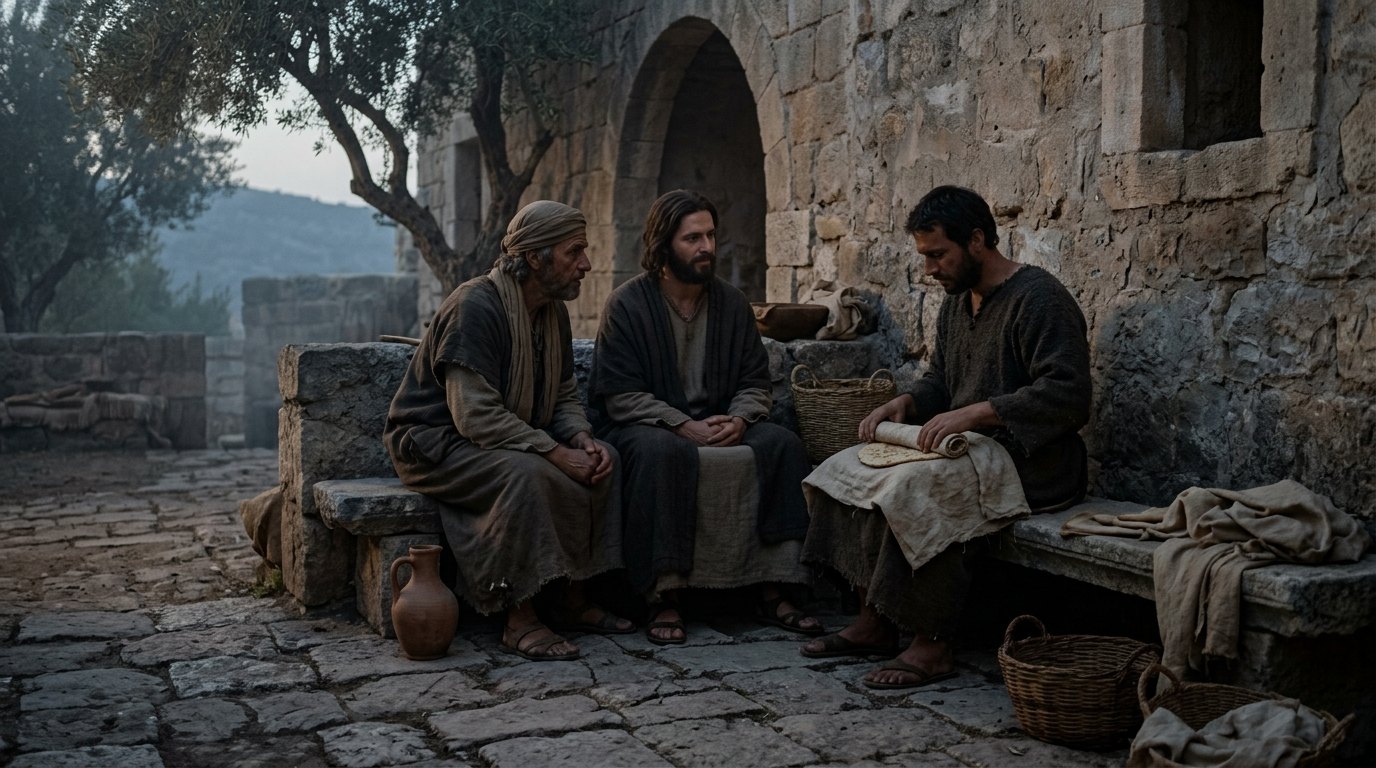
And let us consider how we may spur one another on toward love and good deeds, not giving up meeting together, as some are in the habit of doing, but encouraging one another—and all the more as you see the Day approaching.
Hebrews 10:24-25 (NIV)
The author of Hebrews commands ongoing Christian assembly for mutual encouragement, even in seasons of weariness and persecution.
Hebrews 10:24–25 commands believers to consider how to stir up one another to love and good works, not neglecting to meet together, even when isolation feels infinitely safer. Retreating into permanent solitude after church hurt is an understandable defense mechanism, but it starves the soul of corporate worship and the sacraments Christ ordained for your growth. Re-engaging fellowship does not mean rushing blindly into another unhealthy environment; it requires prayerful, discerning wisdom.
Healthy fellowship looks vastly different from authoritarian control. Proverbs 27:6 notes that faithful are the wounds of a true friend, whereas the kisses of an enemy are deceitful; genuine biblical community values truth, humility, and honest accountability over image management. Furthermore, you are not called to live under the tyrannical approval of religious elites. As Paul declares in Galatians 1:10, if we were still trying to please men, we would not be servants of Christ. Your conscience belongs solely to the Lord, never to an ecclesiastical hierarchy.
Scripture does recognize genuine pastoral care: Hebrews 13:17 speaks of godly leaders who keep watch over souls with trembling awareness that they must give an account to God. Such shepherds lead with gentleness, transparency, and self-sacrifice rather than domineering control. Until you find that healthy fold, heed Paul's admonition in 1 Thessalonians 5:21–22: test everything against Scripture, hold fast to what is good, and abstain from every form of evil, stepping forward in cautious, Christ-centered hope.
| Passage | What it says |
|---|---|
| Hebrews 10:24-25 | The epistle urges believers to stir up love and good works and not abandon corporate assembly. |
| Proverbs 27:6 | Proverbs contrasts the faithful, loving wounds of a true friend with the deceptive, profuse kisses of an enemy. |
| Galatians 1:10 | Paul clarifies that servants of Christ seek the approval of God rather than striving to please men. |
| Hebrews 13:17 | Scripture calls for submission to godly leaders who watch over souls as those who must give an account. |
| 1 Thessalonians 5:21-22 | Paul commands believers to test all things carefully, holding firmly to what is good and abstaining from evil. |
Looking Unto Jesus
Fixing the Eyes on Christ and Releasing Vengeance

fixing our eyes on Jesus, the pioneer and perfecter of faith. For the joy set before him he endured the cross, scorning its shame, and sat down at the right hand of the throne of God.
Hebrews 12:2 (NIV)
It reorients faith from flawed human representatives to Jesus alone as author and finisher.
The path to healing begins when you intentionally redirect your gaze away from human failure and fix your eyes on Christ alone. In Hebrews 12:2, the author commands believers to run the race with endurance, looking unto Jesus, the founder and perfecter of our faith, who endured the cross and despised its shame for the joy set before Him. When church leaders or spiritual communities shatter your trust, Hebrews 12:1-2 reminds us that no pastor, mentor, or congregation was ever meant to be the anchor of your soul. Human shepherds will stumble, fail, and sometimes grievously sin, but Christ alone originated your faith and Christ alone will bring it to completion.
Releasing the burden of spiritual betrayal also requires relinquishing the demand to exact retribution. In Romans 12:19, Scripture commands, "Beloved, never avenge yourselves, but leave it to the wrath of God, for it is written, 'Vengeance is mine, I will repay, says the Lord.'" Entrusting your grievance to God is not pretending the wrong did not happen; it is an active confession that God's justice is far more thorough, righteous, and holy than any retaliation you could devise. In time, the gospel even empowers the wounded to extend mercy; Colossians 3:13 urges us to bear with one another and forgive whatever complaints we have, forgiving just as the Lord forgave you, not because the offense was trivial, but because the cross has absorbed our greatest debts.
Our ultimate pattern in suffering under spiritual corruption is the Savior Himself. As 1 Peter 2:23 records, when Christ was reviled, He did not revile in return, and when He suffered, He made no threats, entrusting Himself to Him who judges righteously. Jesus experienced the peak of religious hypocrisy, betrayal by close disciples, and abuse at the hands of the high council, yet He rested securely in His Father's hands. By fixing your eyes on Him, you can surrender your heartache to a righteous Judge and discover that your true Shepherd has never abandoned you.
| Passage | What it says |
|---|---|
| Hebrews 12:1-2 | Exhorts believers to run the race looking unto Jesus, the founder and perfecter of faith. |
| Romans 12:19 | Instructs the wronged to entrust vengeance and justice wholly to God's righteous wrath. |
| Colossians 3:13 | Calls believers to bear with one another and forgive as the Lord forgave them. |
| 1 Peter 2:23 | Points to Christ who, when reviled, entrusted Himself entirely to Him who judges righteously. |
Where in the Bible
| Book | Passages |
|---|---|
| Numbers | 1 · Numbers 23:19 |
| Psalms | 9 · Psalms 62:8-9, Psalms 55:12-14, Psalms 142:1-3, Psalms 34:18, Psalms 147:3, Psalms 118:8, Psalms 40:4, Psalms 146:3-5, Psalms 119:105 |
| Proverbs | 2 · Proverbs 3:5-6, Proverbs 27:6 |
| Isaiah | 1 · Isaiah 8:20 |
| Jeremiah | 1 · Jeremiah 17:5-7 |
| Ezekiel | 1 · Ezekiel 34:15-16 |
| Micah | 1 · Micah 7:5-7 |
| Romans | 2 · Romans 3:4, Romans 12:19 |
| Galatians | 1 · Galatians 1:10 |
| Colossians | 1 · Colossians 3:13 |
| 1 Thessalonians | 1 · 1 Thessalonians 5:21-22 |
| 2 Timothy | 1 · 2 Timothy 3:16-17 |
| Hebrews | 4 · Hebrews 13:8, Hebrews 10:24-25, Hebrews 13:17, Hebrews 12:1-2 |
| 1 Peter | 2 · 1 Peter 5:7, 1 Peter 2:23 |
The story in order
- David's reign and Psalms of lament (c. 1000 BC) · Psalms 55:12-14 · Illustrates deep personal betrayal and honest cries to God.
- Prophetic warnings against false trust (c. 600 BC) · Jeremiah 17:5-7 · Contrasts reliance on man with trust in Yahweh.
- Prophetic promises of restoration (c. 580 BC) · Ezekiel 34:15-16 · God's promise to care for His flock when leaders fail.
- The Exile and return (c. 538 BC) · Ezra 1 · God's faithfulness in restoring His people.
- Jesus' earthly ministry (c. AD 30) · Hebrews 12:1-2 · The perfect example of faith and endurance.
- The early church and fellowship (c. AD 60) · Hebrews 10:24-25 · Exhortation to community and mutual encouragement.
- Apostolic instruction on trust and forgiveness (c. AD 62) · Colossians 3:13 · Commands to forgive as Christ forgave.
- Instruction on testing and holding fast (c. AD 50) · 1 Thessalonians 5:21-22 · Guidance for discerning truth and good practice.
- Peter's counsel on anxiety (c. AD 65) · 1 Peter 5:7 · Casting anxieties on God who cares.
Key words
- Trust (bth, בטח)
- To place confidence or reliance in someone or something. · Psalms 118:8
- Betrayal (בָּגַד (bagad))
- The act of being disloyal or unfaithful, especially to a trusted person. · Psalms 55:12-14
- Brokenhearted (דַּכָּא (dakka))
- Experiencing deep emotional pain and sadness. · Psalms 34:18
- Fellowship (κοινωνία (koinonia))
- The communion or partnership of people with shared beliefs and practices. · Hebrews 10:24-25
- Forgiveness (χαρίζομαι (charizomai))
- The act of pardoning or ceasing to feel resentment towards someone who has wronged you. · Colossians 3:13
- Scripture (γραφὴ (graphe))
- The sacred writings of Christianity, regarded as inspired by God. · 2 Timothy 3:16-17
Recovering from church wounds is not an overnight leap into emotional certainty, but a daily journey of entrusting your wounded heart to the only Savior who will never fail you. Let the failures of human leaders drive you deeper into Christ's unchanging truth and gentle care. In His timing, God will restore your confidence, heal your soul, and guide you into faithful fellowship once again.
28 passages, each cited once.
Scripture cited
- Psalms 118:8
- Psalms 62:8-9
- Ezekiel 34:1-16
- Hebrews 4:14-16
- 1 Peter 2:21-25
- John 2:23-25
- Romans 12:17-21
- Hebrews 10:19-25
- 1 Peter 5:1-4
- Matthew 18:15-20
- Romans 13:1-4