Is the Holy Spirit a person or a force?

Acts 5:3-4
3 Then Peter said, “Ananias, how is it that Satan has so filled your heart that you have lied to the Holy Spirit and have kept for yourself some of the money you received for the land?
4 Didn’t it belong to you before it was sold? And after it was sold, wasn’t the money at your disposal? What made you think of doing such a thing? You have not lied just to human beings but to God.”
New International Version (NIV)
The answer
The Holy Spirit is a divine person—fully God—not an impersonal force, energy, or influence. He thinks, knows, speaks, chooses, teaches, prays for believers, and can be lied to or grieved.
Acts 5:3-4 makes both his personhood and deity plain. Peter says that Ananias lied “to the Holy Spirit,” then declares, “You haven’t lied to men, but to God.” A force cannot be lied to; that requires someone with a personal mind. Peter also identifies the one Ananias lied to as God.
Throughout Scripture, the Spirit does what a person does:
- He teaches and reminds: Jesus calls him the Counselor and says he “will teach you all things” and remind believers of Christ’s words (John 14:26).
- He hears, speaks, and guides: Jesus says the Spirit of truth will guide believers, speak what he hears, declare what is coming, and glorify Christ (John 16:13-14).
- He has a mind and intercedes: Romans 8:26-27 says “the Spirit himself makes intercession for us” and speaks of “the Spirit’s mind.”
- He knows and searches: He searches even “the deep things of God” and knows the things of God (1 Corinthians 2:10-11).
- He exercises his will: He distributes spiritual gifts “as he desires” (1 Corinthians 12:11).
- He can be grieved: Ephesians 4:30 commands, “Don’t grieve the Holy Spirit of God.” An impersonal power cannot experience grief.
- He speaks as “I”: In Acts 13:2, the Holy Spirit says, “Separate Barnabas and Saul for me, for the work to which I have called them.”
He is also personally distinct from the Father and the Son, yet fully God. The Father sends him in Jesus’ name (John 14:26), and Matthew 28:19 places him alongside the Father and the Son in the one “name” into which disciples are baptized.
Scripture certainly speaks of the Spirit’s power, but that power is something he exercises, not what he is. Believers therefore do not try to use him like a force; they receive his teaching, obey his direction, depend on his help, and take care not to grieve him.
Answered from Scripture · reviewed November 11, 2026
Scripture reveals that the Holy Spirit is not an impersonal cosmic energy, power, or influence, but the third person of the eternal Godhead. He possesses personal faculties—intellect, emotion, and will—and performs actions that only a personal being can undertake, such as speaking, teaching, interceding, and being grieved. Recognizing His personhood and full deity transforms the Christian life from attempting to harness a divine force to walking in intimate communion with God Himself.
Divine Deity
Scripture explicitly identifies the Holy Spirit as God.
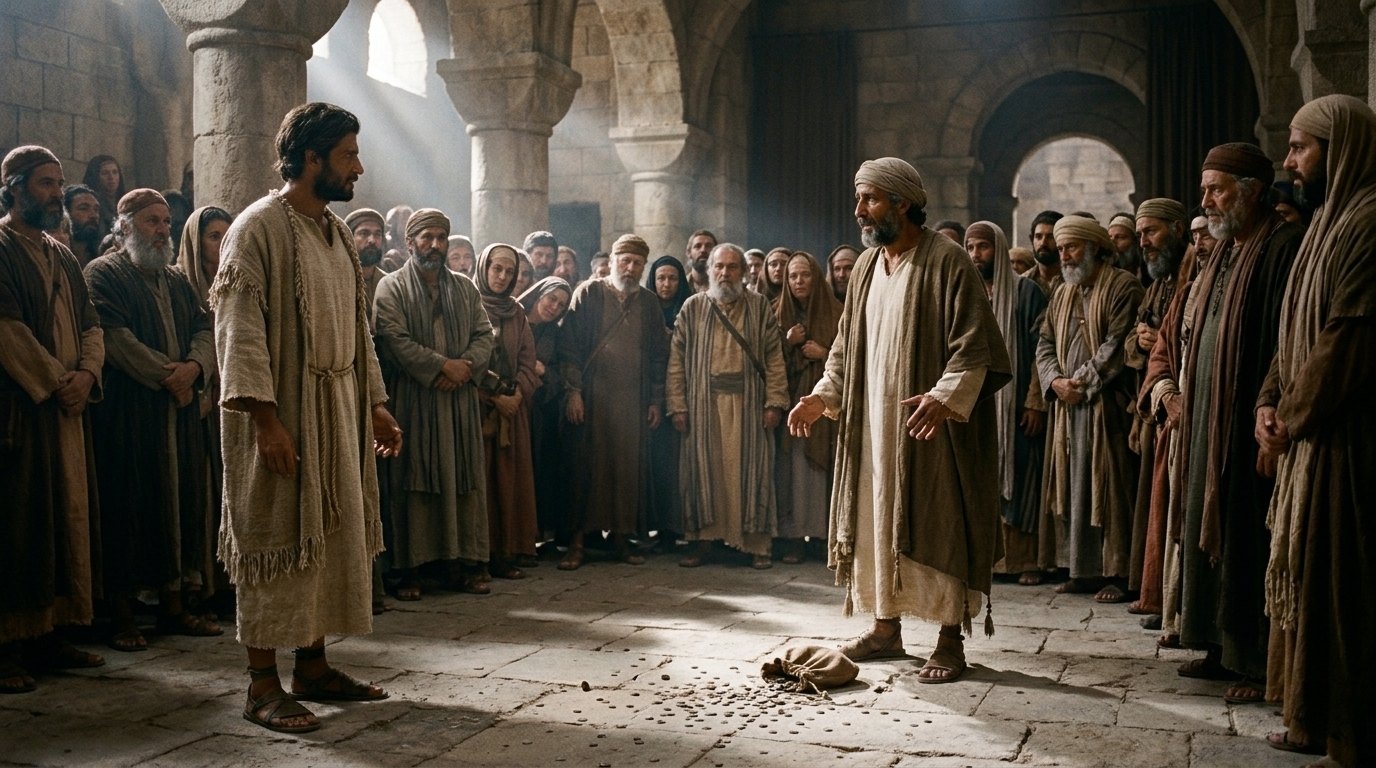
Then Peter said, “Ananias, how is it that Satan has so filled your heart that you have lied to the Holy Spirit and have kept for yourself some of the money you received for the land? Didn’t it belong to you before it was sold? And after it was sold, wasn’t the money at your disposal? What made you think of doing such a thing? You have not lied just to human beings but to God.”
Acts 5:3-4 (NIV)
Peter directly parallels lying to the Holy Spirit with lying not to men but to God, demonstrating both personhood and absolute deity.
In Acts 5:3-4, Peter confronts Ananias with the terrifying reality of his deception, stating that to lie to the Holy Spirit is to lie not to men but directly to God. The Holy Spirit is not merely an impersonal divine energy or influence, but the third person of the eternal Godhead, possessing absolute deity and majesty. Ananias and Sapphira conceived a lie against a divine person, and in Acts 5:9 Peter warns that testing the Spirit of the Lord invites righteous judgment.
Scripture consistently attributes the titles, attributes, and works of God to the Spirit. In 2 Corinthians 3:17-18, the Apostle Paul declares that the Lord is the Spirit, showing that spiritual freedom and our ongoing transformation from glory to glory proceed from the Lord who is the Spirit. David acknowledges His omnipresence in Psalms 139:7-10, asking where one could flee from His Spirit, while Hebrews 9:14 affirms His eternal nature as Christ offered Himself through the eternal Spirit. Furthermore, 1 Corinthians 3:16 establishes that believers constitute the temple of God precisely because the Spirit of God dwells within them.
Old Testament passages identifying Yahweh are quoted in the New Testament as the direct speech of the Spirit. In Acts 28:25-27, Paul quotes the solemn warning of Isaiah 6:9-10 as spoken by the Holy Spirit to the fathers, and Hebrews 3:7-11 introduces Psalm 95 with the words, "as the Holy Spirit says." This divine agency spans from eternity to creation, where Genesis 1:2 portrays the Spirit of God hovering over the primordial waters, and Job 33:4 confirms that the Spirit of God created humanity and gave life. To know the Spirit is to know Almighty God Himself.
| Passage | What it says |
|---|---|
| Acts 5:3 | Peter confronts Ananias for yielding to Satan to lie directly to the Holy Spirit regarding the price of the land. |
| Acts 5:4 | Peter states plainly that lying to the Holy Spirit is not lying to human beings, but to God Himself. |
| Acts 5:9 | Peter warns Sapphira that conspiring to test the Spirit of the Lord brings swift divine judgment. |
| 2 Corinthians 3:17 | Paul declares that the Lord is the Spirit, and where the Spirit of the Lord is, there is liberty. |
| 2 Corinthians 3:18 | Believers are transformed into Christ's image from glory to glory by the Lord, who is the Spirit. |
| Psalms 139:7-10 | David confesses the omnipresence of God by acknowledging that no one can flee from His Spirit. |
| Hebrews 9:14 | The writer describes the Spirit as eternal, through whom Christ offered Himself without blemish to God. |
| 1 Corinthians 3:16 | Believers are God's temple because God's Spirit dwells in them, directly equating the indwelling Spirit with the indwelling of God. |
| Acts 28:25-27 | Paul quotes the words spoken by Yahweh to Isaiah as being spoken directly by the Holy Spirit. |
| Hebrews 3:7-11 | The author quotes Yahweh's warning from Psalm 95 as the personal speech of the Holy Spirit. |
| Genesis 1:2 | The Spirit of God hovered over the waters, actively participating in the divine work of creation. |
| Job 33:4 | Elihu declares that the Spirit of God made him, demonstrating divine creative power and agency. |
Mind and Knowledge
The Spirit possesses intellect, knowledge, and sovereign will.
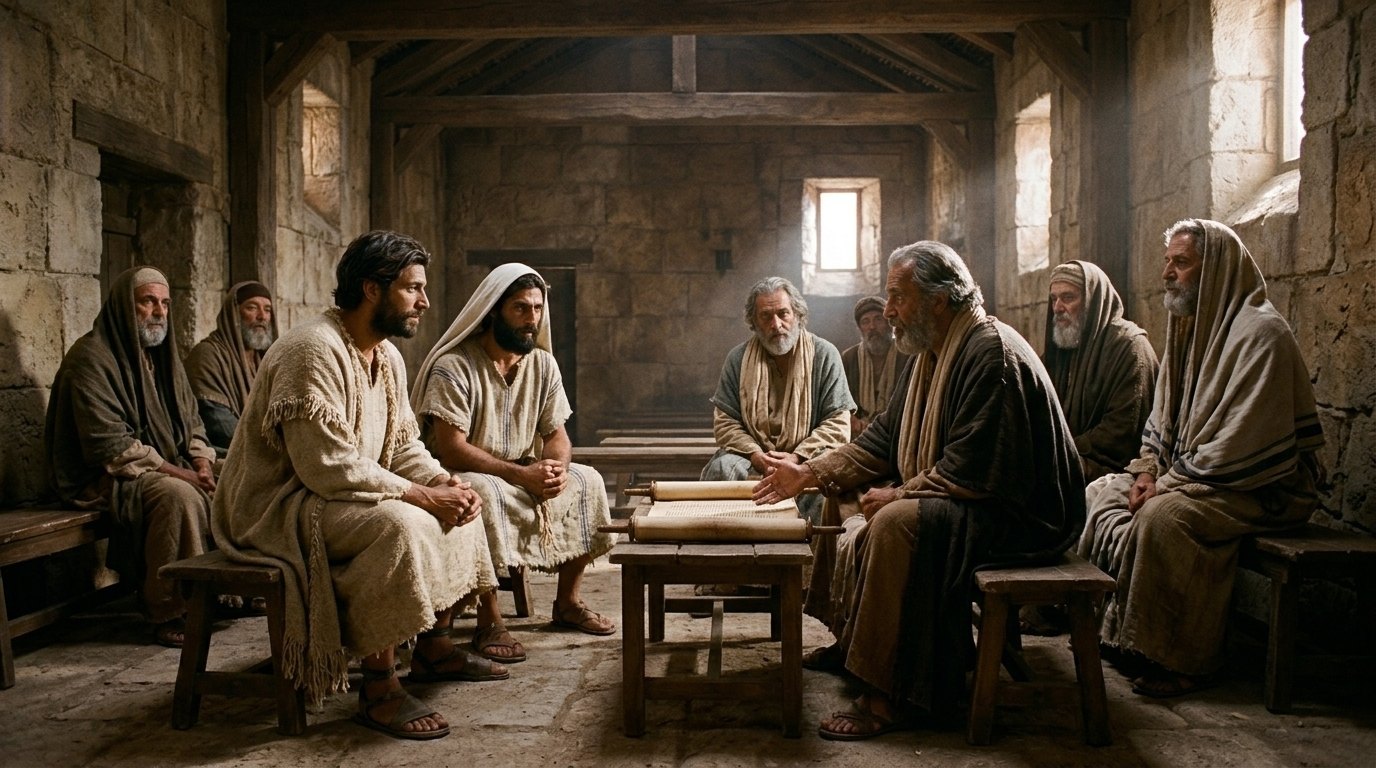
these are the things God has revealed to us by his Spirit. The Spirit searches all things, even the deep things of God. For who knows a person’s thoughts except their own spirit within them? In the same way no one knows the thoughts of God except the Spirit of God.
1 Corinthians 2:10-11 (NIV)
The Holy Spirit actively searches the depths of God and knows God's thoughts, functioning with a conscious divine mind.
In 1 Corinthians 2:10-11, Paul exposes the conscious inner life of the Godhead, revealing that the Spirit searches all things, even the deep things of God. An impersonal force possesses neither intellect nor insight, but the Holy Spirit exercises a divine mind that knows the infinite thoughts of God. Just as only the human spirit knows the interior thoughts of a person, so no one comprehends the thoughts of God except the Spirit of God.
This intellectual faculty is actively exercised in intercession and sovereign governance. In Romans 8:27, Paul explains that He who searches hearts knows what is the mind of the Spirit, because the Spirit intercedes for the saints according to the will of God. Far from being a passive tool manipulated by human desire, the Spirit exercises sovereign, independent will: 1 Corinthians 12:11 records that He apportions spiritual gifts to each believer individually just as He wills.
The Old Testament likewise testifies to the Spirit's intellectual and pedagogical faculties. Isaiah 11:2 prophesies that the Spirit resting upon the Messiah is the Spirit of wisdom, understanding, counsel, and knowledge. In the early church, His deliberate guidance guided foundational theology; Acts 15:28 records the conclusion of the Jerusalem council that "it seemed good to the Holy Spirit and to us" regarding Gentile believers, an expression impossible for a non-personal power. Finally, Nehemiah 9:20 remembers that God gave His good Spirit to instruct Israel in the wilderness, proving that from the beginning, the Spirit has manifested personal goodness, teaching, and moral reason.
| Passage | What it says |
|---|---|
| 1 Corinthians 2:10 | God reveals His wisdom through the Spirit, who searches all things, even the deep things of God. |
| 1 Corinthians 2:11 | Just as a person's spirit knows their thoughts, no one knows the things of God except the Spirit of God. |
| Romans 8:27 | God, who searches hearts, knows the mind of the Spirit because the Spirit intercedes for saints according to God's will. |
| 1 Corinthians 12:11 | The Holy Spirit distributes spiritual gifts to each believer individually just as He sovereignly determines and wills. |
| Isaiah 11:2 | The Spirit of the Lord rests upon the Messiah as the Spirit of wisdom, understanding, counsel, and knowledge. |
| Acts 15:28 | The Jerusalem council records that a doctrinal decision 'seemed good to the Holy Spirit and to us,' showing judgment and deliberation. |
| Nehemiah 9:20 | God gave His 'good Spirit to instruct them,' showing moral goodness, intellect, and active pedagogical care. |
Relational Emotions
The Spirit experiences grief, love, and personal communion.

And do not grieve the Holy Spirit of God, with whom you were sealed for the day of redemption.
Ephesians 4:30 (NIV)
An impersonal force cannot experience sorrow, making the command not to grieve the Spirit conclusive proof of His personal nature.
In Ephesians 4:30, believers are commanded not to grieve the Holy Spirit of God, by whom they were sealed for the day of redemption. Only a living person endowed with affection and deep relational care can experience grief over human rebellion. Electricity or gravity cannot be grieved; neither can an impersonal force be saddened by human malice, slander, or bitterness. The Spirit of God is a person who loves the church and is wounded when His people walk in sin.
This capacity for relational sorrow appears throughout the biblical narrative. In Isaiah 63:10, the prophet recalls that ancient Israel rebelled and grieved His Holy Spirit, leading God to turn against them in disciplinary judgment. In the New Covenant era, Hebrews 10:29 issues a solemn warning against outraging or insulting the Spirit of grace, an offense that presumes an insulted personal dignitary rather than an inert current.
Scripture also celebrates the deep, affectionate fellowship the Spirit shares with His people. Romans 15:30 makes a direct plea based on "the love of the Spirit," pointing to the divine affection that binds believers together in intercession. In James 4:5, we are reminded that the Spirit whom God placed within us yearns jealously for our undivided loyalty. When people reject the gospel, Stephen charges in Acts 7:51 that they stiff-neckedly resist the Holy Spirit, pushing against a personal overture. This is why Paul invokes the "fellowship of the Spirit" in Philippians 2:1, welcoming believers into personal, tender communion with God Himself.
| Passage | What it says |
|---|---|
| Ephesians 4:30 | Paul commands believers not to grieve the Holy Spirit of God, by whom they were sealed for the day of redemption. |
| Isaiah 63:10 | Israel rebelled and grieved God's Holy Spirit, causing the Lord to turn and fight against them as an enemy. |
| Hebrews 10:29 | A severe punishment awaits anyone who profanes the blood of the covenant and insults the Spirit of grace. |
| Romans 15:30 | Paul appeals to the Roman church by the Lord Jesus Christ and by the love of the Spirit to pray with him. |
| James 4:5 | Scripture emphasizes that the Spirit whom God made to dwell in us yearns jealously over our devotion. |
| Acts 7:51 | Stephen accuses the council of stiff-necked rebellion that actively resists the Holy Spirit, a personal resistance against a person. |
| Philippians 2:1 | Paul appeals to the 'fellowship of the Spirit' alongside comfort in Christ and the affection of love. |
Actions and Guidance
The Spirit speaks, teaches, commands, and intercedes.
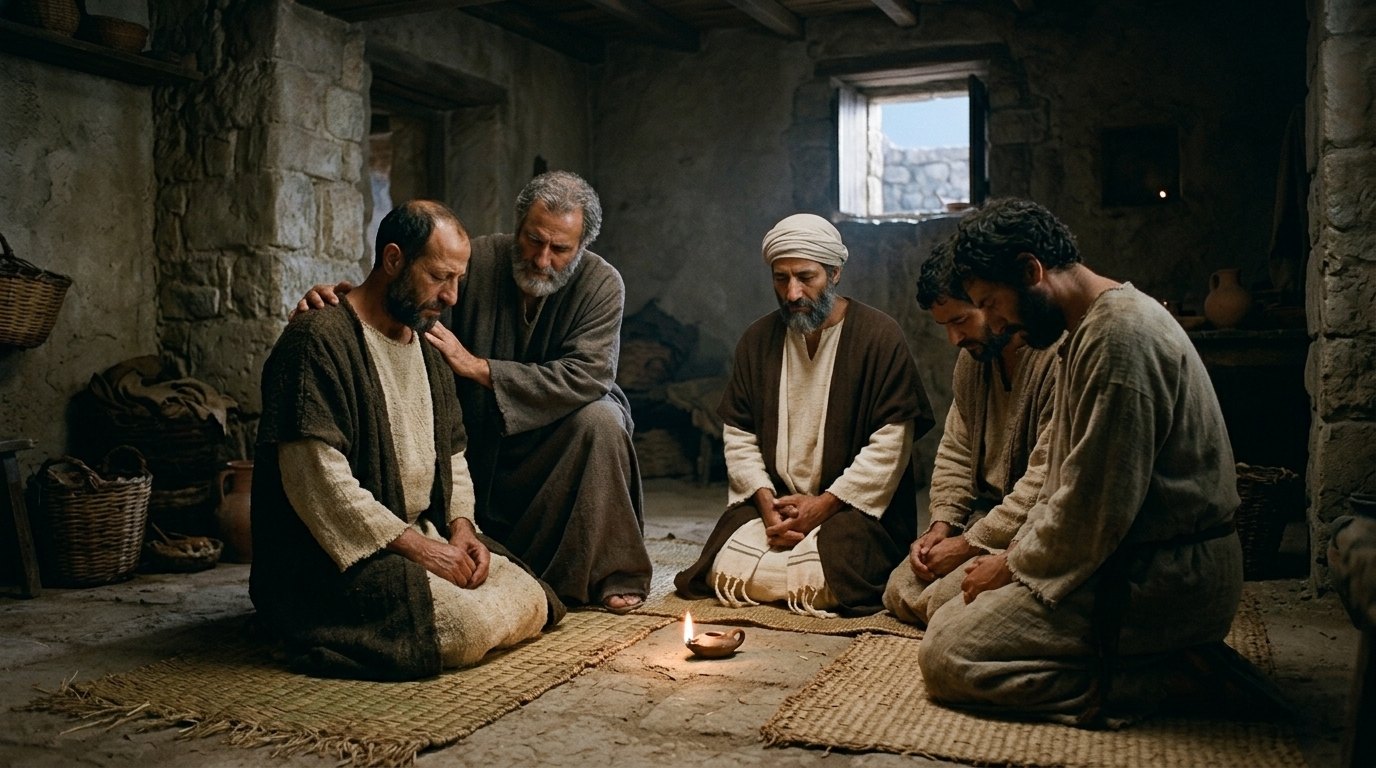
While they were worshiping the Lord and fasting, the Holy Spirit said, “Set apart for me Barnabas and Saul for the work to which I have called them.”
Acts 13:2 (NIV)
The Spirit speaks in the first person, commanding the church to set apart Barnabas and Saul for His specific calling.
In Acts 13:2, while the leaders of Antioch were worshiping the Lord and fasting, the Holy Spirit spoke in the first person: "Set apart for me Barnabas and Saul for the work to which I have called them." Throughout the New Testament, the Holy Spirit speaks, directs, commands, and forbids with conscious personal authority. A blind force cannot give orders or assign a calling, yet the Spirit actively orchestrates the expansion of Christ's kingdom.
The Upper Room Discourse establishes this dynamic role. In John 14:26 and John 16:13-14, Jesus repeatedly refers to the Paraclete using masculine personal pronouns, promising that He will teach all things, bring Christ's words to remembrance, speak only what He hears, declare things to come, and glorify Jesus. He is the Helper sent to personally convict the world of sin, righteousness, and judgment (John 16:7-8), and to bear personal witness to Christ (John 15:26).
In our weakness, Romans 8:26 reveals that the Spirit Himself intercedes for us with groanings too deep for words, while Romans 8:16 and Galatians 4:6 explain that He bears witness with our spirit and cries within our hearts, "Abba, Father!" His personal direction is concrete: He commands Philip to approach the chariot in Acts 8:29, forbids Paul from preaching in Asia in Acts 16:6-7, speaks directly to Peter in Acts 10:19-20, warns of apostasy in 1 Timothy 4:1, calls churches to listen in Revelation 2:7, and appoints overseers in Acts 20:28. As 2 Peter 1:21 confirms, the prophets spoke not from human impulse, but as they were carried along by this sovereign divine person.
| Passage | What it says |
|---|---|
| Acts 13:2 | During worship and fasting, the Holy Spirit speaks directly, commanding Barnabas and Saul to be set apart for His work. |
| John 14:26 | Jesus promises that the Counselor, the Holy Spirit, will teach believers all things and remind them of Christ's words. |
| John 16:13-14 | The Spirit of truth will guide believers into all truth, speak what He hears, declare future things, and glorify Christ. |
| Romans 8:26 | In our weakness, the Spirit Himself intercedes for us with groanings too deep for words. |
| Acts 8:29 | The Holy Spirit gives a direct verbal instruction to Philip to go up and join the chariot of the Ethiopian eunuch. |
| Acts 16:6-7 | The Holy Spirit expressly forbids Paul and his companions from preaching in Asia and Bithynia on that journey. |
| 1 Timothy 4:1 | Paul notes that the Spirit explicitly says that in later times some will depart from the faith. |
| Revelation 2:7 | John calls everyone who has an ear to hear what the Spirit says to the churches. |
| Acts 10:19-20 | The Spirit speaks to Peter, commanding him to accompany Cornelius's men and declaring 'I have sent them.' |
| Acts 20:28 | The Holy Spirit actively appoints and establishes overseers to shepherd the flock of God. |
| John 15:26 | Jesus refers to the Helper with masculine personal pronouns, stating that He will testify of Christ. |
| John 16:7-8 | Jesus promises to send the Helper, who will personally convict the world concerning sin, righteousness, and judgment. |
| Romans 8:16 | The Spirit Himself bears witness with our spirit that we are children of God. |
| Galatians 4:6 | God sent the Spirit of His Son into our hearts, crying out, 'Abba, Father!' |
| 2 Peter 1:21 | Men spoke from God as they were carried along and inspired by the Holy Spirit. |
Trinitarian Equality
The Spirit shares equal divine standing with Father and Son.
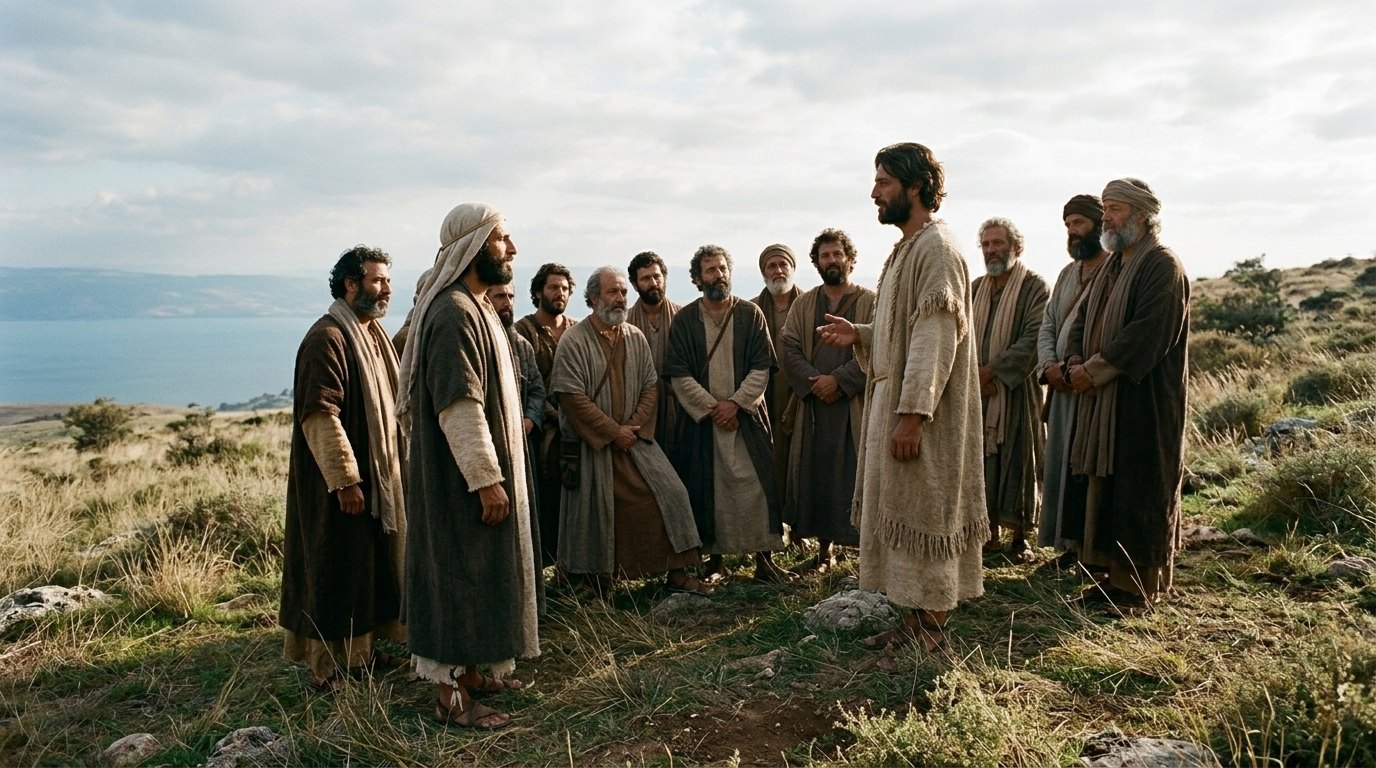
Therefore go and make disciples of all nations, baptizing them in the name of the Father and of the Son and of the Holy Spirit,
Matthew 28:19 (NIV)
Baptism is commanded into the singular 'name' shared equally by the Father, the Son, and the Holy Spirit.
In Matthew 28:19, the Lord Jesus commands His disciples to baptize into the singular name shared equally by the Father, the Son, and the Holy Spirit. He does not speak of multiple names or append an impersonal instrument to two divine Persons. The singular name (onoma) asserts one shared divine essence and authority, placing the Spirit on absolute equality with the Father and the Son.
This triune fellowship is woven through the apostolic witness. In 2 Corinthians 13:14, Paul pronounces the apostolic benediction by joining the grace of the Lord Jesus Christ, the love of God the Father, and the personal communion (koinonia) of the Holy Spirit. An impersonal energy cannot offer genuine communion. In John 14:16-17, Jesus promises that the Father will send 'another Helper' (allon parakleton), specifying an Advocate of the very same kind as Himself, the Spirit of truth who abides personally with believers.
Salvation itself unfolds through the distinct, harmonious work of the three Persons. 1 Peter 1:2 frames the believer's redemption according to the foreknowledge of God the Father, through the sanctifying work of the Spirit, for obedience to Jesus Christ. So profound is the Spirit's divine dignity that in Matthew 12:31-32, Christ warns that speaking against the Holy Spirit carries eternal weight, a warning that makes sense only if directed toward a divine Person rather than a passive force. Paul reinforces this organic unity in Ephesians 4:4-6, binding the church to one Spirit, one Lord, and one God and Father of all. Finally, Jude 1:20-21 urges believers to build themselves up by praying in the Holy Spirit, keeping themselves in the love of God, and awaiting the mercy of Jesus Christ. Across every witness, the Spirit stands not as an energy to wield, but as God to be worshipped and obeyed.
| Passage | What it says |
|---|---|
| Matthew 28:19 | Jesus commissions disciples to baptize nations into the single name of the Father, the Son, and the Holy Spirit. |
| 2 Corinthians 13:14 | Paul closes with a benediction joining the grace of Christ, the love of God, and the fellowship of the Holy Spirit. |
| John 14:16-17 | Jesus prays to the Father to send another Helper of the same kind, the Spirit of truth, to dwell with them. |
| 1 Peter 1:2 | Peter addresses believers chosen according to the Father's foreknowledge, through the Spirit's sanctification, for obedience to Jesus. |
| Matthew 12:31-32 | Jesus warns that blasphemy against the Holy Spirit will not be forgiven, underscoring His distinct, divine honor. |
| Ephesians 4:4-6 | Paul sets one Spirit alongside one Lord Jesus and one God and Father of all in the unified body. |
| Jude 1:20-21 | Believers are exhorted to pray in the Holy Spirit, keep in God's love, and await the mercy of Jesus Christ. |
Where in the Bible
| Book | Passages |
|---|---|
| Genesis | 1 · Genesis 1:2 |
| Nehemiah | 1 · Nehemiah 9:20 |
| Job | 1 · Job 33:4 |
| Psalms | 1 · Psalms 139:7-10 |
| Isaiah | 2 · Isaiah 11:2, Isaiah 63:10 |
| Matthew | 2 · Matthew 28:19, Matthew 12:31-32 |
| John | 5 · John 14:26, John 16:13-14, John 15:26, John 16:7-8, John 14:16-17 |
| Acts | 11 · Acts 5:3, Acts 5:4, Acts 5:9, Acts 28:25-27, Acts 15:28, Acts 7:51, Acts 13:2, Acts 8:29, Acts 16:6-7, Acts 10:19-20, Acts 20:28 |
| Romans | 4 · Romans 8:27, Romans 15:30, Romans 8:26, Romans 8:16 |
| 1 Corinthians | 4 · 1 Corinthians 3:16, 1 Corinthians 2:10, 1 Corinthians 2:11, 1 Corinthians 12:11 |
| 2 Corinthians | 3 · 2 Corinthians 3:17, 2 Corinthians 3:18, 2 Corinthians 13:14 |
| Galatians | 1 · Galatians 4:6 |
| Ephesians | 2 · Ephesians 4:30, Ephesians 4:4-6 |
| Philippians | 1 · Philippians 2:1 |
| 1 Timothy | 1 · 1 Timothy 4:1 |
| Hebrews | 3 · Hebrews 9:14, Hebrews 3:7-11, Hebrews 10:29 |
| James | 1 · James 4:5 |
| 1 Peter | 1 · 1 Peter 1:2 |
| 2 Peter | 1 · 2 Peter 1:21 |
| Jude | 1 · Jude 1:20-21 |
| Revelation | 1 · Revelation 2:7 |
The story in order
- Creation (c. 4000 BC) · Genesis 1:2 · The Spirit actively participated in the divine work of creation.
- Israel's rebellion (c. 1450 BC) · Isaiah 63:10 · Israel rebelled and grieved God's Holy Spirit.
- Spirit instructs Israel (c. 445 BC) · Nehemiah 9:20 · God gave His good Spirit to instruct them.
- Spirit rests on Messiah (c. 700 BC) · Isaiah 11:2 · The Spirit of wisdom, understanding, counsel, and knowledge rests on the Messiah.
- Jesus' earthly ministry (AD 30) · John 14:26 · Jesus promises the Holy Spirit will teach believers all things.
- Pentecost (AD 30) · Acts 2:1-4 · The Holy Spirit descended and empowered the early church.
- Spirit guides Philip (AD 35) · Acts 8:29 · The Spirit gives direct instruction to Philip.
- Spirit forbids Paul (AD 50) · Acts 16:6-7 · The Spirit expressly forbids Paul from preaching in certain regions.
- Spirit speaks to council (AD 50) · Acts 15:28 · A doctrinal decision seemed good to the Holy Spirit and the apostles.
- Spirit intercedes (AD 57) · Romans 8:26 · The Spirit intercedes for believers in their weakness.
- Spirit indwells believers (AD 57) · 1 Corinthians 3:16 · Believers are God's temple because His Spirit dwells in them.
- Spirit seals believers (AD 62) · Ephesians 4:30 · Believers are commanded not to grieve the Holy Spirit.
- Apostolic commission (AD 30) · Matthew 28:19 · Disciples are to baptize in the name of the Father, Son, and Holy Spirit.
Key words
- Spirit of God (rûaḥ 'ĕlōhîm, רוּחַ אֱלֹהִים)
- The divine person of the Godhead who executes God's will. · Genesis 1:2
- Lord is the Spirit (kyrios to pneumá, κύριος τὸ πνεῦμα)
- Equates the Lordship of Christ with the Person of the Holy Spirit. · 2 Corinthians 3:17
- Spirit of the Lord (rûaḥ yhwh, רוּחַ יְהוָה)
- Refers to the Holy Spirit, often in connection with His divine power and presence. · Isaiah 11:2
- Spirit of truth (pneuma alētheias, πνεῦμα ἀληθείας)
- Highlights the Spirit's role in revealing divine truth and guiding believers. · John 14:26
- Helper (paraklētos, παράκλητος)
- The one who comes alongside to assist, comfort, and advocate. · John 14:16
- Spirit of grace (pneuma charitos, πνεῦμα χάριτος)
- Emphasizes the Spirit's role in bestowing God's unmerited favor. · Hebrews 10:29
- Spirit of His Son (pneuma hyiou autou, πνεῦμα υἱοῦ αὐτοῦ)
- Indicates the Spirit's intimate connection and unity with the Son. · Galatians 4:6
Because the Holy Spirit is a divine person rather than an abstract influence, we do not seek to manipulate or control Him as a tool for our own ends. Instead, we yield to His leadership, listen to His Word, trust His personal intercession, and walk in reverent communion with Him without grieving His holy heart. In Christ, the Spirit of God is not an elusive energy to grasp, but our sovereign Counselor, Comforter, and Friend who indwells us forever.
48 passages, each cited once.
Scripture cited
- Acts 5:3-4
- John 14:16-26
- John 16:13-15
- Romans 8:26-27
- 1 Corinthians 2:10-11
- Ephesians 4:30
- Acts 13:2-3
- Matthew 28:19
- 1 Corinthians 12:11