Should Christians celebrate Christmas?

Luke 2:8-14
8 And there were shepherds living out in the fields nearby, keeping watch over their flocks at night.
9 An angel of the Lord appeared to them, and the glory of the Lord shone around them, and they were terrified.
10 But the angel said to them, “Do not be afraid. I bring you good news that will cause great joy for all the people.
11 Today in the town of David a Savior has been born to you; he is the Messiah, the Lord.
12 This will be a sign to you: You will find a baby wrapped in cloths and lying in a manger.”
13 Suddenly a great company of the heavenly host appeared with the angel, praising God and saying,
14 “Glory to God in the highest heaven, and on earth peace to those on whom his favor rests.”
New International Version (NIV)
The answer
Yes, Christians may celebrate Christmas when they do so to the Lord—but no Christian is required to observe it, and the day must never become a test of salvation, spirituality, or fellowship.
Why celebration can honor God
Christmas remembers an event heaven greeted with joy and praise. The angel announced “good news of great joy” because “there is born to you today, in David’s city, a Savior, who is Christ the Lord” (Luke 2:10-11). The heavenly multitude then praised God (Luke 2:13-14). Remembering Christ’s birth with Scripture, thanksgiving, and worship therefore fits heaven’s own response.
Yet Luke records no command establishing an annual festival. Celebration is a freedom, not a duty.
Keeping—or not keeping—the day
Romans 14:5-6 gives the governing principle: “One man esteems one day as more important. Another esteems every day alike. Let each man be fully assured in his own mind.” The person who observes a day does so “to the Lord,” and the person who does not observe it can likewise honor the Lord.
Applied to Christmas:
- Those who celebrate should do so thankfully and unto Christ, without looking down on those who abstain.
- Those who abstain may honor Christ without keeping the festival, without condemning those who celebrate.
- Neither side may pressure or judge the other. Colossians 2:16-17 forbids judgment over feast-day observance and directs believers to Christ rather than shadows. Romans 14:13 and Romans 14:19 call believers to avoid stumbling others and to pursue peace and mutual building up.
Galatians 4:9-11 adds an important warning: observing “days, months, seasons, and years” becomes dangerous when it belongs to a return to spiritual bondage. Treating Christmas as necessary for acceptance with God, or as proof of superior holiness, contradicts Christian freedom. That is different from voluntarily remembering Christ with gratitude.
What makes a celebration pleasing to God
The deciding question is whether it is done in faith and for God’s glory: “Whether therefore you eat or drink, or whatever you do, do all to the glory of God” (1 Corinthians 10:31). Someone whose conscience condemns the observance should not participate while doubting, for “whatever is not of faith is sin” (Romans 14:23); others should not coerce that person.
A Christ-centered celebration can include reading Luke 2:8-14, thanking God for the Savior, singing His praise, and using gatherings to show love, pursue peace, and build others up.
Answered from Scripture · reviewed November 11, 2026
Scripture gives believers every reason to rejoice over the incarnation of the Lord Jesus Christ, marking the arrival of the promised Savior with sacred joy and holy worship. While the Bible nowhere mandates a specific December holiday, it repeatedly calls God's people to remember His mighty works, celebrate fulfilled redemption, and gather in grateful praise. A biblical celebration of Christ's nativity fixes its eyes on the glory of God, the salvation accomplished through His Son, and the proclamation of the gospel.
Good News
Heaven Commands Great Joy at Christ's Nativity
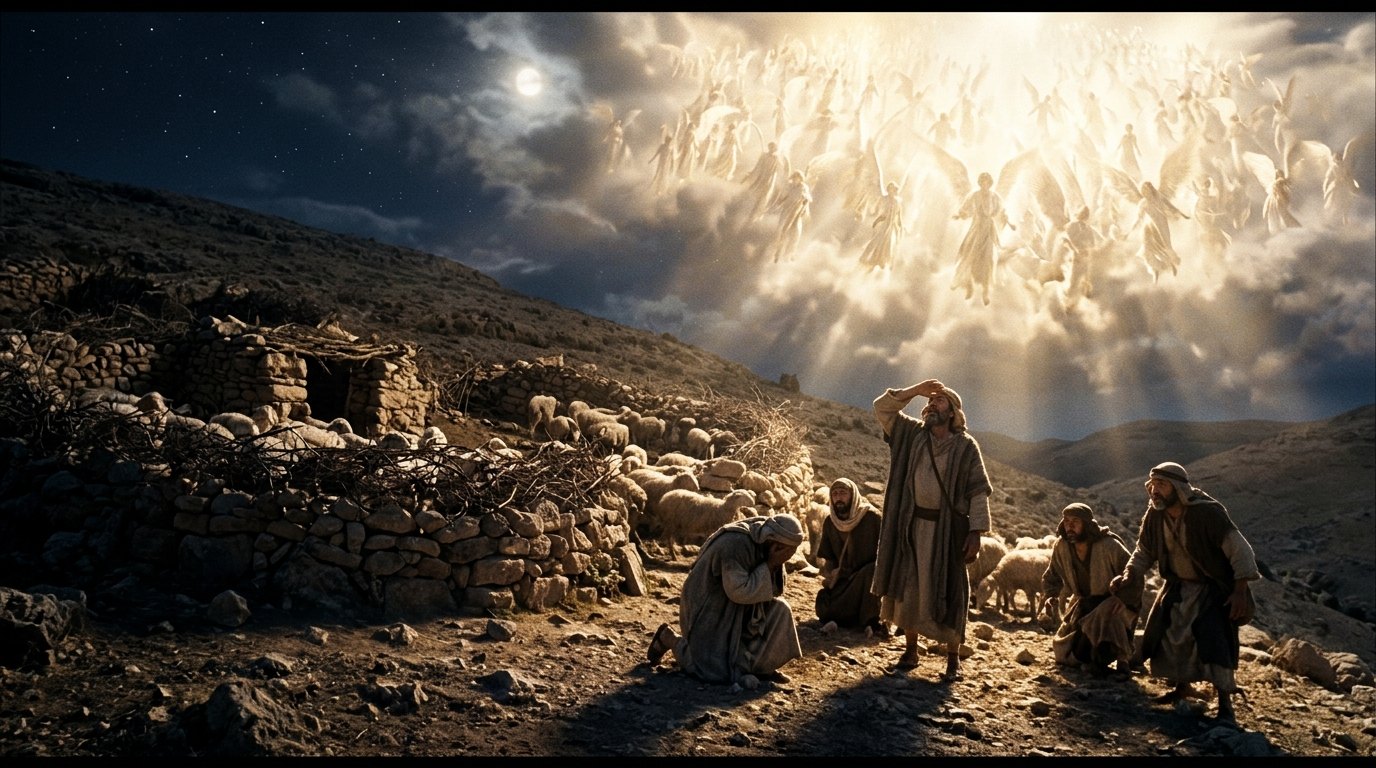
But the angel said to them, “Do not be afraid. I bring you good news that will cause great joy for all the people.
Luke 2:10 (NIV)
The angel of the Lord explicitly announces that the birth of Christ is good news intended to bring great joy to all people.
When heaven announced the birth of Jesus Christ, it did not issue a solemn caution against celebration; it commanded holy exultation. In Luke 2:10, the angel of the Lord shattered the darkness of the Judean hillside to declare: "Do not be afraid, for behold, I bring you good tidings of great joy which will be to all people." This good news was not quiet or private. It began while humble shepherds kept watch over their flocks at night (Luke 2:8), only to be overtaken by the glorious light of God's presence (Luke 2:9). The message was clear: in David’s city, a Savior had arrived who is Christ the Lord (Luke 2:11). The sign given to them was startling in its humility—a baby swaddled and resting in a feeding trough (Luke 2:12). Immediately, heaven broke out in unrestrained praise as a vast heavenly host joined the angel (Luke 2:13), singing glory to God in the highest and peace on earth toward men (Luke 2:14). This pattern of intense, worshipful joy runs throughout the entire nativity narrative. Months earlier, Mary’s soul magnified the Lord and her spirit rejoiced in God her Savior (Luke 1:46-47). Following the angelic proclamation, the shepherds hurried to see the child and returned glorifying and praising God for what they had witnessed (Luke 2:20). Later, Magi from the East came pursuing the newborn King to worship Him (Matthew 2:1-2). When they saw His star over the place where the young Child lay, they rejoiced with exceedingly great joy, fell prostrate in adoration, and presented treasures of gold, frankincense, and myrrh (Matthew 2:10-11). If holy angels, pagan scholars, and Jewish shepherds all celebrated Christ's incarnation with unbounded adoration, God's people today have every biblical reason to mark His arrival with glad praise.
| Passage | What it says |
|---|---|
| Luke 2:8 | Shepherds kept watch over their flocks at night in the fields outside Bethlehem when heaven broke into their darkness. |
| Luke 2:9 | The angel of the Lord appeared and the radiant glory of the Lord shone around the trembling shepherds. |
| Luke 2:10 | The angel told the terrified shepherds not to fear, bringing tidings of great joy meant for all people. |
| Luke 2:11 | A Savior who is Christ the Lord was born in David's city, fulfilling ancient prophetic promises of redemption. |
| Luke 2:12 | The shepherds were given a sign: finding a baby wrapped in cloth and lying in an animal feeding trough. |
| Luke 2:13 | A multitude of the heavenly host joined the angel, visibly praising God with unrestrained adoration. |
| Luke 2:14 | The heavenly army proclaimed glory to God in the highest and peace among men with whom He is pleased. |
| Matthew 2:1-2 | Wise men from the East come seeking the newborn King of the Jews to worship Him. |
| Matthew 2:10-11 | The Magi rejoice with exceedingly great joy, fall down in worship, and present gifts of gold, frankincense, and myrrh. |
| Luke 1:46-47 | Mary magnifies the Lord and her spirit rejoices in God her Savior for the promised birth. |
| Luke 2:20 | The shepherds return, glorifying and praising God for all the things that they had heard and seen. |
Appointed Feasts
God Commands His People to Remember and Rejoice
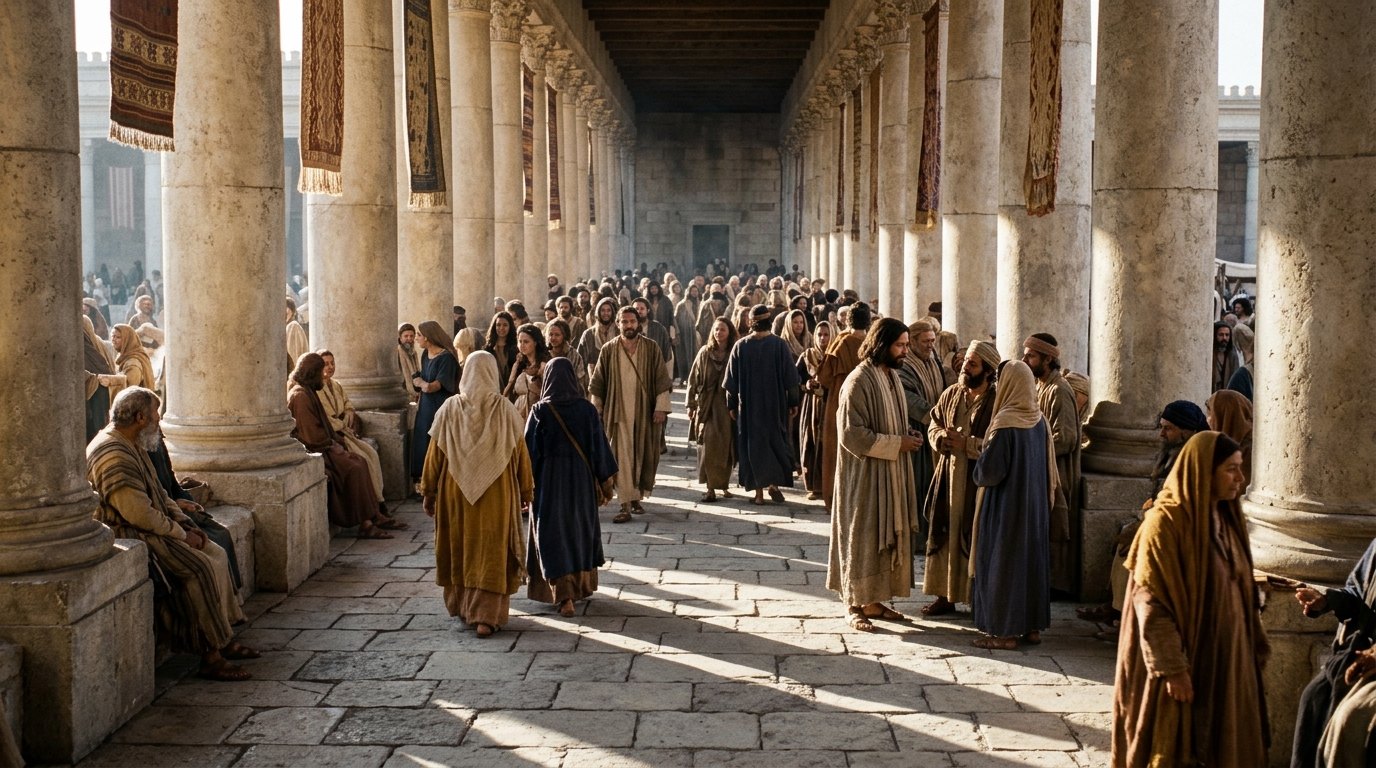
“Speak to the Israelites and say to them: ‘These are my appointed festivals, the appointed festivals of the LORD, which you are to proclaim as sacred assemblies.
Leviticus 23:2 (NIV)
God instituted sacred seasons and holy convocations specifically dedicated to corporate remembrance and joyful celebration.
Throughout redemptive history, God has actively woven intentional seasons of remembrance into the rhythm of His covenant people. In Leviticus 23:2, the Lord instructed Moses: "Speak to the children of Israel, and say to them: 'The feasts of the Lord, which you shall proclaim to be holy convocations, these are My feasts.'" God did not leave corporate memory to chance; He mandated that His mighty acts of rescue and deliverance be celebrated at appointed times (Leviticus 23:4). For example, during the Feast of Booths (Leviticus 23:34), God's people were required to cease regular labor (Leviticus 23:35), offer sacrifices, and assemble in solemn gladness (Leviticus 23:36). Deuteronomy 16:14 emphasized that rejoicing during these seasons was not optional: it was a shared command extending to servants, foreigners, and the fatherless alike. Nor did this sacred pattern of seasonal commemoration cease when the Levitical law was completed. In Esther 9:20-22, Mordecai and the Jewish community instituted Purim—an annual holiday not explicitly commanded in the Mosaic law—to celebrate God's deliverance from destruction with banquets, rejoicing, and gifts sent to one another. Centuries later, John 10:22-23 records that Jesus walked in Solomon's Porch at the temple during the Feast of Dedication (Hanukkah), another annual, post-exilic commemoration honoring God's protection. While the New Testament designates no specific calendar day for Christmas, God's people have always possessed biblical precedent to set apart seasons of feasting and gratitude to remember His greatest deeds.
| Passage | What it says |
|---|---|
| Leviticus 23:2 | The Lord commanded Moses to proclaim appointed feasts as holy convocations set apart specifically for divine worship. |
| Leviticus 23:4 | The appointed feasts of the Lord must be kept in their seasons as permanent memorials of His saving grace. |
| Leviticus 23:34 | Israel was instructed to celebrate the Feast of Booths for seven days unto the Lord in thankful fellowship. |
| Leviticus 23:35 | The first day of the festival was designated a holy convocation wherein ordinary labor ceased for worship. |
| Leviticus 23:36 | Sacrifices made by fire and a solemn assembly crowned the festival as an offering of devotion to God. |
| Deuteronomy 16:14 | God commanded His covenant people to rejoice wholeheartedly during their sacred feasts, including servants, foreigners, and widows. |
| John 10:22-23 | Jesus walked in the temple during the Feast of Dedication (Hanukkah), an annual non-Levitical commemoration. |
| Esther 9:20-22 | Mordecai and the Jews established the annual feast of Purim to remember God's deliverance with feasting, joy, and giving gifts. |
Joyful Worship
Singing and Thanksgiving Fill the Assemblies of God
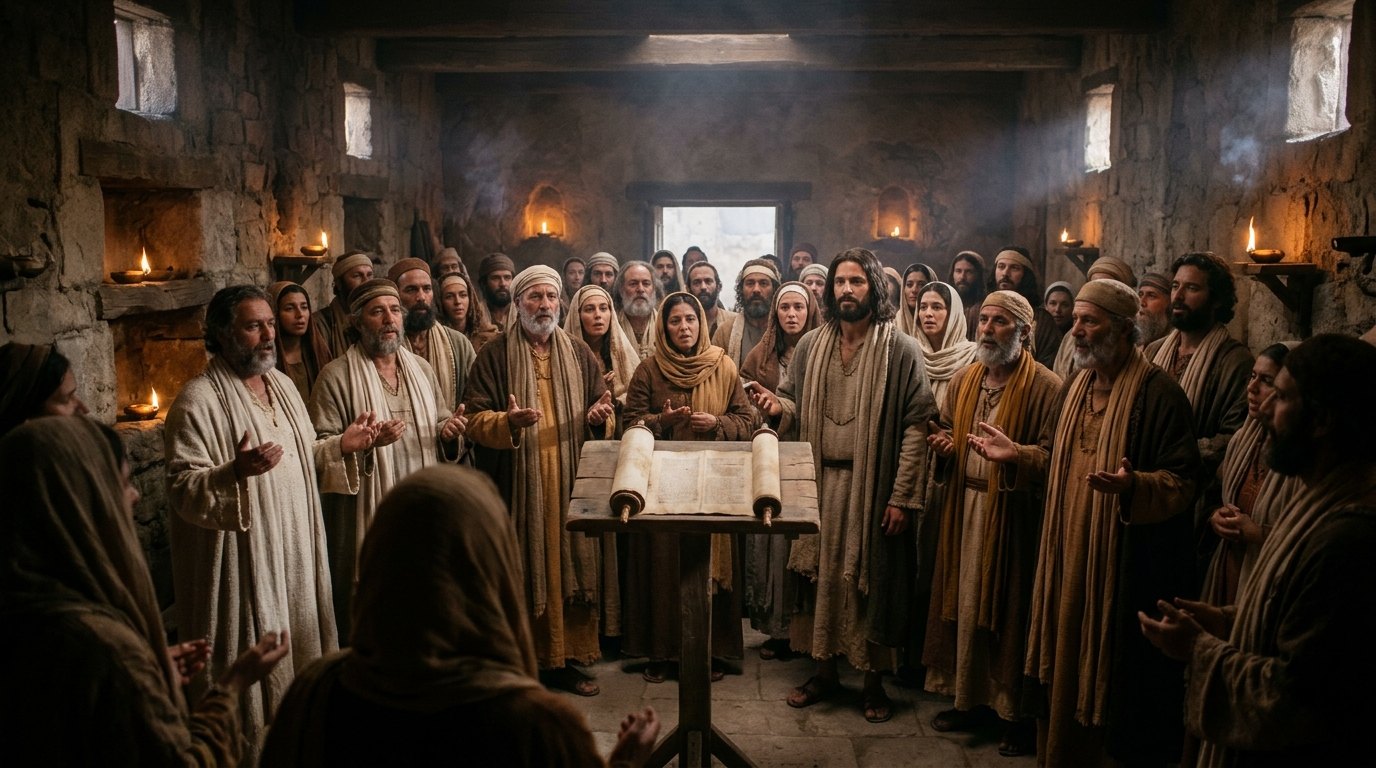
Shout for joy to the LORD, all the earth. Worship the LORD with gladness; come before him with joyful songs.
Psalms 100:1-2 (NIV)
Scripture bids the whole earth to worship the Lord with gladness and approach His presence with singing.
When God's people gather to consider the salvation of the Lord, sacred song and uninhibited thanksgiving are the natural, commanded response. Psalms 100:1-2 commands: "Make a joyful shout to the Lord, all you lands! Serve the Lord with gladness; come before His presence with singing." Scripture never views joyful singing as mere emotional sentiment; it is a vital act of obedience and worship before our Creator. King David summons all whose sins are covered to be glad in the Lord and shout for joy with an upright heart (Psalms 32:11). Psalms 95:1-2 invites the congregation to sing with strength and make a joyful noise to the Rock of our salvation, entering His courts with thanksgiving. The advent of Christ's kingdom fulfills this universal summons to worship, as Psalms 96:1-3 calls for a new song to arise from the whole earth, declaring His glorious deeds among every people group. In the New Testament, this corporate praise reaches its fullness in the gathered assembly of the church. In Colossians 3:16, the apostle Paul instructs believers to let the word of Christ dwell richly within them as they teach and admonish one another in psalms, hymns, and spiritual songs, singing with grace in their hearts to the Lord. Whether through ancient hymns or contemporary songs that declare the mystery of the incarnation, a Christian celebration of Christ's birth aligns squarely with the scriptural command to lift our voices in holy, grateful assembly.
| Passage | What it says |
|---|---|
| Psalms 32:11 | The righteous are urged to be glad in the Lord, rejoice, and shout aloud with upright hearts. |
| Psalms 95:1-2 | Worshipers are invited to sing to the Lord and make a joyful noise to the Rock of salvation. |
| Psalms 96:1-3 | A new song is called forth from all the earth to declare God's glory and marvelous acts among nations. |
| Psalms 100:1-2 | All lands are summoned to make a joyful noise and serve the Lord with rejoicing and song. |
| Colossians 3:16 | The word of Christ dwells richly among believers who teach and admonish one another with thankful singing. |
The True Center
Christ's Incarnation Leads Directly to the Cross
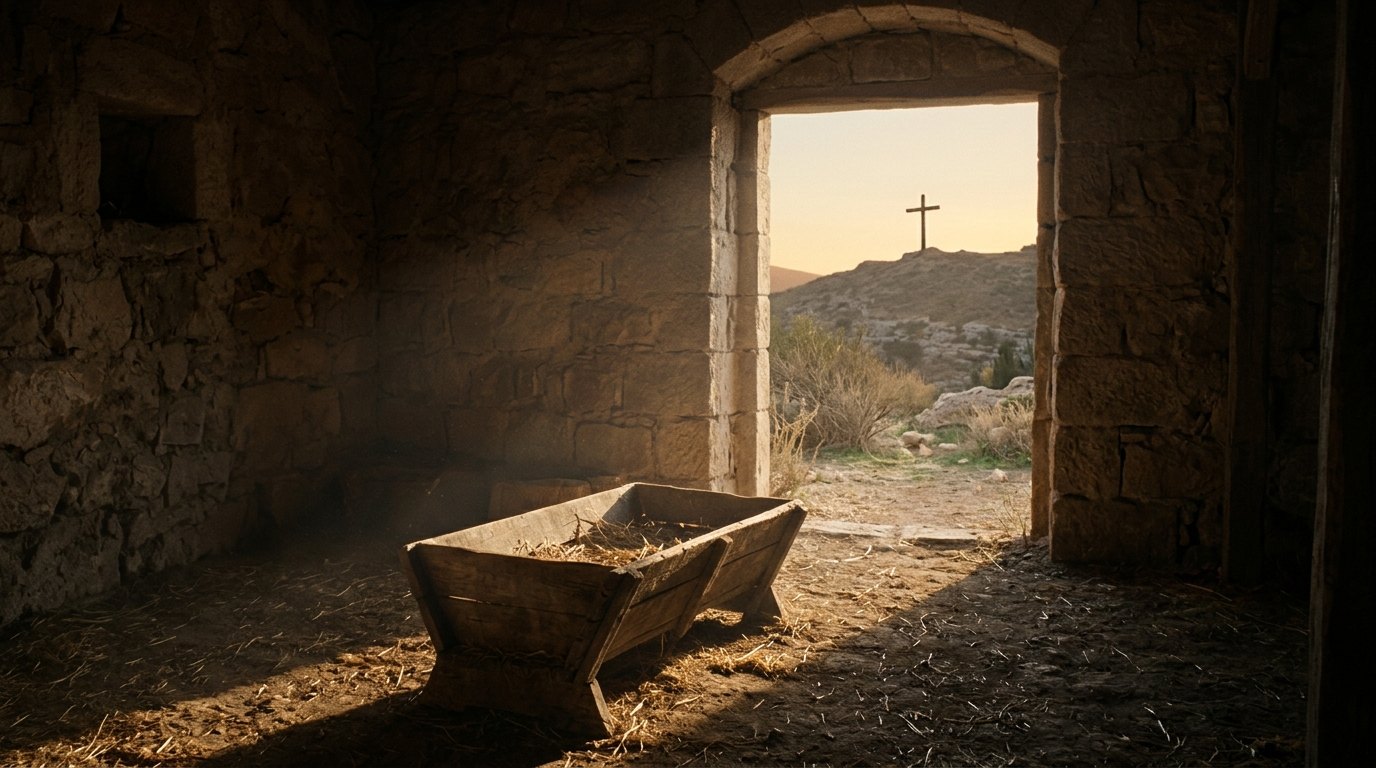
But God demonstrates his own love for us in this: While we were still sinners, Christ died for us. Since we have now been justified by his blood, how much more shall we be saved from God’s wrath through him!
Romans 5:8-9 (NIV)
The baby in the manger took on human flesh specifically to pour out His blood and justify sinners.
The manger cannot be understood apart from the wooden cross on which our redemption was purchased. In Romans 5:8-9, the apostle Paul declares the heart of the gospel: "God demonstrates His own love toward us, in that while we were still sinners, Christ died for us. Much more then, having now been justified by His blood, we shall be saved from wrath through Him." The wonder of the incarnation is that the baby born in Bethlehem took on human flesh specifically to die. Before Jesus drew His first breath, the angel told Joseph, "He will save His people from their sins" (Matthew 1:21). The eternal Word did not simply appear in human form; He truly became flesh and dwelt among us, revealing the Father's matchless glory, grace, and truth (John 1:14). Hebrews 2:14-15 explains that because the children share in flesh and blood, Christ likewise partook of the exact same nature, so that through His death He might break the power of Satan and release those held in lifelong bondage to the fear of death. Through this finished work, God reconciled a fallen world to Himself, not imputing their trespasses against them, and committed to His redeemed people the ministry of reconciliation (2 Corinthians 5:18-19). Any faithful celebration of Christ's nativity never ends at a quaint cradle; it bows in deep awe before the sovereign Savior who took on frail human flesh to drink the cup of divine wrath, shed His blood for our justification, and rise victorious over the grave.
| Passage | What it says |
|---|---|
| Matthew 1:21 | The angel commanded Joseph to name the child Jesus because He would save His people from their sins. |
| John 1:14 | The eternal Word became flesh and dwelt among us, revealing the Father's glory full of grace and truth. |
| Romans 5:8-9 | God showed His love in Christ dying for sinners, saving them from the wrath of God through His blood. |
| 2 Corinthians 5:18-19 | God reconciled the world to Himself through Jesus Christ, committing to the church the ministry of reconciliation. |
| Hebrews 2:14-15 | Christ shared in flesh and blood so that through death He might destroy the devil's power over mortality. |
Christian Freedom
Observing Days Must Be Done unto the Lord
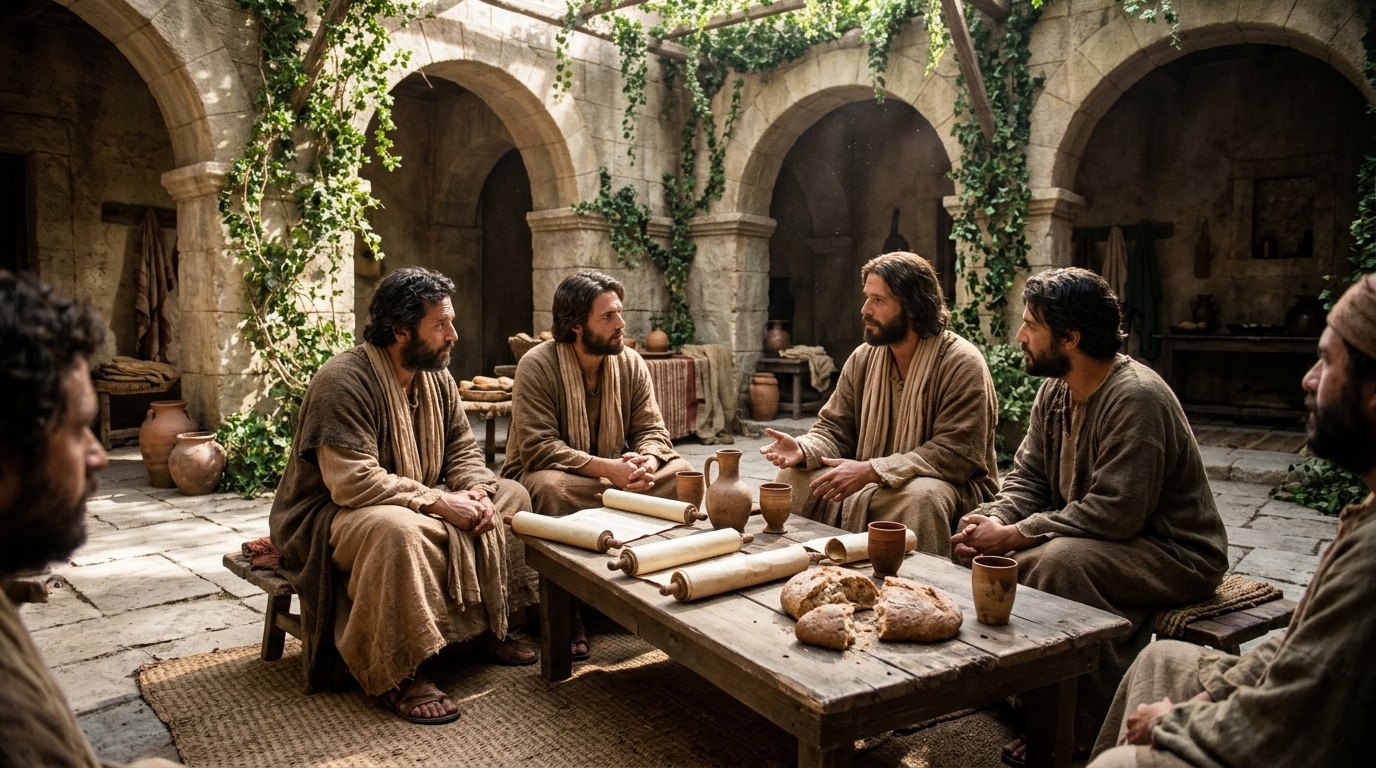
One person considers one day more sacred than another; another considers every day alike. Each of them should be fully convinced in their own mind. Whoever regards one day as special does so to the Lord. Whoever eats meat does so to the Lord, for they give thanks to God; and whoever abstains does so to the Lord and gives thanks to God.
Romans 14:5-6 (NIV)
Paul establishes the principle of Christian freedom regarding days, commanding that whatever is observed must honor God.
In Romans 14:5-6, the Apostle Paul directly addresses the observance of special calendar days: "One person esteems one day above another; another esteems every day alike. Let each be fully convinced in his own mind." The foundational principle governing this freedom is that whatever day a believer observes, he must observe it intentionally "unto the Lord," giving thanks to God. Scripture does not command a festival celebrating the nativity, nor does it forbid setting aside a day to remember Christ's birth. Therefore, whether a Christian celebrates Christmas or treats the calendar day as ordinary, the ruling aim in all things must be God's glory, as 1 Corinthians 10:31 commands: "whether you eat or drink, or whatever you do, do all to the glory of God." The customs often associated with the season, such as generous giving, must also reflect the heart of Scripture, where 2 Corinthians 9:7 teaches that "each one must give as he has decided in his heart, not reluctantly or under compulsion, for God loves a cheerful giver."
At the same time, Scripture establishes crucial boundaries regarding holy days. The church's perpetual pattern is found in Acts 2:42, continuing steadfastly in the apostles' doctrine, fellowship, the breaking of bread, and prayers, rather than inventing mandatory holy calendars. In Colossians 2:16-17, believers are commanded not to allow anyone to pass judgment on them regarding festivals or sabbaths, which were shadows pointing forward to Christ. Furthermore, Paul sternly cautions against turning days into a legalistic requirement or superstitious ritual in Galatians 4:9-11, warning those who turn back to weak principles by observing days, months, and years as grounds for righteousness. Finally, 1 Corinthians 8:9 reminds every Christian to take care that their liberty does not become a stumbling block to a brother with a weaker conscience. Liberty is never license for worldly excess, but an opportunity to honor the Lord with a pure and grateful heart.
| Passage | What it says |
|---|---|
| Romans 14:5-6 | One person esteems one day above another while another regards every day alike; each must act unto the Lord. |
| 1 Corinthians 10:31 | Whatever believers do, whether eating or drinking or any celebration, must be done entirely for God's glory. |
| 2 Corinthians 9:7 | Generous giving must come from a cheerful heart, reflecting God's own grace rather than compulsion or mere tradition. |
| Acts 2:42 | The early church devoted itself to the apostles' doctrine, fellowship, breaking of bread, and prayers. |
| Colossians 2:16-17 | Believers are instructed not to let anyone judge them regarding food, drink, festivals, new moons, or Sabbaths. |
| Galatians 4:9-11 | Paul warns against observing days, months, seasons, and years as a means of legalistic bondage rather than grace. |
| 1 Corinthians 8:9 | Believers are cautioned to take care that their liberty does not become a stumbling block to the weak. |
The Incarnate Lord
Scripture Calls Believers to Confess and Proclaim the Incarnation
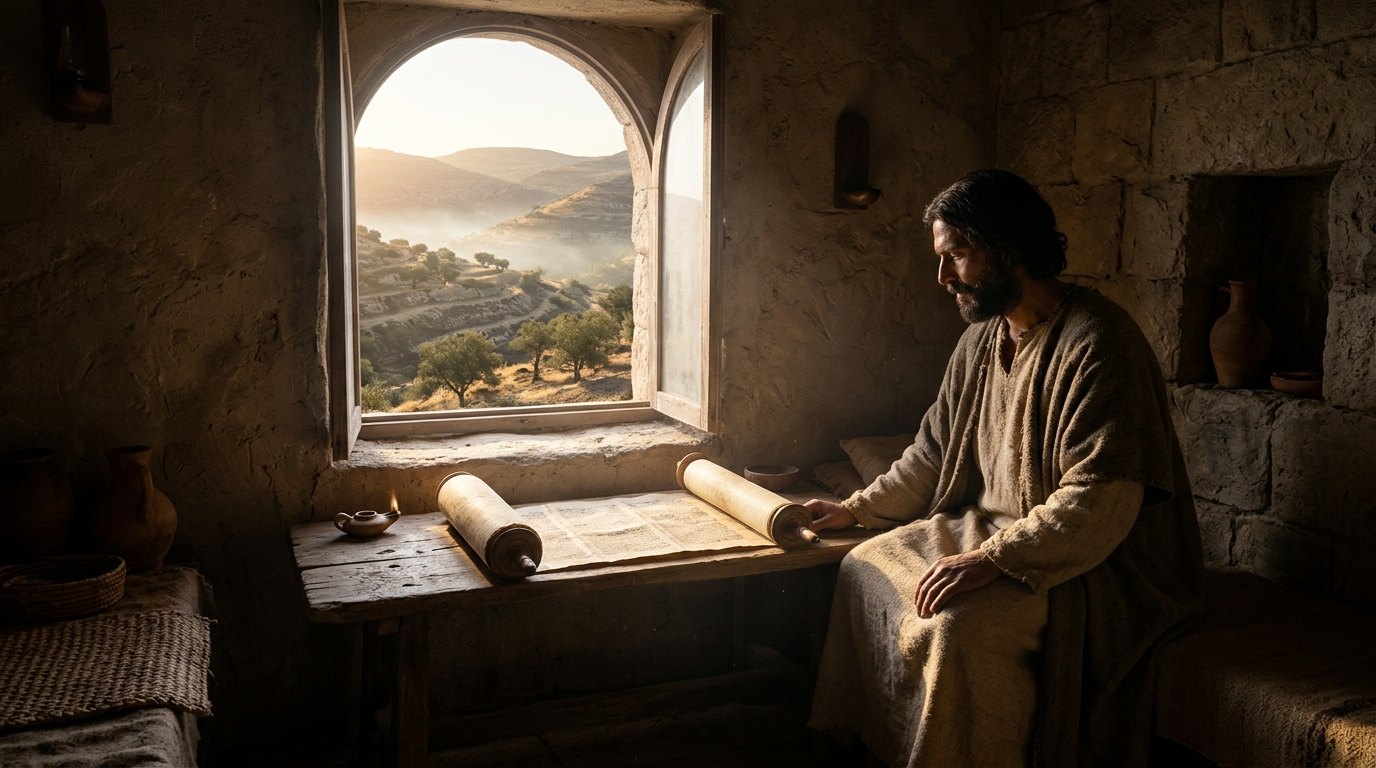
This is how you can recognize the Spirit of God: Every spirit that acknowledges that Jesus Christ has come in the flesh is from God,
1 John 4:2 (NIV)
Confessing that Jesus Christ has come in human flesh is the definitive biblical mark of the Spirit of God.
In 1 John 4:2, the Apostle John delivers the definitive test of orthodoxy for the people of God: "By this you know the Spirit of God: every spirit that confesses that Jesus Christ has come in the flesh is of God." The incarnation of the eternal Son is neither a seasonal theme nor a trivial theological footnote; it is the cornerstone of the Christian faith. To declare that the Word became flesh is to stand with the testimony of the Holy Spirit against every lie that denies Christ's true humanity or His divine mission. As 1 John 4:3 warns, any spirit that does not confess Jesus Christ as having come in human flesh is not of God, but is of the antichrist. Thus, any occasion that faithfully exalts the historic, bodily arrival of the Lord Jesus fulfills the very mandate of apostolic confession.
This miraculous manifestation is celebrated throughout the New Testament epistles as the central wonder of God's redemptive work. In 1 Timothy 3:16, Paul proclaims that great is the mystery of godliness: God was manifested in the flesh, justified in the Spirit, seen by angels, preached among the Gentiles, believed on in the world, and received up in glory. This divine descent required utter humility, as Philippians 2:6-8 recounts how Christ, being in the very form of God, did not consider equality with God a thing to be grasped, but made Himself of no reputation, taking the form of a servant and coming in the likeness of men, ultimately humbling Himself unto death on a cross. According to Galatians 4:4-5, this occurred precisely when the fullness of time had come, for God sent forth His Son, born of a woman and born under the law, for the glorious purpose of redeeming those under the law that we might receive adoption as sons. Whether proclaimed in December or on every Lord's Day throughout the year, the incarnation of Jesus Christ demands the ceaseless worship and joyful confession of every redeemed heart.
| Passage | What it says |
|---|---|
| 1 John 4:2-3 | Every spirit that confesses that Jesus Christ has come in the flesh is from God. |
| 1 Timothy 3:16 | Great is the mystery of godliness: God was manifested in the flesh, justified in the Spirit, and seen by angels. |
| Philippians 2:6-8 | Christ Jesus, being in the form of God, emptied Himself by taking the form of a servant and coming in human likeness. |
| Galatians 4:4-5 | When the fullness of time had come, God sent forth His Son, born of woman, to redeem those under the law. |
Where in the Bible
| Book | Passages |
|---|---|
| Leviticus | 5 · Leviticus 23:2, Leviticus 23:4, Leviticus 23:34, Leviticus 23:35, Leviticus 23:36 |
| Deuteronomy | 1 · Deuteronomy 16:14 |
| Esther | 1 · Esther 9:20-22 |
| Psalms | 4 · Psalms 32:11, Psalms 95:1-2, Psalms 96:1-3, Psalms 100:1-2 |
| Matthew | 3 · Matthew 2:1-2, Matthew 2:10-11, Matthew 1:21 |
| Luke | 9 · Luke 2:8, Luke 2:9, Luke 2:10, Luke 2:11, Luke 2:12, Luke 2:13, Luke 2:14, Luke 1:46-47, Luke 2:20 |
| John | 2 · John 10:22-23, John 1:14 |
| Acts | 1 · Acts 2:42 |
| Romans | 2 · Romans 5:8-9, Romans 14:5-6 |
| 1 Corinthians | 2 · 1 Corinthians 10:31, 1 Corinthians 8:9 |
| 2 Corinthians | 2 · 2 Corinthians 5:18-19, 2 Corinthians 9:7 |
| Galatians | 2 · Galatians 4:9-11, Galatians 4:4-5 |
| Philippians | 1 · Philippians 2:6-8 |
| Colossians | 2 · Colossians 3:16, Colossians 2:16-17 |
| 1 Timothy | 1 · 1 Timothy 3:16 |
| Hebrews | 1 · Hebrews 2:14-15 |
| 1 John | 1 · 1 John 4:2-3 |
The story in order
- God's promise of a Savior (c. 4000 BC) · Genesis 3:15 · The first hint of redemption after the fall.
- God commands appointed feasts (c. 1450 BC) · Leviticus 23:2 · Feasts to remember God's saving grace.
- Israel rejoices during feasts (c. 1400 BC) · Deuteronomy 16:14 · Command to rejoice wholeheartedly in sacred feasts.
- Wise men seek the King (c. 4 BC) · Matthew 2:1-2 · Seeking and worshiping the newborn King.
- Angel announces Savior's birth (c. 4 BC) · Luke 2:10-11 · Tidings of great joy for all people.
- Heavenly host praises God (c. 4 BC) · Luke 2:13-14 · Glory to God and peace on earth.
- Shepherds glorify God (c. 4 BC) · Luke 2:20 · Glorifying and praising God for what they saw.
- Magi rejoice and worship (c. 4 BC) · Matthew 2:10-11 · Exceedingly great joy and worship.
- Jesus at the Feast of Dedication (c. AD 30) · John 10:22-23 · Jesus observed an annual commemoration.
- Jesus is born of a woman (c. 4 BC) · Galatians 4:4-5 · God sent His Son to redeem.
- The Word became flesh (c. AD 30) · John 1:14 · Revealing God's glory in human form.
- Christ died for sinners (c. AD 30) · Romans 5:8-9 · God showed His love through Christ's death.
- Early church devoted to worship (c. AD 30) · Acts 2:42 · Fellowship, breaking of bread, and prayers.
- Paul warns against legalism (c. AD 60) · Colossians 2:16-17 · Don't let others judge your observance of days.
Biblical Feasts and Commemorations
| Event | Purpose | Observation | Passage |
|---|---|---|---|
| Appointed Feasts | Remember God's saving grace | Holy convocations, thankful fellowship | |
| Feast of Booths | Thankful fellowship | Seven days unto the Lord | Leviticus 23:34 |
| Rejoicing during Sacred Feasts | Rejoice wholeheartedly | Include servants, foreigners, widows | Deuteronomy 16:14 |
| Feast of Dedication (Hanukkah) | Commemoration | Jesus walked in the temple | John 10:22-23 |
| Feast of Purim | Remember God's deliverance | Feasting, joy, giving gifts | Esther 9:20-22 |
| Nativity of Christ | Celebrate fulfilled redemption | Worship, praise, proclamation |
Christian Freedom in Observance
| Principle | Application | Motive | Passage |
|---|---|---|---|
| Act unto the Lord | Esteem one day above another or regard every day alike | Conscience before God | Romans 14:5-6 |
| Do all for God's glory | Eating, drinking, or any celebration | Glory to God | 1 Corinthians 10:31 |
| Cheerful giving | Generosity | Not grudgingly or under compulsion | 2 Corinthians 9:7 |
| Freedom from legalism | Do not let others judge regarding food, festivals, etc. | Grace, not bondage | |
| Do not cause others to stumble | Liberty | Care for the weak | 1 Corinthians 8:9 |
Key words
- Joy (agalliasis, ἀ mλλίασις)
- A deep-seated delight and gladness, especially in God and His salvation. · Luke 2:10
- Worship (proskuneō, προσκυνέω)
- Reverent adoration and homage paid to God, often expressed through singing and offerings. · Matthew 2:11
- Savior (sōtēr, σωτήρ)
- One who delivers from danger or destruction; specifically, Jesus Christ who saves from sin. · Luke 2:11
- Incarnation (egeneto en sarki, ἐγένετο ἐν σαρκί)
- The act of God's Son becoming human, taking on flesh and dwelling among us. · John 1:14
- Feast (mo'ed, מוֹעֵד)
- A set time for religious observance, remembrance, and celebration commanded by God. · Leviticus 23:2
- Freedom (eleutheria, ἐλευθερία)
- Liberty from bondage, particularly from sin and legalistic observance, to serve God in grace. · Galatians 4:9
Celebrating Christmas is not a mandate of the calendar, but a precious opportunity to fix our hearts and communities upon the wonders of the incarnation. When believers gather to exalt the Savior, recount His humble coming, and proclaim His cross and resurrection, God is glorified and His people are strengthened. Let every celebration be holy, joyful, and utterly centered on Christ the Lord.
40 passages, each cited once.
How the major Christian traditions read this
All Christians confess with joy the incarnation of our Lord Jesus Christ, celebrating that the eternal Word took on human flesh to save His people (Luke 2:10-11; John 1:14).
Catholic
We observe the Nativity of the Lord as a holy day of obligation, gathering at the altar to receive Christ's true body and blood. The Church teaches that marking the liturgical year immerses us in the mysteries of redemption. The angels proclaimed the Savior's birth to the shepherds with heavenly joy (Luke 2:10-14), and we echo that adoration in the Mass. Far from being a mere human tradition, commemorating the moment the Word became flesh (John 1:14) is an act of obedience and worship that the faithful are commanded to observe with reverence and thanksgiving.
Scripture: Luke 2:10-14, John 1:14
Orthodox
In the Orthodox Church, the Nativity of Christ is one of the Great Feasts, prepared for by forty days of fasting and celebrated with profound liturgical hymnody. We confess that God took on human flesh to deify human nature and rescue us from corruption (Galatians 4:4-5). As the Magi followed the star to bring gifts and worship the newborn King (Matthew 2:1-11), so the Church gathers in worship to honor Christ's holy birth. We do not view the feast as an optional observance, but as an essential rhythm of life in the Body of Christ.
Scripture: Galatians 4:4-5, Matthew 2:1-11
Lutheran
We joyfully celebrate the Festival of the Nativity as a proclamation of the pure Gospel: that God's eternal Son entered our broken world to redeem sinners (Luke 2:10-11). Historic ceremonies, hymns, and festivals are retained in our churches because they teach the people concerning Christ and His grace (Augsburg Confession 24). While we do not bind consciences by treating church festivals as necessary for salvation or justification before God (Colossians 2:16), we keep Christmas as a blessed occasion to preach Christ incarnate and receive Him in Word and Sacrament.
Scripture: Luke 2:10-11, Colossians 2:16
Reformed & Presbyterian
In the Reformed tradition, our practice is shaped by the regulative principle of worship: God alone institutes how He is to be worshipped, and He has appointed the Lord's Day, not annual feast days, as the Christian Sabbath (Exodus 20:8-11). The New Testament warns against treating special days and seasons as religious duties (Galatians 4:9-11). While some Reformed believers mark the incarnation on the nearest Sunday or exercise Christian liberty to celebrate the birth of Christ (Romans 14:5-6), we insist that no annual church holiday can be imposed on the conscience as an obligatory divine ordinance.
Scripture: Exodus 20:8-11, Galatians 4:9-11, Romans 14:5-6
Anglican & Episcopal
We celebrate the feast of the Nativity of our Lord within the ordered rhythm of the liturgical calendar, using the Book of Common Prayer to guide our worship. The Church has authority to decree rites and ceremonies, provided nothing is ordained contrary to God's Word. Marking Christ's birth fulfills Scripture's call to rejoice in our Savior, who came in the fullness of time to redeem those under the law (Galatians 4:4-5). We welcome the season as an enduring corporate witness that directs all hearts to worship Christ, our Prophet, Priest, and King.
Scripture: Galatians 4:4-5, Luke 2:13-14
Baptist
We hold that Scripture alone is our rule for faith and practice, and the New Testament gives no command to establish Christmas as a mandatory church holiday. While our historic forebears often abstained from holy days, today most Baptist churches freely celebrate Christ's birth as a wonderful opportunity to preach the Gospel and thank God for His unspeakable gift (2 Corinthians 9:15). In accord with Romans 14:5-6, observing or not observing the day is a matter of Christian liberty, done unto the Lord in faith without binding anyone's conscience.
Scripture: 2 Corinthians 9:15, Romans 14:5-6
Methodist & Wesleyan
We celebrate Christmas as a joyful season to praise God for His redeeming love and to stir up holy living and charity. John Wesley and the early Methodists used Christmas Day for deep communion services, thanksgiving, and sacrificial giving to those in need, imitating Christ who became poor that we might become rich (2 Corinthians 8:9). The feast calls us to welcome the newborn King into our hearts and to proclaim peace and goodwill to all people through acts of mercy and joyful congregational worship (Luke 2:14).
Scripture: 2 Corinthians 8:9, Luke 2:14
Pentecostal & Charismatic
We embrace Christmas as a vibrant season to celebrate the miraculous work of the Holy Spirit, who overshadowed Mary so that the Son of God would be born (Luke 1:35). Our services center on joyous praise, evangelistic outreach, and proclaiming Jesus as the living Savior who delivers from sin. While we do not follow formal liturgical requirements, we recognize the spiritual power of magnifying the Lord for the Incarnation, joining with the heavenly host to declare glory to God in the highest (Luke 2:13-14).
Scripture: Luke 1:35, Luke 2:13-14
Non-denominational & Evangelical
We view Christmas through the lens of Christian freedom and evangelism. Scripture does not command an annual holiday, but it encourages believers to do all things to the glory of God (1 Corinthians 10:31). Romans 14:5-6 teaches that one person esteems one day while another esteems every day alike; both honor the Lord. We gladly use the season to celebrate the birth of Jesus (Luke 2:11), gather with our families, and share the good news of salvation with a culture that is uniquely receptive to the name of Christ.
Scripture: 1 Corinthians 10:31, Romans 14:5-6, Luke 2:11
Where they differ
Obligation to observe the day
- Catholic
- A holy day of obligation that the faithful are commanded to attend.
- Orthodox
- An essential Great Feast that is woven into the church's sacred life.
- Lutheran
- A cherished church festival retained for instruction, not a saving obligation.
- Reformed & Presbyterian
- Not commanded by Scripture, so it cannot be bound on the conscience.
- Anglican & Episcopal
- An authoritative feast of the Church kept for edification and prayer.
- Baptist
- A matter of Christian liberty with no biblical mandate to enforce it.
- Methodist & Wesleyan
- A voluntary season of joy, worship, and active Christian charity.
- Pentecostal & Charismatic
- A spontaneous, joyful opportunity to praise God and reach the lost.
- Non-denominational & Evangelical
- An optional observance governed entirely by personal conscience under Christian freedom.
Scripture: Romans 14:5-6, Galatians 4:9-11, Colossians 2:16
Basis for religious festivals
- Catholic
- Apostolic tradition and Church authority establish holy days for God's glory.
- Orthodox
- Holy Tradition guides the liturgical celebration of Christ's saving mysteries.
- Lutheran
- Human traditions may be kept freely if they serve Gospel proclamation.
- Reformed & Presbyterian
- God alone appoints elements of worship, leaving only the Lord's Day.
- Anglican & Episcopal
- The Church possesses authority to appoint ceremonies that do not contradict Scripture.
- Baptist
- The New Testament alone defines worship, leaving extra-biblical days fully optional.
- Methodist & Wesleyan
- Practices are good when they promote grace, holiness, and neighborly love.
- Pentecostal & Charismatic
- Gatherings are validated by the Spirit's presence rather than formal church calendars.
- Non-denominational & Evangelical
- Believers are free to adopt cultural or seasonal traditions that honor Jesus.
Scripture: 1 Corinthians 10:31, Colossians 2:16-17
Your pastor can tell you where your church stands.
Scripture cited
- Luke 2:8-14
- Romans 14:5-6
- Colossians 2:16-17
- Galatians 4:9-11
- 1 Corinthians 10:31
- Romans 14:13-23