Should Christians raise their hands in worship?
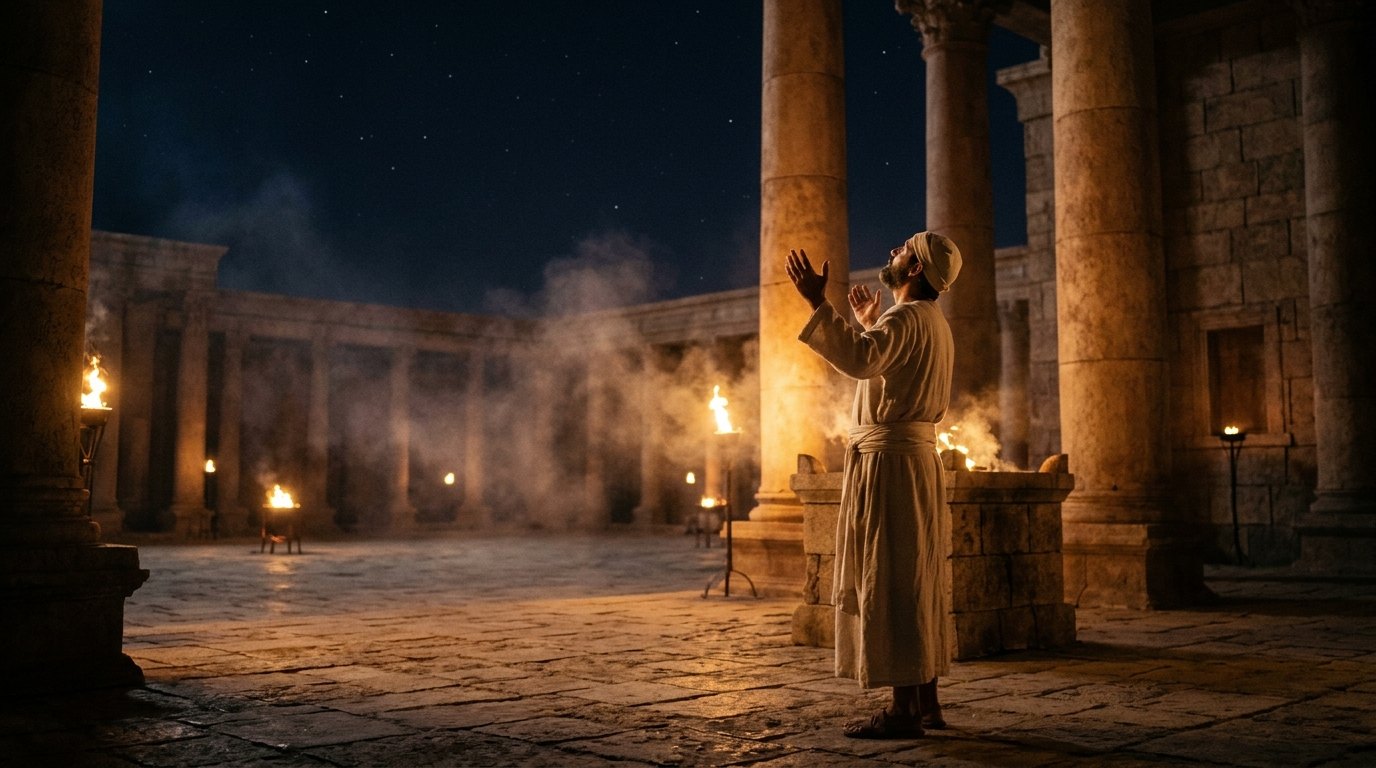
Psalms 134:1-2
1 Praise the LORD, all you servants of the LORD who minister by night in the house of the LORD.
2 Lift up your hands in the sanctuary and praise the LORD.
New International Version (NIV)
The answer
Yes—raising hands is a biblical and fitting expression of Christian prayer and praise, but the gesture is not a measure of greater spirituality and should not be turned into an outward performance.
Psalm 134 addresses the servants ministering by night in God’s house. Psalm 134:2 tells them, “Lift up your hands in the sanctuary. Praise Yahweh!” Their raised hands accompany praise directed to Yahweh; the focus is on Him, not on the worshipper’s visible devotion.
The New Testament gives the posture a moral emphasis. In 1 Timothy 2:8, Paul desires men to pray in every place with uplifted, holy hands, free from anger and quarrelling. That teaches three things:
- The posture is appropriate: lifting the hands can express dependence on God, prayer and praise.
- Holiness matters more than appearance: raised hands cannot substitute for peaceful relationships and a holy life.
- Others should not be judged by the gesture: Scripture commends raised hands without making every Christian’s sincerity depend on using one physical posture.
Christians may therefore raise their hands freely and reverently in worship. Those who do should ensure that their outward expression matches their hearts and lives; those who do not should not be treated as less devoted.
Answered from Scripture · reviewed November 11, 2026
Scripture presents the lifting of hands as a natural, biblical posture of prayer, praise, and humble supplication before God. From Old Testament worship to apostolic instruction, the physical gesture reflects an inner reality of reverence, dependence, and devotion. Yet the Bible consistently teaches that outward form is worthless without inward holiness, peace, and sincere faith.
Sanctuary Praise
God calls His servants to lift their hands in praise.
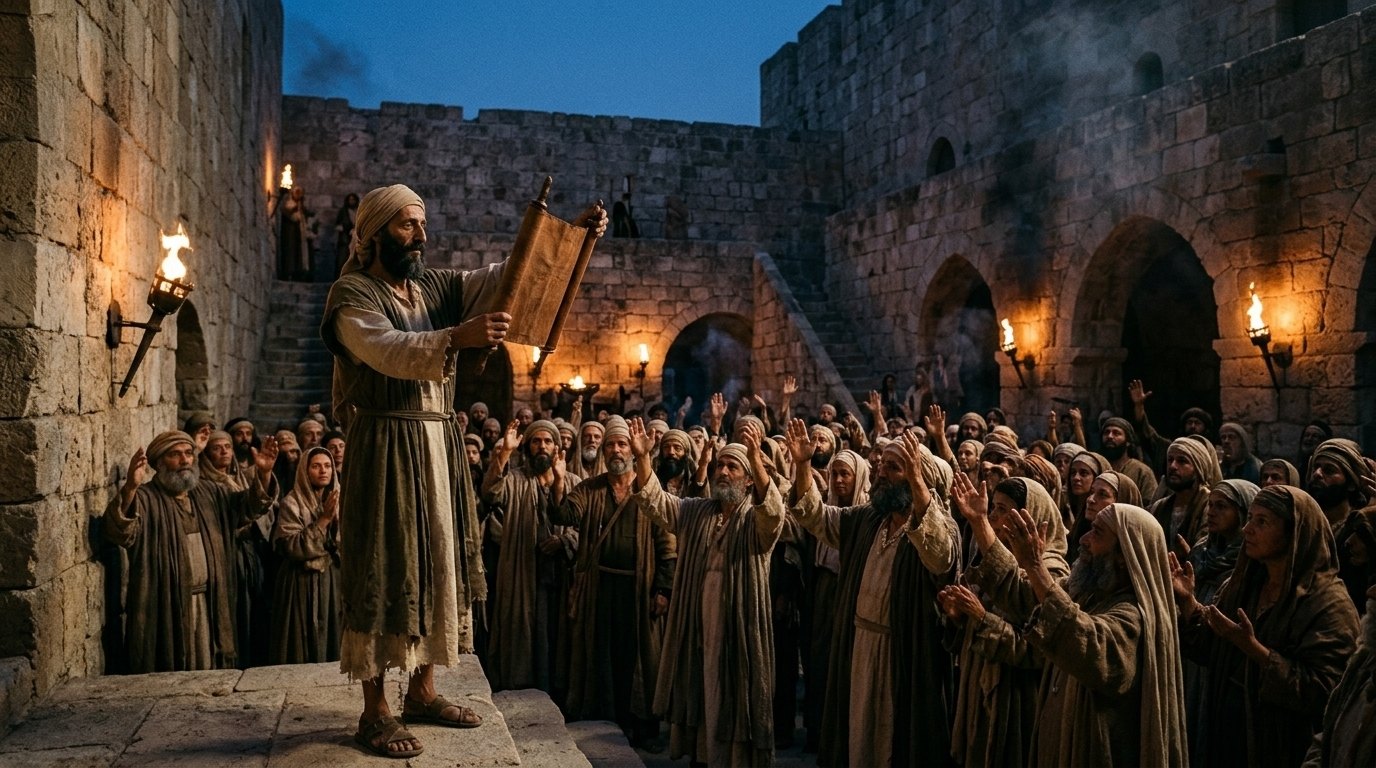
Lift up your hands in the sanctuary and praise the LORD.
Psalms 134:2 (NIV)
It shows that lifting hands in the temple sanctuary was commanded as an act of direct, reverent praise to Yahweh.
In Psalm 134:2, the priests who minister through the night watches are summoned to an explicit bodily act: lift up your hands to the sanctuary and bless the Lord. The gesture was not an arbitrary custom or an empty ritual, but an ordained posture of adoration, acknowledging God's majesty and extending reverence toward His dwelling place. Psalm 134:1-3 frames this nightly service as a posture of total surrender and praise, where the servant's open palms mirror an open heart. David carried this same impulse beyond the courts of the sanctuary into the wilderness of Judah. In Psalm 63:4, surrounded by arid dust and hunted by enemies, he makes an unalterable vow: I will bless You while I live; I will lift up my hands in Your name. For David, the physical lifting of hands was the natural overflow of a soul satisfied in God as with marrow and fatness. The movement of the body reflected the devotion of the spirit, reaching toward the source of all life and sustenance. This reverence was not directed merely toward general divine benevolence, but toward God's revealed truth. In Psalm 119:48, the psalmist proclaims, I will lift up my hands toward Your commandments, which I love, signaling humble submission, ready obedience, and earnest delight in God's statutes. When God's people gather publicly under the authority of His word, this outward response unites the congregation in reverent awe. In Nehemiah 8:6, when Ezra opened the book of the Law and blessed the Great God, all the people answered, 'Amen, Amen!' while lifting their hands, before bowing their heads to worship with their faces to the ground. The posture gave physical expression to their shared agreement, solemn reverence, and complete yield to the living God.
| Passage | What it says |
|---|---|
| Psalms 134:1-3 | Servants who minister by night in the Lord's house are called to lift their hands in the sanctuary and bless Yahweh. |
| Psalms 63:4 | David vows to bless the Lord as long as he lives and lift up his hands in God's name. |
| Psalms 119:48 | The psalmist lifts up his hands toward God's commandments, which he loves, while meditating on His statutes. |
| Nehemiah 8:6 | Ezra blesses Yahweh, and the assembled people answer 'Amen, Amen' with lifted hands before bowing to worship. |
Petition and Supplication
Lifting hands expresses total dependence in earnest prayer.
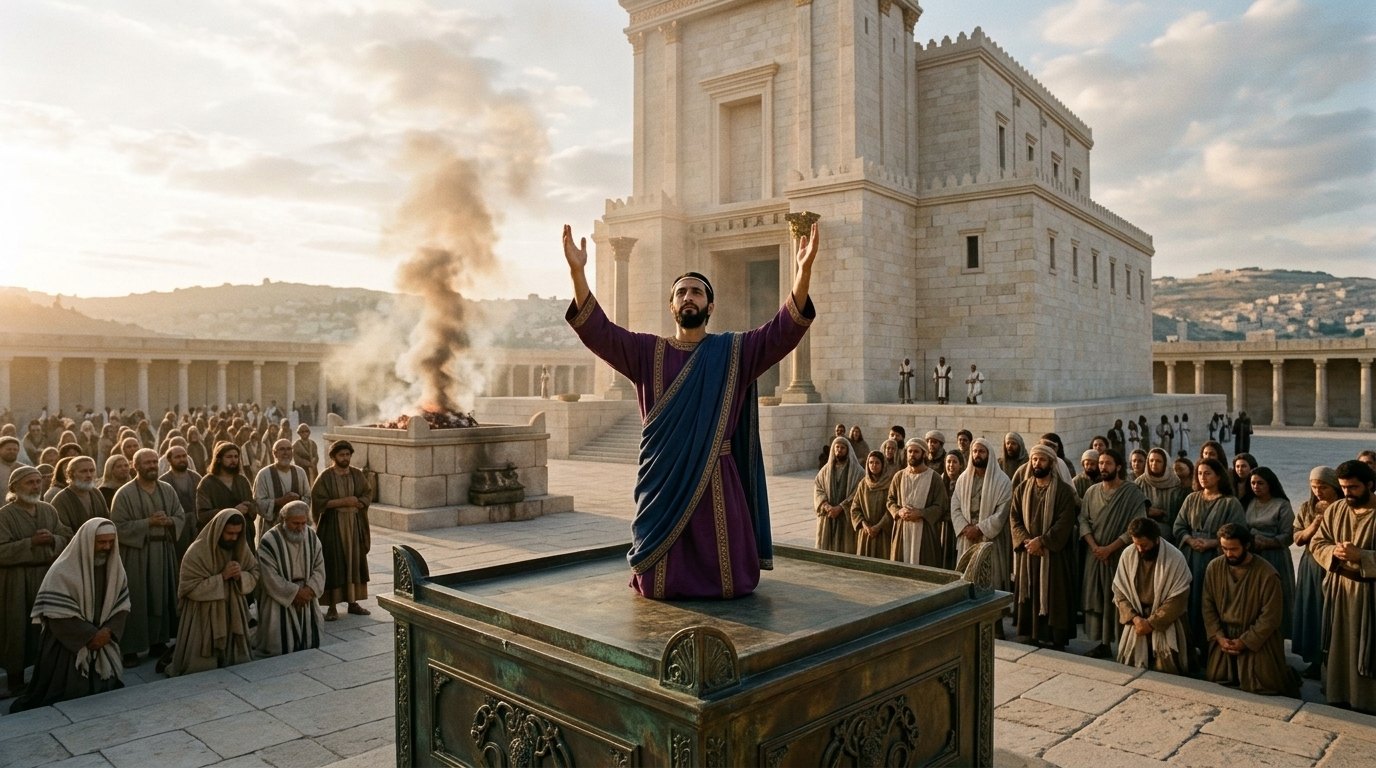
May my prayer be set before you like incense; may the lifting up of my hands be like the evening sacrifice.
Psalms 141:2 (NIV)
David links his prayer to evening incense and the lifting of his hands to the evening sacrifice.
In Psalm 141:2, David entreats God: let my prayer be set before You as incense, the lifting up of my hands as the evening sacrifice. The upturned palms of the supplicant serve as a visible offering of total dependence, mirroring the sweet smoke rising from the altar. David cries out in Psalm 28:2, pleading for mercy when I lift up my hands toward Your holy sanctuary, casting himself upon God's covenant faithfulness. In seasons of barrenness and spiritual drought, this posture becomes an embodied cry of thirst; in Psalm 143:6, the psalmist says, I stretch out my hands to You; my soul longs for You like a thirsty land. Corporate intercession throughout Israel's history took this very form. At the temple dedication, King Solomon stood before the altar and spread out his hands toward heaven, kneeling upon a bronze scaffold before all the congregation to plead for future generations (1 Kings 8:22; 2 Chronicles 6:12-13). Following the return from exile, Ezra fell on his knees at the evening sacrifice and spread out my hands to the Lord my God in broken confession over the people's trespasses (Ezra 9:5). In national ruin, Jeremiah called Jerusalem to pour out your heart like water before the face of the Lord; lift your hands toward Him for the life of your young children (Lamentations 2:19), urging them to lift our hearts and hands to God in heaven (Lamentations 3:41). Heman the Ezrahite stretched out his hands daily under deep affliction (Psalm 88:9). This posture traces back to the wilderness, where Moses stretched out his hands to halt the judgment of hail over Egypt (Exodus 9:29, 33), and where his supported hands, holding the rod of God, secured victory over Amalek (Exodus 17:11-12).
| Passage | What it says |
|---|---|
| Psalms 28:2 | David cries for mercy as he lifts his hands toward God's most holy sanctuary. |
| Psalms 141:2 | The lifting up of hands is presented alongside burning incense as an acceptable offering of prayer. |
| Psalms 143:6 | The psalmist stretches out his hands toward God, his soul thirsting like a parched land. |
| 1 Kings 8:22 | Solomon spreads out his hands toward heaven before the altar of the Lord at the dedication of the temple. |
| Ezra 9:5 | Ezra falls on his knees at the evening sacrifice and spreads out his hands to the Lord in confession. |
| Lamentations 2:19 | The people are called to pour out their hearts and lift their hands toward God for the lives of their children. |
| Lamentations 3:41 | Jeremiah urges the people to lift their hearts and hands to God in heaven in genuine repentance. |
| 2 Chronicles 6:12-13 | Solomon kneels upon a bronze scaffold before all the assembly of Israel and spreads out his hands toward heaven. |
| Psalms 88:9 | Heman the Ezrahite cries out daily to the Lord and stretches out his hands in distress. |
| Exodus 9:29 | Moses promises Pharaoh he will spread his hands out to the Lord outside the city to cease the hail. |
| Exodus 9:33 | Moses leaves the city and spreads out his hands to the Lord, causing the thunder and hail to stop. |
| Exodus 17:11-12 | Moses holds up his hands with the rod of God while Aaron and Hur support them until victory over Amalek. |
Apostolic Instruction
Uplifted hands must accompany a life of holiness and peace.
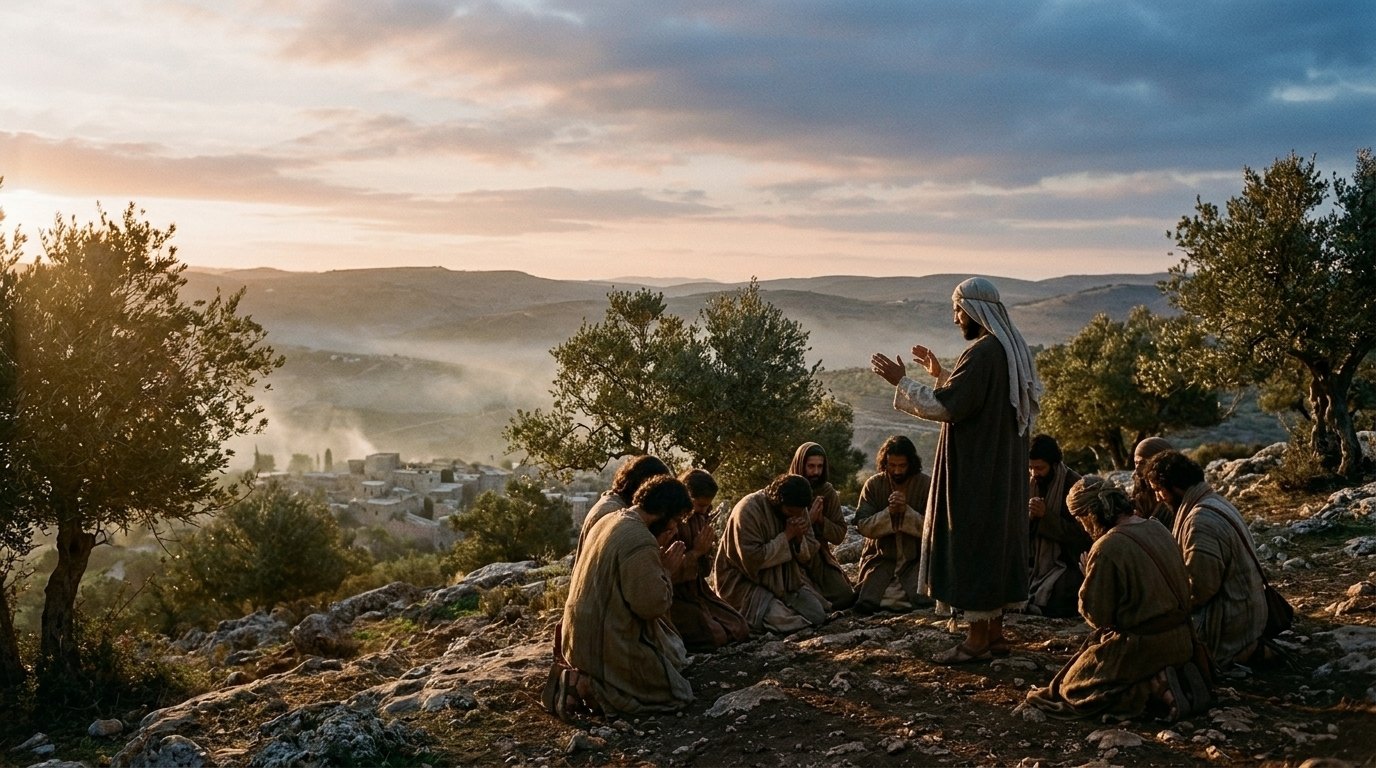
Therefore I want the men everywhere to pray, lifting up holy hands without anger or disputing.
1 Timothy 2:8 (NIV)
Paul commands men to pray lifting holy hands, explicitly qualifying the posture with the absence of anger and quarreling.
The New Testament neither abolishes nor diminishes this historic posture; rather, it sets it firmly upon the ground of moral integrity and gospel peace. In 1 Timothy 2:8, the apostle Paul gives a direct apostolic instruction: I desire therefore that the men pray everywhere, lifting up holy hands, without wrath and doubting. Paul does not treat the raising of hands as an eccentric novelty, but as a recognized biblical pattern for prayer, while immediately directing attention to the state of the worshipper. The hands lifted in the assembly must be holy hands—hands unstained by willful rebellion, clean from deceit, and completely detached from interpersonal bitterness, anger, or theological factionalism. The physical posture is empty, and indeed offensive, if the heart remains entrenched in strife. The Lord Jesus Christ Himself modeled the lifting of hands in divine blessing at the conclusion of His earthly ministry. In Luke 24:50, as He led His disciples out as far as Bethany, He lifted up His hands and blessed them, an act of supreme pastoral and high-priestly benediction just prior to His ascension into heaven. The gesture conveys the active bestowal of grace, peace, and covenant promise upon His followers. Drawing on this rich imagery of physical posture mirroring spiritual readiness, the author of Hebrews exhorts the weary church in Hebrews 12:12: therefore strengthen the hands which hang down, and the feeble knees. Uplifted hands represent spiritual vigor, resolved faith, and active devotion, driving away lethargy and equipping the believer to run the race with perseverance in Christ.
| Passage | What it says |
|---|---|
| 1 Timothy 2:8 | Paul instructs that in every place men should pray lifting holy hands without wrath or dissension. |
| Luke 24:50 | Jesus leads His disciples out to Bethany and lifts up His hands to bless them before ascending. |
| Hebrews 12:12 | The apostle exhorts believers to lift up the hands that hang down and strengthen feeble knees. |
The Heart Over the Gesture
God rejects physical gestures that mask hypocrisy and sin.
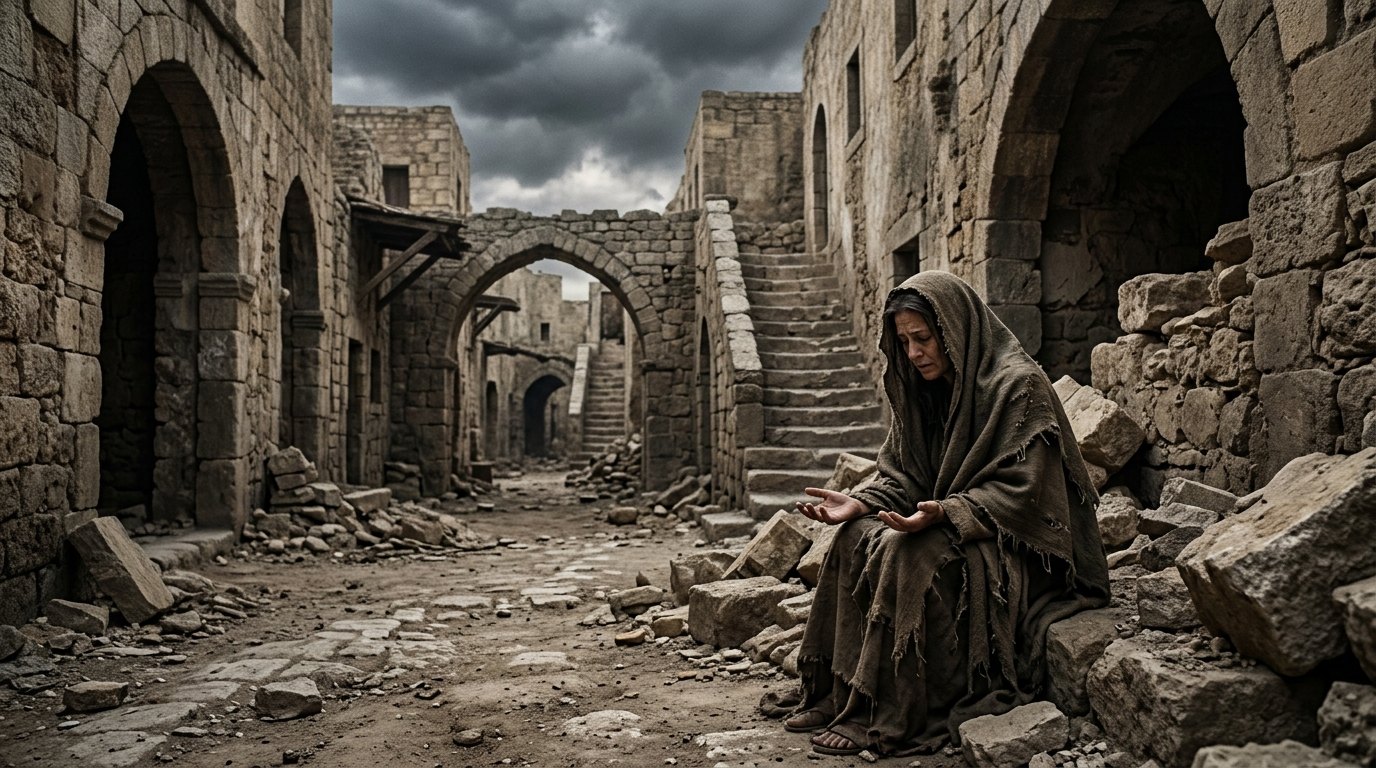
When you spread out your hands in prayer, I hide my eyes from you; even when you offer many prayers, I am not listening. Your hands are full of blood!
Isaiah 1:15 (NIV)
God warns that spreading out hands in prayer is futile when the worshipper's hands are full of blood and injustice.
While Scripture commends the lifting of hands as a fitting expression of worship, it delivers an uncompromising warning: God utterly despises the physical posture when divorced from genuine repentance and righteous living. In Isaiah 1:15, the Lord speaks with devastating clarity to an unrepentant nation: when you spread out your hands, I will hide My eyes from you; even though you make many prayers, I will not hear; your hands are full of blood. The outward form cannot manipulate God, nor can liturgical correctness shield a rebellious heart from divine judgment. Judah had retained the ceremonial gesture while practicing oppression, injustice, and idolatry, turning their worship into an abomination. In Jeremiah 4:31, Zion is depicted as spreading out her hands in desperate anguish only when the bitter consequences of her unfaithfulness arrive, crying out as a woman in labor because she refused God's call to repentance while there was time. The Lord Jesus Christ reaffirmed this priority of the heart in Matthew 6:5, warning His disciples: when you pray, you shall not be like the hypocrites, for they love to pray standing in the synagogues and on the corners of the streets, that they may be seen by men. Any physical posture—whether standing, lifting hands, or kneeling—becomes an act of self-idolatry when practiced to manufacture an appearance of spiritual superiority. True worship requires an inner reality wrought by the Holy Spirit. As Christ declared to the Samaritan woman in John 4:23-24, the true worshippers will worship the Father in spirit and truth; for the Father is seeking such to worship Him. Physical expressions must be the honest, humble fruit of a life redeemed by grace and walking in holiness.
| Passage | What it says |
|---|---|
| Isaiah 1:15 | God declares He will hide His eyes when hands are spread out because their hands are stained with blood. |
| Matthew 6:5 | Jesus condemns standing and praying to be seen by others, warning against turning prayer into an outward performance. |
| John 4:23-24 | True worshippers must worship the Father in spirit and truth, looking to internal reality rather than external location. |
| Jeremiah 4:31 | Daughter of Zion spreads her hands in desperate anguish as judgment falls on unfaithfulness. |
Where in the Bible
| Book | Passages |
|---|---|
| Exodus | 3 · Exodus 9:29, Exodus 9:33, Exodus 17:11-12 |
| 1 Kings | 1 · 1 Kings 8:22 |
| 2 Chronicles | 1 · 2 Chronicles 6:12-13 |
| Ezra | 1 · Ezra 9:5 |
| Nehemiah | 1 · Nehemiah 8:6 |
| Psalms | 7 · Psalms 134:1-3, Psalms 63:4, Psalms 119:48, Psalms 28:2, Psalms 141:2, Psalms 143:6, Psalms 88:9 |
| Isaiah | 1 · Isaiah 1:15 |
| Jeremiah | 1 · Jeremiah 4:31 |
| Lamentations | 2 · Lamentations 2:19, Lamentations 3:41 |
| Matthew | 1 · Matthew 6:5 |
| Luke | 1 · Luke 24:50 |
| John | 1 · John 4:23-24 |
| 1 Timothy | 1 · 1 Timothy 2:8 |
| Hebrews | 1 · Hebrews 12:12 |
The story in order
- Moses spreads hands to stop hail (c. 1450 BC) · Exodus 9:33 · Demonstrates divine power through the gesture of uplifted hands.
- Moses holds up hands for victory (c. 1450 BC) · Exodus 17:11-12 · Uplifted hands signify dependence on God for success in battle.
- Solomon dedicates the temple (c. 960 BC) · 1 Kings 8:22 · Spreading hands toward heaven is a posture of prayer and dedication.
- David vows to lift hands to God (c. 1000 BC) · Psalms 63:4 · Expresses lifelong devotion and praise through uplifted hands.
- Ezra confesses sin with lifted hands (c. 450 BC) · Ezra 9:5 · Hands are lifted in confession and repentance before God.
- Jeremiah calls for lifted hearts and hands (c. 580 BC) · Lamentations 3:41 · Repentance involves lifting both heart and hands to God.
- Isaiah condemns bloody hands (c. 740 BC) · Isaiah 1:15 · God rejects praise from hands stained with sin.
- Jesus blesses disciples with lifted hands (AD 30) · Luke 24:50 · A final blessing is given with uplifted hands before ascension.
- Apostles instructed to pray with holy hands (AD 65) · 1 Timothy 2:8 · Prayer should be offered with holy hands, free from anger.
- Exhortation to lift hanging hands (AD 65) · Hebrews 12:12 · Believers are encouraged to strengthen weak or discouraged hands.
Key words
- Lifted hands
- A physical posture of prayer, praise, supplication, or confession. · Psalms 63:4
- Sanctuary
- The holy place of worship where God's presence dwells. · Psalms 134:1
- Holy hands
- Hands used in prayer that are free from sin, wrath, and dissension. · 1 Timothy 2:8
- Spirit and truth
- Worship that is genuine, internal, and aligned with God's nature. · John 4:23-24
Believers are free to lift their hands in reverent worship, acknowledging God's majesty and seeking His grace. Whether hands are raised or held still, God looks past bodily posture to examine the posture of the heart. True biblical worship unites physical reverence with sincere obedience, love for others, and quiet devotion to Christ.
23 passages, each cited once.
How the major Christian traditions read this
All major Christian traditions agree that lifting hands in prayer and praise is a genuine, biblical bodily expression of worship to the Lord, yet outward physical gestures must always spring from a holy heart free from anger and hypocrisy (Psalm 134:2; 1 Timothy 2:8).
Catholic
In Catholic worship, the lifting or extending of hands—the ancient orans posture—is primarily a liturgical action assigned to the priest as he offers prayers on behalf of the congregation in the Mass. While Scripture commends lifting holy hands to God (Psalm 134:2; 1 Timothy 2:8), liturgical order governs corporate worship so that private personal gestures do not confuse the ministerial priesthood with the universal priesthood of the faithful. In private prayer and charismatic contexts, believers remain free to lift their hands reverently, provided the posture expresses genuine contrition, petition, and adoration before God without disrupting liturgical unity.
Scripture: Psalms 134:2, 1 Timothy 2:8, 1 Corinthians 14:40
Orthodox
In Holy Orthodoxy, bodily worship is deeply sacred and regulated by the Church's ancient liturgical tradition. The lifting of hands is historically associated with the priest making supplication at the altar, reflecting David’s prayer: 'Let the lifting up of my hands be an evening sacrifice' (Psalm 141:2). For the laity, reverence in public divine services is traditionally expressed through standing, bowing, prostrating, and making the sign of the cross. While lifting hands in private prayer is honored as a biblical gesture of supplication (1 Timothy 2:8), corporate worship maintains quiet reverence and shared order rather than individual physical displays.
Scripture: Psalms 141:2, 1 Timothy 2:8, 1 Corinthians 14:33
Lutheran
Lutherans recognize bodily postures like lifting hands as external adiaphora—matters neither commanded nor forbidden for salvation. Scripture commends lifting hands in adoration and supplication (Psalm 63:4; 1 Timothy 2:8), and Christians possess Christian liberty to adopt this posture. However, corporate worship centers on the means of grace—Word and Sacrament—where God gives His gifts to His gathered people. We caution against making raised hands a requirement, a test of authentic faith, or an attempt to manipulate an emotional experience, insisting that all things be conducted decently, in order, and with attention on Christ alone (1 Corinthians 14:40).
Scripture: Psalms 63:4, 1 Timothy 2:8, 1 Corinthians 14:40
Reformed & Presbyterian
The Reformed tradition holds to the regulative principle of worship, which teaches that only what God commands in Scripture is acceptable in corporate praise. While Scripture mentions lifting hands as a natural posture of prayer and praise (Psalm 134:2; 1 Timothy 2:8), it is an optional circumstance of prayer rather than an instituted element of worship. Believers may raise hands in private prayer or corporate worship, but it must never become an ostentatious ritual or a measure of spiritual maturity. Our priority is sober, reverent, and heartfelt worship that honors God's sovereignty without calling attention to the worshipper (John 4:24).
Scripture: Psalms 134:2, 1 Timothy 2:8, John 4:24
Anglican & Episcopal
Anglican worship balances biblical freedom with common prayer and liturgical order. Scripture clearly depicts worshippers lifting holy hands to God in prayer and thanksgiving (Psalm 134:2; 1 Timothy 2:8). The Book of Common Prayer prescribes standing, kneeling, and sitting to unite the congregation's physical postures, yet individual worshippers may raise their hands as an expression of personal devotion during praise or intercession. Whether hands are raised or held quietly, the essential requirement of the text is inward holiness, peace, and mutual love among the gathered body of Christ rather than external uniformity in gestures (Colossians 3:16-17).
Scripture: Psalms 134:2, 1 Timothy 2:8, Colossians 3:16-17
Baptist
Baptists affirm that raising hands is a biblical expression of praise, surrender, and petition before God (Psalm 63:4; 1 Timothy 2:8). Rooted in soul competency and the priesthood of all believers, each Christian is free before the Lord to lift hands in worship or keep them lowered. We emphasize that outward gestures hold no value if the heart is not upright before God; Paul explicitly ties lifted hands to a life of purity, free from anger and disputing. Raising hands is neither a sign of superior devotion nor an obligatory pattern, but a voluntary response of grateful adoration to Christ.
Scripture: Psalms 63:4, 1 Timothy 2:8, Matthew 15:8
Methodist & Wesleyan
Methodists embrace the biblical posture of lifted hands as an expression of wholehearted devotion and inward grace (Psalm 141:2; 1 Timothy 2:8). Because genuine religion involves the warm engaging of the heart with God, physical expressions of adoration and surrender are natural fruits of the Spirit’s work within the believer. John Wesley stressed practical holiness above all external forms; therefore, raising hands must reflect a life sanctified by love and freed from discord. We encourage liberty of posture in worship, whether lifting hands, kneeling in humility, or standing in reverent song, as long as it glorifies God (Romans 12:1).
Scripture: Psalms 141:2, 1 Timothy 2:8, Romans 12:1
Pentecostal & Charismatic
In Pentecostal and charismatic worship, raising hands is a central, active practice commanded and modeled throughout Scripture (Psalm 134:2; 1 Timothy 2:8). We lift our hands in total surrender, expectantly receiving the Holy Spirit, blessing the Lord, and expressing passionate praise (Psalm 63:4). It is a physical sign of opening one's whole being to God’s power and presence. While we insist with Paul that hands must be holy—free from strife and sin—we actively encourage the entire congregation to express their love for the Lord through dynamic, uninhibited bodily praise and adoration (Psalm 47:1).
Scripture: Psalms 63:4, Psalms 134:2, 1 Timothy 2:8, Psalms 47:1
Non-denominational & Evangelical
Non-denominational evangelical churches emphasize personal authenticity and direct, heartfelt worship of Jesus Christ. Lifting hands is seen as a biblical, spontaneous way to express adoration, surrender, and reliance on God (Psalm 28:2; 1 Timothy 2:8). We teach freedom in worship postures: some believers raise both hands, others keep them at their sides, and neither is judged as more or less spiritual. The crucial biblical focus remains the posture of the heart—approaching God with sincere faith, clean hands, and pure motives, magnifying Christ rather than drawing attention to oneself (Psalm 24:3-4).
Scripture: Psalms 28:2, Psalms 24:3-4, 1 Timothy 2:8
Where they differ
Role in corporate worship
- Catholic
- Primarily reserved for the priest reciting prayers at Mass; private for laity.
- Orthodox
- Historically priestly at the altar; laity cross themselves, bow, and prostrate.
- Lutheran
- An adiaphoron; permitted individually but subordinate to Word and Sacrament.
- Reformed & Presbyterian
- A permissible circumstance of prayer, but secondary to sober, orderly worship.
- Anglican & Episcopal
- Allowed in personal devotion alongside common postures set by the liturgy.
- Baptist
- A voluntary personal expression of praise, left to each believer's conscience.
- Methodist & Wesleyan
- A welcome personal expression of a warmed, sanctified heart in praise.
- Pentecostal & Charismatic
- A normative, actively encouraged corporate act of praise and surrender.
- Non-denominational & Evangelical
- A common, spontaneous expression of praise practiced with full personal freedom.
Scripture: Psalms 134:2, 1 Corinthians 14:40
Expectation placed on congregants
- Catholic
- Not expected of the laity during the standard liturgy of Mass.
- Orthodox
- Not expected of laity, who follow corporate communal liturgical actions.
- Lutheran
- Entirely optional; never required or treated as superior worship.
- Reformed & Presbyterian
- Optional; should never be made a standard of piety or pressure.
- Anglican & Episcopal
- Completely optional; common prayer remains the liturgical baseline.
- Baptist
- Optional and personal; sincerity matters far more than outward posture.
- Methodist & Wesleyan
- Freely embraced, but inner holiness and love remain the true requirement.
- Pentecostal & Charismatic
- Strongly encouraged as an outward sign of spiritual openness and praise.
- Non-denominational & Evangelical
- Widely practiced and encouraged, though completely non-mandatory.
Scripture: 1 Timothy 2:8, Romans 14:4
Your pastor can tell you where your church stands.
Scripture cited
- Psalms 134:1-2
- 1 Timothy 2:8