What does the Bible say about betrayal?
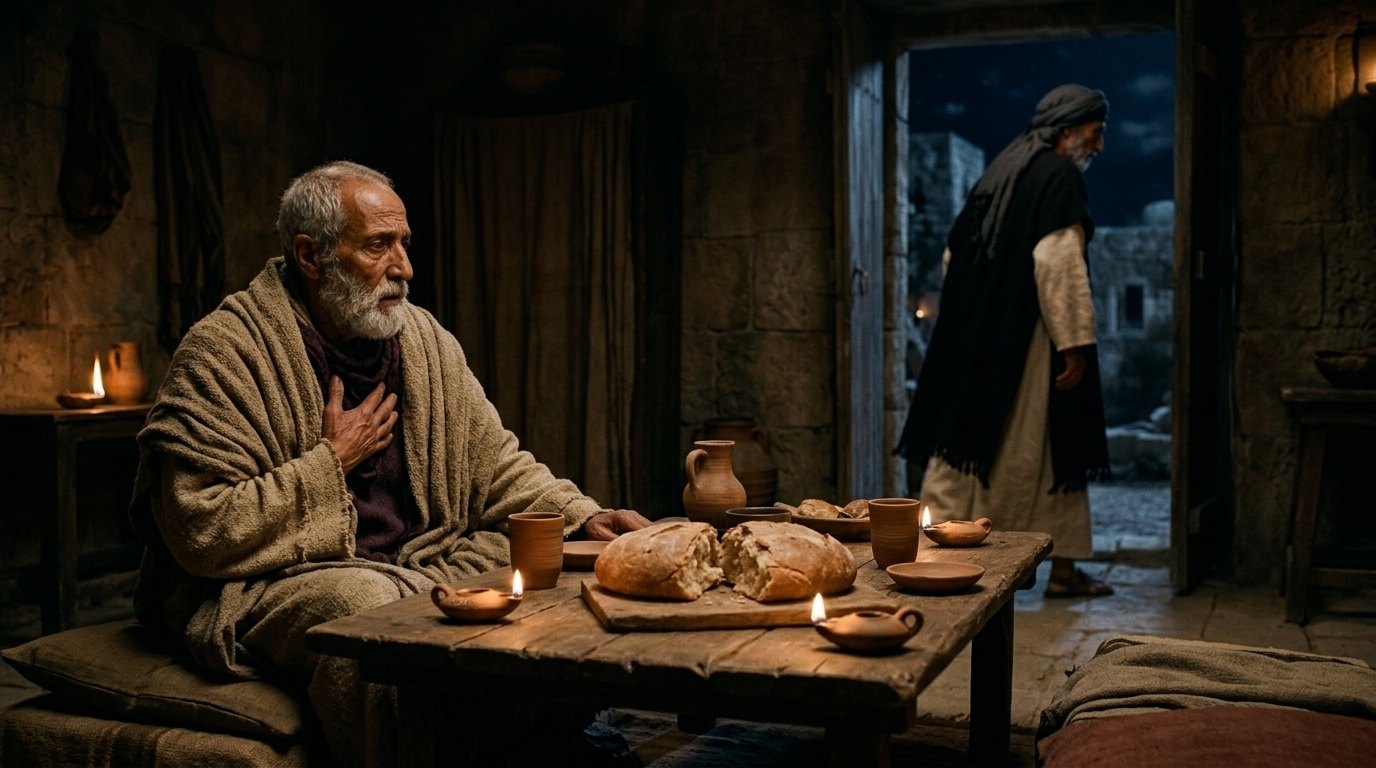
Psalms 55:12-14
12 If an enemy were insulting me, I could endure it; if a foe were rising against me, I could hide.
13 But it is you, a man like myself, my companion, my close friend,
14 with whom I once enjoyed sweet fellowship at the house of God, as we walked about among the worshipers.
New International Version (NIV)
The answer
Scripture treats betrayal—the deliberate breaking of trust to another person’s harm—as a grave sin against truth, love, and covenant loyalty. It exposes betrayal’s deceit, takes the sufferer’s anguish seriously, warns the betrayer, and forbids personal revenge. God remains the righteous judge, and Christ’s sacrifice is sufficient to forgive and change even a betrayer who repents.
Betrayal violates real fellowship
David’s pain is sharp precisely because his betrayer is not an open enemy but “my companion, and my familiar friend,” someone with whom he had shared fellowship and worship (Psalm 55:12-14). The betrayal also involves covenant-breaking and hypocrisy: “His mouth was smooth as butter, but his heart was war” (Psalm 55:20-21). Scripture therefore does not treat betrayal as mere disappointment; it is treachery concealed beneath friendship.
Judas shows both its wickedness and God’s sovereignty
Psalm 41:9 describes a trusted companion who shared the psalmist’s bread turning against him, and Jesus applies that Scripture to Judas in John 13:18. At the meal, Jesus identifies Judas as the betrayer; later, Judas—one of the Twelve—arrives with an armed crowd and marks Jesus out with a kiss (Matthew 26:21-25; Matthew 26:47-50).
Jesus says that the Son of Man goes as Scripture foretold, yet pronounces woe upon the man who betrays him (Matthew 26:24). God’s foretold purpose did not excuse Judas or make his treachery innocent.
How Scripture directs the betrayed
- Bring the anguish honestly to God: David answers betrayal with persistent prayer rather than pretended indifference (Psalm 55:16-17). Psalm 55:22 commands, “Cast your burden on Yahweh and he will sustain you.”
- Refuse personal revenge: “Repay no one evil for evil” (Romans 12:17). Romans 12:17-21 calls for peace as far as possible, leaves vengeance with God, and commands overcoming evil with good rather than being overcome by it.
- Name the sin and forgive repentance: Jesus instructs that a sinning brother be rebuked and, if he repents, forgiven—even repeatedly (Luke 17:3-4). Forgiveness does not mean calling betrayal harmless; the wrong is truthfully named, while judgment is entrusted to God.
- Follow Christ’s example under injustice: When Christ was reviled, he did not retaliate or threaten but entrusted himself to the One who judges righteously (1 Peter 2:21-23).
The betrayer is warned, but not beyond mercy
Christ “himself bore our sins in his body on the tree,” so that sinners might die to sin and live to righteousness (1 Peter 2:24). First John 1:9 promises that God faithfully forgives and cleanses those who confess their sins. This gives no permission to betray and no comfort to impenitence; it calls the betrayer away from self-justification toward honest confession, repentance, forgiveness, and a changed life in Christ.
Answered from Scripture · reviewed November 11, 2026
Scripture treats betrayal not merely as painful disappointment, but as a severe violation of truth, covenant fidelity, and genuine fellowship. From the laments of David to the garden arrest of Jesus Christ, God exposes treachery hidden under outward friendship while upholding absolute justice and real healing for the brokenhearted. For the betrayed believer, God commands honest prayer, reliance on His vindication, and the path of forgiveness rather than vengeance.
Wounds of a Companion
David Mourns the Treachery of a Close Friend

If an enemy were insulting me, I could endure it; if a foe were rising against me, I could hide. But it is you, a man like myself, my companion, my close friend, with whom I once enjoyed sweet fellowship at the house of God, as we walked about among the worshipers.
Psalms 55:12-14 (NIV)
David pinpoints why betrayal hurts most: it comes not from a known enemy, but from an intimate partner in worship and life.
In Psalm 55:12–14, David expresses the unique sting of treachery: betrayal inflicts its deepest cut when dealt by an intimate companion. Had an open foe taunted him, David could have hidden or braced for battle; instead, the blow originated from an equal, a counselor, and a fellow worshiper walking into the house of God. David describes this perfidy further in Psalm 55:20–21, noting how the traitor violates covenant bonds using words smoother than butter while war rages within his heart.
This pattern reflects the historical anguish recorded during Absalom's rebellion. In 2 Samuel 15:31, David receives word that Ahithophel, his most trusted counselor whose wisdom was revered like the oracle of God (2 Samuel 16:20–23), had joined the conspiracy to overthrow him. David's response was direct prayer, pleading that the Lord turn Ahithophel's shrewd counsel into foolishness. When the treacherous advice was ultimately thwarted by God, Ahithophel went home and hanged himself in despair (2 Samuel 17:23).
David captured this sorrow again in Psalm 41:9, lamenting that his own familiar friend, who shared bread at his table, lifted up his heel against him. Scripture demonstrates that David’s grief was not merely personal history but a prophetic shadow. The New Testament reveals the ultimate fulfilment of these laments when Judas Iscariot—who shared table fellowship with the Lord—delivered Christ to death with hypocritical warmth (Matthew 26:47–50; Luke 22:47–48; John 13:18). Just as Ahithophel met a desolate end, Matthew 27:3–5 records the tragic demise of Judas, showing that treachery ultimately destroys the perpetrator under divine justice.
| Passage | What it says | Fulfilled |
|---|---|---|
| Psalms 55:12-14 | David explains that an enemy could be endured, but treachery from a familiar friend in God's house is devastating. | Matthew 26:47-50, John 13:18 |
| Psalms 55:20-21 | The treacherous companion breaks covenant, using words smoother than butter while war and drawing swords are in his heart. | Luke 22:47-48 |
| Psalms 41:9 | The trusted friend who ate bread in familiar fellowship lifts up his heel against the psalmist in cruel rejection. | John 13:18 |
| 2 Samuel 15:31 | David learns that Ahithophel, his trusted counselor, has joined Absalom's conspiracy, and asks the Lord to defeat his counsel. | Matthew 27:3-5 |
| 2 Samuel 16:20-23 | Ahithophel gives treacherous counsel to Absalom against David, showing the calculating nature of betrayed intimacy. | |
| 2 Samuel 17:23 | Ahithophel hangs himself when his treasonous counsel fails, showing the tragic end of treacherous betrayal. |
The Son Handed Over
Jesus Endures Foretold Treachery in His Ranks

The Son of Man will go just as it is written about him. But woe to that man who betrays the Son of Man! It would be better for him if he had not been born.”
Matthew 26:24 (NIV)
Jesus affirms God's sovereign prophetic plan while declaring full moral culpability and woe upon the betrayer.
At the Passover table, the Lord Jesus declared in Matthew 26:24 that God's sovereign purpose never excuses the moral guilt of the betrayer. Christ announced to the Twelve that one of them would hand Him over (Matthew 26:21–25), fulfilling the prophetic sorrow of Psalm 41:9 as cited by Christ Himself in John 13:18. Judas Iscariot had already priced the Son of God, precisely fulfilling Zechariah 11:12–13 where the shepherd of Israel was valued at thirty pieces of silver, cast into the house of the potter.
The treachery was calculated and intimate. In John 18:2–3, Judas exploited his familiarity with Jesus' private sanctuary of prayer, guiding soldiers into Gethsemane under cover of darkness. In Matthew 26:47–50, the betrayal was consummated through an outward sign of covenant affection—a greeting and a kiss. Jesus met this act with steady exposure: 'Friend, why have you come?'
The horror of Judas's crime was met with immediate, hopeless remorse. In Matthew 27:3–5, Judas cast the silver pieces onto the temple floor, confessing that he had betrayed innocent blood, before departing to hang himself. Later, in Acts 1:16–18, Peter reflected before the gathered church that the Holy Spirit had spoken beforehand concerning Judas, who served as a guide to those who arrested Jesus. God sovereignly used the world's most heinous betrayal to accomplish the redemption of mankind on the cross, while leaving the betrayer fully answerable for his wickedness.
| Passage | What it says |
|---|---|
| Matthew 26:21-25 | Jesus declares during the Passover meal that one of the Twelve eating with Him will betray Him. |
| Matthew 26:24 | Christ affirms the Scriptures are fulfilled in His going, yet pronounces woe upon the man by whom He is betrayed. |
| Matthew 26:47-50 | Judas leads an armed crowd into Gethsemane and singles out Jesus with a kiss of pretended devotion. |
| John 13:18 | Jesus quotes Psalm 41:9 to prove Scripture is fulfilled when the companion eating bread lifts his heel against Him. |
| John 18:2-3 | Judas leverages intimate knowledge of Jesus' customary place of prayer to guide the officers and arrest Him. |
| Zechariah 11:12-13 | The prophetic shepherd is valued at thirty pieces of silver, cast into the potter's house. |
| Matthew 27:3-5 | Judas repents of shedding innocent blood, casts away the silver, and hangs himself. |
| Acts 1:16-18 | Peter recalls how Scripture foretold Judas acting as guide to those who arrested Jesus. |
Casting the Burden
How the Betrayed Bring Anguish to God

Cast your cares on the LORD and he will sustain you; he will never let the righteous be shaken.
Psalms 55:22 (NIV)
God explicitly commands the crushed believer to lay the heavy load of betrayal directly upon Him for daily sustaining grace.
When devastated by broken trust, Scripture commands believers to turn toward God rather than inward into bitter despair. In Psalm 55:22, the Lord delivers an anchor for the wounded: cast your burden on the Lord, and He will sustain you. Rather than retaliating against his treacherous companion, David commits his anguish to God three times daily—evening, morning, and at noon—confident that the Lord hears his cry (Psalm 55:16–17). He leaves the vindication of his name in God's hands, praying that those who gloat over his sorrow and repay evil for good would be clothed with shame by the righteous Judge (Psalm 35:26; Psalm 38:16).
David's resolve in Psalm 109:4–5 establishes the spiritual posture of the betrayed: 'In return for my love they accuse me, but I give myself to prayer.' Though enemies returned hatred for affection, David did not abandon his communion with the Father.
The prophet Jeremiah walked this same painful road. In Jeremiah 12:6, the Lord explicitly warned the prophet that even his brothers and his father's household had dealt treacherously with him, shouting openly behind his back. Jeremiah described his acquaintances watching for his stumble in Jeremiah 20:10, murmuring against him in secret. Yet in the very next breath, the prophet anchored his soul in God's presence, crying out that the Lord was with him as a dread warrior to whom he had committed his cause.
| Passage | What it says |
|---|---|
| Psalms 55:16-17 | David vows to call on God evening, morning, and at noon, confident that the Lord hears his lamentation. |
| Psalms 55:22 | God promises to sustain those who cast their burdens upon Him, never permitting the righteous to be moved. |
| Psalms 35:26 | The sufferer asks God to clothe with dishonour and shame those who magnify themselves and rejoice over his affliction. |
| Psalms 38:16 | David prays for God to intervene so enemies do not gloat when his foot slips in distress. |
| Psalms 109:4-5 | David responds to deceitful attacks with steadfast prayer while repaid evil for good and hatred for love. |
| Jeremiah 12:6 | God warns Jeremiah that even his brothers and father's house have dealt treacherously with him. |
| Jeremiah 20:10 | Jeremiah recounts whispers of close familiars watching for his stumbling while entrusting his cause to the Lord. |
Overcoming Evil
Refusing Revenge and Entrusting Vengeance to God
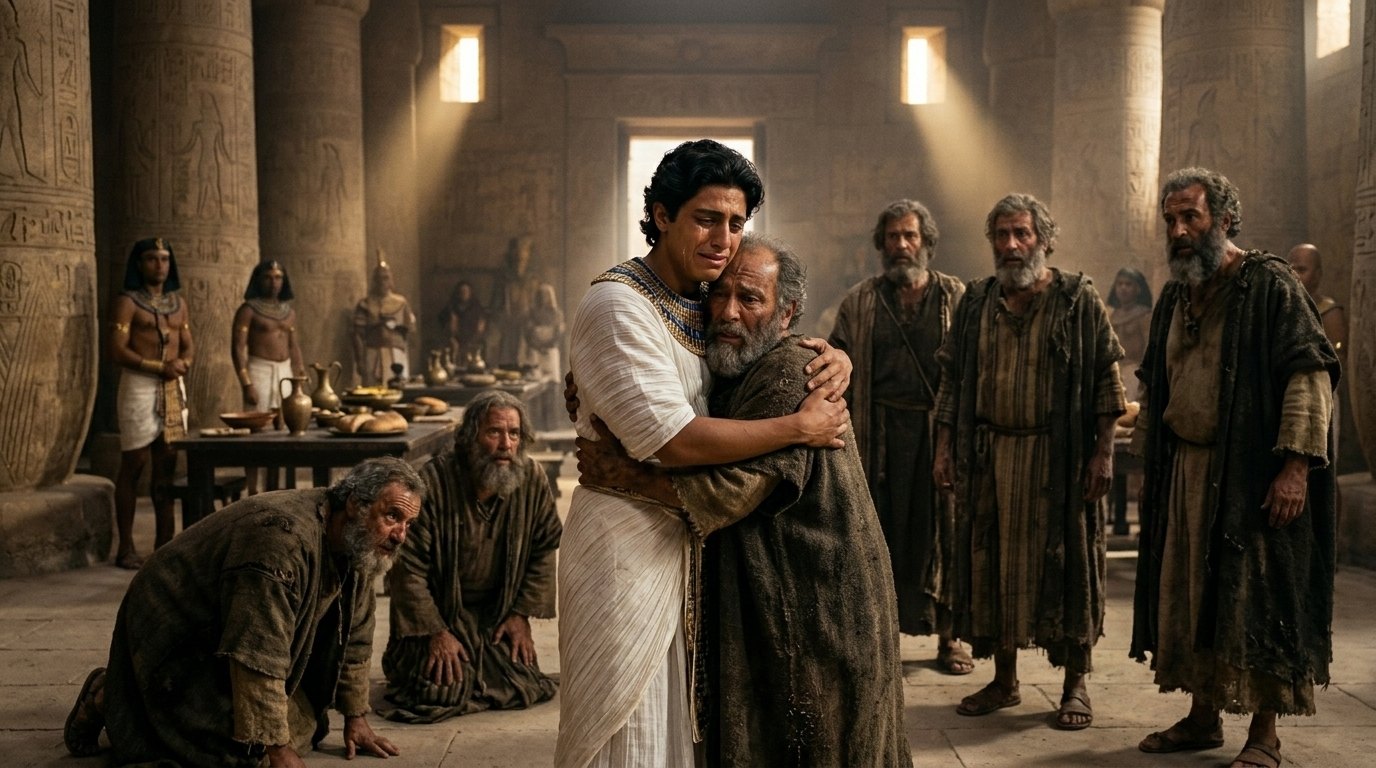
Do not take revenge, my dear friends, but leave room for God’s wrath, for it is written: “It is mine to avenge; I will repay,” says the Lord.
Romans 12:19 (NIV)
Scripture explicitly forbids personal vengeance, placing retribution entirely in the hands of God's righteous wrath.
Scripture radically breaks the cycle of human retaliation by placing judgment squarely in God's hands. In Romans 12:19, the apostle Paul writes: never avenge yourselves, but leave it to the wrath of God. Believers are instructed in Romans 12:17–21 never to repay evil for evil, but instead to overcome evil by doing good, even feeding an enemy in his hunger. This echoes the ancient wisdom of Proverbs 24:28–29, which forbids bearing deceitful witness or saying, 'I will do to him as he has done to me.'
The supreme example of this surrender is Jesus Christ. First Peter 2:21–23 reminds believers that Christ suffered unjustly without issuing threats or returning abuse, continually entrusting Himself to the One who judges righteously. This disposition enables genuine forgiveness. In Luke 17:3–4, Jesus instructs His followers to rebuke the brother who sins, but to forgive him unreservedly whenever repentance is sought.
This pattern of trust is vividly displayed in Genesis 50:19–21. When Joseph's brothers feared retribution for selling him into slavery, Joseph wept and answered, 'Do not fear, for am I in the place of God?' He recognized that while they meant evil against him, God intended it for good to preserve many lives. Similarly, when the apostle Paul stood before the Roman tribunal and suffered universal abandonment, he wrote in 2 Timothy 4:16–17: 'May it not be charged against them!' Though deserted by men, Paul testified that the Lord stood by him and gave him strength.
| Passage | What it says |
|---|---|
| Romans 12:17-21 | Believers are told never to repay evil for evil, to leave room for wrath, and to overcome evil with good. |
| 1 Peter 2:21-23 | Christ provides the pattern by reviling not in return and threatening not, entrusting Himself to the righteous Judge. |
| Luke 17:3-4 | Jesus directs disciples to rebuke an offending brother and freely forgive him every time he repents. |
| Genesis 50:19-21 | Joseph forgives his brothers, recognizing that God meant their betrayal for good to preserve life. |
| Proverbs 24:28-29 | Scripture commands not bearing false witness or saying 'I will do to him as he did to me.' |
| 2 Timothy 4:16-17 | Paul notes that everyone deserted him at his first defense, but prays it not be held against them as the Lord stood by him. |
Grace for Betrayers
Warning, True Repentance, and the Cross

“He himself bore our sins” in his body on the cross, so that we might die to sins and live for righteousness; “by his wounds you have been healed.”
1 Peter 2:24 (NIV)
Christ bore the penalty of treachery in His own body on the tree so sinners could die to sin and live to righteousness.
The cross of Jesus Christ provides the definitive divine answer to treachery: Christ bore our sins in His own body on the tree (1 Peter 2:24), absorbing the penalty of covenant treason so that sinners might die to sin and live to righteousness. Betrayal is among the darkest crimes of the human heart, yet the cross demonstrates that no treachery is beyond the reach of divine mercy where genuine repentance occurs. God declares that whoever conceals their transgressions will never prosper, but whoever confesses and forsakes them obtains mercy (Proverbs 28:13). The gospel promises that when we confess our sins, God is faithful and just to forgive us and cleanse us from all unrighteousness (1 John 1:9).
The difference between worldly grief and godly repentance is seen sharply in the lives of Christ's apostles. While Judas succumbed to despair without true faith, Simon Peter fell into shameful failure when he denied the Lord three times with an oath (Mark 14:71-72). Broken by the rooster's crow, Peter fled and wept bitterly in genuine godly sorrow. The risen Christ met that repentance with complete restoration on the shores of Galilee (John 21:15-17), calling Peter three times to affirm his love and commissioning him anew to shepherd His flock. The gospel never minimizes the horror of betrayal, but it holds out full redemption for the brokenhearted penitent.
| Passage | What it says |
|---|---|
| 1 Peter 2:24 | Jesus personally bore our sins in His body on the tree, offering healing and righteousness by His wounds. |
| 1 John 1:9 | God promises faithful and just forgiveness and cleansing from all unrighteousness to those who confess their sins. |
| Proverbs 28:13 | He who conceals his transgressions will not prosper, but whoever confesses and forsakes them finds mercy. |
| Mark 14:71-72 | Peter denies the Lord with an oath, but weeps bitterly in genuine godly sorrow. |
| John 21:15-17 | The risen Christ restores Peter through a threefold affirmation of love following his threefold denial. |
The Anatomy of Treachery
Scripture Warns of Treachery Among Family and Friends

Wounds from a friend can be trusted, but an enemy multiplies kisses.
Proverbs 27:6 (NIV)
This proverb exposes the tragic guise of betrayal, where external gestures of affection conceal underlying malice.
Scripture unflinchingly exposes the anatomy of treachery, showing that its sharpest sting comes from simulated devotion. Deceitful are the kisses of an enemy (Proverbs 27:6), while the honest rebukes of a true friend are born of faithfulness. Placing trust in a treacherous ally in the hour of distress proves as useless and agonizing as walking on a fractured foot or chewing with a shattered tooth (Proverbs 25:19). When loyalty collapses, hollow gestures of affection become weapons of ambush.
This pattern of deceitful intimacy appears across biblical history. Joseph's own brothers stripped him of his tunic and callously sold him to Midianite traders for twenty pieces of silver (Genesis 37:26-28), discarding flesh and blood for immediate profit. In the valley of Sorek, Delilah lulled Samson to sleep upon her knees, feigning love while bargaining with Philistine lords to deliver him bound into captivity for silver (Judges 16:18-20). Centering on Israel's moral decay, Micah foretold a society so corrupt that no neighbor could be trusted, warning believers to guard the doors of their mouths even from those who lie in their embrace (Micah 7:5-6). Scripture records these tragedies to warn believers against false security in fallen human flesh, directing our unwavering faith solely to God who remains forever faithful.
| Passage | What it says |
|---|---|
| Genesis 37:26-28 | Joseph's brothers sell him into foreign slavery for twenty shekels of silver. |
| Judges 16:18-20 | Delilah sells Samson out to the Philistine lords for silver under false pretenses of affection. |
| Proverbs 25:19 | Putting confidence in an unfaithful person in times of trouble is like a broken tooth or lame foot. |
| Proverbs 27:6 | Faithful are the wounds of a friend, but the kisses of an enemy are deceitful. |
| Micah 7:5-6 | Prophecy warns of a time of utter unfaithfulness where even household members betray one another. |
Where in the Bible
| Book | Passages |
|---|---|
| Genesis | 2 · Genesis 50:19-21, Genesis 37:26-28 |
| Judges | 1 · Judges 16:18-20 |
| 2 Samuel | 3 · 2 Samuel 15:31, 2 Samuel 16:20-23, 2 Samuel 17:23 |
| Psalms | 8 · Psalms 55:12-14, Psalms 55:20-21, Psalms 41:9, Psalms 55:16-17, Psalms 55:22, Psalms 35:26, Psalms 38:16, Psalms 109:4-5 |
| Proverbs | 4 · Proverbs 24:28-29, Proverbs 28:13, Proverbs 25:19, Proverbs 27:6 |
| Jeremiah | 2 · Jeremiah 12:6, Jeremiah 20:10 |
| Micah | 1 · Micah 7:5-6 |
| Zechariah | 1 · Zechariah 11:12-13 |
| Matthew | 4 · Matthew 26:21-25, Matthew 26:24, Matthew 26:47-50, Matthew 27:3-5 |
| Mark | 1 · Mark 14:71-72 |
| Luke | 1 · Luke 17:3-4 |
| John | 3 · John 13:18, John 18:2-3, John 21:15-17 |
| Acts | 1 · Acts 1:16-18 |
| Romans | 1 · Romans 12:17-21 |
| 2 Timothy | 1 · 2 Timothy 4:16-17 |
| 1 Peter | 2 · 1 Peter 2:21-23, 1 Peter 2:24 |
| 1 John | 1 · 1 John 1:9 |
The story in order
- Joseph's brothers sell him (c. 1800 BC) · Genesis 37:26-28 · Family members betraying one another for silver.
- David laments a close friend's betrayal (c. 1000 BC) · Psalms 55:12-14 · Treachery from a familiar friend is devastating.
- Ahithophel's treacherous counsel (c. 1000 BC) · 2 Samuel 16:20-23 · Calculating betrayal within trusted intimacy.
- Prophet valued at 30 pieces of silver (c. 500 BC) · Zechariah 11:12-13 · Foretells betrayal of the shepherd for silver.
- Jeremiah's familiars plot against him (c. 600 BC) · Jeremiah 20:10 · Close associates watch for stumbling, but he trusts God.
- Jesus identifies His betrayer (AD 30) · Matthew 26:21-25 · Jesus foretells betrayal by one of the Twelve.
- Judas betrays Jesus with a kiss (AD 30) · Matthew 26:47-50 · Betrayal disguised by pretended devotion.
- Jesus quotes Psalm 41:9 (AD 30) · John 13:18 · Fulfillment of prophecy about a trusted friend's betrayal.
- Judas repents and hangs himself (AD 30) · Matthew 27:3-5 · The tragic end of treacherous betrayal.
- Peter denies Jesus (AD 30) · Mark 14:71-72 · Denial followed by godly sorrow and repentance.
- Paul deserted by all (c. AD 65) · 2 Timothy 4:16-17 · Desertion at defense, but Christ stands by him.
- Jesus restores Peter (AD 30) · John 21:15-17 · Restoration through affirmation of love after denial.
Betrayal and its Consequences
| Betrayer | Betrayed | Outcome | Passage |
|---|---|---|---|
| Brothers | Joseph | Sold into slavery, but God meant it for good. | |
| Close friend (Ahithophel) | David | Counsel fails, leads to suicide. | |
| Disciple (Judas) | Jesus Christ | Arrested, betrayed for silver; Judas repents and dies. | |
| Friend (Peter) | Jesus Christ | Denial followed by repentance and restoration. | |
| Companions | Paul | Desertion, but the Lord stands by him. | 2 Timothy 4:16-17 |
Responding to Betrayal
| Command | Example | Principle | Passage |
|---|---|---|---|
| Do not repay evil for evil. | Christ reviling not in return. | Leave room for God's wrath. | |
| Forgive the offending brother. | Joseph forgives his brothers. | God meant it for good. | |
| Entrust yourself to God. | David calls on God. | God hears lamentations and sustains the righteous. | |
| Do not seek vengeance. | Paul prays for those who deserted him. | Do not hold it against them. | 2 Timothy 4:16-17 |
Key words
- Betrayal (בָּגַד (bagad))
- Violation of trust, fidelity, or allegiance, often by a close companion. · Psalms 55:12
- Treachery (מְרִי (meri))
- Deceitfulness, disloyalty, or betrayal, especially in violation of trust or confidence. · Psalms 55:19
- Companion (מְיֻדָּע (meyudda))
- One with whom one shares intimacy, fellowship, or trust. · Psalms 41:9
- Vengeance (נָקָם (naqam))
- Punishment inflicted or retribution exacted for an injury or wrong. · Romans 12:19
- Forgiveness (סָלַח (salach))
- The act of forgiving; remission of debt, obligation, or penalty. · Luke 17:3
Betrayal cuts to the very core of human trust, yet God offers real refuge to the wounded and calls every betrayer to honest repentance. Christ took the deepest wound of treachery and carried our sins to the cross, purchasing cleansing and restoration for all who turn to Him. Resting in God's sovereign justice frees the believer from the poison of retaliation and preserves the heart in enduring hope.
37 passages, each cited once.
Scripture cited
- Psalms 55:12-14
- Psalms 41:9
- John 13:18
- Psalms 55:1-23
- Matthew 26:21-25
- Matthew 26:47-50
- Romans 12:17-21
- Luke 17:3-4
- 1 Peter 2:21-24
- 1 John 1:9