What does the Bible say about doctors and medicine?
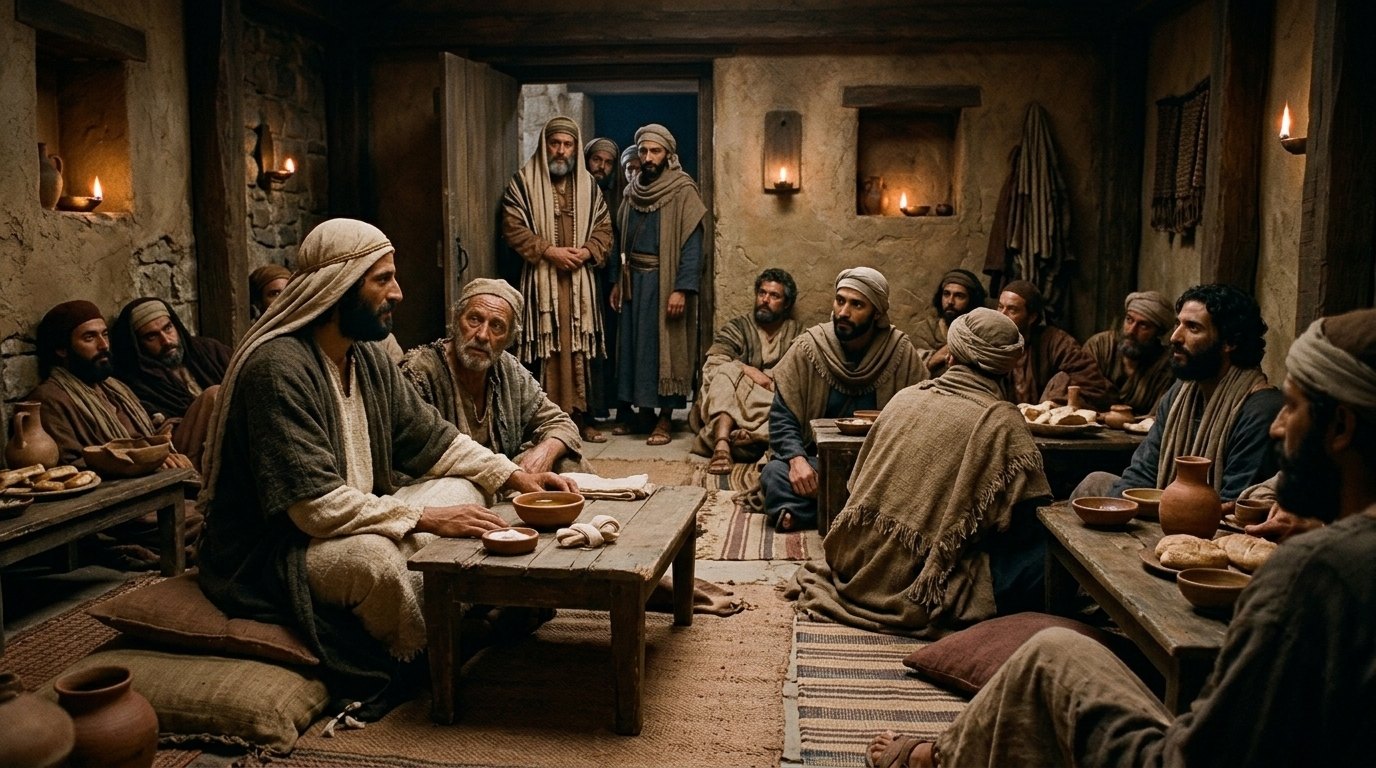
Luke 5:31
31 Jesus answered them, “It is not the healthy who need a doctor, but the sick.
New International Version (NIV)
The answer
The Bible treats doctors and medicine as good provisions to use, while teaching that healing ultimately belongs to God. Scripture does not force a choice between medical care and prayer: seek the Lord, pray, and receive appropriate treatment without trusting doctors or remedies as saviours.
Doctors have an honourable place
Paul calls Luke “the beloved physician” in Colossians 4:14, with no suggestion that his profession conflicted with his service to Christ. Jesus also used a doctor’s work as a natural picture of His own ministry: “Those who are healthy have no need for a physician, but those who are sick do” (Luke 5:31). Mark’s account adds His purpose: “I came not to call the righteous, but sinners to repentance” (Mark 2:17). A physician serves sick people; Christ came to save sinners who recognise their need. That comparison assumes the physician’s work is legitimate and useful.
Medicines and practical care are approved
- When God promised to heal Hezekiah, Isaiah nevertheless said, “Take a cake of figs,” which was laid on the boil, “and he recovered” (2 Kings 20:5-7). God healed, and an ordinary remedy was applied.
- In Jesus’ parable, the compassionate Samaritan “bound up his wounds, pouring on oil and wine,” then arranged and paid for continuing care (Luke 10:34-35). Jesus concluded, “Go and do likewise” (Luke 10:37).
- Paul advised Timothy, “use a little wine for your stomach’s sake and your frequent infirmities” (1 Timothy 5:23). Timothy’s recurring ailments also show that faithful believers can experience continuing illness.
- Proverbs recognises the close relationship between inner and bodily wellbeing: “A cheerful heart makes good medicine, but a crushed spirit dries up the bones” (Proverbs 17:22).
The warning is against leaving God out
Asa’s fault was not simply that he consulted physicians: “in his disease he didn’t seek Yahweh, but just the physicians” (2 Chronicles 16:12). The word “just” exposes the problem—he relied on human help while neglecting the Lord. Medical care must not become a substitute for God.
Jeremiah’s question, “Is there no balm in Gilead; is there no physician there?” (Jeremiah 8:22), uses physical remedies to expose a deeper need. No medicine can cure sin or reconcile a person to God; that healing comes through repentance and God’s mercy.
Pray, and recognise both human limits and God’s power
James directs sick believers to call the elders, who are to pray and anoint them with oil in the Lord’s name; he says, “the prayer of faith will heal him who is sick,” and also calls believers to confess their sins and pray for one another (James 5:14-16).
God also heals where physicians cannot. The woman who “had suffered many things by many physicians” and “spent all that she had” was healed by Jesus (Mark 5:25-34). Physicians have real limits; Christ does not. At the same time, sickness is not proof that the sick person committed some particular sin. Concerning the man born blind, Jesus said, “This man didn’t sin, nor did his parents” (John 9:3).
What this means in practice
- Receiving medical care is consistent with Scripture. Consult qualified clinicians, follow sound treatment, and keep the doctor’s plan; particular diagnoses, medicines and procedures require professional medical judgement.
- Bring illness to God in prayer. Ask others, including the elders, to pray, and confess sin where there is sin.
- Reject both opposite errors: refusing care as though medicine demonstrated unbelief, and neglecting prayer as though treatment made God unnecessary.
- Place final hope in Christ, not in medicine. Even successful treatment cannot abolish death. God promises His people a new creation where “death will be no more; neither will there be mourning, nor crying, nor pain any more” (Revelation 21:4).
Answered from Scripture · reviewed November 11, 2026
Scripture views physicians, physical remedies, and care for the sick as instruments within God's common grace, but it warns against placing ultimate trust in human hands. Every physical ailment points to humanity's deeper mortal fracture, which only the Great Physician can mend. Understanding what the Bible teaches about medicine preserves proper gratitude for natural means while keeping supreme faith anchored in the Lord.
God's Sovereign Healing
The Lord is the ultimate healer of His people.
He said, “If you listen carefully to the LORD your God and do what is right in his eyes, if you pay attention to his commands and keep all his decrees, I will not bring on you any of the diseases I brought on the Egyptians, for I am the LORD, who heals you.”
Exodus 15:26 (NIV)
God declares His covenant name as Yahweh-Rapha, establishing that all true preservation and bodily healing originate from Him.
In Exodus 15:26, the Lord establishes the supreme foundation of all recovery by declaring, "I am the Lord who heals you." Revealed at Marah after sweetening bitter water, God's covenant name, Yahweh-Rapha, reminds Israel that physical life and bodily restoration belong entirely to Him. Earthly remedies and caregivers possess no intrinsic power apart from the sovereign will of their Creator. As Deuteronomy 32:39 proclaims with unmatched authority, it is God alone who wounds and heals, and no hand can rescue from His sovereign decree.
Throughout the Scriptures, bodily wholeness is intimately tied to God's tender mercy toward fallen creatures. David exclaims in Psalm 103:2-3 that believers must not forget His benefits, for it is the Lord who heals all your diseases alongside forgiving every iniquity. Psalm 147:3 echoes this divine compassion, observing that the Lord gathers the outcasts, binds up their physical fractures, and heals the brokenhearted. Bodily healing is never merely a biological accident; it is a manifestation of divine intervention.
This personal attentiveness appears directly in the historical accounts of the kings. When King Hezekiah faced terminal illness, God sent word in 2 Kings 20:5 that He had heard his desperate prayer, seen his tears, and would personally heal him. Even when judgment falls upon an unfaithful nation, Hosea 6:1 pleads with the people to return to the Lord, trusting that though He has torn, He will inevitably bind and heal. Whatever secondary means may be employed, Scripture never permits a believer to view healing as anything less than an act of divine mercy.
| Passage | What it says |
|---|---|
| Exodus 15:26 | God promises health to obedient Israel and reveals Himself as the Lord who heals them. |
| Deuteronomy 32:39 | The Lord proclaims that He alone wounds and heals, and none can deliver out of His hand. |
| Psalms 103:2-3 | David blesses the Lord who forgives all iniquities and heals all diseases. |
| Psalms 147:3 | Scripture records that the Lord heals the broken in heart and binds up their wounds. |
| 2 Kings 20:5 | The Lord declares He has heard Hezekiah's prayer, seen his tears, and will personally heal him. |
| Hosea 6:1 | The prophet calls Israel to return to the Lord, who tears but will also heal and bind up wounds. |
Physical Remedies
Scripture commends the practical use of natural treatments.
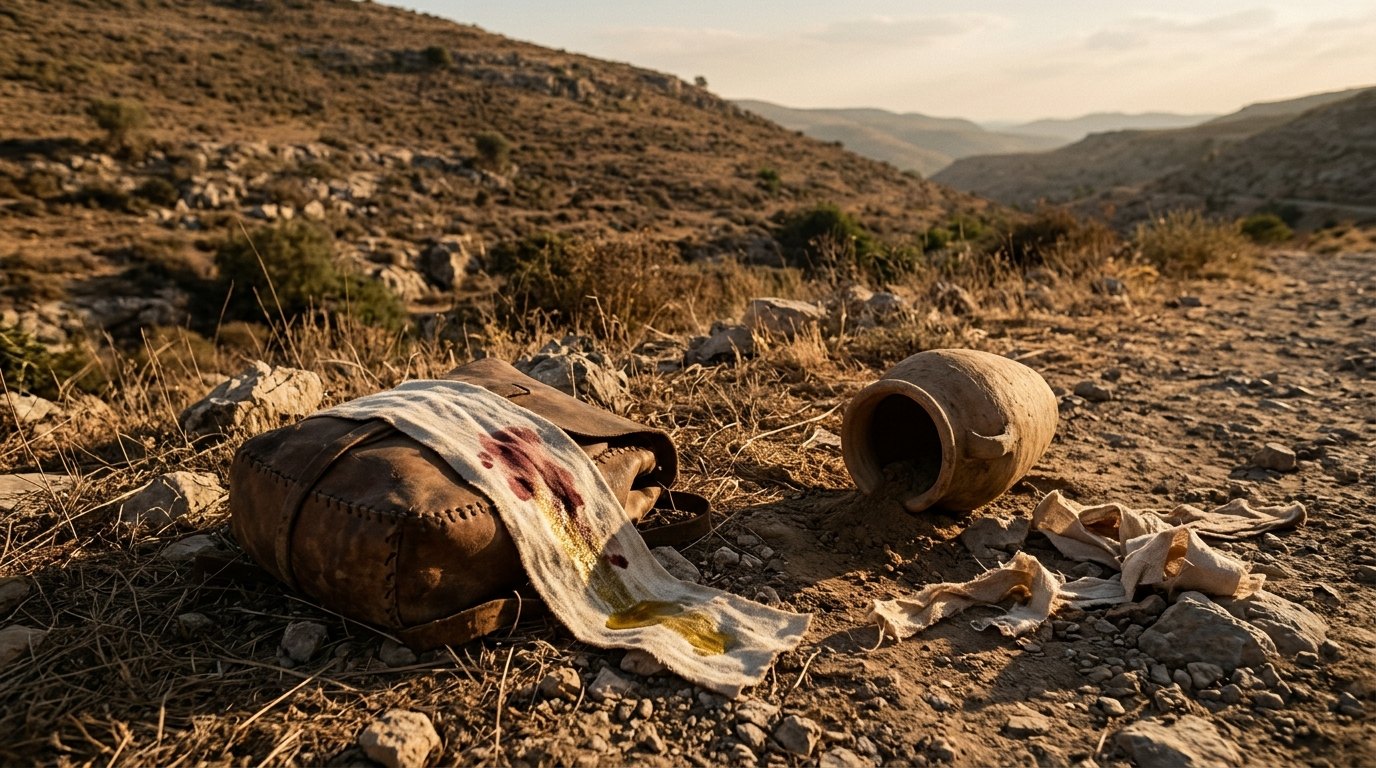
Is there no balm in Gilead? Is there no physician there? Why then is there no healing for the wound of my people?
Jeremiah 8:22 (NIV)
Jeremiah points to Gilead's well-known medicinal balm and physicians as real means of relief to illustrate an unhealed spiritual crisis.
Jeremiah 8:22 asks a probing rhetorical question: "Is there no balm in Gilead? Is there no physician there?" The prophet does not question the physical reality or legitimate utility of the famous resin; rather, he laments that Judah neglected the spiritual remedy needed for its sick soul. Scripture consistently endorses the practical application of natural treatments as good gifts of common grace. When King Hezekiah was cured of his mortally infected boil, Isaiah 38:21 records that the prophet instructed them to take a cake of figs and apply it as a poultice, joining physical treatment with God's miraculous promise.
Everyday remedies appear with warm approval throughout the wisdom and narrative literature. Proverbs 17:22 reminds us that a cheerful heart does good like medicine, acknowledging that emotional and spiritual well-being profoundly impacts bodily health. In Luke 10:34, the Good Samaritan demonstrates true neighborly love by bandaging wounds and pouring on oil and wine, using standard medicinal agents of the ancient world to cleanse and soothe injuries. Similarly, Paul directs young Timothy in 1 Timothy 5:23 to cease drinking only water and use a little wine for his stomach ailments, directly affirming medicinal therapy for recurring illness.
Even in cosmic visions of redemption, therapeutic foliage symbolizes God's restorative purpose. Ezekiel 47:12 describes trees nourished by the sanctuary river whose fruit serves as food and whose leaves are for medicine, an image brought to ultimate completion in Revelation 22:2 where the leaves of the tree of life heal the nations. While Jeremiah 46:11 and Jeremiah 51:8 note that practical balm cannot reverse the crushing weight of divine judgment against wicked empires, the ordinary role of physical remedies remains fully honored.
| Passage | What it says |
|---|---|
| Jeremiah 8:22 | The prophet asks why health is unrecovered when balm and physicians exist in Gilead. |
| Proverbs 17:22 | A merry heart is praised as doing good like medicine, while a crushed spirit dries bones. |
| Isaiah 38:21 | Isaiah instructs that a poultice of figs be applied to Hezekiah's boil for recovery. |
| Luke 10:34 | The Good Samaritan bandages wounds, pouring on soothing oil and medicinal wine. |
| 1 Timothy 5:23 | Paul instructs Timothy to use a little wine medicinally for frequent stomach infirmities. |
| Ezekiel 47:12 | Prophecy of trees bearing fruit for food and leaves that serve as medicine for healing. |
| Revelation 22:2 | The tree of life bears monthly fruit, and its leaves are explicitly for the healing of the nations. |
| Jeremiah 51:8 | The prophet calls for balm and practical remedies to treat the acute pain of Babylon. |
| Jeremiah 46:11 | Egypt is told to take balm of Gilead, acknowledging medicinal treatments even when judgment prevents cure. |
The Physician's Role
Jesus and the apostles validate the work of doctors.
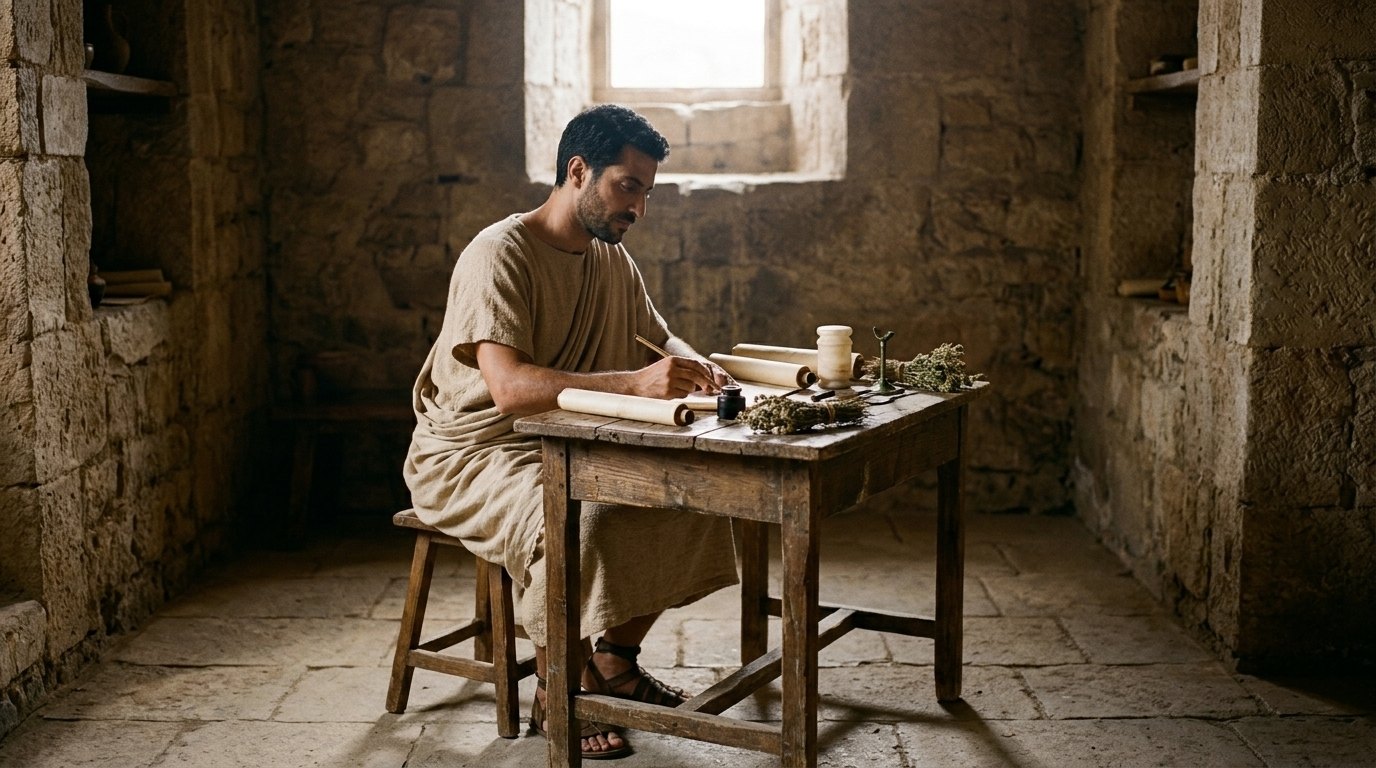
Jesus answered them, “It is not the healthy who need a doctor, but the sick.
Luke 5:31 (NIV)
Jesus explicitly affirms the necessity of physicians for the sick, using bodily care to explain His spiritual mission.
When answering the self-righteous Pharisees, the Lord Jesus settled the fundamental legitimacy of the medical calling in Luke 5:31: "Those who are well have no need of a physician, but those who are sick." Christ was answering a spiritual accusation by employing a universal, self-evident truth: bodily illness naturally and rightly requires the skilled care of a medical practitioner. Both Matthew 9:12-13 and Mark 2:17 preserve this identical affirmation, proving that Christ regarded the profession of medicine as a normal, necessary, and honorable response to human frailty in a fallen world.
Rather than scorning physical healers or bidding His disciples to avoid them, the Lord drew upon the doctor's essential role to explain His own supreme mission of redeeming sinners. Just as a sick man does not hide his disease from a physician, so a sinner must confess his spiritual ruin to the Savior. The gospel writers consistently portray this comparison without the slightest hint of irony or moral hesitation.
This validation extended directly into the life of the early church. In Colossians 4:14, the apostle Paul sends greetings from "Luke the beloved physician," honoring both the man and his vocation. Luke did not abandon his honorable training upon conversion; rather, his medical background enriched his diligent historical investigation and his close companionship with Paul during arduous missionary journeys. Scripture plainly presents the medical profession as an honorable calling through which God's compassion and sustaining care are actively extended to human suffering.
| Passage | What it says |
|---|---|
| Matthew 9:12-13 | Jesus affirms that the sick need a physician, applying it to sinners needing repentance. |
| Mark 2:17 | Christ repeats that the healthy need no physician, but those afflicted with illness do. |
| Luke 5:31 | Jesus confirms the normative need of a physician when people suffer from physical sickness. |
| Colossians 4:14 | Paul warmly greets the church alongside Luke, whom he calls the beloved physician. |
Misplaced Confidence
Relying on physicians instead of God brings spiritual failure.
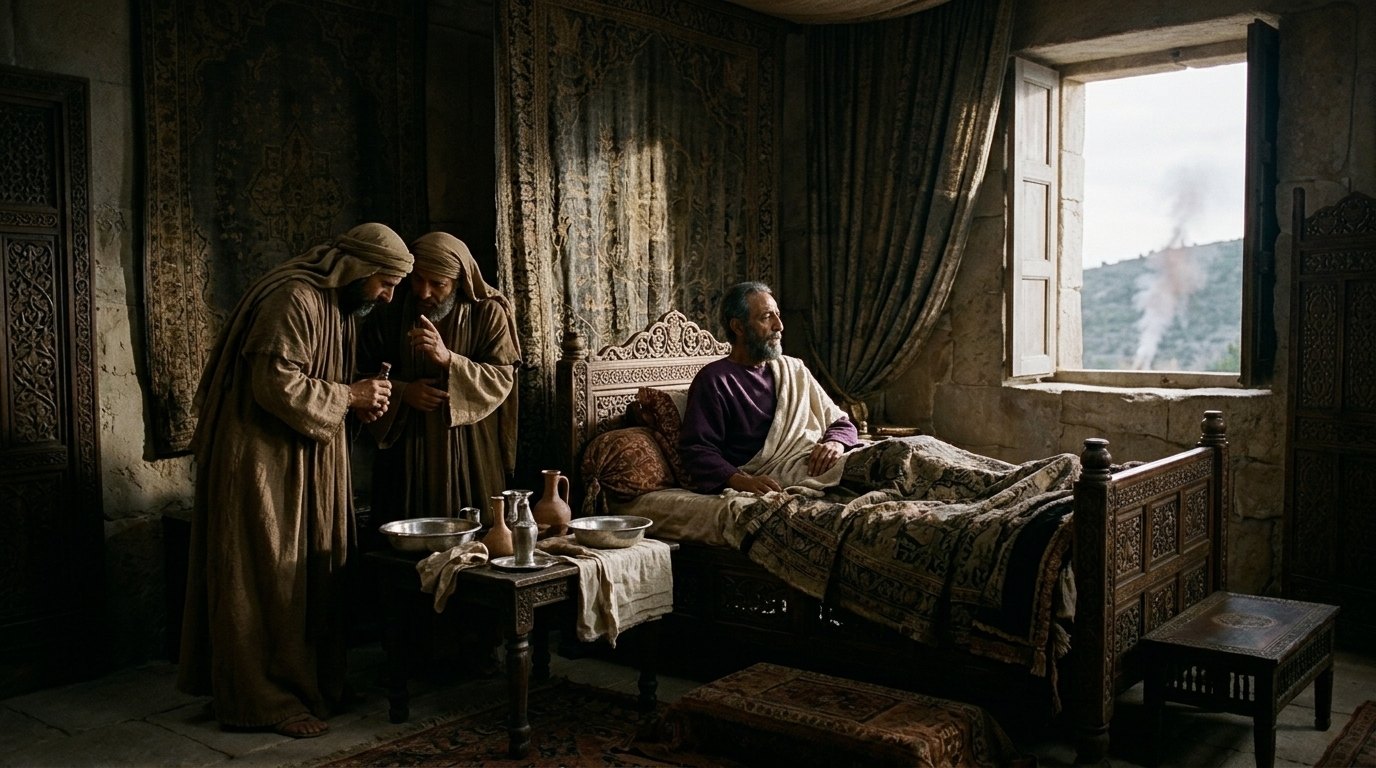
In the thirty-ninth year of his reign Asa was afflicted with a disease in his feet. Though his disease was severe, even in his illness he did not seek help from the LORD, but only from the physicians.
2 Chronicles 16:12 (NIV)
King Asa's downfall illustrates the grave danger of consulting physicians while completely neglecting to seek the Lord in sickness.
The fatal error of treating medicine as a replacement for God is starkly demonstrated in 2 Chronicles 16:12: "In his severe disease he did not seek the Lord, but the physicians." King Asa did not err because he received medical treatment; his sin lay in replacing heartfelt supplication to Almighty God with total reliance on mortal men. His tragic end stands as a permanent warning across biblical history that medical intervention must never supplant humble dependence upon the living Lord.
Scripture exposes the inherent limits of human physicians when spiritual reality is ignored. Job 13:4 records the suffering patriarch rebuking his friends as "worthless physicians" who forge lies, unable to understand or relieve his deep spiritual and physical torment. When people lean on creaturely skill while their hearts drift away from God, they invite spiritual ruin; Jeremiah 17:5 unequivocally pronounces a curse on the man who trusts in flesh and makes mortal strength his arm, forgetting that human help is ultimately frail.
Furthermore, earthly medicine inevitably meets situations it is powerless to resolve. In Mark 5:25-26, the woman with the discharge of blood had suffered twelve agonizing years under many physicians, spending all her resources only to grow worse rather than better, demonstrating that medical skill cannot conquer all affliction. Jeremiah 30:13 likewise laments that there is none to heal Zion's wound when divine discipline falls. While physicians and treatments are gifts of God, resting our final faith in human ability rather than the Sovereign Healer is a form of idolatry that leads only to despair.
| Passage | What it says |
|---|---|
| 2 Chronicles 16:12 | Asa's foot disease grew severe, yet he sought help only from physicians, not the Lord. |
| Job 13:4 | Job rebukes his miserable comforters as worthless physicians who forge lies. |
| Jeremiah 17:5 | The Lord declares a curse on anyone who trusts in mortal man and departs from Him. |
| Mark 5:25-26 | A woman suffered twelve years under many doctors, spending everything without receiving any relief. |
| Jeremiah 30:13 | Jeremiah notes there is no one to plead Zion's cause or provide healing medicines for her wound. |
Prayer and Medicine
God directs the sick to call for prayer alongside means.
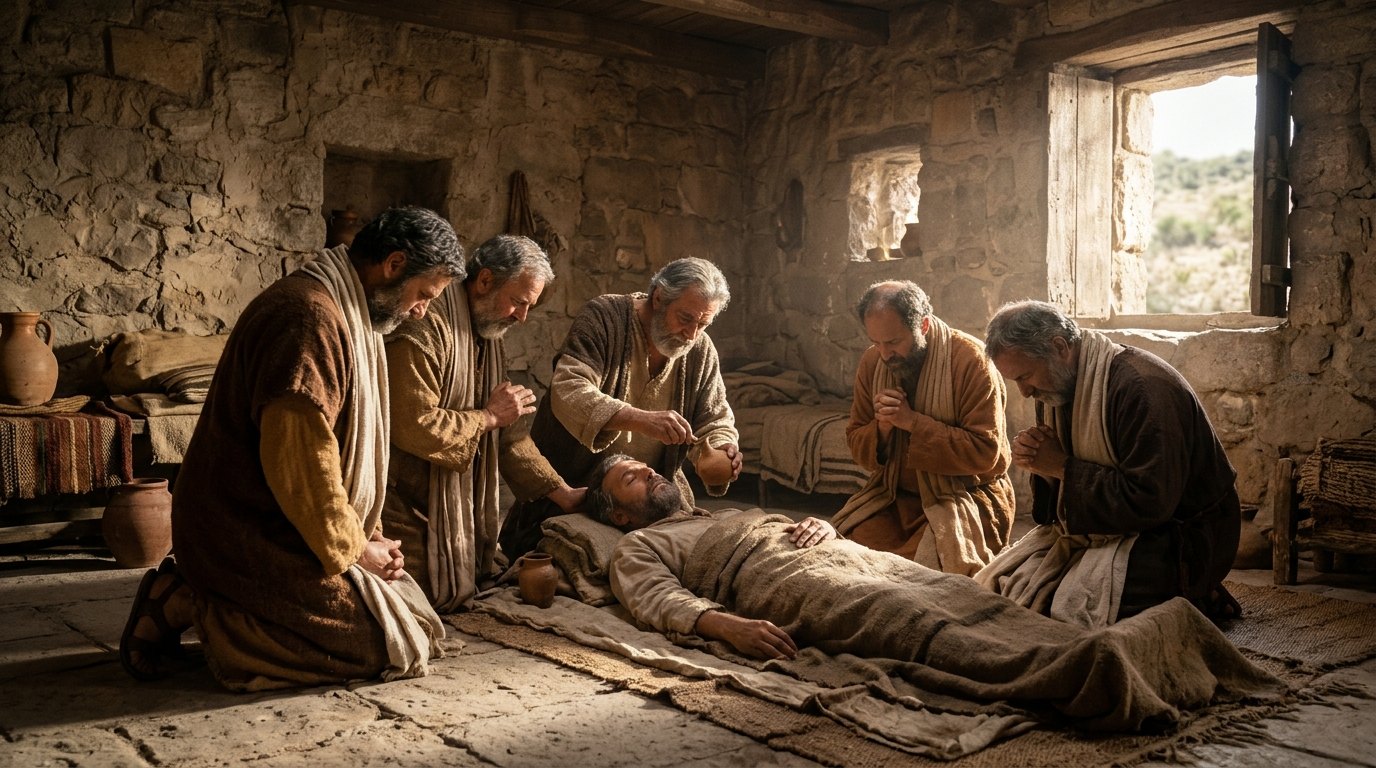
Is anyone among you sick? Let them call the elders of the church to pray over them and anoint them with oil in the name of the Lord. And the prayer offered in faith will make the sick person well; the Lord will raise them up. If they have sinned, they will be forgiven.
James 5:14-15 (NIV)
James combines spiritual intercession by the church elders with the application of oil and the prayer of faith.
When sickness strikes, Scripture commands believers to seek the Lord first while receiving care without shame. In James 5:14-15, the sick person is told to call for the elders of the church to pray over them and anoint them with oil in the name of the Lord. The passage demonstrates that faithful prayer and physical care work in harmony, as oil was both a recognized medicinal treatment in the ancient world and an outward sign of setting someone apart for God's merciful touch. James continues in James 5:16 by urging believers to confess their sins to one another and pray for each other, reminding the flock that the effective, fervent prayer of a righteous man accomplishes much.
Human medicine, while lawful, has distinct limits that point sufferers directly to Christ. In Luke 8:43-48, a woman who had spent all her livelihood on physicians without finding a cure reached out to touch the hem of Jesus' garment and was healed immediately. Her account reveals that human skill cannot usurp the sovereign power of the Son of God, who alone holds ultimate authority over disease. In Luke 4:23, Jesus quotes the common proverb, 'Physician, heal yourself,' anticipating that the skeptical crowd in Nazareth would demand miraculous signs rather than submit in faith to His divine messiahship.
From the earliest pages of Scripture, practical medical attention is recognized as an ordinary duty of community life. In Exodus 21:19, the civil law of Israel mandated that anyone who injured another person had to provide financial restitution and ensure the victim was thoroughly healed through ongoing physical care. Even in Genesis 50:2, Joseph commanded the household physicians to tend to the mortal body of his father Jacob, utilizing their specialized skills to prepare him for burial. Throughout the Bible, physical remedies and caregivers are received with thanksgiving, yet believers are called to fix their final hope upon the Lord who restores both soul and body.
| Passage | What it says |
|---|---|
| James 5:14-15 | The sick are instructed to call church elders to pray and anoint them with oil. |
| James 5:16 | Believers are told to confess sins and pray for one another so that healing may follow. |
| Luke 8:43-48 | Jesus immediately cures the hemorrhaging woman whom physicians could not heal when she touches Him. |
| Luke 4:23 | Jesus cites the proverb 'Physician, heal yourself' while addressing the unbelief of His hometown. |
| Exodus 21:19 | The Mosaic law requires an assailant to pay compensation and thoroughly provide for the victim's healing. |
| Genesis 50:2 | Joseph commands his servants the physicians to embalm his deceased father Jacob in Egypt. |
Where in the Bible
| Book | Passages |
|---|---|
| Genesis | 1 · Genesis 50:2 |
| Exodus | 2 · Exodus 15:26, Exodus 21:19 |
| Deuteronomy | 1 · Deuteronomy 32:39 |
| 2 Kings | 1 · 2 Kings 20:5 |
| 2 Chronicles | 1 · 2 Chronicles 16:12 |
| Job | 1 · Job 13:4 |
| Psalms | 2 · Psalms 103:2-3, Psalms 147:3 |
| Proverbs | 1 · Proverbs 17:22 |
| Isaiah | 1 · Isaiah 38:21 |
| Jeremiah | 5 · Jeremiah 8:22, Jeremiah 51:8, Jeremiah 46:11, Jeremiah 17:5, Jeremiah 30:13 |
| Ezekiel | 1 · Ezekiel 47:12 |
| Hosea | 1 · Hosea 6:1 |
| Matthew | 1 · Matthew 9:12-13 |
| Mark | 2 · Mark 2:17, Mark 5:25-26 |
| Luke | 4 · Luke 10:34, Luke 5:31, Luke 8:43-48, Luke 4:23 |
| Colossians | 1 · Colossians 4:14 |
| 1 Timothy | 1 · 1 Timothy 5:23 |
| James | 2 · James 5:14-15, James 5:16 |
| Revelation | 1 · Revelation 22:2 |
The story in order
- Joseph's father embalmed (c. 1805 BC) · Genesis 50:2 · Physicians used for embalming, a form of medical care.
- Israel's covenant of health (c. 1450 BC) · Exodus 15:26 · God promises healing to the obedient.
- Asa trusts physicians, not God (c. 910 BC) · 2 Chronicles 16:12 · King Asa's misplaced faith leads to severe illness.
- Proverbs on merry heart (c. 900 BC) · Proverbs 17:22 · A cheerful spirit is like good medicine.
- Hezekiah healed by God (c. 700 BC) · 2 Kings 20:5 · God hears Hezekiah's prayer and heals him.
- Isaiah prescribes fig poultice (c. 700 BC) · Isaiah 38:21 · Natural remedies are used for healing.
- Jeremiah asks about balm (c. 600 BC) · Jeremiah 8:22 · Questions why healing is not found with remedies.
- Curse on trusting man (c. 600 BC) · Jeremiah 17:5 · Trusting in man over God brings a curse.
- Jesus calls for physicians (AD 27-30) · Matthew 9:12 · Jesus affirms the need for physicians for the sick.
- Good Samaritan's medical care (AD 30-33) · Luke 10:34 · Practical medical aid with oil and wine.
- Paul greets physician Luke (AD 60-62) · Colossians 4:14 · Luke is identified as the beloved physician.
- Elders pray for the sick (AD 45-49) · James 5:14 · Instruction to call elders for prayer and anointing.
- Leaves of life for healing (c. AD 95) · Revelation 22:2 · The tree of life provides leaves for healing.
God's Healing vs. Human Trust
| God's Healing Power | Human Trust (leads to failure) | Result | Passage |
|---|---|---|---|
| God heals His people | Asa sought physicians, not the Lord | Illness worsened | 2 Chronicles 16:12 |
| Lord heals the brokenhearted | Job's comforters were false physicians | No true comfort | Job 13:4 |
| God alone wounds and heals | Trust in man is cursed | Spiritual failure | Jeremiah 17:5 |
| Jesus heals the woman | She spent all on many doctors | No relief | Mark 5:25-26 |
Divine Provision for Healing
| Divine Source | Means Provided | Purpose | Passage |
|---|---|---|---|
| The Lord | His word and promise | Health for obedience | Exodus 15:26 |
| The Lord | Prayer and tears | Personal healing | 2 Kings 20:5 |
| The Lord | Balm of Gilead | Remedy for pain | Jeremiah 46:11 |
| The Lord | Trees with healing leaves | Healing of nations | Ezekiel 47:12 |
| The Lord | Tree of life's leaves | Healing of nations | Revelation 22:2 |
Key words
- Healer (rophe', רָפָא)
- The Lord who restores health and forgives sins. · Exodus 15:26
- Physician (iatros, ἰατρός)
- One who practices medicine; a doctor. · Luke 5:31
- Medicine (pharmakeia, φαρμακεία)
- Substances used for healing; remedies. · Jeremiah 8:22
- Trust (batah, בָּטָח)
- Reliance or confidence in someone or something. · Jeremiah 17:5
- Healing (therapeuo, θεραπεύω)
- Restoration to health; making whole. · Matthew 9:12
Believers are free to pursue medical counsel and physical treatments with thanksgiving, knowing that every effective remedy operates under the sovereignty of the Creator. Yet medical science can never pardon a single transgression or secure eternal life for a dying soul. Our ultimate hope rests not in the skill of mortal physicians, but in Christ Jesus, who alone forgives our iniquities and heals our disease.
30 passages, each cited once.
Scripture cited
- Luke 5:31
- Mark 2:17
- Jeremiah 8:22
- 2 Kings 20:1-7
- 2 Chronicles 16:11-13
- Luke 10:30-37
- Colossians 4:14
- James 5:14-16
- 1 Timothy 5:23
- Proverbs 17:22
- John 9:1-3
- Mark 5:25-34