What does the Bible say about feeling worthless?

Psalms 139:13-14
13 For you created my inmost being; you knit me together in my mother’s womb.
14 I praise you because I am fearfully and wonderfully made; your works are wonderful, I know that full well.
New International Version (NIV)
The answer
The Bible says that feeling worthless is not the same as being worthless. Human value rests on God’s creative work, not on achievement, usefulness, appearance, or other people’s approval. Genesis 1:27 says, “God created man in his own image.” Psalm 139:13-14 makes God’s care intensely personal: “For you formed my inmost being. You knit me together in my mother’s womb,” leading the psalmist to say, “I am fearfully and wonderfully made.”
This God-given dignity is not the same as being righteous before God. Scripture does not encourage self-esteem by pretending sin away. Ephesians 2:1-9 describes humanity apart from grace as dead in sin and teaches that salvation is God’s gift, “not of works.” God’s love is therefore not a prize for being impressive or good enough. Romans 5:8 declares, “But God commends his own love toward us, in that while we were yet sinners, Christ died for us.” The cross answers both pride and despair: no one earns salvation, yet God willingly gave His Son to save sinners.
Through Christ’s death, even God’s former enemies are reconciled to Him, as Romans 5:10 explains. For those who belong to Christ, Romans 8:1 gives God’s verdict: “There is therefore now no condemnation to those who are in Christ Jesus.” Ephesians 2:10 calls believers “his workmanship, created in Christ Jesus for good works.” Their standing rests on God’s grace rather than their performance, and Romans 8:38-39 promises that nothing in creation can separate them from God’s love in Christ.
Scripture also takes the pain itself seriously. Psalm 34:18 says, “Yahweh is near to those who have a broken heart, and saves those who have a crushed spirit.” A crushed spirit is not something that must be hidden from God.
Several biblical responses follow:
- When worthlessness grows from real guilt: neither excuse the sin nor sink into self-hatred. Confess it honestly. First John 1:9 promises, “If we confess our sins, he is faithful and righteous to forgive us the sins and to cleanse us from all unrighteousness.”
- When it grows from accusation, failure, or contempt: answer the accusation with the gospel. Romans 8:33-34 says that God justifies His chosen ones and that the risen Christ intercedes for them. Condemning thoughts do not overrule Christ’s finished work.
- When the burden feels too heavy to carry alone: Galatians 6:2 says, “Bear one another’s burdens, and so fulfill the law of Christ.” Honest prayer, dependable Christian fellowship, and practical support belong together. Persistent or severe despair also warrants wise medical or counselling care; receiving such help is not unbelief.
Answered from Scripture · reviewed November 11, 2026
Scripture never endorses the feeling of worthlessness; instead, it exposes it as a tragic contradiction of God's declared truth. From the deliberate craftsmanship of your creation to the unmatched price paid for your redemption, God anchors human value in His own eternal love rather than human performance.
Crafted by God
You are fearfully and wonderfully made by God

I praise you because I am fearfully and wonderfully made; your works are wonderful, I know that full well.
Psalms 139:14 (NIV)
David explicitly ties human dignity to God's marvelous workmanship, declaring that the soul can know this objective reality with certainty.
When David proclaims, "I praise you, for I am fearfully and wonderfully made" in Psalm 139:14, he anchors human value in the deliberate craftsmanship of God. Human worth does not begin with personal achievement or social approval; it originates in the mind and hands of the Creator. Just one verse earlier, Psalm 139:13 describes God weaving together our hidden, inmost being within our mother's womb. Job leaned on this same physical reality when crushed under grief, reminding God in Job 10:9-12 that divine hands fashioned him like clay, breathing life, steadfast love, and watchful care into his fragile frame. Far from assigning worth based on social rank, Job 31:15 insists that every person possesses equal, sacred dignity because the exact same Creator formed each individual within the womb.
God never creates haphazardly. The psalmist confesses in Psalm 119:73 that God’s own hands shaped him, establishing a life designed to receive divine instruction and purpose. The Lord comforts His people in Isaiah 44:2 by naming Himself as the One who formed them from the womb, banishing fear with the promise of His sovereign help. Jeremiah learned this foundational truth when the Lord announced in Jeremiah 1:5 that before he was formed in the belly, God intimately knew, sanctified, and ordained him for a holy calling. This divine attentiveness spans the entirety of human existence. In Psalm 22:9-10, David recalls that God drew him safely from the womb and fostered his faith at his mother's breast, while Psalm 71:6 affirms a lifetime of leaning upon the God who has sustained him from birth.
This deliberate, intimate design flows from the very beginning of Scripture. In Genesis 1:26-27, God creates humanity in His own image and likeness, placing a unique and indelible stamp of divine honor upon mankind. Contemplating the vast cosmos in Psalm 8:3-6, David marvels that God even considers mortal man, yet reveals that the Lord has crowned humanity with glory, majesty, and rule over creation. You are not an accident; your existence is God’s intentional design.
| Passage | What it says |
|---|---|
| Psalms 139:13 | God formed your inmost parts and personally knit you together within your mother's womb. |
| Psalms 139:14 | Praise is offered because every human being is fearfully, wonderfully, and intentionally fashioned by God. |
| Job 10:9-12 | Job remembers how God carefully fashioned him like clay, granting life, steadfast love, and watchful care. |
| Job 31:15 | Every person shares identical foundational dignity because the same Creator formed everyone in the womb. |
| Psalms 119:73 | God's hands personally made and fashioned the believer, establishing a purpose rooted in His truth. |
| Isaiah 44:2 | The Lord who formed you from the womb promises His sovereign help and bids you not to fear. |
| Jeremiah 1:5 | God intimately knew, consecrated, and assigned purpose to Jeremiah before his earliest moments in the womb. |
| Psalms 22:9-10 | God took you from the womb and fostered trust from the earliest days of nursing. |
| Psalms 71:6 | The psalmist testifies to leaning upon God's sustaining presence continually from birth. |
| Genesis 1:26-27 | God creates humanity in His own image and likeness, anchoring all human worth in His divine design. |
| Psalms 8:3-6 | David marvels that God crowns fragile mortals with glory and honor and sets them over creation. |
Near the Brokenhearted
God draws near to those crushed in spirit
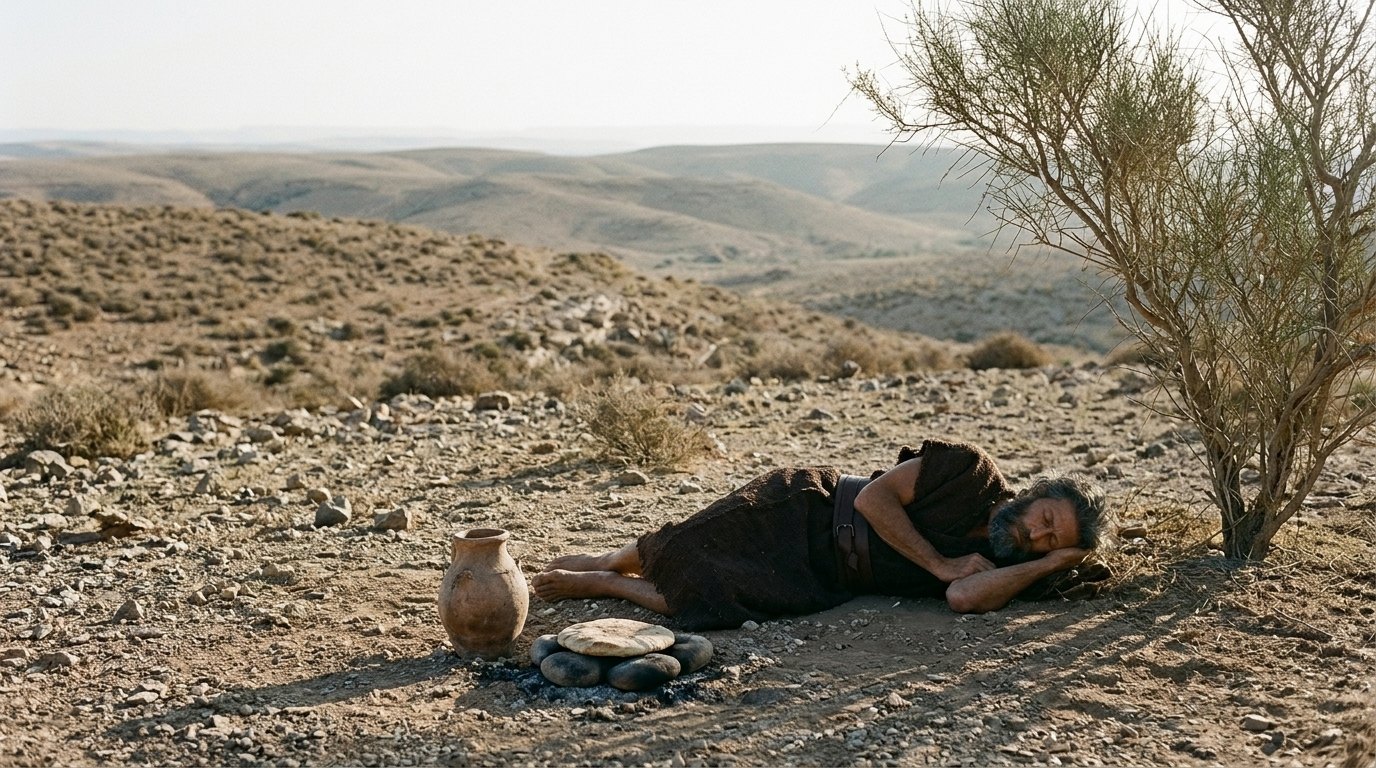
The LORD is close to the brokenhearted and saves those who are crushed in spirit.
Psalms 34:18 (NIV)
God answers inner collapse not with rebuke, but with His close, saving presence.
When feelings of insignificance curdle into despair, Scripture reveals that the Lord is near to the brokenhearted (Psalm 34:18). God does not meet inward collapse with anger, disdain, or aloof disappointment; He draws near with delivering grace to save those with a crushed spirit. As Isaiah 57:15 declares, the high, holy, and eternal God makes His dwelling not only in transcendent glory, but also with the contrite and lowly of heart, actively reviving the faint spirit. When exhaustion strips away human resilience, Isaiah 40:29-31 promises that the Creator gives power to the weary, renewing the strength of those who wait upon Him until they mount up with wings like eagles.
God ministers to the wounded like a tender physician. In Psalm 147:3, the text affirms that He binds up the fractured, bleeding wounds of those whose hearts have shattered. Jesus Himself extends the ultimate invitation in Matthew 11:28-30, beckoning every soul burdened by the crushing weight of weariness to come to Him and find genuine rest. When the prophet Elijah sank into despair beneath a solitary broom tree in 1 Kings 19:4-8, wishing for death, God sent an angel with warm bread and water, meeting physical exhaustion with compassionate sustenance rather than moral rebuke.
Believers can speak God's truth directly against their internal sorrow. In Psalm 42:5, the psalmist interrogates his own downcast soul, commanding it to place its unwavering hope in God, his salvation and present help. The Lord does not despise our tears or weakness; Psalm 51:17 testifies that a broken, contrite heart is a sacrifice God will never reject. Furthermore, our afflictions are not wasted. In 2 Corinthians 1:3-4, Paul describes God as the Father of mercies who comforts us so we can comfort others. Though we feel like fragile clay jars in 2 Corinthians 4:7-9, we carry eternal treasure—struck down, but never abandoned or destroyed.
| Passage | What it says |
|---|---|
| Psalms 34:18 | The Lord stays near to the brokenhearted and delivers those who possess a crushed spirit. |
| Isaiah 57:15 | The high and holy God dwells with the contrite and humble to revive their spirits. |
| Isaiah 40:29-31 | The Lord gives power to the faint and renews the strength of those who wait upon Him. |
| Psalms 147:3 | God gently binds up the wounds of those who are heartbroken and broken in spirit. |
| Matthew 11:28-30 | Jesus invites all who labor and are heavy laden to find soul rest in Him. |
| 1 Kings 19:4-8 | God meets an exhausted, despairing Elijah with gentle nourishment and rest rather than harsh condemnation. |
| Psalms 42:5 | The psalmist questions his downcast soul, commanding it to place its hope in God, his salvation. |
| Psalms 51:17 | God does not despise or dismiss a broken, crushed heart, but receives it as a pleasing sacrifice. |
| 2 Corinthians 1:3-4 | God comforts believers in all affliction so they can extend His divine comfort to others. |
| 2 Corinthians 4:7-9 | Believers are fragile jars of clay holding all-surpassing treasure, struck down but never destroyed. |
The World's Rejection
The rejected stone becomes the chief cornerstone
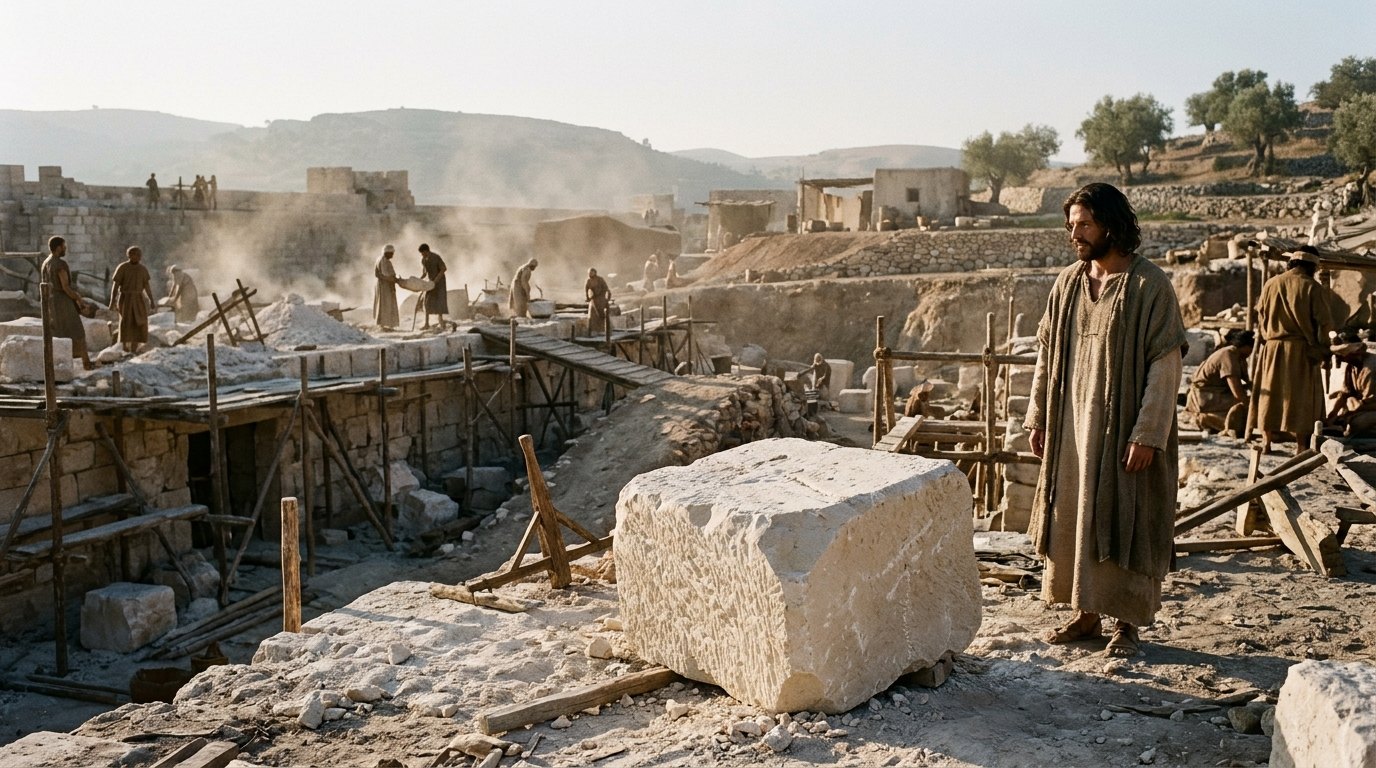
The stone the builders rejected has become the cornerstone;
Psalms 118:22 (NIV)
This prophecy reveals that what human beings cast aside as useless, God exalts to the highest place.
Human estimation is profoundly flawed, routinely casting aside what God cherishes. In Psalm 118:22, Scripture foretells that the very stone rejected by the builders would become the chief cornerstone of God's house. This prophecy reached literal fulfillment when Peter declared in Acts 4:11 and 1 Peter 2:4-7 that Jesus, though despised and crucified by the religious authorities, was raised and exalted by God as the sovereign foundation of the church. The prophet painted this rejection in heartbreaking detail in Isaiah 53:3, declaring that the Messiah would be despised, avoided by men, a man of sorrows, and esteemed as utterly worthless. This was fulfilled when crowds mocked Him at Golgotha (Matthew 27:39-44) and His own people failed to receive Him (John 1:10-11).
Because Christ bore worldly contempt, believers are freed from seeking human approval. When King David was mocked by Michal in 2 Samuel 6:22, he boldly resolved to become even more undignified in human eyes, knowing that true honor belongs to the Lord. God explicitly warns Samuel in 1 Samuel 16:7 that the Lord does not judge as man judges: while man looks at outward appearance, the Lord looks upon the heart. When choosing a king, God bypassed the towering, physically impressive older brothers to anoint young David in the pasture.
This divine pattern defines the entire kingdom of God. Paul explains in 1 Corinthians 1:27-29 that God intentionally chose what the world considers foolish, weak, and low to shame the wise and self-sufficient, ensuring that no human being can boast in His presence. When you feel discarded or unseen by the world, remember 1 Peter 2:4-5: though you may be rejected by men, you have come to Christ, the living Stone, and are being built into a spiritual house, chosen and precious in the sight of God.
| Passage | What it says | Fulfilled |
|---|---|---|
| Psalms 118:22 | The stone that the builders rejected as worthless becomes the chief cornerstone of God's house. | Acts 4:11, 1 Peter 2:4-7 |
| Isaiah 53:3 | The Messiah was despised, rejected by men, and esteemed as having no worth. | Matthew 27:39-44, John 1:10-11 |
| 2 Samuel 6:22 | David expresses willingness to be despised in worldly eyes to honor God, knowing true honor comes from Him. | |
| 1 Corinthians 1:27-29 | God chose what the world considers foolish and low to shame the wise and display His glory. | |
| 1 Samuel 16:7 | The Lord rejects worldly assessments of outward stature, looking directly at the heart. | |
| 1 Peter 2:4-5 | Though rejected by men, believers come to Christ and become living stones chosen and precious to God. |
Redeemed by Grace
Your worth is measured by the cross of Christ
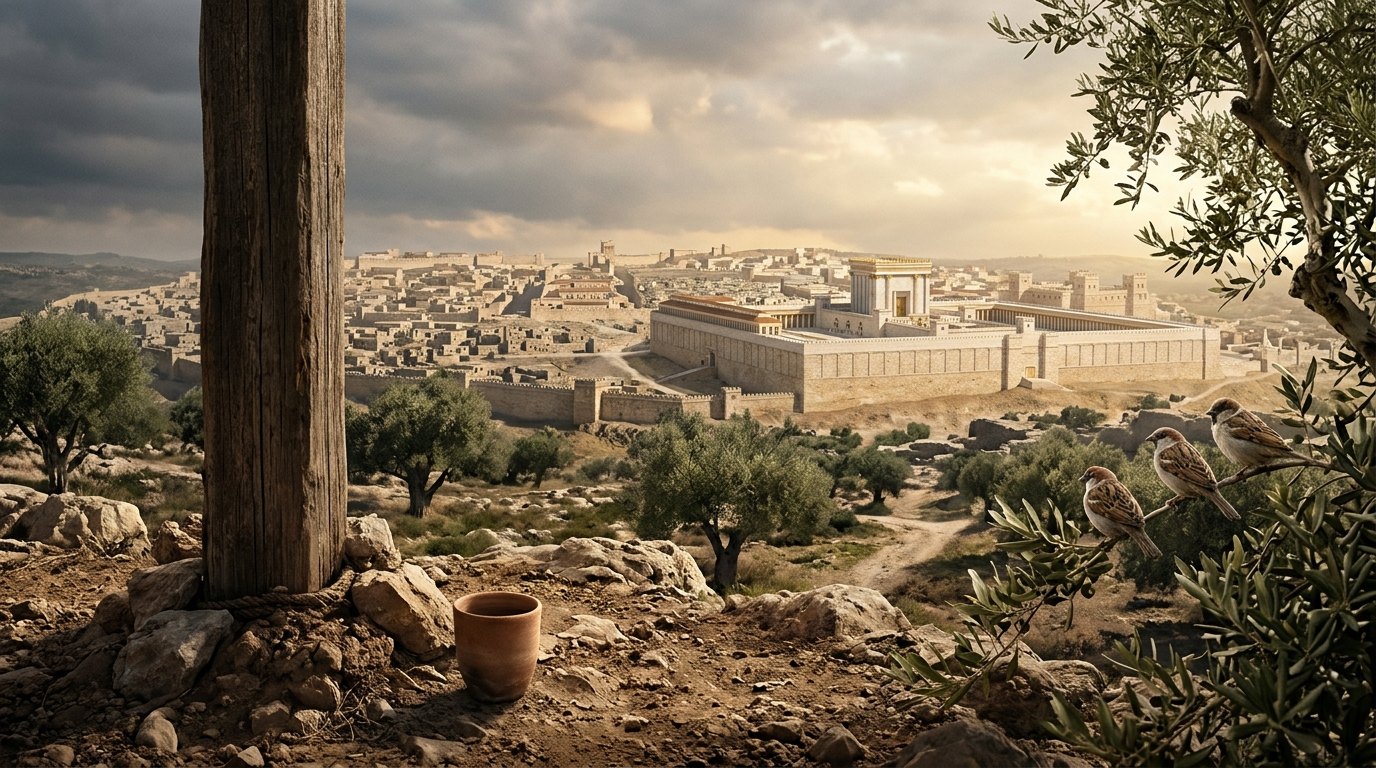
For we are God’s handiwork, created in Christ Jesus to do good works, which God prepared in advance for us to do.
Ephesians 2:10 (NIV)
Paul defines believers as God's exquisite masterpiece, created afresh in Christ Jesus for meaningful purpose.
Your ultimate value is not determined by your feelings, but by the price paid to ransom your soul. In Ephesians 2:10, Paul calls believers God's poiema—His crafted masterpiece—created anew in Christ Jesus for good works prepared beforehand. Just before this, Ephesians 2:8-9 establishes that this glorious status is entirely a gift of grace through faith, forever dismantling the lie that worth must be earned through religious performance. God demonstrated this immeasurable love historically in John 3:16, giving His only begotten Son so that everyone who believes should not perish but have everlasting life. As Romans 5:8 underscores, God proved His love toward us in that Christ died for us while we were still helpless sinners.
Consider the arithmetic of the cross. In Romans 8:31-32, Paul reasons that if God did not spare His own Son, He will certainly provide everything we need; and in Romans 8:38-39, he triumphs that absolutely nothing in creation can sever us from God's love in Christ. Jesus illustrated God’s meticulous care in Luke 12:6-7 and Matthew 10:29-31: God does not overlook a single common sparrow sold for pennies, and every hair on your head is numbered—you are worth infinitely more than a flock of sparrows.
Peter reminds us in 1 Peter 1:18-19 that our redemption was purchased not with temporary silver or gold, but with the precious, unblemished blood of Jesus Christ. In 1 John 3:1, John urges us to behold what extravagant love the Father has lavished upon us, designating us as His own children. The prophet marvels in Zephaniah 3:17 that God rejoices over His people with gladness, quieting their fears with His love and exulting over them with loud singing. In Christ, 2 Corinthians 5:17 assures you that the old identity of worthlessness has passed away, for you are a new creation. With Paul in Galatians 2:20, every believer can rest in the Son of God, who loved us and gave Himself for us.
| Passage | What it says |
|---|---|
| Ephesians 2:8-10 | Believers are saved by grace, standing as God's poetic workmanship created in Christ Jesus for good works. |
| John 3:16 | God loved the world by giving His only begotten Son so that believers would have everlasting life. |
| Romans 5:8 | God proves His own love toward us in that Christ died for us while we were still sinners. |
| Romans 8:31-32 | If God did not spare His own Son for us, He will graciously give us all things. |
| Romans 8:38-39 | Nothing in all creation can separate the believer from the love of God in Christ Jesus. |
| Luke 12:6-7 | Not one sparrow is forgotten by God, and you are of vastly more value than many sparrows. |
| 1 Peter 1:18-19 | You were redeemed not with corruptible silver or gold, but with the precious blood of Christ. |
| 1 John 3:1 | Consider what manner of immense love the Father has lavished upon us, that we should be called children of God. |
| Zephaniah 3:17 | The Lord rejoices over His people with gladness, quieting them with His love and singing. |
| Matthew 10:29-31 | Jesus reassures that sparrows are guarded by God and believers are worth far more than many sparrows. |
| 2 Corinthians 5:17 | Anyone who is united with Christ is a new creation; former shame and worthlessness have passed away. |
| Galatians 2:20 | Paul roots personal life and dignity in the Son of God who loved him and gave Himself for him. |
Silencing Self-Condemnation
God is greater than our self-condemnation and internal accusations
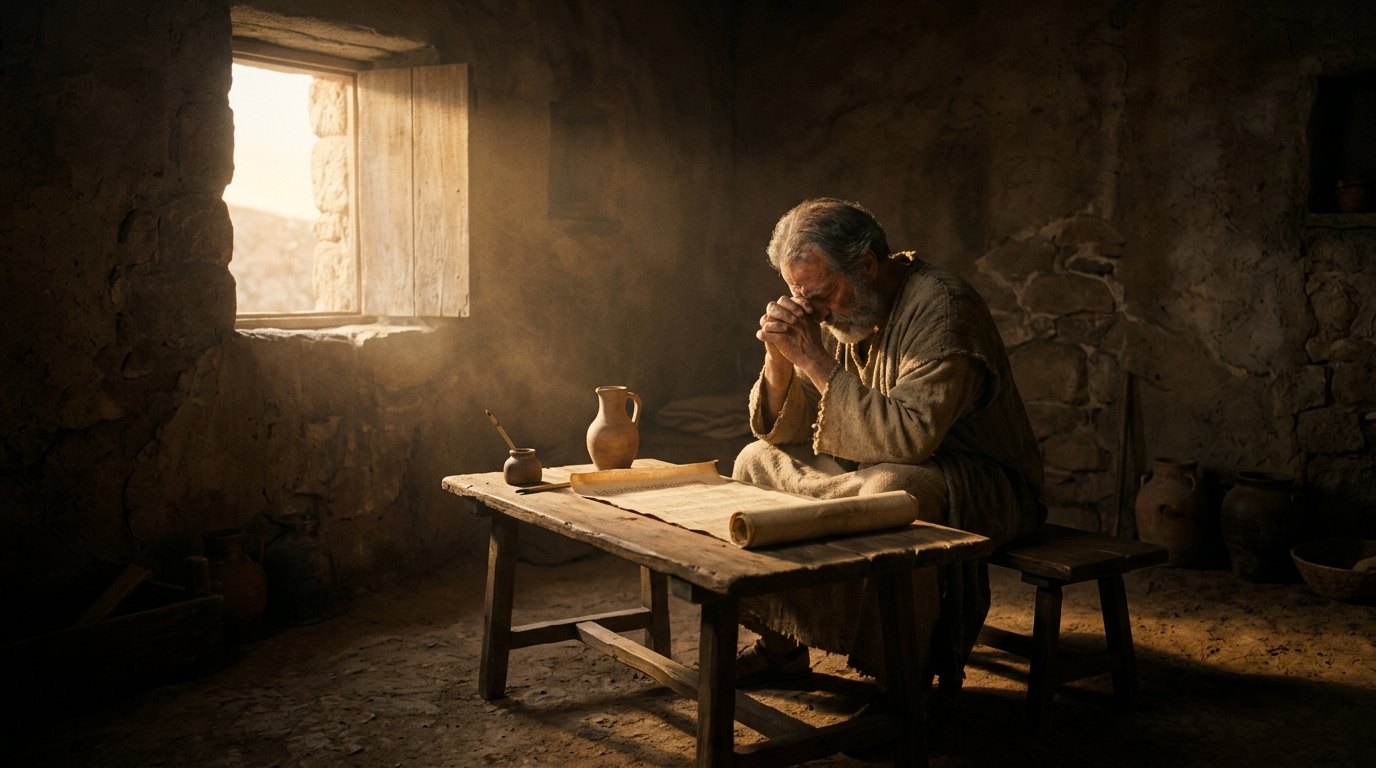
If our hearts condemn us, we know that God is greater than our hearts, and he knows everything.
1 John 3:20 (NIV)
John reminds struggling believers that God's sovereign knowledge and love override our internal self-condemnation.
When internal accusations rise up to insist that you are broken beyond repair, God is greater than our heart, and he knows everything (1 John 3:20). The apostle John understands the agonizing friction of a condemning conscience, yet he anchors our peace not in the fluctuating verdict of our emotions, but in God's exhaustive knowledge and unshakable mercy (1 John 3:19-20). The Lord sees every flaw and hidden failure, yet He refuses to revoke His covenant love. Therefore, the devastating finality of human guilt has been permanently dismantled at the cross: there is therefore now no condemnation for those who are in Christ Jesus (Romans 8:1). If the supreme Judge of all the earth has acquitted you, no inward critic possesses the authority to overturn that decree.
Overcoming feelings of worthlessness requires an active mental alignment with divine reality. Paul instructs the church to pull down every proud argument that exalts itself against the knowledge of God, taking every thought captive to obey Christ (2 Corinthians 10:5). You are not obligated to believe every disparaging lie that passes through your mind; every rogue thought must be interrogated and submitted to the gospel of grace. Instead of yielding to inward spiraling and anxious despair, the believer is summoned to bring every burden to God in prayer (Philippians 4:6-7) and intentionally set the mind on whatever is true, honorable, just, pure, and commendable (Philippians 4:8). The transcendent peace of God guards the believer's heart when divine truth silences self-condemnation.
| Passage | What it says |
|---|---|
| Romans 8:1 | There is now no condemnation at all for those who belong to Christ Jesus. |
| 1 John 3:19-20 | When our own hearts condemn us, God is greater than our hearts and knows everything. |
| 2 Corinthians 10:5 | Believers must take every destructive thought captive and make it obedient to the truth of Christ. |
| Philippians 4:6-8 | Paul instructs believers to meditate on whatever is true, honorable, and praiseworthy, securing God's peace. |
Where in the Bible
| Book | Passages |
|---|---|
| Genesis | 1 · Genesis 1:26-27 |
| 1 Samuel | 1 · 1 Samuel 16:7 |
| 2 Samuel | 1 · 2 Samuel 6:22 |
| 1 Kings | 1 · 1 Kings 19:4-8 |
| Job | 2 · Job 10:9-12, Job 31:15 |
| Psalms | 11 · Psalms 139:13, Psalms 139:14, Psalms 119:73, Psalms 22:9-10, Psalms 71:6, Psalms 8:3-6, Psalms 34:18, Psalms 147:3, Psalms 42:5, Psalms 51:17, Psalms 118:22 |
| Isaiah | 4 · Isaiah 44:2, Isaiah 57:15, Isaiah 40:29-31, Isaiah 53:3 |
| Jeremiah | 1 · Jeremiah 1:5 |
| Zephaniah | 1 · Zephaniah 3:17 |
| Matthew | 2 · Matthew 11:28-30, Matthew 10:29-31 |
| Luke | 1 · Luke 12:6-7 |
| John | 1 · John 3:16 |
| Romans | 4 · Romans 5:8, Romans 8:31-32, Romans 8:38-39, Romans 8:1 |
| 1 Corinthians | 1 · 1 Corinthians 1:27-29 |
| 2 Corinthians | 4 · 2 Corinthians 1:3-4, 2 Corinthians 4:7-9, 2 Corinthians 5:17, 2 Corinthians 10:5 |
| Galatians | 1 · Galatians 2:20 |
| Ephesians | 1 · Ephesians 2:8-10 |
| Philippians | 1 · Philippians 4:6-8 |
| 1 Peter | 2 · 1 Peter 2:4-5, 1 Peter 1:18-19 |
| 1 John | 2 · 1 John 3:1, 1 John 3:19-20 |
The story in order
- Creation of Humanity (c. 4000 BC) · Genesis 1:26-27 · God creates humanity in His image, establishing inherent worth.
- Job's Suffering and Reflection (c. 2000 BC) · Job 10:9-12 · Job remembers God's careful, loving formation of him.
- David's Wonder at Creation (c. 1000 BC) · Psalms 8:3-6 · David marvels at God crowning humans with glory and honor.
- God's Sustaining Presence (c. 950 BC) · Psalms 71:6 · The psalmist testifies to God's care from birth.
- Elijah's Despair and God's Care (c. 850 BC) · 1 Kings 19:4-8 · God meets Elijah's exhaustion with nourishment and rest.
- Prophet's Calling and Purpose (c. 600 BC) · Jeremiah 1:5 · God knew and consecrated Jeremiah before birth.
- The Rejected Stone (c. 700 BC) · Psalms 118:22 · The rejected stone becomes the chief cornerstone.
- Messiah's Rejection (c. 700 BC) · Isaiah 53:3 · The Messiah is despised and rejected by men.
- God's Choice of the Foolish (c. AD 55) · 1 Corinthians 1:27-29 · God chooses the world's 'foolish' to shame the wise.
- Salvation by Grace (c. AD 60) · Ephesians 2:8-10 · Saved by grace, God's workmanship created for good works.
- Christ's Death for Sinners (c. AD 58) · Romans 5:8 · God proves His love by Christ dying for us.
- No Condemnation in Christ (c. AD 58) · Romans 8:1 · No condemnation for those who belong to Christ Jesus.
- New Creation in Christ (c. AD 56) · 2 Corinthians 5:17 · In Christ, one is a new creation, old shame passed.
- Apostolic Teaching (c. AD 65) · 1 Peter 2:4-5 · Believers are living stones, chosen and precious to God.
The Rejected Stone and the Cornerstone
| Rejected by builders | Becomes the chief cornerstone | Passage |
|---|---|---|
| The stone that the builders rejected as worthless | Becomes the chief cornerstone of God's house | Psalms 118:22 |
| The Messiah was despised, rejected by men | He is the precious cornerstone chosen by God | |
| God chose what the world considers foolish and low | To shame the wise and display His glory | 1 Corinthians 1:27-29 |
God's Value vs. World's Value
| World's Assessment | God's Assessment | Passage |
|---|---|---|
| David willing to be despised in worldly eyes | Honoring God, knowing true honor comes from Him | 2 Samuel 6:22 |
| Worldly assessments of outward stature | The Lord looks at the heart | 1 Samuel 16:7 |
| The stone rejected as worthless | Becomes the chief cornerstone | Psalms 118:22 |
| The Messiah was despised and rejected by men | He is precious to God | |
| What the world considers foolish and low | God chose to shame the wise | 1 Corinthians 1:27 |
God's Comfort for the Brokenhearted
| Affliction | God's Action | Passage |
|---|---|---|
| Brokenhearted and crushed in spirit | The Lord stays near and delivers | Psalms 34:18 |
| Contrite and humble spirit | God dwells with them to revive their spirits | Isaiah 57:15 |
| Faint and weary | The Lord gives power and renews strength | Isaiah 40:29-31 |
| Brokenhearted and broken in spirit | God gently binds up their wounds | Psalms 147:3 |
| Laboring and heavy laden | Jesus invites them to find soul rest | Matthew 11:28-30 |
| Exhausted and despairing | God meets them with nourishment and rest | 1 Kings 19:4-8 |
| Downcast soul | Commanded to place hope in God | Psalms 42:5 |
| Broken, crushed heart | God receives it as a pleasing sacrifice | Psalms 51:17 |
| Affliction | God comforts so we can comfort others | 2 Corinthians 1:3-4 |
Key words
- Fearfully and Wonderfully Made (pala'ti, פָּלָא; yatsar, יָצַר)
- Intricately and intentionally fashioned by God, evoking awe. · Psalms 139:14
- Steadfast Love (ḥesed, חֶסֶד)
- Unfailing, loyal, covenantal love and kindness. · Job 10:12
- Image and Likeness (tzelem, צֶלֶם; demut, דְּמוּת)
- Reflecting God's character and authority. · Genesis 1:26-27
- Brokenhearted (dakka ruach, דַּכָּא רוּחַ)
- Crushed in spirit, experiencing deep sorrow or despair. · Psalms 34:18
- Rejected Stone (eben, אֶבֶן)
- Something or someone deemed worthless but becomes essential. · Psalms 118:22
- Grace (charis, χάρις)
- God's unmerited favor and divine assistance. · Ephesians 2:8
- Redeemed (lutroō, λυτρόω)
- Bought back or set free, often at a great cost. · 1 Peter 1:18-19
- New Creation (ktisis, κτίσις)
- A transformed life in Christ, leaving the past behind. · 2 Corinthians 5:17
Your value is not a shifting mood or the sum of your achievements, but an objective verdict spoken by your Creator and sealed by Christ's blood. When feelings of worthlessness threaten to overwhelm you, anchor your soul in God's unchanging word: you are His deliberate workmanship, fiercely loved and forever held.
43 passages, each cited once.
Scripture cited
- Psalms 139:13-14
- Genesis 1:26-27
- Romans 5:6-11
- Ephesians 2:1-10
- Romans 8:1-2
- Romans 8:31-39
- Psalms 34:18
- 1 John 1:9
- Galatians 6:2