What does the Bible say about self-defense and weapons?
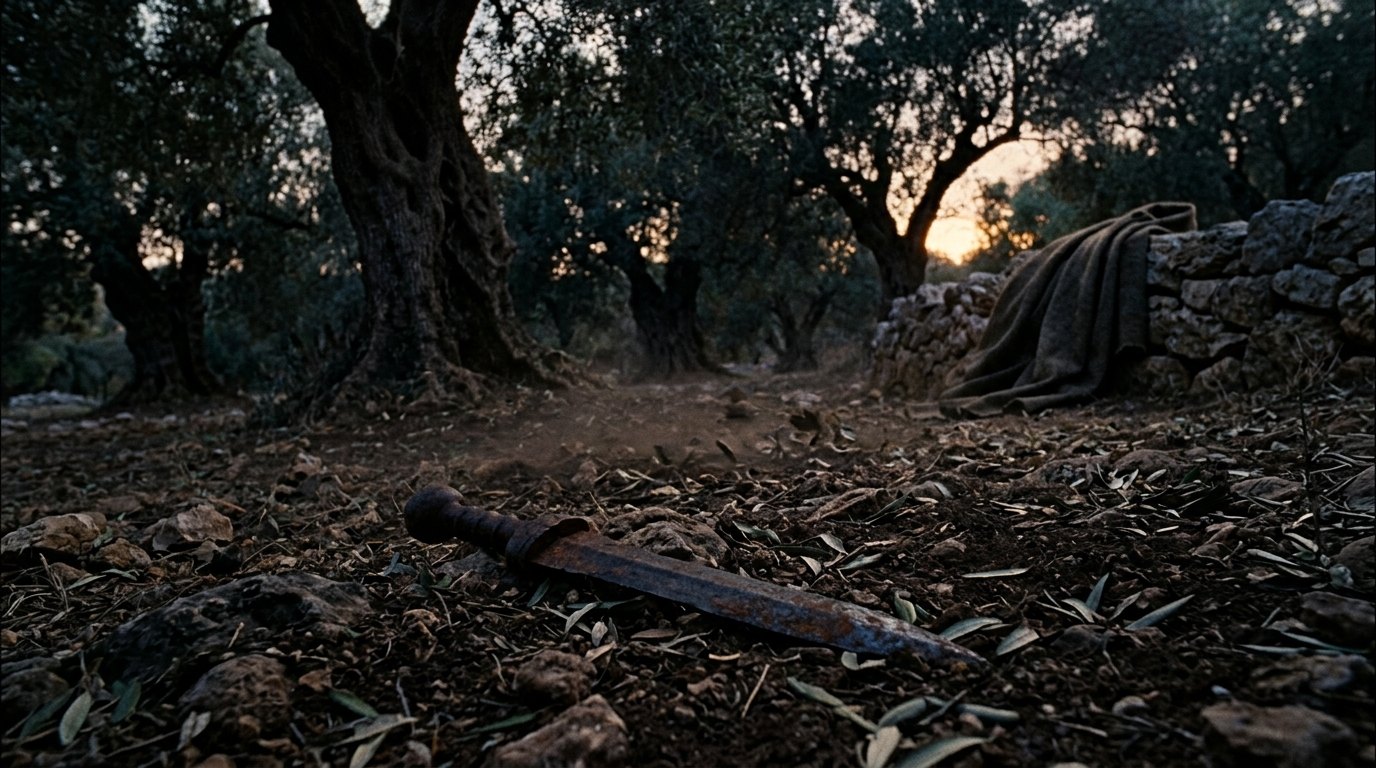
Luke 22:35-38
35 Then Jesus asked them, “When I sent you without purse, bag or sandals, did you lack anything?” “Nothing,” they answered.
36 He said to them, “But now if you have a purse, take it, and also a bag; and if you don’t have a sword, sell your cloak and buy one.
37 It is written: ‘And he was numbered with the transgressors’; and I tell you that this must be fulfilled in me. Yes, what is written about me is reaching its fulfillment.”
38 The disciples said, “See, Lord, here are two swords.” “That’s enough!” he replied.
New International Version (NIV)
The answer
Scripture’s verdict is neither “never defend yourself” nor “anything called self-defense is justified.” It recognizes the protection of life and gives precedents for armed defense, but it forbids personal revenge and never permits violence to advance Christ’s kingdom. A weapon is not inherently sinful; neither is it a proper object of ultimate trust.
Protection of life has biblical precedent
- Circumstances matter. Israel’s case law in Exodus 22:2-3 distinguishes a thief found breaking in from a case after sunrise: the first brings no guilt of bloodshed if the thief is struck and dies, while the second does. This was law given to Israel, not a modern criminal statute, but it prevents two errors—saying that defensive force is always murder, or claiming that killing a thief is automatically innocent whenever the label “self-defense” is used.
- Faith and practical defense can coexist. In Nehemiah 4:13-18, the builders guard their families with swords, spears and bows while continuing God’s work. Nehemiah tells them to remember the Lord and fight for their families and homes. Their precautions are not presented as unbelief.
- Protecting others requires action. Proverbs 24:11-12 commands the rescue of those being led away to death and rejects the excuse of convenient ignorance. Psalm 82:3-4 likewise commands defense of the weak and deliverance from the wicked. These texts call for protection and rescue, not private punishment.
What Jesus’ instruction to buy a sword does—and does not—mean
In Luke 22:35-38, Jesus contrasts the disciples’ earlier mission, when they lacked nothing, with the danger now approaching. He immediately connects the saying with his being counted with transgressors and the fulfillment of what concerns him; when two swords are produced, he answers, “That is enough.” Some understand the sword literally as prudent provision for self-protection; others take it as a vivid indication of the hostility about to surround the disciples.
The surrounding events rule out using these words to authorize armed religious conflict. When a disciple strikes the high priest’s servant, Jesus stops the violence and heals the injured man in Luke 22:49-51. In Matthew 26:52-54, he orders the sword put away and refuses armed rescue because the Scriptures concerning his suffering must be fulfilled. He explains in John 18:36 that his kingdom is not of this world; otherwise his servants would fight to prevent his delivery. No appeal to Luke 22 can justify forced conversions, armed evangelism or violence in Christ’s name.
Self-defense never becomes permission for revenge
Jesus commands turning the other cheek, going beyond what is demanded and actively loving enemies in Matthew 5:38-48. Romans 12:17-21 likewise forbids repaying evil for evil and taking personal vengeance, commanding peace where possible and good toward one’s enemy. These commands must govern the heart and conduct of anyone claiming to act defensively: stopping harm is not the same thing as settling a score, and fear or anger does not make hatred righteous.
Non-retaliation also does not require abandoning every lawful defense. Paul objects to an unlawful beating in Acts 22:25 and appeals against an unjust handover in Acts 25:10-11. He seeks protection through lawful means without attacking his accusers.
Civil authority has a distinct responsibility. Romans 13:1-4 says the governing authority does not bear the sword in vain, but serves God by restraining and punishing evil. That concerns public justice, not a license for private vengeance or for the church to coerce belief.
Christians differ over whether a disciple may personally use potentially lethal force. Anabaptist and other historic peace churches read Jesus’ commands and example as requiring nonviolence from his followers. Roman Catholic and many Protestant traditions distinguish necessary defense of life from revenge and permit defensive force within strict limits. That disagreement must not obscure what the texts plainly establish: revenge is forbidden, enemies must be loved, the vulnerable must be defended, and Christ’s kingdom must not be advanced by the sword.
Weapons are never the believer’s ultimate security
Preparation has its place: Proverbs 21:31 says the horse is prepared for battle, but victory belongs to the Lord. Psalm 20:7 contrasts trust in chariots and horses with trust in God’s name. Weapons may therefore be used without being trusted as saviors.
The church’s distinctive warfare is spiritual. Second Corinthians 10:3-5 says its weapons are not fleshly, and Ephesians 6:10-18 identifies its armor as truth, righteousness, the gospel, faith and salvation, with the word of God as the Spirit’s sword and prayer throughout. Physical arms can neither accomplish that mission nor replace dependence on God.
Answered from Scripture · reviewed November 11, 2026
Scripture does not reduce self-defense and weapons to a single proverb; it distinguishes between the duties of the civil magistrate, the protection of the innocent, and the personal posture of the disciple of Christ. While the law permits defense against violent assault and assigns lethal force to the state, Jesus forbids personal retaliation and calls His followers to trust their sovereign God.
The Law's Boundaries
The Mosaic law permits defense against nocturnal violence
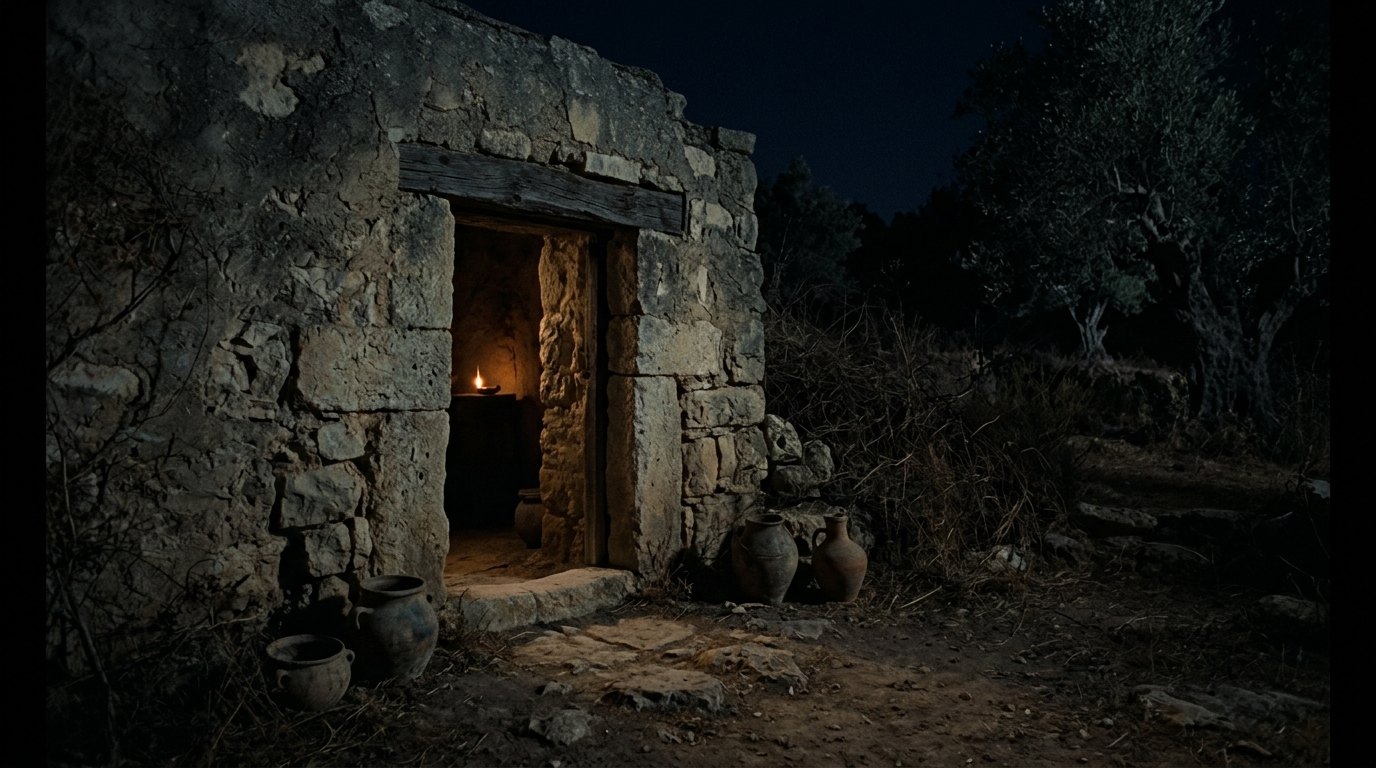
“If a thief is caught breaking in at night and is struck a fatal blow, the defender is not guilty of bloodshed;
Exodus 22:2 (NIV)
This verse explicitly removes bloodguilt when a homeowner strikes a thief breaking in under cover of darkness.
The Mosaic civil code recognizes a vital distinction between immediate defense against a lethal threat and unlawful vigilante vengeance, anchoring its jurisprudence in Exodus 22:2, where a homeowner incurs no bloodguilt for striking down a thief breaking in under darkness. Because nocturnal burglary hides the intruder's lethal intent and weapons, lethal resistance is treated as justifiable preservation of life. Yet in the very next verse, Exodus 22:3, the law specifies that if the sun has risen, shedding that thief's blood incurs bloodguilt, for daylight reveals intentions, allows community intervention, and distinguishes defensive preservation from unlawful retaliation.
This legal nuance rests on the foundational sanctity of human life established in Genesis 9:6, where God requires an accounting for bloodshed precisely because humanity is fashioned in the divine image. Protecting the innocent is not merely a negative concession; it is an active moral mandate. As Proverbs 24:11 urges, God's people must rescue those being led away to death and hold back those stumbling to slaughter, while Proverbs 24:12 warns that pleading ignorance will never absolve someone before God, who weighs every heart. Scripture consistently upholds the blamelessness of an assaulted person, as seen in Deuteronomy 22:26, which compares an ambushed innocent to one violently attacked in an open field without a rescuer, affirming the duty to protect the vulnerable.
| Passage | What it says |
|---|---|
| Exodus 22:2 | A thief struck and killed while breaking in at night incurs no bloodguilt for the defender. |
| Exodus 22:3 | If a thief is struck after sunrise, bloodguilt remains, distinguishing immediate life-threatening defense from retaliation. |
| Genesis 9:6 | God demands an accounting for innocent human blood, establishing the sacredness of human life made in His image. |
| Proverbs 24:11 | The wise are commanded to rescue those who are being led away to death and hold back those stumbling to slaughter. |
| Proverbs 24:12 | Affirms that God holds accountable those who excuse inaction when neighbors face lethal danger. |
| Deuteronomy 22:26 | Compares an innocent victim's plight under assault to one attacked by an aggressor in the field. |
Armed Community Defense
God's people prepared arms to protect families
After I looked things over, I stood up and said to the nobles, the officials and the rest of the people, “Don’t be afraid of them. Remember the Lord, who is great and awesome, and fight for your families, your sons and your daughters, your wives and your homes.”
Nehemiah 4:14 (NIV)
Nehemiah rallies the builders to fight courageously for their families while keeping their ultimate faith in God.
Throughout the history of ancient Israel, the defense of families, hearths, and the covenant community frequently required physical arms and disciplined vigilance. In Nehemiah 4:14, the governor rallies the trembling builders rebuilding Jerusalem's ruins: remember the Lord, great and awesome, and fight for your brothers, your sons, your daughters, your wives, and your homes. Courage did not displace weapons, nor did arms replace reliance upon God; rather, both operated together under sovereign providence.
This balance is vividly displayed in Nehemiah 4:17, where the laborers carried on the work with one hand while holding a weapon with the other, while Nehemiah 4:18 records that every builder kept his sword girded at his side as he labored upon the breaches. Such readiness was routine in dangerous territory, as when David commanded his men in 1 Samuel 25:13 to strap on their swords to safeguard their wilderness encampment. Similarly, in Esther 8:11, the royal decree permitted the imperiled Jews across the Persian empire to assemble and defend their lives against annihilation. Conversely, Scripture portrays disarmament by enemies as a consequence of national vulnerability: Judges 5:8 laments that among forty thousand in Israel not a spear or shield was seen, and 1 Samuel 13:19 records how Philistine oppressors removed every blacksmith from Israel to keep the covenant people completely defenseless.
| Passage | What it says |
|---|---|
| Nehemiah 4:14 | Nehemiah urges the people to remember the Lord and fight for their brothers, sons, daughters, wives, and homes. |
| Nehemiah 4:17 | Builders labor with one hand on the wall and the other grasping a weapon to withstand ambush. |
| Nehemiah 4:18 | Every builder wears his sword girded by his side while constructing the city walls. |
| 1 Samuel 25:13 | David commands his men to strap on their swords to defend their encampment and interests in the wilderness. |
| Esther 8:11 | Records royal decree granting the Jewish people the legal right to assemble and defend their lives. |
| Judges 5:8 | Laments that when Israel turned to new gods, no shield or spear was seen among forty thousand. |
| 1 Samuel 13:19 | Describes the Philistines disarming Israel by removing blacksmiths so they could not fashion swords. |
The Upper Room
Jesus commands preparation yet checks martial reliance

He said to them, “But now if you have a purse, take it, and also a bag; and if you don’t have a sword, sell your cloak and buy one.
Luke 22:36 (NIV)
Jesus explicitly commands His disciples to acquire a sword, marking a stark change in their historical mission posture.
On the night of His betrayal, Christ altered the operational conditions of His apostles' mission, moving them from supernatural hospitality to standard earthly provisions. In Luke 22:35, Jesus reminds His followers of their initial Galilean preaching tour, asking whether they lacked anything when sent without moneybag, knapsack, or sandals, to which they answer, "Nothing." But in Luke 22:36, Christ establishes a sober turning point: he who has no sword must sell his cloak and buy one, marking an era where they would face hostile roads, bandits, and persecution as ordinary pilgrims in a fallen world.
Yet Jesus immediately clarifies the ultimate prophetic framework for this instruction in Luke 22:37, declaring that the scripture must be fulfilled in Him: He was numbered with the transgressors, directly echoing the prophecy of Isaiah 53:12. Their possession of steel would outwardly brand them with the social appearance of a band of rebels, fulfilling the ancient prophetic designation of the suffering Servant. When the disciples take His words in an overtly militaristic sense, replying in Luke 22:38, "Look, Lord, here are two swords," Jesus cuts short the conversation with, "It is enough." Two short blades were entirely insufficient for an armed rebellion against Rome or the temple guard, proving that Jesus was neither equipping an army nor establishing a political militia.
| Passage | What it says | Fulfilled |
|---|---|---|
| Luke 22:35 | Jesus reminds His disciples that they lacked nothing when He sent them out without purse, bag, or sandals. | |
| Luke 22:36 | Jesus instructs whoever has no sword to sell his cloak and buy one for the coming season. | |
| Luke 22:37 | Jesus explains that the prophecy stating He would be numbered with the transgressors must now be fulfilled. | Isaiah 53:12 |
| Luke 22:38 | The disciples produce two swords, and Jesus dismisses further weapon procurement by saying it is enough. |
The Arrest in Gethsemane
The kingdom of Christ is not advanced by swords

“Put your sword back in its place,” Jesus said to him, “for all who draw the sword will die by the sword.
Matthew 26:52 (NIV)
Christ warns Peter that relying on the sword leads to destruction, barring armed defense of His messianic mission.
When violence erupted in the Garden of Gethsemane, Christ definitively barred His disciples from using weapons to advance His messianic kingdom or avert His sacrificial death. As recorded in Matthew 26:51, an impulsive disciple drew his sword and struck the high priest's servant, severing his ear. Jesus immediately halted the altercation, commanding in Matthew 26:52, Put your sword back into its place, for all who take the sword will perish by the sword, warning that an unlawful resort to martial violence breeds retributive destruction.
Christ made plain that physical weapons were wholly unnecessary for His defense: in Matthew 26:53, He states that His Father stood ready to dispatch more than twelve legions of angels at His mere request. Armed defense was not only powerless against spiritual darkness, but it threatened the eternal plan of redemption. In John 18:11, Jesus rebukes Peter directly: "Put your sword into its sheath; shall I not drink the cup that the Father has given me?" When questioned later by the Roman governor, Christ explains the heavenly character of His reign in John 18:36: My kingdom is not of this world; if my kingdom were of this world, my servants would have been fighting, that I might not be delivered over to the Jews. Christ's kingdom conquers not through the edge of the sword, but through the blood of the cross.
| Passage | What it says |
|---|---|
| Matthew 26:51 | A disciple draws his sword and cuts off the ear of the high priest's servant in defense of Jesus. |
| Matthew 26:52 | Jesus commands the sword returned to its place, warning that all who take the sword perish by it. |
| Matthew 26:53 | Jesus states His Father could instantly provide more than twelve legions of angels to defend Him if desired. |
| John 18:11 | Jesus orders Peter to sheath his sword, accepting the cup of suffering given by the Father. |
| John 18:36 | Jesus tells Pilate His kingdom is not of this world, otherwise His servants would fight to prevent His delivery. |
Personal Non-Retaliation
Disciples surrender private vengeance to the Lord

Do not take revenge, my dear friends, but leave room for God’s wrath, for it is written: “It is mine to avenge; I will repay,” says the Lord.
Romans 12:19 (NIV)
Paul explicitly forbids private revenge, reserving judicial wrath exclusively for the sovereign judgment of God.
In Romans 12:19, the Apostle Paul issues an uncompromising command: "Beloved, never avenge yourselves, but leave it to the wrath of God, for it is written, 'Vengeance is mine, I will repay, says the Lord.'" This radical principle of personal non-retaliation stands at the center of Christian discipleship. While civil authorities possess a mandate to enforce public order, the private believer is explicitly forbidden from taking vengeance into their own hands.
This ethic directly reflects the teaching of the Lord Jesus Christ in the Sermon on the Mount. Recalling the judicial guideline of "an eye for an eye and a tooth for a tooth" (Matthew 5:38), Jesus strips away personal vindictiveness, instructing His followers, "Do not resist the one who is evil. But if anyone slaps you on the right cheek, turn to him the other also" (Matthew 5:39). Rather than engaging in retaliatory lawsuits over garments (Matthew 5:40) or rebelling against burdensome imperial conscription (Matthew 5:41), believers are summoned to demonstrate otherworldly charity. Jesus expands this posture in Luke 6:27-28, commanding His people to love their enemies, do good to those who hate them, bless those who curse them, and pray for those who abuse them.
The apostolic epistles reinforce this high calling across the early church. Paul urges believers to feed a hungry enemy and give water to a thirsty adversary (Romans 12:20), declaring the ultimate goal of the Christian life: "Do not be overcome by evil, but overcome evil with good" (Romans 12:21). Writing to Thessalonica, he commands the congregation to see that no one repays anyone evil for evil, but always to seek what is good for each other and everyone (1 Thessalonians 5:15). Peter echoes this standard, warning believers never to repay evil with evil or reviling with reviling, but rather to bless, knowing they are called to inherit a blessing (1 Peter 3:9). Disciples yield personal grievances to God's ultimate justice.
| Passage | What it says |
|---|---|
| Matthew 5:38 | Jesus cites the judicial standard of an eye for an eye and a tooth for a tooth. |
| Matthew 5:39 | Jesus instructs His disciples not to resist an evil person by force, offering the other cheek when struck. |
| Luke 6:27 | Jesus commands His followers to love their enemies and do good to those who hate them. |
| Romans 12:19 | Believers are instructed never to avenge themselves but to leave room for the wrath of God. |
| Romans 12:21 | Paul exhorts the church not to be overcome by evil, but to overcome evil with good. |
| Matthew 5:40 | Instructs disciples not to litigate over personal garments but to yield graciously. |
| Matthew 5:41 | Commands going the extra mile rather than resisting compelled civil service. |
| Luke 6:28 | Directs believers to bless those who curse them and pray for those who mistreat them. |
| Romans 12:20 | Commands feeding an enemy and giving him drink to overcome evil with good. |
| 1 Thessalonians 5:15 | Exhorts believers to ensure nobody pays back wrong for wrong but always pursues good. |
| 1 Peter 3:9 | Warns against repaying evil with evil or insult with insult, calling for blessing instead. |
The Civil Sword
God ordains magistrates to execute earthly justice

For the one in authority is God’s servant for your good. But if you do wrong, be afraid, for rulers do not bear the sword for no reason. They are God’s servants, agents of wrath to bring punishment on the wrongdoer.
Romans 13:4 (NIV)
The civil ruler is identified as God's servant bearing the sword to punish wrongdoers and protect the peaceful.
While private vengeance is prohibited for the individual, Scripture establishes that God has instituted the civil magistrate specifically to restrain wicked behavior and defend the innocent. In Romans 13:4, Paul identifies the governing authority as "God’s servant for your good," warning that "if you do wrong, be afraid, for he does not bear the sword in vain; for he is the servant of God, an avenger who carries out God’s wrath on the wrongdoer." The sword in this context represents the state's legitimate, divinely authorized use of coercive and even lethal force to execute justice and maintain civic peace.
Every believer is therefore called to be subject to governing authorities, recognizing that all earthly governance is established by sovereign decree (Romans 13:1), and resisting legitimate civic authority invites divine judgment (Romans 13:2). Rulers are meant to be a terror not to good conduct, but to bad (Romans 13:3). Peter similarly directs Christians to submit to human institutions, whether to the king as supreme or to governors sent by him to punish those who do evil and praise those who do good (1 Peter 2:13-14).
Scripture nowhere condemns the military or policing vocations as inherently sinful. When soldiers approached John the Baptist asking what repentance required, he did not demand that they lay down their weapons, but instructed them not to extort money through threats or false accusations, and to be content with their wages (Luke 3:14). Cornelius, a centurion in the Roman cohort, was praised as a devout and God-fearing man who gave alms and prayed continually, receiving the gospel without abandoning his rank (Acts 10:1-2). When Paul discovered a conspiracy against his life, he sent word to the military commander (Acts 23:17), who dispatched two hundred soldiers, seventy horsemen, and two hundred spearmen to guard him safely (Acts 23:23), demonstrating a legitimate appeal to civil protection.
| Passage | What it says |
|---|---|
| Romans 13:1 | Every person is commanded to be subject to governing authorities because God institutes all earthly authority. |
| Romans 13:3 | Rulers do not bear terror for good conduct, but for bad conduct that harms the public peace. |
| Romans 13:4 | The governing ruler is God's servant bearing the sword as an avenger carrying out wrath on evildoers. |
| 1 Peter 2:13 | Believers must submit to every human institution for the Lord's sake, whether king or governor. |
| 1 Peter 2:14 | Governors are sent by God to punish those who do evil and to praise those who do good. |
| Romans 13:2 | Warns that resisting governing authorities brings judgment upon those who oppose God's ordinance. |
| Luke 3:14 | Tells soldiers not to extort or accuse falsely, but to be content with their pay. |
| Acts 10:1 | Introduces Cornelius the centurion as a devout, God-fearing soldier whose prayers God received. |
| Acts 10:2 | Describes the military officer's devotion and generosity to the people and continual prayer. |
| Acts 23:17 | Shows Paul requesting military protection from the centurion against an ambush plot. |
| Acts 23:23 | Records the Roman commander dispatching hundreds of armed soldiers to safely guard Paul. |
The Ultimate Protector
True security belongs to the Lord alone

Unless the LORD builds the house, the builders labor in vain. Unless the LORD watches over the city, the guards stand watch in vain.
Psalms 127:1 (NIV)
This verse reminds all builders and watchmen that human vigilance is utterly vain without God's preservation.
Human vigilance and earthly arms have their place in civic duty, yet Scripture insists that true, ultimate security rests exclusively in the sovereign protection of Almighty God. As the psalmist writes in Psalms 127:1, "Unless the Lord builds the house, those who build it labor in vain. Unless the Lord watches over the city, the watchman stays awake in vain." Human walls, sentries, and weapons can offer no lasting guarantee of safety apart from God's preserving providence.
This dependence on the divine arm rather than human instruments runs throughout the biblical record. The faithful proclaim, "Some trust in chariots and some in horses, but we trust in the name of the Lord our God" (Psalms 20:7). Earthly strength is inherently limited: no earthly king is saved by the multitude of an army, nor is a warrior delivered by sheer physical prowess (Psalms 33:16). Although "the horse is made ready for the day of battle," Scripture reminds us that "the victory belongs to the Lord" (Proverbs 21:31). The psalmist acknowledges this balance by confessing that he will not trust in his bow, nor will his sword save him (Psalms 44:6), because salvation from adversaries comes from God alone (Psalms 44:7).
Even when God providentially equips David, training his hands for war and his fingers for battle (Psalms 144:1), the monarch never placed his faith in the steel itself. When young David confronted Goliath, he confronted an enemy equipped with sword, spear, and javelin by declaring that he came in the name of the Lord of hosts (1 Samuel 17:45), proclaiming to the gathered armies that "the Lord saves not with sword and spear; for the battle is the Lord's" (1 Samuel 17:47). Resting in this reality, believers maintain contentment, knowing God will never leave nor forsake them (Hebrews 13:5), declaring boldly, "The Lord is my helper; I will not fear; what can man do to me?" (Hebrews 13:6).
| Passage | What it says |
|---|---|
| Psalms 20:7 | Some trust in chariots and some in horses, but God's people trust in the name of the Lord. |
| Psalms 33:16 | No king is saved by the size of an army, and no warrior escapes by great strength alone. |
| Psalms 127:1 | Unless the Lord watches over the city, the watchman stays awake in vain. |
| Proverbs 21:31 | The horse is made ready for the day of battle, but victory belongs entirely to the Lord. |
| Hebrews 13:5 | Christians are commanded to be content without fear, resting in God's promise never to leave or forsake them. |
| Hebrews 13:6 | The believer can confidently say the Lord is his helper, so he will not fear what man can do. |
| Psalms 44:6 | Declares that the psalmist does not trust in his bow or sword for ultimate victory. |
| Psalms 44:7 | Affirms that salvation from adversaries is accomplished by God alone. |
| Psalms 144:1 | Praises the Lord as a rock who trains David's hands for battle and fingers for war. |
| 1 Samuel 17:45 | Declares David's reliance on the Lord of hosts against Goliath's sword, spear, and javelin. |
| 1 Samuel 17:47 | Proclaims that the Lord does not save with sword or spear, for the battle is the Lord's. |
Spiritual Warfare Weapons
Believers fight spiritual evil with God's Word and armor

The weapons we fight with are not the weapons of the world. On the contrary, they have divine power to demolish strongholds.
2 Corinthians 10:4 (NIV)
It defines the primary weapons of the believer as spiritual power rather than earthly force.
The ultimate conflict confronting the follower of Christ is not fought with physical steel or modern firearms, but in the spiritual realm against unseen powers of darkness. Paul explains in 2 Corinthians 10:4 that "the weapons of our warfare are not of the flesh but have divine power to destroy strongholds." Earthly weaponry is entirely powerless against sin, spiritual blindness, demonic deceit, and death; only the spiritual armory supplied by God can wage this decisive campaign.
Writing to Corinth, the Apostle clarifies that although Christians walk in human weakness, they do not wage war according to worldly standards (2 Corinthians 10:3). The real struggle requires a vastly superior arsenal. Paul commands the church in Ephesus to "be strong in the Lord and in the strength of his might" (Ephesians 6:10) and to put on the complete armor of God so they can stand firm against the devil’s multifaceted schemes (Ephesians 6:11).
The true nature of Christian warfare becomes clear in Ephesians 6:12: "For we do not wrestle against flesh and blood, but against the rulers, against the authorities, against the cosmic powers over this present darkness, against the spiritual forces of evil in the heavenly places." Because the adversary is spiritual, no physical weapon can secure victory. The disciple is called to take up truth, righteousness, the gospel of peace, faith, and the helmet of salvation, wielding a single offensive weapon: "the sword of the Spirit, which is the word of God" (Ephesians 6:17). Grounded in divine truth and bathed in persistent prayer, the believer engages in the only warfare that carries eternal weight.
| Passage | What it says |
|---|---|
| 2 Corinthians 10:3 | States that although believers live in the flesh, they do not wage war according to the flesh. |
| 2 Corinthians 10:4 | Explains that the weapons of Christian warfare are divine and spiritual to destroy strongholds. |
| Ephesians 6:10 | Exhorts disciples to be strong in the Lord and in the power of His might. |
| Ephesians 6:11 | Commands putting on the whole armor of God to stand against the devil's schemes. |
| Ephesians 6:12 | Clarifies that our struggle is not against flesh and blood but against spiritual forces of evil. |
| Ephesians 6:17 | Identifies the sword of the Spirit as the Word of God in spiritual battle. |
The Eschatological Disarmament
Messiah will banish weapons and establish everlasting global peace

He will judge between the nations and will settle disputes for many peoples. They will beat their swords into plowshares and their spears into pruning hooks. Nation will not take up sword against nation, nor will they train for war anymore.
Isaiah 2:4 (NIV)
It reveals the ultimate divine destiny where all weapons of violence are permanently turned into instruments of life.
The final horizon of biblical revelation does not leave humanity locked in perpetual self-defense, but declares a day when God Himself disarms the earth. In Isaiah 2:4, the prophet beholds the mountain of the Lord established above the hills, judging between nations until they beat their swords into plowshares and their spears into pruning hooks. The very metals forged to inflict death and preserve fragile earthly security are irrevocably recast into tools of cultivation, abundance, and life. Nation shall not lift up sword against nation, neither shall they learn war anymore. The same vision is reiterated word for word in Micah 4:3, underscoring that God's coming kingdom brings the total obsolescence of weaponry. When divine righteousness governs the nations directly, the fear and aggression that necessitated defense are swallowed up in perfect peace. This redemptive cessation of violence is rooted in God's covenant mercy. In Hosea 2:18, the Lord promises to make a covenant for His people that will break the bow, the sword, and the battle out of the earth, causing them to lie down in untroubled safety. No longer will security depend on walls, sentries, or drawn blades, for God Himself will be their defense. Finally, Zechariah 9:10 confirms how this transformation arrives: the coming King will cut off the chariot from Ephraim and the war horse from Jerusalem, snapping the battle bow and speaking peace directly to the nations. His dominion stretches from sea to sea, not through human armaments, but through the triumph of the Prince of Peace. While believers navigate an imperfect, fallen age where physical danger persists, the Christian's ultimate hope rests in the everlasting disarmament of the world, when Christ abolishes every weapon and establishes righteousness forever.
| Passage | What it says |
|---|---|
| Isaiah 2:4 | Prophesies nations beating swords into plowshares and spears into pruning hooks in the kingdom. |
| Micah 4:3 | Reiterates the transformation of weapons of war into tools of harvest when God judges the nations. |
| Hosea 2:18 | Promises a covenant where bow, sword, and battle are abolished so God's people lie down in safety. |
| Zechariah 9:10 | Foretells Messiah cutting off war chariots and battle bows, speaking peace to the nations. |
Where in the Bible
| Book | Passages |
|---|---|
| Genesis | 1 · Genesis 9:6 |
| Exodus | 2 · Exodus 22:2, Exodus 22:3 |
| Deuteronomy | 1 · Deuteronomy 22:26 |
| Judges | 1 · Judges 5:8 |
| 1 Samuel | 4 · 1 Samuel 25:13, 1 Samuel 13:19, 1 Samuel 17:45, 1 Samuel 17:47 |
| Nehemiah | 3 · Nehemiah 4:14, Nehemiah 4:17, Nehemiah 4:18 |
| Esther | 1 · Esther 8:11 |
| Psalms | 6 · Psalms 20:7, Psalms 33:16, Psalms 127:1, Psalms 44:6, Psalms 44:7, Psalms 144:1 |
| Proverbs | 3 · Proverbs 24:11, Proverbs 24:12, Proverbs 21:31 |
| Isaiah | 1 · Isaiah 2:4 |
| Hosea | 1 · Hosea 2:18 |
| Micah | 1 · Micah 4:3 |
| Zechariah | 1 · Zechariah 9:10 |
| Matthew | 7 · Matthew 26:51, Matthew 26:52, Matthew 26:53, Matthew 5:38, Matthew 5:39, Matthew 5:40, Matthew 5:41 |
| Luke | 7 · Luke 22:35, Luke 22:36, Luke 22:37, Luke 22:38, Luke 6:27, Luke 6:28, Luke 3:14 |
| John | 2 · John 18:11, John 18:36 |
| Acts | 4 · Acts 10:1, Acts 10:2, Acts 23:17, Acts 23:23 |
| Romans | 7 · Romans 12:19, Romans 12:21, Romans 12:20, Romans 13:1, Romans 13:3, Romans 13:4, Romans 13:2 |
| 2 Corinthians | 2 · 2 Corinthians 10:3, 2 Corinthians 10:4 |
| Ephesians | 4 · Ephesians 6:10, Ephesians 6:11, Ephesians 6:12, Ephesians 6:17 |
| 1 Thessalonians | 1 · 1 Thessalonians 5:15 |
| Hebrews | 2 · Hebrews 13:5, Hebrews 13:6 |
| 1 Peter | 3 · 1 Peter 3:9, 1 Peter 2:13, 1 Peter 2:14 |
The story in order
- God establishes the sanctity of life (c. 2350 BC) · Genesis 9:6 · Establishes accountability for shedding innocent blood.
- Law permits defense against nocturnal threat (c. 1450 BC) · Exodus 22:2 · Distinguishes lethal defense at night from retaliation.
- Israel lacks arms in times of apostasy (c. 1100 BC) · Judges 5:8 · Shows the absence of weapons when God's people turned from Him.
- David's men prepare for wilderness defense (c. 1020 BC) · 1 Samuel 25:13 · Demonstrates preparation for armed self-defense.
- Philistines disarm Israel (c. 1000 BC) · 1 Samuel 13:19 · Highlights the strategic importance of controlling weapons.
- Wise commanded to rescue the endangered (c. 900 BC) · Proverbs 24:11 · Urges action to save those facing death.
- Nehemiah rallies armed community defense (c. 445 BC) · Nehemiah 4:14 · Calls for fighting for family and home.
- Jews granted right to defend lives (c. 470 BC) · Esther 8:11 · Records legal authorization for self-defense.
- Jesus commands preparation, but limits reliance (AD 30) · Luke 22:36 · Instructs disciples to buy swords for the coming season.
- Jesus forbids sword use in Gethsemane (AD 30) · Matthew 26:52 · Warns against taking the sword; kingdom not advanced by force.
- Jesus teaches non-retaliation (AD 30) · Matthew 5:39 · Instructs disciples to turn the other cheek.
- Paul explains the civil sword (c. AD 57) · Romans 13:4 · Magistrate bears the sword as God's servant for justice.
- Paul describes spiritual warfare weapons (c. AD 57) · 2 Corinthians 10:4 · Christian weapons are divine and spiritual, not carnal.
- Isaiah prophesies eschatological disarmament (c. 700 BC) · Isaiah 2:4 · Nations will beat swords into plowshares.
The Civil Sword vs. The Disciple's Sword
| Civil Authority | Disciple's Posture | Passage |
|---|---|---|
| God institutes governing authorities. | Rulers bear the sword as God's servant for wrath on evildoers. | |
| Governors punish evil and praise good. | Believers submit to authorities for the Lord's sake. | 1 Peter 2:13-14 |
| Jesus' kingdom is not of this world, or His servants would fight. | Jesus commands Peter to put away his sword. | |
| Jesus warns: 'all who take the sword will perish by the sword.' | Disciples are called to love enemies and not resist evil persons. | |
| Believers are to be content with their pay (soldiers). | Believers are to overcome evil with good. |
Progression of Disarmament
| Era | Prophecy/Event | Outcome | Passage |
|---|---|---|---|
| Mosaic Law | Defense permitted against nocturnal threat (Exodus 22:2). | Life and property protection allowed under specific conditions. | Exodus 22:2 |
| Kingdom Era | Community defense prepared (Nehemiah 4:17-18). | Arms used to protect families and homes. | Nehemiah 4:17-18 |
| Jesus' Ministry | Disciples told to buy swords (Luke 22:36). | Jesus forbids their use, kingdom not of this world (Matthew 26:52; John 18:36). | |
| Apostolic Age | Civil magistrate bears the sword (Romans 13:4). | Spiritual warfare waged with divine weapons (2 Corinthians 10:4). | |
| Eschaton (End Times) | Nations beat swords into plowshares (Isaiah 2:4). | Messiah abolishes war and establishes global peace. |
Key words
- Sword (ḥereḇ, חֶרֶב)
- A weapon used for combat, defense, and by the civil magistrate. · Matthew 26:52
- Fight (maláḥ, מָלַח)
- To engage in physical combat or war. · Nehemiah 4:14
- Defend (šāma', שָׁמַע)
- To protect from harm or danger. · Nehemiah 4:14
- Resist (antístēmi, ἀνθίστημι)
- To oppose or withstand by force. · Matthew 5:39
- Sword of the Spirit (rhomphaia tou pneumatos, ῥομφαία τοῦ πνεύματος)
- The Word of God, used in spiritual warfare. · Ephesians 6:17
- Civil Sword (rhomphaia, ῥομφαία)
- The authority of the magistrate to use lethal force. · Romans 13:4
Believers are called to walk in sober wisdom, loving their neighbors while refusing personal vengeance or bloodlust. Whether upholding justice through lawful vocation or bearing persecution without retaliation, the disciple rests securely under the ultimate protection of the Lord.
65 passages, each cited once.
How the major Christian traditions read this
All major Christian traditions agree that innocent life is sacred, personal malice or vengeance is strictly forbidden, and violence may never be used to advance Christ's spiritual kingdom (Romans 12:19; John 18:36).
Catholic
We teach that the preservation of life is a moral duty rooted in love for oneself and others. Scripture commands us to protect the vulnerable (Proverbs 24:11-12). In Catholic moral theology, legitimate defense is not an exception to the prohibition against murder; rather, one's intention is to save an innocent life, while the harm inflicted on the aggressor is an unintended, proportionate consequence (Exodus 22:2-3). Jesus tells his disciples to prepare for worldly hardship by securing what is needful, even saying, 'let him sell his cloak, and buy a sword' (Luke 22:36). While Christ forbids hatred and vengeance, defending one's family or community remains an act of charity, not murder.
Scripture: Proverbs 24:11-12, Exodus 22:2-3, Luke 22:36
Orthodox
The Orthodox Church views violence as a tragic consequence of a fallen world, never inherently good. While we revere military saints and recognize a duty to defend the weak and vulnerable (Psalm 82:3-4; Nehemiah 4:14), shedding human blood always causes spiritual harm. Canons of the Church prescribe pastoral penance even for soldiers defending others in lawful conflict, acknowledging the deep wound sin inflicts on the soul. Christ’s instruction in Luke 22:36 warned the apostles of the violent hostility they would face, but when Peter struck with the sword, Christ healed the wounded man (Luke 22:51). Defense of others may be necessary, but non-violence and bearing injury remain the higher spiritual ideal.
Scripture: Psalms 82:3-4, Nehemiah 4:14, Luke 22:36, Luke 22:51
Lutheran
We distinguish between the two kingdoms through which God governs: the spiritual kingdom of the Gospel and the earthly kingdom of the law. As private Christians before God, we turn the other cheek and suffer injury patiently according to Christ’s command in Matthew 5:39. Yet as citizens, parents, and neighbors, God calls us to love our neighbor by protecting them from harm. Scripture affirms the civil magistrate's sword to restrain evil (Romans 13:4) and commends defending home and family (Nehemiah 4:14). Bearing a weapon for the defense of the defenseless fulfills one's earthly calling, provided our ultimate trust rests in the Lord alone rather than in the sword.
Scripture: Matthew 5:39, Romans 13:4, Nehemiah 4:14
Reformed & Presbyterian
The Reformed tradition confesses that God’s moral law requires us not only to avoid murder, but actively to protect and preserve human life. The Sixth Commandment obliges us to rescue those led toward slaughter and deliver the oppressed (Proverbs 24:11; Psalm 82:3-4). Israel's civil laws recognized the right to defend home and family against violent intrusion (Exodus 22:2-3), and Nehemiah rightly armed the workers to protect their households (Nehemiah 4:14-18). When Jesus spoke of buying a sword in Luke 22:36, he recognized the perilous realities facing his disciples in the world. While we never take personal revenge or advance the gospel by force, preserving innocent life with proportionate means honors God.
Scripture: Proverbs 24:11, Psalms 82:3-4, Exodus 22:2-3, Nehemiah 4:14-18, Luke 22:36
Anglican & Episcopal
Our tradition affirms that Christians may lawfully bear arms at the command of the magistrate and for the necessary defense of neighbor and nation, as recognized in the Thirty-Nine Articles (Article 37). God entrusts the sword to civil rulers to punish evil and preserve peace (Romans 13:4). In personal conduct, Scripture distinguishes between bearing personal insult, where we follow Jesus in turning the other cheek (Matthew 5:39), and shielding the innocent from mortal danger, where we are commanded to deliver the weak (Psalm 82:3-4). Prudent preparation and defensive force are permitted to preserve life, provided they are governed by charity and never slide into private vengeance or bloodlust.
Scripture: Romans 13:4, Matthew 5:39, Psalms 82:3-4
Baptist
We look directly to the authority of Scripture, which upholds the right and duty to protect one's household. When rebuilding Jerusalem, Nehemiah commanded the people to remember the Lord and fight for their brothers, sons, daughters, and wives (Nehemiah 4:14). Scripture also commands the rescue of those facing mortal threat (Proverbs 24:11-12). In Luke 22:36, the Lord acknowledged the practical dangers his followers would encounter. While Matthew 5:39 forbids retaliating against personal insults or harboring revenge (Romans 12:19), it does not command a believer to let a violent intruder harm his family. God permits defensive arms for protection, though our ultimate refuge remains in the Lord.
Scripture: Nehemiah 4:14, Proverbs 24:11-12, Luke 22:36, Matthew 5:39, Romans 12:19
Methodist & Wesleyan
Rooted in holy love, our tradition stresses the call to peace and reconciliation. Jesus plainly commanded us to love our enemies and turn the other cheek (Matthew 5:39, 44), rejecting violence as a way of life. When his disciple drew a sword, Jesus commanded him to put it away, declaring that those who live by the sword perish by it (Matthew 26:52). While recognizing that the protection of the innocent may require restraint or intervention in a fallen world (Proverbs 24:11), we view lethal self-defense as a tragic breakdown rather than a virtuous right. Christians must pursue peace, de-escalation, and spiritual weapons above carnal reliance on firearms or blades.
Scripture: Matthew 5:39, Matthew 5:44, Matthew 26:52, Proverbs 24:11
Pentecostal & Charismatic
We believe our primary battle is not against flesh and blood, but against spiritual powers of darkness (Ephesians 6:12). While Scripture recognizes the protection of life (Nehemiah 4:14) and acknowledges practical prudence (Luke 22:36), our real defense is the supernatural protection of the Holy Spirit and the angels of God (Psalm 91:1-4). Believers are warned against placing their faith in horses, chariots, or weapons (Psalm 20:7). While carrying or using defensive tools to protect one’s family is not condemned as sin, a Christian’s security must rest completely in God’s power, walking in the authority of prayer and spiritual discernment rather than physical force.
Scripture: Ephesians 6:12, Nehemiah 4:14, Luke 22:36, Psalms 91:1-4, Psalms 20:7
Non-denominational & Evangelical
We look to the plain teaching of God's Word: weapons are tools, not objects of worship or inherent evils. Nehemiah led God's people to arm themselves for the defense of their homes while placing their trust in the Lord (Nehemiah 4:14, 20). Exodus 22:2 shows God’s law did not treat stopping a violent nighttime intruder as bloodguilt. Jesus noted the practical realities of travel in Luke 22:36 when he said to buy a sword, yet he healed the servant in Luke 22:51 to reject armed revolt. Believers are called to turn the cheek to personal insults (Matthew 5:39) but may responsibly use defensive force to shield the innocent.
Scripture: Nehemiah 4:14, Exodus 22:2, Luke 22:36, Luke 22:51, Matthew 5:39
Where they differ
The moral legitimacy of lethal self-defense
- Catholic
- Permitted as proportionate defense to save innocent life without intent to kill.
- Orthodox
- Tragic necessity that still brings spiritual sorrow and requires pastoral penance.
- Lutheran
- Vocationally permissible to protect neighbor, though personal vengeance remains forbidden.
- Reformed & Presbyterian
- Affirmed under the Sixth Commandment as a duty to preserve human life.
- Anglican & Episcopal
- Lawful when necessary to protect innocent life, distinct from unlawful private retaliation.
- Baptist
- Biblically justified to protect one's household and family against violent aggressors.
- Methodist & Wesleyan
- Urges strict non-violence and restraint, viewing lethal force as a tragic failure.
- Pentecostal & Charismatic
- Allowable for family protection, but believers should rely primarily on divine deliverance.
- Non-denominational & Evangelical
- Biblically allowed to protect the innocent, while personal revenge is strictly barred.
Scripture: Exodus 22:2-3, Matthew 5:39, Romans 12:19
Meaning of Jesus commanding swords in Luke
- Catholic
- Acknowledges prudent preparation for worldly dangers facing disciples after His departure.
- Orthodox
- Points to approaching perilous hostility, fulfilled when He heals the wounded servant.
- Lutheran
- Reflects the harsh earthly realities the disciples would encounter in their callings.
- Reformed & Presbyterian
- Recognizes ordinary prudence and legitimate protection against bandits during dangerous travels.
- Anglican & Episcopal
- Warns of coming temporal peril, contrasting with the prior peaceful mission journeys.
- Baptist
- Validates reasonable, practical measures for personal protection in a hostile world.
- Methodist & Wesleyan
- Understood primarily as a metaphor for intense spiritual and temporal trials.
- Pentecostal & Charismatic
- Illustrates real worldly danger, though disciples are ultimately preserved by God's Spirit.
- Non-denominational & Evangelical
- Shows practical defensive provision is not inherently wrong in a dangerous world.
Scripture: Luke 22:36-38, Luke 22:49-51, Matthew 26:52
Your pastor can tell you where your church stands.
Scripture cited
- Luke 22:35-38
- Luke 22:39-53
- Exodus 22:2-3
- Nehemiah 4:13-18
- Matthew 5:38-48
- Romans 12:17-21
- Romans 13:1-7
- John 18:33-37
- Proverbs 24:11-12
- Psalms 20:6-8
- Proverbs 21:31
- Matthew 26:47-56