What is Jerusalem's place in the Bible?
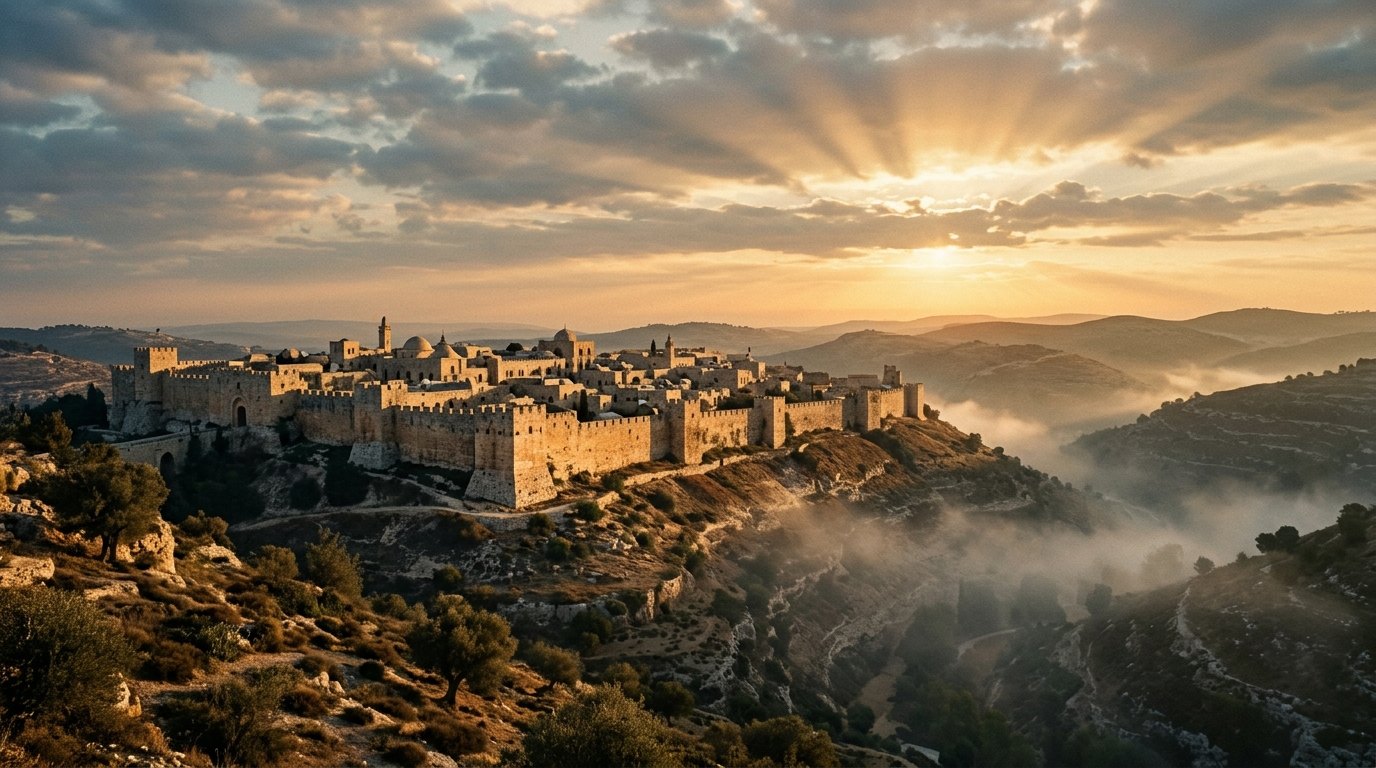
Psalms 122
1 I rejoiced with those who said to me, “Let us go to the house of the LORD.”
2 Our feet are standing in your gates, Jerusalem.
3 Jerusalem is built like a city that is closely compacted together.
4 That is where the tribes go up— the tribes of the LORD— to praise the name of the LORD according to the statute given to Israel.
5 There stand the thrones for judgment, the thrones of the house of David.
6 Pray for the peace of Jerusalem: “May those who love you be secure.
7 May there be peace within your walls and security within your citadels.”
8 For the sake of my family and friends, I will say, “Peace be within you.”
9 For the sake of the house of the LORD our God, I will seek your prosperity.
New International Version (NIV)
The answer
Jerusalem is the city God chose to put His name there — the place where heaven meets earth in worship, the throne of David's house, and the pattern pointing to the heavenly city to come.
The city God chose and David took
Jerusalem was a Jebusite stronghold until David captured it and made it his capital: "David took the stronghold of Zion. This is David's city" (2 Samuel 5:6-7). From then on it was the political and spiritual center of Israel, the city "compact together" (Psalm 122:2-3) where the tribes went up to give thanks to God's name.
The place of God's dwelling
David bought the threshing floor and prepared it, and Solomon built the temple there. When the temple was finished, fire fell from heaven and "Yahweh's glory filled the house," so that "the priests could not enter into Yahweh's house" (2 Chronicles 7:1-3). Solomon had built it as "a place for you to dwell in forever" (2 Chronicles 6:2). Jerusalem became the only place God appointed for sacrifice and pilgrimage — the joy of the psalmist: "I was glad when they said to me, 'Let's go to Yahweh's house!'" (Psalm 122:1).
The seat of justice and a picture of peace
There David set "thrones for judgment, the thrones of David's house" (Psalm 122:5), and the city stands for covenant peace under God's rule: "Pray for the peace of Jerusalem. Those who love you will prosper" (Psalm 122:6).
A name above every name, on the mountain of the Lord
The prophets widened its meaning: from Zion "shall go forth the law, and the word of the LORD from Jerusalem" (Micah 4:2, cf. Isaiah 2:3) — so that every nation is called to come up to the mountain of the LORD.
Pilgrimage and worship in song
The Psalms make Jerusalem the goal of the pilgrim's longing: "a day in your courts is better than a thousand" (Psalm 84:10), and even the night watchmen "by night stand in the house of the LORD" to bless Him (Psalm 134:1).
The pattern that points upward
Jerusalem is not the end of the story. Hebrews says believers "have come to Mount Zion and to the city of the living God, the heavenly Jerusalem" (Hebrews 12:22), and Revelation 21:2-3 shows the same truth from the other end of Scripture: "I saw the holy city, New Jerusalem, coming down out of heaven from God... Behold, God's dwelling is with people; and he will dwell with them."
So where does this leave you
The earthly Jerusalem is the stage on which God displayed His presence, His king, His temple, and His salvation. The heavenly Jerusalem is the city you are walking toward by faith — the place where God will wipe every tear and dwell with His people forever (Revelation 21:3-4).
Answered from Scripture · reviewed November 7, 2026
Jerusalem is the city God uniquely chose to place His holy name, establishing it as the earthly meeting place of heaven and earth and the royal seat of David's throne. Across the redemptive drama, its history, temple, and songs reveal God's covenant purposes, culminating in the heavenly Jerusalem where He will dwell with His redeemed people forever.
City of David
David took the stronghold and made it Israel's crown.
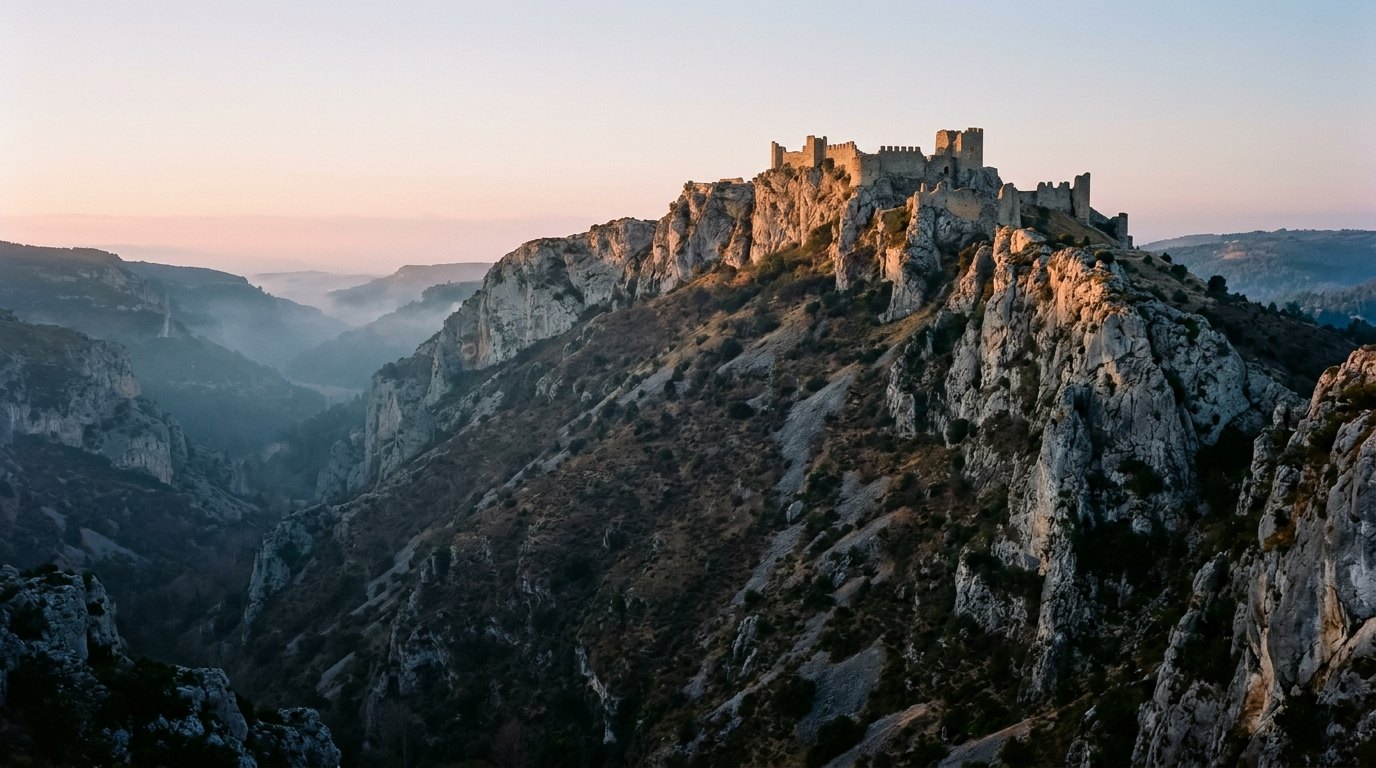
Nevertheless, David captured the fortress of Zion—which is the City of David.
2 Samuel 5:7 (NIV)
This verse marks the historic transition of the Jebusite fortress into the covenant capital and seat of Davidic rule.
In 2 Samuel 5:7, Scripture records the decisive turning point in Israel's geopolitical and spiritual history: "Nevertheless David took the strong hold of Zion: the same is the city of David." Prior to this conquest, the rocky ridge of Jebus had resisted Israelite settlement throughout the entire period of the judges. According to 2 Samuel 5:6 and 1 Chronicles 11:4, David and all Israel marched against the ancient Canaanite citadel, whose inhabitants were so confident in their natural defenses that they taunted David, claiming even the blind and the lame could repulse his men (1 Chronicles 11:5). Their boasting was vain against the purpose of God. David breached the stronghold and immediately established his residence within its walls, transforming an entrenched pagan fortification into the covenant heart of the kingdom (1 Chronicles 11:7).
Having captured the high ground, David systematically expanded and secured the perimeter, dwelling within the stronghold and building extensive defensive ramparts inward from the Millo (2 Samuel 5:9). By uniting the twelve tribes around this strategic, neutral site, David prepared the stage for something far greater than military conquest: the centralization of worship and the enduring establishment of Davidic rule under Yahweh's covenant promise.
| Passage | What it says |
|---|---|
| 2 Samuel 5:6 | The Jebusites taunt David, claiming even the blind and lame can defend their fortress. |
| 2 Samuel 5:7 | David captures the stronghold of Zion, officially renaming it the City of David. |
| 2 Samuel 5:9 | David dwells in the stronghold, fortifying the city from the Millo inward. |
| 1 Chronicles 11:4 | David and all Israel march against Jebus, identifying Jerusalem's ancient Canaanite origins. |
| 1 Chronicles 11:5 | The inhabitants boast David cannot enter, yet David takes the stronghold of Zion. |
| 1 Chronicles 11:7 | David takes up residence in the castle, which is named the City of David. |
Dwelling of God
Solomon built the house where God's glory fell.
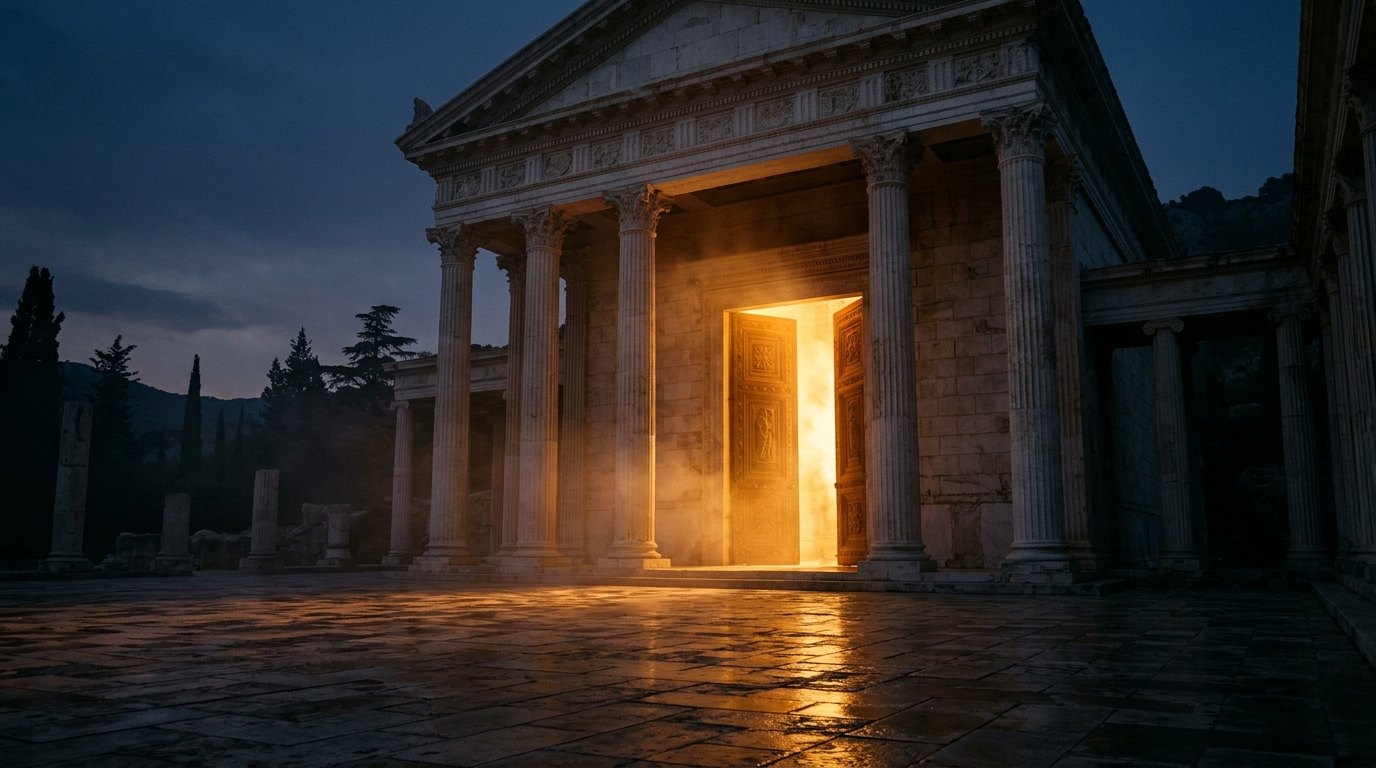
When Solomon finished praying, fire came down from heaven and consumed the burnt offering and the sacrifices, and the glory of the LORD filled the temple.
2 Chronicles 7:1 (NIV)
Fire falls from heaven to consume the sacrifice and God's manifest glory visibly fills the house.
The true glory of Jerusalem was never merely stone and cedar, but the immediate presence of the living God. At the climax of the temple's dedication, 2 Chronicles 7:1 demonstrates God's public acceptance of the site: "Now when Solomon had made an end of praying, the fire came down from heaven, and consumed the burnt offering and the sacrifices; and the glory of the Lord filled the house." This dramatic sign confirmed Solomon's covenant declaration in 2 Chronicles 6:2, where he recognized the sanctuary as a habitation for God to dwell in forever. God Himself affirmed this choice, declaring in 2 Chronicles 6:6 that He had specifically chosen Jerusalem so that His name might abide there continually.
When the priests brought the ark of the covenant into the Most Holy Place, the divine presence manifested in overwhelming holiness. As recounted in 1 Kings 8:10 and 2 Chronicles 7:2, a dense cloud settled upon the sanctuary, so absolute that the ministers could not stand to perform their sacred duties because the Shekinah glory filled Yahweh's house (1 Kings 8:11). Confronted with the descending fire and the consuming splendor of God's presence, the congregation of Israel fell prostrate with their faces to the stone pavement, offering adoration and praise to the Lord for His steadfast love and enduring mercy (2 Chronicles 7:3).
| Passage | What it says |
|---|---|
| 1 Kings 8:10 | A cloud fills the house of Yahweh as the priests withdraw from the holy place. |
| 1 Kings 8:11 | The priests cannot stand to minister because the glory of the Lord fills the temple. |
| 2 Chronicles 6:2 | Solomon declares he has built a magnificent house and a habitation for God forever. |
| 2 Chronicles 6:6 | The Lord declares He has chosen Jerusalem that His name might reside there permanently. |
| 2 Chronicles 7:1 | Fire descends from heaven upon Solomon's prayer, consuming the offering as glory fills the temple. |
| 2 Chronicles 7:2 | The priests cannot enter Yahweh's house because His glory fills the sacred space. |
| 2 Chronicles 7:3 | The children of Israel bow with their faces to the pavement and worship the Lord. |
Throne and Peace
Pilgrims pray for the peace of David's city.
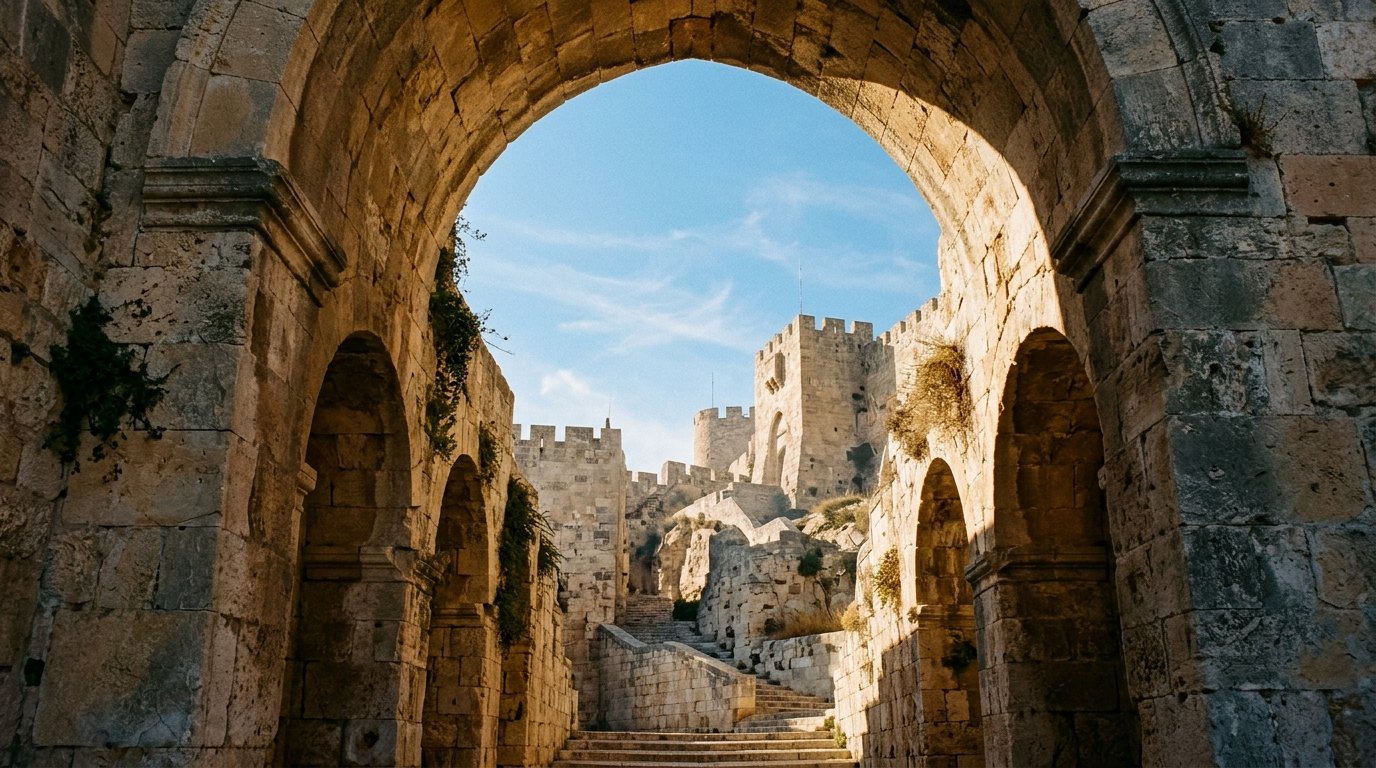
Pray for the peace of Jerusalem: “May those who love you be secure.
Psalms 122:6 (NIV)
God calls His people to seek and pray for the peace and prosperity of His chosen capital.
Mount Zion became the focal point of divine worship and righteous governance for every tribe of Israel. In Psalms 122:6, the pilgrim is summoned to personal intercession for the covenant city: "Pray for the peace of Jerusalem: they shall prosper that love thee." Ascending toward the sanctuary, the worshipers shared David's profound gladness at the invitation to approach the house of Yahweh (Psalms 122:1). As their feet crossed the thresholds of the city gates, they marveled at its unity and strength, observing a commonwealth bound compactly together as one body under divine law (Psalms 122:2-3).
Jerusalem served not only as the sanctuary of sacrifice but also as the center of righteousness on earth. Thither the tribes ascended by divine ordinance to give thanks to the name of the Lord (Psalms 122:4), and there were set the thrones of righteous judgment belonging to the dynasty of David (Psalms 122:5). The prayer for Jerusalem's peace was never a detached political sentiment; it sought divine shalom within her outer ramparts and quiet prosperity within her palaces (Psalms 122:7). For the sake of covenant brethren and the dwelling place of God, the faithful seeker bound his heart to the flourishing of Zion (Psalms 122:8-9).
| Passage | What it says |
|---|---|
| Psalms 122:1 | David rejoices at the invitation to journey up to the house of Yahweh. |
| Psalms 122:2 | The feet of the worshipers stand firmly within the gates of Jerusalem. |
| Psalms 122:3 | Jerusalem is described as a city solidly constructed and compact together. |
| Psalms 122:4 | The tribes ascend to give thanks to the name of the Lord under divine ordinance. |
| Psalms 122:5 | Thrones for judgment are established there, the royal thrones of David's dynasty. |
| Psalms 122:6 | Pilgrims are commanded to pray for Jerusalem's peace and prosperity for those loving her. |
| Psalms 122:7 | Peace is invoked within her ramparts and quiet prosperity within her royal palaces. |
| Psalms 122:8 | For the sake of brethren and companions, the psalmist pronounces peace upon the city. |
| Psalms 122:9 | For the sake of the house of God, the worshiper seeks Jerusalem's ultimate good. |
Pilgrim Songs
Worshipers long for the courts of the Lord.
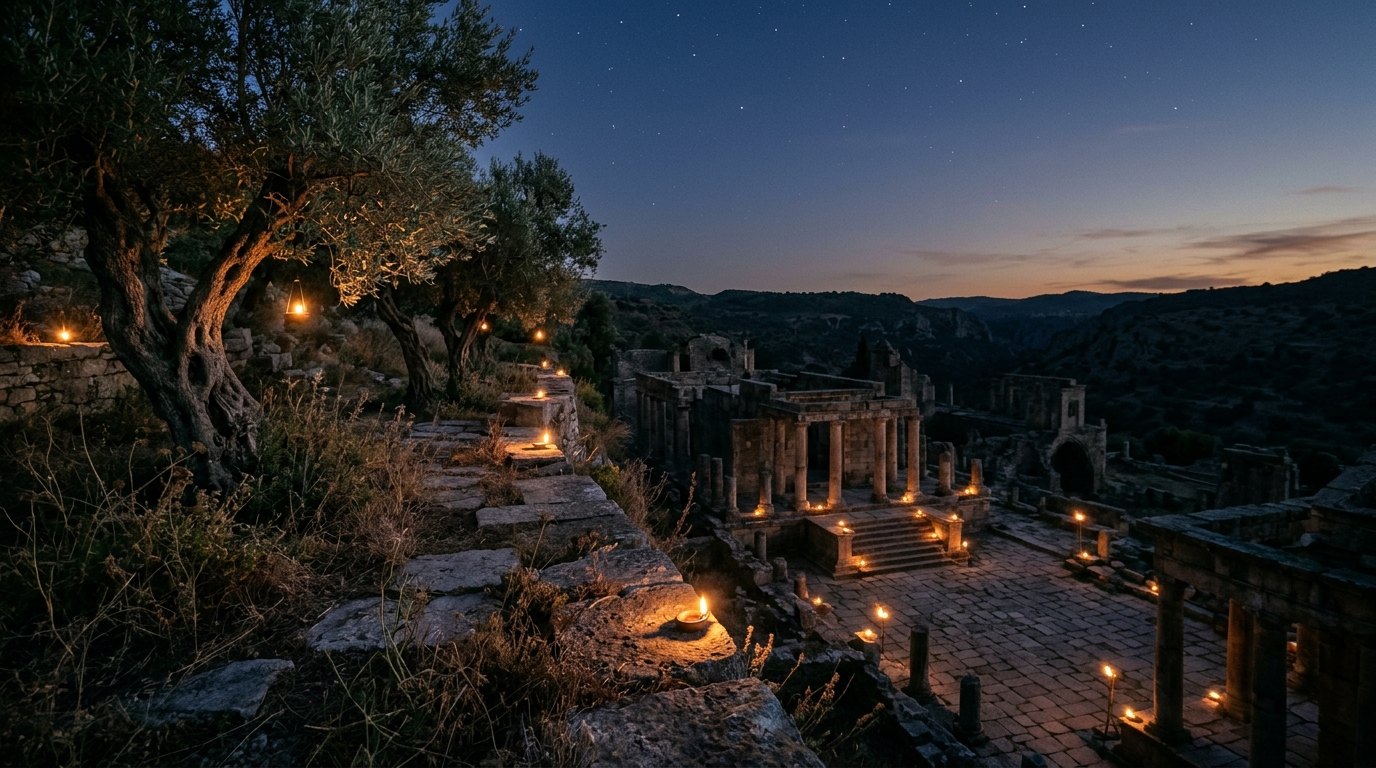
Better is one day in your courts than a thousand elsewhere; I would rather be a doorkeeper in the house of my God than dwell in the tents of the wicked.
Psalms 84:10 (NIV)
It captures the unmatched joy of being in the presence of God within the temple courts.
For the Israelite pilgrim, life's supreme satisfaction was communion with God within the precincts of Zion. The Sons of Korah gave voice to this devotion in Psalms 84:10: "For a day in thy courts is better than a thousand. I had rather be a doorkeeper in the house of my God, than to dwell in the tents of wickedness." The soul of the believer experienced an ache of joyful longing for the courts of the Lord, where the living God received the worship of His people (Psalms 84:1-2). In Jerusalem, earthly existence found its true orientation around the altar of grace.
This communion extended across every season and hour of life. According to Psalms 128:5, the divine blessing that preserves families and communities flows directly from Zion, enabling the faithful to see the welfare of Jerusalem all their days. Even through the watches of the night, the sanctuary never fell silent; the priests and Levites ministered continually before the Lord, lifting their hands in the holy place and blessing His name (Psalms 134:1-2). The Songs of Ascents conclude with the grand assurance that the Creator of heaven and earth pours out His covenant blessing upon His people from the heights of Mount Zion (Psalms 134:3).
| Passage | What it says |
|---|---|
| Psalms 84:1 | The psalmist exclaims how lovely and beloved is the dwelling place of the Lord. |
| Psalms 84:2 | The soul longs and faints for the courts of Yahweh in joyful praise. |
| Psalms 84:10 | A single day in God's courts surpasses a thousand days elsewhere in wickedness. |
| Psalms 128:5 | The Lord blesses the faithful from Zion to see Jerusalem prosper all their days. |
| Psalms 134:1 | Servants of the Lord who minister by night in His house are called to bless Him. |
| Psalms 134:2 | Hands are lifted in the sanctuary to bless the name of Yahweh. |
| Psalms 134:3 | Yahweh, who made heaven and earth, pours out His blessing from Mount Zion. |
Prophetic Mountain
From Zion the word goes out to every nation.
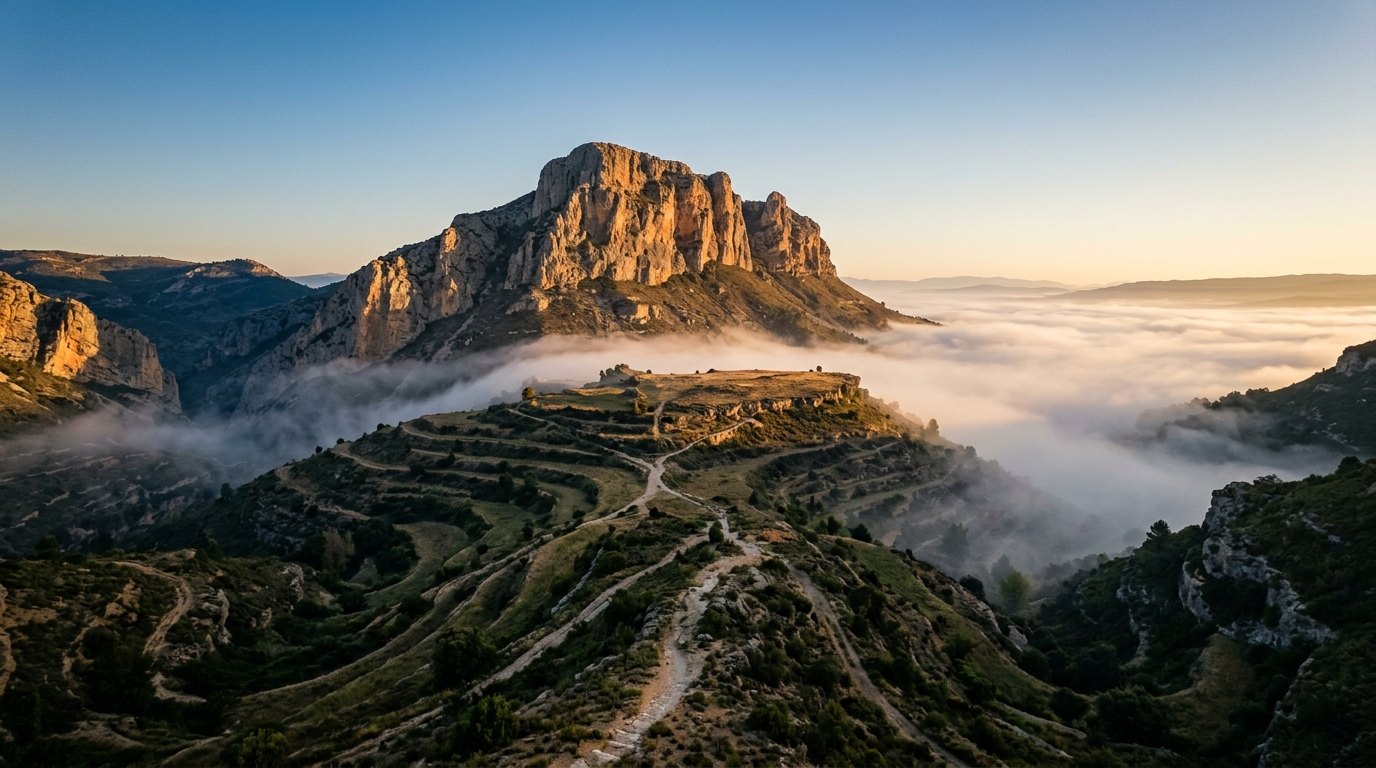
Many peoples will come and say, “Come, let us go up to the mountain of the LORD, to the temple of the God of Jacob. He will teach us his ways, so that we may walk in his paths.” The law will go out from Zion, the word of the LORD from Jerusalem.
Isaiah 2:3 (NIV)
The prophet foresees the nations streaming to Jerusalem to receive God's instruction and walk in His truth.
In Isaiah 2:3, the prophet gazes down the corridors of redemptive history to declare, "Out of Zion shall go forth the law, and the word of the LORD from Jerusalem." Rather than remaining an isolated fortress on an ordinary ridge, Jerusalem was destined to become the fountainhead of divine revelation, the exalted spiritual summit toward which every tribe, tongue, and nation would stream. Isaiah 2:2 announces that in the latter days the mountain of the Lord's temple will be established above the hills, a cosmic elevation fulfilled as the gospel erupted from Jerusalem in Acts 1:8 and the Holy Spirit fell upon the multilingual multitude at Pentecost in Acts 2:1-4.
This prophetic witness echoes with identical grandeur in Micah 4:1, which foretells that peoples will flow to the exalted house of Yahweh. The apostolic church saw this ancient vision realized as devout Jews and proselytes from every nation under heaven were gathered into one body in Acts 2:5-11, breaking down the wall of division through the peace of Christ as recorded in Ephesians 2:13-14. According to Micah 4:2, these distant peoples journey to learn His ways, precisely fulfilled when the gospel went forth to the Gentiles as an unashamed power unto salvation in Romans 1:16 and Romans 15:8-12.
The consummation of this pilgrimage rests in Zechariah 8:3, where Yahweh pledges, "I will dwell in the midst of Jerusalem: and Jerusalem shall be called a city of truth." This promise took on flesh when the eternal Word tabernacled among us in John 1:14, heralding the final day when the New Jerusalem descends and God's home is forever established with humanity in Revelation 21:3.
| Passage | What it says | Fulfilled |
|---|---|---|
| Isaiah 2:2 | The mountain of the Lord's temple will be established above the hills for all nations. | Acts 1:8, Acts 2:1-4 |
| Isaiah 2:3 | The law will go out from Zion and the word of the Lord from Jerusalem. | Luke 24:47, Acts 13:46-47 |
| Micah 4:1 | The mountain of the house of the Lord will be exalted as peoples stream to it. | Acts 2:5-11, Ephesians 2:13-14 |
| Micah 4:2 | Many nations will come to learn His ways, for the law proceeds out of Zion. | Romans 1:16, Romans 15:8-12 |
| Zechariah 8:3 | Yahweh promises to dwell in Jerusalem, which will be called the City of Truth. | John 1:14, Revelation 21:3 |
Heavenly Zion
The earthly pattern points to the New Jerusalem.
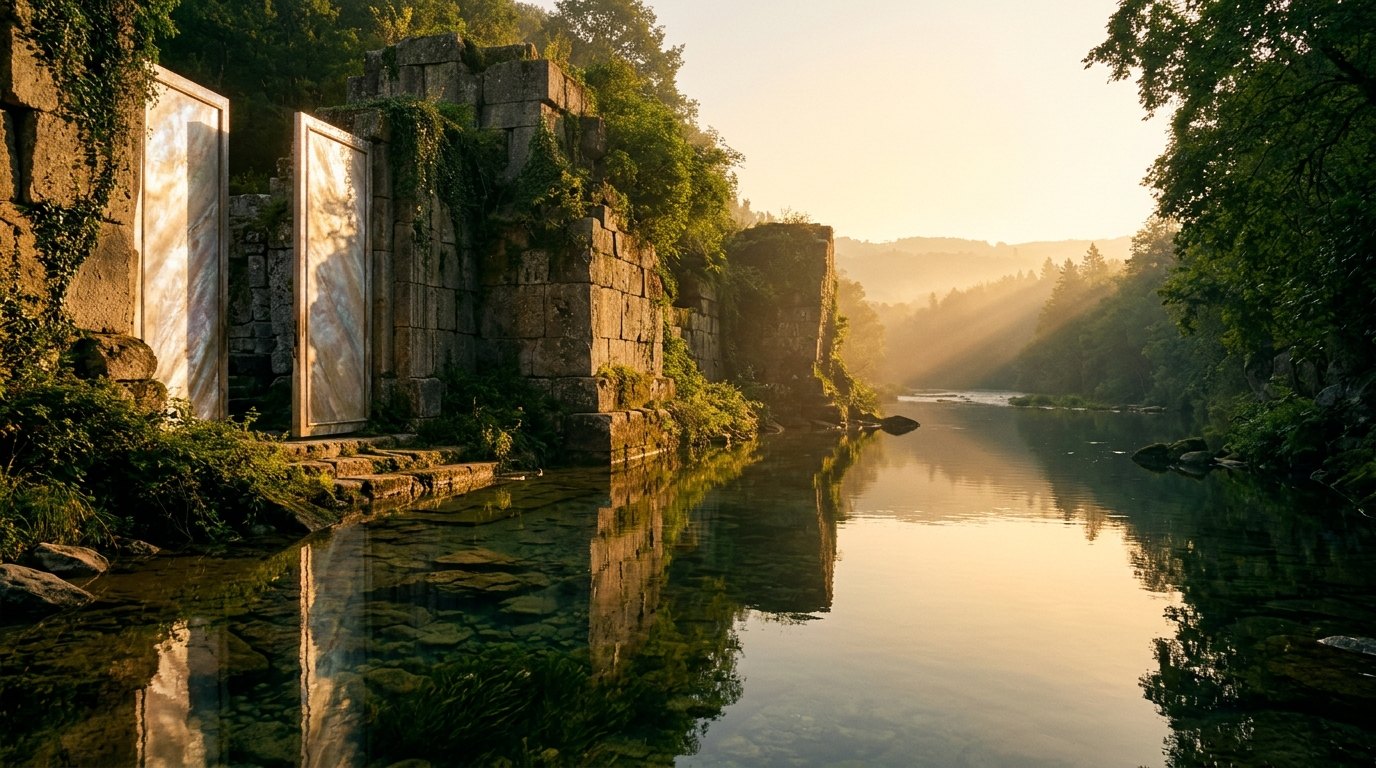
I saw the Holy City, the new Jerusalem, coming down out of heaven from God, prepared as a bride beautifully dressed for her husband.
Revelation 21:2 (NIV)
John beholds the holy city, New Jerusalem, descending out of heaven prepared as a bride for God.
In Revelation 21:2, the Apostle John beholds the ultimate climax of redemptive history: the holy city, New Jerusalem, coming down from God out of heaven, prepared as a bride adorned for her husband. The earthly Jerusalem was never meant to be the final resting place of God's people; it was an earthly copy designed to point our hearts toward the permanent, celestial city built without human hands.
Paul explains this spiritual reality in Galatians 4:26, declaring that "Jerusalem which is above is free, which is the mother of us all," a maternal refuge fulfilled in the family of the promise who walk in liberty in Galatians 4:28 and Galatians 4:31. Long before the tabernacle was pitched, Abraham lived as an exile because, as Hebrews 11:10 records, he looked forward to "a city which hath foundations, whose builder and maker is God." This patriarch found his true country in the heavenly realm prepared for him, as celebrated in Hebrews 11:16 and crowned in the apostolic foundations of Revelation 21:14.
For the believer today, citizenship has already transferred. Hebrews 12:22 proclaims that we have already come to Mount Zion, to the heavenly Jerusalem, joining the festive assembly of firstborn saints gathered through the mediator of the new covenant in Hebrews 12:23-24 and Revelation 14:1. The wedding feast foretold in Revelation 19:7-8 reaches full fruition in Revelation 21:2 and Revelation 21:9, where the bride is revealed. There, Revelation 21:3 assures us that God Himself will dwell among His people, fulfilling Christ's pledge to receive us to Himself in John 14:3 and Revelation 22:3-5. Finally, Revelation 21:4 guarantees that every tear, death, sorrow, and pain will vanish forever, swallowing mortality in victory as Isaiah 25:8 and 1 Corinthians 15:26 promised.
| Passage | What it says | Fulfilled |
|---|---|---|
| Galatians 4:26 | The Jerusalem above is free and is the mother of all believers in Christ. | Galatians 4:28, Galatians 4:31 |
| Hebrews 11:10 | Abraham looked forward to the city with foundations, whose architect and builder is God. | Hebrews 11:16, Revelation 21:14 |
| Hebrews 12:22 | Believers have come to Mount Zion, the city of the living God, the heavenly Jerusalem. | Hebrews 12:23-24, Revelation 14:1 |
| Revelation 21:2 | John sees the holy city, New Jerusalem, descending from God out of heaven adorned as a bride. | Revelation 19:7-8, Revelation 21:9 |
| Revelation 21:3 | God's dwelling place is now with humanity, and He will dwell with them as their God. | John 14:3, Revelation 22:3-5 |
| Revelation 21:4 | God will wipe away every tear, with death, sorrow, crying, and pain passing away. | Isaiah 25:8, 1 Corinthians 15:26 |
Ancient Foundations
Salem and Moriah prepare the holy mount
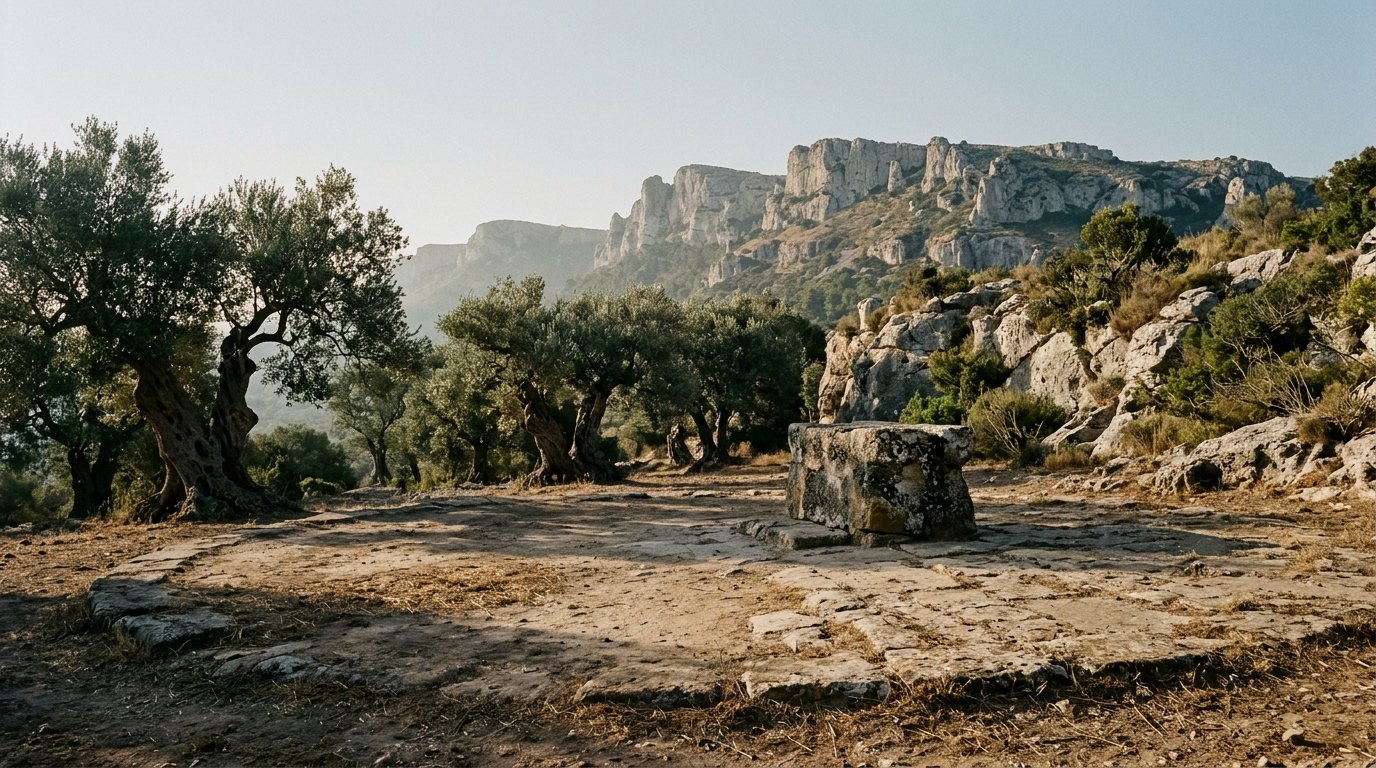
So Abraham called that place The LORD Will Provide. And to this day it is said, “On the mountain of the LORD it will be provided.”
Genesis 22:14 (NIV)
It names the mountain where God would provide the ultimate sacrifice centuries later.
Centuries before David captured the Jebusite stronghold, God had already marked Jerusalem's ridge as the altar of the world. In Genesis 22:14, after the ram caught in the thicket was sacrificed in Isaac's place, Abraham called the name of that place Jehovah-jireh: as it is said to this day, In the mount of the LORD it shall be seen. The Lord's sovereign choice of this specific ground established the singular location where redemption would be transacted through blood.
The sacred history of this ground begins in Genesis 14:18, where Melchizedek, king of Salem and priest of the Most High God, stepped onto the page of Scripture bringing out bread and wine to bless the patriarch Abraham. This mysterious king-priest foreshadowed the eternal priesthood and righteous reign of our Lord Jesus Christ, as the author of Hebrews details in Hebrews 7:1 and Hebrews 7:2. Generations later, God summoned Abraham to the very same rugged ridge in Genesis 22:2, commanding him to take his only son, whom he loved, and offer him as a burnt offering in the land of Moriah.
Abraham obeyed in faith, walking the three-day journey to the limestone crag where God provided the substitute ram in Genesis 22:14. That substitutionary provision looked directly forward to Calvary, where the true only-begotten Son bore His own wood outside the city gates to be lifted up for our sins in John 19:17 and John 19:18. Centuries afterward, that identical geography anchored Israel's temple worship, when 2 Chronicles 3:1 records that Solomon began to build the house of the Lord in Jerusalem on Mount Moriah, at the threshing floor of Ornan the Jebusite.
| Passage | What it says | Fulfilled |
|---|---|---|
| Genesis 14:18 | Melchizedek king of Salem brings out bread and wine as priest of God Most High. | Hebrews 7:1, Hebrews 7:2 |
| Genesis 22:2 | Abraham is commanded to offer Isaac on Mount Moriah, the future temple site. | 2 Chronicles 3:1 |
| Genesis 22:14 | Abraham names the mount 'The LORD Will Provide', foretelling God's provision. | John 19:17, John 19:18 |
| 2 Chronicles 3:1 | Solomon builds the house of the LORD on Mount Moriah at Ornan's threshing floor. |
Exile and Return
Judgment exile and the call to rebuild
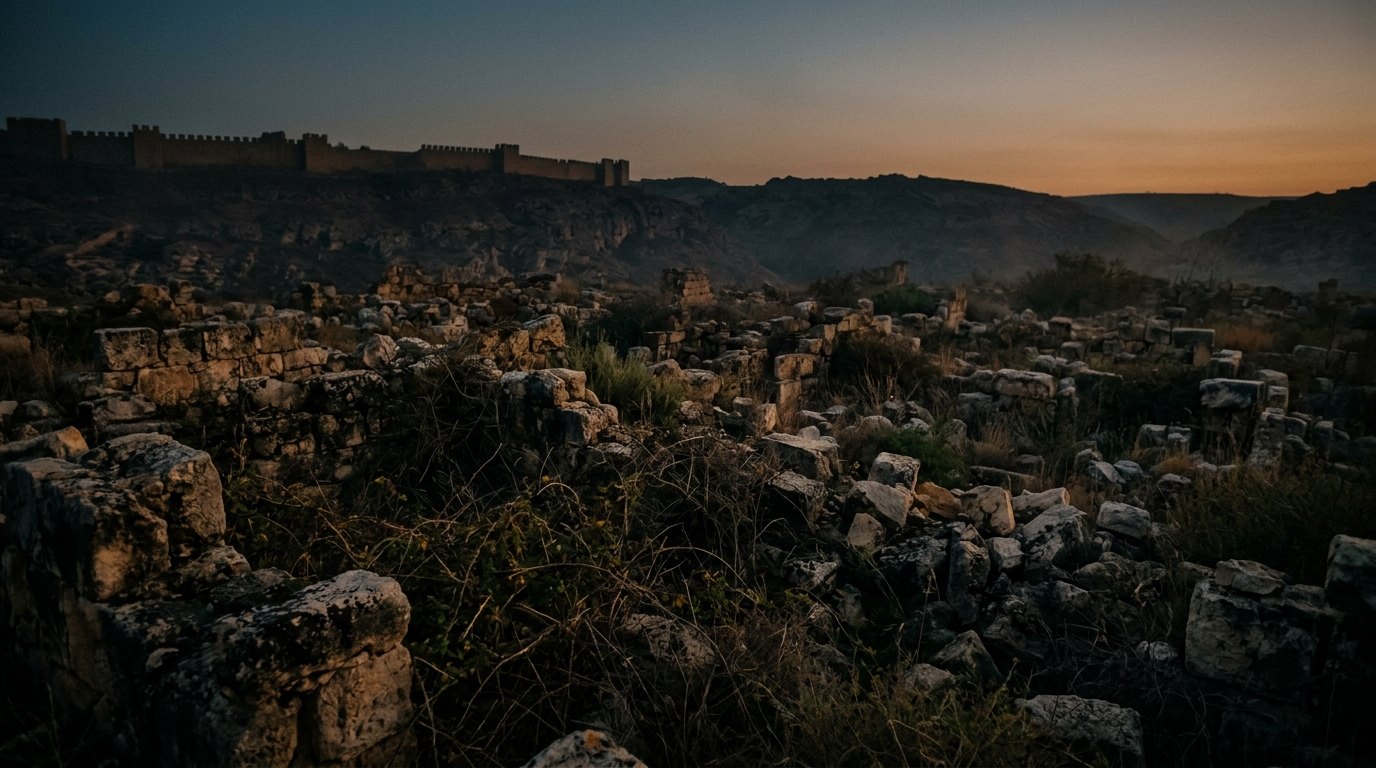
If I forget you, Jerusalem, may my right hand forget its skill.
Psalms 137:5 (NIV)
It captures the indelible covenant loyalty the faithful carried for Jerusalem in exile.
When judgment fell upon Judah for her persistent covenant rebellion, God handed His chosen city over to the fires of the Babylonians. The heart of the brokenhearted remnant was immortalized in Psalms 137:5: "If I forget thee, O Jerusalem, let my right hand forget her cunning." Even under the heavy yoke of exile beside the canals of Mesopotamia, the memory of Zion remained the anchor of Israel's spiritual hope and longing.
The catastrophe reached its horrifying climax in 2 Kings 25:8-9, when Nebuzaradan, captain of the Babylonian guard, marched into the holy city, burned the house of the Lord, set fire to the royal palace, and battered down Jerusalem's defensive walls. Lamentations 1:1 mourns this awful desolation: "How doth the city sit solitary, that was full of people! how is she become as a widow!" In captivity, Psalms 137:1 records that the exiles sat and wept by the rivers of Babylon when they remembered Zion, refusing to sing their sacred hymns for their mockers. In Psalms 137:6, the faithful vowed to set Jerusalem above their highest joy, trusting that God's covenant promises could not be drowned in foreign rivers.
God's faithfulness proved unbreakable when the seventy years were accomplished. According to Ezra 1:2, the Lord stirred the heart of Cyrus of Persia to issue an imperial decree: "The LORD God of heaven... hath charged me to build him an house at Jerusalem, which is in Judah." Decades later, when the city's gates still lay charred in ruins, Nehemiah 2:17 rallied the returned remnant with holy urgency: "Come, and let us build up the wall of Jerusalem, that we be no more a reproach." The city was restored, preserving the stage where the Messiah would enter His temple.
| Passage | What it says |
|---|---|
| 2 Kings 25:8 | Nebuchadnezzar's forces arrive to burn the temple, the palace, and Jerusalem's houses. |
| 2 Kings 25:9 | Nebuzaradan burns down the house of the LORD and breaks Jerusalem's walls. |
| Psalms 137:1 | Exiles weep by the rivers of Babylon as they remember Zion. |
| Psalms 137:5 | The psalmist vows never to let his right hand forget Jerusalem. |
| Psalms 137:6 | Jerusalem is exalted above the exile's highest earthly joy. |
| Lamentations 1:1 | Jerusalem sits solitary like a widow after suffering judgment for her rebellion. |
| Ezra 1:2 | Cyrus decrees the rebuilding of the house of God in Jerusalem. |
| Nehemiah 2:17 | Nehemiah calls the returned remnant to rebuild the broken walls of Jerusalem. |
Christ and the Church
Christ suffers triumphs and launches his gospel
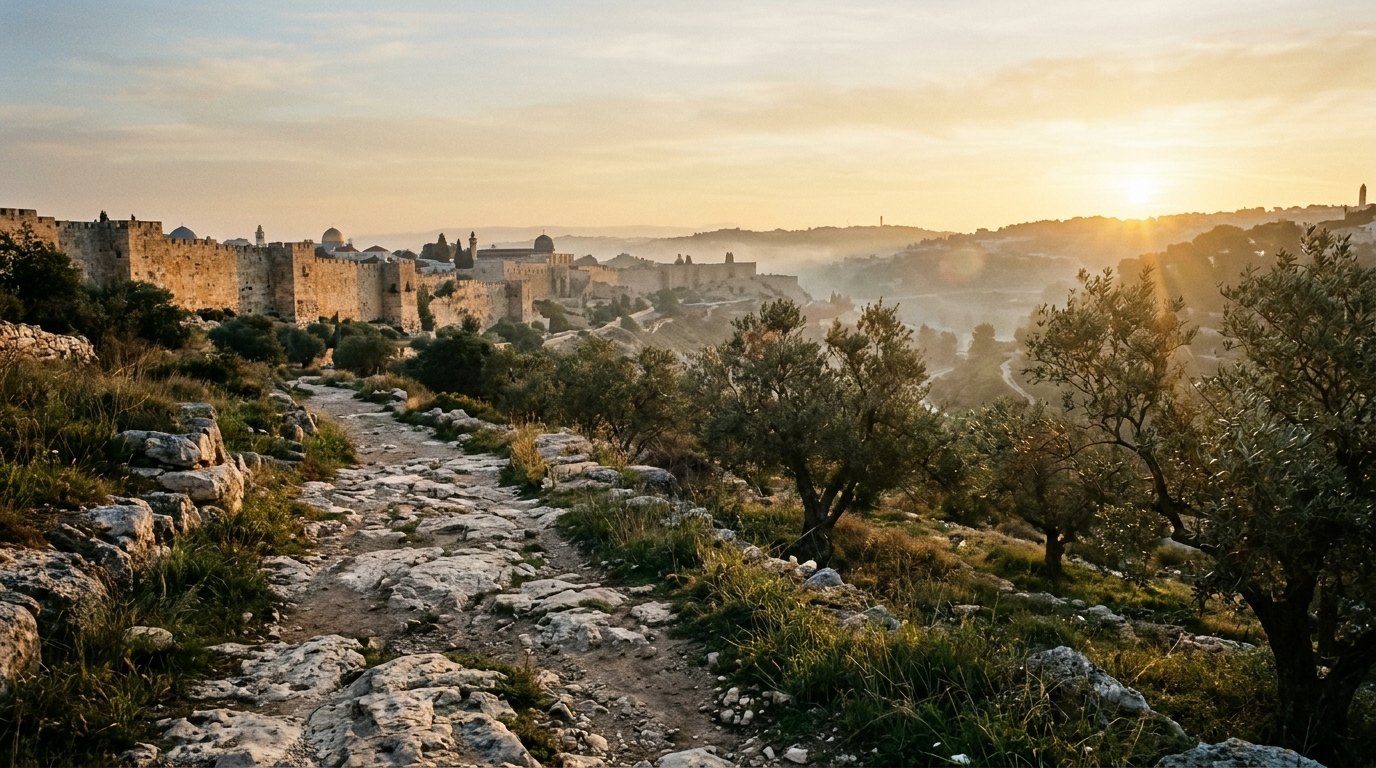
and repentance for the forgiveness of sins will be preached in his name to all nations, beginning at Jerusalem.
Luke 24:47 (NIV)
It shows Jerusalem as the ordained fountainhead from which worldwide redemption is proclaimed.
Luke 24:47 establishes Jerusalem as the sovereignly appointed fountainhead from which worldwide redemption flows to the ends of the earth. Long before the apostles went forth, the prophet foretold the nature of Messiah's arrival: Zechariah 9:9 called the daughter of Zion to rejoice greatly because her King would enter humble, riding on a donkey's colt, an ancient promise brought to pass when Jesus entered the gates and Matthew 21:10 recorded that the entire city was stirred to its foundations. Yet Jerusalem was also the solemn site of supreme covenant rejection. In Luke 13:33, our Lord observed the tragic pattern of history, declaring that it could not be that a prophet should perish away from Jerusalem. Approaching the city on the descent of the Mount of Olives, Luke 19:41 records that Jesus wept over it, mourning in Luke 19:42 that its inhabitants failed to discern the things that belonged to their peace.
The tragedy of the earthly city gave way to the triumph of the cross and the birth of the global church. In Luke 23:33, Christ was led outside the city walls to the place called Calvary, bearing the curse of sin to achieve eternal reconciliation through His sacrifice. Following His glorious resurrection, Jesus opened the Scriptures to His disciples, explaining in Luke 24:46 that the Messiah had to suffer and rise on the third day so that repentance and forgiveness of sins would be proclaimed in His name to all nations, beginning at Jerusalem. That mandate was sealed before His ascension in Acts 1:8, when He directed His followers to be His witnesses first in Jerusalem, then in all Judea and Samaria, and to the uttermost parts of the earth. On the day of Pentecost, recorded in Acts 2:1, the promised Holy Spirit descended upon the believers assembled in Jerusalem, igniting the global proclamation of the risen King.
| Passage | What it says |
|---|---|
| Zechariah 9:9 | Zion's king comes humble and riding on a colt. |
| Matthew 21:10 | The whole city of Jerusalem is moved at Jesus' entry. |
| Luke 13:33 | Jesus declares it cannot be that a prophet perish away from Jerusalem. |
| Luke 19:41 | Jesus weeps over Jerusalem as He foresees its coming desolation. |
| Luke 19:42 | Jesus mourns that the city did not know what makes for peace. |
| Luke 23:33 | Jesus is crucified outside the gates of Jerusalem at the place called Calvary. |
| Luke 24:46 | Christ states that repentance and remission of sins must be preached from Jerusalem. |
| Luke 24:47 | The gospel message is ordained to begin at Jerusalem and go to all nations. |
| Acts 1:8 | The disciples are commissioned as witnesses beginning in Jerusalem. |
| Acts 2:1 | The Holy Spirit is poured out on the church gathered in Jerusalem at Pentecost. |
Where in the Bible
| Book | Passages |
|---|---|
| Genesis | 3 · Genesis 14:18, Genesis 22:2, Genesis 22:14 |
| 2 Samuel | 3 · 2 Samuel 5:6, 2 Samuel 5:7, 2 Samuel 5:9 |
| 1 Kings | 2 · 1 Kings 8:10, 1 Kings 8:11 |
| 2 Kings | 2 · 2 Kings 25:8, 2 Kings 25:9 |
| 1 Chronicles | 3 · 1 Chronicles 11:4, 1 Chronicles 11:5, 1 Chronicles 11:7 |
| 2 Chronicles | 6 · 2 Chronicles 6:2, 2 Chronicles 6:6, 2 Chronicles 7:1, 2 Chronicles 7:2, 2 Chronicles 7:3, 2 Chronicles 3:1 |
| Ezra | 1 · Ezra 1:2 |
| Nehemiah | 1 · Nehemiah 2:17 |
| Psalms | 19 · Psalms 122:1, Psalms 122:2, Psalms 122:3, Psalms 122:4, Psalms 122:5, Psalms 122:6, Psalms 122:7, Psalms 122:8, Psalms 122:9, Psalms 84:1, Psalms 84:2, Psalms 84:10, Psalms 128:5, Psalms 134:1, Psalms 134:2, Psalms 134:3, Psalms 137:1, Psalms 137:5, Psalms 137:6 |
| Isaiah | 2 · Isaiah 2:2, Isaiah 2:3 |
| Lamentations | 1 · Lamentations 1:1 |
| Micah | 2 · Micah 4:1, Micah 4:2 |
| Zechariah | 2 · Zechariah 8:3, Zechariah 9:9 |
| Matthew | 1 · Matthew 21:10 |
| Luke | 6 · Luke 13:33, Luke 19:41, Luke 19:42, Luke 23:33, Luke 24:46, Luke 24:47 |
| Acts | 2 · Acts 1:8, Acts 2:1 |
| Galatians | 1 · Galatians 4:26 |
| Hebrews | 2 · Hebrews 11:10, Hebrews 12:22 |
| Revelation | 3 · Revelation 21:2, Revelation 21:3, Revelation 21:4 |
The story in order
- Melchizedek blesses Abraham (c. 2000 BC) · Genesis 14:18 · Salem, later Jerusalem, is established as a place of worship.
- Abraham prepares to sacrifice Isaac (c. 2000 BC) · Genesis 22:2 · Moriah, the future temple site, is revealed.
- David captures Zion (c. 1000 BC) · 2 Samuel 5:7 · Jerusalem becomes the City of David and Israel's capital.
- Solomon builds the Temple (c. 960 BC) · 2 Chronicles 3:1 · God's glory fills the house, establishing His name in Jerusalem.
- Pilgrims ascend to worship (c. 950 BC) · Psalms 122:1 · Jerusalem is the center of worship and David's royal throne.
- Prophets speak of Zion's future (c. 700 BC) · Isaiah 2:2 · Jerusalem is exalted as the source of God's law for nations.
- Exile and destruction (586 BC) · 2 Kings 25:8 · Jerusalem and the Temple are destroyed due to rebellion.
- Return and rebuilding (538 BC) · Ezra 1:2 · Cyrus allows the Jews to return and rebuild the Temple.
- Jesus weeps over Jerusalem (AD 30) · Luke 19:41 · Jesus laments Jerusalem's rejection of peace and foresees its doom.
- The gospel begins in Jerusalem (AD 30) · Luke 24:47 · Christ commands repentance and forgiveness to be preached from Jerusalem.
- Pentecost and the Church (AD 30) · Acts 2:1 · The Holy Spirit empowers the church in Jerusalem.
- The Heavenly Jerusalem (c. AD 60) · Hebrews 12:22 · Believers belong to the heavenly city, God's eternal dwelling.
- New Jerusalem descends (c. AD 95) · Revelation 21:2 · God's dwelling is with His people in the eternal city.
Key words
- Zion (tsiyon (צִיּוֹן))
- A specific hill in Jerusalem, often used poetically for the city itself or God's dwelling. · Psalms 122:1
- House of the Lord (bayit yhwh (בֵּית יַהְוֶה))
- The Temple in Jerusalem, where God's presence was uniquely manifest. · 1 Kings 8:10
- City of David (ir dawid (עִיר דָּוִד))
- The original stronghold of Jerusalem captured and fortified by King David. · 2 Samuel 5:7
- Peace (shalom (שָׁלוֹם))
- Wholeness, welfare, security, prosperity, and the absence of conflict. · Psalms 122:6
- Heavenly Jerusalem (ierousalem epouranos (Ἱερουσαλὴμ ἐπουράνιος))
- The eternal, spiritual city of God, the dwelling place of believers. · Hebrews 12:22
The earthly Jerusalem served as the historic theater for God's presence, the Davidic king, and the sacrifice of redemption on the cross. For every believer today, it points upward and forward to the heavenly city whose builder and maker is God, where every tear will be wiped away in eternal fellowship.
62 passages, each cited once.
Scripture cited
- Psalms 84:10
- Micah 4:2
- Isaiah 2:3
- Psalms 84:1-2
- Psalms 128:1
- Psalms 134:1
- 2 Samuel 5:6-10
- 2 Chronicles 6:1-2
- 2 Chronicles 7:1-3
- Hebrews 12:18-24
- Revelation 21:1-4