What is the ascension of Jesus and why does it matter?
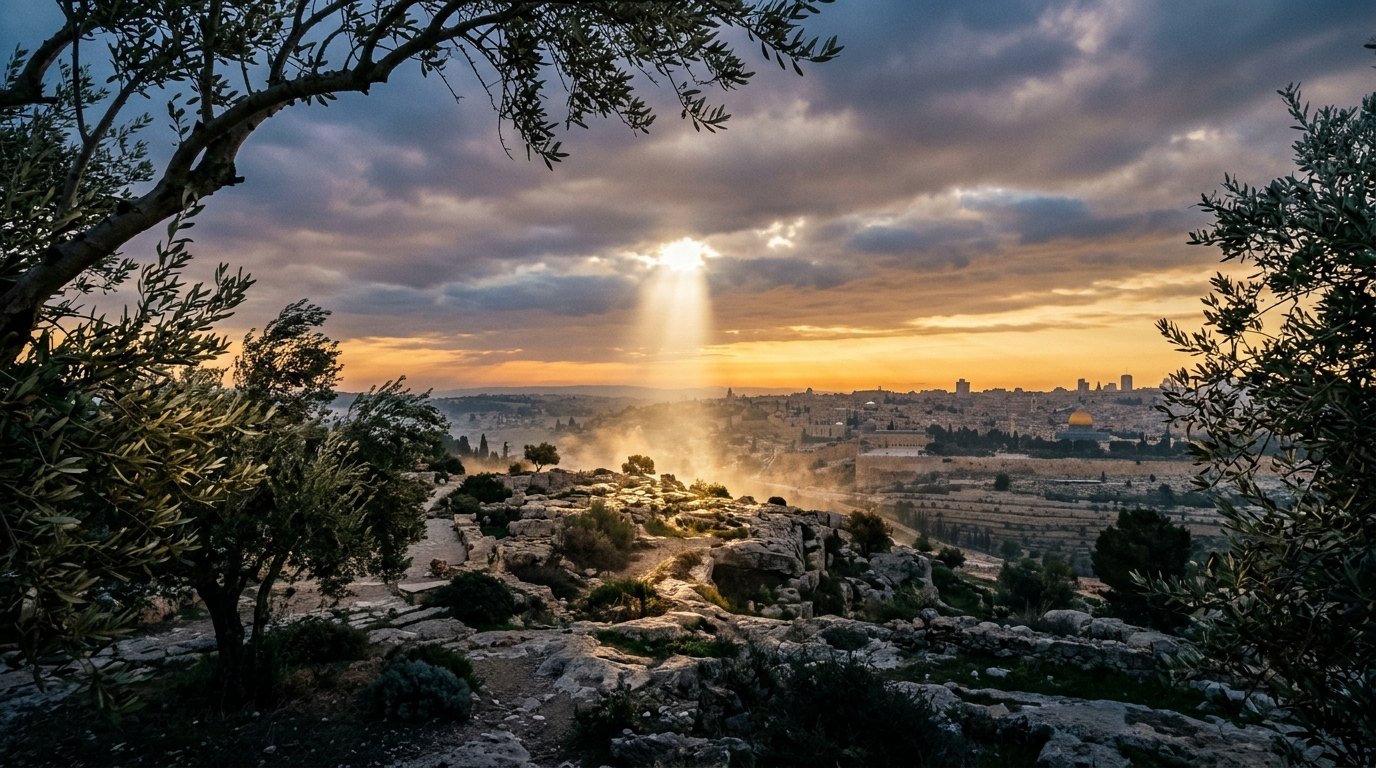
Acts 1:6-11
6 Then they gathered around him and asked him, “Lord, are you at this time going to restore the kingdom to Israel?”
7 He said to them: “It is not for you to know the times or dates the Father has set by his own authority.
8 But you will receive power when the Holy Spirit comes on you; and you will be my witnesses in Jerusalem, and in all Judea and Samaria, and to the ends of the earth.”
9 After he said this, he was taken up before their very eyes, and a cloud hid him from their sight.
10 They were looking intently up into the sky as he was going, when suddenly two men dressed in white stood beside them.
11 “Men of Galilee,” they said, “why do you stand here looking into the sky? This same Jesus, who has been taken from you into heaven, will come back in the same way you have seen him go into heaven.”
New International Version (NIV)
The answer
The ascension is the moment the risen, bodily Jesus was taken up from the disciples on the Mount of Olives into heaven, and it matters because it is the hinge between his resurrection and his reign.
What happened
Forty days after the resurrection, on the Mount of Olives outside Bethany, the apostles watched Jesus rise physically into the sky and a cloud receive him out of their sight (Acts 1:9; Luke 24:50-51). Two angels in white stood by and told the watching Galileans, "This Jesus, who was received up from you into the sky, will come back in the same way as you saw him going into the sky" (Acts 1:10-11). Mark closes his Gospel the same way: the Lord "was received up into heaven and sat down at the right hand of God" (Mark 16:19). It was a real, witnessed, bodily going — not a disappearance or a metaphor — and the disciples responded with worship and continuous praise in the temple (Luke 24:52-53).
Why it matters
- His work of salvation is finished and accepted. Hebrews 1:3 says that after the Son "by himself purified us of our sins, he sat down on the right hand of the Majesty on high." The ascension is the taking of his seat — the priestly rest that follows a complete sacrifice. Hebrews 7:27-28 makes the same point: unlike the old priests who offered daily because death stopped them, "he offered up himself once for all," and because he "lives forever, priesthood is unchangeable" (Hebrews 7:23-25).
- He is exalted above every power. Ephesians 1:20-22 says God raised him and "made him to sit at his right hand in the heavenly places, far above all rule, authority, power, dominion, and every name that is named," and put all things under his feet. Psalm 110:1, quoted in Hebrews 1:13, is the verse behind it all — no angel is ever told, "Sit at my right hand, until I make your enemies your footstool." That seat belongs to the Son alone.
- The Spirit and the mission could now come. Right through the ascension passage Jesus reframes the disciples' question. They had asked whether he was at that moment restoring the kingdom to Israel (Acts 1:6). His answer is that dates are the Father's to set (Acts 1:7), and what the next chapter will bring is power from the Holy Spirit to make them his witnesses "to the uttermost parts of the earth" (Acts 1:8). The ascension is the doorway into Pentecost and the church's worldwide mission.
- He is our living intercessor, not a distant memory. Hebrews 7:25: "he lives forever to make intercession for them." Because he has gone to the Father and lives forever, he is "able to save to the uttermost those who draw near to God through him."
- He will return the same way he left. The angels' promise in Acts 1:11 anchors Christian hope: the same Jesus, seen going, will visibly come back. Daniel 7:27 had pictured the kingdom given to the saints of the Most High; Isaiah 9:6-7 promised a child on whose shoulder the government rests. The ascension is how that promised King enters his reign — and his return is how that reign is finished in sight.
A short summary to carry
The ascension is not just a goodbye scene; it is enthronement. The crucified and risen Son takes his seat at God's right hand, his sacrifice is complete, every authority is beneath his feet, he sends the Spirit, he prays for his people, and he will come again the way he went.
Answered from Scripture · reviewed November 7, 2026
The ascension is the bodily departure of the risen Lord Jesus Christ into heaven forty days after his resurrection, witnessed openly by his apostles on the Mount of Olives. Far from a mere farewell, it marks the pivotal hinge where his finished sacrifice yields to his exalted heavenly reign as King, eternal High Priest, and coming Judge.
The Historical Event
Jesus departs bodily into heaven before his chosen witnesses
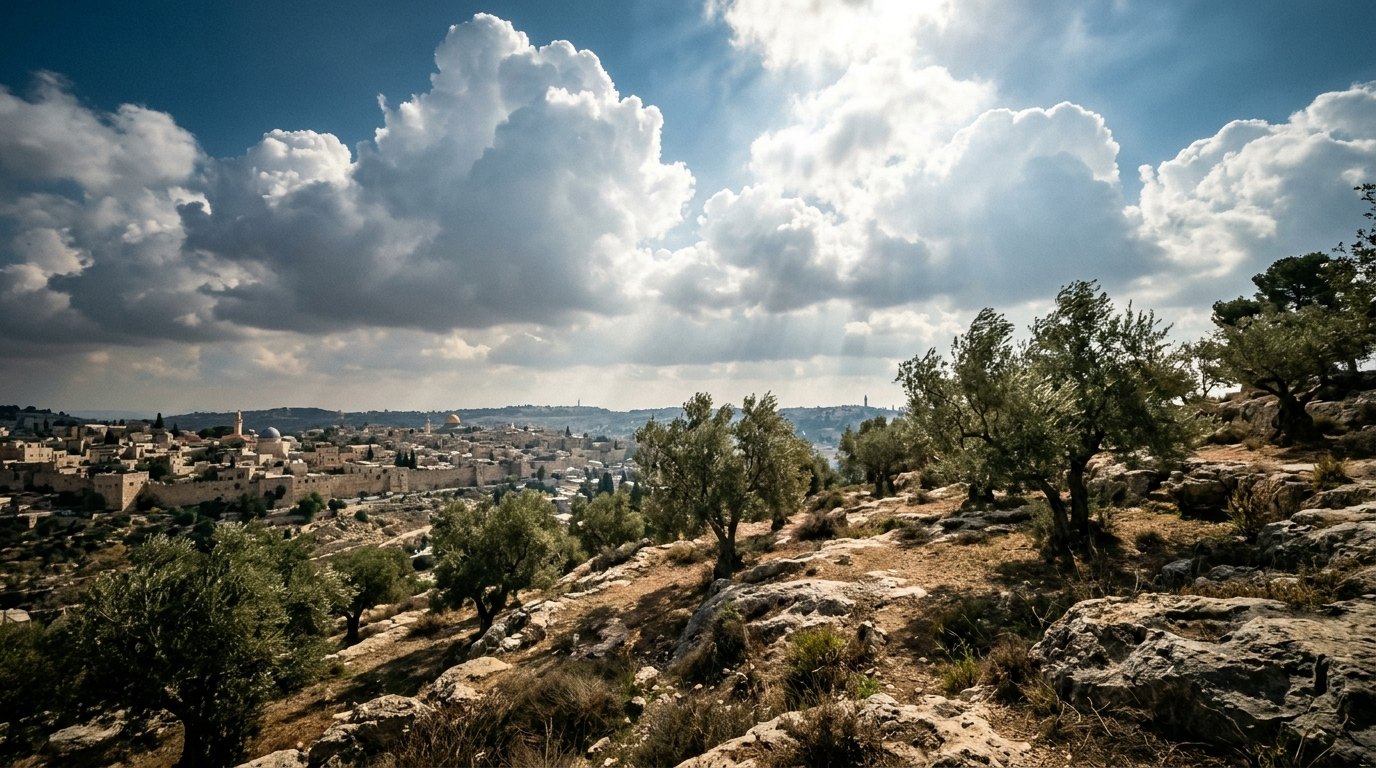
After he said this, he was taken up before their very eyes, and a cloud hid him from their sight.
Acts 1:9 (NIV)
It records the visible, physical reality of the ascension as Jesus was lifted up and received by a cloud in full view of his disciples.
In Acts 1:9, the visible departure of Jesus Christ anchors Christian faith in physical history: while the apostles watched, he was lifted up before their eyes and received into a cloud. This was no mystical apparition or inner psychological impression, but an objective bodily event upon the Mount of Olives. Moments earlier, his disciples had inquired whether he would immediately restore the kingdom to Israel (Acts 1:6). The Lord redirected their expectations, noting in Acts 1:7 that the Father holds all times and seasons within his own sovereign authority. Instead of an immediate earthly rebellion, Acts 1:8 promised them divine power through the Holy Spirit to serve as his worldwide witnesses, beginning in Jerusalem and extending to the ends of the earth.
As the disciples stood fixed to the earth staring upward (Acts 1:10), two angels dressed in white apparel appeared beside them. Their pronouncement in Acts 1:11 established the great hope of Christian eschatology: this very same Jesus, taken into heaven in bodily form, will return in the exact same manner. Luke's gospel provides the complementary historical perspective. In Luke 24:50, Jesus led them out toward Bethany and raised his pierced hands in blessing. While that priestly benediction was spoken, Luke 24:51 records that he parted from them and was carried into heaven. Rather than sorrow, the response of the witnesses was worship and great joy (Luke 24:52), keeping them continually in the Jerusalem temple offering praise (Luke 24:53).
Mark confirms this coronation in Mark 16:19, noting that after speaking to them, the Lord was received up into heaven and sat down at the right hand of God. The physical nature of this departure fulfills what Jesus had intimated to Mary Magdalene outside the garden tomb, when in John 20:17 he instructed her not to detain him because his return to the Father was imminent. Paul summarizes this essential pillar of early Christian confession in 1 Timothy 3:16, where the divine mystery of godliness reaches its glorious earthly culmination as Christ is publicly vindicated in the Spirit and taken up in glory before the gaze of his church.
| Passage | What it says |
|---|---|
| Acts 1:6 | The disciples ask Jesus if he will at this time restore the kingdom to Israel. |
| Acts 1:7 | Jesus declares that the Father reserves the authority over specific dates, times, and seasons. |
| Acts 1:8 | Jesus promises Holy Spirit power to his followers to make them witnesses across the whole earth. |
| Acts 1:9 | Jesus is taken up bodily while the disciples watch, entering a cloud out of their view. |
| Acts 1:10 | Two angels in white apparel stand by the disciples as they gaze into the sky. |
| Acts 1:11 | The angels declare that Jesus will return in the exact manner he was seen departing. |
| Luke 24:50 | Jesus leads the disciples out as far as Bethany and lifts up his hands to bless them. |
| Luke 24:51 | While blessing them, Jesus is parted from them and carried up into heaven. |
| Luke 24:52 | The disciples worship the ascended Lord and return to Jerusalem with great joy. |
| Luke 24:53 | The disciples remain continually in the temple praising and blessing God. |
| Mark 16:19 | The Lord Jesus is received into heaven and sits down at the right hand of God. |
| John 20:17 | Jesus instructs Mary not to cling to him because he has not yet ascended to his Father. |
| 1 Timothy 3:16 | The mystery of godliness culminates in Christ being taken up in glory. |
Exaltation and Enthronement
Christ takes his heavenly seat above every earthly power

he exerted when he raised Christ from the dead and seated him at his right hand in the heavenly realms,
Ephesians 1:20 (NIV)
It shows God's mighty power seating the risen Christ at his right hand in heavenly places.
Paul declares the sheer magnitude of Christ's enthronement in Ephesians 1:20, where God exerted his surpassing strength by raising him from the dead and seating him at his right hand in heavenly places. This heavenly session is the direct fulfillment of Psalms 110:1, where the Father invited David's Lord to sit at his right hand until all foes are rendered his footstool, an Old Testament promise fulfilled in Hebrews 1:13 and preached by Peter in Acts 2:34-35. It also answers the grand prophetic vision of Daniel 7:13, where the Son of Man rides the clouds into the presence of the Ancient of Days, fulfilled when Jesus ascended in Acts 1:9 and promised to return in glory in Revelation 1:7. The universal realm granted in Daniel 7:14 finds its realization as every nation and language is placed under his lordship, as celebrated in Ephesians 1:21 and Philippians 2:9-11.
Because Jesus ascended into heaven, he now reigns far above all rule and authority and every title named in this age and the age to come (Ephesians 1:21). God has placed all things in absolute subjection under his feet, establishing him as supreme head over the church (Ephesians 1:22). Peter echoes this triumph in 1 Peter 3:22, declaring that Jesus Christ has entered heaven at the right hand of God, with all angels, authorities, and powers made subject to him. Earthly rulers and demonic powers are no longer sovereign; the cosmos has a legitimate, reigning King.
This reality sustained the earliest martyrs. In Acts 7:55, the deacon Stephen, surrounded by hostile accusers, looked steadfastly into heaven and saw the glory of God, testifying boldly in Acts 7:56 that he saw the Son of Man standing at God's right hand to welcome him. As Philippians 2:9 affirms, God has super-exalted him and bestowed upon him the name above every name, so that in Philippians 2:10 every knee in heaven, on earth, and under the earth must bow. History moves relentlessly toward Philippians 2:11, when every tongue shall confess Jesus Christ as Lord to the glory of the Father, sharing in the victory described in Revelation 3:21, where the conqueror sits beside his Father upon his throne.
| Passage | What it says | Fulfilled |
|---|---|---|
| Psalms 110:1 | The Lord invites David's Lord to sit at his right hand until all enemies become his footstool. | Hebrews 1:13, Acts 2:34-35 |
| Daniel 7:13 | One like the Son of Man comes with clouds to the Ancient of Days to receive dominion. | Acts 1:9, Revelation 1:7 |
| Daniel 7:14 | The Son of Man is given an everlasting kingdom that all peoples and nations should serve him. | Ephesians 1:21, Philippians 2:9-11 |
| Ephesians 1:20 | God raised Christ from the dead and seated him at his own right hand in heavenly places. | |
| Ephesians 1:21 | Christ is exalted far above all rule, authority, power, dominion, and every name that is named. | |
| Ephesians 1:22 | All things are placed under Christ's feet, and he is appointed head over everything for the church. | |
| Hebrews 1:13 | God never invited any angel to sit at his right hand until enemies become a footstool. | |
| 1 Peter 3:22 | Jesus has gone into heaven at God's right hand with angels, authorities, and powers subjected to him. | |
| Acts 7:55 | Stephen sees the heavens opened and Jesus standing at the right hand of God. | |
| Acts 7:56 | Stephen declares he sees the Son of Man standing at God's right hand. | |
| Philippians 2:9 | God highly exalts Jesus and gives him the name above every name. | |
| Philippians 2:10 | At the name of Jesus every knee shall bow in heaven and earth. | |
| Philippians 2:11 | Every tongue will confess that Jesus Christ is Lord to the glory of God the Father. | |
| Revelation 3:21 | Jesus conquered and sat down with his Father on his heavenly throne. |
The Finished Atonement
The ascended High Priest sits down after offering one sacrifice

The Son is the radiance of God’s glory and the exact representation of his being, sustaining all things by his powerful word. After he had provided purification for sins, he sat down at the right hand of the Majesty in heaven.
Hebrews 1:3 (NIV)
It links Christ's purification of sins directly to his taking his seated posture at the right hand of Majesty.
The book of Hebrews captures the singular theological finality of the ascension in Hebrews 1:3, declaring that after Jesus had provided purification for sins, he sat down at the right hand of the Majesty on high. In the Old Testament tabernacle, as commanded in Leviticus 16:15, the high priest entered the dark inner sanctuary once every year carrying the blood of an animal sacrifice to sprinkle upon the mercy seat. Yet that ritual was only an earthly copy, fulfilled completely when Christ entered the heavenly sanctuary itself through his own blood, as detailed in Hebrews 9:11-12 and Hebrews 9:24. The earthly sanctuary had no chairs, because the work of the Levitical priesthood was unending; their priests stood daily offering the same sacrifices that could never take away sins.
Jesus, however, is the mediator of an unshakeable and eternal covenant. Unlike the ancient priests whose offices were repeatedly terminated by death (Hebrews 7:23), Jesus holds his priesthood permanently because he continues forever (Hebrews 7:24). Therefore, Hebrews 7:25 proclaims that he is able to save completely and to the uttermost all who approach God through him, since he lives forever to intercede on their behalf. He has no need for repeated daily offerings (Hebrews 7:27); his self-offering was executed once for all. While the law ordained men plagued with human weakness (Hebrews 7:28), the oath of God established the Son, perfected forever.
Our ascended Lord did not enter an earthly sanctuary made with hands, but entered heaven itself to appear before the face of God on our behalf (Hebrews 9:24). In Hebrews 10:12, Scripture emphasizes that after offering one single sacrifice for sins for all time, he sat down at the right hand of God. His seated posture is the divine receipt showing that the debt of sin has been canceled in full. As Paul asserts in Romans 8:34, no accusation against God's elect can stand, because the Christ who died and rose is presently at God's right hand interceding for us. With our Great High Priest passed through the heavens (Hebrews 4:14) and enthroned on high (Hebrews 8:1), believers rest securely in 1 John 2:1, knowing that when we fail, we possess a righteous Advocate continually before the Father.
| Passage | What it says | Fulfilled |
|---|---|---|
| Leviticus 16:15 | The high priest enters the inner sanctuary within the veil once a year with sacrificial blood. | Hebrews 9:11-12, Hebrews 9:24 |
| Hebrews 1:3 | After purifying sins by himself, the Son sat down on the right hand of the Majesty on high. | |
| Hebrews 7:23 | Former Levitical priests were prevented by physical death from continuing their priestly office. | |
| Hebrews 7:24 | Jesus holds an unchangeable and permanent priesthood because he lives and remains forever. | |
| Hebrews 7:25 | He saves completely those drawing near to God through him because he continually intercedes for them. | |
| Hebrews 7:27 | Christ does not need daily sacrifices like earthly priests; he sacrificed once for all for sins. | |
| Hebrews 7:28 | The law appoints weak men as priests, but the oath appoints the Son perfected forever. | |
| Hebrews 9:24 | Christ did not enter man-made shrines but entered heaven itself to appear before God for us. | |
| Hebrews 10:12 | Having offered one single sacrifice for sins for all time, Christ sat down beside God. | |
| Romans 8:34 | Christ Jesus is at the right hand of God interceding continually for believers. | |
| Hebrews 4:14 | Jesus the Son of God has passed through the heavens as our great High Priest. | |
| Hebrews 8:1 | We have a High Priest seated at the right hand of the throne of the Majesty. | |
| Hebrews 9:11 | Christ appeared as High Priest through the greater and more perfect tent not made with hands. | |
| Hebrews 9:12 | He entered once for all into the holy places by his own blood, securing redemption. | |
| 1 John 2:1 | If anyone sins, believers have an advocate with the Father, Jesus Christ the righteous. |
The Spirit and Mission
His departure releases the promised Spirit and world mission
But very truly I tell you, it is for your good that I am going away. Unless I go away, the Advocate will not come to you; but if I go, I will send him to you.
John 16:7 (NIV)
It explains the necessity of the ascension for sending the Comforter to indwell the disciples.
On the eve of his crucifixion, Jesus comforted his sorrowing disciples by revealing the true purpose of his departure, stating in John 16:7 that it was to their advantage that he go away, for if he did not depart, the Comforter would not come. The bodily ascension was the indispensable prerequisite for the universal outpouring of the Holy Spirit. In his earthly ministry, Christ's physical presence was geographically localized; in his ascension, he was exalted to send his Spirit to indwell every believer across the globe. This was the long-awaited fulfillment of Psalms 68:18, where the victorious conqueror ascended on high, leading a train of captives and receiving gifts for mankind, a prophecy realized when Christ gave spiritual gifts to his church, as explained in Ephesians 4:8-10.
During his earthly walk, the full river of the Spirit could not yet be released, because, as John 7:39 explains, Jesus was not yet glorified. But once the risen Savior ascended, the promise of John 14:16 came into effect, wherein the Father gave the church another Advocate to abide with them forever. Jesus promised in John 14:26 that this Holy Spirit, sent in his name, would teach his followers all things and bring his words to remembrance, testifying of Christ and empowering their witness (John 15:26). Consequently, believers can execute the promise of John 14:12, performing greater works in global reach because their Lord has gone directly to the Father.
On the day of Pentecost, Peter announced that this divine promise had arrived in power. In Acts 2:33, he declared that Jesus, exalted to the right hand of God and having received from the Father the promise of the Holy Spirit, had poured out what the crowds could see and hear. The ascended King now actively equips and builds his church. In Ephesians 4:11, he distributes royal gifts—apostles, prophets, evangelists, shepherds, and teachers—to his people. Through these sovereign appointments, Ephesians 4:12 demonstrates that the entire body of Christ is continually equipped for ministry, flourishing under the life-giving, heavenly reign of its ascended Head.
| Passage | What it says | Fulfilled |
|---|---|---|
| Psalms 68:18 | The Lord ascended on high, led captivity captive, and received gifts for mankind. | Ephesians 4:8-10 |
| John 14:12 | Jesus promises that believers will do greater works because he goes directly to the Father. | |
| John 16:7 | Jesus tells his disciples that his going away is advantageous because the Advocate will then come. | |
| Acts 2:33 | Exalted to God's right hand, Jesus received the promised Spirit from the Father and poured it out. | |
| Ephesians 4:8 | Christ ascended far above the heavens and poured out sovereign spiritual gifts upon his church. | |
| Ephesians 4:10 | He who descended is the same one who ascended high above all heavens to fill everything. | |
| John 7:39 | The Spirit was not yet given because Jesus was not yet glorified. | |
| John 14:16 | Jesus asks the Father to give believers another Helper to be with them forever. | |
| John 14:26 | The Father sends the Holy Spirit in Jesus' name to teach and remind. | |
| John 15:26 | Jesus sends the Helper, the Spirit of truth who proceeds from the Father. | |
| Ephesians 4:11 | The ascended Christ gives apostles, prophets, evangelists, shepherds, and teachers to build his church. | |
| Ephesians 4:12 | These gifts equip the saints for ministry and edify the body of Christ. |
The Promised Return
The departing King will return visibly to consummate his kingdom
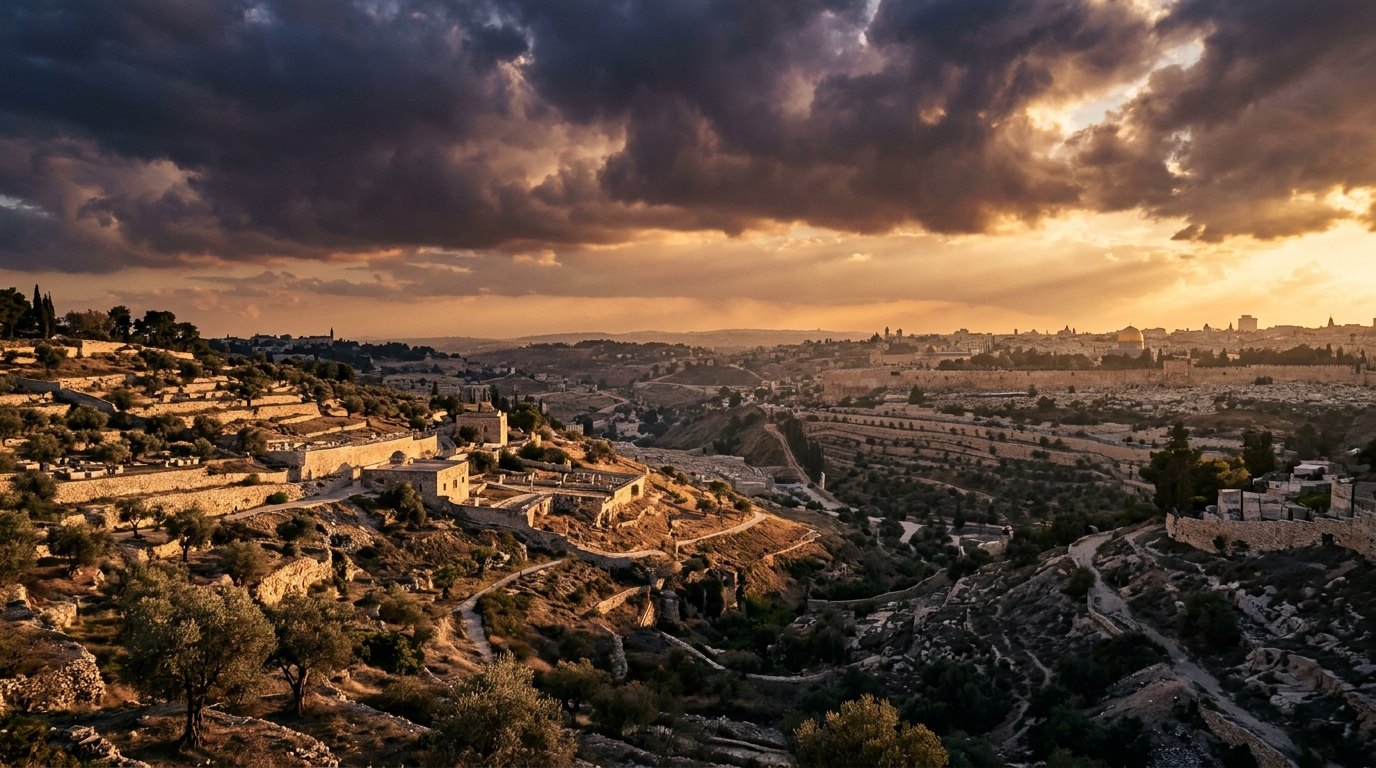
Then the sovereignty, power and greatness of all the kingdoms under heaven will be handed over to the holy people of the Most High. His kingdom will be an everlasting kingdom, and all rulers will worship and obey him.’
Daniel 7:27 (NIV)
It confirms that the eternal kingdom given to the Son at his ascension will ultimately encompass the whole earth.
The vision of Daniel 7:27 announces that the kingdom, dominion, and greatness under the whole heaven shall be given to the saints of the Most High, a reign that is everlasting and shall never pass away. When the risen Lord ascended into the heavens, he did not abandon the world he redeemed; he entered into his royal investiture, awaiting the appointed day when every enemy is placed beneath his feet. The ancient prophets foresaw this unending sovereignty: Isaiah 9:6 announced the child born as Mighty God and Prince of Peace, fulfilled when the angel declared to Mary in Luke 1:32-33 that he would rule over the house of Jacob forever. Isaiah 9:7 pledged that the increase of his government would have no end, matching the angelic promise in Luke 1:33. Through Ezekiel 37:24, the Lord swore that David his servant would be king and one shepherd, fulfilled in John 10:16 as Christ gathered his flock into one fold. Under this everlasting prince, God's people abide secure (Ezekiel 37:25), joined to an everlasting covenant of peace where God sets his sanctuary among them forever (Ezekiel 37:26; Ezekiel 37:27), finding final consummation in Revelation 21:3 when God tabernacles visibly with man. During his earthly ministry, his disciples longed for this culmination, questioning him on the Mount of Olives about the end of the age (Matthew 24:3), while Jesus cautioned that the kingdom of God does not come with outward observation (Luke 17:20) and told parables to correct those who supposed the kingdom would appear immediately (Luke 19:11). The ascension inaugurated this reign, and the promise remains absolute: Revelation 1:7 proclaims he is coming with clouds, seen by every eye, when all kingdoms become the kingdom of our Lord and of his Christ (Revelation 11:15).
| Passage | What it says | Fulfilled |
|---|---|---|
| Isaiah 9:6 | A child is born whose name is Wonderful Counselor, Mighty God, Everlasting Father, Prince of Peace. | Luke 1:32-33 |
| Isaiah 9:7 | Of the increase of his government and peace there will be no end upon David's throne. | Luke 1:33 |
| Ezekiel 37:24 | David the Lord's servant shall reign as king and single shepherd over reunited Israel. | John 10:16 |
| Ezekiel 37:25 | God promises his people will dwell safely in the land under their prince forever. | |
| Ezekiel 37:26 | The Lord establishes an everlasting covenant of peace and sets his sanctuary among his people. | Revelation 21:3 |
| Ezekiel 37:27 | God's dwelling place will remain with them, and he will be their God and they his people. | Revelation 21:3 |
| Daniel 7:27 | The kingdom, dominion, and greatness under the whole heaven are given to the saints of the Most High. | Revelation 11:15 |
| Matthew 24:3 | The disciples ask Jesus on the Mount of Olives concerning the sign of his coming and the end. | |
| Luke 17:20 | Jesus answers the Pharisees that the kingdom of God does not arrive with visible observation. | |
| Luke 19:11 | Jesus speaks a parable because listeners supposed the kingdom of God would appear immediately in Jerusalem. | |
| Revelation 1:7 | He is coming with clouds, and every eye will see him, including those who pierced him. |
Forerunner and Anchor
Our bodily forerunner prepares heaven and secures our eternal home
where our forerunner, Jesus, has entered on our behalf. He has become a high priest forever, in the order of Melchizedek.
Hebrews 6:20 (NIV)
Jesus entered heaven not merely for himself, but explicitly as our forerunner who guarantees our arrival.
In Hebrews 6:20, Scripture reveals that Jesus has entered into the inner sanctuary behind the curtain as a forerunner on our behalf, securing eternal access as our High Priest forever. The ascension means that human flesh has entered the uncreated glory of God's presence, not as a solitary visitor, but as the trailblazer whose arrival guarantees our own. On the eve of his passion, the Lord promised his troubled followers that in his Father's house are many dwelling places, declaring in John 14:2 that he was departing specifically to prepare a place for them, and pledging in John 14:3 to return and welcome them into his presence. Because Christ bodily entered the heavenly sanctuary, the status of the believer is already radically transformed: God has raised us up with him and seated us with him in heavenly places (Ephesians 2:6). For this reason, the apostolic word urges believers to seek the things that are above where Christ sits at God's right hand (Colossians 3:1), setting our affections on heavenly realities rather than passing earthly shadows (Colossians 3:2). Our true life has not vanished; it is safely hidden with Christ in God, waiting to be revealed in glory (Colossians 3:3). The ascension therefore supplies our present existence with an immovable foundation. As Hebrews 6:19 declares, we possess hope as a sure and steadfast anchor of the soul, cast not into the shifting seabed of this world, but hooked immovably within the heavenly veil where our ascended Priest lives to intercede.
| Passage | What it says |
|---|---|
| John 14:2 | In the Father's house are many rooms, and Jesus goes to prepare a place. |
| John 14:3 | Jesus promises to come again and receive his own to himself. |
| Ephesians 2:6 | God raised believers up with Christ and seated them with him in heavenly places. |
| Colossians 3:1 | Believers raised with Christ are told to seek the things that are above. |
| Colossians 3:2 | Set your minds on things above, where Christ is seated, not earthly things. |
| Colossians 3:3 | Believers died, and their life is now hidden with Christ in God. |
| Hebrews 6:19 | Believers have a sure and steadfast anchor of the soul entering behind the curtain. |
| Hebrews 6:20 | Jesus has entered heaven as a forerunner on our behalf as eternal high priest. |
Where in the Bible
| Book | Passages |
|---|---|
| Leviticus | 1 · Leviticus 16:15 |
| Psalms | 2 · Psalms 110:1, Psalms 68:18 |
| Isaiah | 2 · Isaiah 9:6, Isaiah 9:7 |
| Ezekiel | 4 · Ezekiel 37:24, Ezekiel 37:25, Ezekiel 37:26, Ezekiel 37:27 |
| Daniel | 3 · Daniel 7:13, Daniel 7:14, Daniel 7:27 |
| Matthew | 1 · Matthew 24:3 |
| Mark | 1 · Mark 16:19 |
| Luke | 6 · Luke 24:50, Luke 24:51, Luke 24:52, Luke 24:53, Luke 17:20, Luke 19:11 |
| John | 9 · John 20:17, John 14:12, John 16:7, John 7:39, John 14:16, John 14:26, John 15:26, John 14:2, John 14:3 |
| Acts | 9 · Acts 1:6, Acts 1:7, Acts 1:8, Acts 1:9, Acts 1:10, Acts 1:11, Acts 7:55, Acts 7:56, Acts 2:33 |
| Romans | 1 · Romans 8:34 |
| Ephesians | 8 · Ephesians 1:20, Ephesians 1:21, Ephesians 1:22, Ephesians 4:8, Ephesians 4:10, Ephesians 4:11, Ephesians 4:12, Ephesians 2:6 |
| Philippians | 3 · Philippians 2:9, Philippians 2:10, Philippians 2:11 |
| Colossians | 3 · Colossians 3:1, Colossians 3:2, Colossians 3:3 |
| 1 Timothy | 1 · 1 Timothy 3:16 |
| Hebrews | 15 · Hebrews 1:13, Hebrews 1:3, Hebrews 7:23, Hebrews 7:24, Hebrews 7:25, Hebrews 7:27, Hebrews 7:28, Hebrews 9:24, Hebrews 10:12, Hebrews 4:14, Hebrews 8:1, Hebrews 9:11, Hebrews 9:12, Hebrews 6:19, Hebrews 6:20 |
| 1 Peter | 1 · 1 Peter 3:22 |
| 1 John | 1 · 1 John 2:1 |
| Revelation | 2 · Revelation 3:21, Revelation 1:7 |
The story in order
- Jesus ascends to heaven (AD 30) · Acts 1:9 · Jesus is taken up bodily while disciples watch.
- Jesus is seated at God's right hand (AD 30) · Mark 16:19 · The ascended Lord sits at God's right hand.
- Son of Man receives dominion (c. 600 BC) · Daniel 7:13 · Vision of future everlasting kingdom given to the Son of Man.
- Lord invites David's Lord to reign (c. 1000 BC) · Psalms 110:1 · Messianic psalm foretells enthronement and subjugation of enemies.
- High Priest enters heaven (AD 30) · Hebrews 9:24 · Christ enters heaven itself to appear before God for us.
- Christ offers one sacrifice (AD 30) · Hebrews 10:12 · Ascended Christ sits down after his one sacrifice for sins.
- Spirit is poured out (AD 30) · Acts 2:33 · Exalted Jesus pours out the promised Holy Spirit.
- Christ gives gifts to the church (c. AD 60) · Ephesians 4:11 · Ascended Christ gives leaders to build up the church.
- Jesus prepares a place for us (c. AD 30) · John 14:2 · Jesus goes to prepare heavenly dwelling places.
- Jesus returns with clouds (c. AD 95) · Revelation 1:7 · Prophecy of Christ's visible return to earth.
Christ's Ascension and Enthronement
| Ascension Event | Heavenly Seat | Universal Authority | Passage |
|---|---|---|---|
| Taken up into heaven | Seated at God's right hand | Exalted above all rule and authority | |
| Son of Man comes to Ancient of Days | Receives everlasting dominion | All peoples serve him | Daniel 7:13-14 |
| Jesus goes to the Father | Sits on the Father's throne | Given the name above every name |
Key words
- Ascension (ἀνάληψις (analēpsis))
- The bodily departure of the risen Jesus into heaven. · Acts 1:9
- Exaltation (ὑπερυψόω (hyperypsoō))
- Christ being raised to the highest position of authority and honor. · Philippians 2:9
- High Priest (ἀρχιερεύς (archiereus))
- One who mediates between God and humanity, offering sacrifices. · Hebrews 4:14
- Advocate (Παράκλητος (Paraklētos))
- One who pleads for another; the Holy Spirit or Jesus. · John 14:16
- Forerunner (πρόδρομος (prodromos))
- One who goes ahead to prepare the way or secure a place. · Hebrews 6:20
Because Christ ascended in glorified flesh, heaven is not closed to humanity, and earthly life is neither abandoned nor purposeless. Believers rest in an accomplished redemption, pray with boldness through a living Advocate, and walk in the Spirit's power until he comes again in like manner.
73 passages, each cited once.
Scripture cited
- Acts 1:6-11
- Daniel 7:27
- Isaiah 9:6-7
- Luke 24:50-53
- Mark 16:19-20
- Hebrews 1:1-14
- Ephesians 1:15-23
- Hebrews 7:23-28