What is the baptism of the Holy Spirit?
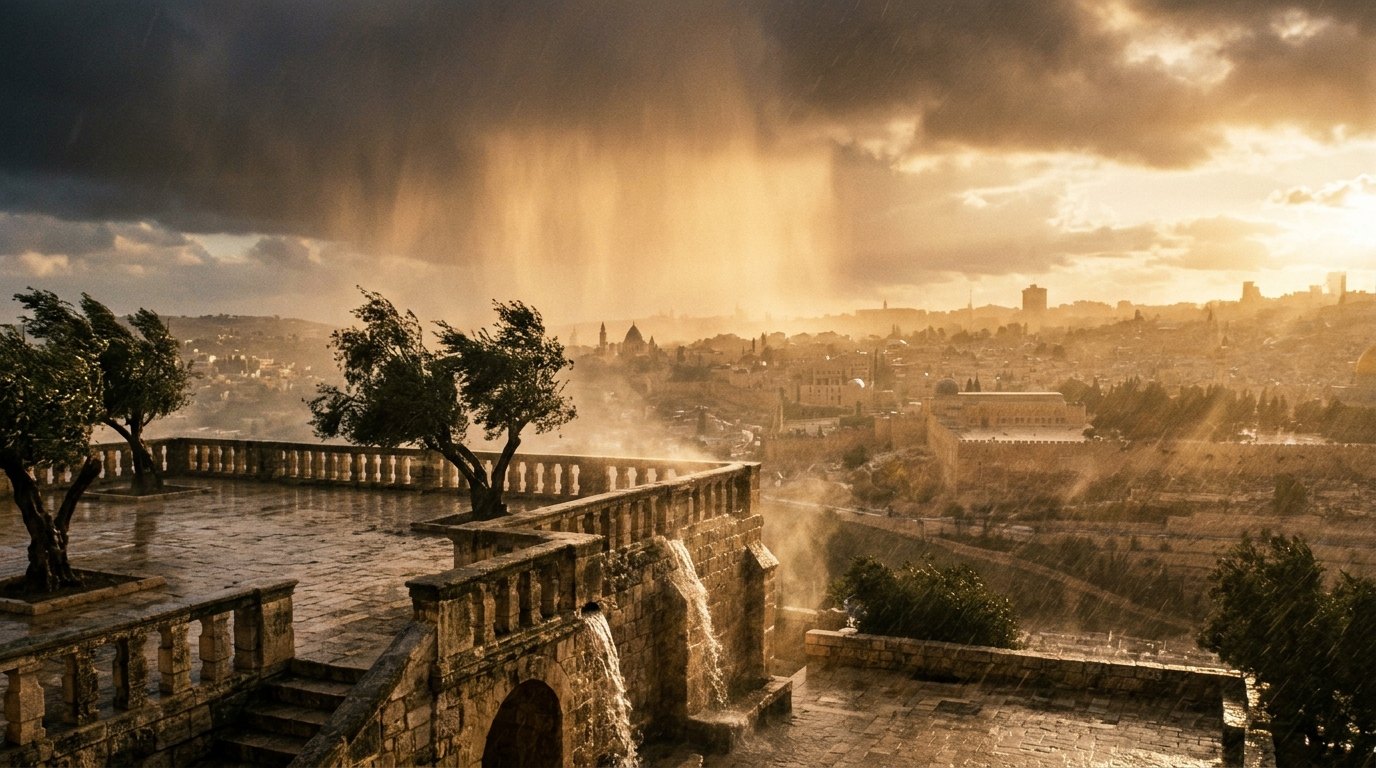
Acts 1:4-8
4 On one occasion, while he was eating with them, he gave them this command: “Do not leave Jerusalem, but wait for the gift my Father promised, which you have heard me speak about.
5 For John baptized with water, but in a few days you will be baptized with the Holy Spirit.”
6 Then they gathered around him and asked him, “Lord, are you at this time going to restore the kingdom to Israel?”
7 He said to them: “It is not for you to know the times or dates the Father has set by his own authority.
8 But you will receive power when the Holy Spirit comes on you; and you will be my witnesses in Jerusalem, and in all Judea and Samaria, and to the ends of the earth.”
New International Version (NIV)
The answer
The baptism of the Holy Spirit is God’s gift of the Holy Spirit Himself, promised by Jesus, bringing believers into Christ’s one body and empowering them to bear witness to Him. It is not another form of water baptism: Jesus contrasted John’s water baptism with being baptized in the Holy Spirit in Acts 1:4-5, and connected the Spirit’s coming with power for witness in Acts 1:8.
What Scripture shows
- It was fulfilled at Pentecost. The disciples were filled with the Holy Spirit and spoke in other languages as the Spirit enabled them (Acts 2:1-4). Peter then proclaimed repentance and faith in Jesus Christ and promised the gift of the Spirit to all whom the Lord calls (Acts 2:38-39).
- It brings believers into one body. First Corinthians 12:13 says, “For in one Spirit we were all baptized into one body,” including Jews and Greeks, enslaved and free. This is therefore not a badge marking out a spiritually superior class.
- It is God’s gracious gift, not a human achievement. When the Spirit fell on Cornelius’s household, Peter explicitly connected that event with Jesus’ promise of baptism in the Holy Spirit and called it the same gift the Jewish believers had received when they believed (Acts 11:15-17).
- Its purpose includes empowered witness. Jesus promised that the Spirit’s coming would make His disciples witnesses from Jerusalem to the ends of the earth (Acts 1:8).
How it relates to water baptism and filling
Water baptism and Spirit baptism are distinguishable. The Holy Spirit fell on Cornelius’s household while Peter was preaching; afterward, Peter commanded them to be baptized in water (Acts 10:44-48). One did not make the other unnecessary.
Being filled with the Spirit can happen repeatedly. Those filled at Pentecost were filled again after praying together, and spoke God’s word boldly (Acts 2:4; Acts 4:31). Ephesians 5:18-20 also commands believers to be filled with the Spirit, describing a life of worship and thanksgiving. A fresh filling should therefore not be confused with entering Christ’s body for the first time.
Where the main readings differ
- Reading — Scriptural emphasis
- Incorporation at conversion, common among many Reformed, Baptist and other evangelical readers — First Corinthians 12:13 says all were baptized into one body, and Acts 11:17 connects God’s gift with believing in Jesus. Every believer therefore belongs to Christ through the Spirit, while later fillings and empowerings continue.
- A distinct empowering after the new birth, characteristic of classical Pentecostal teaching and held in various forms by many charismatics — Acts 1:8 emphasizes power for witness; the Samaritan believers received the Spirit after believing and being baptized (Acts 8:14-17), and the Ephesian disciples spoke in languages and prophesied when the Spirit came upon them (Acts 19:1-7). The Assemblies of God’s Fundamental Truths 6 specifically teaches an experience distinct from and subsequent to the new birth, with speaking in tongues as its initial sign.
Part of the disagreement concerns terminology: whether “baptism in the Spirit” names incorporation into Christ’s body, a subsequent empowering, or both aspects of the Spirit’s work. The response Scripture presses is repentance and faith in Jesus Christ, not spiritual pride, followed by continued openness to the Spirit’s filling and faithful witness to Christ (Acts 2:38-39; Ephesians 5:18-20).
Answered from Scripture · reviewed November 11, 2026
The baptism of the Holy Spirit is the promised work of the risen Christ, who plunges his people into the third person of the Trinity for divine life, corporate unity, and witness. Foreshadowed by the prophets and proclaimed by John the Baptist, this promise of the Father was inaugurated at Pentecost and continues to mark the presence and power of God among his people. Across the Scriptures, this immersion unites believers into one body and clothes them with boldness to declare the gospel to the ends of the earth.
Prophetic Foreshadowing
God promises the outpouring of his living Spirit

“And afterward, I will pour out my Spirit on all people. Your sons and daughters will prophesy, your old men will dream dreams, your young men will see visions. Even on my servants, both men and women, I will pour out my Spirit in those days.
Joel 2:28-29 (NIV)
Joel declares that God will pour out his Spirit indiscriminately upon all flesh, sons and daughters alike, which Peter cites as fulfilled at Pentecost.
Long before the day of Pentecost arrived, God declared through the prophets that a day was coming when his Spirit would no longer merely visit certain individuals for specific tasks, but would be poured out broadly and permanently upon his people. In Joel 2:28-29, the Lord gives the foundational promise of this new covenant era, declaring that he will pour out his Spirit upon all flesh, crossing every barrier of age, gender, and social status. This lavish outpouring found its inaugural realization when the Spirit fell in Acts 2:16-18, signaling that the last days had commenced.
This promised flood was anticipated across the prophetic canon as the source of supernatural life and fruitful renewal. Isaiah 32:15 announced that the barren wilderness would be transformed into a fruitful orchard once the Spirit is poured upon us from on high, a promise echoed in Acts 2:17-18 as the spiritual desert of humanity blossomed with kingdom life. Similarly, Isaiah 44:3 linked the pouring of water on dry ground with the outpouring of the divine Spirit upon Jacob’s seed, pointing directly to the streams of living water promised in John 7:37-39. Through Ezekiel, the Lord made plain that this immersion would renew the inner person: Ezekiel 36:26-27 pledged a new heart and the indwelling Spirit to empower obedience, fulfilled in the washing and renewal described in Titus 3:5-6, while Ezekiel 37:14 saw the Spirit reviving lifeless dry bones into a vibrant army, anticipating the life-giving power celebrated in Romans 8:11. Even Proverbs 1:23 and Zechariah 12:10 bore witness to this divine pouring, unveiling a spirit of wisdom, repentance, grace, and supplication that would prepare God’s covenant people to look upon the One they pierced.
| Passage | What it says | Fulfilled |
|---|---|---|
| Isaiah 32:15 | Isaiah foretells the wilderness becoming a fruitful field once the Spirit is poured out from on high. | Acts 2:17-18 |
| Isaiah 44:3 | God promises to pour water on the thirsty land and his Spirit upon the offspring of Jacob. | John 7:37-39 |
| Ezekiel 36:26-27 | The Lord promises to give a new heart and put his Spirit within his people so they walk in his statutes. | Titus 3:5-6 |
| Ezekiel 37:14 | God pledges to place his Spirit within dry bones that they may live upon their own land. | Romans 8:11 |
| Joel 2:28-29 | The Lord announces he will pour out his Spirit upon all flesh, across generations and social classes. | Acts 2:16-18 |
| Proverbs 1:23 | Wisdom promises to pour out her spirit and make her words known upon repentance. | |
| Zechariah 12:10 | God promises to pour on the house of David a spirit of grace and supplication. |
The Forerunner's Witness
John points to the one who baptizes with the Spirit
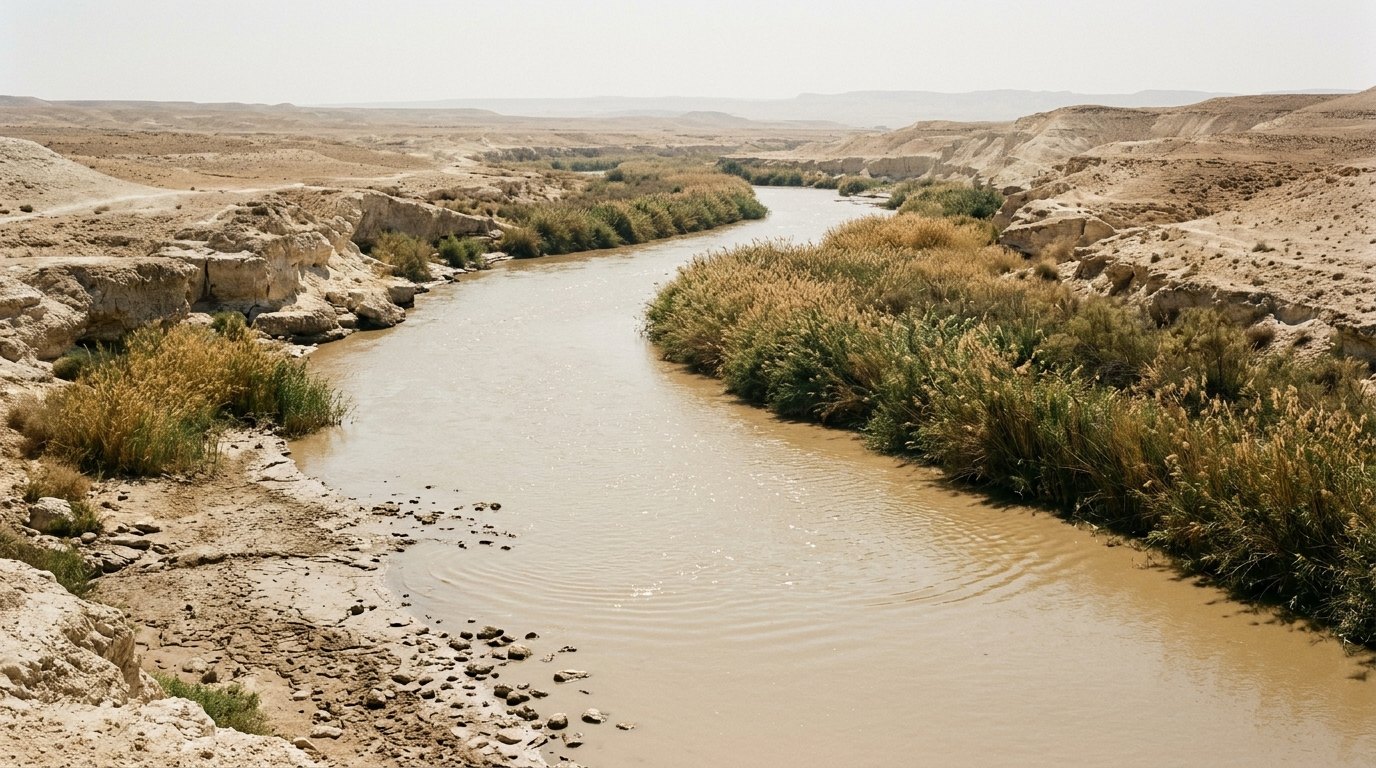
“I baptize you with water for repentance. But after me comes one who is more powerful than I, whose sandals I am not worthy to carry. He will baptize you with the Holy Spirit and fire.
Matthew 3:11 (NIV)
John the Baptist explicitly contrasts his preparatory water baptism with the mightier Messiah who baptizes with the Holy Spirit and fire.
When John the Baptist stepped onto the banks of the Jordan River, he stood as the transitional herald between the old covenant shadows and the reality of the coming King. His entire ministry was defined by pointing away from himself to the mightier One who was approaching. In Matthew 3:11, John explicitly drew the contrast: while his baptism was merely with water unto repentance, the Messiah who followed would immerse his people with the Holy Spirit and with fire. This solemn declaration received its initial fulfillment when the ascended Lord sent forth the rushing wind and resting fire in Acts 1:5 and Acts 2:3-4.
This crucial distinction was so central to the gospel testimony that every single gospel writer preserved John’s words. In Mark 1:8, the forerunner insisted that while he immersed believers in water, Christ would plunge them into the Holy Spirit, which Jesus himself confirmed just prior to his ascension in Acts 1:5. Luke 3:16 similarly records John warning the crowds that Messiah’s baptism brings both the purifying grace and the separating fire of divine judgment, seen clearly when the tongues of fire descended in Acts 2:3-4. Finally, John 1:33 provides the divine validation given to the Baptist: the Father instructed John that the One upon whom the Spirit descended like a dove and remained was indeed the designated Baptizer in the Holy Spirit. Peter identified this very truth in Acts 2:33, announcing that the exalted Jesus had received the promised Spirit from the Father and poured him out upon the waiting disciples.
| Passage | What it says | Fulfilled |
|---|---|---|
| Matthew 3:11 | John declares that while he baptizes with water for repentance, Christ will baptize with the Holy Spirit and fire. | Acts 1:5, Acts 2:3-4 |
| Mark 1:8 | Mark records John's testimony that the coming Mightier One will baptize with the Holy Spirit. | Acts 1:5 |
| Luke 3:16 | Luke highlights John's announcement that the Christ will immerse with the Holy Spirit and with fire. | Acts 2:3-4 |
| John 1:33 | God told John that the one upon whom the Spirit descends and remains is he who baptizes in the Spirit. | Acts 2:33 |
The Savior's Promise
Jesus pledges the Spirit of power and truth
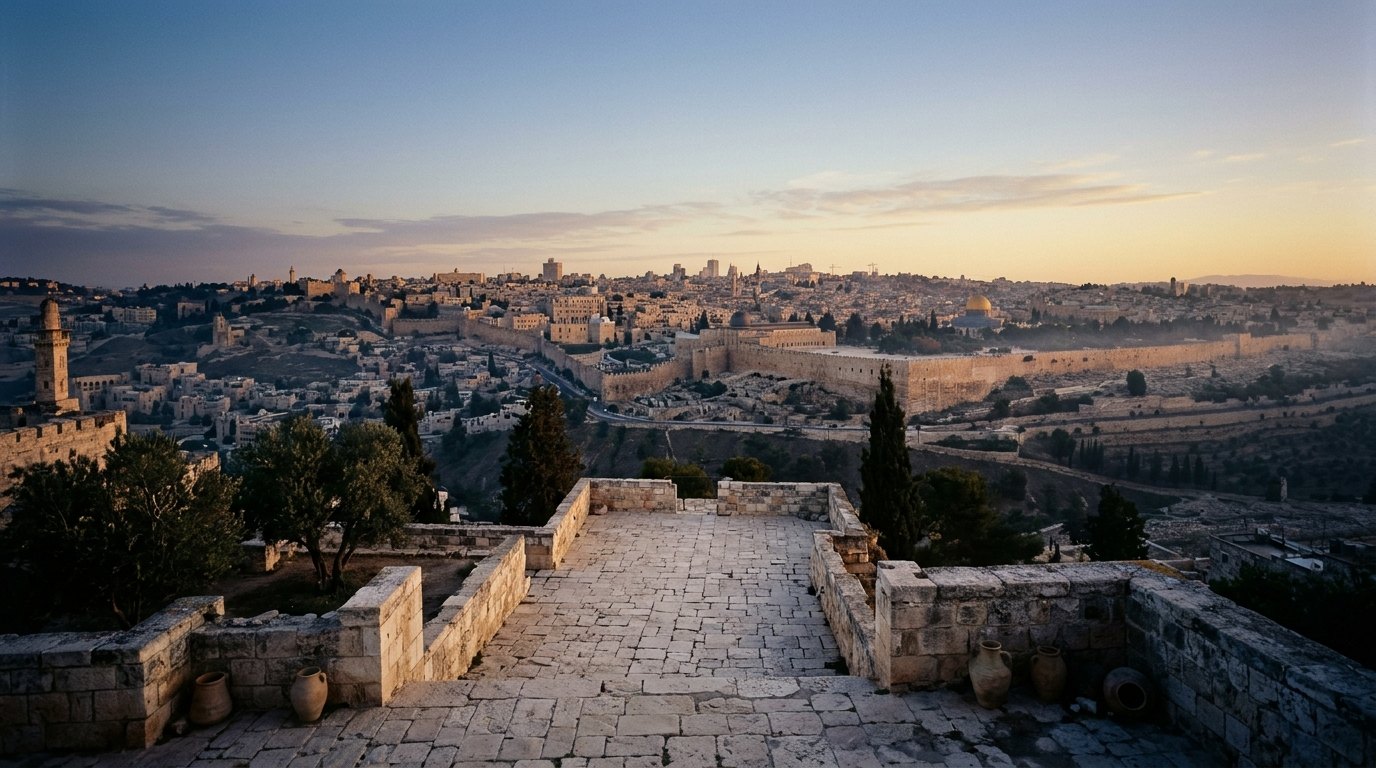
On one occasion, while he was eating with them, he gave them this command: “Do not leave Jerusalem, but wait for the gift my Father promised, which you have heard me speak about. For John baptized with water, but in a few days you will be baptized with the Holy Spirit.”
Acts 1:4-5 (NIV)
Jesus explicitly commands the disciples to wait for the Father's promise, naming it as being baptized in the Holy Spirit.
During his earthly ministry and following his resurrection, the Lord Jesus repeatedly promised that he would send the Holy Spirit to empower, indwell, and instruct his followers. Just before ascending, as recorded in Acts 1:4-5, Jesus commanded his apostles to remain in Jerusalem and wait for the Father’s promise, explaining that while John had baptized with water, they would be baptized with the Holy Spirit within days. This definitive immersion unfolded immediately on the day of Pentecost in Acts 2:1-4.
Throughout the Upper Room discourse and the post-resurrection period, Jesus unveiled the diverse facets of this divine gift. In Luke 24:49, he charged them to tarry until they were clothed with power from on high, which he restated in Acts 1:8 as the catalyst that would make them his global witnesses, confirmed across the book of Acts from Jerusalem to Samaria and Caesarea (Acts 2:4; Acts 8:17; Acts 10:44-46). Jesus promised in John 7:37-39 that those who believe would overflow with rivers of living water, an outflow realized when he was glorified at God’s right hand (Acts 2:33). He promised another Advocate—the Spirit of truth who would dwell within them (John 14:16-17; John 15:26; Acts 5:32), bring his words to remembrance (John 14:26; 1 John 2:20, 27), and convict the world of sin, righteousness, and judgment (John 16:7-8; Acts 2:37). Having promised in Luke 11:13 that the Father generously gives the Spirit to those who ask, and having breathed on them with the pledge of the Spirit in John 20:22, Jesus also assured them in Luke 12:12 that the Spirit would provide boldness and words before persecutors, as seen in the trials of Peter (Acts 4:8) and Stephen (Acts 7:55).
| Passage | What it says | Fulfilled |
|---|---|---|
| Luke 12:12 | Jesus promises that the Holy Spirit will teach the disciples in the very hour what they ought to say. | Acts 4:8, Acts 7:55 |
| Luke 24:49 | Christ tells the disciples to tarry in Jerusalem until they are clothed with power from on high. | Acts 1:8, Acts 2:4 |
| John 7:37-39 | Jesus promises rivers of living water flowing from believers, speaking of the Spirit given after his glorification. | Acts 2:33 |
| John 14:16-17 | The Father will send another Comforter, the Spirit of truth, who dwells with them and will be in them. | Acts 2:4 |
| John 14:26 | The Holy Spirit, sent by the Father, will teach all things and bring Christ's words to remembrance. | 1 John 2:20, 1 John 2:27 |
| John 15:26 | The Spirit of truth proceeding from the Father will testify about Jesus alongside the disciples. | Acts 5:32 |
| John 16:7-8 | It is to the disciples' advantage that Jesus goes away, for he will send the Comforter to convict the world. | Acts 2:37 |
| Acts 1:4-5 | Jesus orders them to wait for the Father's promise, being baptized with the Holy Spirit not many days hence. | Acts 2:1-4 |
| Acts 1:8 | Power will come when the Holy Spirit comes upon them, making them witnesses from Jerusalem to earth's ends. | Acts 2:4, Acts 8:17, Acts 10:44-46 |
| Luke 11:13 | Jesus assures that the Heavenly Father gives the Holy Spirit to those who ask him. | |
| John 20:22 | The risen Jesus breathes on his disciples and commands them to receive the Holy Spirit. |
The Pentecost Outpouring
The risen Lord pours out the promised Spirit
When the day of Pentecost came, they were all together in one place. Suddenly a sound like the blowing of a violent wind came from heaven and filled the whole house where they were sitting. They saw what seemed to be tongues of fire that separated and came to rest on each of them. All of them were filled with the Holy Spirit and began to speak in other tongues as the Spirit enabled them.
Acts 2:1-4 (NIV)
The event of Pentecost exhibits the sound of rushing wind, resting tongues of fire, and immediate Spirit-filling with languages.
On the day of Pentecost, the ancient promises of God and the explicit predictions of the Lord Jesus coalesced in history with undeniable power. Acts 2:1-4 captures this historic watershed: as the disciples gathered in unity, there came a sound from heaven like a rushing, violent wind filling the whole house, followed by visible tongues as of fire resting on each of them. Immediately, all were filled with the Holy Spirit and began to speak in other tongues as the Spirit enabled their speech, publicly demonstrating that the risen King had baptized his church in the third person of the Godhead.
The public nature of this outpouring was immediately evident to the thousands gathered for the feast. In Acts 2:5-11, devout Jews from every nation under heaven were bewildered because each heard these Galilean disciples proclaiming the magnificent deeds of God in their own native languages and dialects. When mockers attempted to dismiss this miracle as drunkenness, Peter stood with the Eleven in Acts 2:14-21 to proclaim authoritatively that this event was the precise fulfillment of Joel’s ancient prophecy. Addressing the assembly, Peter explained the theological foundation of what they were witnessing: Jesus of Nazareth, having been crucified, raised, and exalted to the right hand of God, had received the promised Holy Spirit from the Father and poured out this visible, audible reality (Acts 2:32-33). Peter then issued an urgent call to the pierced crowd in Acts 2:38-39, urging them to repent and be baptized in the name of Jesus Christ for the forgiveness of sins, guaranteeing that the gift of the Holy Spirit extends to all who believe.
| Passage | What it says |
|---|---|
| Acts 2:1-4 | The believers are all together when wind and fire appear, and all are filled with the Spirit, speaking in other tongues. |
| Acts 2:5-11 | Devout Jews from every nation hear the disciples declaring the mighty works of God in their own native languages. |
| Acts 2:14-21 | Peter proclaims that this outpouring is the exact fulfillment of the prophecy given through the prophet Joel. |
| Acts 2:32-33 | Exalted at the right hand of God, Jesus received the promised Spirit from the Father and poured it out. |
| Acts 2:38-39 | Peter calls the crowd to repent and be baptized in Jesus' name to receive the gift of the Holy Spirit. |
The Widening Harvest
Samaritans and Gentiles receive the same gift
“As I began to speak, the Holy Spirit came on them as he had come on us at the beginning. Then I remembered what the Lord had said: ‘John baptized with water, but you will be baptized with the Holy Spirit.’ So if God gave them the same gift he gave us who believed in the Lord Jesus Christ, who was I to think that I could stand in God’s way?”
Acts 11:15-17 (NIV)
Peter reflects on Cornelius's household, identifying the Gentile outpouring explicitly as the baptism of the Holy Spirit promised by Jesus.
When Peter recounts the conversion of Cornelius’s household in Acts 11:15-17, he anchors the event directly in the words of Jesus: "Then remembered I the word of the Lord, how that he said, John indeed baptized with water; but ye shall be baptized with the Holy Ghost." The manifestation at Caesarea proved that God had granted repentance unto life to the uncircumcised nations on the exact same terms as Jerusalem at the beginning.
This outward expansion of Spirit-baptism marks the progressive geographic and ethnic unfolding of the church in the Book of Acts. In Acts 8:14-17, the Samaritans believed Philip’s preaching and were baptized in water, yet the Holy Spirit fell upon them only after Peter and John laid hands on them, visibly ratifying their incorporation into the apostolic fellowship. Shortly after, Acts 9:17-18 records Ananias laying hands upon Saul of Tarsus so that he might regain his sight and be filled with the Holy Ghost, commissioning the chosen instrument who would carry Christ’s name to the Gentiles.
The critical turning point arrives in Acts 10:44-46, where the Holy Spirit falls spontaneously on all who hear Peter's message in Cornelius's house, evidenced by their speaking with tongues and magnifying God before water baptism is even administered. At the Jerusalem Council in Acts 15:8, Peter points back to this moment, testifying that God made no distinction between Jew and Gentile, bearing witness to them by giving the Holy Ghost. Finally, in Acts 19:1-6, Paul encounters disciples in Ephesus who knew only John’s baptism; upon hearing the full gospel of Jesus, they are baptized in his name, and when Paul lays hands on them, the Holy Ghost comes with tongues and prophecy, demonstrating that every regional remnant must be brought into the fullness of Christ's Pentecostal work.
| Passage | What it says |
|---|---|
| Acts 8:14-17 | Peter and John lay hands on baptized Samaritan believers that they might receive the Holy Spirit. |
| Acts 9:17-18 | Ananias lays hands on Saul so that he might regain his sight and be filled with the Holy Spirit. |
| Acts 10:44-46 | While Peter speaks, the Holy Spirit falls on Cornelius's household, who speak with tongues and magnify God. |
| Acts 11:15-17 | Peter recounts that the Spirit fell on Gentiles just as on them at the beginning, recalling the Lord's baptism promise. |
| Acts 19:1-6 | Paul baptizes disciples in Ephesus in Jesus' name; when he lays hands on them, the Spirit comes with tongues and prophecy. |
| Acts 15:8 | Peter testifies that God gave the Holy Spirit to Gentiles just as to Jewish believers. |
Union and Boldness
The apostolic teaching on the Spirit's baptism and power

For we were all baptized by one Spirit so as to form one body—whether Jews or Gentiles, slave or free—and we were all given the one Spirit to drink.
1 Corinthians 12:13 (NIV)
Paul defines the universal scope of Spirit-baptism as the supernatural act that integrates every believer into the one body of Christ.
Paul defines the foundational nature of Spirit-baptism for the global church in 1 Corinthians 12:13: "For by one Spirit are we all baptized into one body, whether we be Jews or Gentiles, whether we be bond or free; and have been all made to drink into one Spirit." Here the baptism of the Spirit is shown not as an elite endowment for a few, but as the supernatural act of God that knits every convert into the living body of Christ.
The fruit of this divine immersion is immediate assurance and continuous power. When the believers cried out under threat in Acts 4:31, the room shook and they were filled afresh with boldness to speak God's word. Paul affirms in Romans 8:9 that possessing the Spirit is the indispensable mark of salvation: anyone without the Spirit of Christ simply does not belong to him. In Ephesians 1:13-14, believers who trust the gospel are sealed with the Holy Spirit of promise as an earnest of their inheritance, while Ephesians 5:18 commands ongoing filling rather than drunken dissipation. Titus 3:5-6 roots this reality in the washing of regeneration and renewing of the Holy Ghost, richly shed through Jesus Christ our Savior.
This reality transforms daily Christian identity. Romans 6:3-4 and Galatians 3:27-28 reveal that our union with Christ puts off carnal distinctions, while Galatians 3:2-5 demonstrates that the Spirit is received by faith, not human legalism. The Epistles repeatedly trace the evidence of this life: the gospel coming with power and deep conviction (1 Thessalonians 1:5-6), confirmed by divine signs and distributions of the Spirit (Hebrews 2:4; 6:4-5), preached through heavenly power (1 Peter 1:12), and sealed with an abiding anointing that assures our fellowship with God (1 John 2:20; 3:24; 4:13).
| Passage | What it says |
|---|---|
| Acts 4:31 | After praying, the assembly's meeting place shakes, and they are filled with the Spirit to speak God's word boldly. |
| Romans 8:9 | Paul insists that anyone who does not possess the Spirit of Christ does not belong to him. |
| 1 Corinthians 12:13 | By one Spirit all believers were baptized into one body—Jews or Greeks, slaves or free—and made to drink of one Spirit. |
| Ephesians 1:13-14 | Believers are sealed with the promised Holy Spirit upon trusting Christ, guaranteeing their inheritance. |
| Ephesians 5:18 | Paul commands believers not to be drunk with wine but to be continually filled with the Spirit. |
| Titus 3:5-6 | God saved us through the washing of regeneration and renewal of the Holy Spirit, poured out richly through Christ. |
| Romans 6:3-4 | Paul explains baptism as being united into Christ's death and raised into newness of life. |
| Galatians 3:2-5 | Paul reminds believers that they received the Spirit by hearing with faith, not works. |
| Galatians 3:27-28 | All who were baptized into Christ have put on Christ, abolishing dividing walls in one body. |
| 1 Thessalonians 1:5-6 | The gospel arrived not in word only, but in power and in the Holy Spirit with full conviction. |
| Hebrews 2:4 | God bore witness to the salvation message through signs, wonders, and gifts of the Holy Spirit. |
| Hebrews 6:4-5 | Believers are described as having tasted the heavenly gift and shared in the Holy Spirit. |
| 1 Peter 1:12 | The gospel was preached to believers by the Holy Spirit sent from heaven. |
| 1 John 2:20 | Believers possess an anointing from the Holy One, giving them knowledge of the truth. |
| 1 John 3:24 | God's abiding presence in believers is confirmed by the Spirit he has given us. |
| 1 John 4:13 | Believers know they abide in God because he has given them of his Spirit. |
Where in the Bible
| Book | Passages |
|---|---|
| Proverbs | 1 · Proverbs 1:23 |
| Isaiah | 2 · Isaiah 32:15, Isaiah 44:3 |
| Ezekiel | 2 · Ezekiel 36:26-27, Ezekiel 37:14 |
| Joel | 1 · Joel 2:28-29 |
| Zechariah | 1 · Zechariah 12:10 |
| Matthew | 1 · Matthew 3:11 |
| Mark | 1 · Mark 1:8 |
| Luke | 4 · Luke 3:16, Luke 12:12, Luke 24:49, Luke 11:13 |
| John | 7 · John 1:33, John 7:37-39, John 14:16-17, John 14:26, John 15:26, John 16:7-8, John 20:22 |
| Acts | 14 · Acts 1:4-5, Acts 1:8, Acts 2:1-4, Acts 2:5-11, Acts 2:14-21, Acts 2:32-33, Acts 2:38-39, Acts 8:14-17, Acts 9:17-18, Acts 10:44-46, Acts 11:15-17, Acts 19:1-6, Acts 15:8, Acts 4:31 |
| Romans | 2 · Romans 8:9, Romans 6:3-4 |
| 1 Corinthians | 1 · 1 Corinthians 12:13 |
| Galatians | 2 · Galatians 3:2-5, Galatians 3:27-28 |
| Ephesians | 2 · Ephesians 1:13-14, Ephesians 5:18 |
| 1 Thessalonians | 1 · 1 Thessalonians 1:5-6 |
| Titus | 1 · Titus 3:5-6 |
| Hebrews | 2 · Hebrews 2:4, Hebrews 6:4-5 |
| 1 Peter | 1 · 1 Peter 1:12 |
| 1 John | 3 · 1 John 2:20, 1 John 3:24, 1 John 4:13 |
The story in order
- Spirit poured on all flesh (c. 800 BC) · Joel 2:28-29 · Prophetic promise of a universal outpouring of the Spirit.
- New heart and Spirit promised (c. 590 BC) · Ezekiel 36:26-27 · God pledges to indwell his people with his Spirit.
- John the Baptist's ministry (c. AD 27) · Matthew 3:11 · Foreshadows Christ's baptism with the Spirit and fire.
- Jesus promises the Comforter (c. AD 30) · John 14:16-17 · Jesus pledges the Spirit to be with and in believers.
- Disciples to wait for power (AD 30) · Acts 1:4-5 · Jesus commands waiting for the promised Spirit baptism.
- Pentecost: Spirit poured out (AD 30) · Acts 2:1-4 · The promised outpouring of the Spirit on believers.
- Samaritans receive the Spirit (c. AD 34) · Acts 8:14-17 · The Spirit's gift extends beyond Jewish believers.
- Gentiles receive the Spirit (c. AD 40) · Acts 10:44-46 · The Spirit falls on Gentiles, confirming inclusion.
- Assembly filled with boldness (c. AD 34) · Acts 4:31 · The Spirit empowers believers to speak God's word.
- Baptized into one body (c. AD 55) · 1 Corinthians 12:13 · The Spirit unites all believers into Christ's body.
- Sealed with the promised Spirit (c. AD 60) · Ephesians 1:13-14 · The Spirit guarantees the inheritance of believers.
- Filled with the Spirit (c. AD 60) · Ephesians 5:18 · Command to be continually filled and controlled by the Spirit.
Key words
- Baptism of the Holy Spirit (baptizō (βαπτίζω))
- The immersion of believers into the Holy Spirit by Christ, uniting them to Him and His body. · Matthew 3:11
- Pouring out of the Spirit (ekcheō (ἐκχέω))
- God's abundant bestowal of the Holy Spirit upon his people, fulfilling prophetic promises. · Acts 2:17
- Filled with the Spirit (plēroō (πληρόω))
- To be completely permeated and empowered by the Holy Spirit for divine life and witness. · Acts 2:4
- Gift of the Holy Spirit (dōrea (δωρεά))
- The Holy Spirit bestowed by God as a free and sovereign gift upon repentant believers. · Acts 2:38
- Indwelling of the Spirit (pneuma (πνεῦμα))
- The permanent presence of the Holy Spirit within believers, signifying their union with Christ. · John 14:17
To understand the baptism of the Holy Spirit is to grasp the sheer generosity of the risen Christ, who did not leave his people orphaned but poured out his very Spirit upon them. Whether understood as the vital union that binds every believer to Christ at conversion or as an empowering endowment for service, Scripture calls us to walk in that same divine reality. Let us depend wholly on the Spirit who dwells within us, speaking the word of God with unswerving boldness and loving one another as members of a single body.
49 passages, each cited once.
How the major Christian traditions read this
All Christian traditions confess that Jesus Christ baptizes with the Holy Spirit and that every true child of God receives the Spirit to unite them to Christ and empower their Christian walk (Matthew 3:11; 1 Corinthians 12:13).
Catholic
In the Church's teaching, we receive the Holy Spirit initially in the sacrament of Baptism, where we are washed from sin, reborn, and incorporated into Christ's mystical body (Titus 3:5). This grace is then deepened and completed in the sacrament of Confirmation, which corresponds to the Pentecost outpouring of the Spirit. In Confirmation, the bishop or priest lays on hands and anoints with sacred chrism, imparting the special strength of the Holy Spirit to spread and defend the faith as true witnesses of Christ (Acts 8:14-17). Spirit baptism is thus fully integrated into the Church's sacramental initiation.
Scripture: Titus 3:5, Acts 8:14-17, 1 Corinthians 12:13
Orthodox
In Holy Orthodoxy, the gift of the Holy Spirit is imparted immediately following baptism through Holy Chrismation, our personal Pentecost. As the Apostle John speaks of the anointing received from the Holy One (1 John 2:20), the newly baptized person is sealed with holy chrism, receiving the very presence and energy of the Holy Spirit. Through this holy mystery, believers are clothed with heavenly power to live the divine life, grow in theosis, and remain united to Christ's body. We do not divide Christian initiation into separate subsequent stages, but confess one integrated entrance into life in the Spirit (Acts 2:38).
Scripture: 1 John 2:20, Acts 2:38
Lutheran
We confess that the Holy Spirit is given directly through the Means of Grace, primarily Holy Baptism joined to God's Word. In baptism, water connected with Christ's command works the forgiveness of sins, delivers from death, and brings the regenerating work of the Holy Spirit (Titus 3:5-7; Matthew 28:19). Through this holy washing, God creates saving faith and unites us to the one body of Christ (1 Corinthians 12:13). While Christians are called to walk daily by the Spirit and may experience renewal in their faith, Scripture gives no warrant for seeking an additional, second baptism of the Spirit separate from our conversion and baptism.
Scripture: Titus 3:5-7, Matthew 28:19, 1 Corinthians 12:13
Reformed & Presbyterian
In the Reformed understanding, the baptism of the Holy Spirit occurs at regeneration and conversion. By one Spirit we were all baptized into one body, grafting every believer into union with Christ and sealing God's covenant promises (1 Corinthians 12:13). The outpouring at Pentecost was a decisive, unrepeatable redemptive-historical milestone inaugurating the New Covenant era (Acts 2:1-4). Every true Christian already possesses the Spirit of Christ (Romans 8:9). While believers must continually seek to be filled with the Spirit and grow in holiness (Ephesians 5:18), Scripture does not teach that Spirit baptism is an optional second blessing required after salvation.
Scripture: 1 Corinthians 12:13, Acts 2:1-4, Romans 8:9, Ephesians 5:18
Anglican & Episcopal
Within our historic tradition, baptism is an effectual sign of regeneration, grafting us into the Church and visibly sealing our adoption by the Holy Spirit (1 Corinthians 12:13). In Confirmation, the bishop lays hands upon the baptized, praying that God will strengthen them with the Holy Spirit and empower them for Christian service, echoing apostolic practice (Acts 8:15-17). While Anglican charismatics often testify to subsequent, powerful experiences of the Spirit's release, our classic liturgical theology anchors the gift of the Holy Spirit in the sacramental life of the Church, where God faithfully bestows His grace to empower holy living and witness.
Scripture: 1 Corinthians 12:13, Acts 8:15-17
Baptist
We hold that every person who repents and trusts in Christ is baptized by the Holy Spirit into the body of Christ at the moment of salvation (1 Corinthians 12:13). If anyone does not have the Spirit of Christ, he does not belong to Him (Romans 8:9). Water baptism is the believer's public immersion testifying to this inward reality (Matthew 28:19). We reject the idea of an elite second-tier baptism that only some believers obtain, while affirming that every Christian ought to be continually filled with the Spirit, bearing spiritual fruit, and exercising the gifts God sovereignly provides for ministry (Ephesians 5:18).
Scripture: 1 Corinthians 12:13, Romans 8:9, Matthew 28:19, Ephesians 5:18
Methodist & Wesleyan
In the Wesleyan tradition, the Holy Spirit works saving faith in conversion and witnesses to our adoption as children of God (Romans 8:15-16). Beyond the new birth, we emphasize the urgent need for a subsequent work of grace, often termed entire sanctification or Christian perfection, where the Spirit purifies the believer's heart from inbred sin and fills them with perfect love for God and neighbor (1 Thessalonians 5:23). Some Wesleyans historically spoke of this cleansing as a baptism of the Holy Ghost and fire, focusing on moral holiness and devotion rather than sign gifts.
Scripture: Romans 8:15-16, 1 Thessalonians 5:23, Matthew 3:11
Pentecostal & Charismatic
We believe that the baptism in the Holy Spirit is an enduement of power for ministry and witness, distinct from and subsequent to the new birth (Acts 1:8; Acts 8:12-16). Jesus promised this gift to all believers to equip the Church with power from on high (Luke 24:49). Scriptural precedent shows that this baptism is accompanied by the initial physical evidence of speaking in other tongues as the Spirit gives utterance, just as occurred at Pentecost and in Cornelius's household (Acts 2:4; Acts 10:44-46). We urge every born-again believer to earnestly seek this baptism.
Scripture: Acts 1:8, Acts 2:4, Acts 8:12-16, Acts 10:44-46, Luke 24:49
Non-denominational & Evangelical
Among non-denominational evangelicals, the prevailing conviction rests on 1 Corinthians 12:13: the baptism of the Holy Spirit is Christ's work placing every believer into His spiritual body at conversion. To be born again is to receive the indwelling Holy Spirit (Romans 8:9). While believers should continually pursue the ongoing filling of the Spirit for bold witness and godly character (Ephesians 5:18; Acts 4:31), this ongoing surrender is distinct from being initiated into Christ. We see all Christians as fully equipped in Christ from salvation, called to walk daily by faith.
Scripture: 1 Corinthians 12:13, Romans 8:9, Ephesians 5:18, Acts 4:31
Where they differ
Timing in relation to conversion
- Catholic
- Conferred in sacramental baptism and perfected in confirmation.
- Orthodox
- Imparted immediately at baptism through chrismation.
- Lutheran
- Received at conversion through the sacrament of baptism.
- Reformed & Presbyterian
- Occurs once for all at conversion and regeneration.
- Anglican & Episcopal
- Received in baptism and reaffirmed in confirmation.
- Baptist
- Occurs entirely at the moment of saving faith.
- Methodist & Wesleyan
- Received at conversion, leading toward entire sanctification.
- Pentecostal & Charismatic
- A distinct experience subsequent to the new birth.
- Non-denominational & Evangelical
- Occurs universally for all believers at salvation.
Scripture: Acts 2:38, Acts 8:15-17, 1 Corinthians 12:13
Initial evidence of the baptism
- Catholic
- Sacramental seal and the theological virtues imparted.
- Orthodox
- The seal of the gift through holy chrism.
- Lutheran
- Saving faith created by God's promise in baptism.
- Reformed & Presbyterian
- Faith in Christ and incorporation into His body.
- Anglican & Episcopal
- Grafting into Christ's body and fruit of faith.
- Baptist
- New life in Christ and ongoing spiritual fruit.
- Methodist & Wesleyan
- Witness of the Spirit and growth in love.
- Pentecostal & Charismatic
- Speaking in other tongues as the Spirit enables.
- Non-denominational & Evangelical
- Spiritual regeneration, love, and obedience to Scripture.
Scripture: Acts 2:4, Galatians 5:22-23, Romans 8:16
Your pastor can tell you where your church stands.
Scripture cited
- Acts 1:4-8
- Acts 2:1-4
- Acts 2:38-39
- 1 Corinthians 12:12-13
- Acts 11:15-17
- Ephesians 5:18-20
- Acts 8:14-17
- Acts 10:44-48
- Acts 19:1-7
- Acts 4:31