What is the difference between praise and worship?
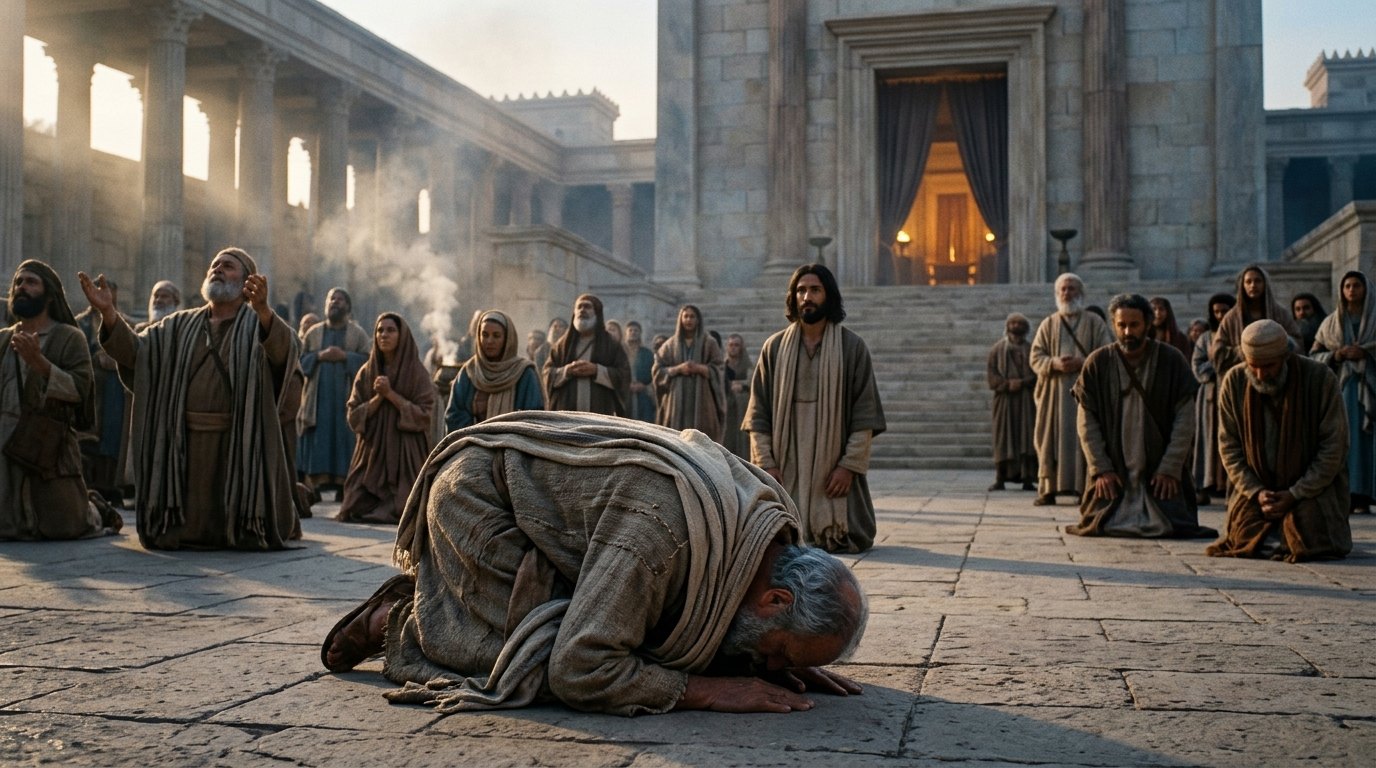
Psalms 95:1-7
1 Come, let us sing for joy to the LORD; let us shout aloud to the Rock of our salvation.
2 Let us come before him with thanksgiving and extol him with music and song.
3 For the LORD is the great God, the great King above all gods.
4 In his hand are the depths of the earth, and the mountain peaks belong to him.
5 The sea is his, for he made it, and his hands formed the dry land.
6 Come, let us bow down in worship, let us kneel before the LORD our Maker;
7 for he is our God and we are the people of his pasture, the flock under his care. Today, if only you would hear his voice,
New International Version (NIV)
The answer
Praise especially celebrates God with thanksgiving, words, and song; worship is the broader response of reverently honoring and submitting to him. They overlap: praise is one expression of worship, but worship cannot be reduced to singing.
Psalm 95 places the two side by side:
- Praise voices God’s greatness. Psalms 95:1-2 calls God’s people to sing, shout, give thanks, and extol him with songs. Likewise, 1 Chronicles 16:9 joins singing with telling of his wonderful works.
- Worship bows before God as God. Psalms 95:6 says, “Oh come, let’s worship and bow down. Let’s kneel before Yahweh, our Maker.” Bowing and kneeling express humility before him; the call to hear his voice in Psalms 95:7 adds a responsive, obedient heart.
- Both rest on who God is. He is the rock of salvation, the great King, the Creator of all, and the God who cares for his people as their Shepherd, as Psalms 95:1-7 declares.
These are not rigid compartments: the same people sing, bow, and listen. The practical distinction is that praise declares God’s worth, while worship responds to his worth with the whole person. Singing can express genuine worship, but Psalm 95 does not allow worship to stop at music or outward posture; it also humbles itself before God and listens to him.
Answered from Scripture · reviewed November 11, 2026
Scripture does not set praise and worship against one another as rival categories, but it consistently presents praise as the proclamation of God's deeds and glory, while worship is the reverent posture of an entire life surrendered before his holy presence. Looking across both Testaments reveals how our vocal declarations of adoration naturally flow into embodied allegiance, humble kneeling, and joyful obedience to our Maker.
The Call to Praise
Exalting God for His Power and Wondrous Works
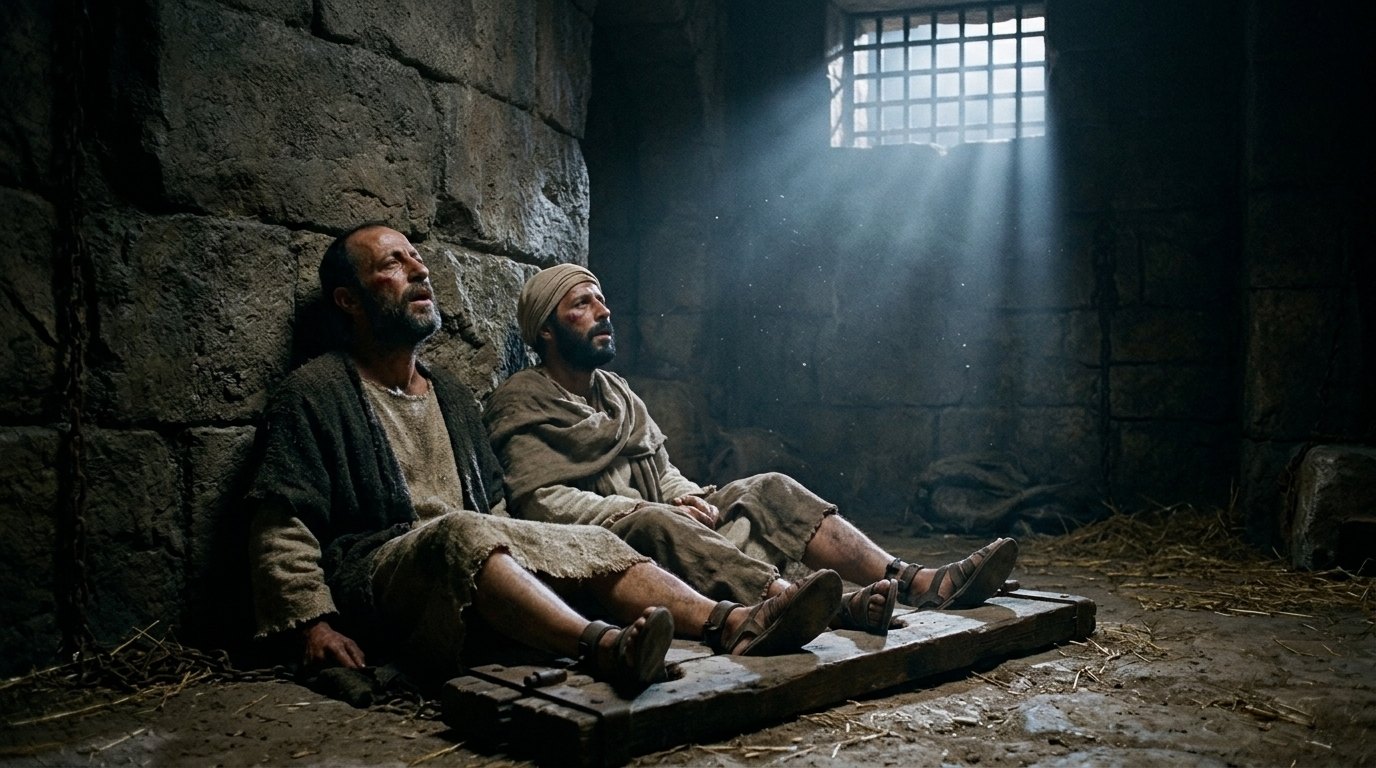
Come, let us sing for joy to the LORD; let us shout aloud to the Rock of our salvation.
Psalms 95:1 (NIV)
It opens the movement of adoration with vocal celebration, calling believers to shout aloud to the solid rock of their salvation.
The summons begins with unbridled, vocal celebration in Psalm 95:1: "Oh come, let us sing to the Lord; let us make a joyful noise to the rock of our salvation!" Praise is the energetic publication of God's mighty acts, calling out his deliverances into the hearing of the congregation. Psalm 95:2 commands us to enter his presence with thanksgiving and joyful songs, setting our eyes on who he is. In Psalm 81:1, Israel is charged to sing aloud to God who gives strength and shout joyfully to Jacob's God, while 1 Chronicles 16:9 commands believers to recount all his wondrous works. Psalm 96:1 summons the whole earth to sing a new song, and Psalm 96:2 charges us to bless his name and proclaim his salvation day after day. This vocal exaltation is universal, culminating in Psalm 150:6, where everything that has breath is commanded to praise the Lord. Long before the temple stood, David sang in 2 Samuel 22:47 that Yahweh lives, blessing the rock of his deliverance. In the New Testament, this vocal fruit continues in Hebrews 13:15 as the continual sacrifice of praise from lips acknowledging his name, exemplified in Acts 16:25 when Paul and Silas, battered in a Philippian jail, sang hymns of praise through the dark.
| Passage | What it says |
|---|---|
| Psalms 95:1 | A corporate summons to sing and make a joyful, loud noise to Yahweh, the rock of salvation. |
| Psalms 95:2 | Entering God's presence with thanksgiving and lifting up joyful songs of praise before him. |
| Psalms 81:1 | An invitation to sing aloud to God who gives strength and shout joyfully to Jacob's God. |
| 1 Chronicles 16:9 | The mandate to sing praises, make melody, and recount all the wondrous works the Lord has done. |
| Psalms 96:1 | Calling the entire earth to sing a new song of praise to Yahweh. |
| Psalms 96:2 | Commanding the people to bless God's name and proclaim his salvation day after day. |
| Psalms 150:6 | The climactic charge that everything possessing breath must lift up praise to the Lord. |
| 2 Samuel 22:47 | David exalts the living Lord and blesses the God who is the rock of his deliverance. |
| Hebrews 13:15 | Exhorts believers to continually offer a sacrifice of praise to God, which is the fruit of lips acknowledging his name. |
| Acts 16:25 | Paul and Silas pray and sing hymns of praise to God while imprisoned, heard by the other prisoners. |
The Ground of Adoration
Our Praises Rest Upon God's Sovereign Rule and Creation
For the LORD is the great God, the great King above all gods.
Psalms 95:3 (NIV)
This verse anchors our adoration in doctrine by declaring Yahweh's absolute supremacy as King above all rulers and false gods.
Praise does not float on shallow sentiment; it rests firmly on the objective reality of God's sovereignty. Psalm 95:3 establishes the solid doctrinal ground: "For the Lord is a great God, and a great King above all gods." True adoration remembers that God is King over all pretenders, uncreated and unmatched. Psalm 95:4 traces his majesty from the deepest chasms of the earth to the towering summits of the mountains, all held securely within his sovereign hand. Psalm 95:5 reminds the worshiper that the vast oceans and the dry ground belong to him because his hands formed and established them. Far from an abstract sovereign, Psalm 100:3 declares that Yahweh made us, and we are his people, the sheep of his pasture. When believers praise God, they are not merely expressing subjective joy; they are declaring the cosmic fact that the living God sits enthroned as Creator and King over every inch of the universe he spoke into being.
| Passage | What it says |
|---|---|
| Psalms 95:3 | Yahweh is declared a great God and a sovereign King towering above all purported gods. |
| Psalms 95:4 | The earth's deepest caverns and highest mountain peaks reside securely within God's sovereign hand. |
| Psalms 95:5 | The oceans and dry land belong to Yahweh because his hands formed and established them. |
| Psalms 100:3 | Acknowledging Yahweh as God who made his people to be the sheep of his pasture. |
The Posture of Worship
Bowing Down Before Our Maker in Total Submission
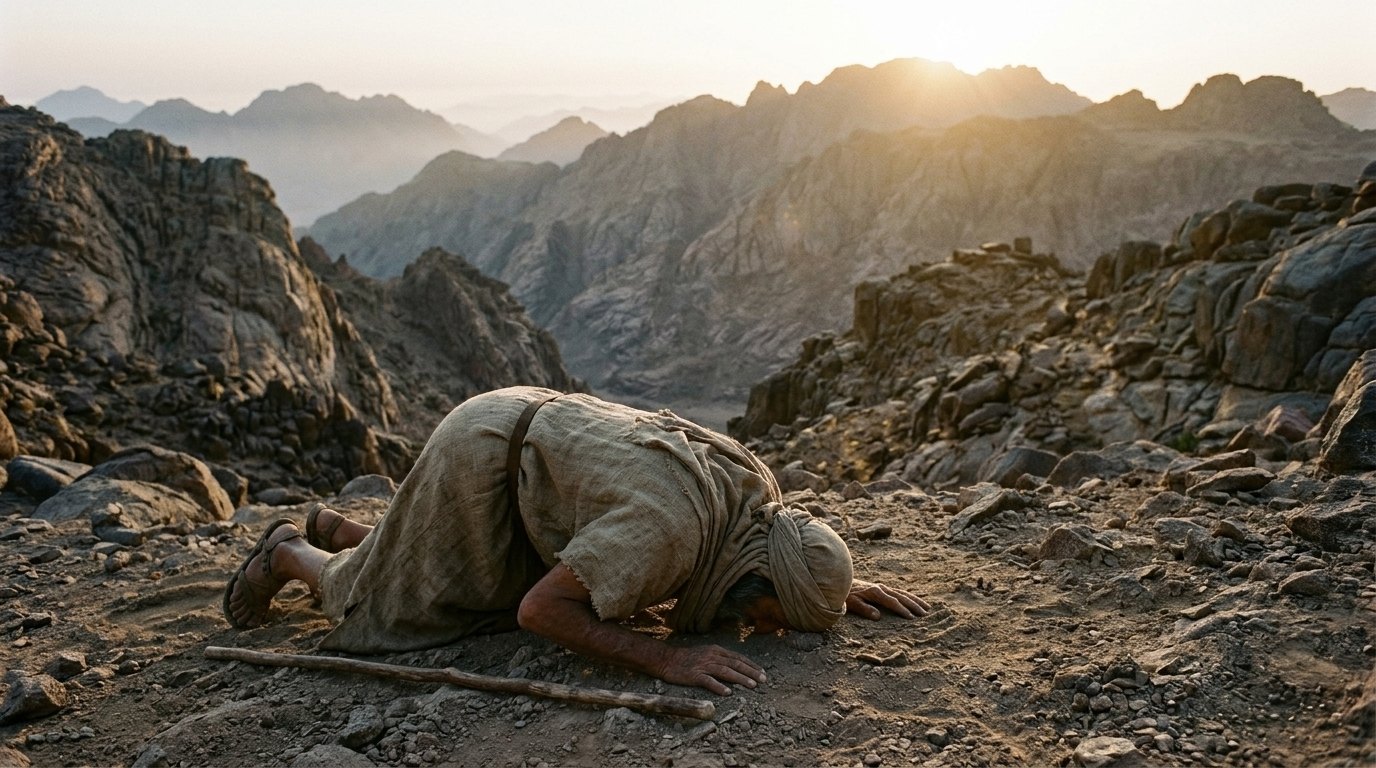
Come, let us bow down in worship, let us kneel before the LORD our Maker;
Psalms 95:6 (NIV)
The text pivots from vocal proclamation to bodily reverence, commanding God's people to kneel and bow low before their Creator.
Having declared the greatness of the King, the psalm pivots from joyful song to physical surrender in Psalm 95:6: "Oh come, let us worship and bow down; let us kneel before the Lord, our Maker!" Here the Hebrew word hishtachavah captures the essence of worship: falling face down in humble reverence before sovereign holiness. In Genesis 24:52, Abraham's servant bowed himself to the earth when he saw the Lord's covenant faithfulness. When God proclaimed his name on Sinai in Exodus 34:8, Moses quickly bowed his head toward the earth and worshiped. In Matthew 4:10, Jesus silenced Satan by declaring that the Lord God alone must receive worship and wholehearted service. John 4:23-24 elevates this posture beyond physical temples, revealing that the Father seeks true worshipers who worship in spirit and truth. In Philippians 3:3, Paul identifies true believers as those who worship by the Spirit of God and put no confidence in the flesh. This culminates in Revelation 4:10, where the twenty-four elders cast their crowns before the heavenly throne, falling prostrate in eternal adoration.
| Passage | What it says |
|---|---|
| Psalms 95:6 | A command to worship, bow down, and physically kneel before Yahweh, the Maker of all. |
| Genesis 24:52 | Abraham's servant bows himself to the ground in humble worship upon witnessing God's steadfast kindness. |
| Exodus 34:8 | Moses quickly bows his head toward the ground and worships as the Lord's glory passes by. |
| Matthew 4:10 | Jesus declares from Scripture that God alone must be worshiped and served with total allegiance. |
| Revelation 4:10 | The twenty-four elders cast their crowns and fall down in worship before the enthroned Lord. |
| John 4:23-24 | Jesus defines true worship as worshipping the Father in spirit and truth, which the Father seeks. |
| Philippians 3:3 | Describes true believers as those who worship by the Spirit of God and glory in Christ Jesus. |
Covenant and Obedience
True Worship Listens and Yields to the Shepherd's Voice
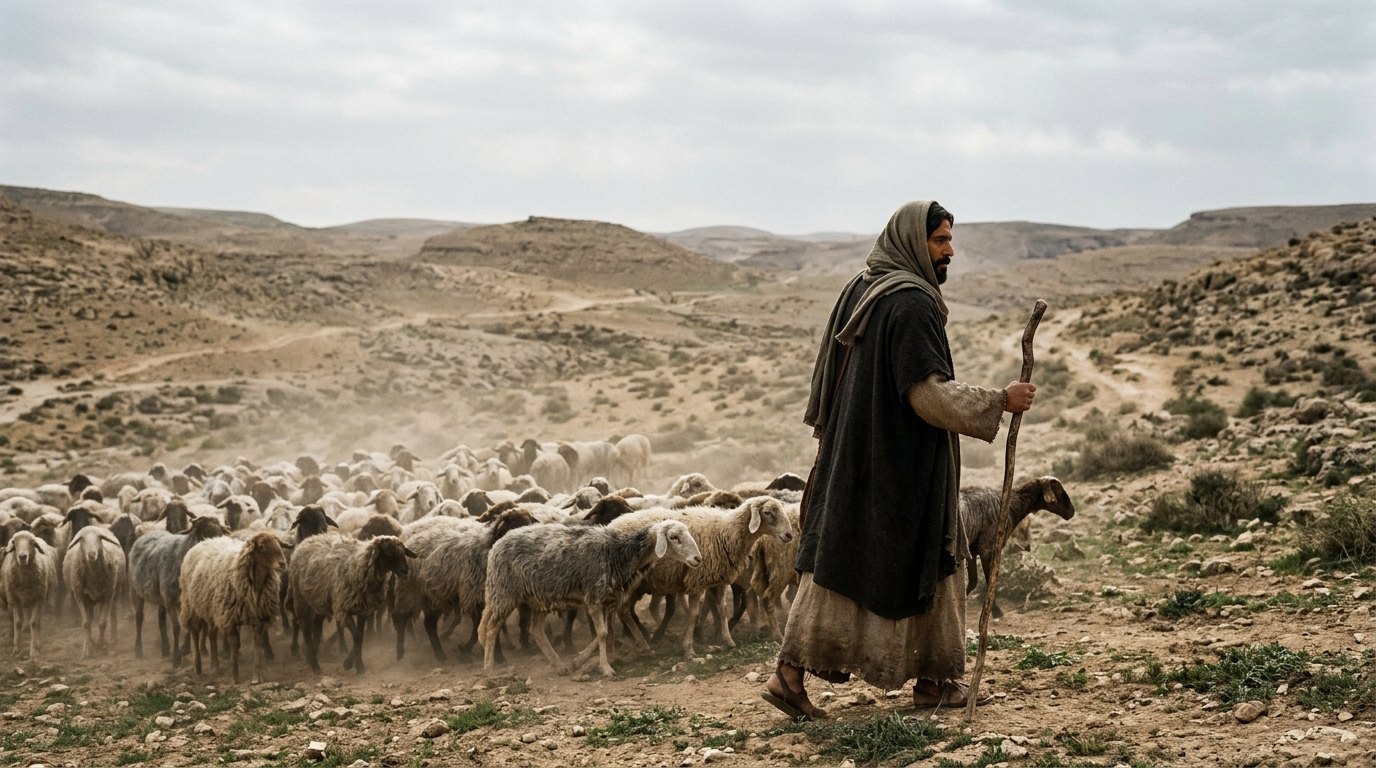
for he is our God and we are the people of his pasture, the flock under his care. Today, if only you would hear his voice,
Psalms 95:7 (NIV)
It defines worship not as transient emotion but as covenant belonging, where the sheep hear and obey their Shepherd's voice.
Worship is ultimately sealed in covenant obedience, as Psalm 95:7 shows: "For he is our God, and we are the people of his pasture, and the sheep of his hand. Today, if you hear his voice..." This pasture relationship is fulfilled in John 10:27 and Hebrews 3:7-8, where Christ's sheep hear his voice and obey him. The Old Testament consistently warned against outward rituals divorced from heart submission; 1 Samuel 15:22 proclaims that to obey is better than sacrifice, a truth fulfilled in Hebrews 10:5-10 where Christ offers his own body in perfect obedience to the Father's will. In 1 Corinthians 10:4, Paul reveals that the rock that refreshed Israel in the desert was Christ himself. Micah 6:6-8 demands doing justice, loving kindness, and walking humbly with God rather than relying on empty ceremonies. In Romans 12:1, true spiritual worship is defined as presenting our bodies as a living sacrifice, holy and acceptable to God. Therefore, Hebrews 12:28-29 commands us to offer acceptable worship with reverence and awe, knowing our God is a consuming fire.
| Passage | What it says | Fulfilled |
|---|---|---|
| Psalms 95:7 | God's covenant people are called his pastured sheep, urged to hear and heed his voice today. | John 10:27, Hebrews 3:7-8 |
| 1 Samuel 15:22 | Samuel proclaims that sincere obedience to the Lord's voice is far superior to animal sacrifice. | Hebrews 10:5-10 |
| 1 Corinthians 10:4 | Israel drank from the spiritual rock in the wilderness, and that spiritual rock was Christ. | 1 Corinthians 10:4 |
| Romans 12:1 | Believers are instructed to present their bodies as living, holy sacrifices as their spiritual worship. | Romans 12:1 |
| Micah 6:6-8 | Declares that God desires justice, mercy, and humble walking over formal sacrificial rituals. | |
| Hebrews 12:28-29 | Calls for offering acceptable worship to God with reverence and awe, for God is a consuming fire. |
Where in the Bible
| Book | Passages |
|---|---|
| Genesis | 1 · Genesis 24:52 |
| Exodus | 1 · Exodus 34:8 |
| 1 Samuel | 1 · 1 Samuel 15:22 |
| 2 Samuel | 1 · 2 Samuel 22:47 |
| 1 Chronicles | 1 · 1 Chronicles 16:9 |
| Psalms | 12 · Psalms 95:1, Psalms 95:2, Psalms 81:1, Psalms 96:1, Psalms 96:2, Psalms 150:6, Psalms 95:3, Psalms 95:4, Psalms 95:5, Psalms 100:3, Psalms 95:6, Psalms 95:7 |
| Micah | 1 · Micah 6:6-8 |
| Matthew | 1 · Matthew 4:10 |
| John | 1 · John 4:23-24 |
| Acts | 1 · Acts 16:25 |
| Romans | 1 · Romans 12:1 |
| 1 Corinthians | 1 · 1 Corinthians 10:4 |
| Philippians | 1 · Philippians 3:3 |
| Hebrews | 2 · Hebrews 13:15, Hebrews 12:28-29 |
| Revelation | 1 · Revelation 4:10 |
The story in order
- Creation and Fall (c. 4000 BC) · Genesis 1:1 · God establishes his sovereign rule and creation.
- Abraham's Covenant (c. 2000 BC) · Genesis 15:6 · Faith is credited as righteousness, foundational to worship.
- Exodus and Law (c. 1450 BC) · Exodus 20:1-17 · God's law reveals his holiness and demands obedience.
- David's Reign (c. 1000 BC) · 2 Samuel 7:1-16 · David's praise and God's covenant promises.
- Prophetic Warnings (c. 700 BC) · Micah 6:6-8 · True worship involves justice, mercy, and humility.
- Exile and Return (c. 445 BC) · Nehemiah 8:1-12 · Re-establishing worship and obedience after exile.
- Jesus' Ministry (AD 27) · John 4:23-24 · True worship is in spirit and truth.
- Apostolic Teaching (c. AD 65) · Hebrews 13:15 · The sacrifice of praise is the fruit of lips.
- New Testament Church (c. AD 50) · Acts 16:25 · Praise offered even in suffering.
- Revelation of Worship (c. AD 95) · Revelation 4:10 · Heavenly worship before God's throne.
Key words
- Praise
- The vocal proclamation of God's deeds, glory, and salvation. · Psalms 95:1
- Worship
- The reverent posture of an entire life surrendered before God's holy presence. · Psalms 95:6
- Sacrifice of Praise (Greek: thusia aineseos (θυσία αἰνέσεως))
- The fruit of lips that acknowledge God's name, offered continually. · Hebrews 13:15
- Spirit and Truth (Greek: pneuma kai aletheia (πνεύματι καὶ ἀληθείᾳ))
- The manner of true worship, aligning with God's nature and his Word. · John 4:23-24
- Living Sacrifice (Greek: somata zonta (σώματα ζῶντα))
- Presenting one's body to God as a holy offering, reflecting spiritual worship. · Romans 12:1
Praise declares God's mighty acts to a listening world, while worship falls face down in utter surrender before the living God. As believers bring their voices into his courts and offer their lives as living sacrifices, the vocabulary of adoration unites with the quiet posture of faith.
27 passages, each cited once.
Scripture cited
- Psalms 95:1-7
- 1 Chronicles 16:9